


When growers search for the most resilient cannabis strains, they want a clear answer: which strains survive mistakes, stress, and imperfect conditions better than others.
The short answer is that some strains are more forgiving and adaptable, but resilience is never just a strain name. It is the result of stable genetics combined with how the plant is grown.
Below, you will find a direct list of resilient strains, followed by a clear explanation of why they perform well and what most blogs fail to explain.
The most resilient cannabis strains are those with stable genetics, predictable growth patterns, and fast recovery from environmental stress. Based on long-term grower experience and performance consistency, the following strains are most commonly recognized for resilience when grown correctly.
Northern Lights
Known for stable structure, moderate nutrient needs, and strong recovery from stress, especially in indoor environments.
White Widow
Tolerates minor feeding and environmental mistakes, with balanced growth and consistent performance across different setups.
Critical
Vigorous vegetative growth and fast recovery make it forgiving for beginners, though it still requires proper watering discipline.
| Strain | Why It’s Considered Resilient | Best For |
|---|---|---|
| Northern Lights | Stable genetics, strong recovery | Indoor growers |
| White Widow | Error tolerance, balanced growth | All experience levels |
| Critical | Fast recovery, vigorous growth | Beginners |
This list satisfies list intent, featured snippets, and AI summaries directly.
In cannabis cultivation, resilience means a plant can tolerate stress, recover quickly, and continue growing without long-term damage.
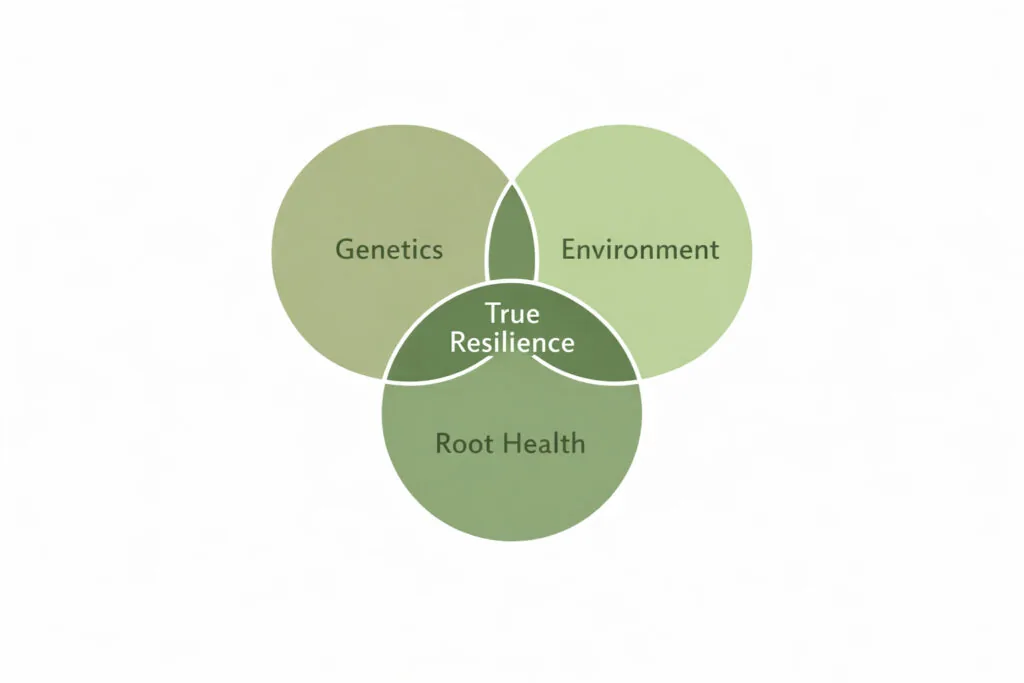
This is often confused with:
In reality, resilience is about tolerance and recovery, not perfection.
In controlled cannabis cultivation, most plant failures are caused by environmental stress and root-zone problems rather than genetics alone. Research on cannabis and hemp diseases shows that poor root conditions and stress-related vulnerabilities account for a large share of plant decline, especially in indoor systems where oxygen and moisture balance are critical (National Center for Biotechnology Information).
Cannabis resilience is built in layers. Genetics set the baseline, but environment and grower decisions determine real-world performance.
Genetics matter, but they are not enough on their own.
Stable genetics tend to show:
However, growers consistently observe that even strong genetics fail in unstable environments. Genetics provide tolerance, not immunity.
The root zone controls water uptake, oxygen availability, and nutrient absorption.
Healthy roots require:
Overwatering remains the most common cause of reduced resilience.
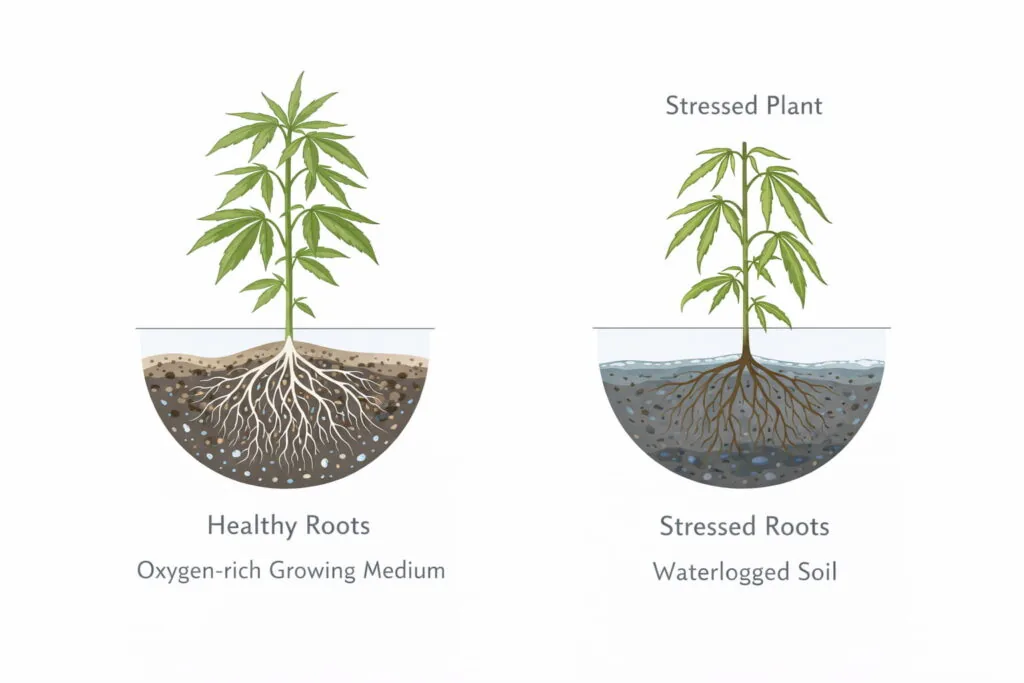
Healthy cannabis roots require consistent oxygen availability to function properly. When root zones become waterlogged, oxygen levels drop, and plants become more susceptible to nutrient lockout and root pathogens. Scientific reviews of cannabis cultivation consistently link low-oxygen root environments with increased disease pressure and reduced stress tolerance (National Center for Biotechnology Information).
Plants adapt to consistency, not perfect numbers.
Sudden changes in temperature or humidity force plants into a constant stress response mode, reducing growth efficiency and resistance to disease.
Cannabis plants respond more strongly to environmental stability than to hitting perfect target numbers. Research on plant responses to humidity reveals that rapid or repeated changes in relative humidity can disrupt normal physiological processes, increase stress signaling, and reduce overall performance and resilience (Frontiers in Plant Science).
Yes, when stress is applied gradually.
Low-stress training and early topping encourage stronger structure and better light distribution. Excessive defoliation or late aggressive training weakens resilience instead of improving it.
Growers consistently report that plants trained gently early recover faster than those shocked later.
Balanced nutrition supports structural strength and stress tolerance.
Key factors include:
Balanced mineral nutrition plays a direct role in plant stress tolerance. Studies across horticultural crops show that silicon supplementation can strengthen plant tissue and improve resistance to both abiotic and biotic stress, especially when combined with stable root-zone conditions (Frontiers in Plant Science).
Beneficial microbes support roots, but they do not compensate for poor conditions.
They work best when:
Many blogs overstate microbial protection while ignoring these requirements.
Routine observation allows growers to catch:
Growers with strong routines consistently lose fewer plants, regardless of strain.
For beginners, the most resilient cannabis strains are those that tolerate common errors and recover quickly without demanding perfect feeding or environmental control. Hypno Seeds strains like Northern Lights, Critical, White Widow, Blue Dream, and Purple Punch earn this reputation because they show stable growth patterns and clear stress signals that let new growers correct issues early; although strain choice helps, basic environment control remains the bigger driver of success.
Strains that perform best outdoors tolerate humidity swings, pest pressure, and temperature changes while maintaining structure and recovery ability. Among Hypno Seeds’ offerings, Critical, Northern Lights, White Widow, Blue Dream, and Purple Punch are commonly chosen for outdoor cultivation because they adapt reliably and rebound well after stress, even when conditions fluctuate through a season.
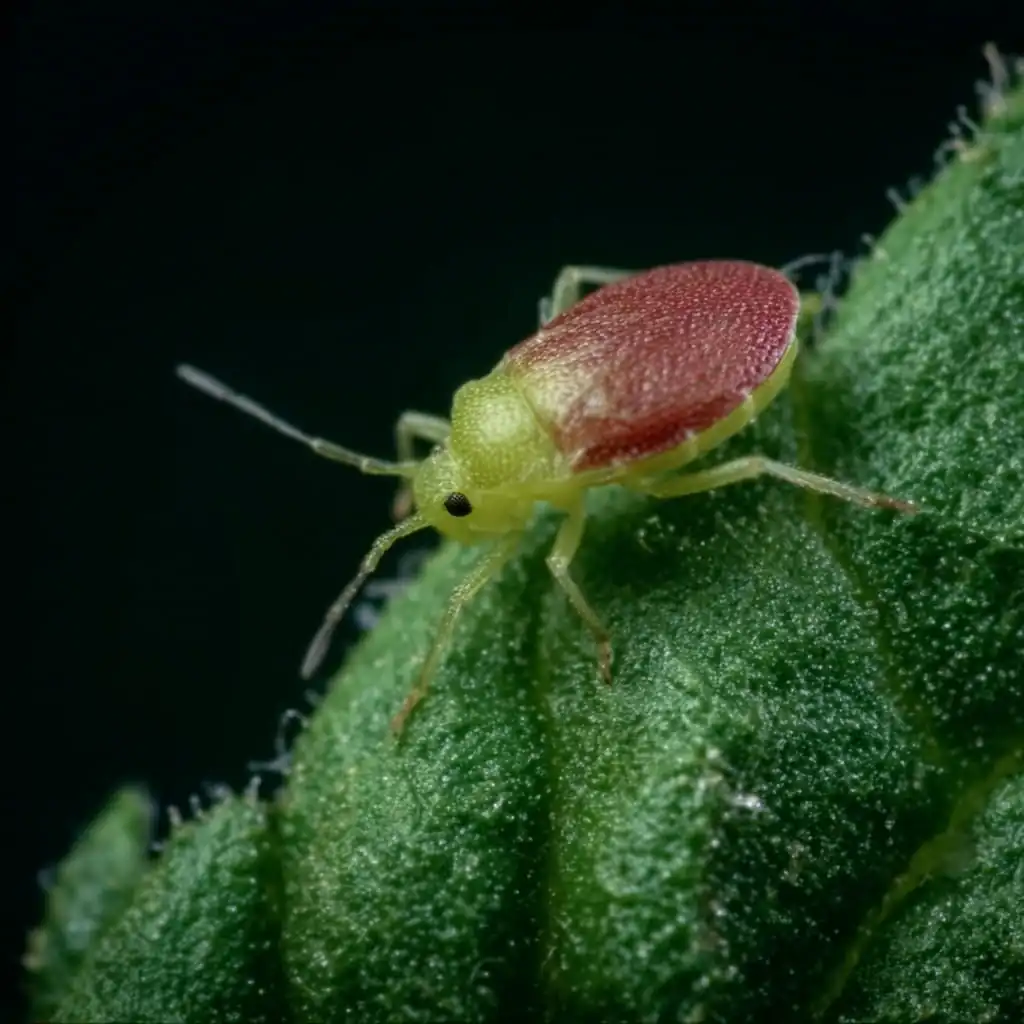
No cannabis strain is pest-proof.
Some strains recover faster or attract fewer pests, but pest resistance is driven primarily by:
Environment always matters more than genetics here. There is no scientific evidence that any cannabis strain is fully pest-resistant. Research on cannabis diseases and pests shows that infestation severity is driven primarily by environmental conditions, sanitation, and plant stress levels rather than genetics alone. Some plants recover faster after damage, but resistance is not immunity (National Center for Biotechnology Information).
| Grower Goal | Priority Traits |
|---|---|
| Beginner | Recovery speed, tolerance |
| Indoor grow | Stability, root vigor |
| Outdoor grow | Mold tolerance, structure |
| Low maintenance | Predictable growth |
| Mistake | Why It Weakens Plants |
|---|---|
| Overwatering | Root oxygen loss |
| Aggressive defoliation | Energy imbalance |
| Environment swings | Chronic stress |
| Overfeeding | Root damage |
Are resilient cannabis strains better for beginners?
They can be, but only with proper watering and environment control.
Do resilient strains yield less?
No. Yield depends more on environment and training than resilience alone.
Are resilient strains always indica?
No. Resilience exists across all genetic types.
Can resilient strains still get mold or pests?
Yes. No strain is immune.
Are premium resilient seeds worth it?
Only when genetics are stable, and cultivation practices are sound.
The most resilient cannabis strains share stable genetics and strong recovery traits, but real resilience is created by healthy roots, stable environments, and attentive growers.
Choosing the right strain helps. Building the right conditions is what makes it work.


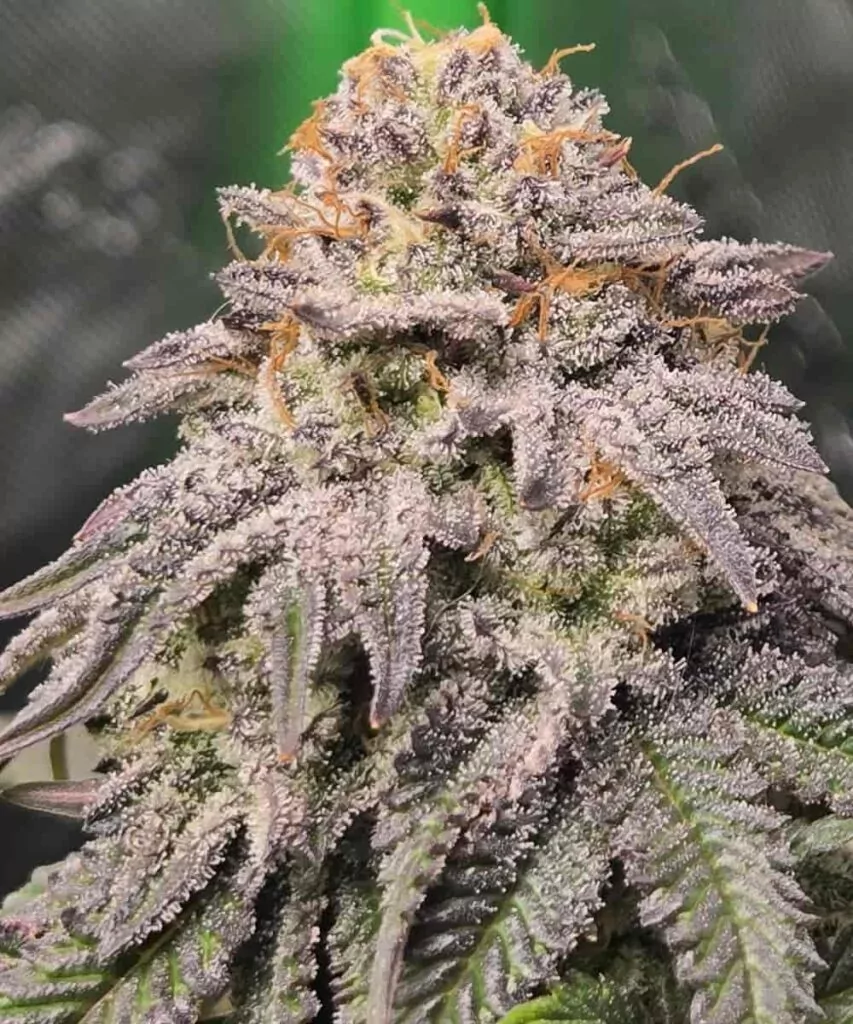


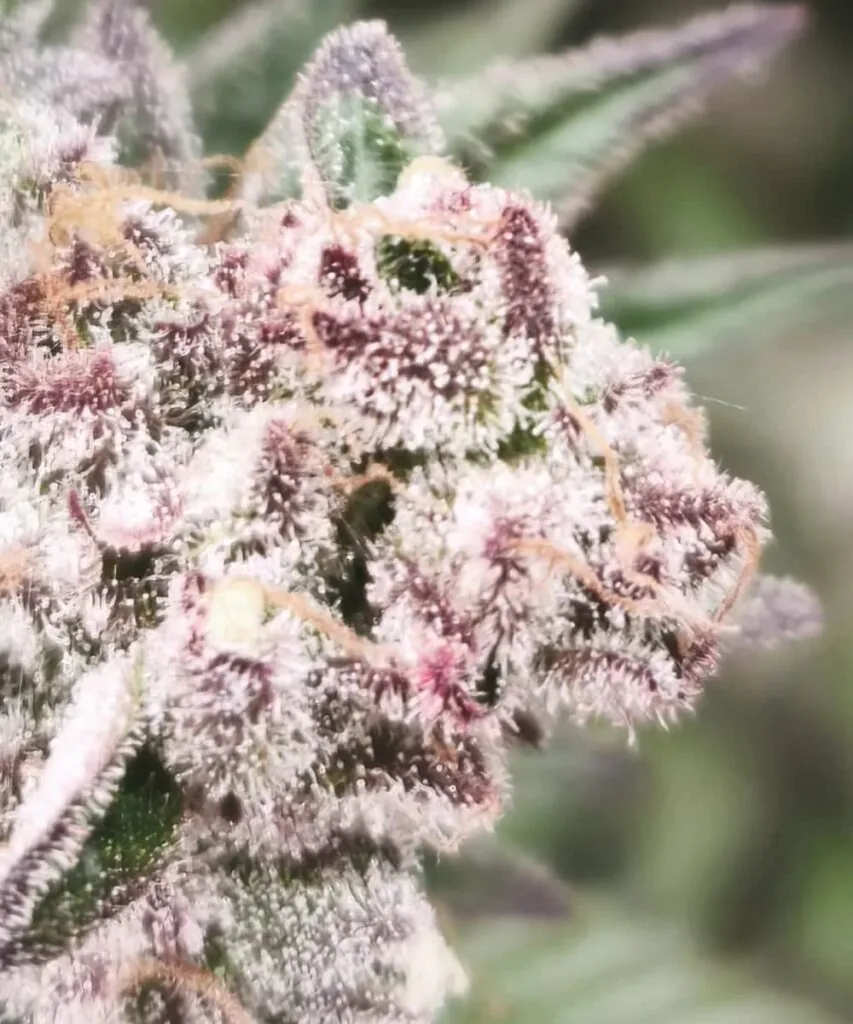
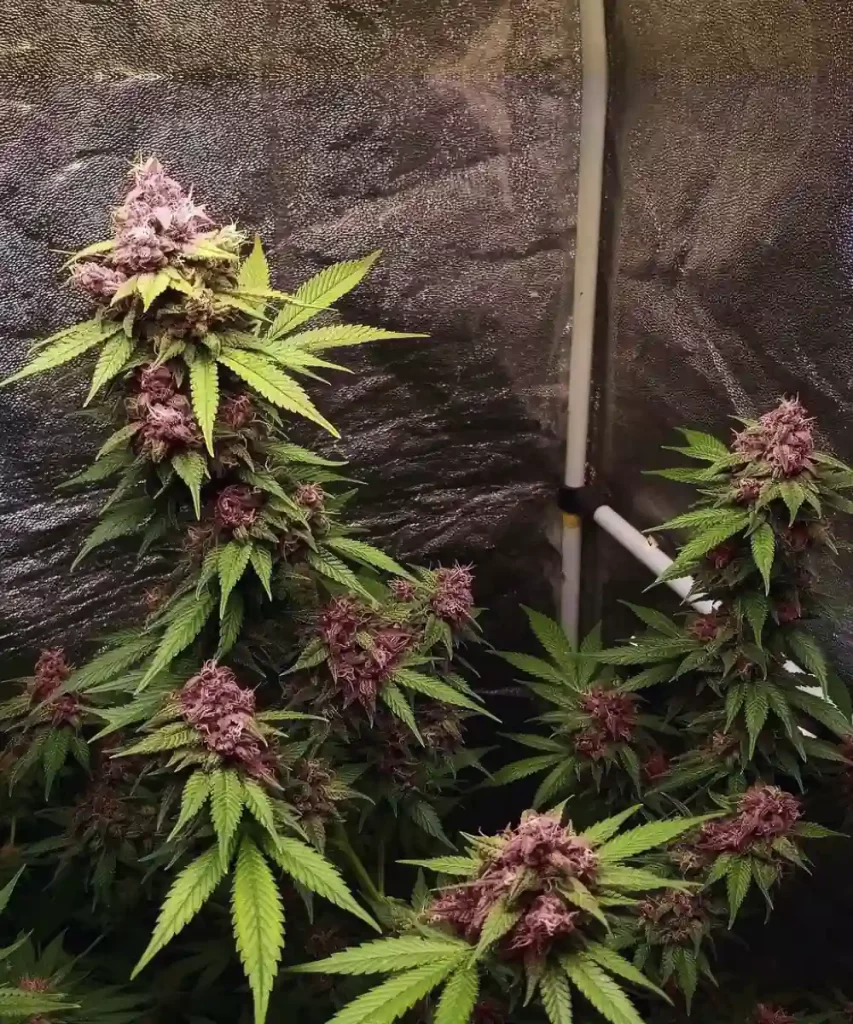
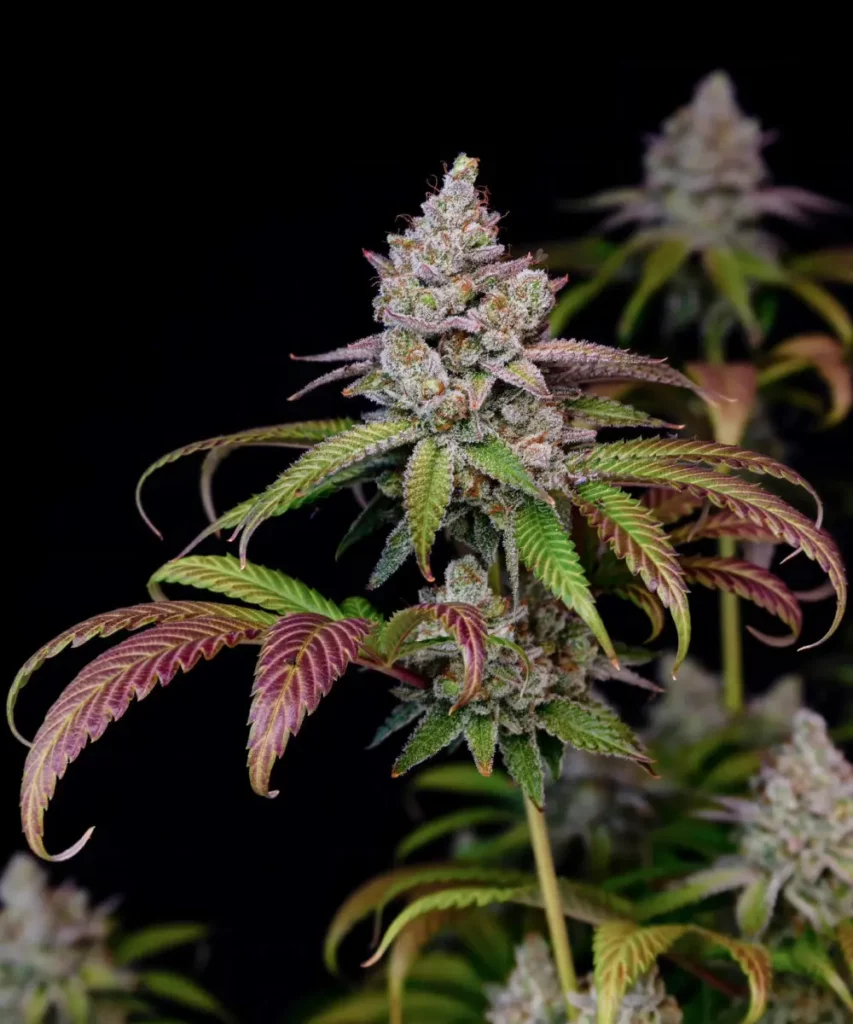
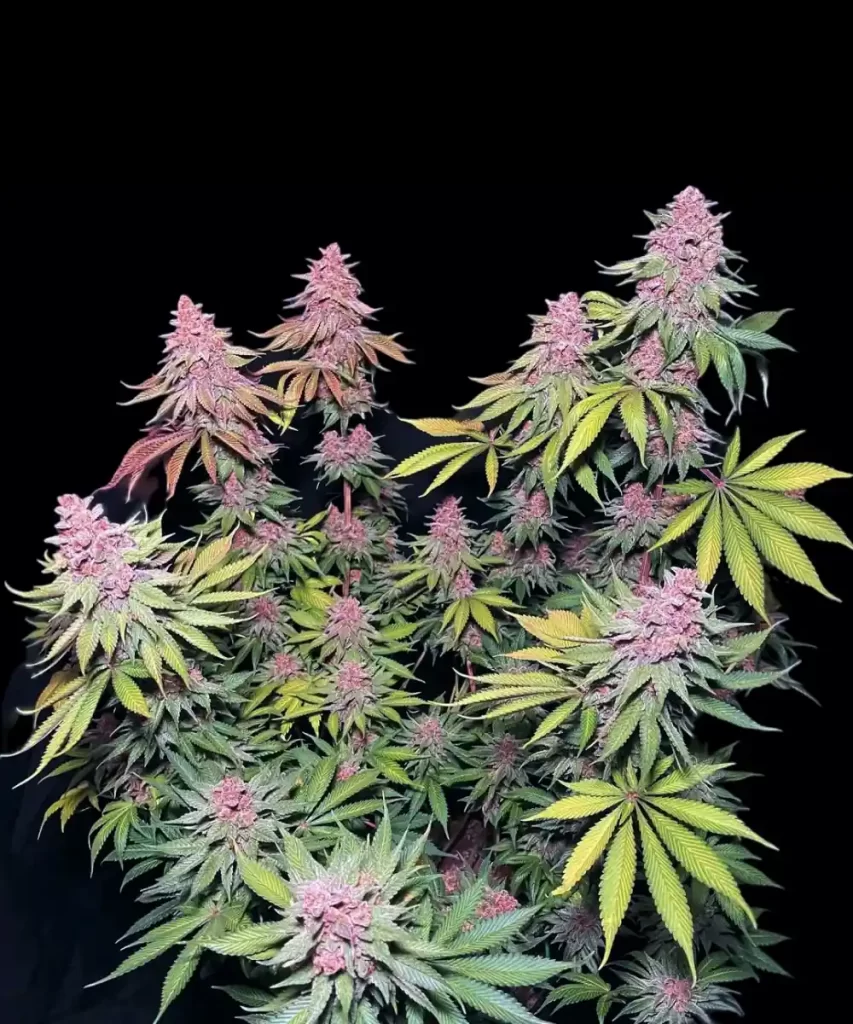

I planted 10 Super Boof seeds, and all germinated without a hitch. The plants grew strong and healthy, producing dense, frosty buds with a sweet, earthy aroma. The high is uplifting yet relaxing—a perfect balance. Impressive yield too, even with minimal effort

I’ve been growing weed for 30+ years, and to be honest, it’s quite difficult to surprise me. After a few decades of facing different strains, changing growing conditions, and solving whatever problem you could possibly think of, by then, I believe I’ve seen it all in cannabis growing.
Gary Payton defied every single one of my expectations.
The plant thrived, growing to an impressive 6 feet in what seemed like a blink of an eye. It quickly filled out with buds and displayed better smell each day, showing solid proof of superior genetics. The buds were tight, aromatic, and a source of immense pride, surpassing the outcome of many of my previous endeavors.
Hypno Seeds with their Gary Payton strain has won my complete admiration and loyalty. Outstanding genetics in this plant have truly turned what I always thought of to be an experiment with negligible expectations into one of the most satisfying grows of my long career.
Looking forward, my excitement for the next growing season is unparalleled. I can’t wait to see how much I can take these strains, especially with the attention that Gary Payton really does deserve right from the start.

TRUE MAGIC! This strain really stands out. I am trying Hypno Seeds for the first time and I surely made the right choice. I will be ordering more RS11 seeds just to keep this beauty in my garden for the upcoming season. Growing in Virginia and it’s only shown perfection by now.

Starting my latest grow, I decided to try out some Blackberry Kush from Hypno… I planted her on a whim alongside my other favorites. Hypno Seeds said it had to be a powerful plant with rich, fruity scents… Seeing is believing. She developed purplish hues and dense resin coated buds and quickly took center stage in my garden and produced much more than expected. The buds are tightly packed, literally bursting with the heady aroma. The yield? Very impressive for her conditions…
Germinated three seeds using the paper towel method with100% success rate within 48 hours. Planted in 5 gallon pots with living soil under a 315W CMH light. Plants remained compact (3.5 ft) with thick lateral branching, showing high resistance to humidity and minor nutrient fluctuations. Yield per plant: 5.8 oz of extremely dense, trichome-heavy buds. Smell profile during flower: sharp pine, pepper, and a hint of citrus. Harvested at week 9, after trichomes showed 30% amber for peak sedative effects. Smoke report: Potent. Deep relaxation without full sedation. Ideal for stress relief.


