


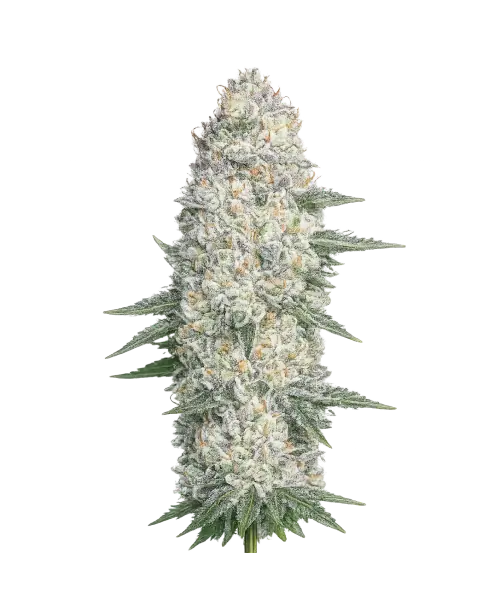

What Are Georgia Pie Seeds?
Georgia Pie seeds grow into a feminized photoperiod plant bred from Gelatti and Kush Mints genetics. The balanced hybrid is known for producing dense, resin-rich buds with THC levels that often reach the mid-20% range. This lineage blends the dessert-style influence of Gelato-family cultivars with the minty potency of Kush Mints.
 EffectEuphoria, relax
 Indoor Yield / Outdoor Yield1.1-1.5 oz/ft² / 15-16 oz/plant
 THC / CBDUp to 25% / Up to 0.2%
 Genetics / GenderGelato x Biscotti x Kush Mints / FeminizedHarvest / FloweringEnd of September, Start of October / 8-9 weeksHeight50-60 inch
 FlavorFruity, Sweet
 Type60% Indica / 40% Sativa

FLAVORS & EFFECTS
The aroma often resembles sweet peach pastry, mixing ripe stone fruit with creamy dough and subtle herbal spice. Terpenes such as limonene, caryophyllene, and humulene contribute to a balanced effect that begins with a light cerebral lift before settling into relaxed, body-focused calm.

STONE FRUIT
Smooth fruit aroma reminiscent of peach, apricot, and nectarine with gentle natural sweetness.

CARAMEL SUGAR
Warm caramelized sweetness with rich dessert-like depth and subtle toasted sugar notes.

SHARP PEPPER
Crisp peppery scent with dry spice and a slightly pungent aromatic bite.

EARTHY FOREST
Deep earthy scent reminiscent of damp soil, moss, and fresh woodland air.

EUPHORIC MINDSET
A heightened sense of joy and mental uplift that creates a bright and pleasurable outlook.

COMFORTING CALM
A gentle, reassuring calm that brings emotional balance and inner ease.

BALANCED EQUILIBRIUM
A steady, harmonious feeling where both mind and body feel centered and stable.

CREATIVE AMBITION
An inspiring mental state that fuels the desire to create, build, and pursue new ideas.
Georgia Pie Grown by our customers
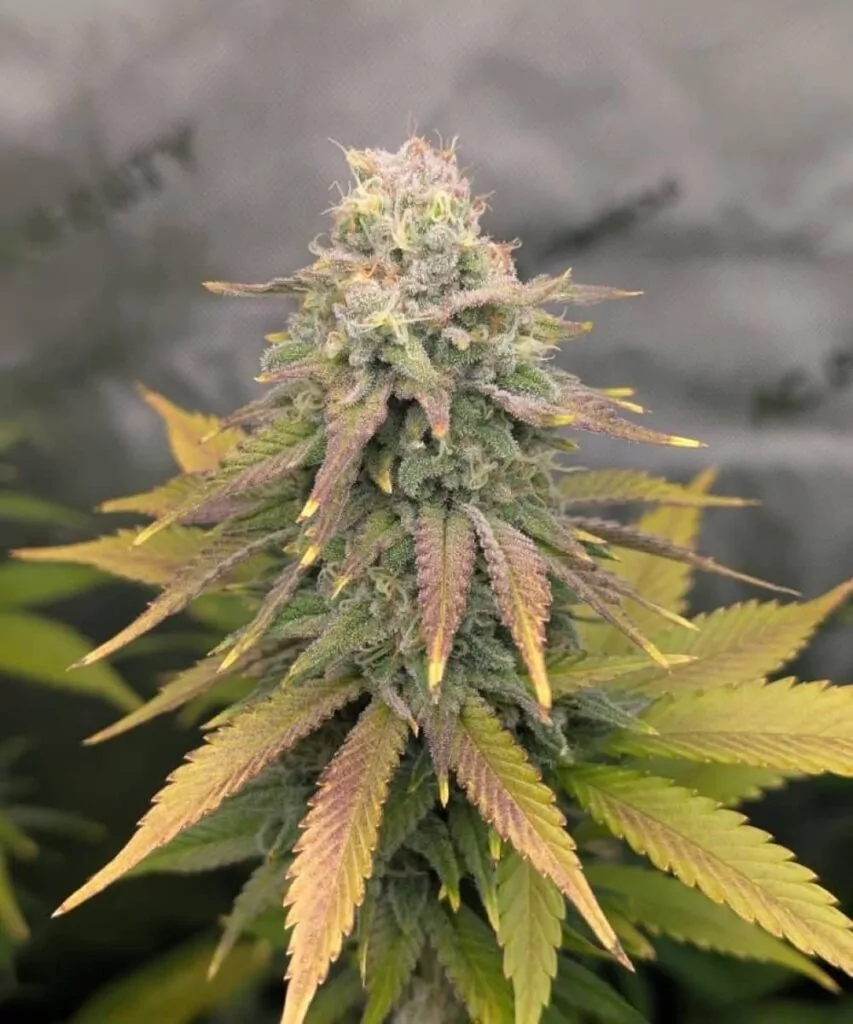
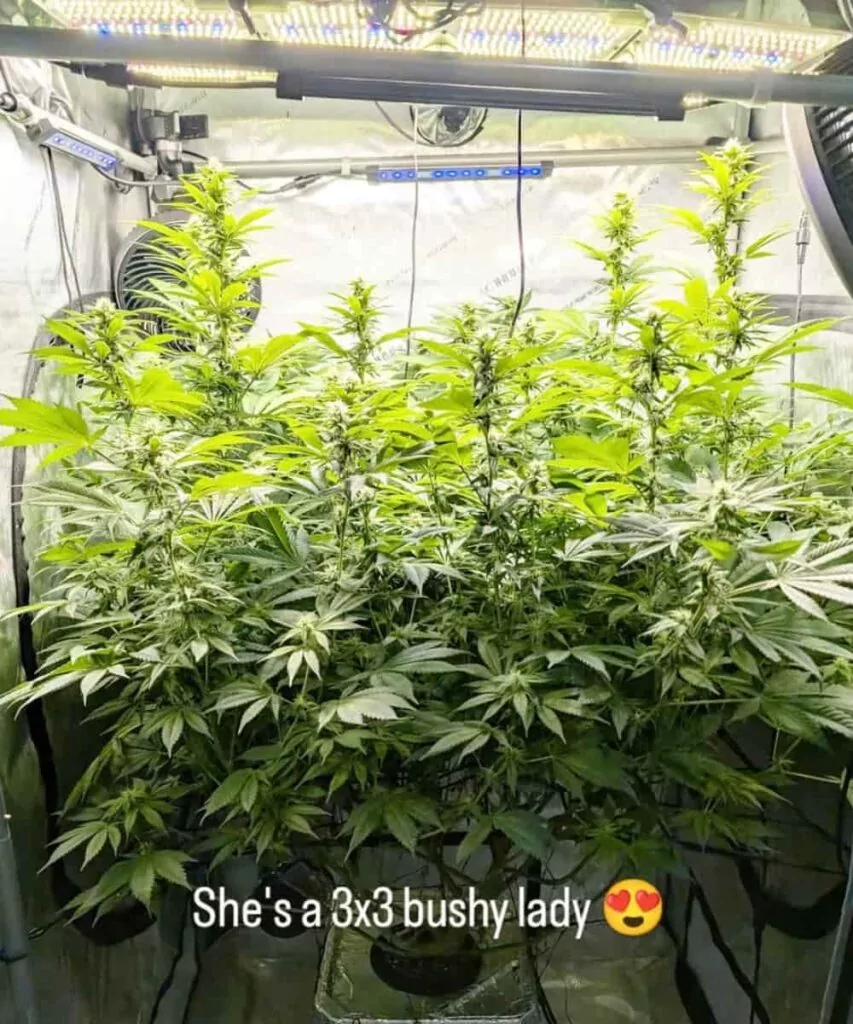

Georgia Pie
October 10, 2024Bro, Georgia Pie hits different. Tastes like a peach cobbler, but the high? Smooth af. Chill yet hype—straight fire.
Georgia Pie
October 22, 2024Georgia Pie slaps. Sweet peaches, chill vibes. 10/10.
Georgia Pie
November 10, 2024With the right setup and some careful attention, I managed to pull just over 1.6 oz from a small Hypno Georgia Pie plant, and I’m sure it can go beyond the ~27% THC listed. Everyone who tried it loved how smooth it was, with a nice, relaxing yet clear-headed effect. The colors and potency really stood out, even though I still need to fine-tune my nutrients and improve my flush.
You may also like…
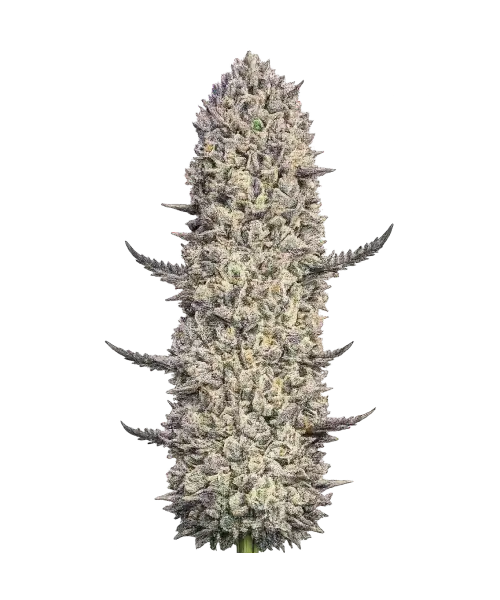

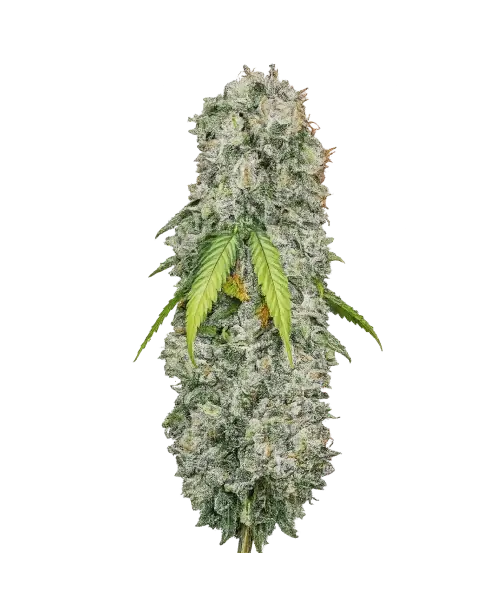

Gush Mints

Kush Mints
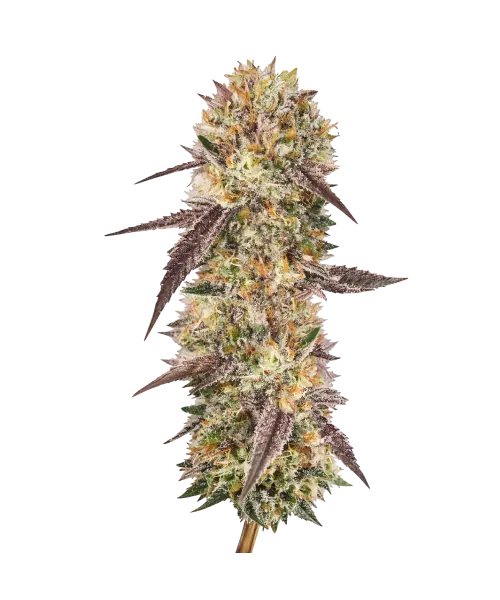

Biscotti
Usefull information and FAQ
- Are Georgia Pie seeds good for beginners?
Georgia Pie seeds are beginner-friendly in early growth but more demanding in flower. The plant grows vigorously and responds well to training, which makes it forgiving at first. The challenge comes later, when dense buds require careful humidity control and airflow to avoid mold issues.
- How do you train Georgia Pie plants?
Start training early in veg. Low-stress training combined with one topping helps spread the canopy and increase bud sites. Georgia Pie naturally produces strong lateral growth, so shaping it early avoids overcrowding later. Waiting too long to train usually results in uneven light distribution and lower yields.
- Does Georgia Pie need humidity control?
Yes, especially in flowering. While it tolerates slightly higher humidity in veg, levels should drop to around 40–50% during bloom to prevent bud rot.
Dense flowers trap moisture internally, so stable humidity becomes more important than pushing nutrients or light intensity.
- Why is airflow important for Georgia Pie?
Airflow prevents microclimates inside the canopy. Georgia Pie develops compact, resin-heavy buds that can hold moisture, increasing mold risk if air is stagnant. Strategic pruning and oscillating fans help keep air moving through inner bud sites, not just above the canopy.
- Does Georgia Pie need plant support?
In many cases, yes. As flowering progresses, branches can bend under the weight of dense buds. Using trellis nets or stakes keeps branches upright and improves light exposure. This is often overlooked and can reduce yield if buds collapse into shaded areas.
- What nutrients work best for Georgia Pie?
Georgia Pie prefers a balanced feeding approach. It responds well to nitrogen in veg, then benefits from higher phosphorus and potassium in flower. Overfeeding (especially with nitrogen) can reduce bud quality and terpene expression, so gradual adjustments work better than aggressive feeding schedules.
- What makes Georgia Pie unique to grow?
Unlike many dessert strains, Georgia Pie combines vigorous vegetative growth with compact, dense flowering. This means it grows fast early but requires tighter environmental control later. Growers who adapt their strategy between stages get the best results, while treating it the same throughout often leads to avoidable issues.


