


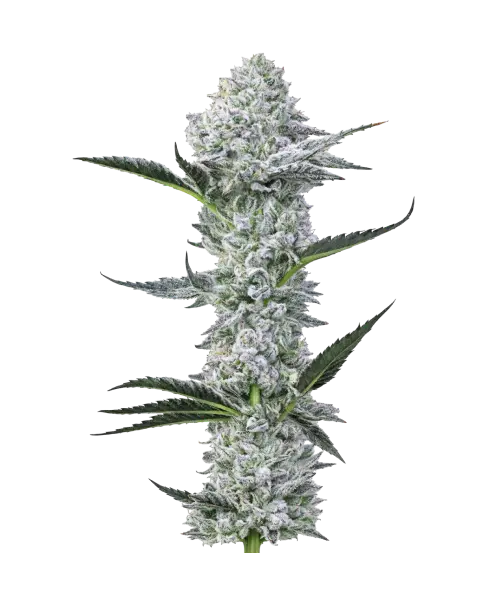

What Are Mimosa Seeds?
Mimosa seeds grow into a feminized photoperiod plant created by crossing Purple Punch with Clementine. The hybrid leans strongly sativa and is recognized for vigorous growth, bright terpene expression, and THC levels that can reach about 25%. This lineage blends the colorful resin production of Purple Punch with the citrus-heavy terpene profile inherited from Clementine.
 EffectCreative, Energetic, Focused, Happy, Uplifting
 Indoor Yield / Outdoor Yield1.8-2.3 oz/ft² / 20-25 oz/plant
 THC / CBDUp to 25% / Up to 0.50%
 Genetics / GenderPurple Punch x Clementine / FeminizedHarvest / FloweringFirst half of October / 9-10 weeksHeight60-80 inch
 FlavorEarthy, Lemon Tree, Orange Blossom, Piney, Sweet
 Type30% Indica / 70% Sativa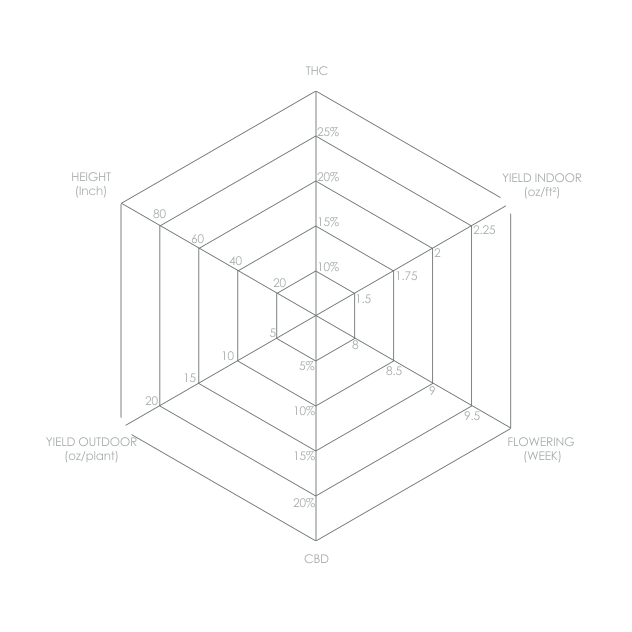

FLAVORS & EFFECTS
Orange and sweet citrus lead the aroma, often followed by subtle berry notes. Terpenes such as limonene, myrcene, and pinene shape an energetic effect that feels uplifting and creative while maintaining a light, relaxed body finish.

TANGERINE
Sweet citrus fragrance with smooth, juicy undertones that feel warm and uplifting.

SHARP PEPPER
Crisp peppery scent with dry spice and a slightly pungent aromatic bite.

TROPICAL MANGO
Juicy tropical aroma with rich mango sweetness and smooth exotic fruit undertones.

GRAPEFRUIT PEEL
Bittersweet citrus aroma with a crisp edge and slightly tart freshness.

MASTERY MODE
A confident and focused mental state that supports clarity, performance, and purposeful action.

IDEA EXPANSION
A stimulating effect that encourages curiosity, new perspectives, and imaginative thinking.

CREATIVE AMBITION
An energizing mindset that combines imagination with the motivation to turn ideas into reality.

ELEVATED MOOD
A positive shift in mood that brings lightness, optimism, and a sense of well-being.
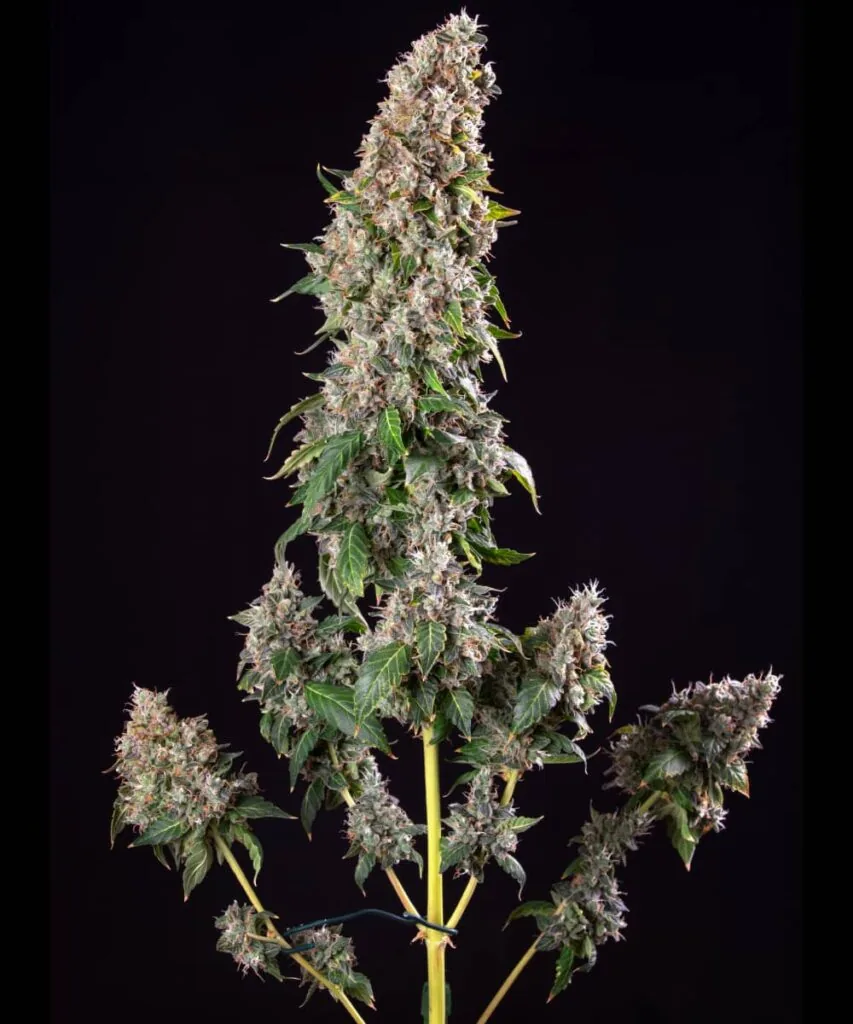
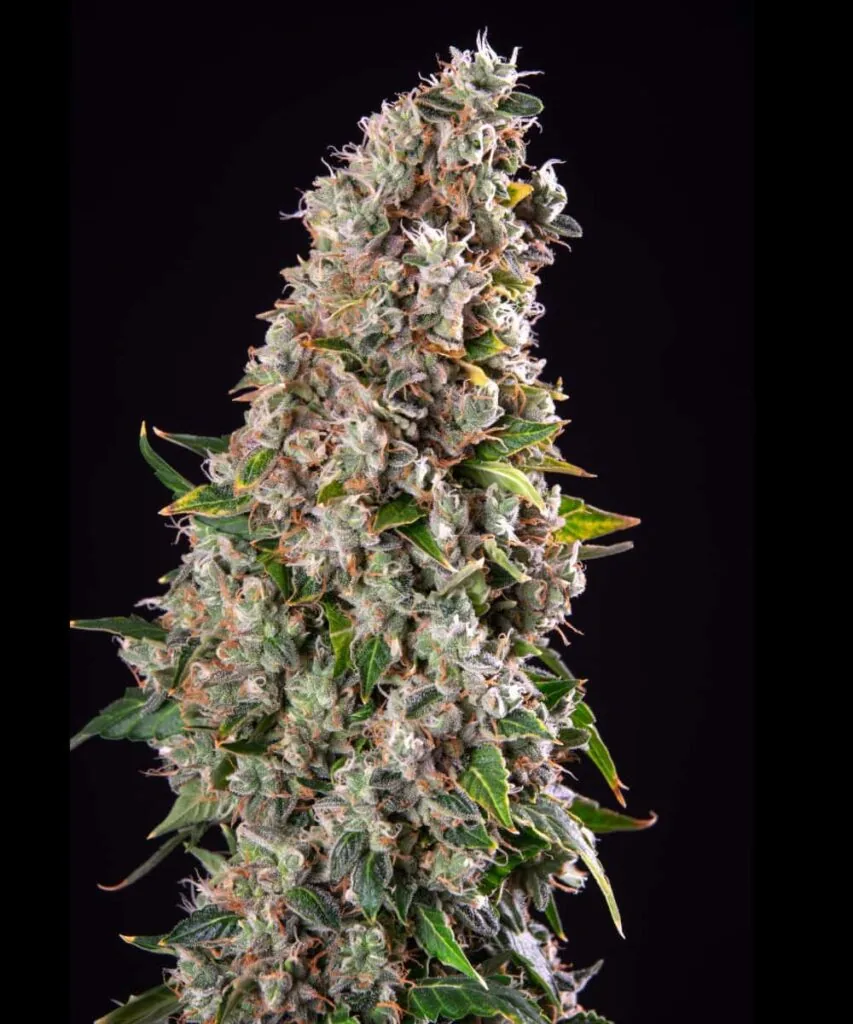
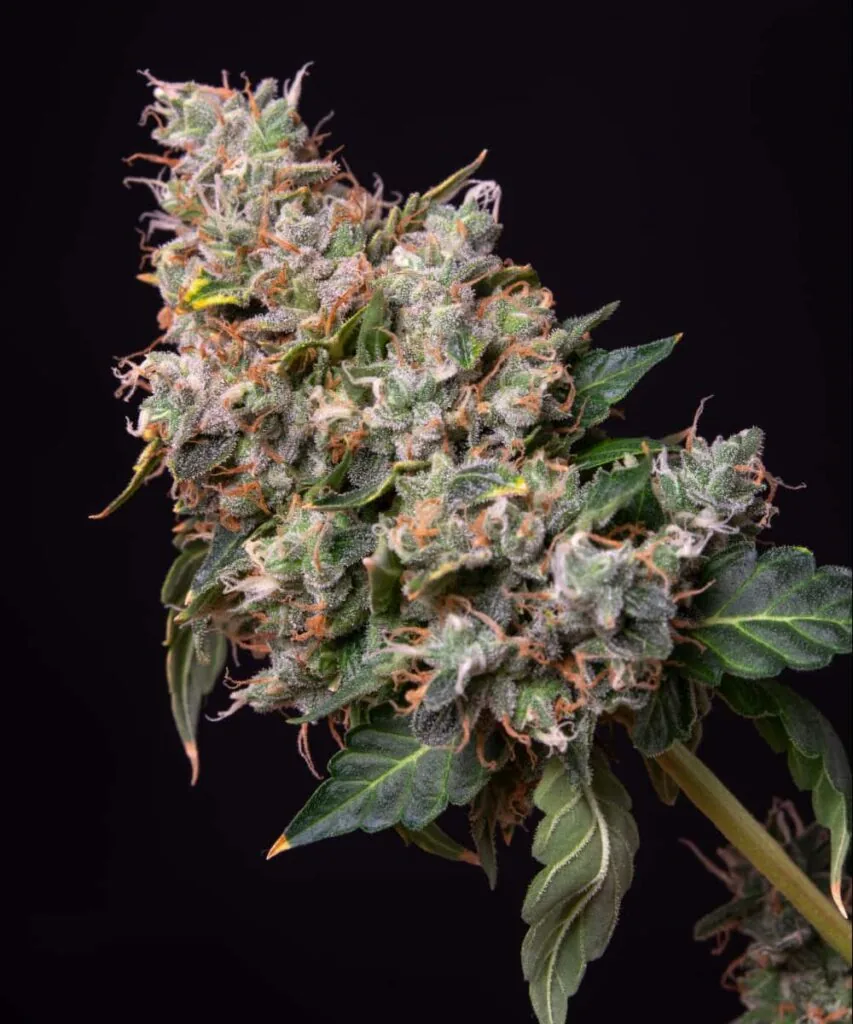
Mimosa Grown by our customers

You may also like…


Purple Punch
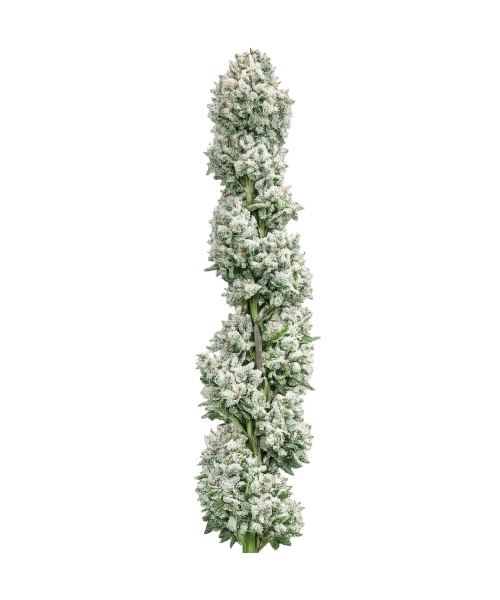
Watermelon Mimosa


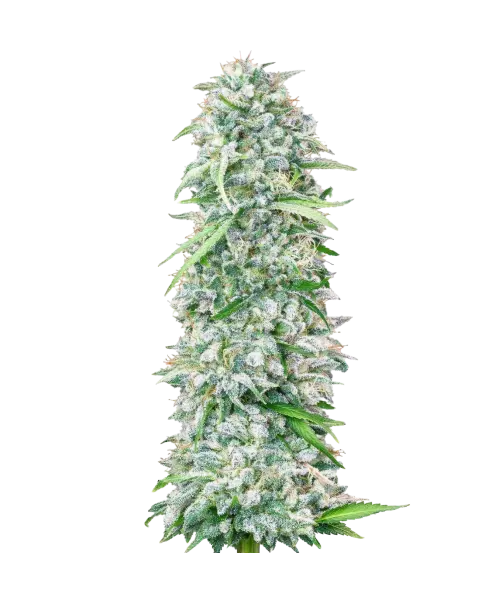
Blue Dream
Usefull information and FAQ
- Are Mimosa seeds easy to grow?
Mimosa seeds are beginner-friendly in early stages but require more control later. The plant grows vigorously and adapts well, but its sativa influence means it stretches heavily and develops dense buds. Growers who manage structure and humidity properly will find it easy, while those who ignore environment control often struggle in flowering.
- How do you control Mimosa stretch?
Training early is key. Mimosa can stretch aggressively once flowering begins, so topping and low-stress training during veg help keep height manageable. Once stretch starts, it’s harder to correct. Using a trellis or tie-downs early creates a flat canopy and prevents uneven growth later.
- What training works best for Mimosa plants?
Low-stress training, topping, and light lollipopping work best. Mimosa responds well to shaping because of its strong lateral growth. Opening the canopy improves light penetration and airflow, which is especially important for developing long, resinous colas.
- Does Mimosa need strong airflow?
Yes, airflow is critical, especially in flowering. Mimosa produces dense, sticky buds that can trap moisture inside the canopy. Without proper air movement, mold risk increases quickly. Keeping air circulating through the plant, not just above it, is one of the biggest quality factors.
- How should humidity change during growth?
Humidity should gradually decrease as the plant matures. Higher levels work in early stages, but during flowering it should drop significantly to around 40% or lower. This transition helps prevent mold and supports dense bud development, which is essential for Mimosa.
- Does Mimosa need plant support in flower?
Often yes. Mimosa produces long branches with heavy colas, especially under strong lighting. Without support, branches can bend or collapse. Using trellis nets or stakes keeps the canopy stable and improves light exposure across all bud sites.
- What mistakes reduce Mimosa quality?
The biggest mistake is reacting too late. Letting the plant stretch unchecked, ignoring airflow, or keeping humidity too high in flower will reduce quality fast. Another common issue is overfeeding. Mimosa performs better with steady, moderate nutrients rather than aggressive feeding schedules.


