

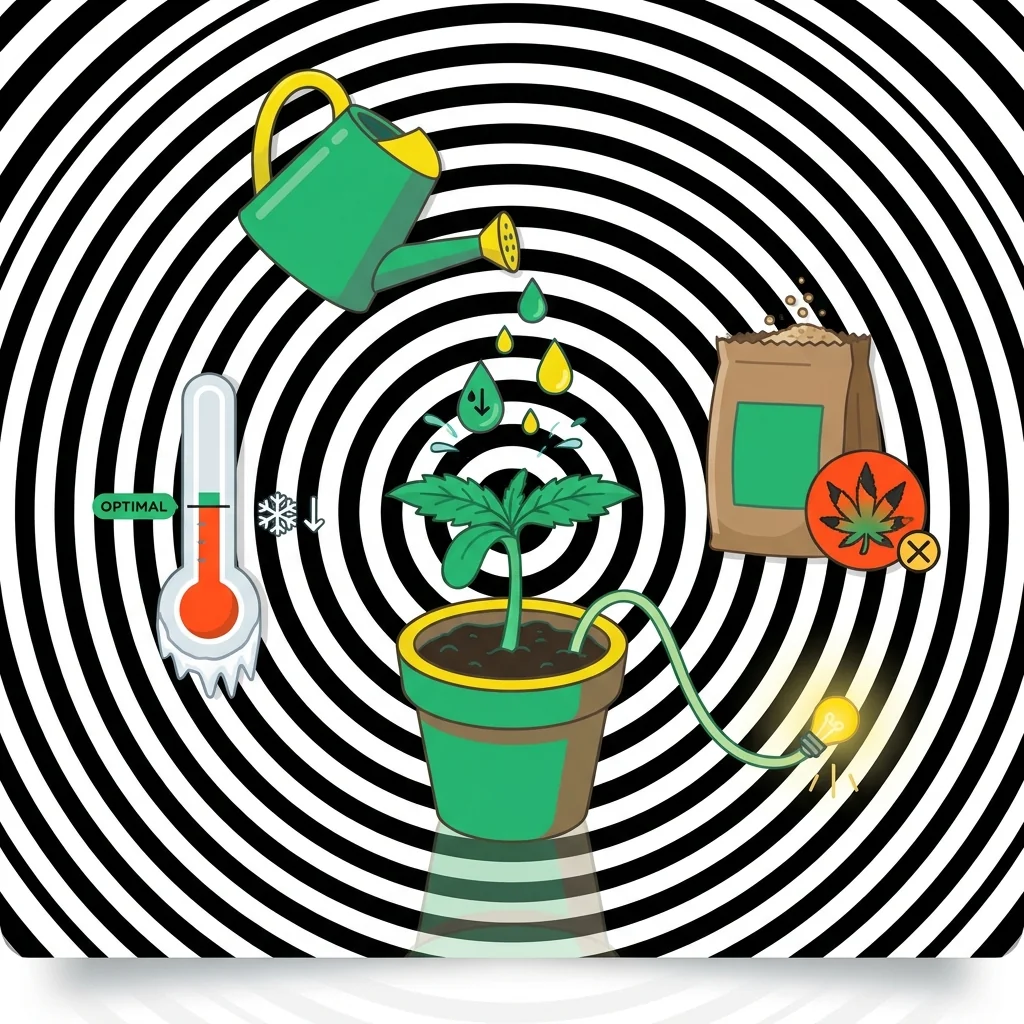
Most “bad seeds” on a first grow are healthy seeds in conditions they can’t handle. The six usual causes are poor germination, overwatering, nutrient-heavy soil, pH drift, weak light or dry air, and a strain that doesn’t fit the setup. A stabilized breeding program develops its own genetics. Every batch is germination-tested every 30 days, and any batch that falls below a 95% success rate is pulled. That kind of testing shows how seeds perform in controlled conditions, which makes it easier to spot what is going wrong in a first-time grow room.
- A seed that sprouts and then struggles is almost always reacting to its environment, not its genetics.
- Overwatering seedlings is one of the leading causes of slow growing seedlings and seedling damping off.
- Keep germination at 19 to 30°C, seedling humidity at 65 to 80%, and soil pH for cannabis at 6.0 to 7.0.
- Start in light, low-nutrient soil and feed later.
- First-time growers get the most forgiving results from autoflower or hardy indica genetics.
About the Author: This guide comes from a cannabis breeding team. The team stabilizes genetics in-house over multiple generations and hand-inspects every seed before it ships from Las Vegas, NV, so it knows both sides of the “bad seed” question.
Seed quality takes the blame because it’s the one variable a beginner can’t see. Every problem below is something you can control.
| Mistake | What It Looks Like | Real Cause |
|---|---|---|
| Rough germination | No sprout, or a taproot that browns | Cold, soggy or handled too much |
| Overwatering | Drooping, stalling, stem collapse | Roots starved of oxygen |
| Hot soil | Burnt tips, clawed leaves | Fertilizer too early |
| pH drift | Spotting that worsens with feeding | Nutrient lockout |
| Weak light, dry air | Tall, thin, floppy stems | Seedling stretching for light |
| Strain mismatch | No flowers, plant outgrows space | Photoperiod vs. autoflower confusion |
Key insight: Once a seed sprouts, its genetics have already done the hardest part. What happens next depends mostly on the grow room.
A healthy seed often gets written off at the germination stage, usually before anyone has seen a root. Germination is when the seed absorbs water, cracks its shell and pushes out a taproot. Cannabis cultivation laws differ by state and locality, so check and follow your own before germinating.
- Why it happens: A germinating seed needs warmth, water and oxygen together. A soaked towel is like a snorkel held underwater. Moisture is everywhere, but the seed can’t get the air it needs to fuel growth.
- The fix (germination paper towel method): Keep the towel moist but not dripping, hold it between 19 and 30°C (66 to 86°F) in the dark, check daily, and plant shallowly with the root facing down once the taproot appears.
💡 Pro Tip: Learning how to germinate seeds is mostly learning patience. Pinching a seed to “check” it can snap the taproot, and that damage looks exactly like a dud.
Once a seed sprouts, beginners most often undo that success with a watering can. Overwatering means watering faster than the root zone can dry. Most first-time growers love their seedlings a little too much.
- Symptoms: Droopy leaves, slow growing seedlings, or a stem that pinches at the soil line and collapses. That last one is seedling damping off.
- Why it happens: Roots breathe through air pockets in the soil. A damp sponge holds both water and air, but a soaked one has no room left for air. Without oxygen, roots stall, and the constantly wet surface feeds the fungi behind damping off.
- The fix: Water small amounts in a ring around the stem, let the topsoil dry between waterings, and lift the pot to judge its weight.
💡 Pro Tip: Start in a small container with drainage holes and pot up later. A tiny root in a huge wet pot is behind many cannabis seedling problems.
Overwatering drowns roots, and the next mistake burns them, usually because the grower is trying too hard. “Hot” soil is potting mix loaded with strong fertilizer.
- Why it happens: Concentrated fertilizer salts work like seawater does on a thirsty person. The high salt level pulls water out of the root instead of letting it in.
- The fix: The best soil for seedlings is light, airy and low in nutrients, such as a seedling mix with perlite. Seedlings run on stored seed reserves at first. Start gentle feeding after several sets of true leaves, then move toward a vegetative NPK ratio around 3:1:2.
💡 Pro Tip: If a bag promises months of feeding, save it for established plants, not seedlings.
A related but distinct problem shows up when the feeding is right and the plant still can’t eat. With nutrient lockout, cannabis has food in the root zone but can’t absorb it, most often because pH has drifted.
- Why it happens: pH controls how well each nutrient dissolves. Sugar dissolves in hot tea but sinks in iced tea. Outside the right pH, some nutrients stay locked up as solids the roots can’t take in.
- The fix: Keep soil pH for cannabis between 6.0 and 7.0, adjust your water before it goes in, and test the runoff.
💡 Pro Tip: Check pH before adding nutrients to “fix” a deficiency. Feeding a locked-out plant just piles more salts on the problem.
Stretch gets blamed on genetics more than almost any other symptom, yet it is almost always caused by the environment. Stretching is fast stem growth in a seedling searching for stronger light.
- Why it happens: In dim light, a seedling puts its energy into height instead of leaves to reach brighter conditions. Dry air adds stress, because tiny roots can’t replace the water that leaves lose.
- The fix: Follow your light maker’s distance guidance, hold humidity at 65 to 80%, and run a gentle fan to strengthen stems.
💡 Pro Tip: A stretched seedling isn’t ruined. Bury the stem deeper at transplant and it will root along the buried section.
The last mistake happens before the seed arrives, when the genetics don’t match the grow. Photoperiod strains flower only when nights get long, which indoors usually means switching to 12 hours of darkness. Autoflowers flower based on age. Most beginners also start with feminized seeds so every plant is a likely flowering female. You can grow a high-THC strain too, but potency depends on genetics and grow conditions. Stress from the five mistakes above shows up at harvest.
Some of the easiest strains to grow:
- Northern Lights – The Forgiving Classic. A compact indica known for resilience. Shop Northern Lights
- Blackberry Kush Auto – The Hands-Off Option. Flowers on its own timeline, with no light schedule to change. Shop Blackberry Kush Auto
- Red Pistachio Auto – The In-House Exclusive. An autoflower developed and stabilized in our own breeding program. Shop Red Pistachio Auto
💡 Pro Tip: Unsure on a first grow? Choose an autoflower. It takes the light-schedule decision off your plate.
How can I tell if a seed is actually bad?
A seed that isn’t viable never cracks under correct warmth and moisture. If it sprouts and then struggles, the cause is almost always the environment.
Why are my seedlings growing so slowly?
Overwatering, cold temperatures and weak light are the usual causes. Seedlings also build roots first, so healthy plants can look slow above the soil.
What is the best soil for seedlings?
Use a light, well-draining, low-nutrient mix. Hold off on heavily pre-fertilized soil until the plant is established.
How do I prevent seedling damping off?
Don’t let the surface stay soggy. Use clean containers and fresh mix, and keep gentle airflow on the seedlings.
What soil pH is best for cannabis?
Aim for 6.0 to 7.0. Outside that range, nutrient lockout becomes likely.
What are the easiest strains to grow?
Autoflowers and hardy indica strains, such as Northern Lights or Blackberry Kush Auto.
Hypno Seeds is a US cannabis seed breeder. We develop and stabilize our own genetics in-house over multiple generations instead of reselling third-party stock. Every batch is germination-tested every 30 days, batches below 95% are pulled, and every seed is hand-inspected for maturity and shell integrity. Orders are dispatched within 24 hours from a climate-controlled Las Vegas, NV warehouse and arrive in 2 to 5 business days, backed by a germination guarantee and replacement policy.
If you’re planning a first grow, browse beginner-friendly genetics at the Hypno Seeds shop or find out more at hypnoseeds.com. A seed that germinates successfully has already proven its viability; what happens afterward depends mostly on the environment you create for it.


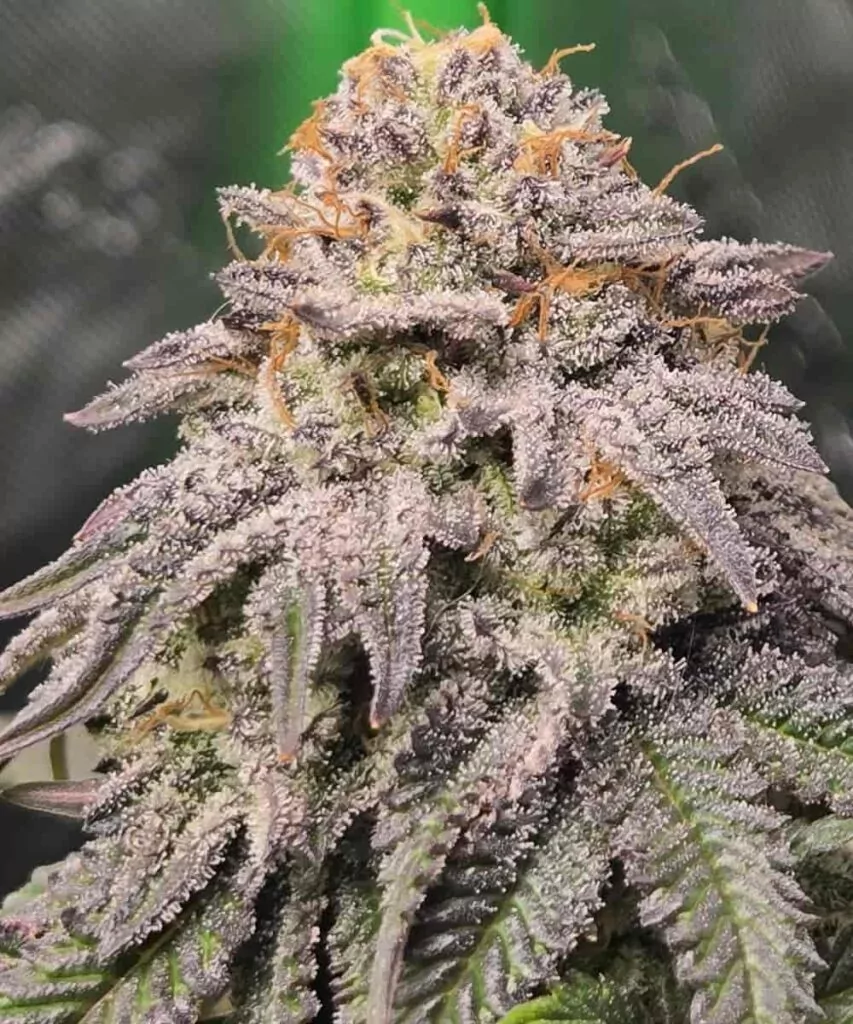


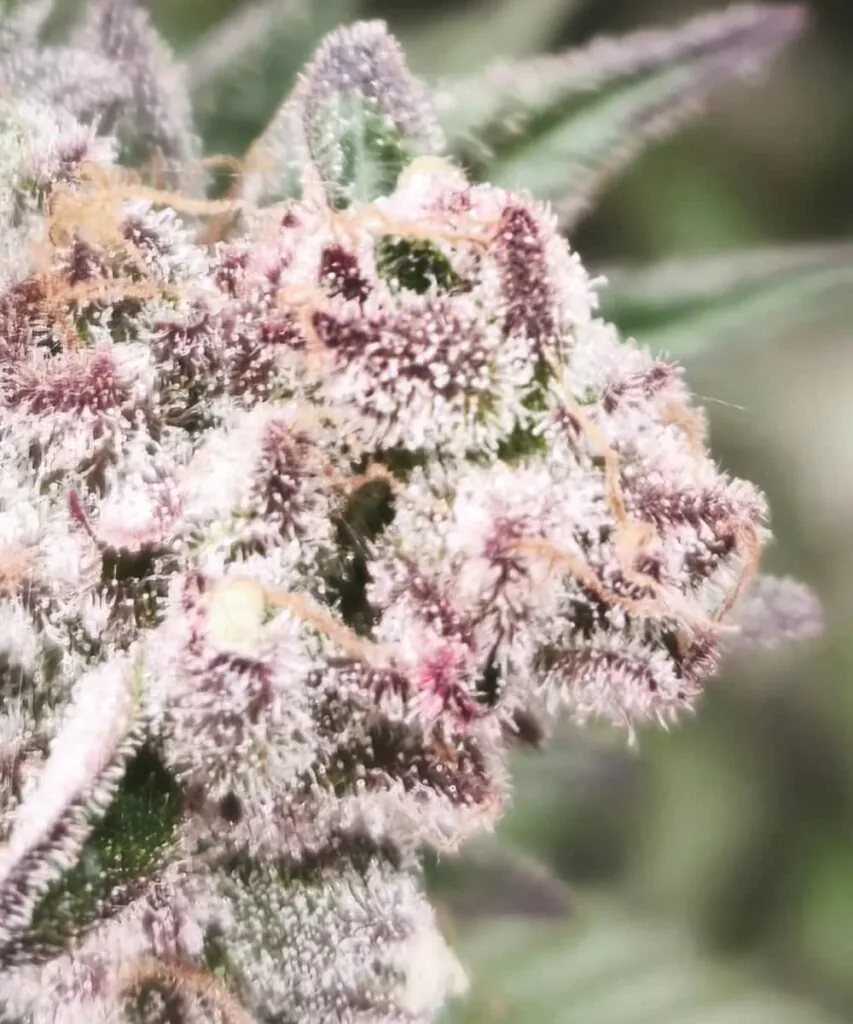
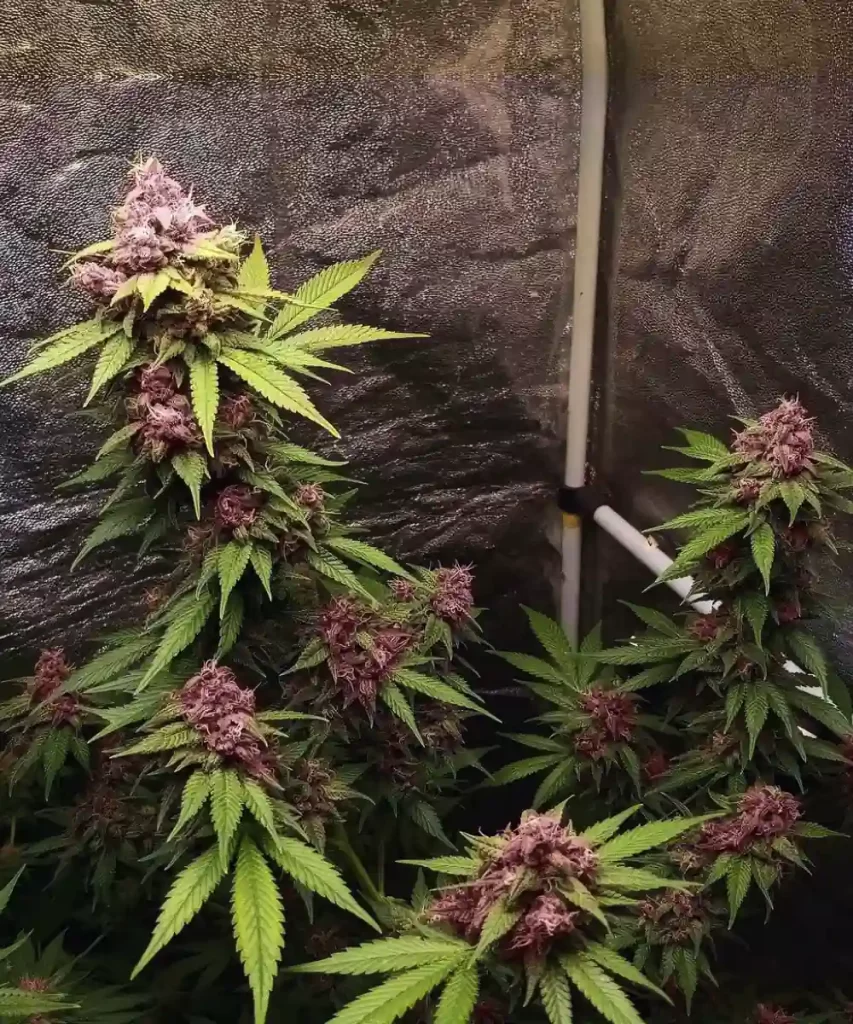
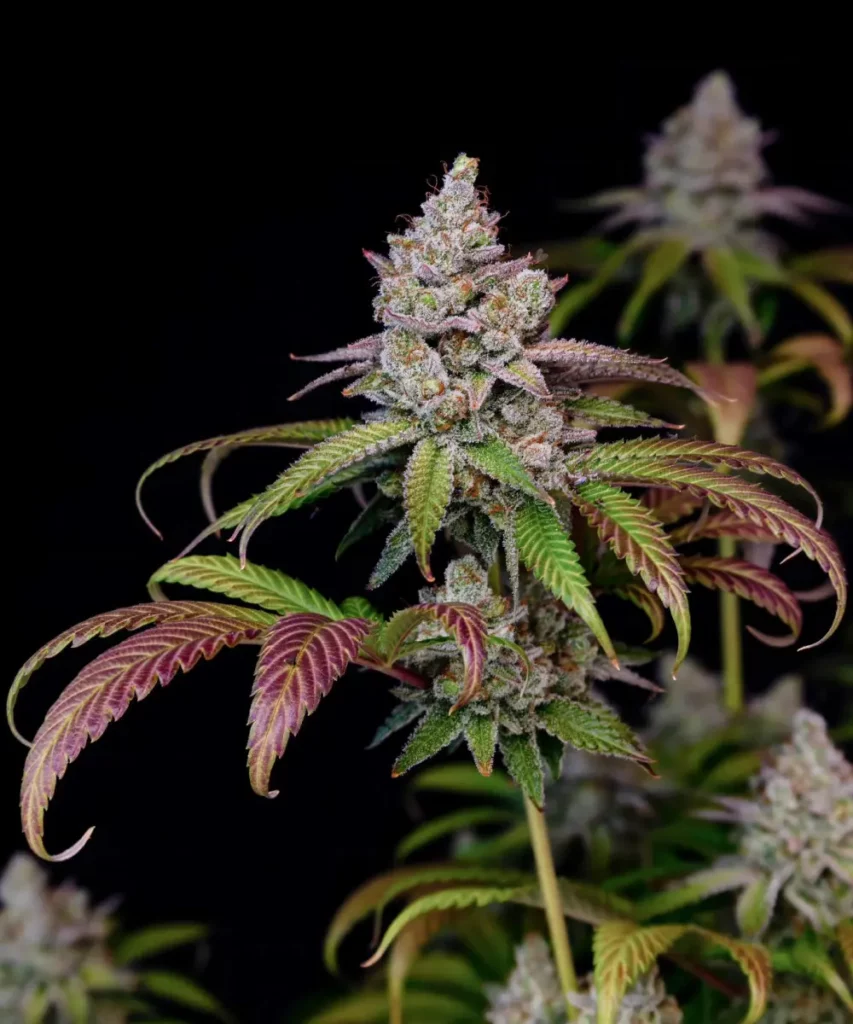
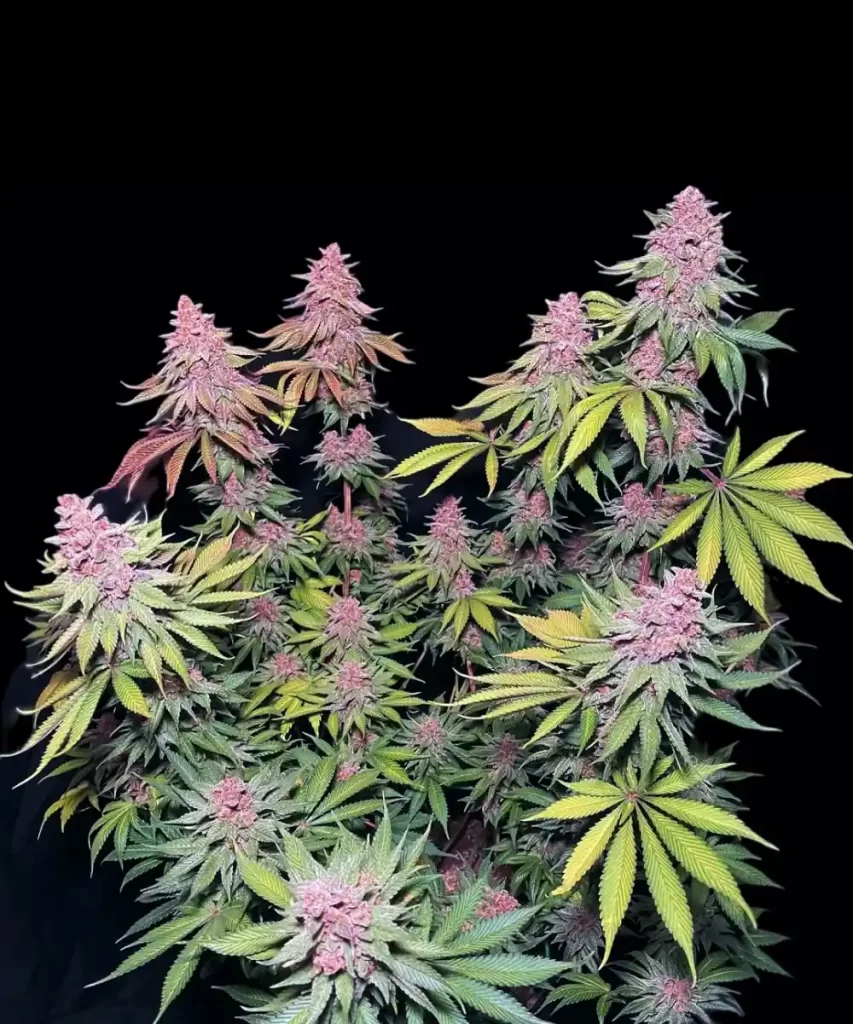

I planted 10 Super Boof seeds, and all germinated without a hitch. The plants grew strong and healthy, producing dense, frosty buds with a sweet, earthy aroma. The high is uplifting yet relaxing—a perfect balance. Impressive yield too, even with minimal effort

I’ve been growing weed for 30+ years, and to be honest, it’s quite difficult to surprise me. After a few decades of facing different strains, changing growing conditions, and solving whatever problem you could possibly think of, by then, I believe I’ve seen it all in cannabis growing.
Gary Payton defied every single one of my expectations.
The plant thrived, growing to an impressive 6 feet in what seemed like a blink of an eye. It quickly filled out with buds and displayed better smell each day, showing solid proof of superior genetics. The buds were tight, aromatic, and a source of immense pride, surpassing the outcome of many of my previous endeavors.
Hypno Seeds with their Gary Payton strain has won my complete admiration and loyalty. Outstanding genetics in this plant have truly turned what I always thought of to be an experiment with negligible expectations into one of the most satisfying grows of my long career.
Looking forward, my excitement for the next growing season is unparalleled. I can’t wait to see how much I can take these strains, especially with the attention that Gary Payton really does deserve right from the start.

TRUE MAGIC! This strain really stands out. I am trying Hypno Seeds for the first time and I surely made the right choice. I will be ordering more RS11 seeds just to keep this beauty in my garden for the upcoming season. Growing in Virginia and it’s only shown perfection by now.

Starting my latest grow, I decided to try out some Blackberry Kush from Hypno… I planted her on a whim alongside my other favorites. Hypno Seeds said it had to be a powerful plant with rich, fruity scents… Seeing is believing. She developed purplish hues and dense resin coated buds and quickly took center stage in my garden and produced much more than expected. The buds are tightly packed, literally bursting with the heady aroma. The yield? Very impressive for her conditions…
Germinated three seeds using the paper towel method with100% success rate within 48 hours. Planted in 5 gallon pots with living soil under a 315W CMH light. Plants remained compact (3.5 ft) with thick lateral branching, showing high resistance to humidity and minor nutrient fluctuations. Yield per plant: 5.8 oz of extremely dense, trichome-heavy buds. Smell profile during flower: sharp pine, pepper, and a hint of citrus. Harvested at week 9, after trichomes showed 30% amber for peak sedative effects. Smoke report: Potent. Deep relaxation without full sedation. Ideal for stress relief.


