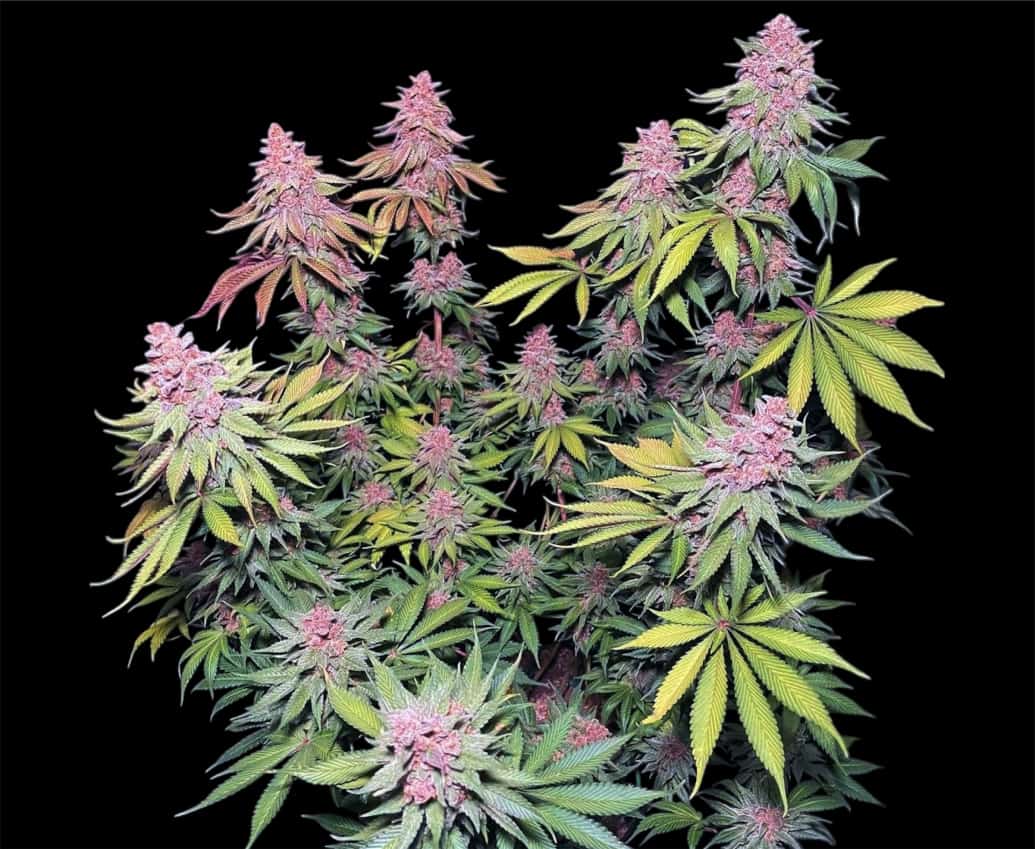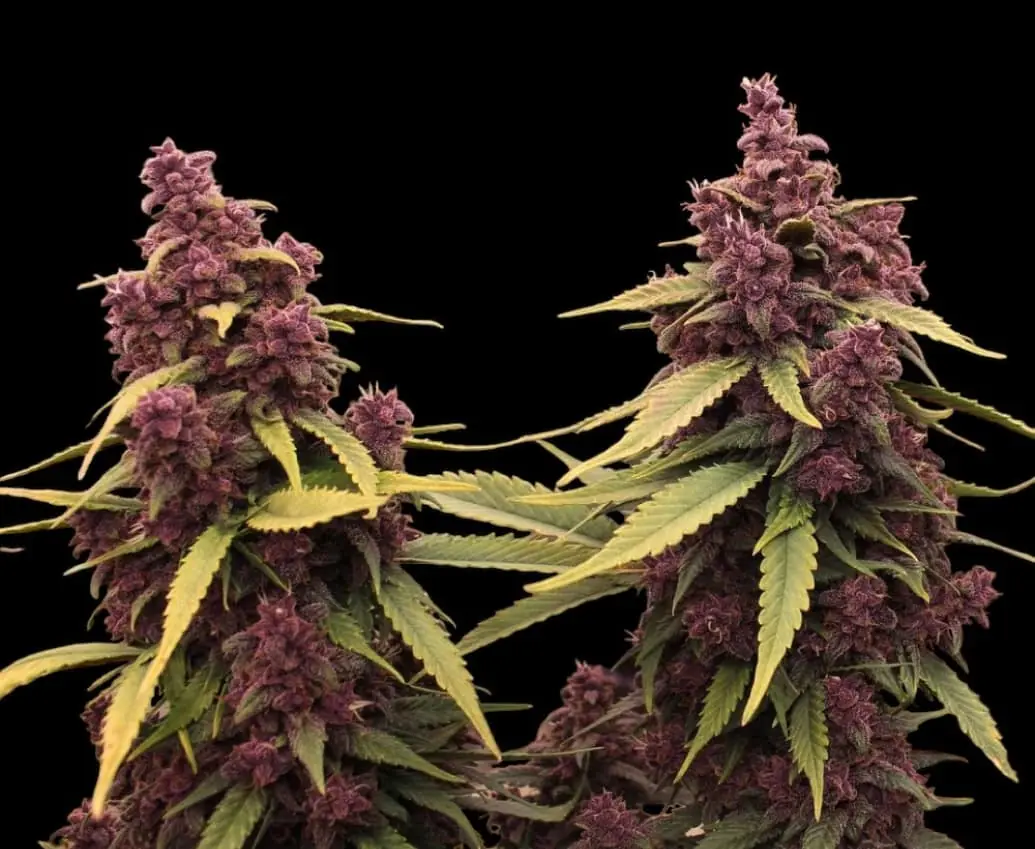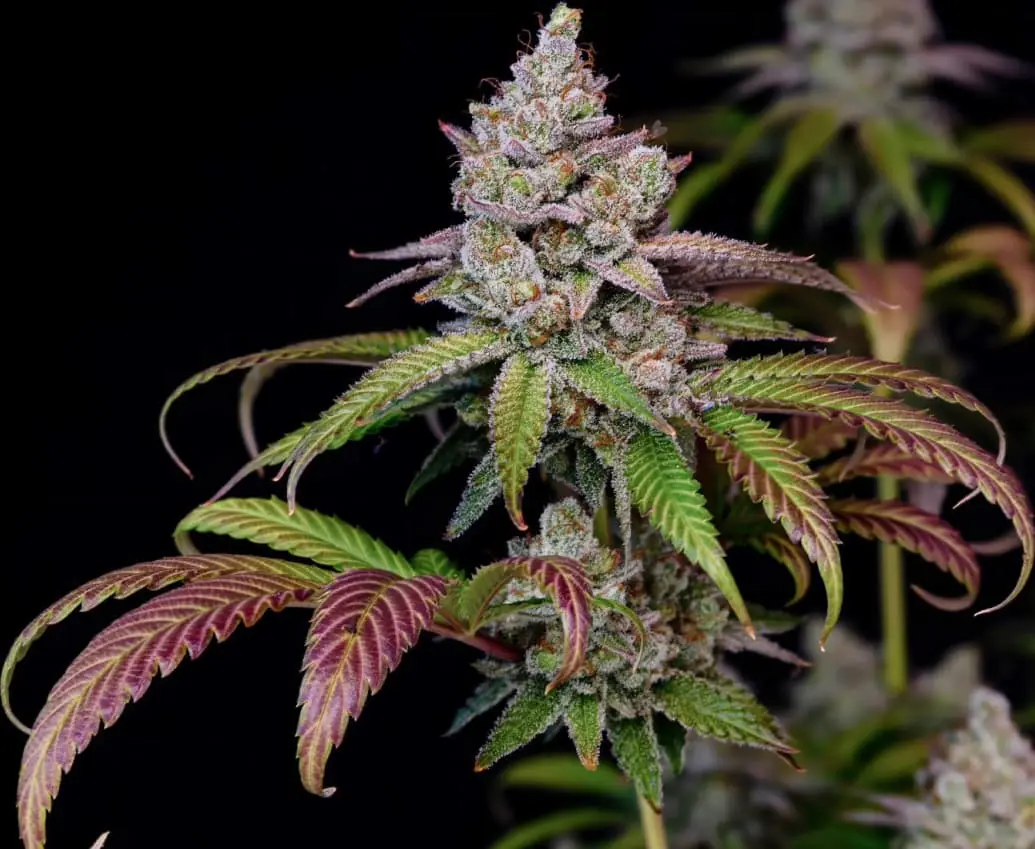
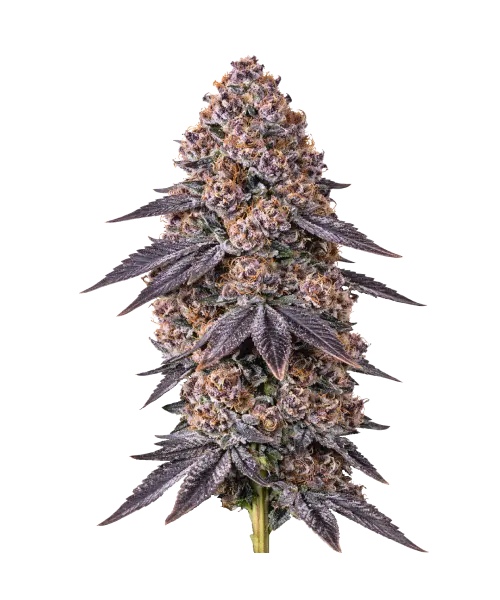

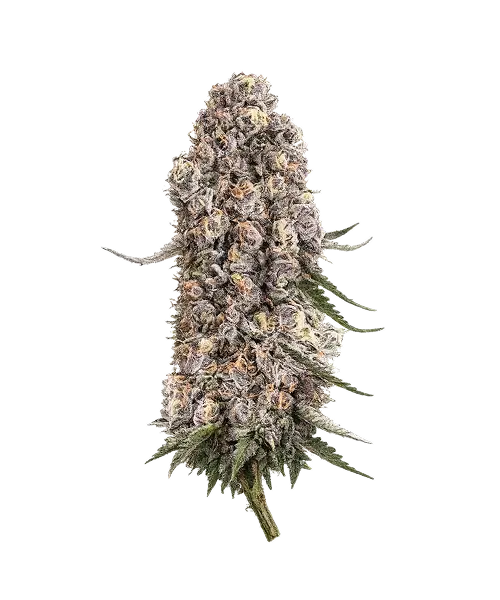

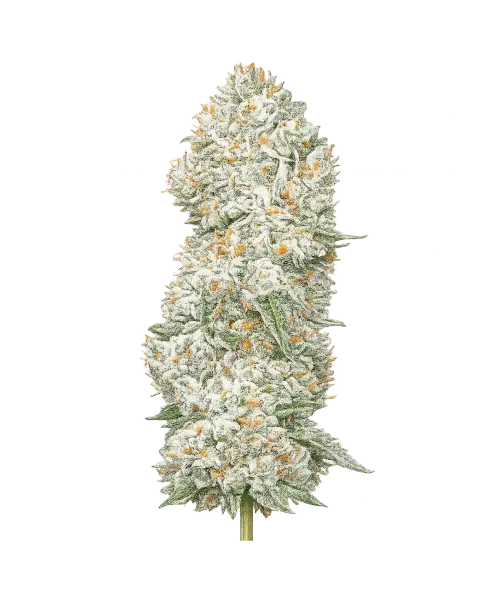

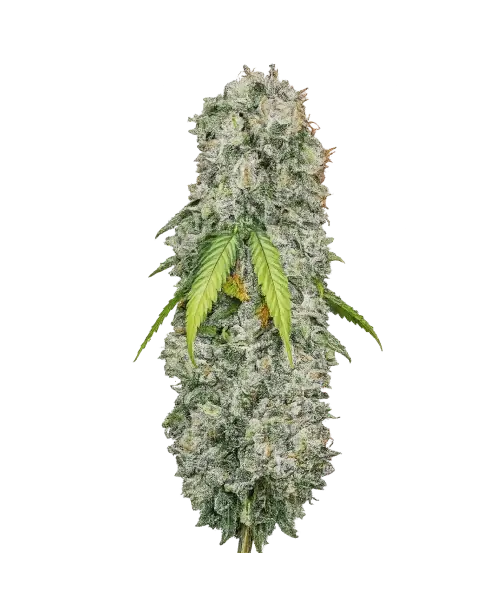
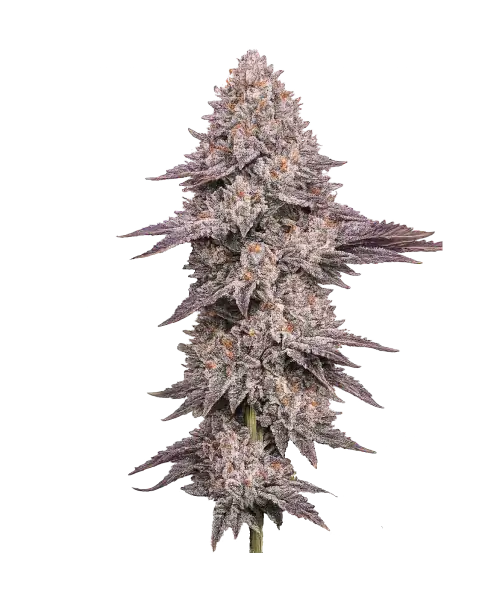
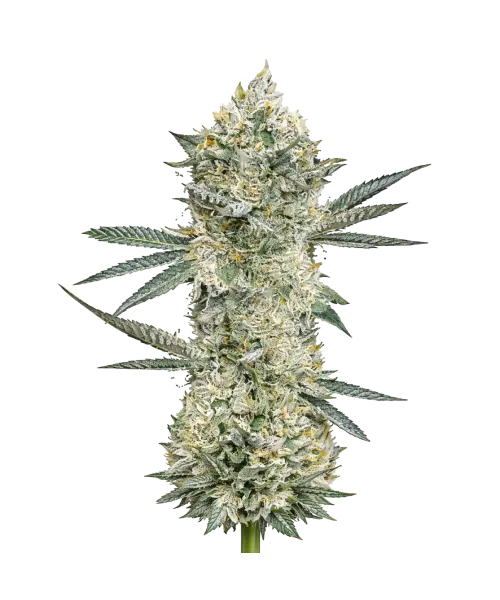

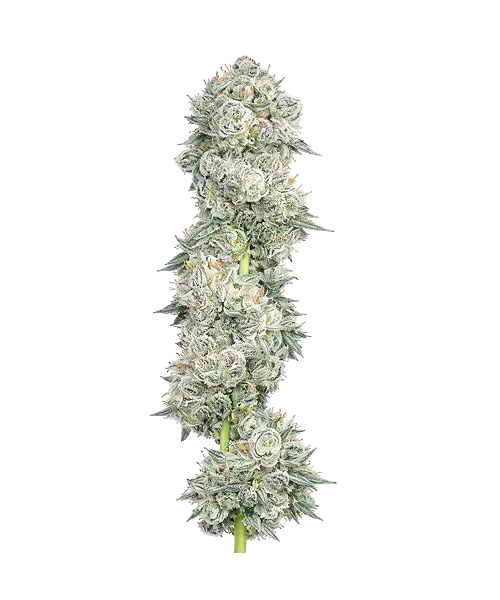
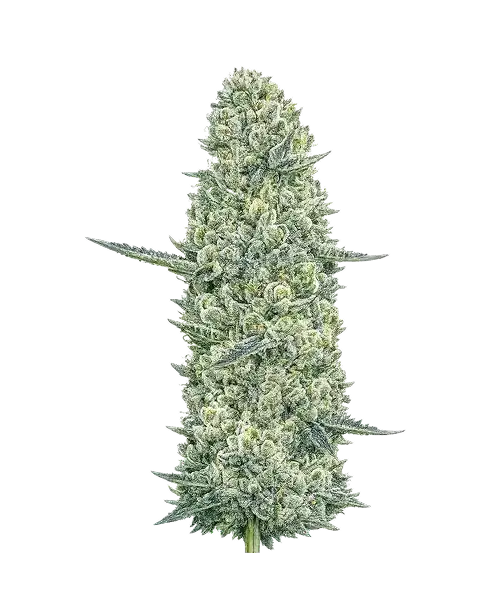

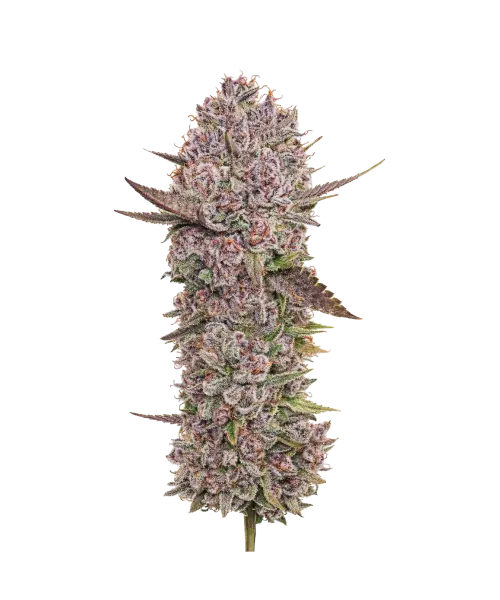
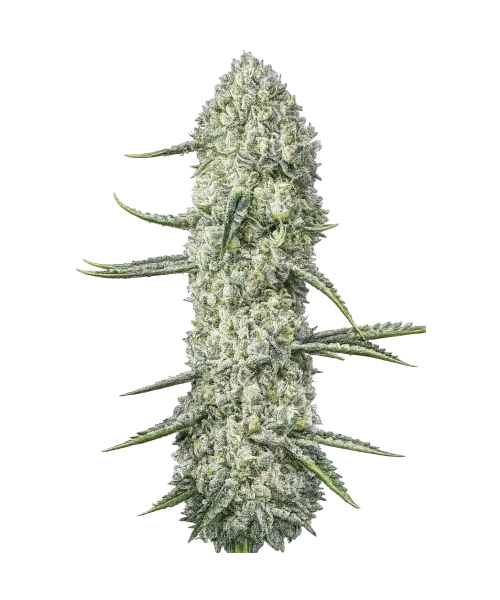


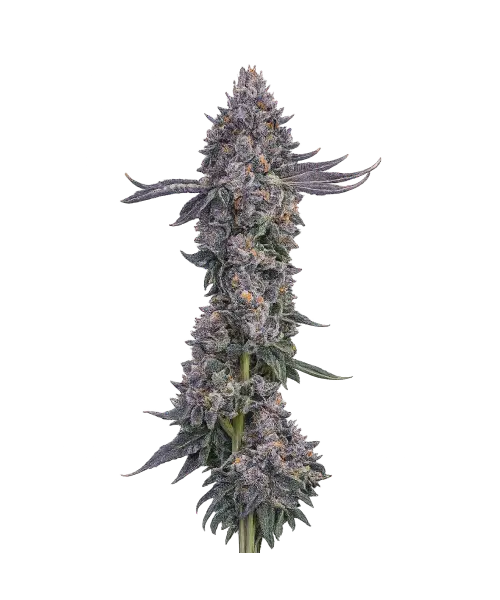
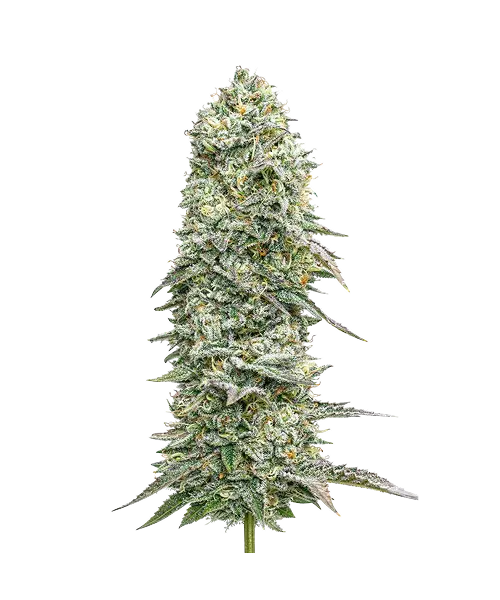
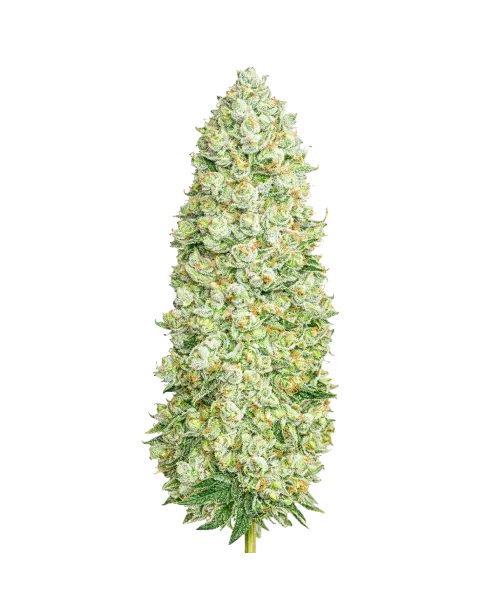
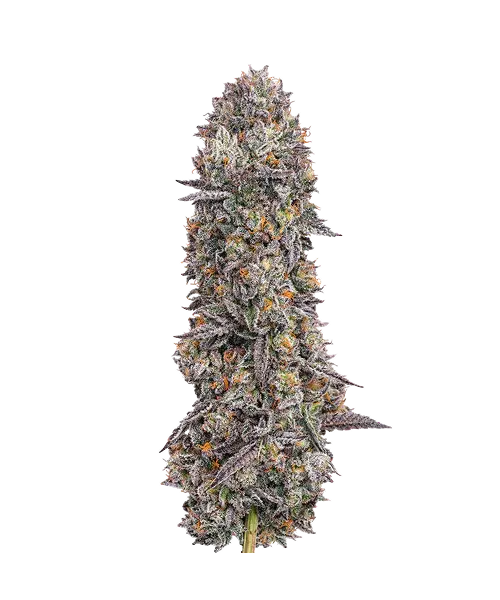
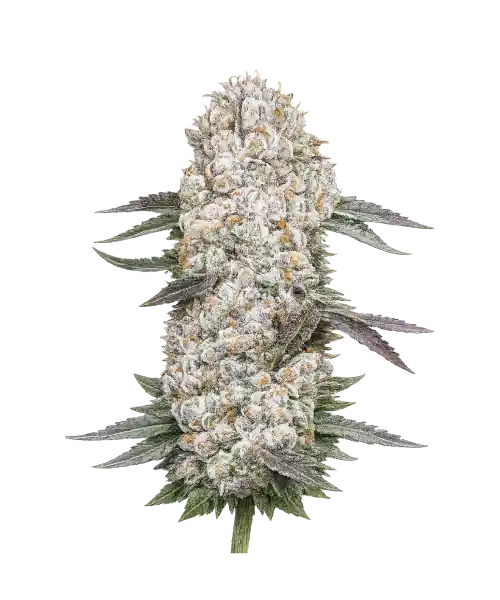
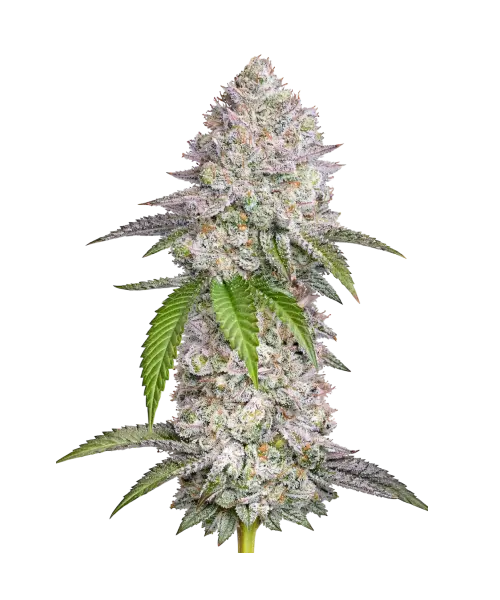
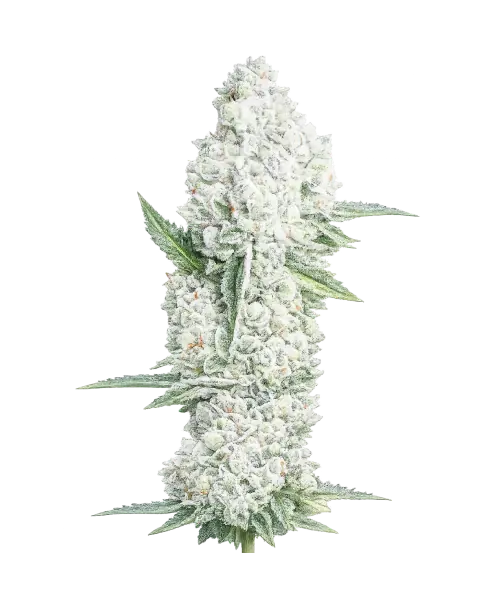
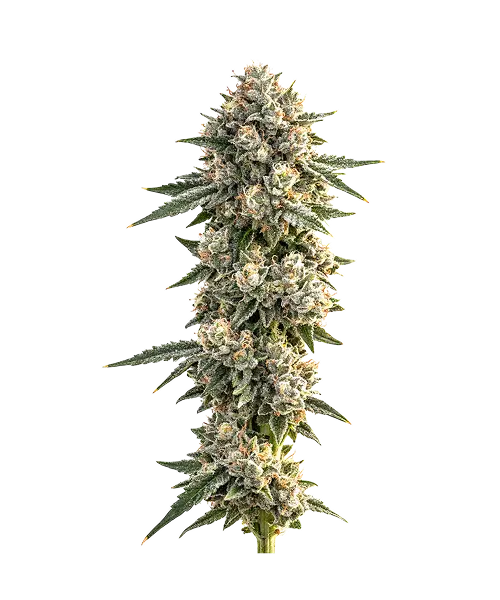

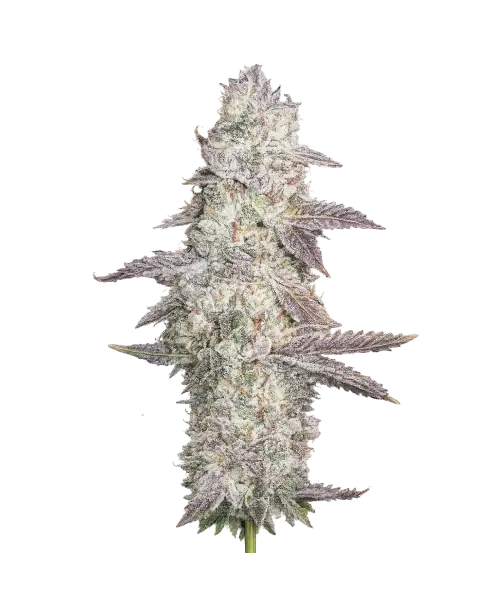
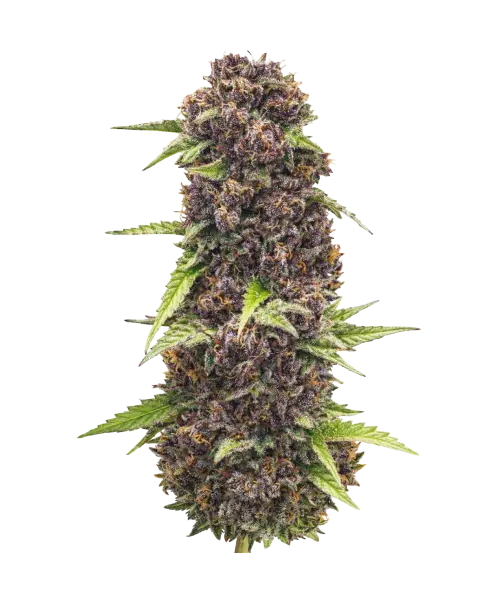
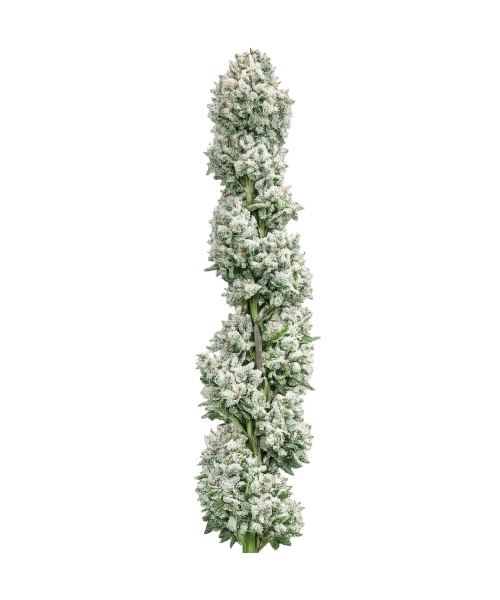
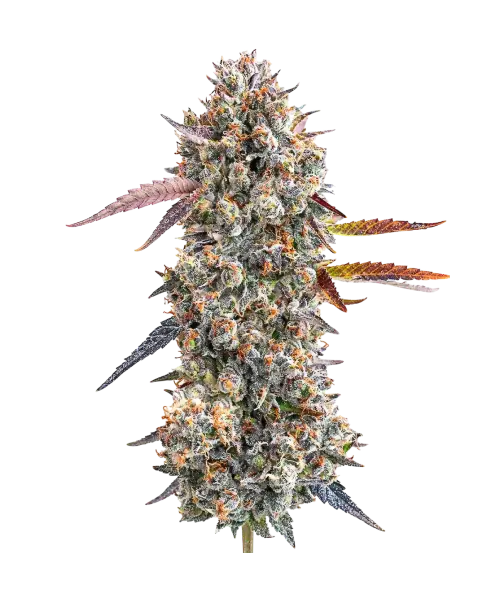
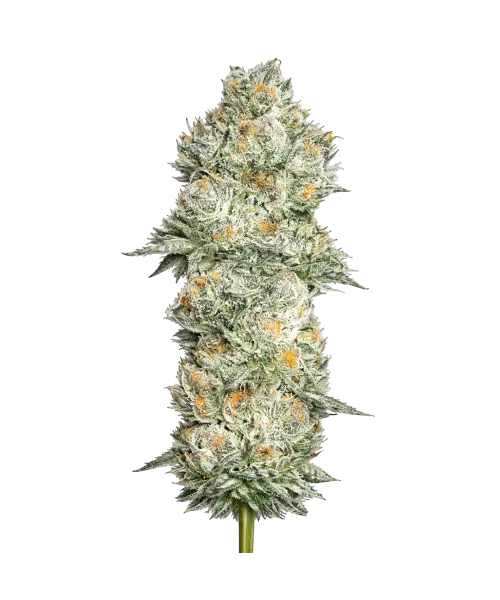

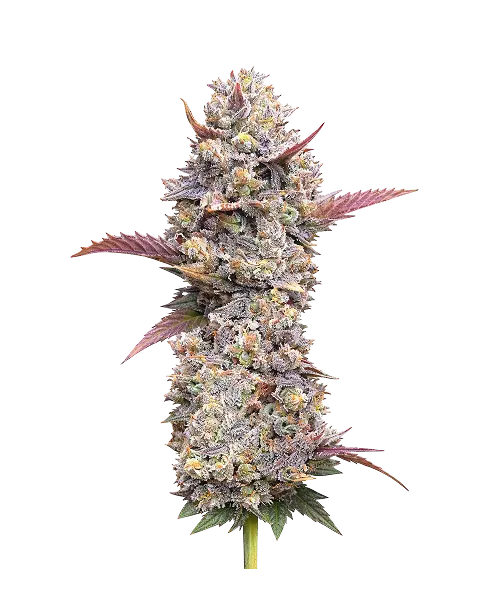

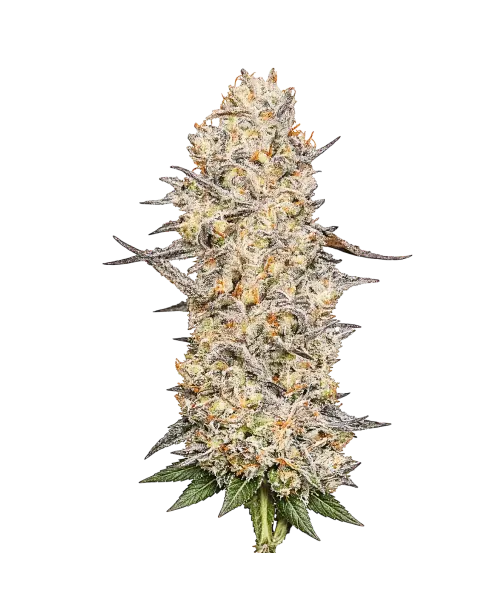
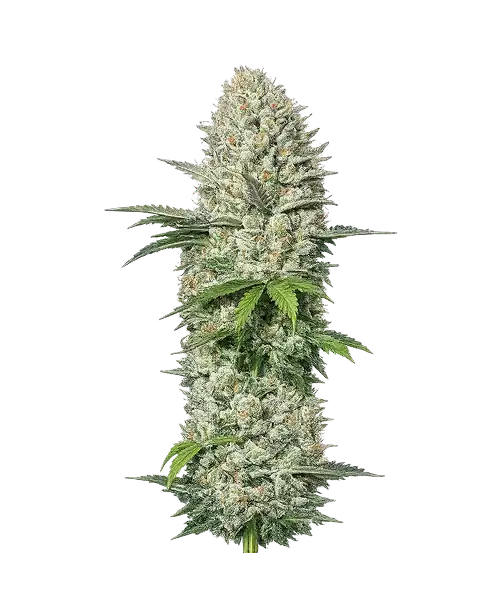
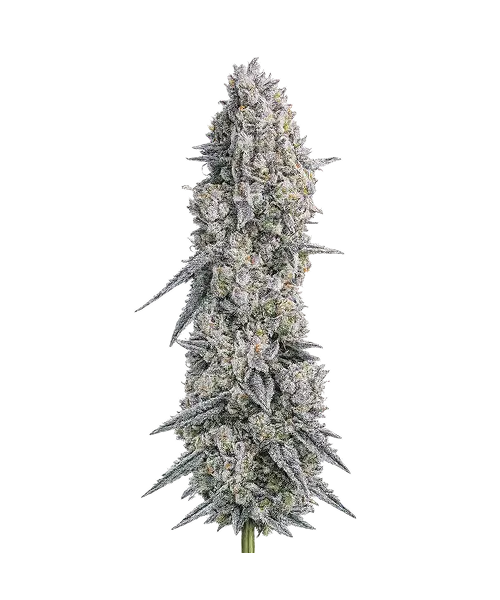
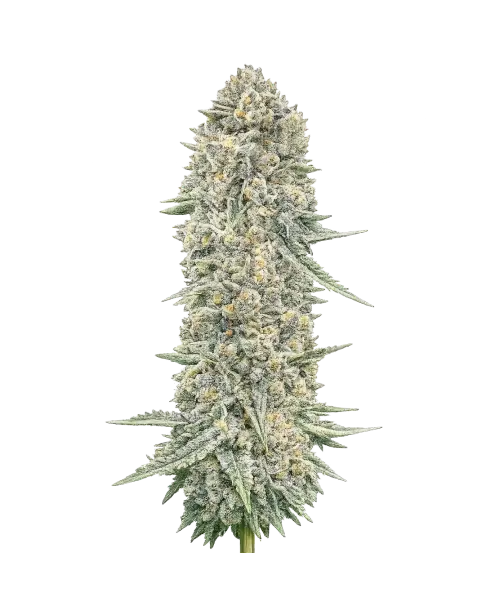
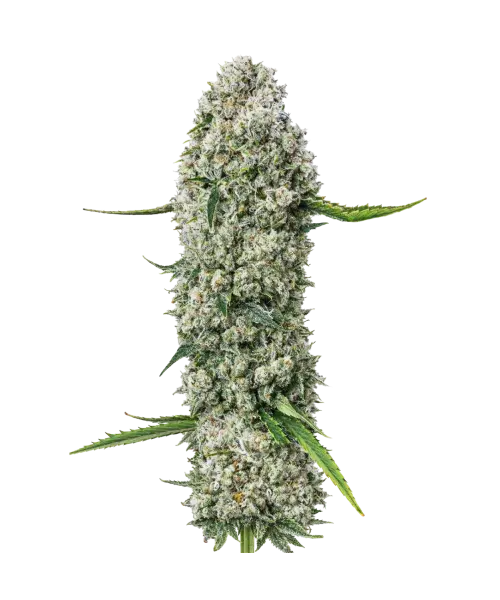
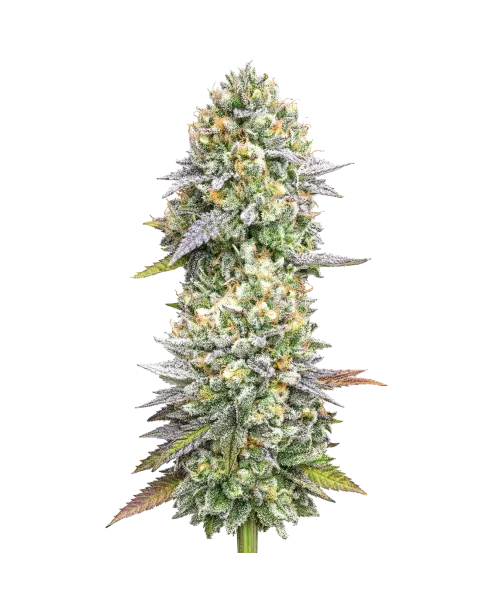
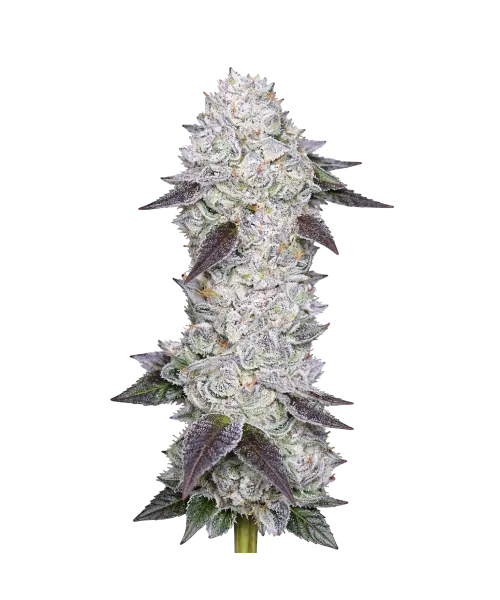
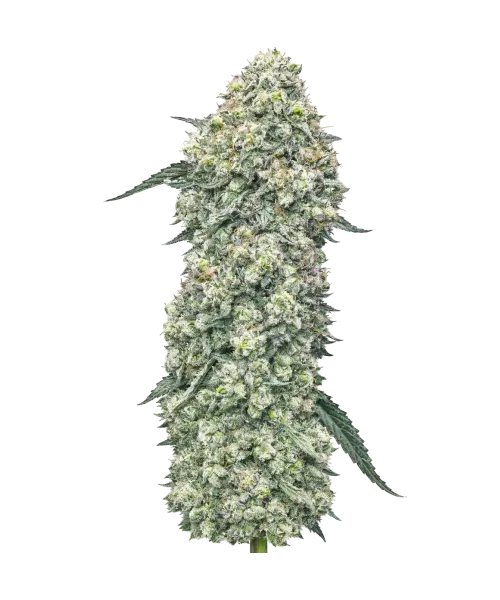
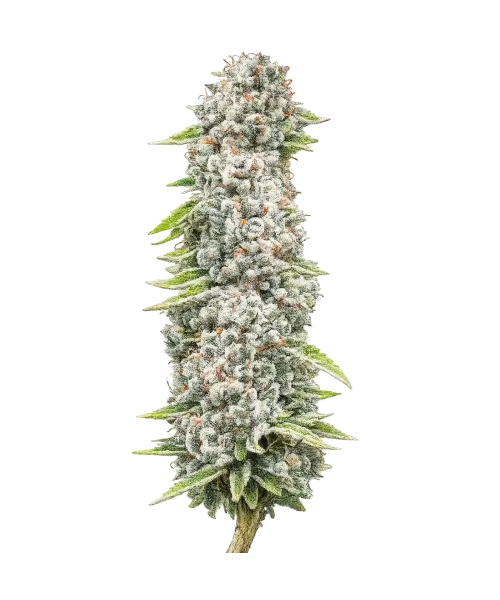
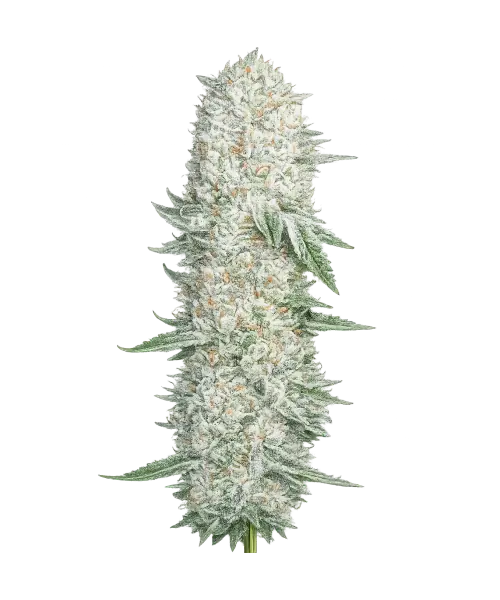
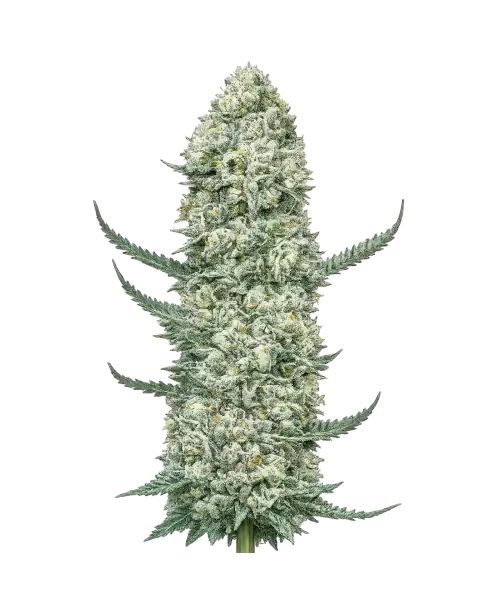
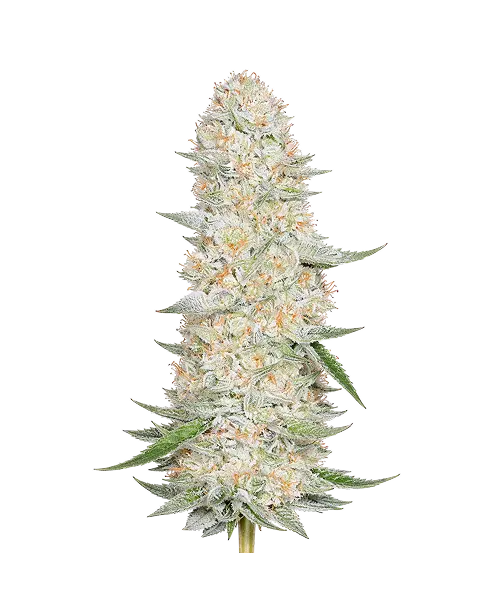
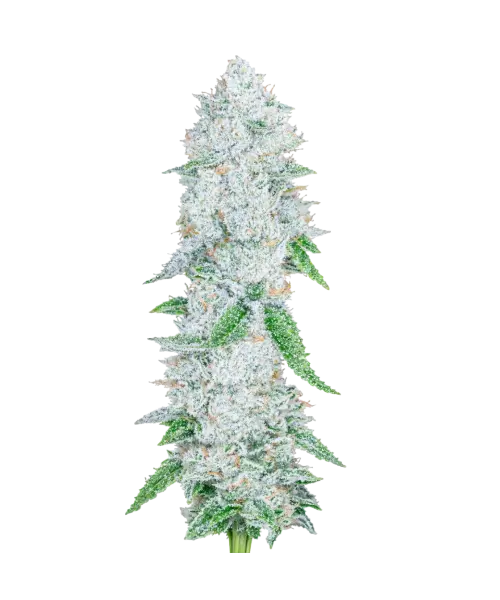
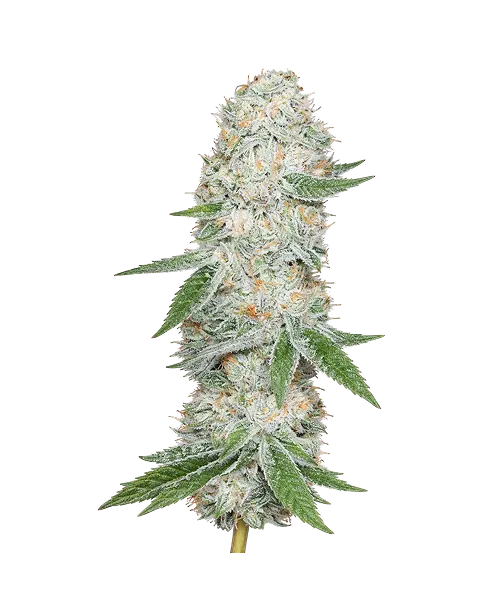
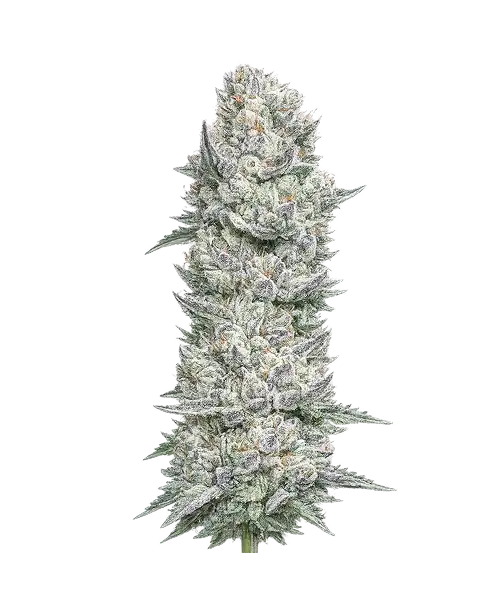
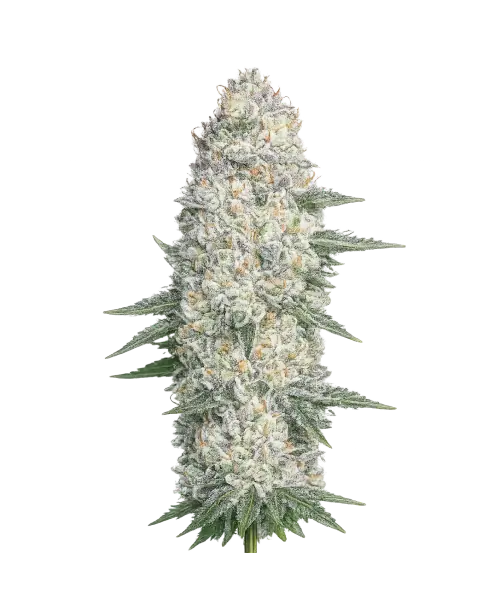
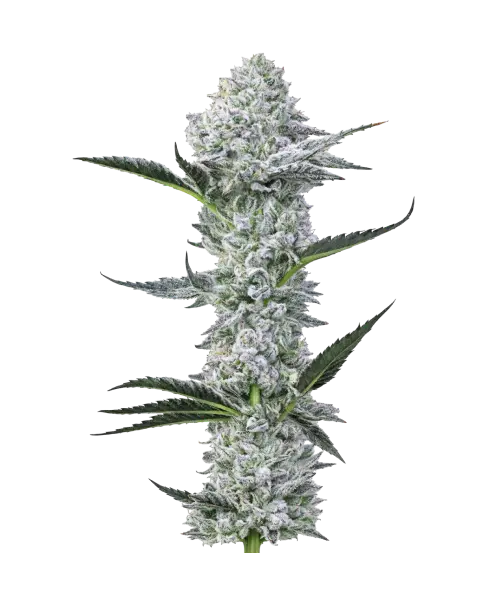
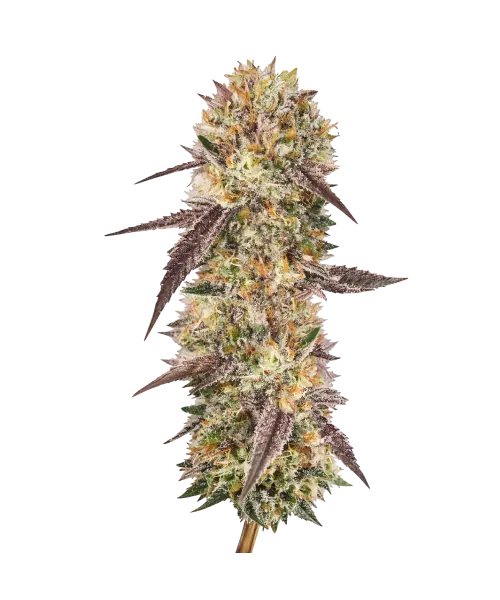
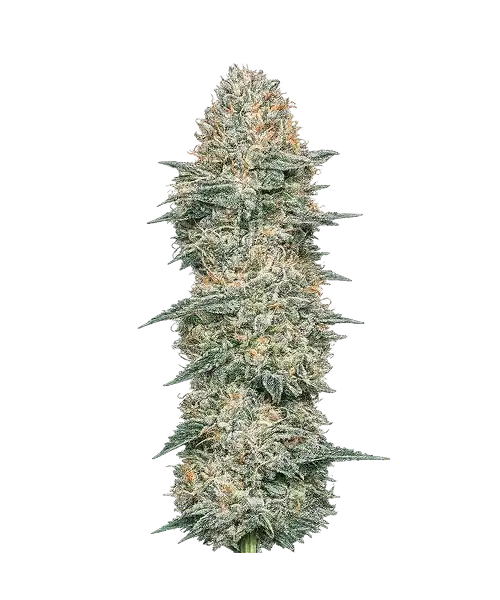
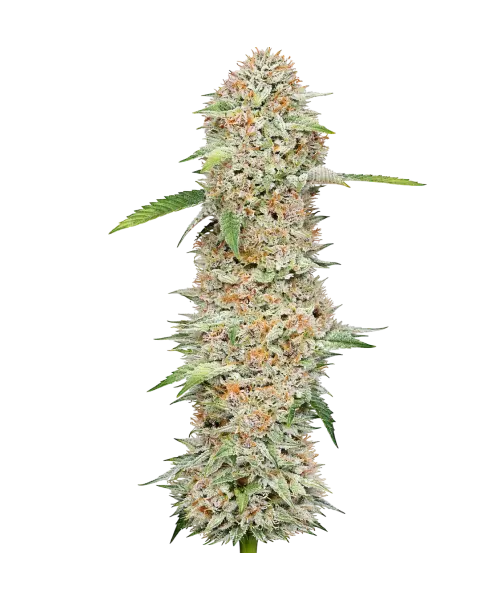
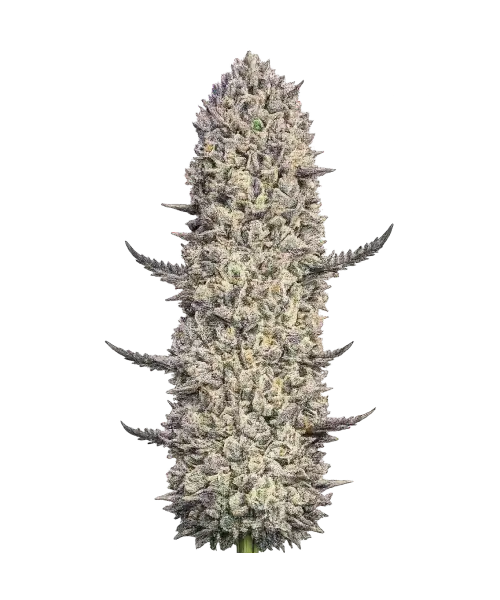
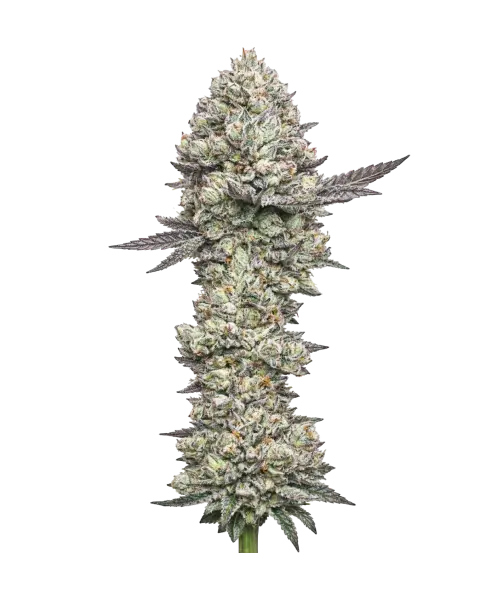

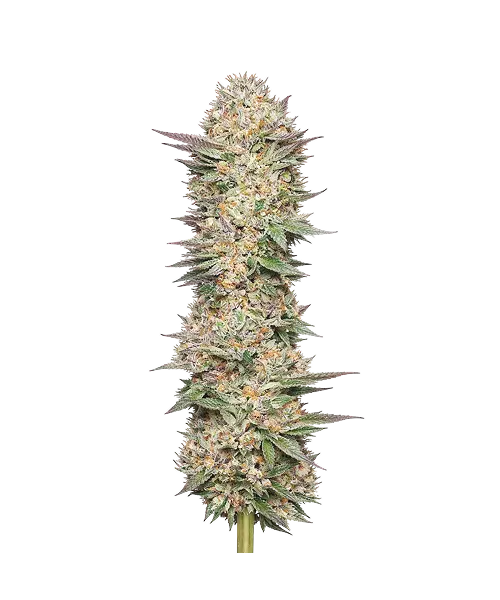
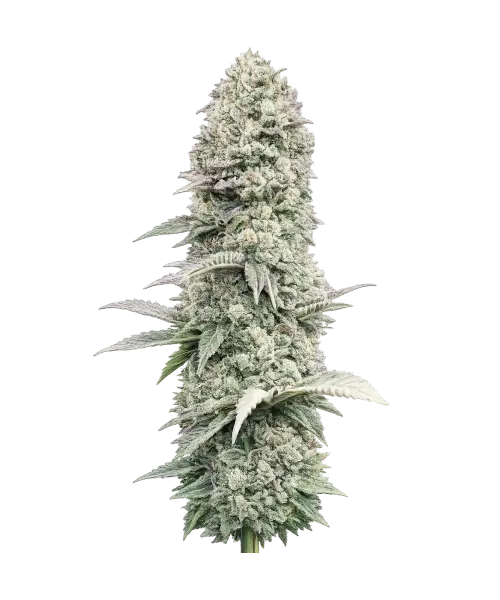
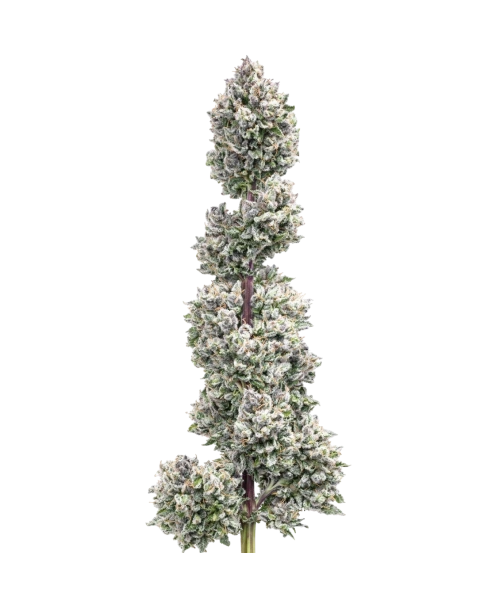
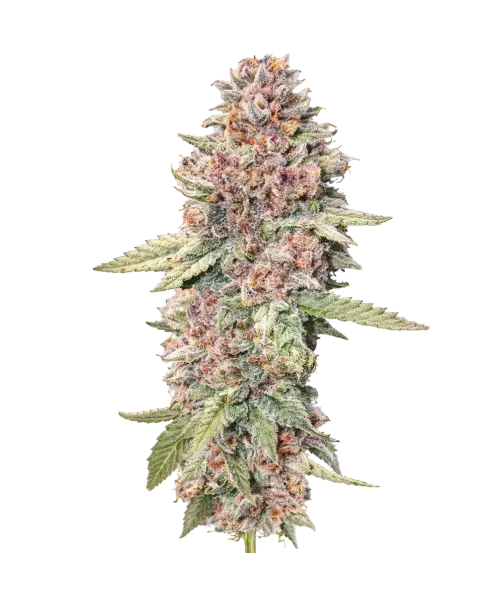
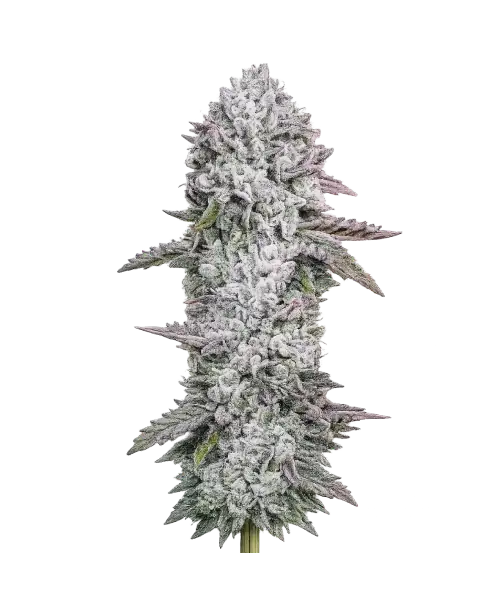
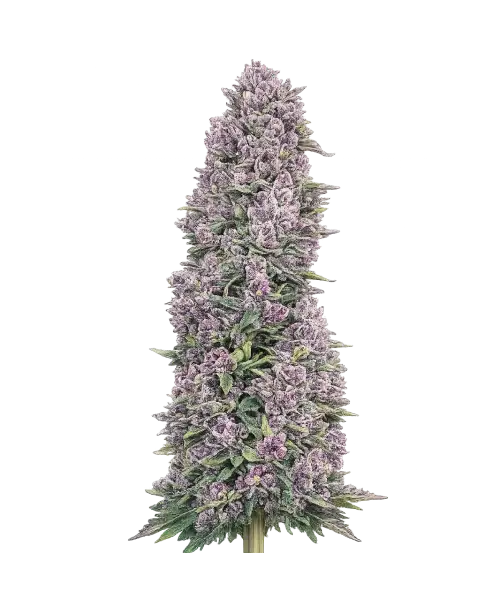
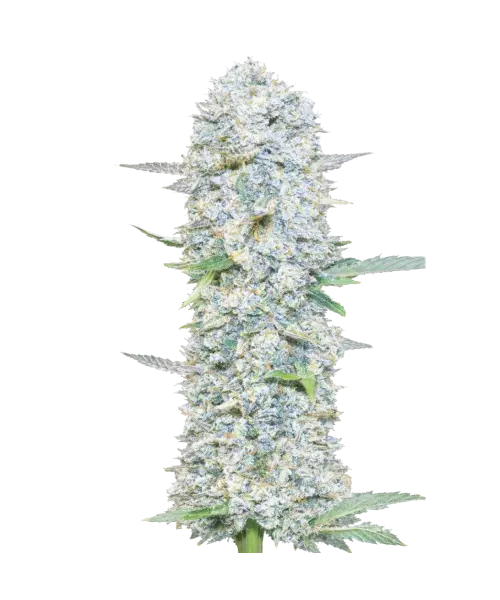
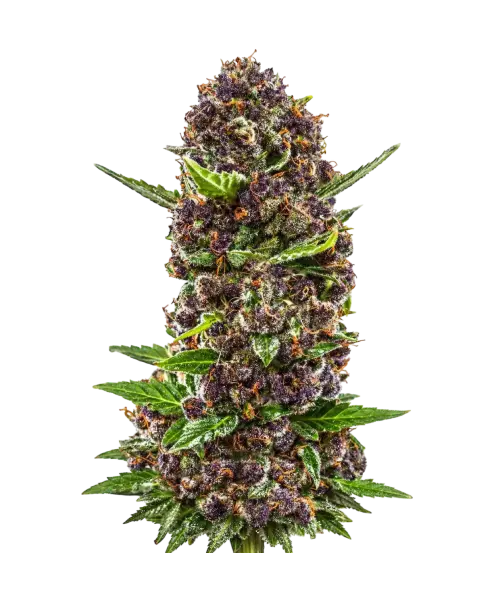
High THC seeds are cannabis seeds bred to produce plants with elevated levels of THC (tetrahydrocannabinol), the compound responsible for strong psychoactive effects. Modern genetics have pushed potency far higher than in the past — many high THC cannabis seeds now produce 25–39% or more under optimal conditions. Growers choose high-THC marijuana seeds for:
These seeds are ideal for experienced growers, or anyone looking for maximum strength and impact.
High THC seeds germinate the same way as any cannabis seed — potency doesn’t change the method. The most reliable approach is the paper-towel method:
Avoid overwatering or handling the taproot directly. For a full walkthrough, see our germination guide — and every order is covered by our germination guarantee.
Many of today’s most potent cannabis strains come from a few influential breeding lines. Cookies, Gelato, OG Kush, and Runtz genetics have been repeatedly selected for dense trichome production and stable cannabinoid expression. Modern breeders combine these lines to produce cultivars that consistently reach THC levels above 25–30% under optimal conditions.
THC levels vary between strains mainly because of genetics and selective breeding. Cannabis plants produce cannabinoids inside glandular trichomes — the tiny resin glands that cover the flowers — and over decades breeders have selected plants that naturally produce more of these trichomes and higher concentrations of THC.
Genetics only set the ceiling, though. Environmental conditions also influence how much THC a plant actually produces: high light intensity, stable temperatures, proper nutrient balance, and harvesting at peak ripeness all play a part. Even a strain with high-THC genetics will produce lower potency if the plant is stressed or harvested too early.
THC is produced inside trichomes during flowering, and their development depends heavily on the plant’s environment. High light intensity drives photosynthesis and resin production, while stable temperatures (around 20–26°C) help the enzymes involved in cannabinoid synthesis work properly. Good airflow reduces humidity around the buds, lowering mold risk and letting trichomes mature fully.
Harvest timing matters too. THC peaks when most trichomes turn milky white, before they begin degrading into other cannabinoids. With these conditions optimized, high-THC genetics can express their full potential.
Maximizing THC starts with strong genetics, but cultivation practices matter just as much:
Some growers add UV-B wavelengths during the final weeks of flowering. UV-B light (around 280–315 nm) acts as a mild stress signal, which can prompt extra trichome production as a natural protective response. Used carefully for short daily periods late in flower, it can boost resin development on some strains.
The best high-THC strains for home growing pair potency with stability and manageable growth. Experienced growers usually look for:
Balanced hybrids are often preferred because they deliver high potency while staying easier to control in a home setup. As a seed company that breeds its own genetics, Hypno Seeds offers a curated high-THC range — browse the full collectionto compare potency, type, and flowering time.
To capture peak THC, most growers follow the 80/20 trichome rule — the industry standard for timing a high-potency harvest. It means harvesting when roughly 80% of the trichomes look milky or cloudy and about 20% have turned amber. Because lighting and environment influence trichome development, experienced growers rely on a jeweler’s loupe or digital microscope rather than the calendar. Checking the resin glands directly is the most reliable way to know when a strain is ready.
Yes — and the strongest autoflower genetics now rival photoperiod strains for potency. Sticky Kitty Auto reaches up to 35% THC and Blackberry Kush Auto up to 30%, while still finishing their full life cycle in about 8–9 weeks from seed. Because they flower automatically after a few weeks of veg, autoflowers are popular for beginners, small spaces, and multiple harvests per year — without giving up high-THC results.
Some high-THC strains are stable and forgiving enough for new growers. Beginner-friendly feminized options include Gruntz, Zookies, and Do Si Dos — strong potency with reliable growth and 8–10 week flowering. For an even simpler cycle, autoflowers like Rainbow Runtz Auto, Juicy Pussy Auto, and Crystal Ball Auto flower automatically and usually finish about 8–10 weeks after germination.
Not necessarily. THC drives a lot of the potency, but the overall experience also depends on the terpene profile and cannabinoid balance. Two strains with similar THC can feel very different depending on their terpenes and genetic background.
Yes — under the 2018 Farm Bill, hemp products containing less than 0.3% delta-9 THC are federally legal. Since cannabis seeds naturally contain only trace amounts of THC, they’re generally treated as hemp at the federal level.
State laws still regulate cultivation, though: while the seeds themselves may be legal to possess, germinating and growing must comply with the laws of your state. Recent federal legislation passed in 2025 may also change how cannabis seeds are classified — the new law narrows the federal definition of hemp, and seeds from plants capable of producing more than 0.3% total THC may no longer qualify, with changes expected to take effect in November 2026. These products are sold as collectibles and aren’t evaluated by the Food and Drug Administration (FDA). Always check your local laws — see our FDA & disclaimer page for details.
Modern cannabis genetics can reach 25–35% THC under optimal conditions, and a few elite cultivars push higher still — Sticky Kitty Trippy Punch tests up to 39%. For context, most premium flower sits between 18–25%, so anything above 30% is exceptionally strong. Genetics set the ceiling, but environment, feeding, and harvest timing decide how close a plant gets to it.