


The best tasting weed strains for home growers get their flavor from a stable, dominant terpene. On this list, that means terpinolene in Durban Poison and Jack Herer, myrcene in Blue Dream and Blackberry Kush, caryophyllene in Gary Payton and Gush Mints, and limonene in Trop Cherry and Super Lemon Haze. A strong terpene listing means little if the genetics aren’t stable, because unstable lines produce sibling plants that smell nothing alike. Hypno Seeds develops and stabilizes its genetics in-house over multiple generations, so terpene consistency is something it breeds for, not just something it advertises. Genetics set the flavor ceiling. Your dry and cure decide how much of it reaches the jar.
About the Author: This guide comes from the Hypno Seeds team, a US-based cannabis breeder that develops and stabilizes its own genetics and germination-tests every seed batch every 30 days. The picks below come from lines we grow out and select for consistent terpene expression.
Since flavor is the point of this list, it helps to start with what actually produces it. A terpene profile is the blend of aromatic compounds a cannabis plant makes in its trichomes, ranked by concentration. Here are cannabis terpenes explained simply: they belong to the same family of molecules that gives lemon peel, pine and black pepper their smell.
Read any terpene profile cannabis breeders publish as a ranking. The top compound sets the core character, and the supporting terpenes shade it. That is why two caryophyllene-led strains can still smell different.
| Terpene | Typical Aroma | Strains on This List |
|---|---|---|
| Myrcene | Earthy, musky, ripe fruit | Blue Dream, Blackberry Kush |
| Terpinolene | Pine, fresh herbs, citrus | Durban Poison, Jack Herer |
| Caryophyllene | Black pepper, spice, wood | Gary Payton, Gush Mints |
| Limonene | Citrus peel | Trop Cherry, Super Lemon Haze |
Myrcene strains sit at the earthy, fruity end of the spectrum. Terpinolene strains sit at the bright, herbal end.
Knowing which terpene you want is only half the job. The seed also has to express that terpene reliably.
A new cross works like a deck shuffled once. Each seed draws a different hand of traits from its parents, so one plant may smell like candy while its sibling smells like hay. Every generation of selection removes the cards you don’t want, so more seeds end up dealing the same hand. That is why we stabilize lines over multiple generations before release. Selection narrows variation but does not erase it, so some phenotype differences within a pack are normal.
With stability covered, here are eight picks we’ve selected, several from our Flavor Collection. Each major terpene family appears twice.
Terpenes: Limonene, caryophyllene. Aroma: Sour cherry, tart citrus, candy sweetness. Grow note: Buds pack tight, so keep the airflow strong in late flower. Our short Trop Cherry strain review: it’s for growers who want fruit that cuts through the room. Shop Trop Cherry
Terpenes: Caryophyllene, supported by limonene. Aroma: Diesel, cracked pepper, savory herbs. Grow note: It responds well to topping and an even canopy. The Gary Payton strain terpenes explain why it smells savory rather than sweet. Growers have documented it in detailed grow reports. Shop Gary Payton
Terpenes: Caryophyllene, limonene, linalool. Aroma: Fruit candy over cool mint, with a gassy finish from its Kush Mints side. Grow note: Its compact frame fits small tents. Our quick Gush Mints strain review: the mint shows best after a slow cure, so don’t judge it at harvest. Shop Gush Mints
Terpenes: Terpinolene-dominant. Aroma: Sweet anise, pine, fresh citrus. Grow note: This landrace-derived sativa stretches tall, so plan for headroom. Its signature still shapes new genetics. Shop Durban Poison
Terpenes: Terpinolene, pinene, caryophyllene. Aroma: Pine, spice, lemon. Grow note: This sativa-leaning hybrid has a longer flowering window, and patience pays off in resin. Shop Jack Herer
Terpenes: Myrcene, pinene, caryophyllene. Aroma: Sweet blueberry with a soft herbal edge. Grow note: It is vigorous and forgiving, which makes it one of the most beginner-friendly flavor strains. Shop Blue Dream
Terpenes: Myrcene, caryophyllene. Aroma: Blackberry jam over earthy hash. Grow note: This compact indica suits tents. If you want a faster run, Blackberry Kush Auto offers a berry-kush profile in autoflower format. Shop Blackberry Kush
Terpenes: Limonene, terpinolene. Aroma: Lemon zest, sweet citrus candy. Grow note: It inherits stretch from its Super Silver Haze side, so use low-stress training. Shop Super Lemon Haze
💡 Pro Tip: Choose by space first and terpene second. Tall stretchers like Durban Poison and Super Lemon Haze need headroom. Gush Mints and Blackberry Kush stay manageable in small tents.
Even perfectly stable genetics can lose flavor in the final stretch, because terpenes are volatile. They behave like perfume on warm skin: heat speeds up evaporation, so a hot room literally vents aroma into the air.
💡 Pro Tip: A hay-like smell in the jar usually means the dry ran too fast. Keep curing, because it often fades. For your next run, slow the dry down.
Cannabis cultivation laws differ by state and locality, so check and follow your own before you germinate.
Look for strains with a stable, dominant terpene. Good examples are Trop Cherry for citrus, Gary Payton for gas and pepper, Blue Dream for berry, and Durban Poison for anise and pine.
These are strains where terpinolene leads the profile, giving a fresh pine, herbal and citrus aroma. Durban Poison and Jack Herer are classic examples.
Blue Dream is vigorous and forgiving. Blackberry Kush Auto flowers without any light-schedule changes, which keeps the grow simple.
Not inherently. Flavor depends on genetics and growing conditions, and an autoflower from a stable line can carry a strong terpene profile.
No. Genetics set the ceiling, and technique only preserves what the plant produces.
Hypno Seeds is a US-based cannabis breeder that develops and stabilizes its own genetics, including exclusive lines such as Red Chile Truffle, Sticky Kitty Trippy Punch and Red Pistachio Auto. Every seed batch is germination-tested every 30 days, and any batch below a 95% success rate is pulled from inventory. Each seed is hand-inspected for maturity and shell integrity before it ships. Orders leave a climate-controlled Las Vegas, NV warehouse within 24 hours and arrive by tracked, discreet delivery in 2-5 business days. The catalog includes feminized, autoflower and flavor-focused lines, all backed by a germination guarantee.
Browse the Flavor Collection to explore breeder-developed lines designed for consistent terpene expression.
Flavor is bred into the seed, but it’s kept in the jar.


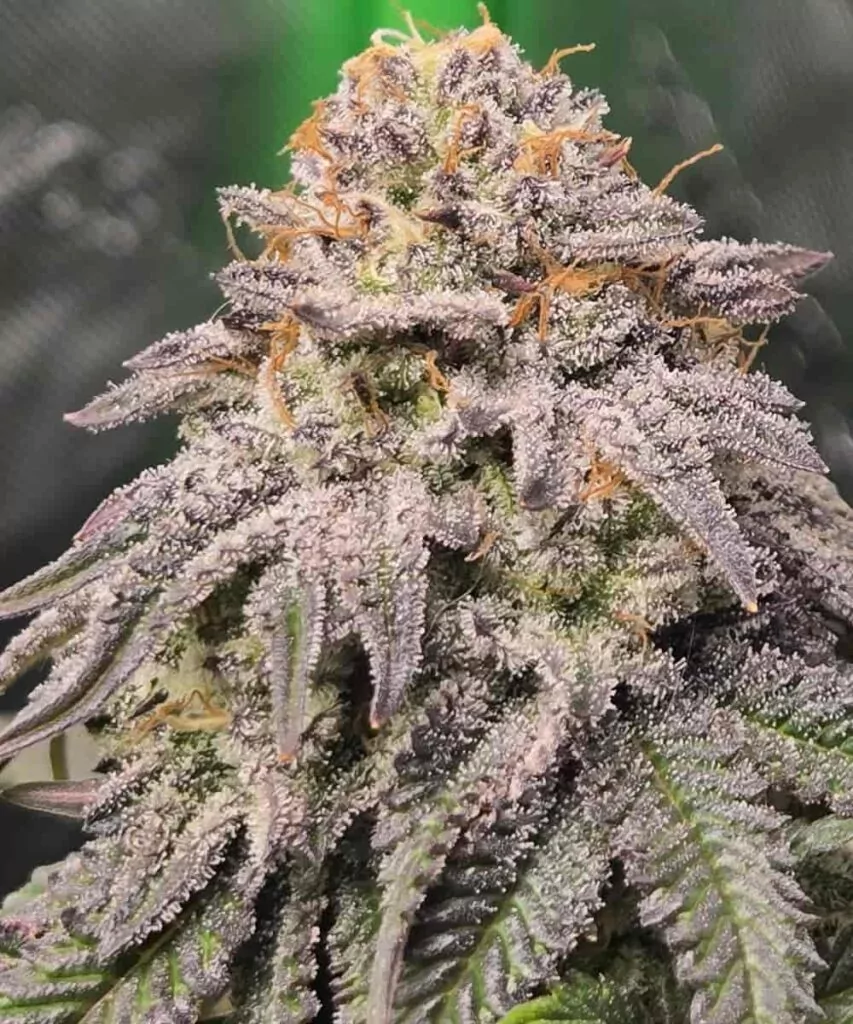


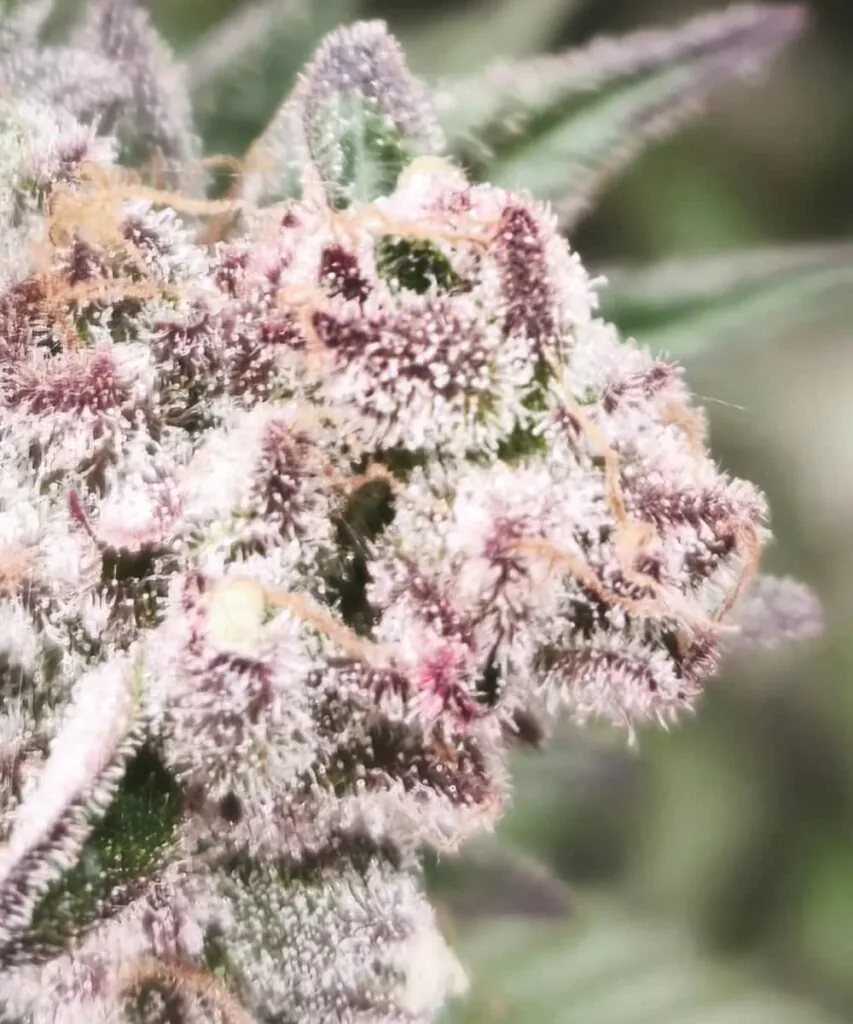
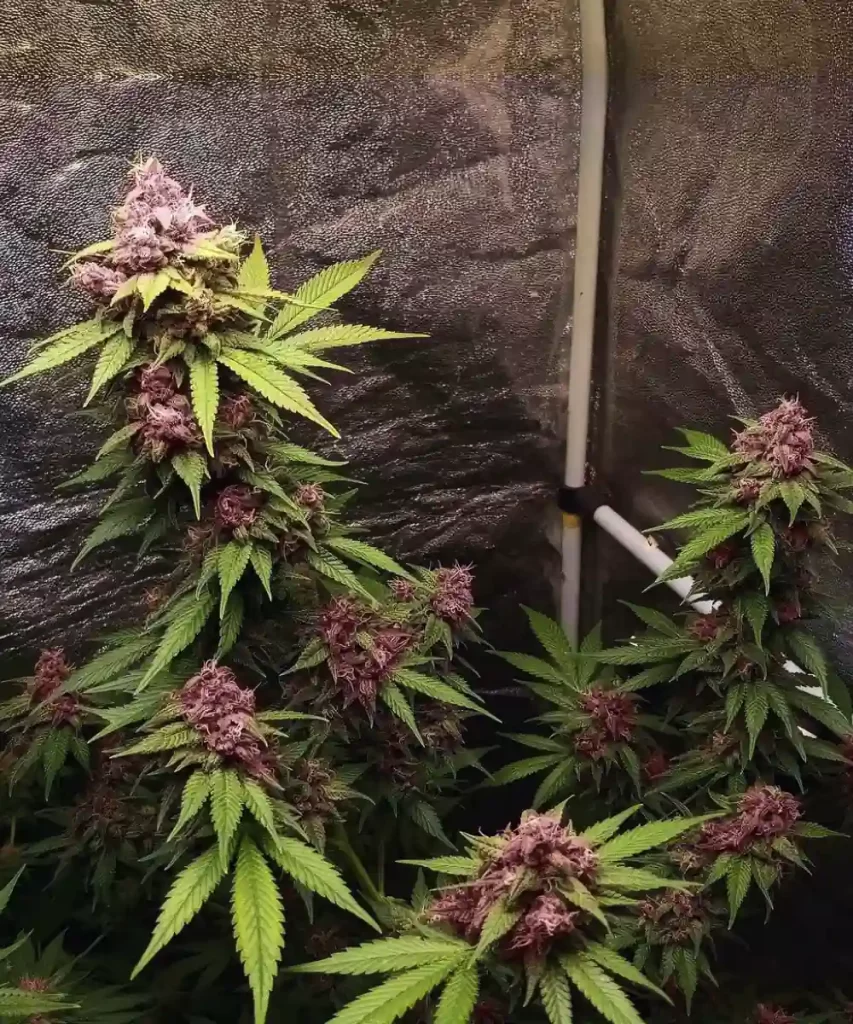
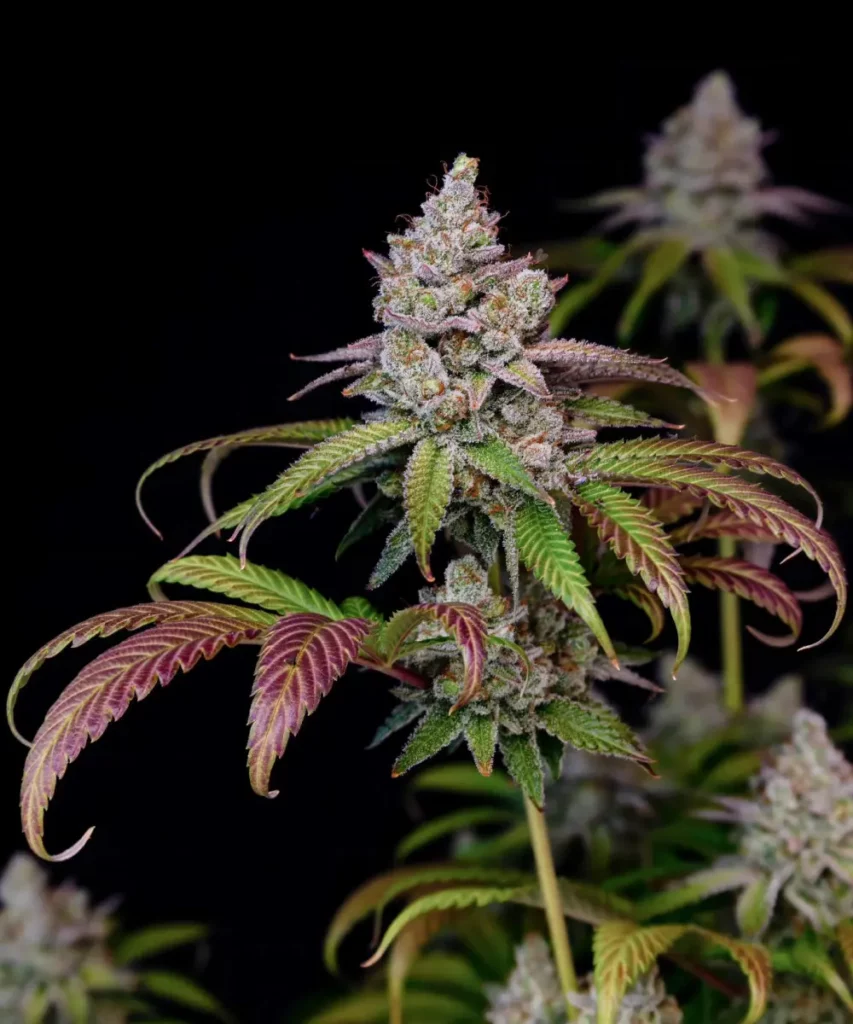
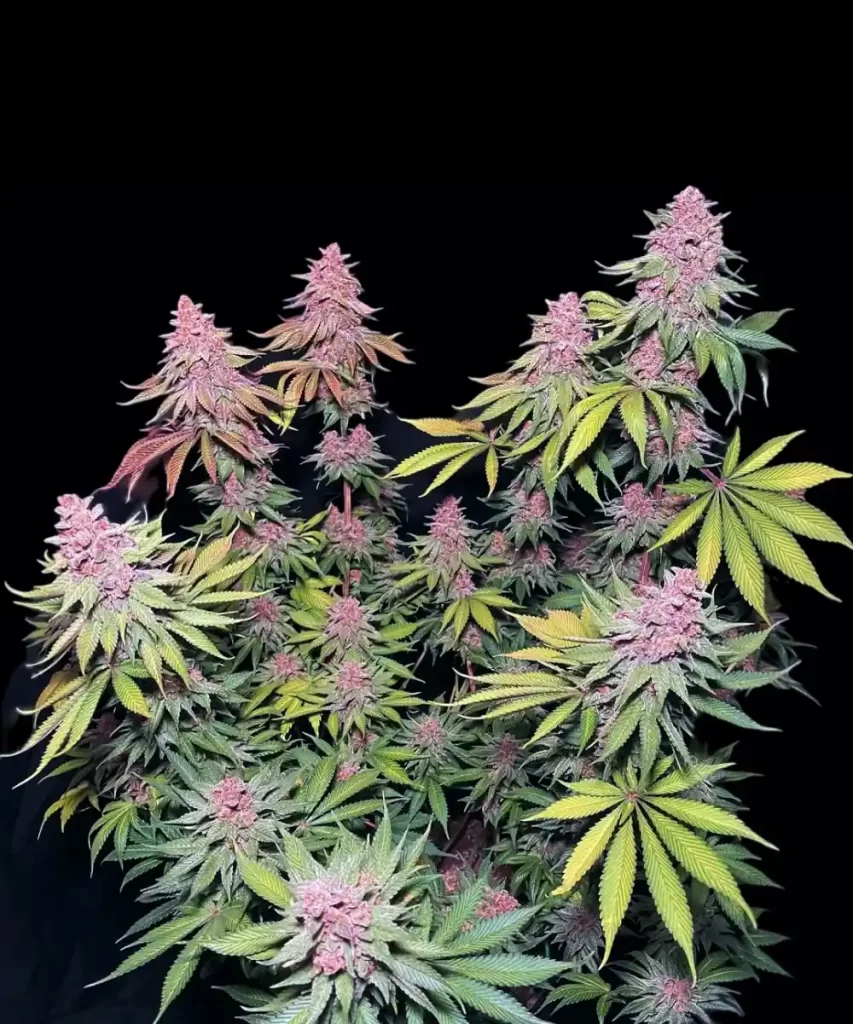

I planted 10 Super Boof seeds, and all germinated without a hitch. The plants grew strong and healthy, producing dense, frosty buds with a sweet, earthy aroma. The high is uplifting yet relaxing—a perfect balance. Impressive yield too, even with minimal effort

I’ve been growing weed for 30+ years, and to be honest, it’s quite difficult to surprise me. After a few decades of facing different strains, changing growing conditions, and solving whatever problem you could possibly think of, by then, I believe I’ve seen it all in cannabis growing.
Gary Payton defied every single one of my expectations.
The plant thrived, growing to an impressive 6 feet in what seemed like a blink of an eye. It quickly filled out with buds and displayed better smell each day, showing solid proof of superior genetics. The buds were tight, aromatic, and a source of immense pride, surpassing the outcome of many of my previous endeavors.
Hypno Seeds with their Gary Payton strain has won my complete admiration and loyalty. Outstanding genetics in this plant have truly turned what I always thought of to be an experiment with negligible expectations into one of the most satisfying grows of my long career.
Looking forward, my excitement for the next growing season is unparalleled. I can’t wait to see how much I can take these strains, especially with the attention that Gary Payton really does deserve right from the start.

TRUE MAGIC! This strain really stands out. I am trying Hypno Seeds for the first time and I surely made the right choice. I will be ordering more RS11 seeds just to keep this beauty in my garden for the upcoming season. Growing in Virginia and it’s only shown perfection by now.

Starting my latest grow, I decided to try out some Blackberry Kush from Hypno… I planted her on a whim alongside my other favorites. Hypno Seeds said it had to be a powerful plant with rich, fruity scents… Seeing is believing. She developed purplish hues and dense resin coated buds and quickly took center stage in my garden and produced much more than expected. The buds are tightly packed, literally bursting with the heady aroma. The yield? Very impressive for her conditions…
Germinated three seeds using the paper towel method with100% success rate within 48 hours. Planted in 5 gallon pots with living soil under a 315W CMH light. Plants remained compact (3.5 ft) with thick lateral branching, showing high resistance to humidity and minor nutrient fluctuations. Yield per plant: 5.8 oz of extremely dense, trichome-heavy buds. Smell profile during flower: sharp pine, pepper, and a hint of citrus. Harvested at week 9, after trichomes showed 30% amber for peak sedative effects. Smoke report: Potent. Deep relaxation without full sedation. Ideal for stress relief.


