


What should a beginner actually find in a grow guide? A good guide covers seven strain-specific details: seed type, lineage and structure, flowering schedule, yield with conditions, a tested potency range, germination data, and phenotype stability. Every line here is bred and stabilized in-house over multiple generations, and every batch is germination-tested every 30 days. A guide that skips them leaves beginners guessing at the exact point where guessing costs a harvest.
- A useful beginner guide is written for one strain. Generic advice leaves out the variables that matter.
- Yield and flowering figures mean little without the conditions behind them.
- Potency is a trait of the mature plant and depends on genetics and grow conditions. Expect a tested range, not a promise.
- Phenotype stability is the most overlooked detail, and the breeder is best placed to report it.
About the Author: This guide comes from the Hypno Seeds breeding team. The team develops and stabilizes its own genetics in-house and pulls any seed batch that tests below a 95% germination rate.
Different strains behave differently, so a guide built for one strain is far more useful than generic advice. A compact indica and a stretchy sativa need different spacing, timing and training.
A beginner searching for the specifics of their strain can’t fill in missing details on their own, because those details are what they came to learn. If you are searching for the best seed banks USA growers trust, judge the guides as well as the catalog.
Here is what specificity looks like in practice. Each detail replaces a round of trial and error.
| Detail | What a useful guide publishes |
|---|---|
| 1. Seed type | Feminized or regular, photoperiod or autoflower |
| 2. Lineage and structure | Parents, expected height and stretch |
| 3. Flowering schedule | Timing for each stage, not one number |
| 4. Yield | A range tied to light, pot size and setting |
| 5. Potency | A tested range for mature flower, plus the test method |
| 6. Germination | Batch test results and the recommended method |
| 7. Stability and difficulty | How uniform siblings are and where grows usually fail |
Seed type sets the whole timeline. Feminized seeds are bred to produce female, bud-producing plants.
Autoflowers carry Cannabis ruderalis genetics, so they flower based on age rather than light. A photoperiod plant waits for a light switch. An autoflower runs on a kitchen timer and flowers when the clock runs out. Autoflowers can be feminized too, so the real choice is between photoperiod and auto:
| Trait | Photoperiod | Autoflower |
|---|---|---|
| Flowering trigger | Light change set by the grower | Plant age |
| Seed to harvest | Depends on veg length | Typically about 8 to 10 weeks |
| Best fit | Growers who want to train and shape | Beginners who want speed |
For growers, indica vs sativa is most useful as a prediction of plant shape. Indica-leaning plants tend to stay short with tight nodes. Sativa-leaning plants stretch and space out. Most modern hybrid strains land somewhere in between, so a ratio alone says little.
💡 Pro Tip: A “70/30 indica” label won’t tell you whether the plant fits your tent. Ask for the expected height and flowering stretch.
A single flowering number hides the stages you actually have to manage. A useful autoflower grow schedule spells out each one:
- Seedling: light watering and minimal feeding
- Vegetative: the short window for gentle low-stress training
- Pre-flower stretch: how much height to expect, so you can adjust your lights
- Flowering: feeding changes and the signs that harvest is close
Autos have no pause button. You can’t win back time lost to transplant shock or overfeeding with extra veg, so the schedule matters more for them.
A yield figure without conditions is like a fuel-economy rating that never says city or highway. The output depends on how the machine is run. For high yield strains, a guide should state:
- the setting (indoor or outdoor)
- the light type
- the pot size
- the training method
Harvest photos show the results. They rarely show the tent size. When ranking the best yielding autoflowers, compare ranges grown under similar conditions.
THC is a trait of the mature plant, not the seed, and it depends on genetics and grow conditions together. A high-THC listing describes the flower a strain can produce. If you are shopping for high-THC seeds, look for a tested range rather than a single number.
High-Performance Liquid Chromatography (HPLC) is the industry standard for this testing. It runs at room temperature, so it can measure both acidic and neutral cannabinoids without heat damaging them. A range plus a method is data. A single number is a hope.
Germination is the first claim you can check yourself. A guide on how to germinate seeds should name the method and the conditions. Cannabis cultivation laws differ by state and locality, so check and follow your own first.
A seed works like a packed lunch: the embryo lives on stored reserves until it roots. Heat and moisture in storage make it burn through that lunch early. That’s why seeds keep best in cool, dry storage. A seed germination rate only means something if you know when it was tested. Every batch is retested every 30 days, and any batch that falls below 95 percent is pulled.
💡 Pro Tip: Ask when your batch was last tested. Last year’s rate describes last year’s seeds.
Stability ties the other six details together. If siblings from one pack grow differently, no single guide can describe them all. Unstable genetics act like a shuffled deck, with each seed drawing a different hand of parent traits. Breeding over several generations narrows the deck.
We develop our lines in-house, including exclusives like Red Pistachio Auto, Sticky Kitty Trippy Punch and Red Chile Truffle, so we select for uniformity directly. A difficulty rating should then name the real risks: buds prone to mold, sensitivity to nutrients, or stretch that outgrows a small tent.
Once you know the seven details, the test is simple: could you check them? Trustworthy guides give ranges instead of peak numbers and attach conditions to every claim. They name a testing method and admit what can go wrong. The best grow guide doesn’t promise the biggest numbers. It tells you what to expect, and why.
Results depend on a fresh batch and on correct temperature and moisture. Ask when the batch was last tested, since a germination rate only means something with a date attached.
Autoflowers are usually simpler. They flower on their own timer and typically finish in about 8 to 10 weeks. Feminized photoperiods give you more control over plant size.
No. Potency is a trait of the mature plant and depends on both genetics and grow conditions.
Roughly. The breeder’s notes on height and stretch are more reliable than the label.
Keep them cool and dry, away from light, and sealed against moisture. Heat and humidity drain the reserves a seed needs to sprout.
Hypno Seeds is a US cannabis seed breeder that develops and stabilizes its own genetics over multiple generations. Every batch is germination-tested every 30 days, and every seed is hand-inspected for maturity and shell integrity. Orders leave a climate-controlled warehouse in Las Vegas, NV within 24 hours and typically arrive in 2 to 5 business days with tracking. Because we control the process from breeding to shipping, stock stays fresh rather than shelf-worn.
Want to compare strains with these details in hand? Browse the shop, see our new strains, or explore the Flavor Collection. Questions? Get in touch at http://hypnoseeds.com.


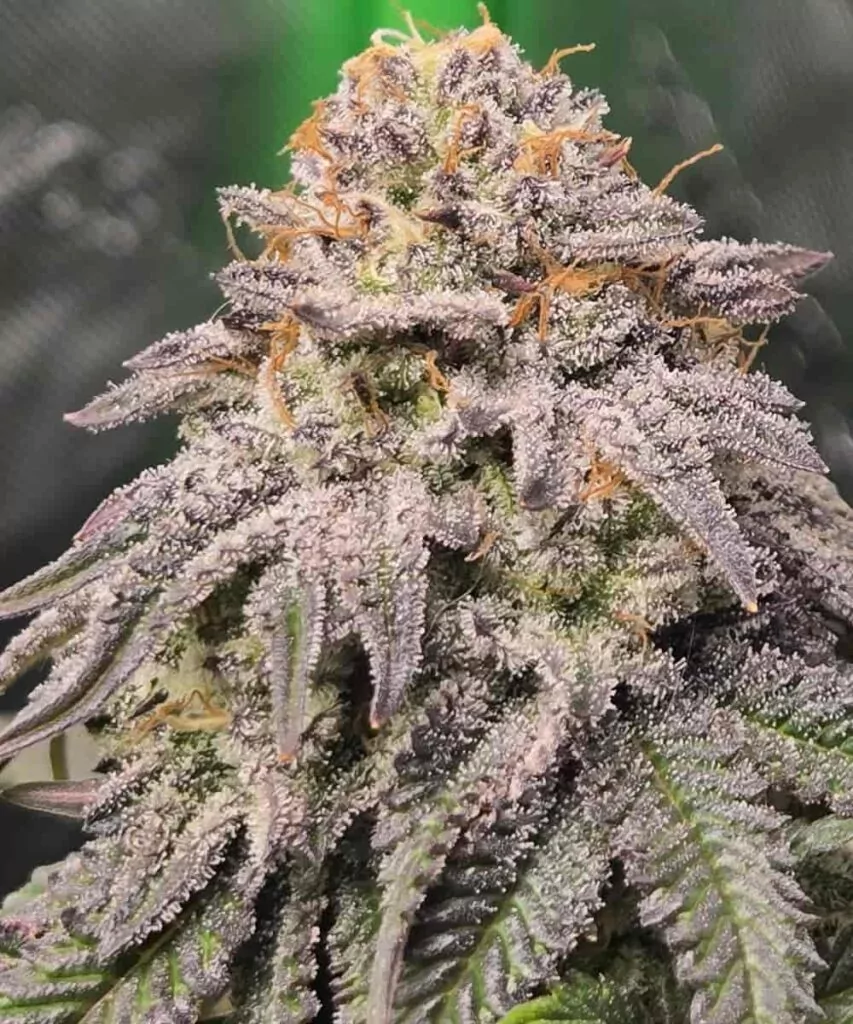


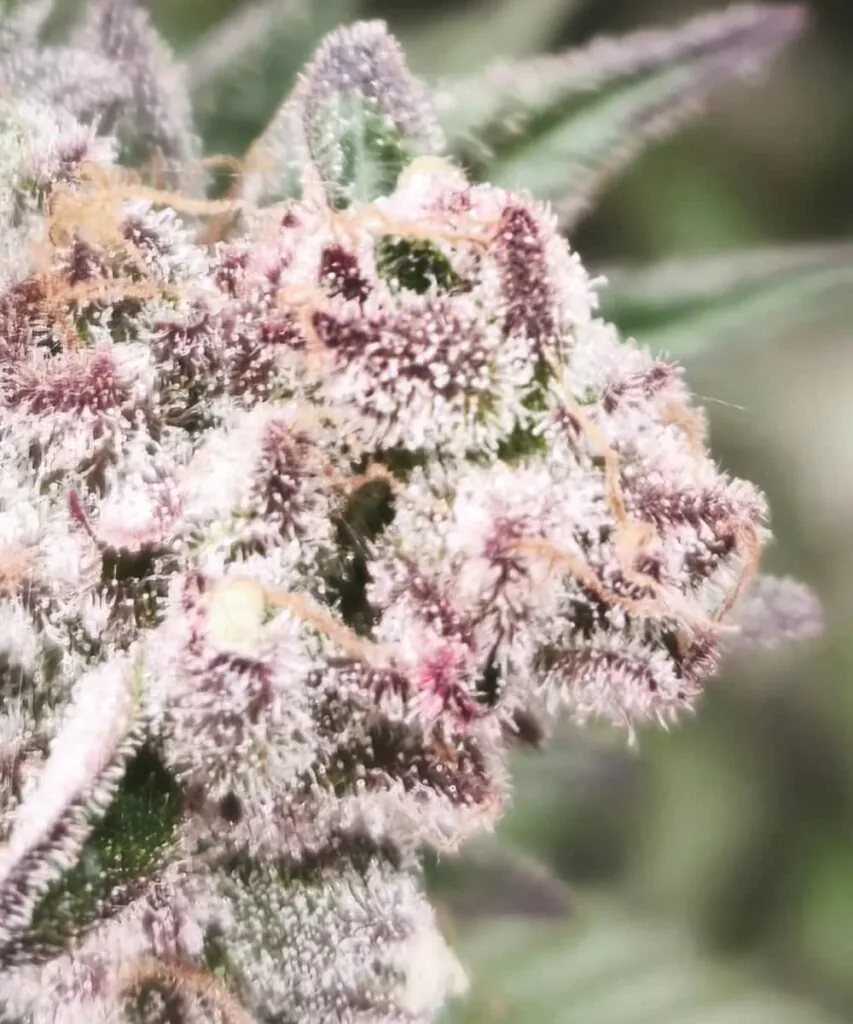
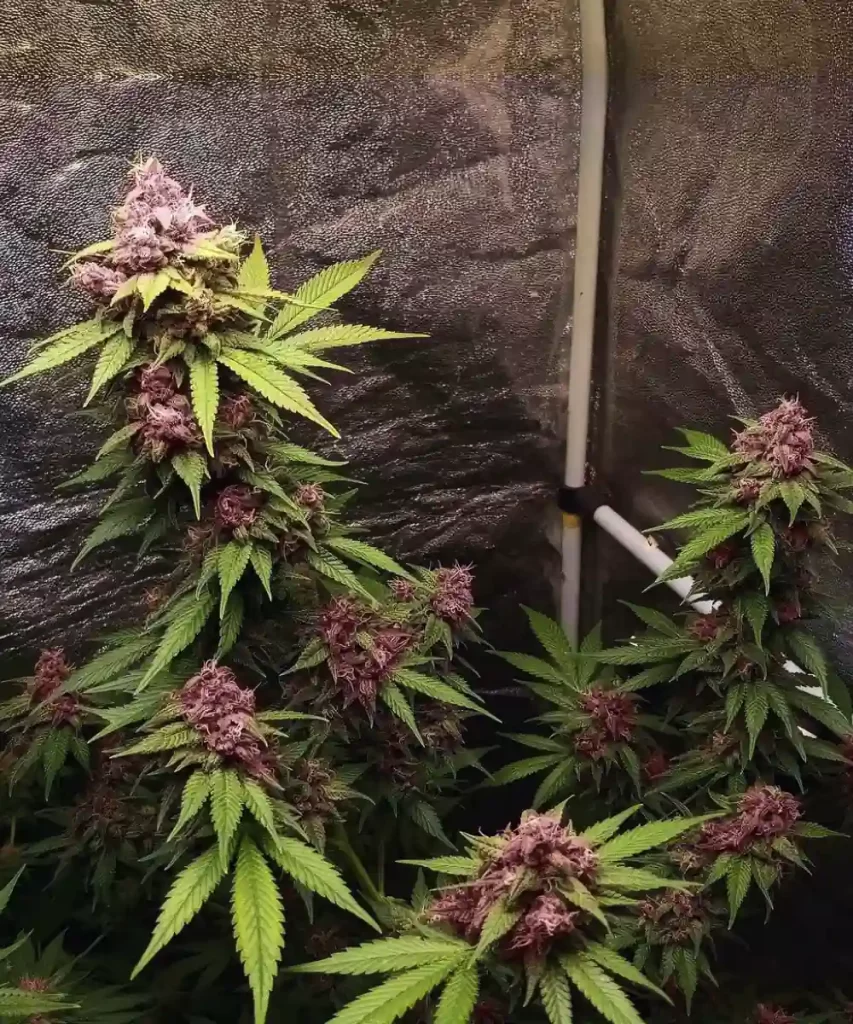
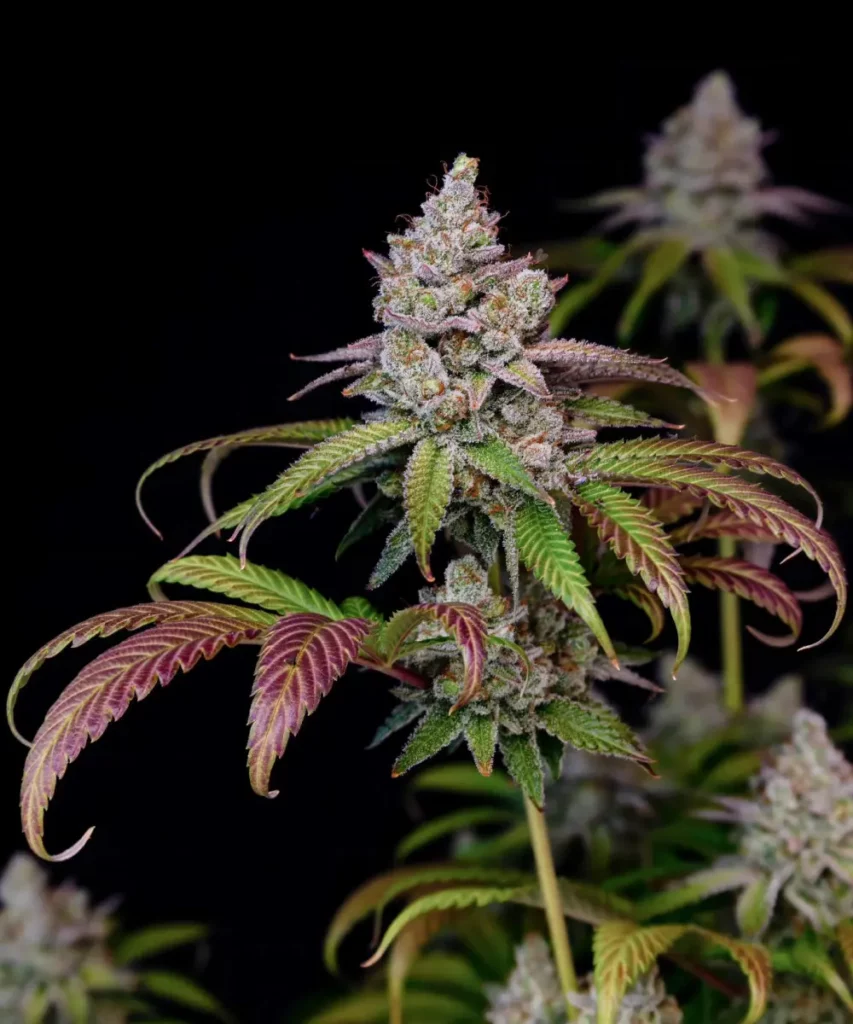
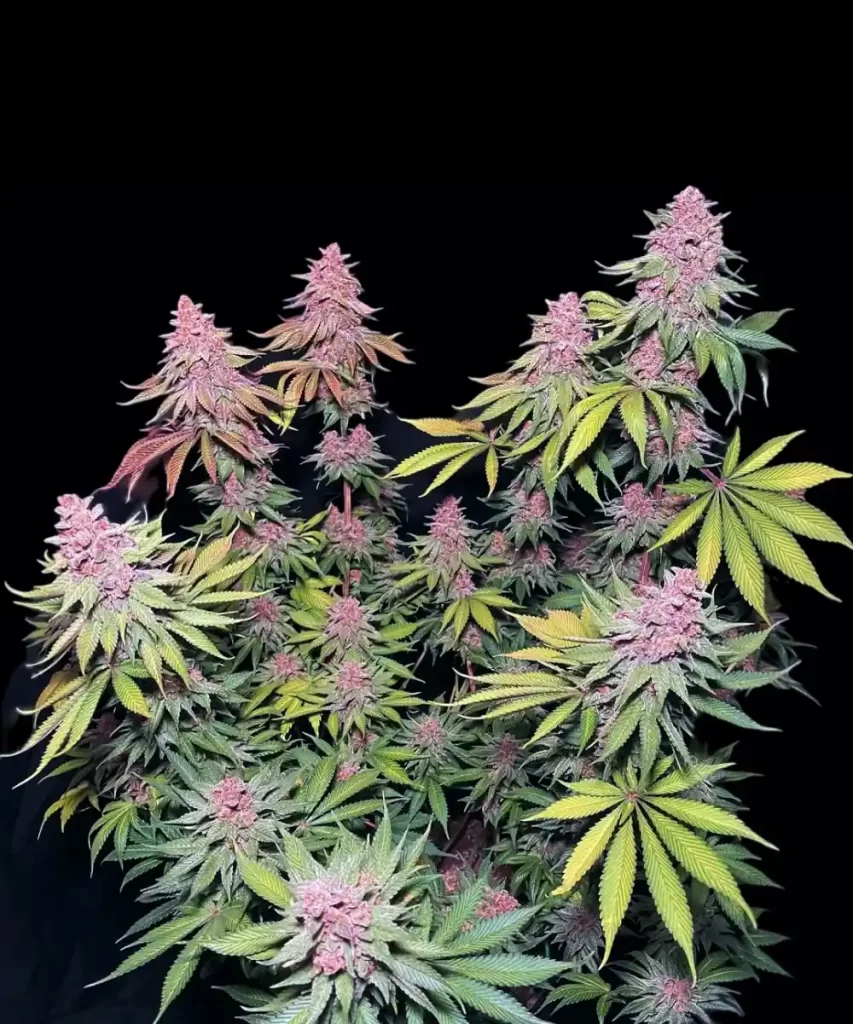

I planted 10 Super Boof seeds, and all germinated without a hitch. The plants grew strong and healthy, producing dense, frosty buds with a sweet, earthy aroma. The high is uplifting yet relaxing—a perfect balance. Impressive yield too, even with minimal effort

I’ve been growing weed for 30+ years, and to be honest, it’s quite difficult to surprise me. After a few decades of facing different strains, changing growing conditions, and solving whatever problem you could possibly think of, by then, I believe I’ve seen it all in cannabis growing.
Gary Payton defied every single one of my expectations.
The plant thrived, growing to an impressive 6 feet in what seemed like a blink of an eye. It quickly filled out with buds and displayed better smell each day, showing solid proof of superior genetics. The buds were tight, aromatic, and a source of immense pride, surpassing the outcome of many of my previous endeavors.
Hypno Seeds with their Gary Payton strain has won my complete admiration and loyalty. Outstanding genetics in this plant have truly turned what I always thought of to be an experiment with negligible expectations into one of the most satisfying grows of my long career.
Looking forward, my excitement for the next growing season is unparalleled. I can’t wait to see how much I can take these strains, especially with the attention that Gary Payton really does deserve right from the start.

TRUE MAGIC! This strain really stands out. I am trying Hypno Seeds for the first time and I surely made the right choice. I will be ordering more RS11 seeds just to keep this beauty in my garden for the upcoming season. Growing in Virginia and it’s only shown perfection by now.

Starting my latest grow, I decided to try out some Blackberry Kush from Hypno… I planted her on a whim alongside my other favorites. Hypno Seeds said it had to be a powerful plant with rich, fruity scents… Seeing is believing. She developed purplish hues and dense resin coated buds and quickly took center stage in my garden and produced much more than expected. The buds are tightly packed, literally bursting with the heady aroma. The yield? Very impressive for her conditions…
Germinated three seeds using the paper towel method with100% success rate within 48 hours. Planted in 5 gallon pots with living soil under a 315W CMH light. Plants remained compact (3.5 ft) with thick lateral branching, showing high resistance to humidity and minor nutrient fluctuations. Yield per plant: 5.8 oz of extremely dense, trichome-heavy buds. Smell profile during flower: sharp pine, pepper, and a hint of citrus. Harvested at week 9, after trichomes showed 30% amber for peak sedative effects. Smoke report: Potent. Deep relaxation without full sedation. Ideal for stress relief.


