

The most repeated “fact” about the Black Cherry Soda strain is also the first one growers should question. Many current pages call it Black Dahlia × Ace of Spades, yet historic records place Black Cherry Soda earlier in the family tree. Both named cultivars were bred later using Black Cherry Soda.
The old cut is a clone-only cultivar of unknown parentage. Modern S1s, backcrosses, and namesake seed lines may still be worthwhile, but they are not automatically identical to it. That difference can change structure, finish, and the value of any copied schedule.
This guide identifies the material first, then builds a practical plan around its structure, flower density, color, maturity, and aroma.
Grow only where cannabis cultivation is legal, and follow all applicable local rules.
| Feature | Best-supported description of the historic cut |
| Documented parentage | Unknown |
| Original format | Clone-only photoperiod cultivar |
| Historical circulation | Documented in grower records by 2010 |
| Common growth reports | Short to medium frame, lateral branching, quick rooting, chunky flower formation |
| Reported flowering window | Approximately 8–9 weeks indoors |
| Color potential | Purple, pink, magenta, red, and green expression reported in the flowers |
| Aroma range | Cherry, berry, grape, red candy, cream soda, pepper, and musty or kush-like depth |
| Reliable yield figure | No universal figure; reports range from good to heavy, but public sample sizes are small |
| Main grower priority | Determine whether the plant is the old clone, a related seed project, or an unrelated namesake |
The eight-to-nine-week figure is a useful inspection window, not a fixed harvest date. Exact percentages for indica/sativa balance, THC, terpenes, stretch, and yield are not sufficiently consistent to treat as properties of every plant sold under this name.
Black Cherry Soda entered public grow records as a cutting that already carried the name. Its breeder and parents were not documented. Later breeders used the cut to make several recognizable descendants.
| Cultivar | Recorded relationship to Black Cherry Soda | Why the order matters |
| Black Cherry Soda | Older clone with unknown parentage | The starting point |
| Ace of Spades | Black Cherry Soda × Jack the Ripper | A descendant cannot establish the original clone’s parents |
| Black Dahlia | Black Cherry Soda × Querkle | Also a later descendant |
| Black Cherry Pie | Black Cherry Soda × (Black Cherry Soda × 501st OG), later worked through generations | Carries substantial BCS influence plus added genetics |
| Black Cherry Punch | Black Cherry Pie × Purple Punch | A descendant of a descendant |
| Black Cherry Gelato | A later hybrid involving Gelato, Blueberry, and Black Cherry Soda in the commonly recorded pedigree | Shares ancestry but is not a synonym |
Why is Black Dahlia × Ace of Spades repeated so often? A modern feminized line uses that pedigree under the same name. It describes that seed product, not the older clone.
A preserved clone should be relatively consistent. A reconstruction, selfed population, or backcross can separate into different structures, colors, aromas, and finish times. The pack name alone cannot choose the grow plan.
Keep the breeder or source identifier in the plant name from day one. “BCS” loses the information you need; “BCS–verified cut–01” or “BCS–seed maker–plant 03” preserves it.
| Material you have | What the label should show | What to expect |
| Provenance-backed clone | Source, acquisition date, and a traceable connection to the preserved cut | Greater consistency, although health and environment still change performance |
| S1 seed | The female used for selfing and the breeder who made the seed | Traits may separate; not every plant will copy the mother |
| Backcross or Bx line | Full pedigree and generation | Selection may lean toward BCS traits, but added genetics remain part of the line |
| Black Dahlia × Ace of Spades seed | Those two parents and the seed producer | Treat as a modern namesake line with its own data |
| Unspecified seed or clone | Little more than the cultivar name | Identity is unverified; document it without making lineage claims |
Before transplanting, photograph the package or clone tag and record source, pedigree, format, generation, and date acquired. Add a quarantine code to clones and number seed plants separately.
If the source can trace an old cutting but cannot name its parents, that is consistent with the historic record. When the label gives Black Dahlia × Ace of Spades, you likely have a modern seed line. If it says Bx, S1, F2, or another generation, follow that specific project rather than treating the package as the original clone.
When the information is missing, use “Black Cherry Soda—unverified” in the log. That wording protects the accuracy of your future observations without preventing you from growing the plant well.
Early reports predate much of today’s copied catalog text. They describe a fairly short, quick-rooting clone with lateral growth and chunky, resinous flowers. One documented week-seven plant showed purple, pink, and magenta without temperatures below 70°F.
Those observations provide a starting hypothesis—not a guarantee for every current plant.
| Trait to inspect | Historic direction | What to record in your room |
| Plant shape | Shorter frame with useful branching | Height at flip, width, node spacing, and leader count |
| Rooting and recovery | Quick rooting reported | Days to new roots and days to resume active growth after training |
| Flower build | Chunky, resinous tops | Density at upper and interior sites, plus support needs |
| Color | Purple, pink, magenta, red, and green | When pigment begins and whether it appears in flowers, leaves, or both |
| Aroma | Cherry and berry over cream soda, pepper, grape, or kush-like depth | Aroma at stem rub, mid flower, harvest, dry, and four weeks of cure |
| Finish | Often reported near 8–9 weeks | Trichome, calyx, water-use, and aroma observations by date |
A seed plant that grows tall, stays green, or finishes later is not automatically mislabeled. It may belong to a different Black Cherry Soda project or represent variation within that population. The right response is to document the plant, not force it to imitate a photograph.
Use the first run to answer what public profiles cannot. Preserve a backup, keep the canopy simple, and avoid changing several variables at once.
| Gate | Question | Decision before moving on |
| 1. Establishment | Is the plant clean, rooted, and actively growing? | Quarantine a clone; transplant only after fresh growth confirms recovery |
| 2. Architecture | Does it stay compact, branch naturally, or stretch? | Choose topping, gentle LST, a light screen, or minimal intervention |
| 3. Flower development | Are the flowers open, stacked, or unusually dense? | Adjust spacing, support, and interior airflow before late flower |
| 4. Finish | When do calyxes, trichomes, aroma, and water use converge? | Harvest from combined maturity signals, then record the result |
Take a backup cutting before flowering a possible keeper. In seed populations, do not discard the least colorful plant automatically; aroma, resin, structure, and cured quality may matter more.
Use fewer high-stress interventions. One early topping followed by light branch spreading may create enough leaders. Remove only growth that will remain buried under the canopy. A compact plant can lose momentum if it is topped repeatedly or stripped to match a predetermined diagram.
Treat that as information about your material, not a failure to match the name. Begin low-stress training earlier, spread the main leaders, and flip before the canopy fills the entire footprint. Keep vertical room for transition and add support before the stems carry dense flowers.
Run them under the same conditions and score them individually. A useful phenotype sheet includes stretch, branch angle, recovery, flower density, color onset, aroma character, maturity date, dry weight, and post-cure quality. Keepers should earn their place after drying and curing, not only through week-six photographs.
Black Cherry Soda is famous for dark and multicolored flowers, but color is easy to misunderstand. Red, purple, and blue tones in cannabis are associated with anthocyanin pigments. Genetics influence whether the pathway is available, while temperature and other environmental conditions can change how strongly it is expressed.
A controlled study found more anthocyanin under cooler treatments, but temperature also affected maturity-related traits and biomass. Protect plant function instead of chasing extreme cold.
| What you see | Possible explanation | Better response |
| Color appears while the plant remains vigorous | Normal genetic expression | Keep the environment stable and document timing |
| Flowers color without cold nights | Strong inherited pigmentation potential | Do not change a successful room merely to intensify it |
| Leaves darken while growth slows | Natural senescence, root stress, temperature stress, or nutrition may be involved | Check root-zone conditions, night temperature, and uptake before celebrating the color |
| Only exposed tops color | Light, temperature, or tissue differences may influence expression | Compare shaded and exposed sites; avoid assuming the whole plant is mature |
| A seed plant stays green | That phenotype may express less anthocyanin | Judge aroma, resin, health, and finish independently |
Purple flowers do not prove that a plant is the original Black Cherry Soda cut. They also do not prove greater potency or harvest readiness. Never use ice water, severe night drops, or deliberate nutrient stress merely to create darker photographs.
No verified breeder recipe exists for the old cut. These are general indoor starting points; adjust for leaf temperature, flower structure, airflow, medium, and plant response.
| Stage | Day temperature | Relative humidity | Approx. VPD | Main decision |
| Established vegetative growth | 75–80°F | 58–68% | 0.9–1.2 kPa | Encourage active roots and branching without overwatering |
| Transition | 74–79°F | 52–60% | 1.1–1.3 kPa | Measure stretch and keep overlapping shoots separated |
| Early flower | 73–78°F | 48–55% | 1.2–1.4 kPa | Maintain steady growth while flower sites build |
| Mid flower | 71–77°F | 44–51% | 1.3–1.5 kPa | Increase attention to the interior of chunky tops |
| Late flower | 68–75°F | 40–48% | 1.3–1.5 kPa | Prevent humid nights without forcing cold stress |
Use the Hypno Seeds VPD chart for cannabis with measured leaf temperature rather than treating air temperature as the complete picture. If the flowers become especially dense, the safe humidity target may be lower than it is for a looser phenotype. Air should exchange through the canopy without a fan hammering one side of the plant.
Humidity can jump when lights turn off and temperature falls. Check the canopy during that transition and after irrigation, not only at the daytime set point.
The original cut has no dependable strain-specific feed chart. Begin with the baseline for your medium and change concentration only after checking uptake, root-zone trend, leaves, and irrigation timing.
| Observation | What to verify first | Initial response |
| Steady dry-back, healthy color, clean tips | Root-zone EC and pH remain stable | Hold the program; do not raise feed because flowering has started |
| Dark leaves and burnt tips | Salt accumulation or excessive nitrogen | Confirm in the root zone, then reduce strength or correct irrigation |
| Pale new growth with active roots | pH, light intensity, and current demand | Correct availability before increasing nutrition gradually |
| Droop with a wet container | Irrigation frequency, oxygen, and root health | Extend the interval or improve root-zone aeration |
| Sudden water-use decline | Temperature, saturation, root stress, or late maturity | Diagnose the change before the next automatic feed |
| Color change with otherwise healthy growth | Whether pigment is localized and normal | Do not treat anthocyanin expression as a deficiency by itself |
Soil, coco, and recirculating systems need different irrigation logic. The Hypno Seeds hydroponics vs soil guide can help match the root-zone strategy to the medium. Whichever system you use, record input and root-zone data alongside plant response; a single runoff number is not a diagnosis.
Historic reports commonly place Black Cherry Soda near eight to nine weeks indoors. Begin detailed checks around day 54–56, but let the plant—not the name—set the cut date.
Inspect trichomes on swollen calyxes from upper, middle, and interior sites. Sugar leaves often mature earlier and can make a plant look ready. Combine magnification with calyx development, aroma, water use, and the condition of the whole canopy.
| Signal | Useful meaning | What it cannot prove alone |
| Mostly cloudy calyx trichomes | The resin window is advancing | That every branch is equally mature |
| Some amber on representative calyxes | The window is moving later | A universally better effect |
| Calyxes look full, and pistils have receded | Flower development is well advanced | Final maturity without trichome checks |
| Water use declines gradually | Growth may be slowing near finish | That roots are healthy |
| Cherry and soda notes feel fuller | Aroma development may be near its peak | That color or smell replaces maturity inspection |
| Flowers become purple or nearly black | Pigmentation is expressing | Potency, identity, or harvest readiness |
If the upper canopy matures well before the lower branches, a staged harvest may protect both quality and learning value. Record each cut separately and compare the cured result. The best harvest date for your plant is the one you can repeat from evidence, not the date copied from a catalog.
A hot, fast dry can collapse dark fruit, cream soda, pepper, and kush-like depth into generic sweetness or hay.
Many growers begin around 60–65°F and 58–62% relative humidity with indirect air movement. Treat that as a starting range, then respond to branch size, room volume, flower density, and the actual drying rate.
Keep phenotypes and harvest dates separate. Mixed flowers hide whether a sharper cherry note came from genetics, maturity, or drying pace.
| Post-harvest risk | What it costs | Better control |
| Direct fan contact | Fast surface drying and muted aroma | Move air around hanging material, not at it |
| Warm room | Faster loss of volatile aromatic compounds | Control temperature before increasing airflow |
| Dense flowers hung too tightly | Uneven drying and moisture pockets | Leave space and inspect the interior of larger tops |
| Sealing too early | Trapped internal moisture and unstable cure | Equalize gradually and monitor container humidity |
| Judging immediately after drying | The profile may seem flat or disjointed | Reassess after several weeks of controlled curing |
If a resin-rich phenotype also washes well, preserve a labeled sample and document fresh-frozen or dried input separately. Our Piatella hash guide explains why cultivar identity, resin behavior, and cold-chain handling matter more than appearance alone.
| Name | Basic identity | Grow-guide consequence |
| Black Cherry Soda | Historic clone with unknown parentage; also a name used for later seed projects | Verify format and pedigree first |
| Black Cherry Pie | BCS-heavy line with 501st OG influence | Expect a separate population and breeder-defined window |
| Black Cherry Punch | Black Cherry Pie × Purple Punch | Do not transfer the old clone’s schedule or history |
| Black Cherry Gelato | Later hybrid involving Gelato, Blueberry, and BCS in the common record | Gelato-family structure and finish may change the plan |
| Ace of Spades | BCS × Jack the Ripper | A descendant, not a documented parent of the original |
| Black Dahlia | BCS × Querkle | Also a descendant |
| Black Cherry Soda Bx or S1 | A seed project built from or toward BCS | Follow the exact breeder, generation, and phenotype data |
Shared words do not make these strains interchangeable. Use the full name and breeder or source in page titles, product labels, and grow logs. That practice prevents accidental history changes and makes your own data useful later.
Calling the original clone Black Dahlia × Ace of Spades creates a family-tree loop. Those cultivars came later. Keep the old cut’s parentage listed as unknown unless credible primary evidence emerges.
S1s, backcrosses, and reconstructions can separate into multiple expressions. Number seed plants and compare them instead of promising one uniform result.
Genetics create the potential for pigmentation. Cooler conditions can influence expression, but severe cold can slow metabolism and complicate moisture control. A healthy green flower is better than a damaged purple flower.
Pigment can appear well before resin maturity. Check representative calyx trichomes, flower development, aroma, and water use together.
Historic descriptions point toward a shorter, branchy cut. If your plant already fills its space efficiently, repeated topping and heavy stripping add recovery time without solving a real problem.
Clone health, plant count, vegetative time, root volume, light, canopy efficiency, and the exact seed line all change output. Record grams per plant and per canopy area from your own run.
Separate plants through cure. Otherwise, aroma, maturity, and dry-yield comparisons become guesswork just when selection decisions matter most.
A beautiful plant is not proof of identity. Preserve labels, receipts, package photos, and source notes so future growers can distinguish evidence from resemblance.
Black Cherry Soda deserves a better guide than a copied parent list and a guaranteed purple harvest. The old cultivar is a clone of unknown ancestry that became valuable breeding material. Its descendants later included Ace of Spades, Black Dahlia, Black Cherry Pie, and many other projects—so the family tree cannot begin with two of its own offspring.
For a provenance-backed cut, begin with quarantine, preserve a backup, and test the reported short, branchy structure. For seeds, keep the project and plant number attached to every observation. Build the canopy around measured stretch, protect dense flowers from humid pockets, and check maturity from week eight. Let color express without sacrificing health, then preserve the cherry, berry, cream-soda, pepper, and kush-like layers through a controlled dry and cure.
For the next cultivation decision, explore the Hypno Seeds guides to low-stress training, VPD for cannabis, hydroponics vs soil, and Piatella hash. Together, they support the canopy, climate, root-zone, and post-harvest choices that turn a promising label into repeatable evidence.


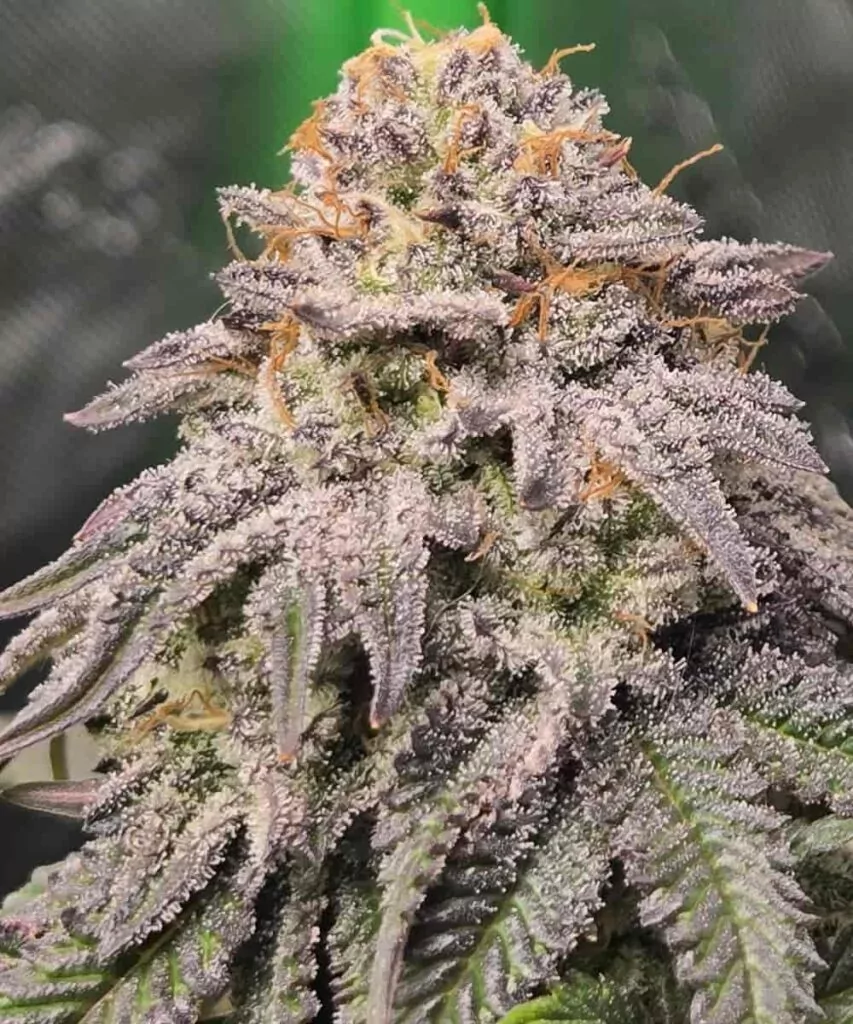


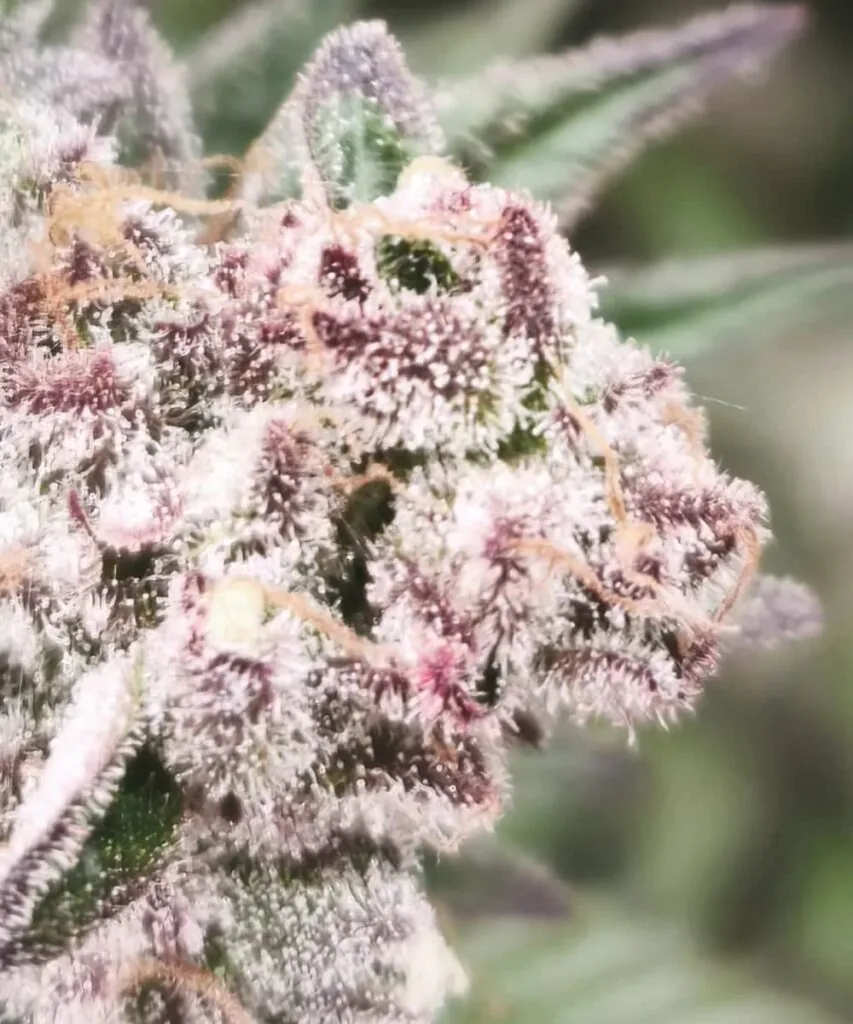
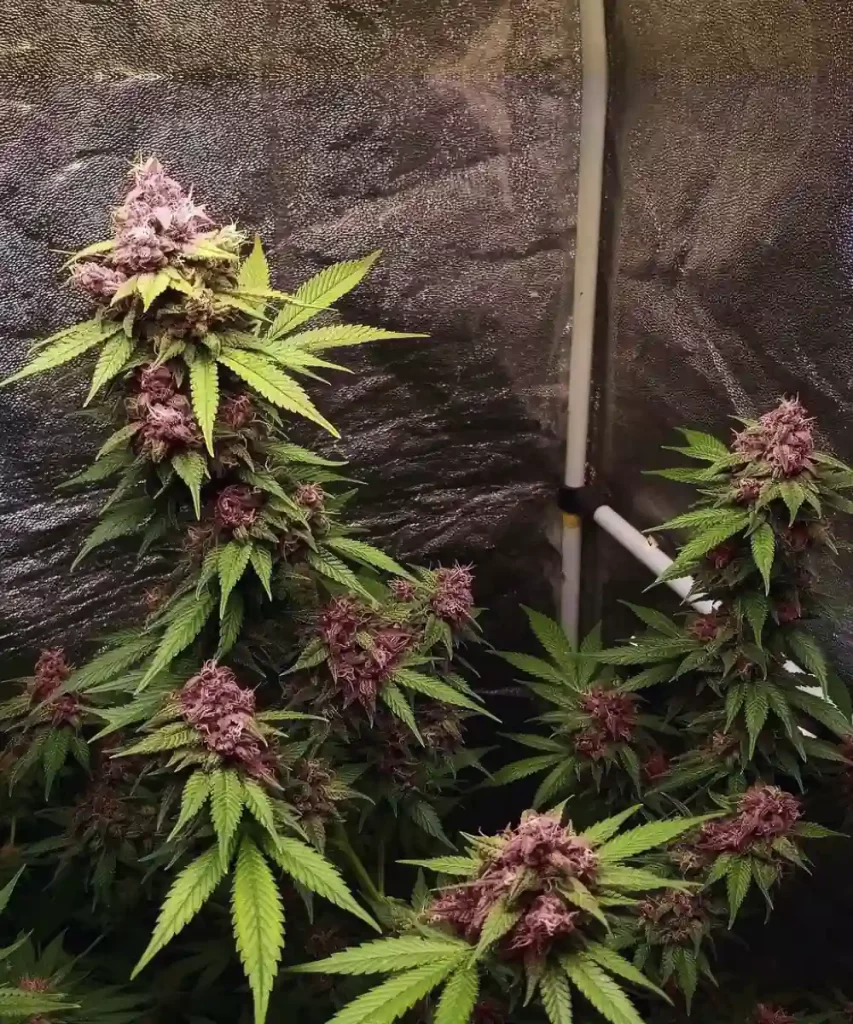
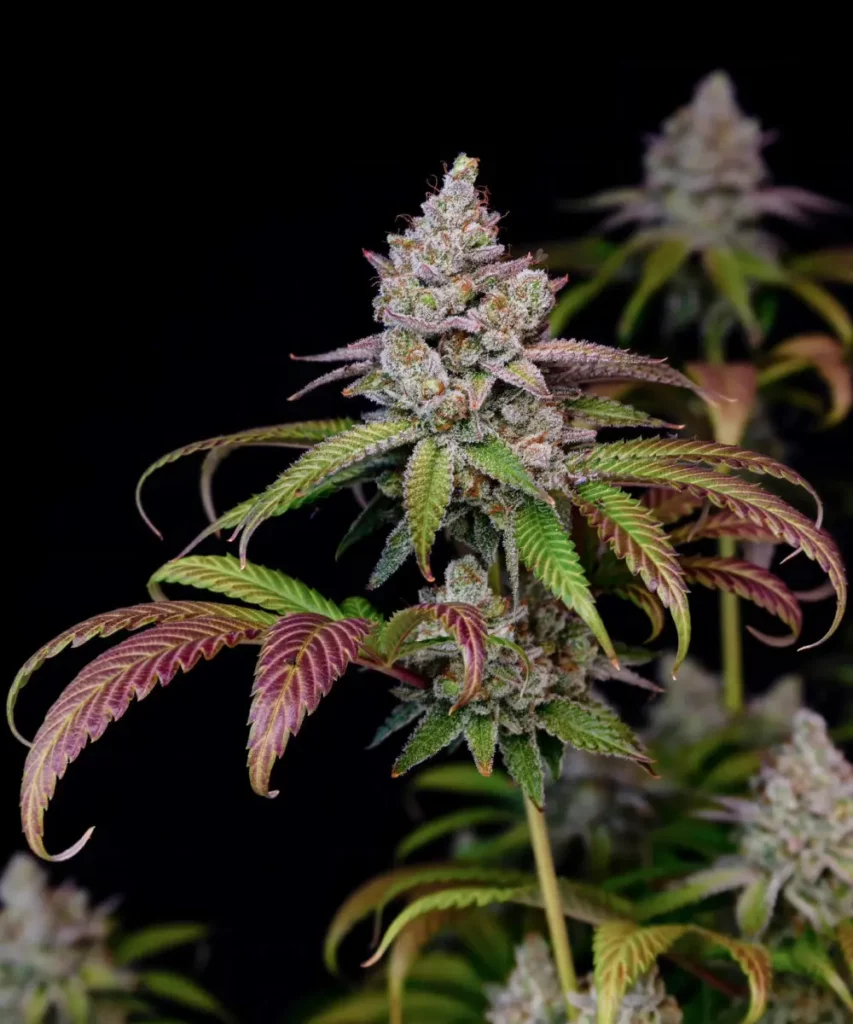
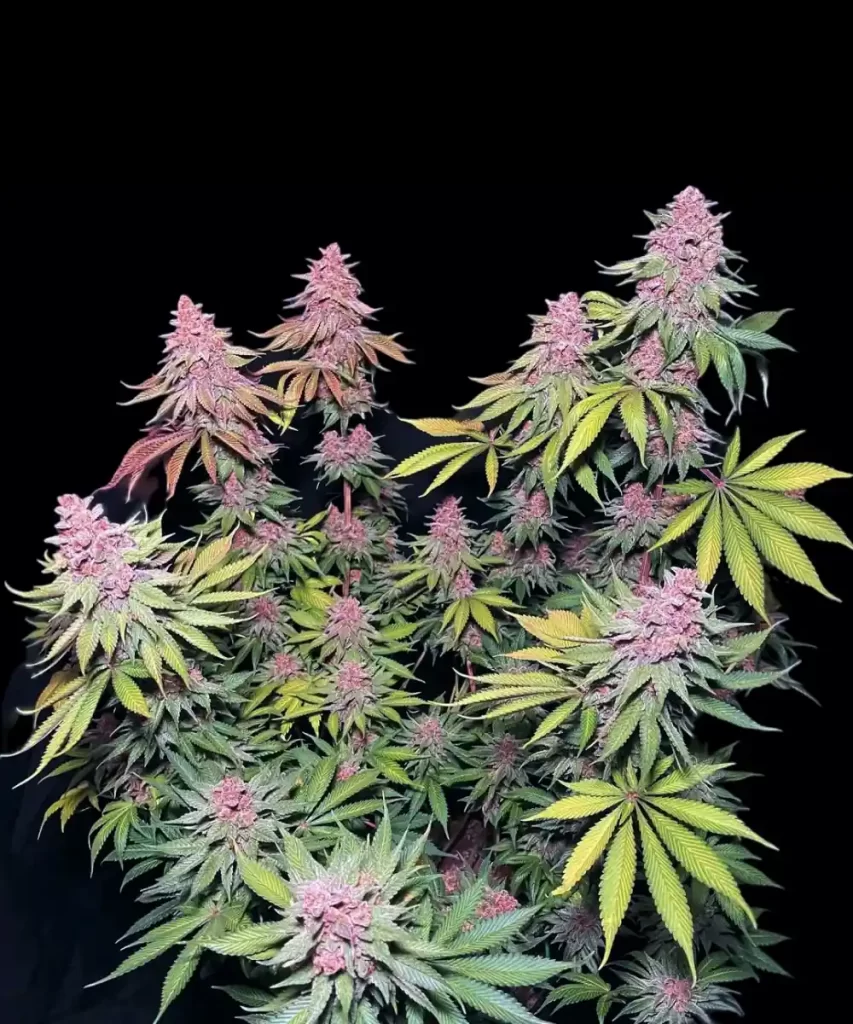

I planted 10 Super Boof seeds, and all germinated without a hitch. The plants grew strong and healthy, producing dense, frosty buds with a sweet, earthy aroma. The high is uplifting yet relaxing—a perfect balance. Impressive yield too, even with minimal effort

I’ve been growing weed for 30+ years, and to be honest, it’s quite difficult to surprise me. After a few decades of facing different strains, changing growing conditions, and solving whatever problem you could possibly think of, by then, I believe I’ve seen it all in cannabis growing.
Gary Payton defied every single one of my expectations.
The plant thrived, growing to an impressive 6 feet in what seemed like a blink of an eye. It quickly filled out with buds and displayed better smell each day, showing solid proof of superior genetics. The buds were tight, aromatic, and a source of immense pride, surpassing the outcome of many of my previous endeavors.
Hypno Seeds with their Gary Payton strain has won my complete admiration and loyalty. Outstanding genetics in this plant have truly turned what I always thought of to be an experiment with negligible expectations into one of the most satisfying grows of my long career.
Looking forward, my excitement for the next growing season is unparalleled. I can’t wait to see how much I can take these strains, especially with the attention that Gary Payton really does deserve right from the start.

TRUE MAGIC! This strain really stands out. I am trying Hypno Seeds for the first time and I surely made the right choice. I will be ordering more RS11 seeds just to keep this beauty in my garden for the upcoming season. Growing in Virginia and it’s only shown perfection by now.

Starting my latest grow, I decided to try out some Blackberry Kush from Hypno… I planted her on a whim alongside my other favorites. Hypno Seeds said it had to be a powerful plant with rich, fruity scents… Seeing is believing. She developed purplish hues and dense resin coated buds and quickly took center stage in my garden and produced much more than expected. The buds are tightly packed, literally bursting with the heady aroma. The yield? Very impressive for her conditions…
Germinated three seeds using the paper towel method with100% success rate within 48 hours. Planted in 5 gallon pots with living soil under a 315W CMH light. Plants remained compact (3.5 ft) with thick lateral branching, showing high resistance to humidity and minor nutrient fluctuations. Yield per plant: 5.8 oz of extremely dense, trichome-heavy buds. Smell profile during flower: sharp pine, pepper, and a hint of citrus. Harvested at week 9, after trichomes showed 30% amber for peak sedative effects. Smoke report: Potent. Deep relaxation without full sedation. Ideal for stress relief.


