


Buying cannabis seeds directly from the breeder that created them changes three things you can’t see on the pack:
A breeder controls the line from parent plant to package, so it knows the harvest date, the storage history and the generation behind every seed. A reseller can still be a reputable seed bank, but it works from whatever information its suppliers pass along. Hypno Seeds breeds and stabilizes its own genetics in-house, testing every batch every 30 days and pulling any batch that drops below a 95% success rate, so this comparison comes from running that full chain in-house.
About the Author: Written by the Hypno Seeds breeding team. We develop and stabilize our own cannabis genetics over multiple generations, hand-inspect every seed for maturity and shell integrity, and run our own germination-testing program from a climate-controlled warehouse in Las Vegas, NV.
The core difference is who made the genetic decisions, and that one fact shapes freshness, stability and support.
Reselling isn’t a red flag on its own. The issue is structural: knowledge thins out with every handoff. Think of a recipe passed along by phone. The cook who developed it knows why the oven runs at that temperature. The third person in the chain only knows the number, so they can’t adjust when your oven runs hot.
| Factor | Buying from the breeder | Buying through a reseller |
|---|---|---|
| Harvest and storage history | Known end to end | Depends on what the supplier shared |
| Generation and selection data | First-hand | Secondhand; varies by supplier |
| Germination testing | Run on its own batches | Own tests or supplier figures |
| Strain-specific support | From people who grew the parents | Usually from product descriptions |
Freshness is the first place that structural difference shows up, because a seed is a living embryo slowly spending stored energy. Age and storage are frequent culprits.
Warmth and moisture speed up the embryo’s metabolism. It works like a phone left in a hot car: the battery drains faster even when nobody’s using it. Seeds kept at room temperature typically lose viability quickly. Seeds stored cold, dark and dry stay viable far longer.
That makes seed germination rate a moving number, not a fixed label. A test result is only as current as the date it was run. And a seed pack can’t tell you where it’s been, so someone has to keep the diary.
A breeder that ships its own stock closes those gaps. The breeder stores seed in a climate-controlled warehouse, retests batches every 30 days and dispatches orders within 24 hours. The number behind the guarantee reflects the seed in the envelope.
Fresh seed solves germination. Stability decides what happens next: whether ten plants from one pack grow like siblings or like strangers. Genetic stability is how consistently seeds from one line express the same height, structure, flowering time and terpene profile.
Picture each parent as a deck of cards. A stabilized inbred line is a deck stacked with near-identical cards, so every hand looks the same. A heterozygous polyhybrid is a fully shuffled deck. You might draw a winner, but you can’t predict it.
A breeder knows exactly which generation it’s selling and what was selected out along the way. Hypno Seeds’ exclusive lines, including Red Chile Truffle, Sticky Kitty Trippy Punch and the Red Pistachio Auto autoflower, exist because that stabilization happened inside its own program.
One caveat: genetics set the ceiling, not the result. Potency in a high-THC strain depends on genetics and grow conditions together.
Freshness and stability both feed into support, because good advice depends on knowing the plant. A breeder has grown the parents across generations. Questions like “does this one stretch hard in early flower?” get answered from experience.
Cannabis cultivation laws differ by state and locality, and growers must check and follow their own.
Pulling those threads together, a reputable seed bank or breeder can answer specific questions about the seed it sells. Lists of the best seed banks 2026 help you shortlist. These questions help you decide:
| Ask this | A strong answer looks like |
|---|---|
| Who bred this strain? | An in-house program or a named source breeder |
| What’s the germination guarantee? | A stated percentage, backed by recent batch tests |
| How is it tested? | Germination tests run on that specific batch, with the method explained |
| When was this batch last tested? | A recent date, not “at harvest” |
| Are there grow reports? | Photos and notes on that specific line |
Not always. Many seed banks resell stock from outside breeders. Some, like Hypno Seeds, breed their own lines.
Look for a stated guarantee backed by recent batch tests. Hypno Seeds pulls any batch that tests below 95%.
At room temperature, viability drops quickly. Cold, dark and dry storage keeps seeds viable much longer.
Yes, when the F1 comes from stabilized inbred parents. Polyhybrids with heterozygous parents produce more variable offspring.
No. Stable genetics improve predictability, but yield and potency also depend on your environment and care.
Orders dispatch within 24 hours from Las Vegas, NV, in discreet packaging with tracking. Delivery takes 2-5 business days.
Hypno Seeds is a US cannabis seed breeder that develops and stabilizes its own genetics over multiple generations rather than reselling third-party stock. Its catalogue spans feminized, autoflowering, indica, sativa and purple varieties, alongside exclusive in-house lines. Every seed is hand-inspected, every batch is germination-tested every 30 days, and orders ship from a climate-controlled Las Vegas warehouse backed by a germination guarantee and replacement policy.
The freshest seed is usually the one with the shortest, best-documented trip to your hands.


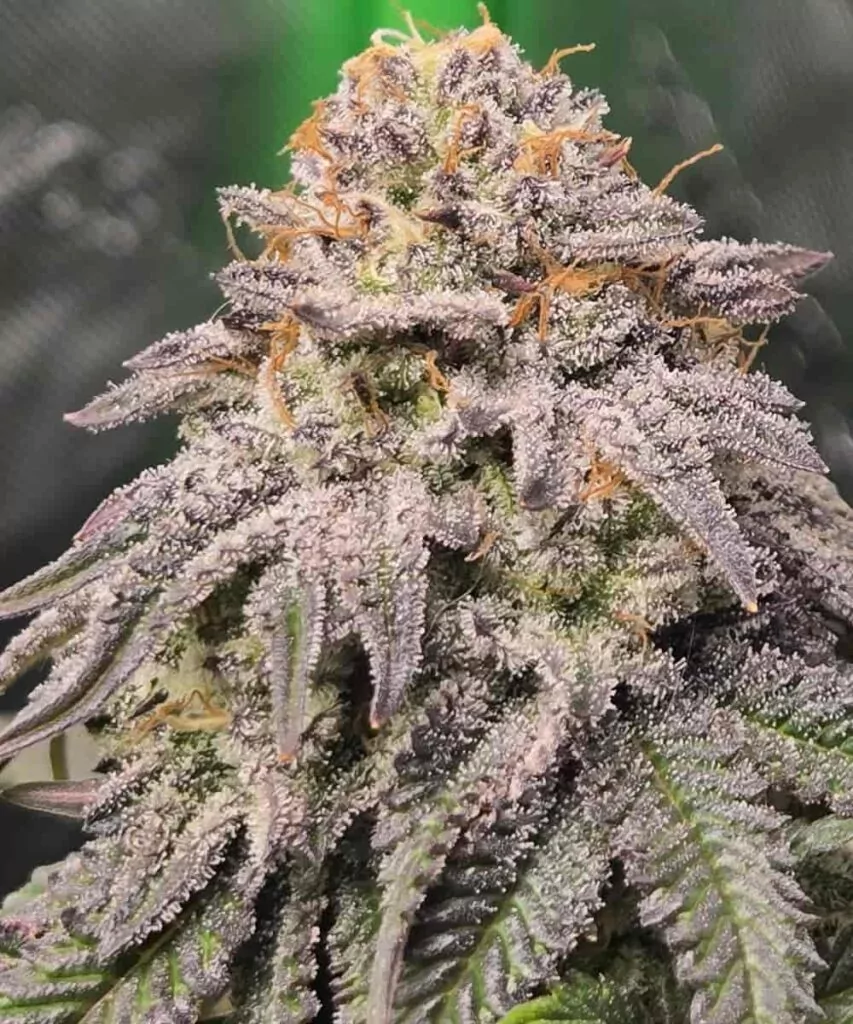


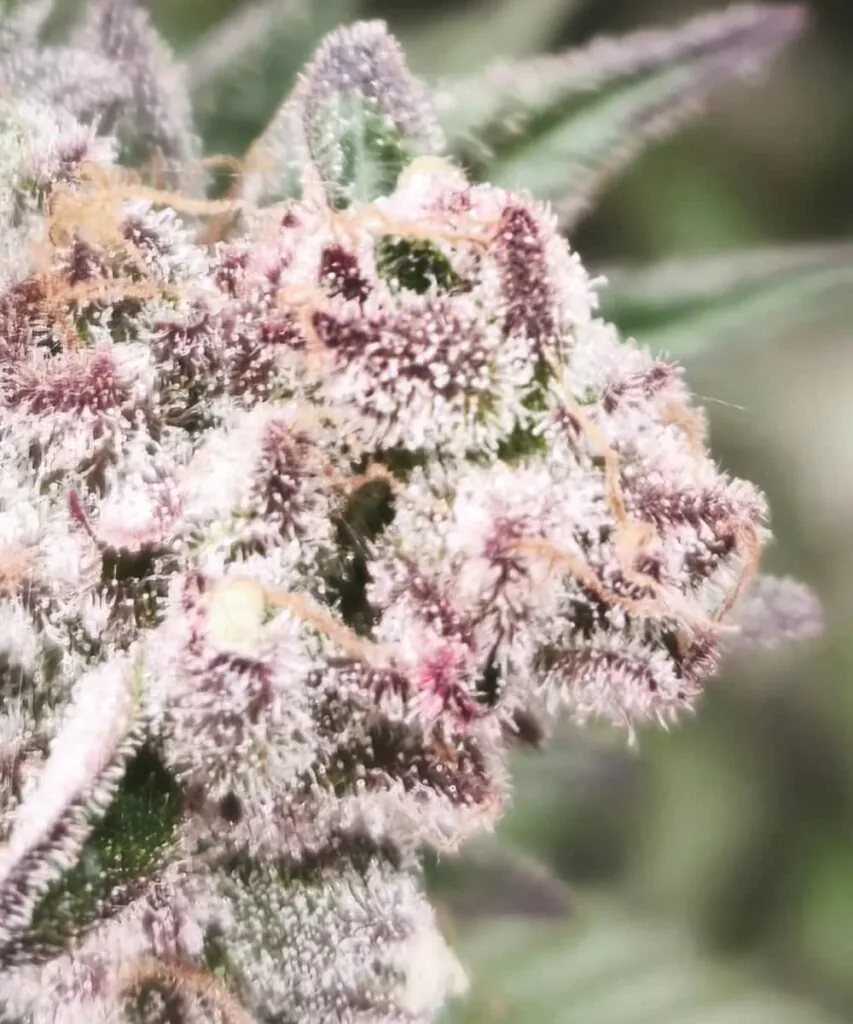
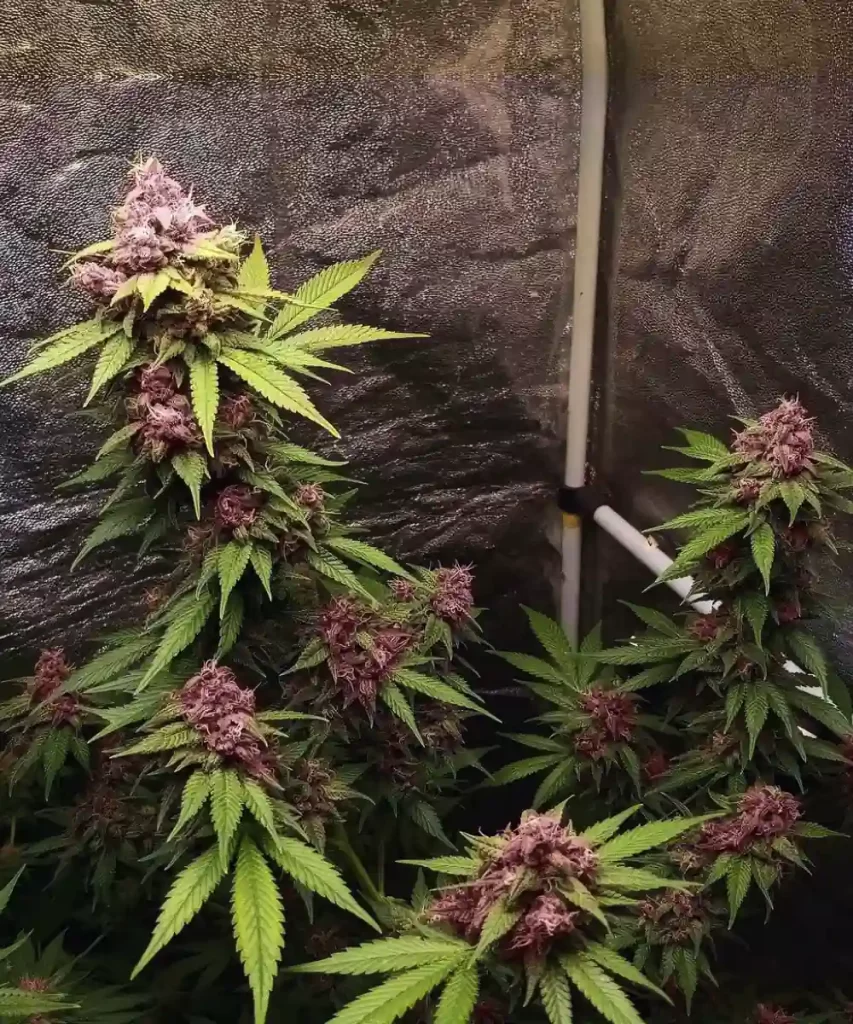
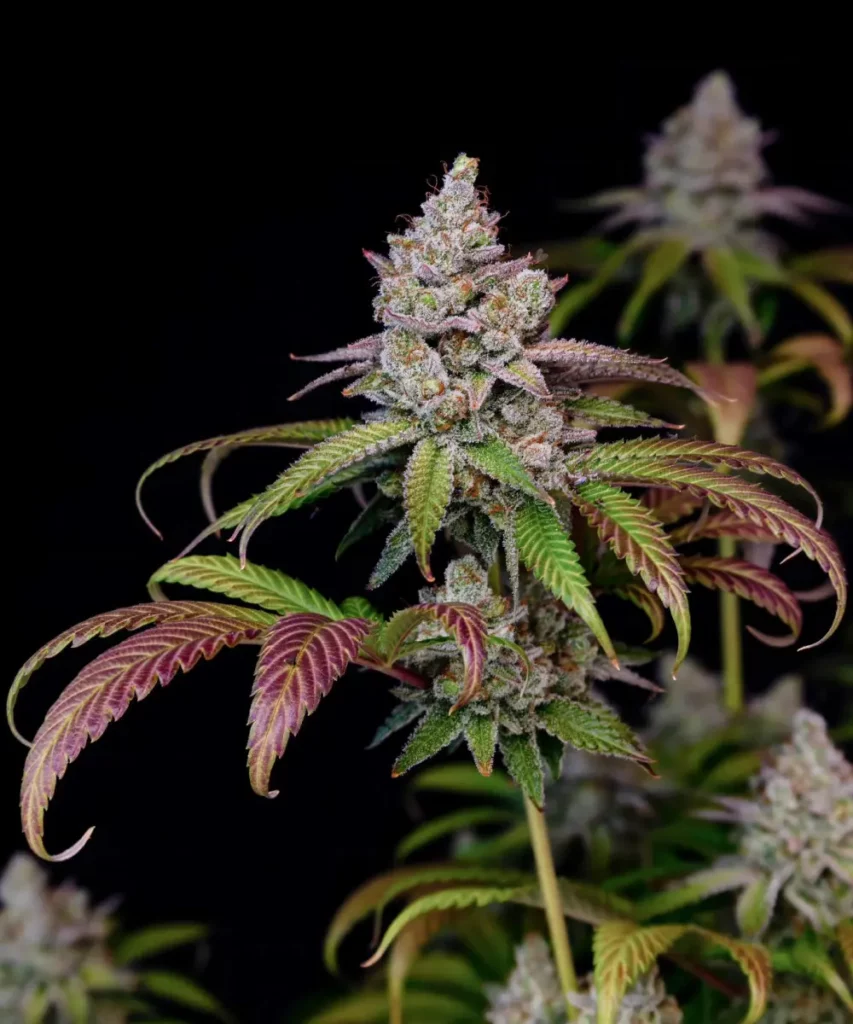
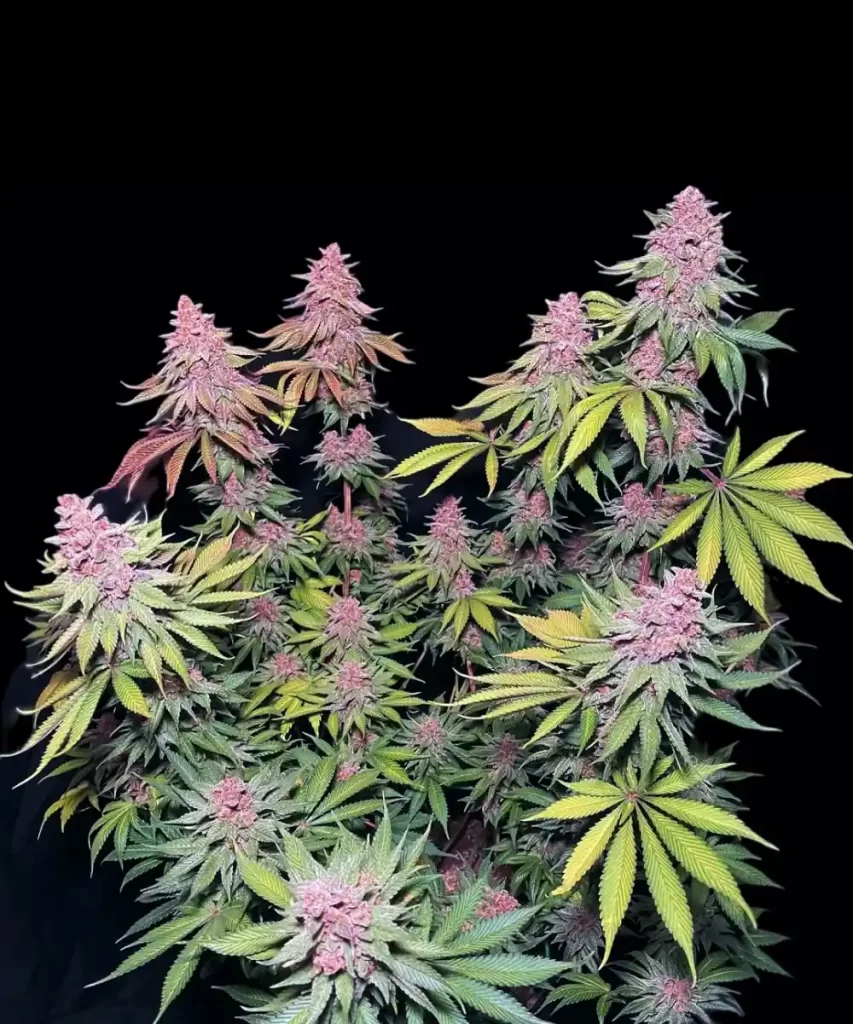

I planted 10 Super Boof seeds, and all germinated without a hitch. The plants grew strong and healthy, producing dense, frosty buds with a sweet, earthy aroma. The high is uplifting yet relaxing—a perfect balance. Impressive yield too, even with minimal effort

I’ve been growing weed for 30+ years, and to be honest, it’s quite difficult to surprise me. After a few decades of facing different strains, changing growing conditions, and solving whatever problem you could possibly think of, by then, I believe I’ve seen it all in cannabis growing.
Gary Payton defied every single one of my expectations.
The plant thrived, growing to an impressive 6 feet in what seemed like a blink of an eye. It quickly filled out with buds and displayed better smell each day, showing solid proof of superior genetics. The buds were tight, aromatic, and a source of immense pride, surpassing the outcome of many of my previous endeavors.
Hypno Seeds with their Gary Payton strain has won my complete admiration and loyalty. Outstanding genetics in this plant have truly turned what I always thought of to be an experiment with negligible expectations into one of the most satisfying grows of my long career.
Looking forward, my excitement for the next growing season is unparalleled. I can’t wait to see how much I can take these strains, especially with the attention that Gary Payton really does deserve right from the start.

TRUE MAGIC! This strain really stands out. I am trying Hypno Seeds for the first time and I surely made the right choice. I will be ordering more RS11 seeds just to keep this beauty in my garden for the upcoming season. Growing in Virginia and it’s only shown perfection by now.

Starting my latest grow, I decided to try out some Blackberry Kush from Hypno… I planted her on a whim alongside my other favorites. Hypno Seeds said it had to be a powerful plant with rich, fruity scents… Seeing is believing. She developed purplish hues and dense resin coated buds and quickly took center stage in my garden and produced much more than expected. The buds are tightly packed, literally bursting with the heady aroma. The yield? Very impressive for her conditions…
Germinated three seeds using the paper towel method with100% success rate within 48 hours. Planted in 5 gallon pots with living soil under a 315W CMH light. Plants remained compact (3.5 ft) with thick lateral branching, showing high resistance to humidity and minor nutrient fluctuations. Yield per plant: 5.8 oz of extremely dense, trichome-heavy buds. Smell profile during flower: sharp pine, pepper, and a hint of citrus. Harvested at week 9, after trichomes showed 30% amber for peak sedative effects. Smoke report: Potent. Deep relaxation without full sedation. Ideal for stress relief.


