


Yes. A first-time grower can handle a rare cannabis strain, as long as the strain is genetically stable and its traits fit a beginner setup. Rarity on its own says almost nothing about difficulty. Three things decide a first harvest: how uniformly the seeds grow, how well the plant tolerates watering and feeding mistakes, and whether it fits the available space. The breeding team behind these lines stabilizes its genetics in-house over multiple generations, so it sees this question from the selection side. A worked, consistent exclusive line can be just as beginner-friendly as a household name.
- Rare and difficult are different things. Difficulty stems from plant traits and genetic stability, not shelf availability.
- A stabilized line produces plants that look and behave alike, so one set of instructions works for the whole tent.
- The easiest strains to grow share a few traits: compact structure, airflow-friendly buds, tolerance of feeding errors and a simple flowering trigger.
- Autoflowers remove the light-schedule step, which makes them a strong first pick.
- Seed quality matters more than strain name. Judge any seed source on breeding, testing and freshness.
About the Author: This article comes from the Hypno Seeds breeding team, which develops, stabilizes and germination-tests its own cannabis genetics and ships them from a climate-controlled warehouse in Las Vegas, NV. The guidance draws on that breeding work and on grow reports shared by home growers.
Rarity covers four very different situations. Let’s break them down:
- Breeder exclusives: lines available only from the breeder that created them, such as Red Chile Truffle, Sticky Kitty Trippy Punch and Red Pistachio Auto.
- New crosses: recent hybrid strains that simply haven’t spread yet.
- Limited drops: small seed runs that sell through quickly.
- Landraces and heirlooms: old regional genetics that are hard to source and often less uniform.
Only the last category tends to carry built-in difficulty. The others are rare because of who made them or when, not because the plants are fussy. Rarity buys bragging rights. Stability buys a harvest.
No, and this is the core of the whole question: difficulty stems from a plant’s traits and its genetic stability. Stability is how consistently seeds from the same line grow into similar plants.
Here’s why it matters. Crossing two unstable parents is like shuffling two different decks together: every seed gets dealt a different hand of traits, so one plant stretches, another stays short and a third flowers late. Stabilizing a line means selecting over several generations until the odd cards are removed and most hands look alike. Uniform plants make mistakes easy to spot, because one sick plant stands out instead of blending into random variation.
| Trait | Easier for Beginners | Harder for Beginners |
|---|---|---|
| Genetic stability | Uniform plants seed to seed | Wide variation in height and timing |
| Growth habit | Compact, indica-leaning structure | Big flowering stretch in sativa-leaning lines |
| Flowering trigger | Autoflower: flowers with age | Photoperiod: needs a precise light change |
| Bud structure | Moderate density, good airflow | Very dense colas in humid rooms |
| Feeding response | Shrugs off small errors | Burns or yellows with light overfeeding |
Building on those traits, the easiest strains to grow pass the same short checklist, and an exclusive line can pass it as easily as a famous one.
- Feminized or autoflowering: feminized seeds skip the job of finding and removing male plants. Autoflowers also skip the light-schedule change.
- Proven stability: lines developed over multiple generations, ideally backed by grow reports from other home growers.
- Forgiving structure: medium height and an open canopy that lets air move.
- Standard feeding needs: plants that do well without heavy nutrient schedules.
💡 Pro Tip: Pick the strain for your room first and your taste second. A small tent or humid basement narrows the list faster than any flavor note, and a plant that fits its space forgives a lot of rookie errors.
Applying that checklist to real genetics, we’ve selected four lines a careful first-timer can manage, each with one thing to watch, alongside the grower favorites in Top Picks.
An in-house exclusive that flowers on its own as it ages, removing the most common beginner timing mistake. Watch: autoflowers run on a fixed clock, so avoid heavy training or transplant stress early. Shop Red Pistachio Auto
Gary Payton seeds grow a hybrid known for dense, resin-heavy flower, and home growers have shared detailed grow reports on it, which gives beginners a real-world map. Watch: dense buds hold moisture, so keep humidity down and air moving in late flower. Shop Gary Payton
Gush Mints seeds suit a grower who wants a flavor-forward photoperiod hybrid and is happy to manage a light schedule. Watch: big temperature or humidity swings late in flower can dull terpene expression. Shop Gush Mints
Blue Zushi seeds give a first-timer a popular hybrid whose manageability comes from stable, in-house breeding. Watch: plan for stretch early in flower and leave headroom under the light. Shop Blue Zushi
Stepping back from individual strains, the biggest variable with any hard-to-find genetics is the seed itself. A great strain can’t help if the seed is old or immature.
- Check how the seller sources seed. A breeder running its own program controls selection, storage and testing end to end.
- Ask about germination testing. Hypno Seeds, for example, tests every batch every 30 days, pulls any batch below a 95% success rate and hand-inspects seeds for maturity and shell integrity.
- Start a few extra seeds so one slow starter doesn’t stall the grow.
- Keep a simple log of watering, feeding and temperature. Patterns show up fast.
- Feed light. Underfeeding is easier to fix than overfeeding.
If you’re comparing options for the best seed bank USA growers can rely on, judge it on breeding, testing and freshness, not on how rare its catalog sounds. Cannabis cultivation laws differ by state and locality, and growers must check and follow their own.
Usually. Autoflowers start flowering with age, so there’s no light switch to get wrong. Photoperiod strains offer more control over size and timing.
Not inherently. Risk comes from stability and seed quality. A stabilized exclusive from its original breeder can be as predictable as any well-known name.
Yes, if you pick for size. Autoflowers and compact, indica-leaning hybrids fit small tents best.
Rarely. Most hybrids do well on a standard schedule. Start light and increase only when leaves show a need.
Hypno Seeds batches are covered by a germination guarantee and replacement policy. Contact support with your order details.
Orders are dispatched within 24 hours from Las Vegas, NV, and typically arrive in 2 to 5 business days with tracking and discreet packaging.
Hypno Seeds is a US cannabis seed breeder that develops and stabilizes its own genetics in-house rather than reselling third-party stock. Its catalog includes exclusives such as Red Chile Truffle, Sticky Kitty Trippy Punch and Red Pistachio Auto. Every batch is germination-tested every 30 days and hand-inspected before shipping from a climate-controlled Las Vegas warehouse. That control over breeding, testing and shipping is what makes an exclusive line a realistic choice for a first grow.
The best grow is one that finishes healthy.


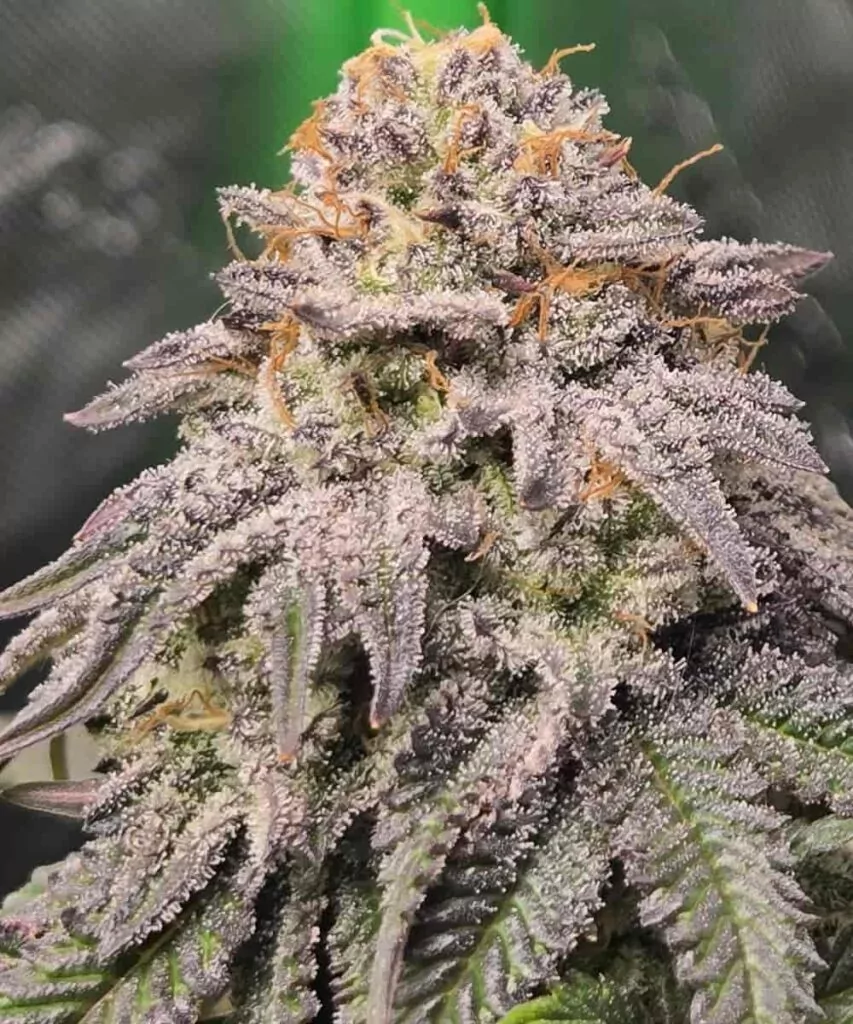


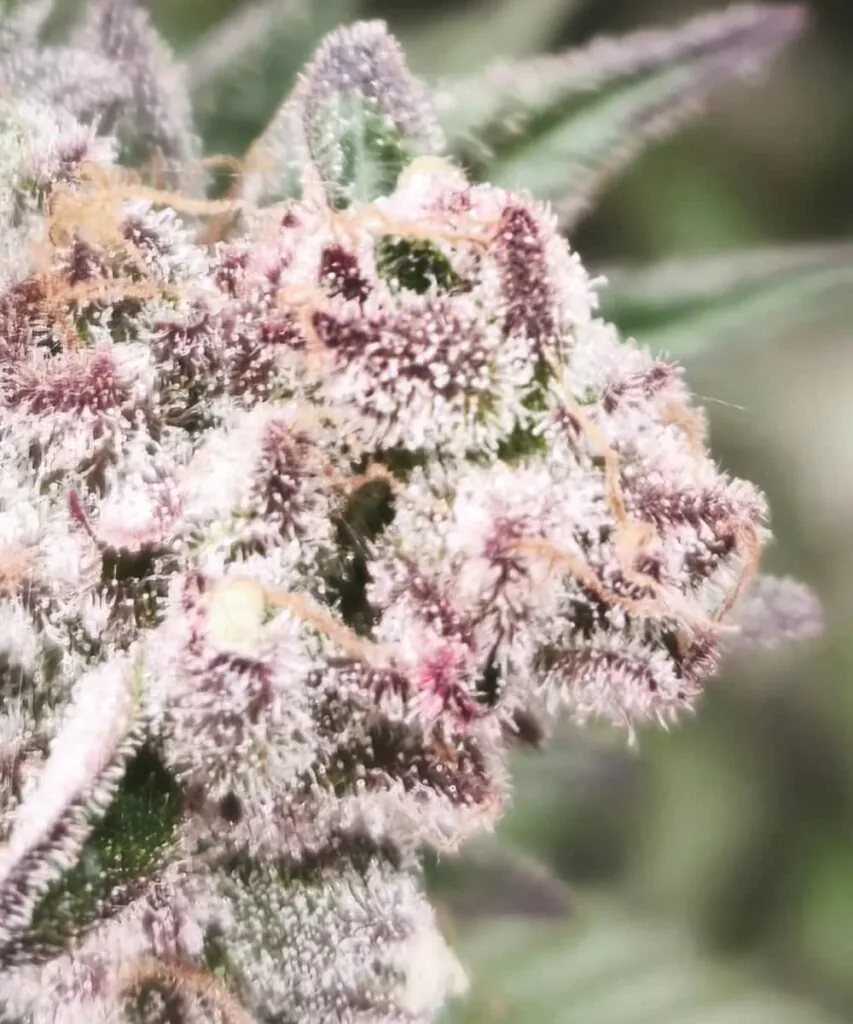
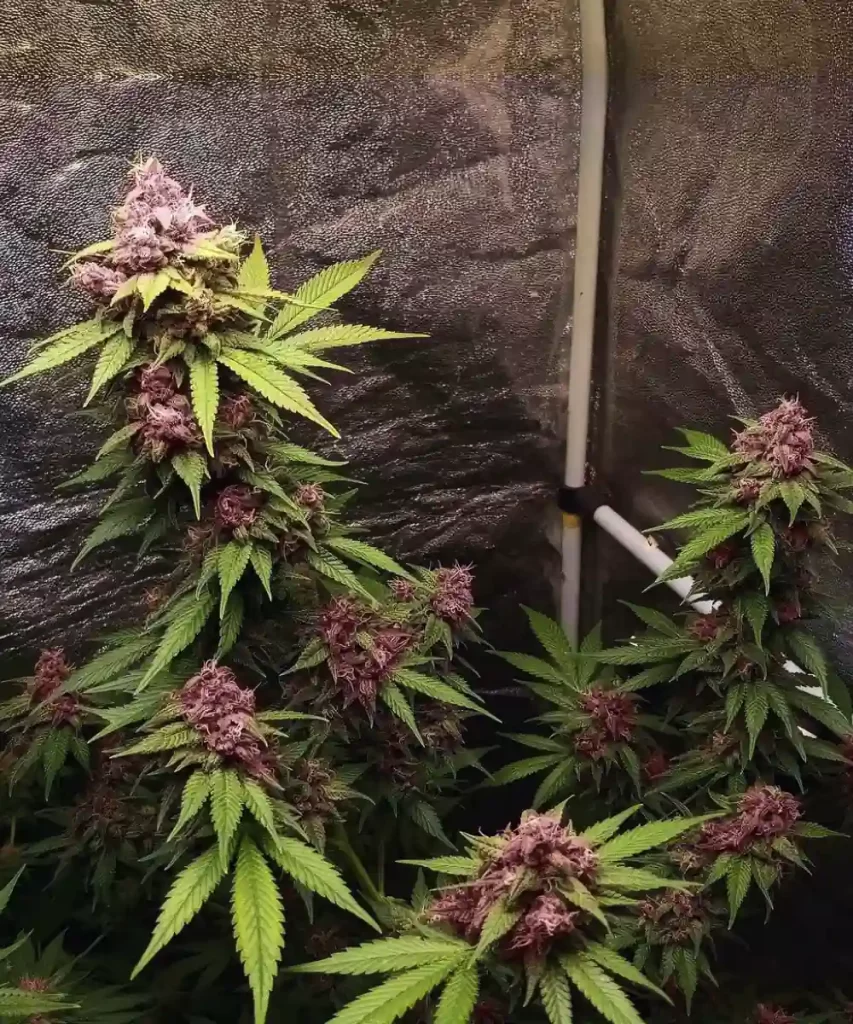
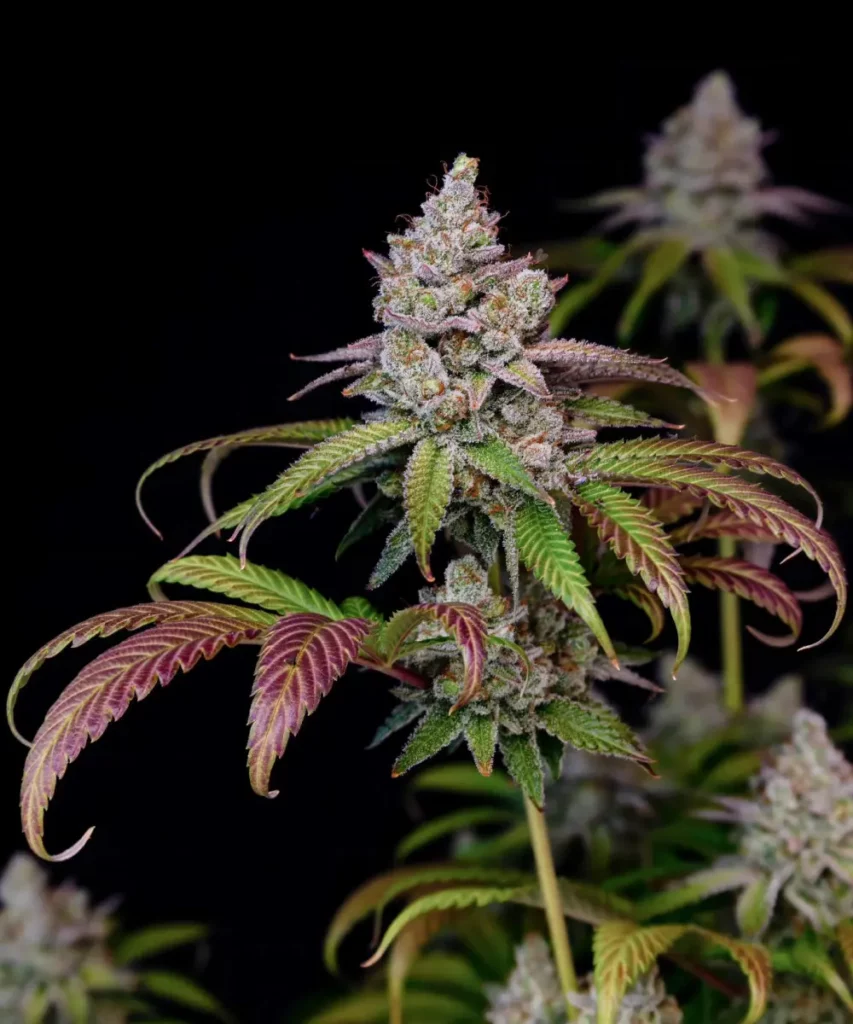
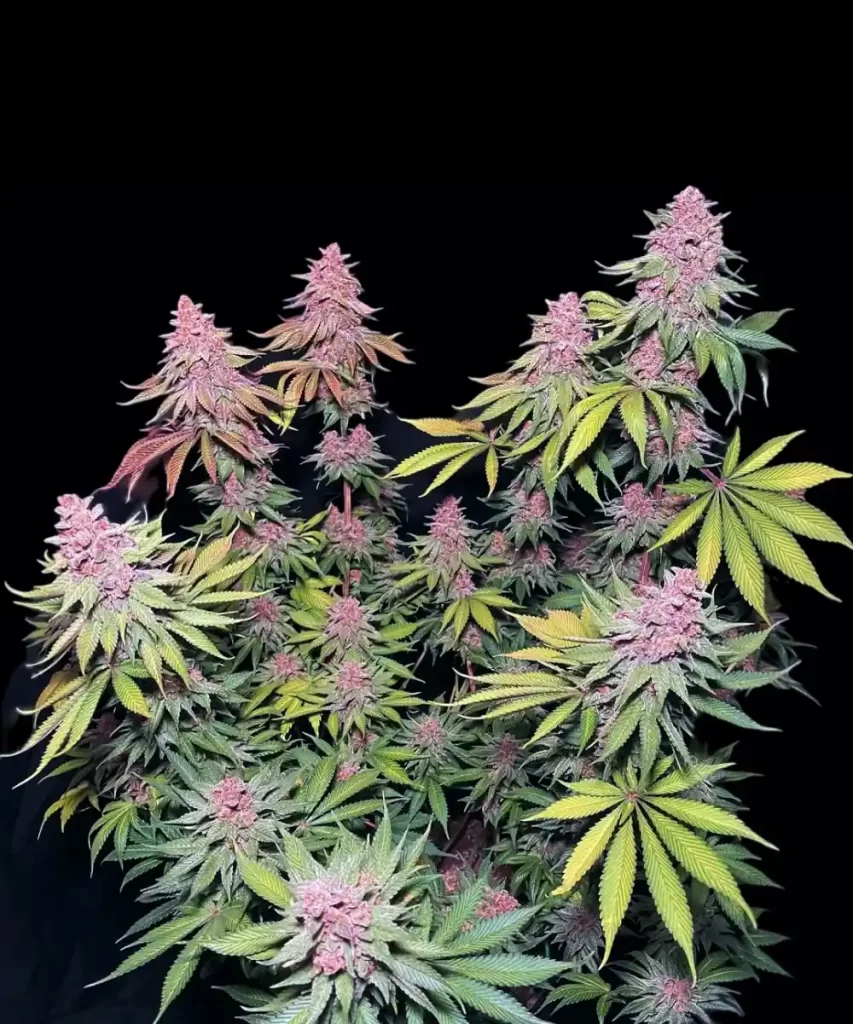

I planted 10 Super Boof seeds, and all germinated without a hitch. The plants grew strong and healthy, producing dense, frosty buds with a sweet, earthy aroma. The high is uplifting yet relaxing—a perfect balance. Impressive yield too, even with minimal effort

I’ve been growing weed for 30+ years, and to be honest, it’s quite difficult to surprise me. After a few decades of facing different strains, changing growing conditions, and solving whatever problem you could possibly think of, by then, I believe I’ve seen it all in cannabis growing.
Gary Payton defied every single one of my expectations.
The plant thrived, growing to an impressive 6 feet in what seemed like a blink of an eye. It quickly filled out with buds and displayed better smell each day, showing solid proof of superior genetics. The buds were tight, aromatic, and a source of immense pride, surpassing the outcome of many of my previous endeavors.
Hypno Seeds with their Gary Payton strain has won my complete admiration and loyalty. Outstanding genetics in this plant have truly turned what I always thought of to be an experiment with negligible expectations into one of the most satisfying grows of my long career.
Looking forward, my excitement for the next growing season is unparalleled. I can’t wait to see how much I can take these strains, especially with the attention that Gary Payton really does deserve right from the start.

TRUE MAGIC! This strain really stands out. I am trying Hypno Seeds for the first time and I surely made the right choice. I will be ordering more RS11 seeds just to keep this beauty in my garden for the upcoming season. Growing in Virginia and it’s only shown perfection by now.

Starting my latest grow, I decided to try out some Blackberry Kush from Hypno… I planted her on a whim alongside my other favorites. Hypno Seeds said it had to be a powerful plant with rich, fruity scents… Seeing is believing. She developed purplish hues and dense resin coated buds and quickly took center stage in my garden and produced much more than expected. The buds are tightly packed, literally bursting with the heady aroma. The yield? Very impressive for her conditions…
Germinated three seeds using the paper towel method with100% success rate within 48 hours. Planted in 5 gallon pots with living soil under a 315W CMH light. Plants remained compact (3.5 ft) with thick lateral branching, showing high resistance to humidity and minor nutrient fluctuations. Yield per plant: 5.8 oz of extremely dense, trichome-heavy buds. Smell profile during flower: sharp pine, pepper, and a hint of citrus. Harvested at week 9, after trichomes showed 30% amber for peak sedative effects. Smoke report: Potent. Deep relaxation without full sedation. Ideal for stress relief.


