


Most first-grow trouble comes from a few predictable causes, like overwatering and handling plants too much [google.com]. The fix for round two is not to change everything. Change one thing on purpose and keep every other condition as close to your first run as you can, so the result shows you exactly what worked. If you change five things at once, you will never know which one made the difference. Breeders who stabilize genetics over multiple generations think about variables the same way: you only learn what a trait does when everything around it stays the same.
- Giving plants “too much love” and overwatering are among the most common beginner mistakes [google.com].
- Change one variable per grow (watering, humidity, feeding, light or genetics) and log everything else.
- Pick the change that matches your worst symptom, not the gadget you most want to buy.
- Re-run the same strain if you can. Stable genetics turn the plant into your control group.
- Switching between autoflower and feminized seeds is a big change by itself, so make it your one change for that run.
The main reason a first grow disappoints is too much attention, not too little. Beginners water, feed and adjust constantly because they care, and that attention is often the problem [google.com].
- Overwatering: Roots need oxygen as well as water. Soil that stays soggy cuts off that oxygen [google.com].
- The thirst trap: An overwatered plant droops, which looks like thirst. So the grower adds more water and makes it worse.
- Constant tinkering: Extra nutrients, frequent repotting and daily setting changes all stress a plant that only needed consistency.
The bigger mistake comes after harvest. Discouraged growers often swap the strain, nutrients, light and pot size all at once. Even if the second grow goes better, they have learned almost nothing they can repeat.
One change at a time is a simple method: you alter a single factor and hold everything else steady. Researchers call this One Variable At a Time (OVAT) optimization. It shows cause and effect clearly, because any difference in the outcome can only come from the one factor you changed.
Think of a shower with separate hot and cold taps. If you turn both at once and the water turns scalding, you cannot tell which tap did it. If you turn one tap, the answer is obvious. Your grow room works the same way.
💡 Pro Tip: Write your one change as a single sentence before you germinate, for example: “This grow, I water by pot weight instead of by schedule.” If you cannot fit it in one sentence, you are changing too much.
The right first change is whichever variable caused your worst symptom last time. Match the symptom to its likely cause:
| First-grow symptom | Likely variable | Your one change |
|---|---|---|
| Drooping leaves, wet soil | Watering | Lift the pot and water only when it feels light |
| Lower leaves yellowing first | Feeding | Follow one feeding schedule closely through veg |
| Mold, mildew or slow drying | Humidity | Add a dehumidifier or better airflow |
| Tall, stretchy, airy plants | Light | Adjust light distance or intensity |
| Slow, sluggish veg in a cold room | Temperature | Keep the veg space warm and steady |
Nitrogen deficiency in cannabis is the yellowing most first-timers spot. Nitrogen is mobile inside the plant. When supply runs short, the plant pulls it from older leaves to feed new growth, which is why yellowing starts at the bottom and moves up. Some lower-leaf yellowing late in flower is normal. Heavy yellowing during veg is not.
Cannabis humidity levels should drop as the plant matures. Seedlings and vegging plants handle moister air well. Dense flowering buds trap moisture, so lower humidity in flower helps protect against mold. For temperature, a 2025 study in MDPI’s International Journal of Plant Biology found that vegetative growth of the strain it tested was best supported at 27°C.
A related but distinct question is genetics, because the seed type counts as a variable too. The autoflower vs feminized choice changes your whole timeline, so treat it as your one change or leave it alone.
| Factor | Autoflower | Feminized photoperiod |
|---|---|---|
| Flowering trigger | Plant age | Change in light schedule |
| Recovery from mistakes | Little time to bounce back | Veg can be extended to recover |
| Size control | Mostly set by genetics | Set by how long you veg |
If you stunted an auto through overwatering, it may be smarter to keep the auto and fix the watering. You will learn more from that than from switching seed types. A high-THC autoflower can produce potent flower, but potency always depends on both genetics and grow conditions.
Stable genetics matter here. When a line has been stabilized over generations, plants from the same pack grow more alike, so differences between runs point back to your environment. Cannabis cultivation laws differ by state and locality, and growers must check and follow their own.
Blackberry Kush Auto – The Repeatable Auto Option
A good choice if you want to stay with autoflowers and test one variable at a time. Shop Blackberry Kush Auto
Changing one variable only pays off if you record what stayed the same. A simple grow journal turns your second grow into usable data:
- Write your baseline. List the strain, medium, nutrients, light and room conditions from grow one.
- Name your one change. Use the one-sentence rule from earlier.
- Log daily. Note watering, temperature, humidity and anything odd about the plant.
- Photograph weekly. Use the same angle and the same light each time.
- Review at harvest. Ask one question: did the change fix the symptom?
💡 Pro Tip: Log the days you did nothing as well. A blank day tells you that you left the plant alone, and the plant’s response is useful information.
Yes, it is a little nerdy. So is every grower who ever got good.
How many things should I change after a failed first grow?
One. Hold everything else steady so the result clearly points back to that change.
What if my first grow had several problems?
Fix the one that did the most damage first. For many beginners, that is watering [google.com].
How do I tell nitrogen deficiency from overwatering?
Nitrogen deficiency yellows the lower leaves first. Overwatering causes droopy, swollen-looking leaves while the soil is still wet.
What cannabis humidity levels should I aim for?
Aim for higher humidity for seedlings and veg, then lower humidity during flower to protect dense buds from mold.
Is a high THC autoflower a good second-grow choice?
It is a good choice if you grew autos the first time. Keeping the seed type preserves your baseline. Potency still depends on genetics and grow conditions.
Should I grow the same strain again?
Ideally, yes. A familiar, stable strain makes your one change easy to measure.
Hypno Seeds is a US-based breeder that develops and stabilizes its own cannabis genetics in-house, including exclusive lines like Red Chile Truffle and Red Pistachio Auto. Every batch is germination-tested every 30 days, and any batch below a 95% success rate is pulled from inventory. That consistency helps second-time growers treat their genetics as a fixed baseline. Every seed is hand-inspected for maturity and shell integrity, and orders are dispatched within 24 hours and shipped from Las Vegas, NV, with delivery in 2-5 business days.
Ready to plan grow number two? Browse stable genetics at Hypno Seeds or head straight to the shop.
A better second grow comes from changing less and paying closer attention.


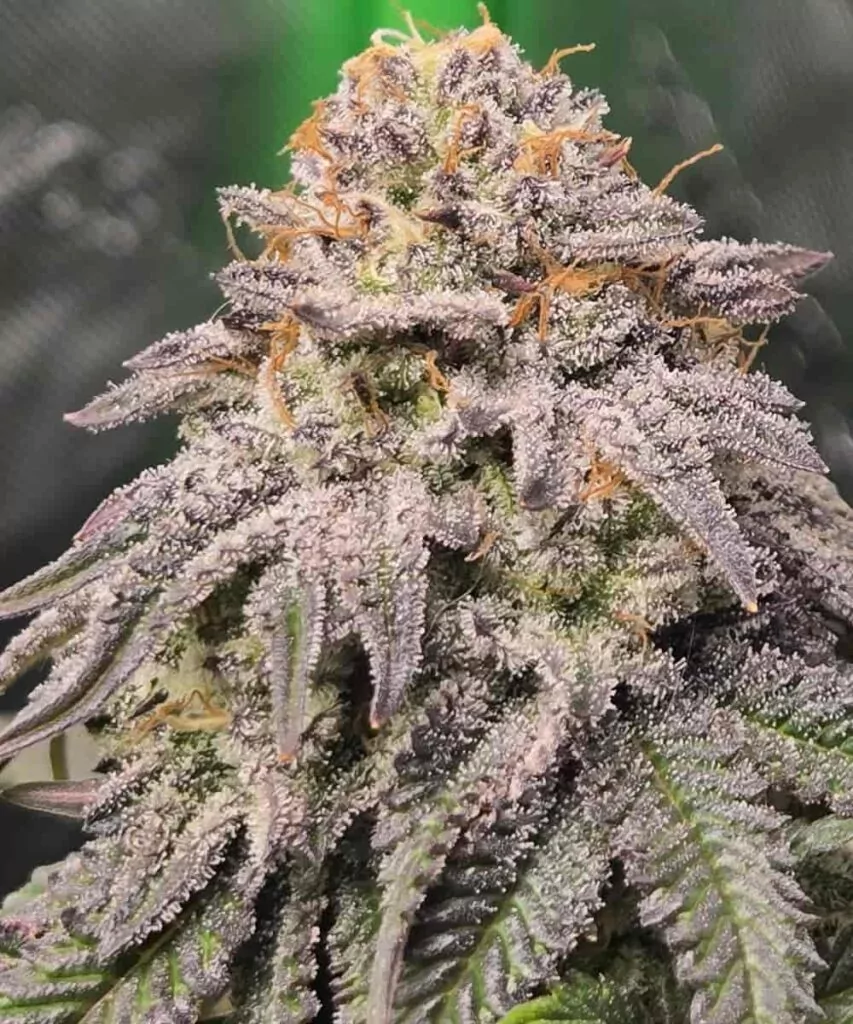


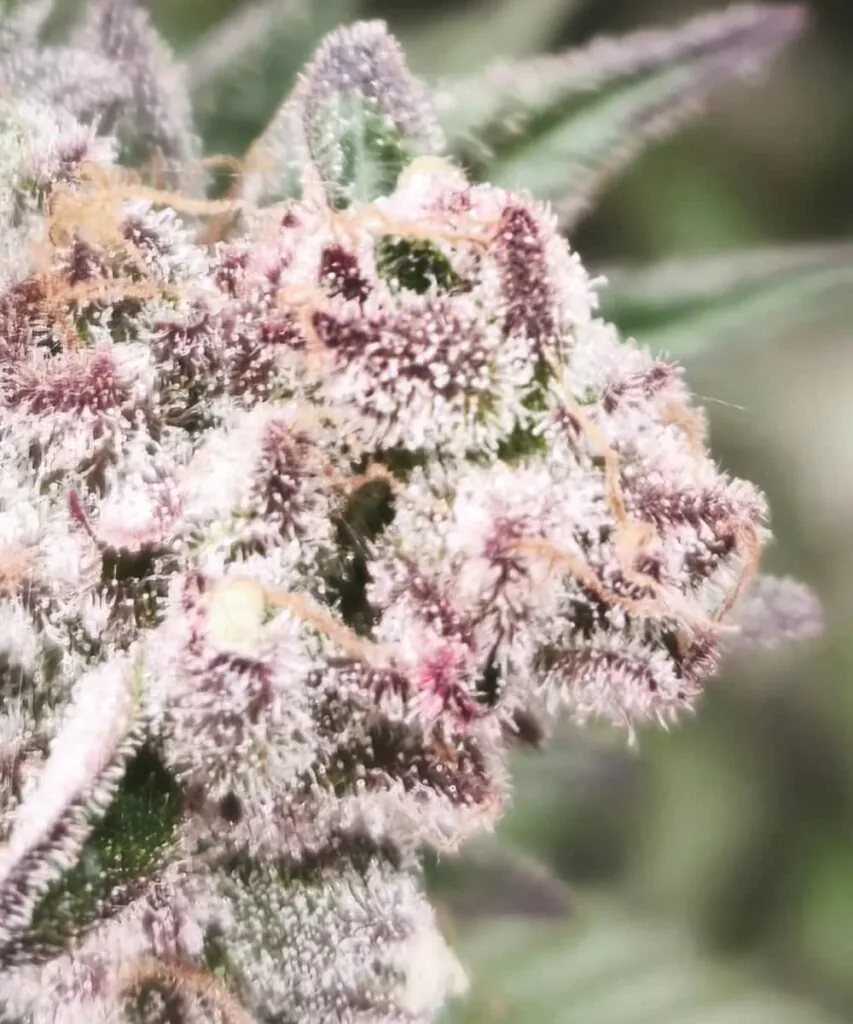
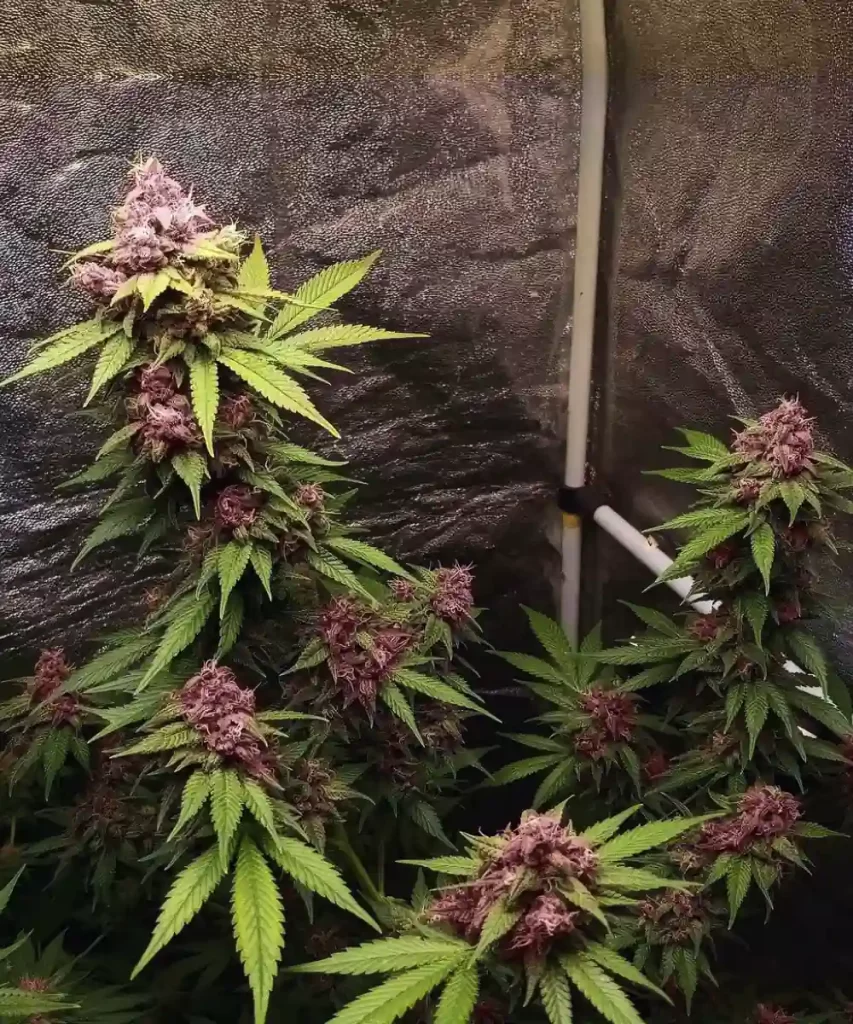
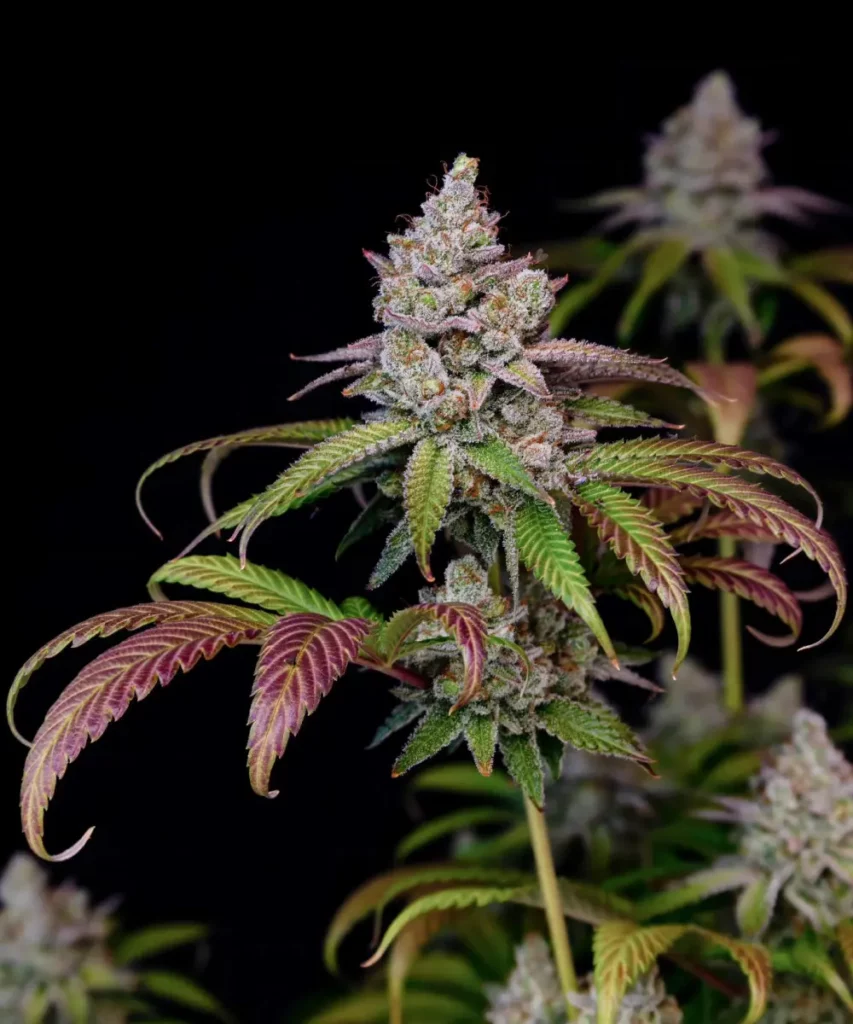
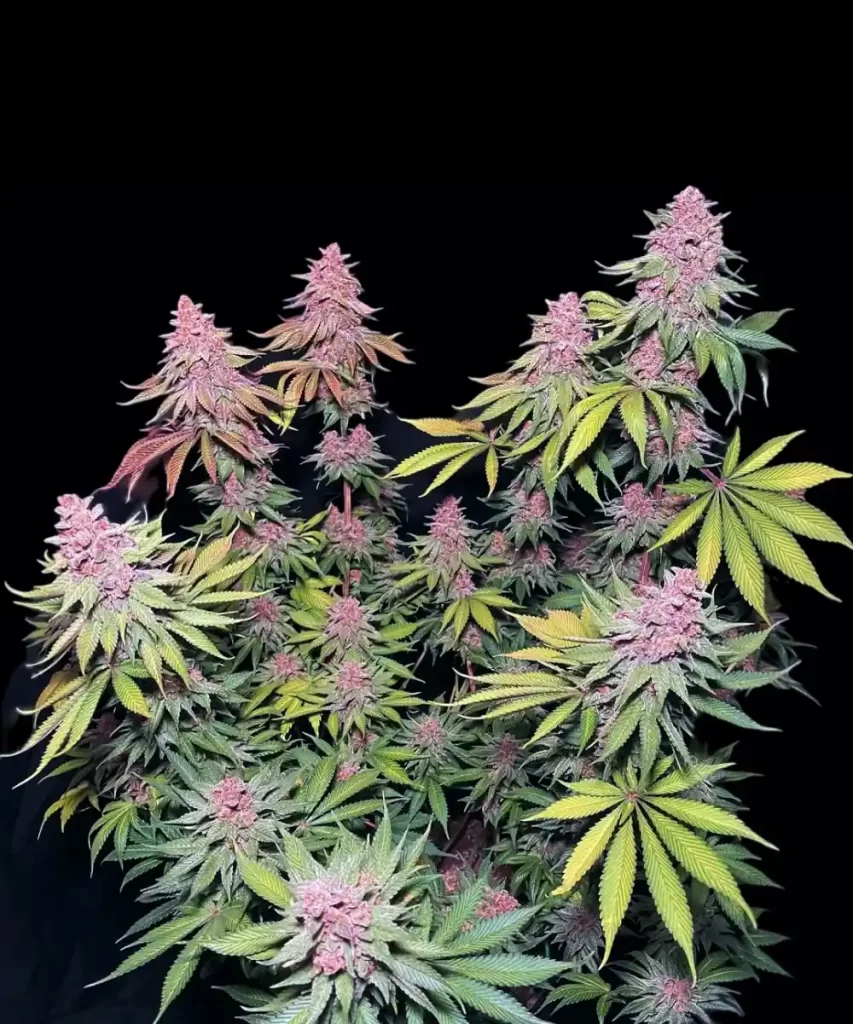

I planted 10 Super Boof seeds, and all germinated without a hitch. The plants grew strong and healthy, producing dense, frosty buds with a sweet, earthy aroma. The high is uplifting yet relaxing—a perfect balance. Impressive yield too, even with minimal effort

I’ve been growing weed for 30+ years, and to be honest, it’s quite difficult to surprise me. After a few decades of facing different strains, changing growing conditions, and solving whatever problem you could possibly think of, by then, I believe I’ve seen it all in cannabis growing.
Gary Payton defied every single one of my expectations.
The plant thrived, growing to an impressive 6 feet in what seemed like a blink of an eye. It quickly filled out with buds and displayed better smell each day, showing solid proof of superior genetics. The buds were tight, aromatic, and a source of immense pride, surpassing the outcome of many of my previous endeavors.
Hypno Seeds with their Gary Payton strain has won my complete admiration and loyalty. Outstanding genetics in this plant have truly turned what I always thought of to be an experiment with negligible expectations into one of the most satisfying grows of my long career.
Looking forward, my excitement for the next growing season is unparalleled. I can’t wait to see how much I can take these strains, especially with the attention that Gary Payton really does deserve right from the start.

TRUE MAGIC! This strain really stands out. I am trying Hypno Seeds for the first time and I surely made the right choice. I will be ordering more RS11 seeds just to keep this beauty in my garden for the upcoming season. Growing in Virginia and it’s only shown perfection by now.

Starting my latest grow, I decided to try out some Blackberry Kush from Hypno… I planted her on a whim alongside my other favorites. Hypno Seeds said it had to be a powerful plant with rich, fruity scents… Seeing is believing. She developed purplish hues and dense resin coated buds and quickly took center stage in my garden and produced much more than expected. The buds are tightly packed, literally bursting with the heady aroma. The yield? Very impressive for her conditions…
Germinated three seeds using the paper towel method with100% success rate within 48 hours. Planted in 5 gallon pots with living soil under a 315W CMH light. Plants remained compact (3.5 ft) with thick lateral branching, showing high resistance to humidity and minor nutrient fluctuations. Yield per plant: 5.8 oz of extremely dense, trichome-heavy buds. Smell profile during flower: sharp pine, pepper, and a hint of citrus. Harvested at week 9, after trichomes showed 30% amber for peak sedative effects. Smoke report: Potent. Deep relaxation without full sedation. Ideal for stress relief.


