


In most cases, yes. Paper towel seed germination is the method seed banks approve most often for replacement claims. Approval usually depends on following the seller’s written steps and photographing the result. A germination guarantee is a seller’s promise, not a universal standard, so the exact rules sit in each seller’s policy text. At Hypno Seeds, we breed and stabilize our own genetics and germination-test every batch every 30 days. Any batch that falls below a 95% success rate is pulled. That gives us a breeder’s view of this question: a replacement policy works best when both the seed and the germination method can be verified.
- Paper towel germination is the method replacement policies accept most widely.
- Guarantees are conditional seller policies. They are not standardized biological benchmarks.
- Planting straight into soil is the method most likely to void coverage at major seed banks.
- Clear photos are usually what turn a failed seed into an approved claim.
- Read the policy before you open the pack, not after a seed fails.
About the Author: This guide comes from the Hypno Seeds team. We are a US-based cannabis breeder that develops its own genetics and runs a germination testing program on every seed batch we sell.
The answer depends on what the guarantee actually promises, so start there. A germination guarantee is a seller’s promise to replace cannabis seeds that fail to sprout. It is not a standardized biological viability test.
- What it covers: seeds that don’t sprout under the approved conditions.
- What it doesn’t cover: problems that happen after a seed sprouts, because the promise is about sprouting.
- The condition: you followed the seller’s instructions and can show it.
In essence, the guarantee covers the seed, not the grow.
Building on that definition, the paper towel method is usually the safest choice because most policies are written around it. Replacement policies typically require you to use specific approved techniques and photograph them. The damp paper towel method is the most common of those techniques.
The reason is visibility. Think of a car warranty that asks for service records. The manufacturer will cover a faulty engine, but it needs proof the car wasn’t driven without oil. The paper towel is your service record. Anyone can see whether the shell cracked, whether a taproot appeared, and whether the conditions looked reasonable.
Soil hides all of that. A seed that never comes up could be a dud. It could also have been buried too deep, rotted in waterlogged mix, or dried out. Nobody can tell which.
That’s the real job of paper towel germination in a claim: it makes failure visible.
A related but distinct question is what happens when you skip the paper towel. Several major seed banks publicly state that their guarantees depend strictly on following their instructions. Some warn directly that planting seeds straight into soil voids replacement coverage.
| Method | How policies usually treat it | Why |
|---|---|---|
| Damp paper towel | Most commonly approved | The result is visible and easy to photograph |
| Direct to soil | Excluded by some major seed banks | The cause of failure can’t be checked |
| Water soak before the towel | Varies by seller | Some policies name it, others don’t |
| Starter plugs or peat pellets | Varies by seller | The seed is partly hidden and harder to document |
Pro Tip: If the method you prefer isn’t named in the policy, ask the seller before you germinate. A written yes beats a hopeful guess.
Documentation decides most claims, so the goal is a germination run that leaves a clean record. If you plan to germinate seeds paper towel style, follow these steps:
- Photograph the sealed pack and your order details before you open anything.
- Use plain, unscented paper towels and clean water.
- Dampen the towel until it is moist but not dripping. A waking seed needs oxygen as well as water. Pooled water blocks that oxygen, much like trying to breathe through a soaked cloth.
- Space the seeds apart, fold the towel over them, and place it between two plates or in a closed container to hold moisture.
- Keep it somewhere warm, dark and steady. Check once or twice a day and re-dampen the towel if it starts drying out.
- Photograph the seeds regularly so the date and each seed are clearly identifiable.
- Wait out the full window your policy states before calling a seed a failure. Some healthy seeds are simply slow.
- Move sprouted seeds gently, taproot pointing down, so you don’t damage the root tip.
Cannabis cultivation laws differ by state and locality, so check and follow your own before germinating.
Each seller writes its own germination method rules. In practice, that means:
- Two seed banks can set completely different rules.
- The seller’s policy page, plus any written answer the seller gives you, is what your claim rests on.
- Terms can change, so re-read them with every order.
Since each seller writes its own method rules, the more useful question when comparing the best seed banks 2026 has to offer is how much testing stands behind the guarantee. A replacement policy is a safety net. Seed quality is what keeps you from needing it.
| What to check | Why it matters |
|---|---|
| Written, specific guarantee terms | You know the approved methods and photo rules up front |
| Published testing frequency and pass rate | It shows whether weak batches are caught before they ship |
| In-house breeding or resold stock | A breeder controls the parent plants, harvest timing and storage |
| Shipping speed | Seeds spend less time in transit |
Hypno Seeds takes the breeder’s route. It develops and stabilizes its genetics in-house over multiple generations. Every batch is germination-tested every 30 days, and batches under 95% are pulled. Every seed is also hand-inspected for maturity and shell integrity before it ships. Orders leave our climate-controlled Las Vegas, NV warehouse within 24 hours and typically arrive in 2-5 business days. That process covers exclusives like Red Pistachio Auto and Sticky Kitty Trippy Punch, along with our wider ranges of feminized seeds and autoflower seeds.
Not always, but the paper towel method is the one sellers approve most often. Check your seller’s policy for the methods it names.
At some major seed banks, yes. They state this explicitly because a failure in soil can’t be verified.
Requirements vary. Clear, dated photos of the seeds in the paper towel after the full germination window are the strongest evidence you can provide.
A germination guarantee is a promise to replace seeds that fail to sprout. Losses after sprouting generally fall outside it.
That depends on the seller. Some policies allow a pre-soak and some don’t mention it, so confirm before you start.
Wait for the full period your policy states. Slow seeds are not failed seeds.
Hypno Seeds is a US cannabis breeder that develops and stabilizes its own genetics instead of reselling third-party stock. Because we control every step from breeding to shipping, we can germination-test every batch every 30 days and pull any batch that drops below a 95% success rate. Every seed is hand-inspected before it leaves our Las Vegas, NV warehouse. Our germination guides and replacement policy are built around the same idea this article covers: a guarantee is only as strong as the testing behind it.
Browse the Hypno Seeds shop or visit hypnoseeds.com to read our germination guides and guarantee terms.
Sometimes the best grow is the one you never need to troubleshoot.


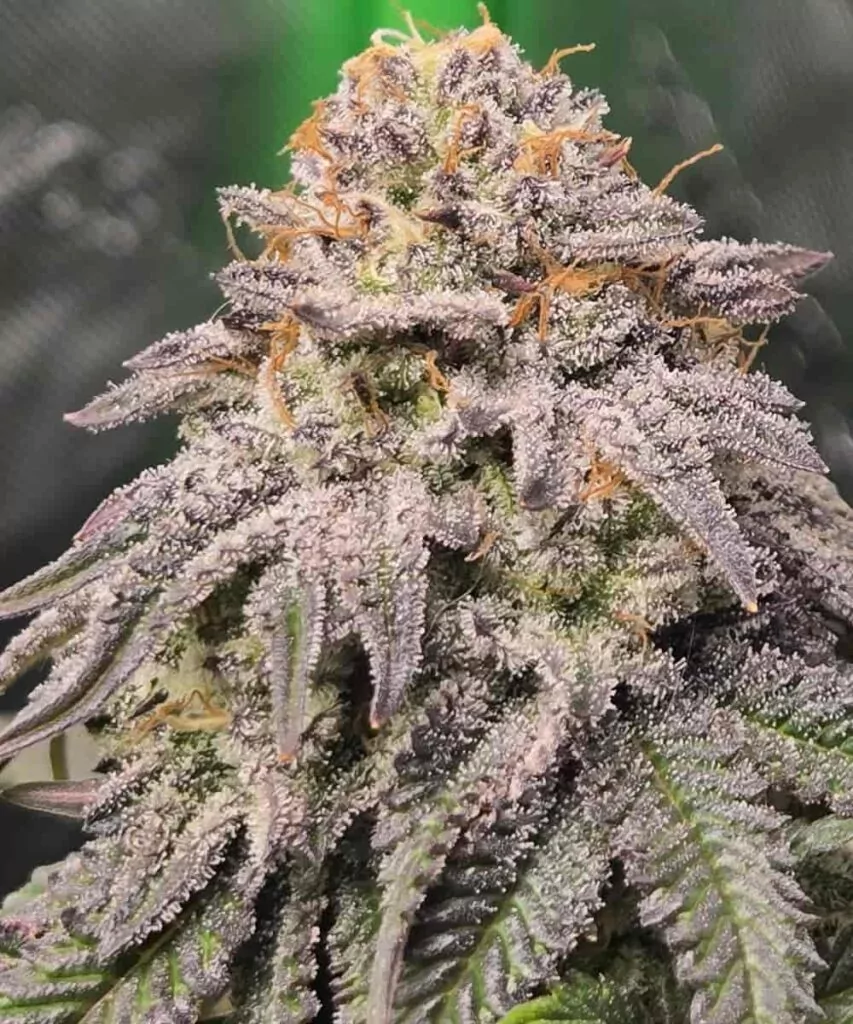


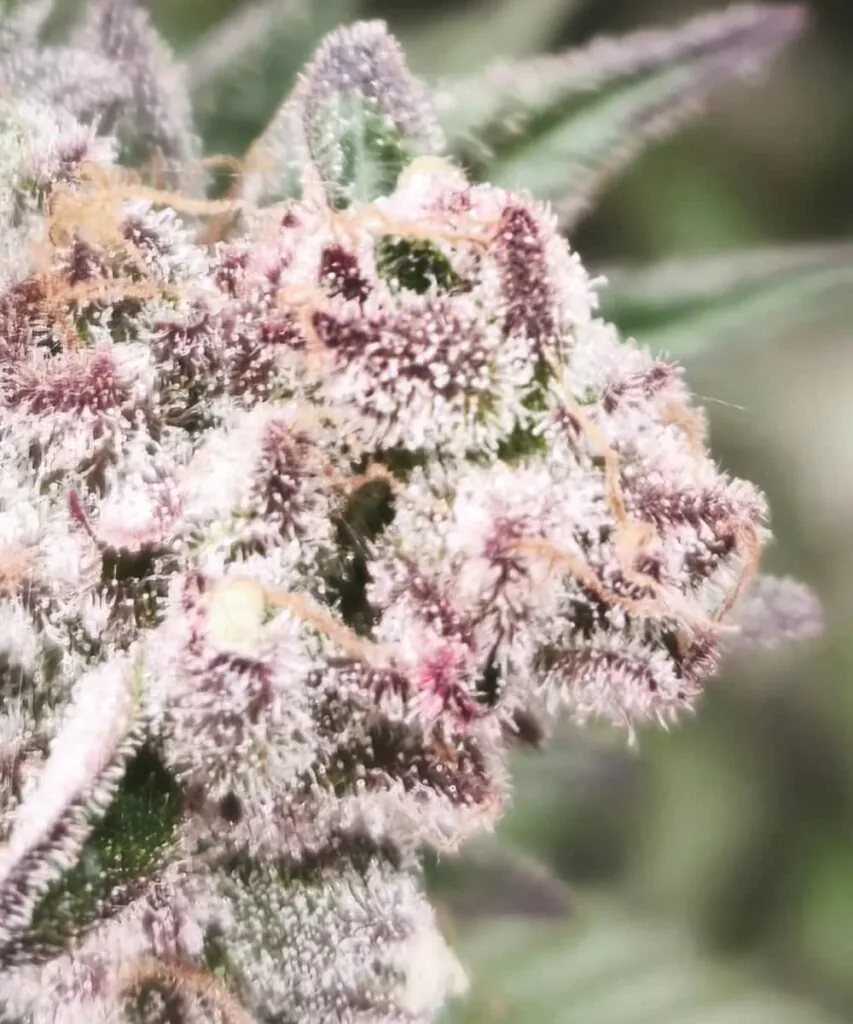
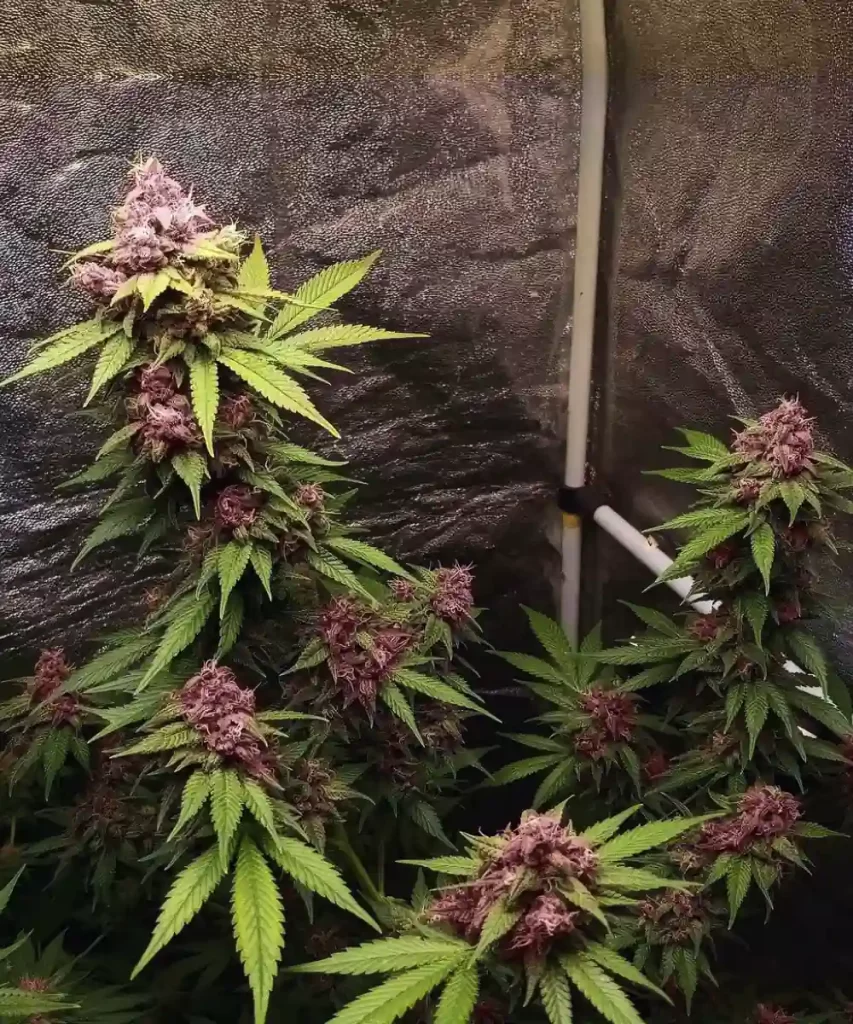
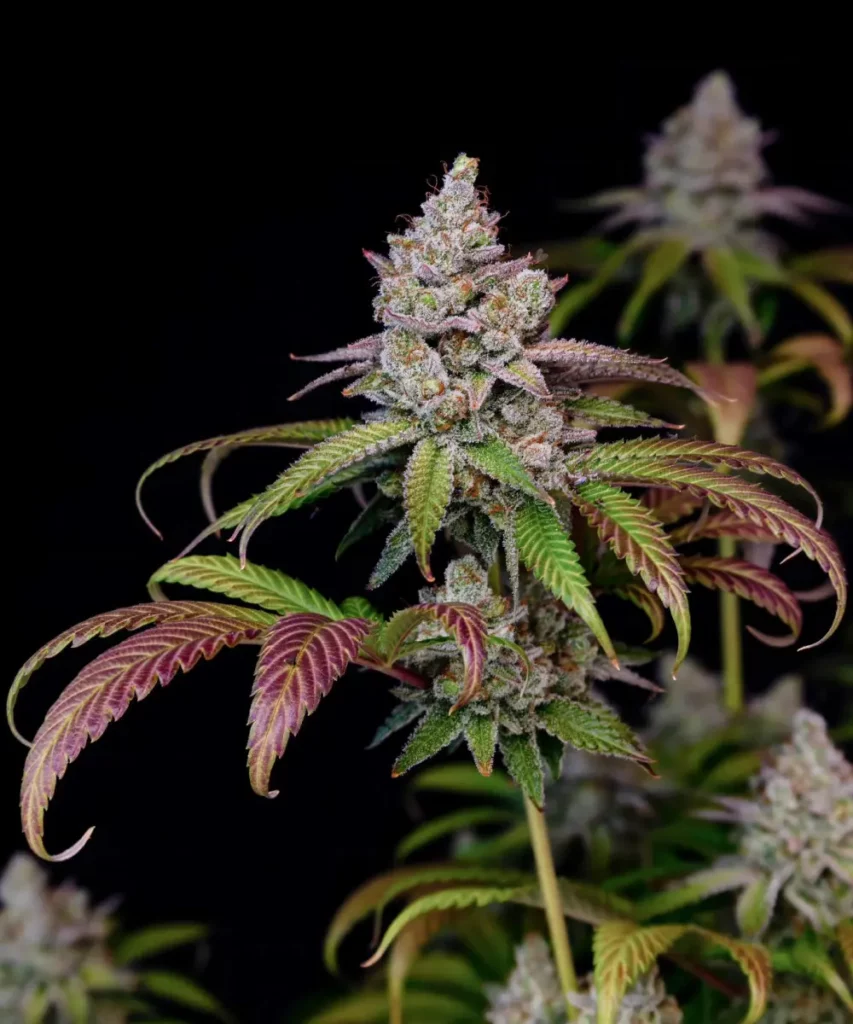
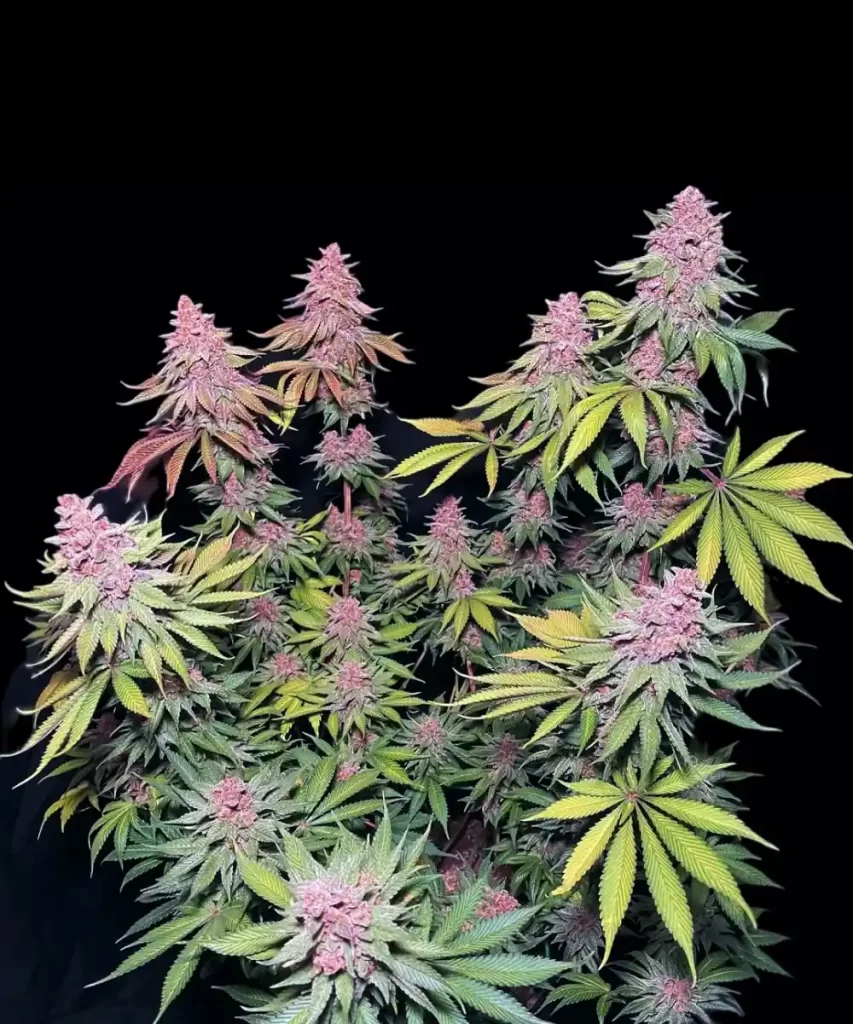

I planted 10 Super Boof seeds, and all germinated without a hitch. The plants grew strong and healthy, producing dense, frosty buds with a sweet, earthy aroma. The high is uplifting yet relaxing—a perfect balance. Impressive yield too, even with minimal effort

I’ve been growing weed for 30+ years, and to be honest, it’s quite difficult to surprise me. After a few decades of facing different strains, changing growing conditions, and solving whatever problem you could possibly think of, by then, I believe I’ve seen it all in cannabis growing.
Gary Payton defied every single one of my expectations.
The plant thrived, growing to an impressive 6 feet in what seemed like a blink of an eye. It quickly filled out with buds and displayed better smell each day, showing solid proof of superior genetics. The buds were tight, aromatic, and a source of immense pride, surpassing the outcome of many of my previous endeavors.
Hypno Seeds with their Gary Payton strain has won my complete admiration and loyalty. Outstanding genetics in this plant have truly turned what I always thought of to be an experiment with negligible expectations into one of the most satisfying grows of my long career.
Looking forward, my excitement for the next growing season is unparalleled. I can’t wait to see how much I can take these strains, especially with the attention that Gary Payton really does deserve right from the start.

TRUE MAGIC! This strain really stands out. I am trying Hypno Seeds for the first time and I surely made the right choice. I will be ordering more RS11 seeds just to keep this beauty in my garden for the upcoming season. Growing in Virginia and it’s only shown perfection by now.

Starting my latest grow, I decided to try out some Blackberry Kush from Hypno… I planted her on a whim alongside my other favorites. Hypno Seeds said it had to be a powerful plant with rich, fruity scents… Seeing is believing. She developed purplish hues and dense resin coated buds and quickly took center stage in my garden and produced much more than expected. The buds are tightly packed, literally bursting with the heady aroma. The yield? Very impressive for her conditions…
Germinated three seeds using the paper towel method with100% success rate within 48 hours. Planted in 5 gallon pots with living soil under a 315W CMH light. Plants remained compact (3.5 ft) with thick lateral branching, showing high resistance to humidity and minor nutrient fluctuations. Yield per plant: 5.8 oz of extremely dense, trichome-heavy buds. Smell profile during flower: sharp pine, pepper, and a hint of citrus. Harvested at week 9, after trichomes showed 30% amber for peak sedative effects. Smoke report: Potent. Deep relaxation without full sedation. Ideal for stress relief.


