


So… why do two packs labeled feminized perform so differently in the same tent? Feminized cannabis seeds are genetically female seeds created by treating a female plant with an ethylene inhibitor, which pushes it to produce male flowers. Those flowers carry pollen with only X chromosomes, so the resulting seeds grow into female plants almost every time. But the real answer comes down to one thing: how the genetics were stabilized before they ever hit the package. At Hypno Seeds, every strain runs through generations of in-house selection before it’s sold, which is the difference between a plant that behaves predictably and one that’s a coin flip.
About the Author: This article is produced by the Hypno Seeds breeding team, which develops and stabilizes proprietary strains like Red Chile Truffle and Sticky Kitty Trippy Punch in-house rather than sourcing third-party genetics, and ships germination-tested seeds directly to growers across the US from its Las Vegas warehouse.
The standard method involves applying ethylene inhibitors like silver thiosulfate or colloidal silver to a female plant, which stresses it into producing male flowers. Silver thiosulfate is generally considered the most reliable agent for this. Those male flowers still carry the plant’s female genetic signature, so their pollen only passes along X chromosomes. Cross that pollen onto another female, and the seeds that result skip the 50/50 male-female split you’d get from regular seeds entirely. That’s why reliable feminized seeds typically show male plant rates below 1 percent industry-wide, and why feminized seeds for sale have become the default choice for growers who don’t want to gamble half their crop space on plants they’ll end up pulling.
Feminization solves the male-plant problem, but it doesn’t automatically solve the stability problem, and that distinction trips up a lot of buyers. Hermaphroditism in feminized plants is usually a stress response, not a feminization failure. Inconsistent light cycles, temperature swings, and nutrient deficiencies can all push a plant to throw pollen sacs late in flowering as a survival mechanism, basically the plant trying to self-pollinate before it dies.
Here’s the part that doesn’t get said enough: some strains tolerate that stress fine, others fall apart. Unstable strains have been documented with hermaphroditism rates over 50 percent once they hit flowering stress, while a properly stabilized line barely flinches under the same conditions. That gap has nothing to do with how the seed was feminized and everything to do with how many generations of selection went into the parent stock before feminization ever happened.
Pro Tip: If a strain throws bananas (small pollen sacs) under normal grow conditions, that’s a genetics problem, not a technique problem. No amount of careful watering fixes an unstable mother plant.
Stabilization is the process of breeding a strain across multiple generations until it reliably expresses the same traits every time, height, yield, flowering time, terpene profile, resistance to stress. Building on the hermaphroditism issue above, the harder question is how breeders actually get there. Unstabilized genetics can drift within just a few breeding cycles if nobody is controlling for it, meaning two seeds from the “same” strain can grow into noticeably different plants.
Getting a strain to breed true typically takes up to eight generations of selective inbreeding and backcrossing. Breeders grow out a line, identify the plants with the traits they want, cross those back into the lineage, and repeat. It’s slow. It’s also the only way to guarantee that a strain name on a package actually means something consistent.
| Approach | What Happens | Grower Risk |
|---|---|---|
| Unstabilized line, feminized once | Female rate is high, but trait expression varies plant to plant | Uneven height, yield, and flowering time within the same pack |
| Stabilized line, feminized | High female rate plus consistent phenotype across generations | Minimal, plants grow as described |
| Stressed stabilized line | Occasional hermaphroditism under extreme conditions | Low, strain tolerates imperfect grow conditions |
| Stressed unstable line | Hermaphroditism rates reported over 50 percent | High, crop loss or seeded buds |
The real quality gap shows up between breeders in where the genetics came from before anyone applied silver thiosulfate to them. The feminization step itself is fairly standardized across the industry at this point. What varies wildly is the mother plant genetics feeding into that step.
A company that develops and stabilizes its own genetics controls every generation of that selection process, from the first cross to the final pack. A company reselling someone else’s stock has no visibility into how many generations that line was actually run through, or how it was selected. You can’t stabilize what you didn’t breed. This is the core reason growers researching where to buy feminized seeds online should look past the strain name and ask who actually developed the genetics.
At Hypno Seeds, this is the whole model. Exclusive strains like Red Chile Truffle and Red Pistachio Autoflower are developed in-house, not licensed in from somewhere else, and every batch gets germination-tested every 30 days, with any batch dropping below a 95 percent success threshold pulled from inventory entirely. That testing discipline matters for the same reason the Federal Seed Act requires interstate seed shipments to carry documented purity and germination percentages, buyers deserve a verifiable number, not a vague promise.
The practical question for anyone ready to buy is what to actually check before ordering, starting with the fundamentals behind a strain.
This is beginner-friendly territory too. You don’t need to be a master grower to check for a germination guarantee or read a grow report, you just need to know what to look for.
Are feminized seeds guaranteed to produce only female plants?
No method guarantees 100 percent, but commercial feminization techniques commonly achieve a 99.9 percent female rate when done correctly on stable genetics.
Why did my feminized plant turn hermaphrodite?
Usually environmental stress, inconsistent light, temperature swings, or nutrient issues, triggers it. Unstable genetics make the plant far more likely to react this way under the same stress.
Is buying feminized seeds online safe and legal in the US?
Seeds classified as low-THC hemp under the 2018 US Farm Bill can be sold and shipped as collectible items across the US, which is how most domestic seed breeders operate.
What’s the difference between feminized and regular seeds?
Regular seeds produce roughly equal male and female plants. Feminized seeds are bred to produce almost all female plants, which is what most home growers actually want for flower production.
How many generations does it take to stabilize a strain?
Typically up to eight generations of selective inbreeding and backcrossing before a strain reliably expresses the same phenotype each grow.
Does a higher price mean better feminized seeds?
Not necessarily. Price doesn’t verify stability or germination rate. Look for documented testing and in-house breeding claims instead of relying on price as a quality signal.
Can I tell if seeds are from a stable line just by looking at them?
Not reliably. Shell color and size hint at maturity, but genetic stability only shows up once the plant grows, which is why grow reports and breeder transparency matter more than visual inspection alone.
Hypno Seeds is a cannabis seed breeder based in Las Vegas, Nevada, that develops and stabilizes its own genetics rather than reselling third-party stock. The company’s catalog spans feminized, autoflowering, and high-THC varieties, including exclusive strains like Sticky Kitty Trippy Punch alongside established favorites such as Blue Zushi and Zookies. Every batch is germination-tested on a recurring schedule, with underperforming stock removed from inventory, and orders ship within 24 hours from a climate-controlled US warehouse with tracking included. For growers comparing where to buy feminized seeds online, that combination of in-house breeding and documented testing is the practical difference between guessing and growing with confidence.
Ready to see stabilized genetics for yourself? Browse feminized seeds for sale and the full strain lineup at hypnoseeds.com.


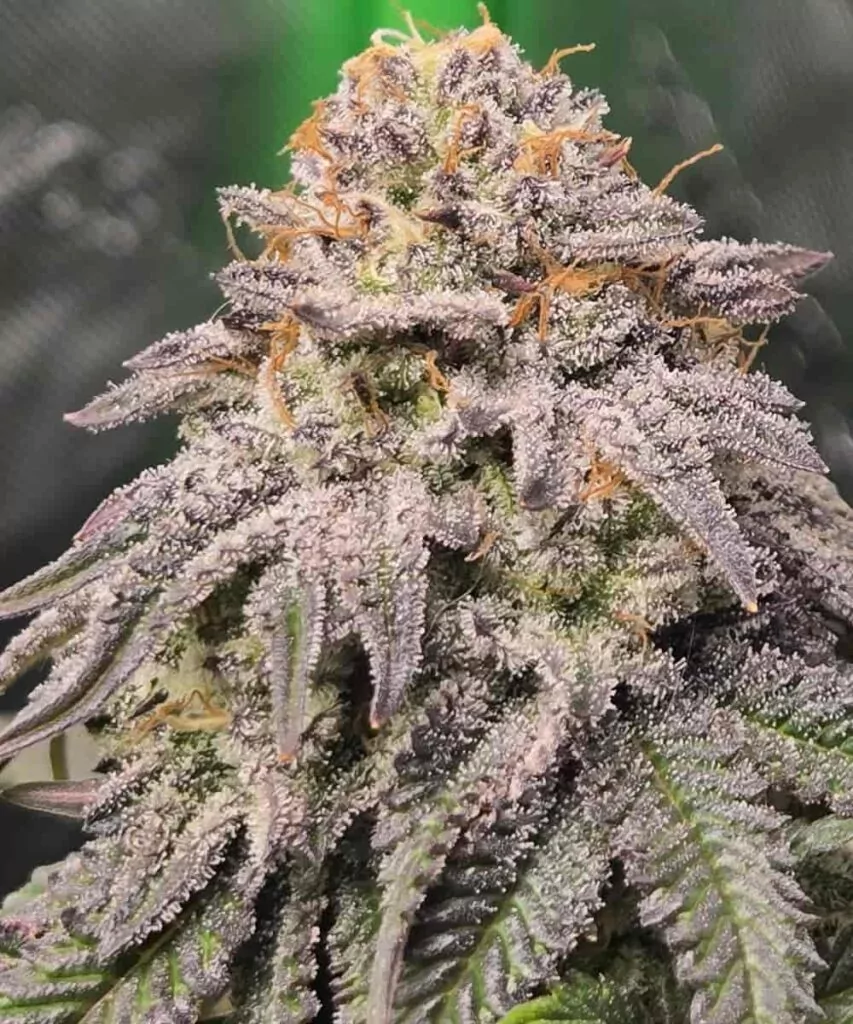


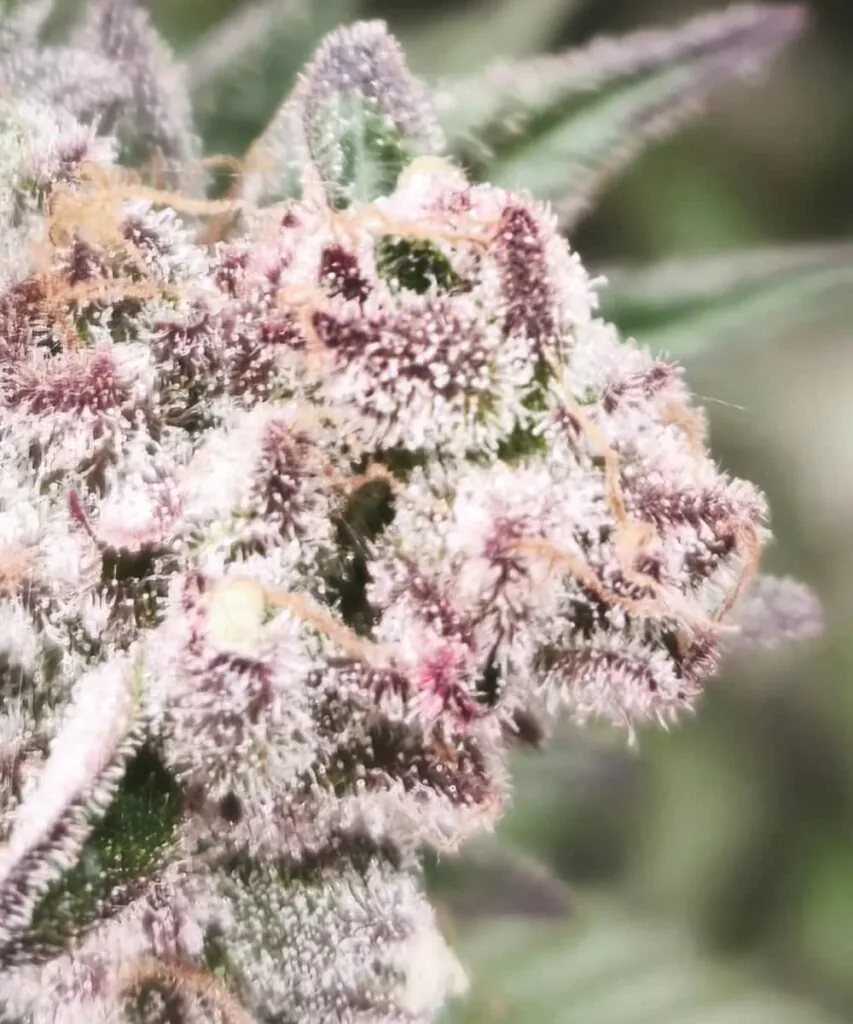
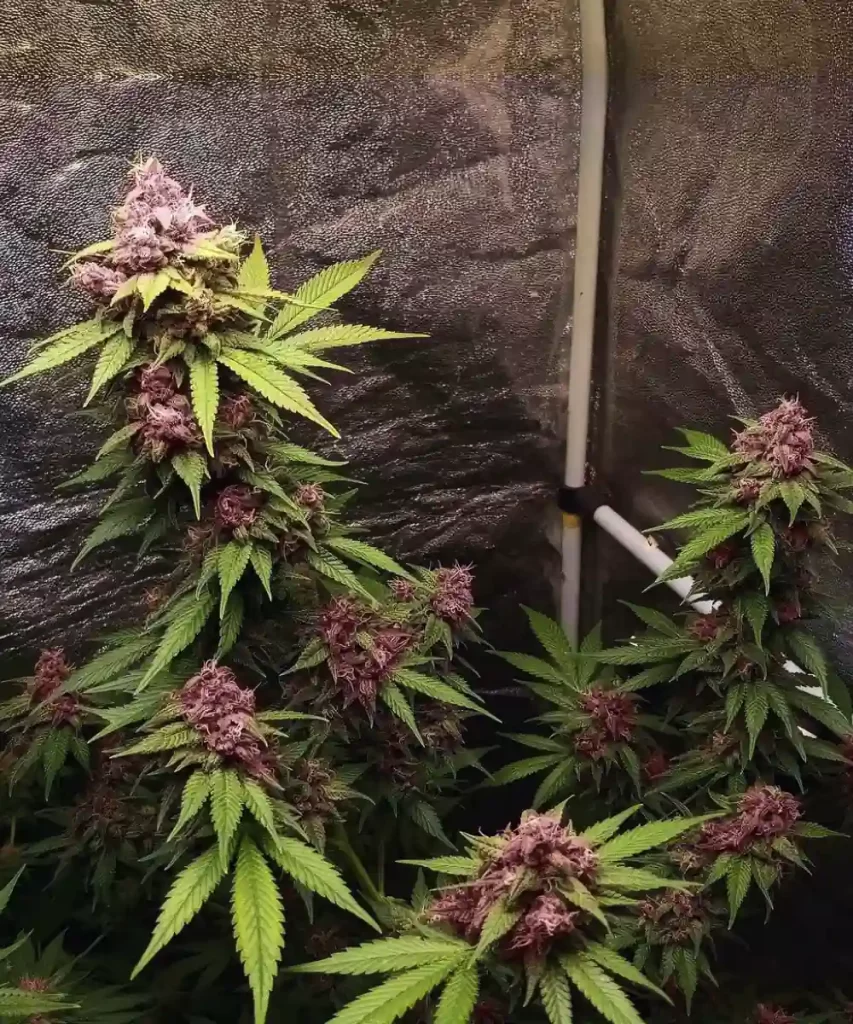
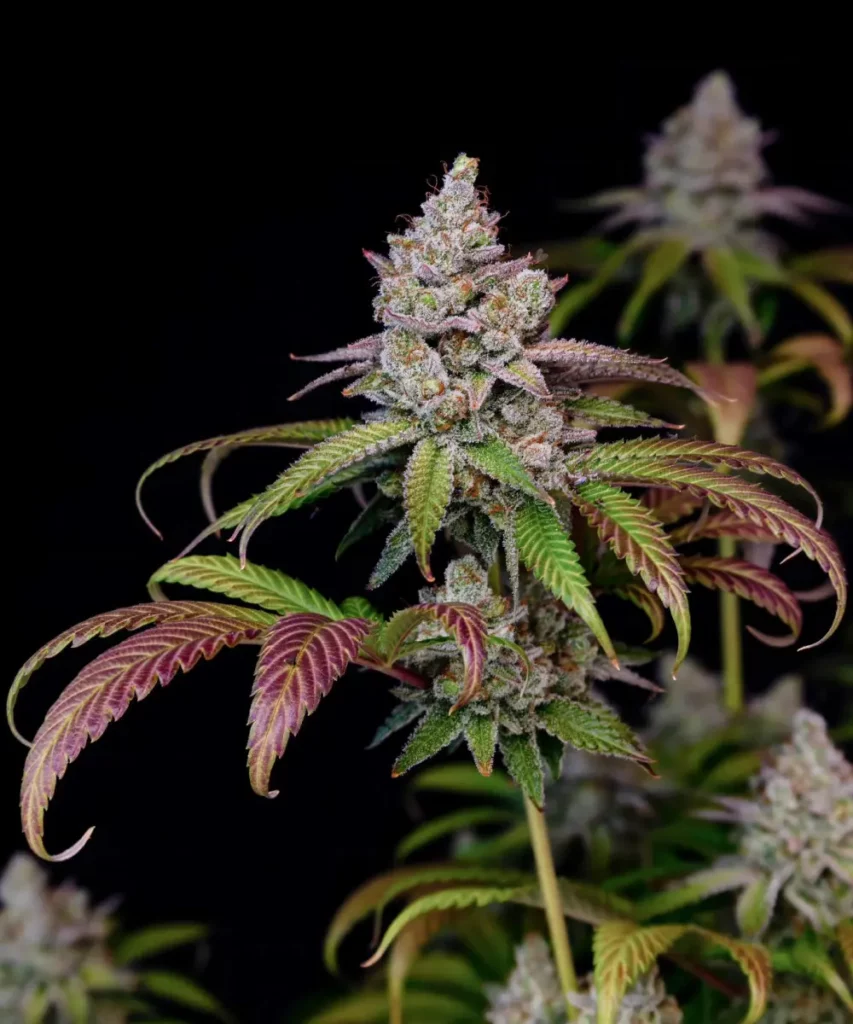
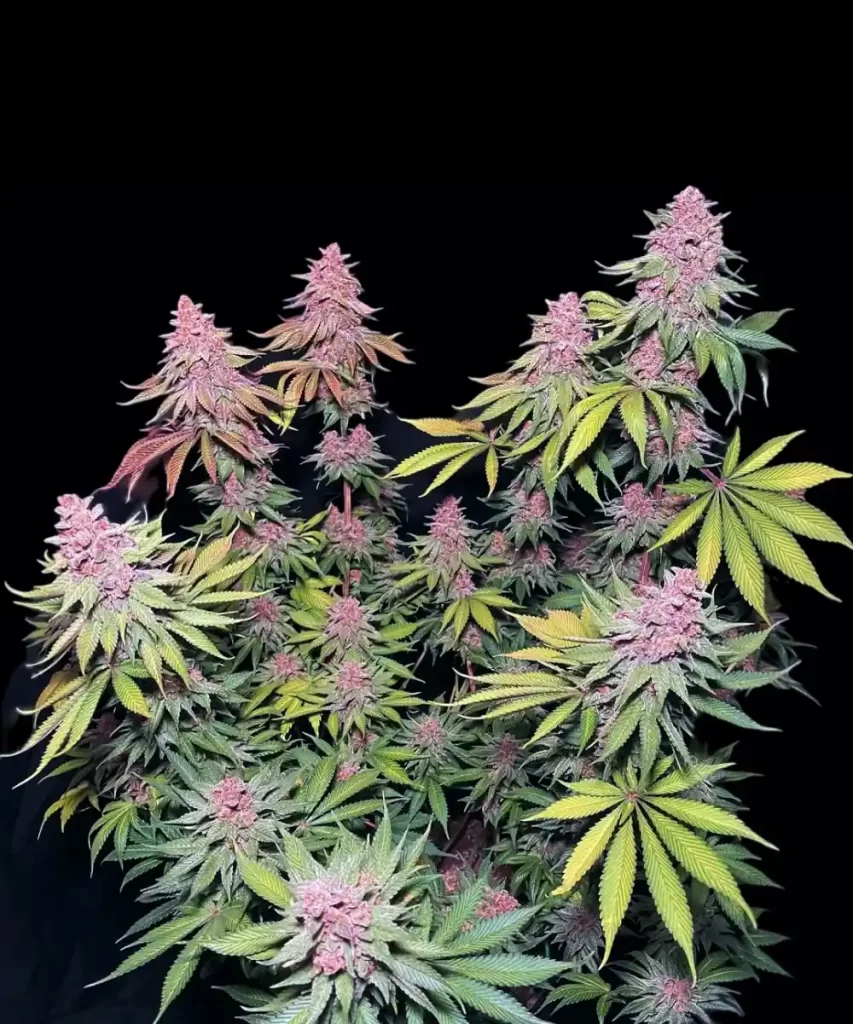

I planted 10 Super Boof seeds, and all germinated without a hitch. The plants grew strong and healthy, producing dense, frosty buds with a sweet, earthy aroma. The high is uplifting yet relaxing—a perfect balance. Impressive yield too, even with minimal effort

I’ve been growing weed for 30+ years, and to be honest, it’s quite difficult to surprise me. After a few decades of facing different strains, changing growing conditions, and solving whatever problem you could possibly think of, by then, I believe I’ve seen it all in cannabis growing.
Gary Payton defied every single one of my expectations.
The plant thrived, growing to an impressive 6 feet in what seemed like a blink of an eye. It quickly filled out with buds and displayed better smell each day, showing solid proof of superior genetics. The buds were tight, aromatic, and a source of immense pride, surpassing the outcome of many of my previous endeavors.
Hypno Seeds with their Gary Payton strain has won my complete admiration and loyalty. Outstanding genetics in this plant have truly turned what I always thought of to be an experiment with negligible expectations into one of the most satisfying grows of my long career.
Looking forward, my excitement for the next growing season is unparalleled. I can’t wait to see how much I can take these strains, especially with the attention that Gary Payton really does deserve right from the start.

TRUE MAGIC! This strain really stands out. I am trying Hypno Seeds for the first time and I surely made the right choice. I will be ordering more RS11 seeds just to keep this beauty in my garden for the upcoming season. Growing in Virginia and it’s only shown perfection by now.

Starting my latest grow, I decided to try out some Blackberry Kush from Hypno… I planted her on a whim alongside my other favorites. Hypno Seeds said it had to be a powerful plant with rich, fruity scents… Seeing is believing. She developed purplish hues and dense resin coated buds and quickly took center stage in my garden and produced much more than expected. The buds are tightly packed, literally bursting with the heady aroma. The yield? Very impressive for her conditions…
Germinated three seeds using the paper towel method with100% success rate within 48 hours. Planted in 5 gallon pots with living soil under a 315W CMH light. Plants remained compact (3.5 ft) with thick lateral branching, showing high resistance to humidity and minor nutrient fluctuations. Yield per plant: 5.8 oz of extremely dense, trichome-heavy buds. Smell profile during flower: sharp pine, pepper, and a hint of citrus. Harvested at week 9, after trichomes showed 30% amber for peak sedative effects. Smoke report: Potent. Deep relaxation without full sedation. Ideal for stress relief.


