

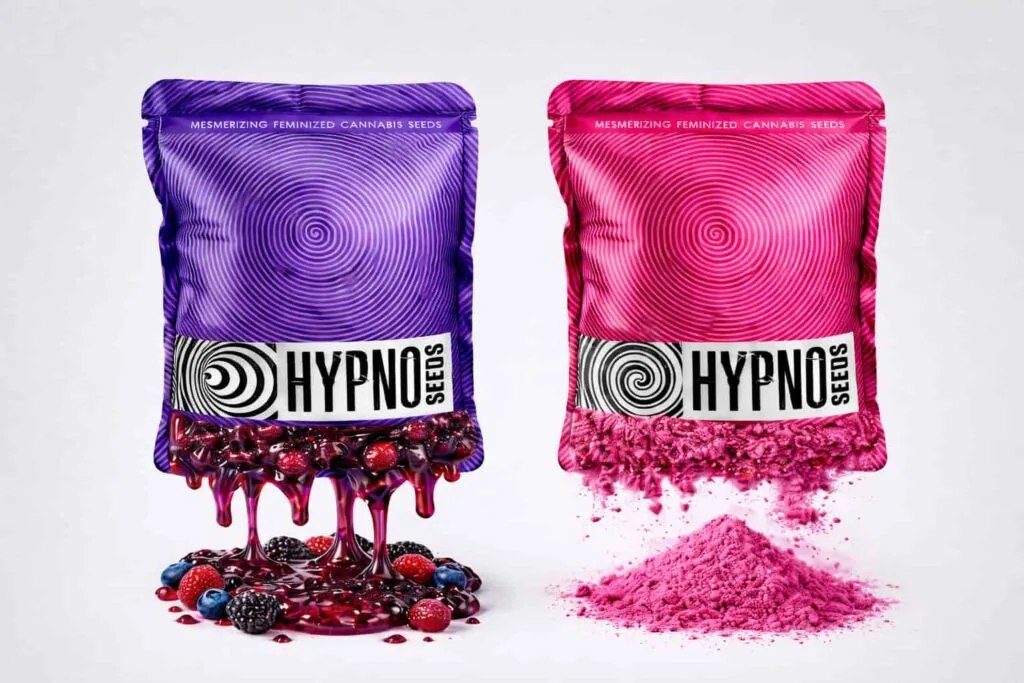
So… what actually makes cannabis potent? High-THC seeds come from strains selectively bred over multiple generations for high resin production and elevated THCA content, not from any single “miracle” plant. The current ceiling for THC in dry cannabis flower sits at roughly 35% by weight, a biological limit tied to how much resin a plant can physically produce. Breeders push toward that ceiling by crossing genetics with a strong capacity for producing CBGA, the precursor molecule that converts into THCA and ultimately THC. At Hypno Seeds, that selection process happens in-house, generation after generation, which is why potency numbers on our strain pages reflect actual breeding work rather than a label swapped onto someone else’s seed stock.
About the Author: This article is written by the Hypno Seeds breeding team, which develops and stabilizes proprietary cannabis genetics, including high-THC lines like Godfather OG and Gary Payton phenotypes grown out and documented across hundreds of customer grow reports. Hypno Seeds operates a distribution facility in Las Vegas, NV, with its corporate operations based in Delaware.
A high-THC seed is one bred from parent plants with a genetically strong capacity to produce THCA, the acidic precursor that converts into THC when cannabis is dried, cured, and heated. Most strains sold as “high potency” today test between 22% and 30% THC, with flowering times typically running 8 to 10 weeks depending on the genetic line. The rare outliers that cross into the mid-30s are pushing close to what’s currently understood as the practical ceiling for THC in flower, around 35% by dry weight.
Here’s the part that trips up a lot of new growers: a seed doesn’t “contain” a fixed THC percentage the way a bottle of vodka contains a fixed alcohol percentage. Genetics set the potential. Growing conditions, curing, and harvest timing determine how much of that potential actually shows up in the jar. Think of it like a thoroughbred racehorse: good breeding gives it the capacity to run fast, but training, nutrition, and track conditions decide the final time.
Always check for a certificate of analysis (COA) from an independent lab before trusting a THC number on a seed listing. US states with legal cannabis markets require this kind of testing, and reputable breeders will show you the data instead of just the percentage.
Breeders increase THC potency by identifying parent plants with unusually high resin output and strong CBGA conversion, then crossing them and selecting the most potent offspring across multiple grow cycles. This is called phenotype hunting, and it’s slow, deliberate work. A single cross doesn’t lock in a trait. It takes repeated generations of selecting, stabilizing, and re-testing before a strain’s potency becomes reliable and repeatable rather than a lucky one-off plant.
This is also the core difference between a company that breeds its own genetics and one that buys finished seed stock and resells it under a new name. When you develop a line in-house, you control every generation, which means you can verify lineage, track potency data across cycles, and catch problems before a batch ever reaches a customer. Hypno Seeds runs its own breeding program for exactly this reason, which is why strains like Red Chile Truffle and Sticky Kitty Trippy Punch exist only through us and aren’t floating around under a dozen different brand names.
The strongest weed strains in 2026 share a common thread: heavy resin production paired with a genetic lineage that traces back to proven high-THC parent lines. Industry-wide, strains like Future #1 and Godfather og seeds are widely documented as holding some of the highest recorded THC concentrations on the market, with repeated lab tests landing in the mid-30% range. That’s close to the practical ceiling for cannabis flower, so anything claiming well beyond that number deserves a skeptical eyebrow and a request for lab data.
| Strain | Type | Approx. THC Range | Flowering Time |
|---|---|---|---|
| Godfather OG | Indica-dominant | High potency, top-tier | 8-9 weeks |
| Cap Junky | Hybrid | High potency | 8-9 weeks |
| Blue Zushi | Indica-leaning hybrid | High potency | 8-9 weeks |
| Blackberry Kush | Indica | High potency | 8-9 weeks |
| Trop Cherry | Hybrid | High potency | 8-9 weeks |
Godfather OG ranks among the most talked-about high-THC genetics on the market right now, and our grow reports consistently show dense, resin-heavy colas that back up the reputation. Shop Godfather OG
For growers chasing bag appeal alongside potency, cap junky seeds and blue zushi seeds both deliver thick trichome coverage with distinct terpene profiles, which matters because potency and flavor come from overlapping but not identical chemistry (cannabinoids and terpenes are produced in the same trichome glands, so strong resin production tends to boost both).
Yes. High THC autoflower seeds have closed most of the gap with photoperiod strains over the past several breeding cycles. A few years ago, autoflowers were mostly valued for speed and simplicity, not strength. That’s changed. Modern autoflowering lines now carry high-resin genetics bred directly into fast-finishing plants, so growers don’t have to choose between a quick harvest and a strong one.
The strongest autoflower strains today typically finish seed-to-harvest in roughly 10 to 12 weeks total, since autoflowers shift to flowering based on age rather than light cycle changes. Compare that to photoperiod strains, which need a light schedule switch to trigger flowering and generally take closer to 4 months from seed to harvest. That speed difference is also why autoflowers remain a go-to for beginners: no need to be a master grower or track sunset times, just plant, feed, and wait.
Our Red Pistachio Autoflower is a direct product of this shift, bred to hold onto potency and terpene complexity without sacrificing the autoflower’s signature turnaround speed.
The best sativa strains in 2026 are being bred for a tighter balance between cerebral effects and manageable plant height, since tall, rangy sativas are a pain in small indoor tents. The best indica strains in 2026 lean into dense bud structure and heavy resin, which is exactly the trait profile breeders target when chasing higher THC. In both cases, the breeding goal is the same: concentrate resin production without losing the traits that made the strain popular in the first place (flavor, structure, yield).
Growers building out a 2026 garden often mix both types for a reason that’s more practical than aesthetic: sativas and indicas finish at different times and stretch differently, so pairing them spreads out harvest labor instead of dumping it all in one week. If flavor is the priority alongside potency, strains from a collection built around terpene expression are worth a look before potency alone.
Verifying a THC claim starts with asking where the number came from. Legitimate breeders reference third-party lab testing, not just a figure pulled from a marketing page. US states with legal markets require that labeling, which gives growers and dispensary buyers a consistent reference point even when methodology varies slightly state to state.
This is also where in-house quality control earns its keep. Every batch we sell gets germination-tested on a 30-day cycle, and anything that drops below a 95% success rate gets pulled from inventory. That’s not a potency claim, but it’s the kind of unglamorous process that determines whether the high-THC seed you ordered actually sprouts into the plant you paid for.
What is the highest THC percentage ever recorded in cannabis flower?
Commercially available strains have hit as high as 37% THC in repeated lab tests, with Future #1 and Godfather OG widely cited as among the highest-documented on the market.
Is there a biological limit to how high THC can go?
Yes. Lab data analysis puts the practical ceiling at approximately 35% THC by dry weight for cannabis flower, tied to how much resin a plant can physically produce.
Do autoflower seeds have lower THC than photoperiod seeds?
Not necessarily anymore. Modern high-THC autoflower seeds are bred from the same potent genetic lines as photoperiod strains, just packaged into a faster-finishing plant.
How long does it take to grow a high-THC strain from seed?
On average, about 4 months from seed to harvest for photoperiod strains, while autoflowers typically finish faster since they flower based on age rather than light schedule.
Does a higher THC percentage always mean a stronger high?
Not entirely. Terpenes and other cannabinoids interact with THC to shape the overall effect, which is why two strains with similar THC numbers can feel noticeably different.
Why does it matter if a seed company breeds its own genetics?
In-house breeding means the company controls lineage, stability, and testing across generations, which translates into more consistent results from seed to seed.
How can I tell if a THC number on a seed listing is accurate?
Look for reference to independent lab testing. Legal cannabis markets in the US require THC testing and labeling, so a credible breeder should be able to point to that data.
Hypno Seeds is a cannabis seed breeder developing and stabilizing its own genetics in-house rather than reselling third-party seed stock, with a distribution facility in Las Vegas, NV. Every batch is hand-inspected for maturity and shell integrity, then germination-tested on a recurring 30-day cycle, with underperforming batches pulled from inventory. Orders ship from our climate-controlled US warehouse within 24 hours, arriving in discreet packaging within the stated delivery window for the large majority of customers. From exclusive lines like Red Chile Truffle to proven high-potency staples like Godfather OG and Blackberry Kush, our breeding program is built to give growers genetics they can actually trust, not just a number on a label.
Grab a strain that matches what you’re looking for, and let the genetics do the heavy lifting for you.


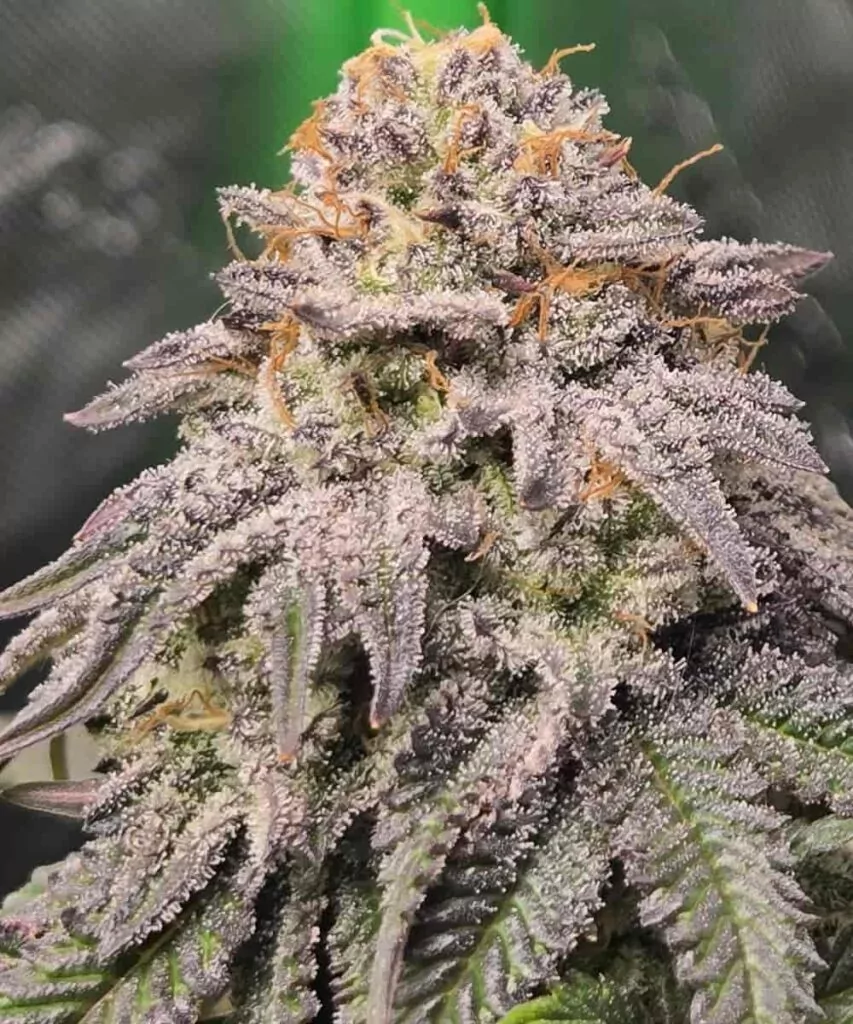


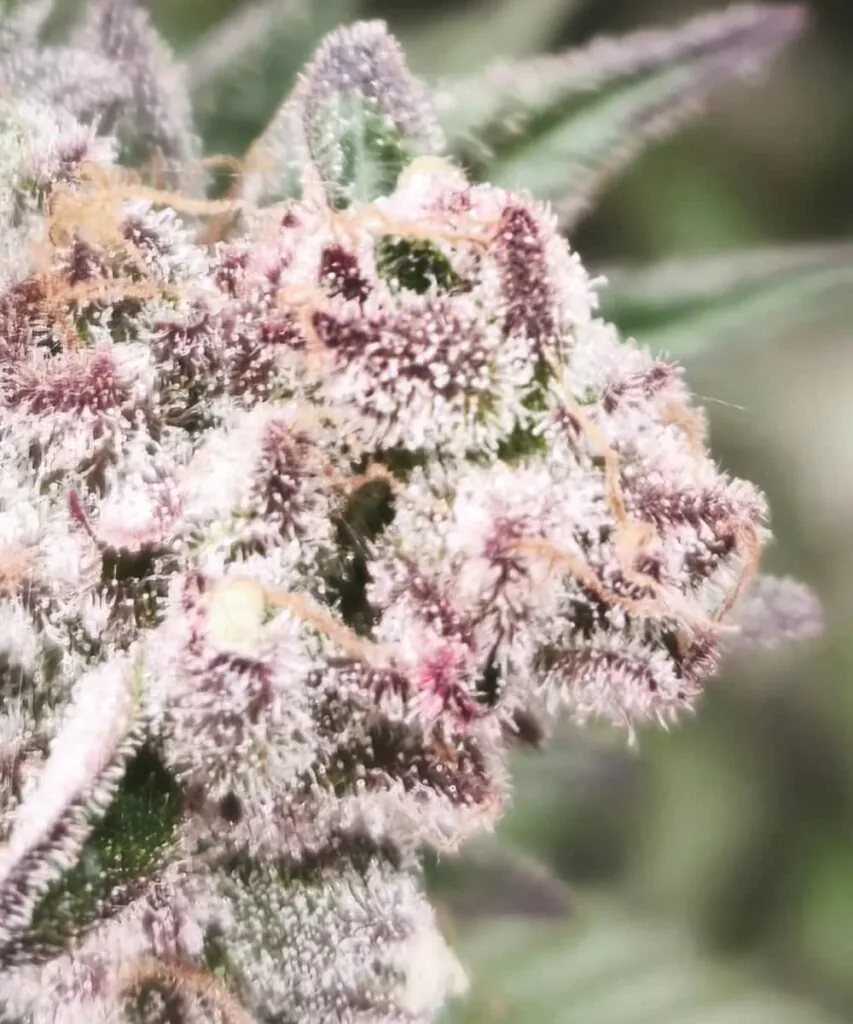
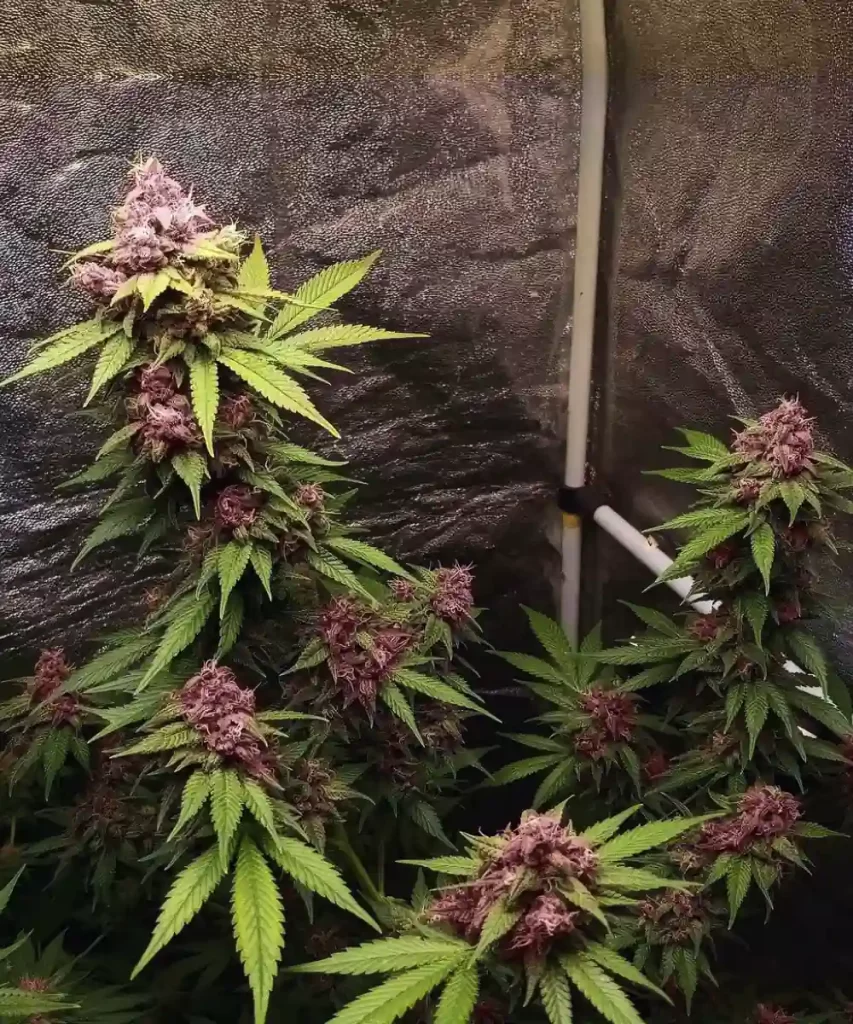
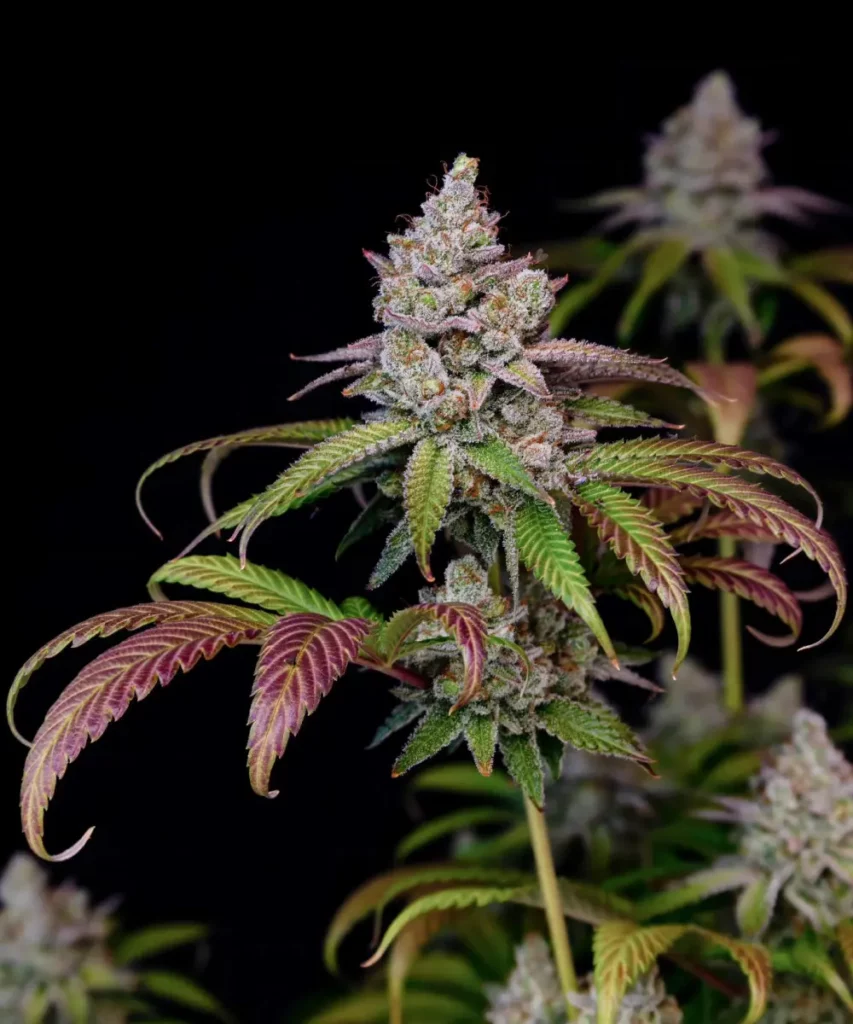
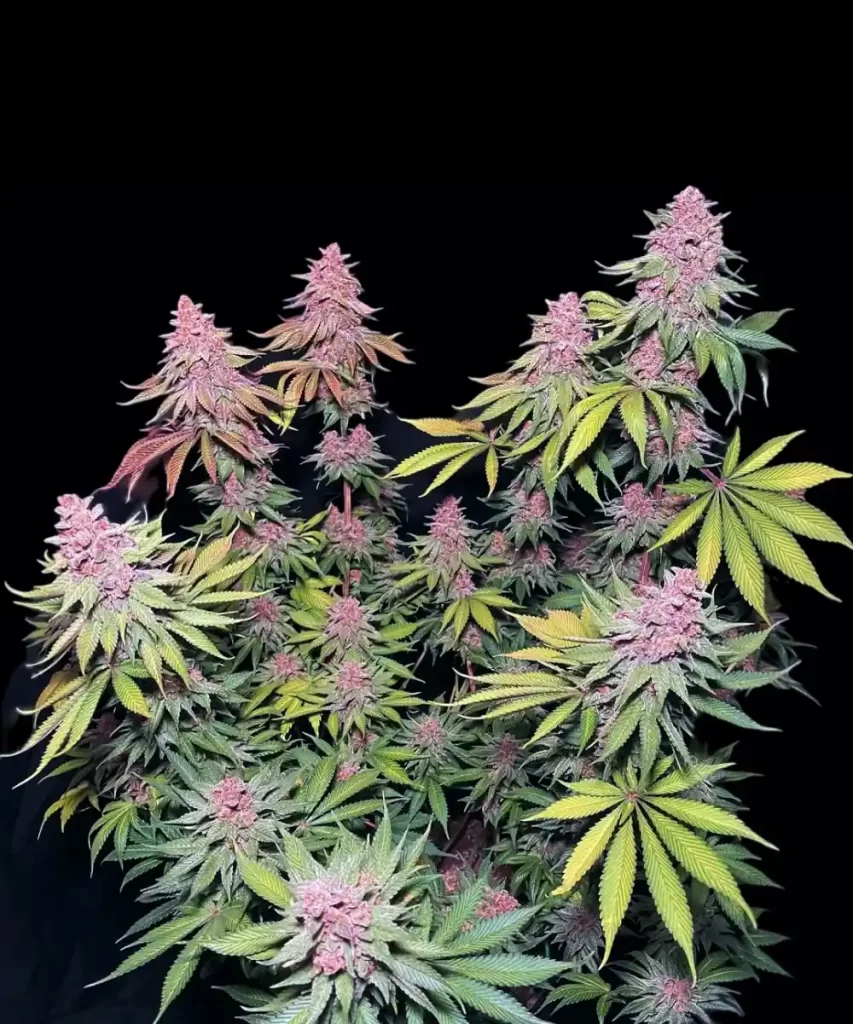

I planted 10 Super Boof seeds, and all germinated without a hitch. The plants grew strong and healthy, producing dense, frosty buds with a sweet, earthy aroma. The high is uplifting yet relaxing—a perfect balance. Impressive yield too, even with minimal effort

I’ve been growing weed for 30+ years, and to be honest, it’s quite difficult to surprise me. After a few decades of facing different strains, changing growing conditions, and solving whatever problem you could possibly think of, by then, I believe I’ve seen it all in cannabis growing.
Gary Payton defied every single one of my expectations.
The plant thrived, growing to an impressive 6 feet in what seemed like a blink of an eye. It quickly filled out with buds and displayed better smell each day, showing solid proof of superior genetics. The buds were tight, aromatic, and a source of immense pride, surpassing the outcome of many of my previous endeavors.
Hypno Seeds with their Gary Payton strain has won my complete admiration and loyalty. Outstanding genetics in this plant have truly turned what I always thought of to be an experiment with negligible expectations into one of the most satisfying grows of my long career.
Looking forward, my excitement for the next growing season is unparalleled. I can’t wait to see how much I can take these strains, especially with the attention that Gary Payton really does deserve right from the start.

TRUE MAGIC! This strain really stands out. I am trying Hypno Seeds for the first time and I surely made the right choice. I will be ordering more RS11 seeds just to keep this beauty in my garden for the upcoming season. Growing in Virginia and it’s only shown perfection by now.

Starting my latest grow, I decided to try out some Blackberry Kush from Hypno… I planted her on a whim alongside my other favorites. Hypno Seeds said it had to be a powerful plant with rich, fruity scents… Seeing is believing. She developed purplish hues and dense resin coated buds and quickly took center stage in my garden and produced much more than expected. The buds are tightly packed, literally bursting with the heady aroma. The yield? Very impressive for her conditions…
Germinated three seeds using the paper towel method with100% success rate within 48 hours. Planted in 5 gallon pots with living soil under a 315W CMH light. Plants remained compact (3.5 ft) with thick lateral branching, showing high resistance to humidity and minor nutrient fluctuations. Yield per plant: 5.8 oz of extremely dense, trichome-heavy buds. Smell profile during flower: sharp pine, pepper, and a hint of citrus. Harvested at week 9, after trichomes showed 30% amber for peak sedative effects. Smoke report: Potent. Deep relaxation without full sedation. Ideal for stress relief.


