


So you’re running a pheno hunt in a 4×4 tent and want to know how many seeds to pop. The answer: 8 to 10 feminized seeds of one strain. Expect 7 to 9 healthy plants, and aim to finish with one or two keepers. That count gives each plant about 2 square feet of canopy. That is enough room to judge structure, vigor and aroma without crowding hiding the differences you came to find. Fewer than six plants is just a grow with a small sample. More than twelve turns the tent into a shading contest. We select and stabilize our own lines over multiple generations, and that work has taught us one thing above all: how stable the genetics are matters as much as how many seeds you pop.
- Sweet spot: 8 to 10 feminized seeds of a single strain per 4×4 tent.
- Buffer: The 8 to 10 count already includes one or two extras to cover germination failures and early culls.
- Seed type: Photoperiod feminized seeds let you clone every plant and keep your winner alive.
- Stability: Stable lines shrink the hunt. Unstable crosses need bigger populations than one tent holds.
- Mindset: A 4×4 hunt is a screening round. Re-run your top clones to confirm the pick.
About the Author: This guide comes from the Hypno Seeds team, an in-house breeder that develops and stabilizes its own genetics. Picking standout plants out of a population is our everyday work.
The right number is the largest population your canopy can hold while still letting every plant express itself. In a 4×4, that lands at 8 to 10 seeds. A 4×4 tent gives you 16 square feet, and every plant you add divides that space further.
| Plants | Space per plant | Verdict |
|---|---|---|
| 4 | 4 sq ft | A grow, not a hunt. Sample too small. |
| 6 | ~2.7 sq ft | Fine for stable lines. |
| 8 to 9 | ~2 sq ft | Sweet spot for most hunts. |
| 12 | ~1.3 sq ft | Workable with a short veg. |
| 16 | 1 sq ft | Too crowded to judge structure. |
Cannabis cultivation laws, including plant limits, differ by state and locality, so check and follow your own before you pop anything.
Building on the space math above, a bigger count backfires because plants start competing for light instead of showing their genetics. Crowding a pheno hunt is like timing cars in a traffic jam. Every car looks equally slow because the jam, not the engine, sets the speed.
- Light is a fixed budget. Your light’s output stays the same however many plants share it. Split it 16 ways and each plant gets less.
- Position beats genetics. Corner plants sit in weaker light, so a great pheno can look average.
- Dense canopies trap moisture. Keep relative humidity around 40 to 60 percent in veg, which gets harder as plant count rises.
💡 Pro Tip: Rotate plant positions weekly so no single plant spends the whole run in a corner.
A related but distinct question is how much variation your seeds will actually produce. A phenotype is the set of traits you can see, shaped by genetics and environment together. Stability describes how consistently seeds from one line express the same traits.
Think of genetics as a deck of cards. A cross between two unrelated parents is a fresh shuffle, so each seed deals a different hand. Breeding a line over multiple generations removes the cards that don’t fit, so most hands look alike. That is why the count depends on the line:
- Stable lines: 6 to 8 seeds usually show the full range.
- Heavily stacked hybrid crosses: finding a rare pheno can take far more plants than a 4×4 holds. Split those hunts into rounds.
Lines we develop in-house, like Red Chile Truffle and Sticky Kitty Trippy Punch, are stabilized for consistent growth and terpene profiles. A 4×4 hunt then becomes fine-tuning, not a lottery.
Once your seed count is set, seed type decides whether you can keep what you find. For a true hunt, feminized photoperiods win.
| Seed type | Keep a keeper? | Best use |
|---|---|---|
| Feminized | Yes, clone before flowering | Full pheno hunts. Seed to harvest typically runs 16 to 24 weeks. |
| Autoflower | Not practically, flowering runs on age | Fast comparison runs on a much shorter cycle. |
| Regular | Yes | Breeding projects. Roughly half can be male, so double the count. |
An auto like Red Pistachio Auto suits a quick side-by-side grow. It just can’t be held as a mother plant.
With count and seed type settled, the hunt comes down to discipline. Here’s the workflow you can follow, no master-grower badge required:
- Germinate 10 seeds. Keep the best 8 or 9 seedlings.
- Number every plant. Tag pots and keep a simple log.
- Veg until the canopy fills. Top and train for an even height.
- Clone every plant before the flip. Root clones outside the tent in a small dome under low light.
- Flip to 12/12 and log weekly. Note stretch, bud set and aroma.
- Harvest, dry and cure each plant separately. Aroma often shifts after cure.
- Keep one or two clones. Re-run them side by side to confirm.
💡 Pro Tip: Clone the plants you think are losers too. The awkward plant in week three of veg is sometimes the standout after cure.
The last step is turning notes into a decision, and a fixed scorecard keeps you honest.
| Trait | When to judge | What to look for |
|---|---|---|
| Vigor | Veg | Fast growth, quick recovery after topping |
| Structure | Late veg, early flower | Even internodes, sturdy branches |
| Resin | Late flower | Dense trichomes reaching sugar leaves |
| Aroma | Stem rub, then after cure | Intensity and how true it is to the line |
| Resilience | Whole run | Resistance to mold, pests and stress |
| Color | Late flower | Consistent expression if hunting purple phenos |
| Potency | After harvest | Lab-test flower when hunting high-THC lines. Results depend on genetics and conditions. |
The best keeper isn’t always the loudest plant in the tent. It’s the one you’d happily grow again.
You can compare autos, but you can’t practically preserve a winner, since autos flower on age rather than light schedule.
One strong keeper is a good result. Two is a bonus, and some hunts produce none.
Yes, for photoperiods. Once a plant is in flower, taking usable clones gets much harder.
In a 4×4, stick to one strain. Splitting the tent between two strains leaves four or five plants each, which is sampling, not hunting.
Look for in-house breeding, multi-generation stabilization, fresh stock and documented germination testing.
Yes. Keep a rooted clone as a mother and run it again side by side to confirm the pick.
Hypno Seeds is a US cannabis seed breeder that develops and stabilizes its own genetics in-house over multiple generations, which is exactly what makes a small-tent pheno hunt efficient. Every batch is germination-tested every 30 days, and batches below a 95 percent success rate are pulled from inventory. Seeds are hand-inspected, dispatched within 24 hours from a climate-controlled Las Vegas, NV warehouse, and delivered in 2 to 5 business days with tracking.
Ready to plan your next 4×4 hunt? Browse the full lineup at the Hypno Seeds shop or learn more at http://hypnoseeds.com.


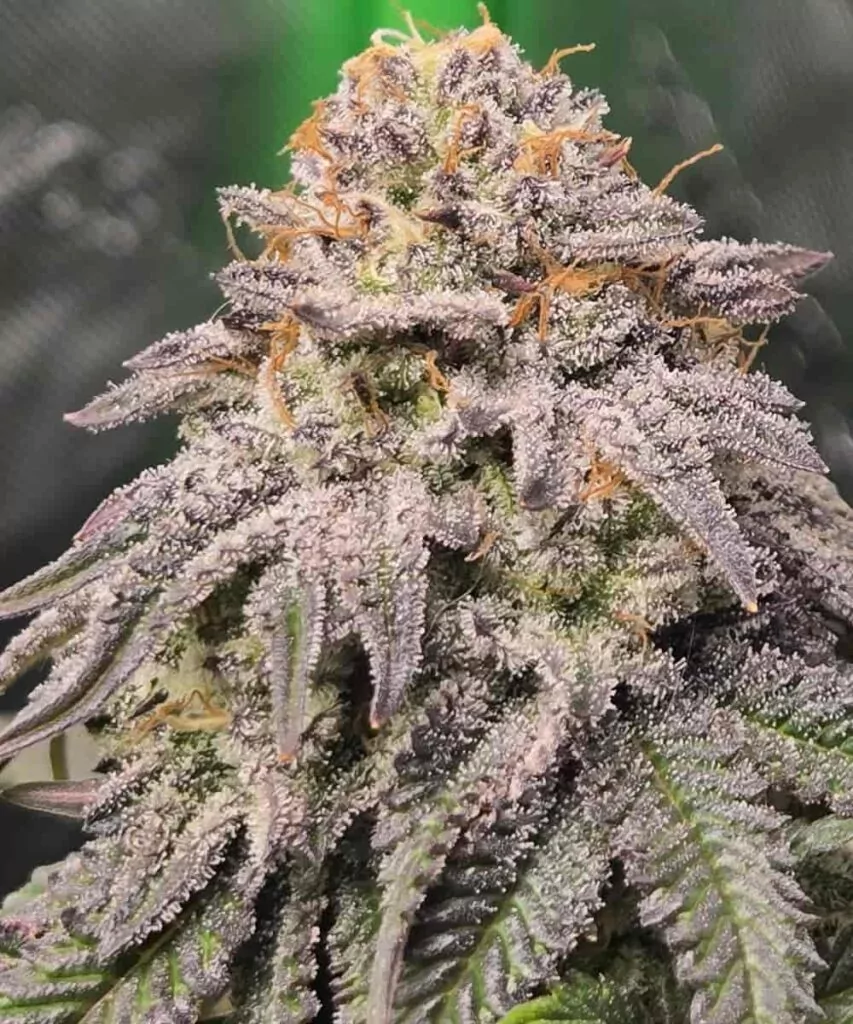


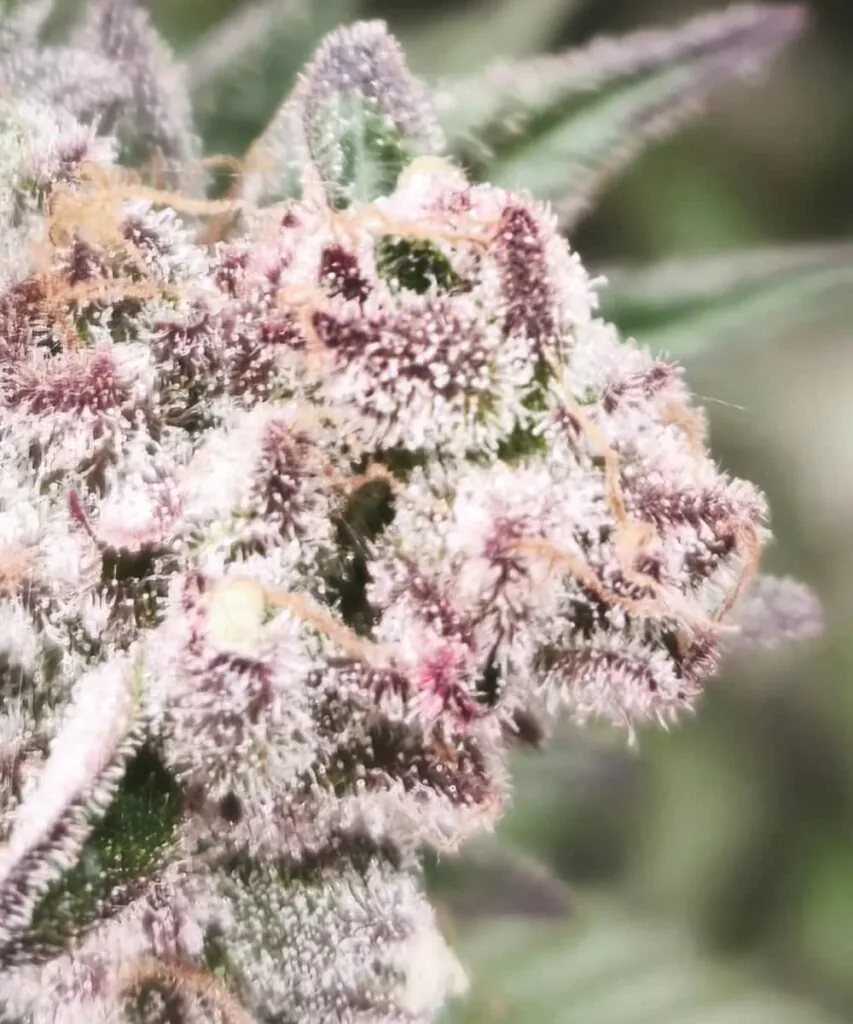
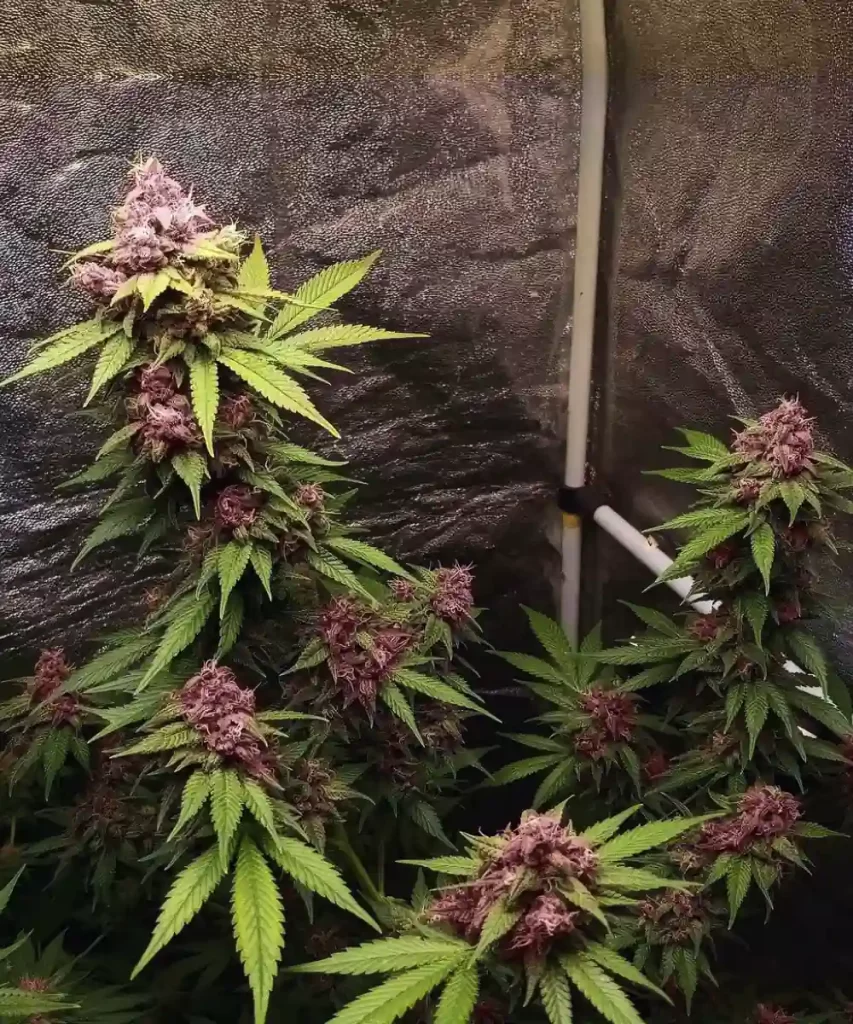
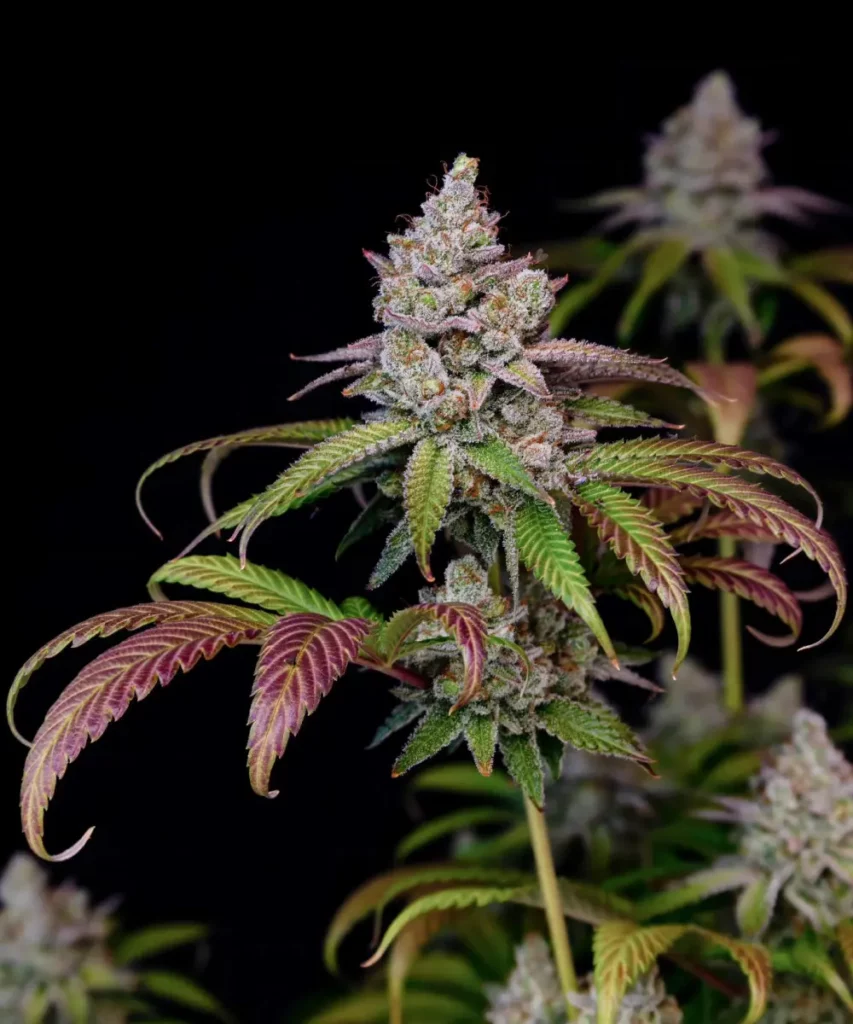
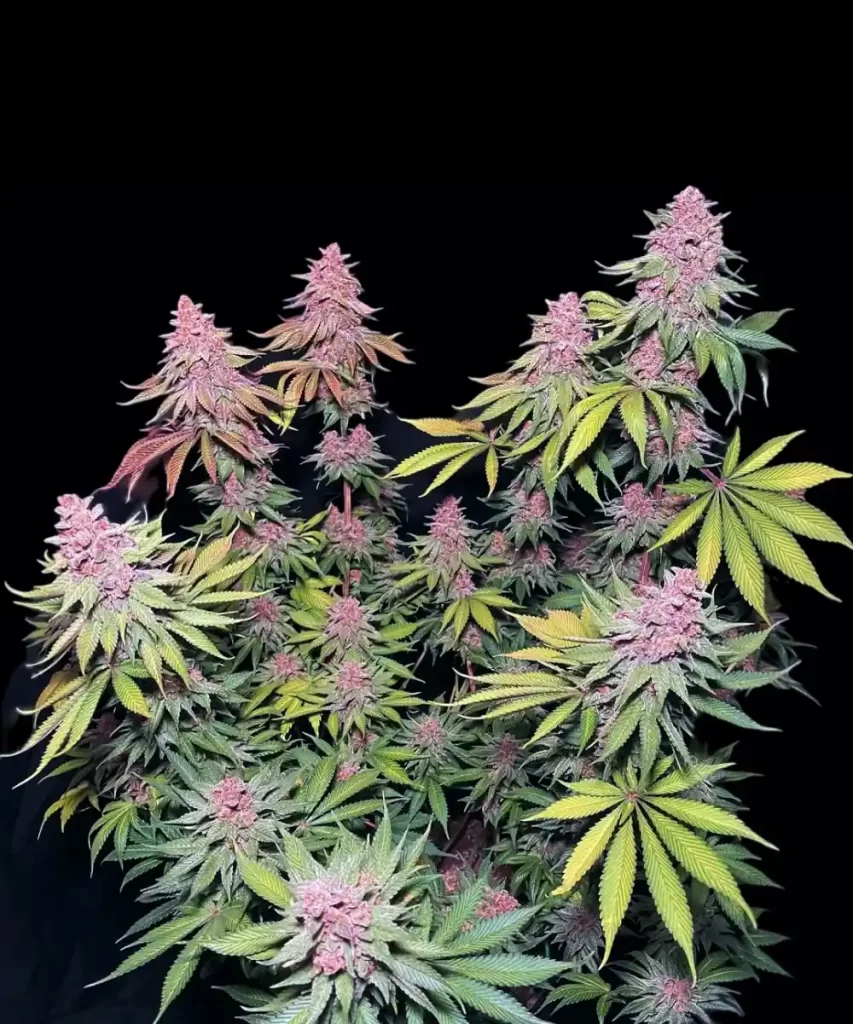

I planted 10 Super Boof seeds, and all germinated without a hitch. The plants grew strong and healthy, producing dense, frosty buds with a sweet, earthy aroma. The high is uplifting yet relaxing—a perfect balance. Impressive yield too, even with minimal effort

I’ve been growing weed for 30+ years, and to be honest, it’s quite difficult to surprise me. After a few decades of facing different strains, changing growing conditions, and solving whatever problem you could possibly think of, by then, I believe I’ve seen it all in cannabis growing.
Gary Payton defied every single one of my expectations.
The plant thrived, growing to an impressive 6 feet in what seemed like a blink of an eye. It quickly filled out with buds and displayed better smell each day, showing solid proof of superior genetics. The buds were tight, aromatic, and a source of immense pride, surpassing the outcome of many of my previous endeavors.
Hypno Seeds with their Gary Payton strain has won my complete admiration and loyalty. Outstanding genetics in this plant have truly turned what I always thought of to be an experiment with negligible expectations into one of the most satisfying grows of my long career.
Looking forward, my excitement for the next growing season is unparalleled. I can’t wait to see how much I can take these strains, especially with the attention that Gary Payton really does deserve right from the start.

TRUE MAGIC! This strain really stands out. I am trying Hypno Seeds for the first time and I surely made the right choice. I will be ordering more RS11 seeds just to keep this beauty in my garden for the upcoming season. Growing in Virginia and it’s only shown perfection by now.

Starting my latest grow, I decided to try out some Blackberry Kush from Hypno… I planted her on a whim alongside my other favorites. Hypno Seeds said it had to be a powerful plant with rich, fruity scents… Seeing is believing. She developed purplish hues and dense resin coated buds and quickly took center stage in my garden and produced much more than expected. The buds are tightly packed, literally bursting with the heady aroma. The yield? Very impressive for her conditions…
Germinated three seeds using the paper towel method with100% success rate within 48 hours. Planted in 5 gallon pots with living soil under a 315W CMH light. Plants remained compact (3.5 ft) with thick lateral branching, showing high resistance to humidity and minor nutrient fluctuations. Yield per plant: 5.8 oz of extremely dense, trichome-heavy buds. Smell profile during flower: sharp pine, pepper, and a hint of citrus. Harvested at week 9, after trichomes showed 30% amber for peak sedative effects. Smoke report: Potent. Deep relaxation without full sedation. Ideal for stress relief.


