


Seed banks that hand inspect seeds check two things before anything ships. The first is maturity: did the seed finish developing on the plant? Inspectors judge this by color, gloss, firmness, shape and size. The second is shell integrity: is the outer shell sound enough to protect the embryo? Inspectors look for cracks, pits, missing shell sections, soft or brittle texture, mold and discoloration. At Hypno Seeds, every seed is hand-inspected for both. Because the genetics are bred and stabilized in-house, that inspection backs up a monthly germination testing program. It does not replace it. Visual checks filter out the obvious duds, and germination testing proves the rest.
- Hand inspection checks every seed for maturity (dark color, glossy finish, firm shell, full teardrop shape) and shell damage (cracks, pits, softness, mold).
- Inspection covers every seed. Germination testing covers only a sample, but it is the only check that proves a batch will actually sprout.
- The seed float test mostly measures trapped air, not viability. Don’t use it to judge quality.
- Hypno Seeds pulls any batch that tests below 95%.
About the Author: The author is a US cannabis breeder that develops its own genetics and ships from a climate-controlled warehouse in Las Vegas, NV. Every seed is hand-inspected for maturity and shell integrity, and every batch is germination-tested every 30 days.
Hand inspection is the first quality filter a seed passes, and it matters because it is the only check that touches every single seed. A germination test destroys the seeds it tests, so it can only ever sample a batch. Inspection fills that gap.
A typical hand inspection follows this order:
- Size and shape sort: undersized, flat or lopsided seeds are set aside.
- Color and finish check: under good light, pale or dull seeds are flagged.
- Firmness check: gentle pressure between the fingers. A sound seed resists it.
- Surface scan: cracks, pits and missing shell sections are rejected.
- Contamination check: any mold or unusual discoloration removes the seed.
The order matters. Visual checks come first, and handling comes later, so fewer seeds get touched more than necessary.
Building on that workflow, maturity is the first real judgment call. Inspectors read it from a handful of visual and physical signals.
| Indicator | Mature Seed | Immature Seed |
|---|---|---|
| Color | Dark brown to black | Pale, whitish, green or light tan |
| Finish | Glossy | Dull |
| Markings | Tiger stripes | Faint or absent |
| Firmness | Hard shell that resists gentle pressure | Gives or crushes |
| Shape | Larger, symmetrical teardrop | Small, flat or misshapen |
Why does maturity matter so much? Think of a seed as a packed lunch. The embryo draws on stored reserves until its first root and leaves can take over. An immature seed has an embryo, but its lunch was never fully packed. It may crack open and then stall.
Markings vary between genetic lines, so good inspectors weigh all the signals together. They don’t reject on one trait alone.
💡 Pro Tip: Judge color and firmness together. A dark seed that crushes under light pressure is still a reject.
A seed can be fully mature and still fail inspection. That’s why shell integrity is checked as a separate step. Seeds are typically disqualified for the defects below.
| Defect | Why It Disqualifies the Seed |
|---|---|
| Visible cracks | Open a path for moisture and fungi, and may mean the embryo is damaged |
| Pits or missing sections | Thin spots that can fail during handling or transit |
| Soft or brittle texture | Crushes under light pressure, which often signals immaturity or degradation |
| Mold | Can spread to neighboring seeds in the same pack |
| Discoloration | Can point to moisture damage or fungal activity |
The shell works like a sealed door. A seed is meant to stay dry and dormant until you decide to wake it with water. A crack lets humidity in early, which starts the clock before the grower is ready. The embryo then burns its reserves or rots in the pack.
Shell condition also explains why the popular at-home seed float test falls short. The answer is no, not on its own.
- Floating mostly reflects trapped air and surface tension, not whether the embryo is alive.
- Healthy dry seeds often float at first and only sink after absorbing water.
- A sinker isn’t guaranteed to sprout. A cracked shell takes on water faster, so damaged seeds can sink first.
- Long soaks carry their own risk, because an embryo kept underwater too long can run short of oxygen.
Let’s be real: the float test is a fun ritual, not a quality control method. Inspecting seeds at the source and testing germination on real batches tells you far more.
Inspection only spots symptoms. A breeder that controls production can also fix causes. Any seller can inspect the seeds it receives. A breeder that controls pollination, harvest timing, drying and storage can trace a cluster of rejects back to the plants and decisions that produced them.
That’s the logic behind how we work at Hypno Seeds. Our lines are developed and stabilized in-house over multiple generations. Exclusive strains like Red Chile Truffle, Sticky Kitty Trippy Punch and Red Pistachio Auto come out of that program. Seeds are stored in a climate-controlled warehouse and orders are dispatched within 24 hours, so stock doesn’t sit and age on a shelf. Freshness doesn’t show on a seed’s surface, which makes storage just as important as inspection.
Inspection sets up the result, but germination rate is the number that proves it. When you compare the best seed banks in the USA, ask how that number is measured, not only what it is.
| Check | Covers | What It Proves |
|---|---|---|
| Hand inspection | Every seed | Visible maturity and an intact shell |
| Germination test | A sample from each batch | Real-world viability |
| Seed float test | Whatever you drop in water | Very little |
For high germination rate seeds, look for both layers working together. Hypno Seeds germination-tests every batch every 30 days and pulls any batch below 95% from inventory. That applies across our feminized seeds and autoflower lines alike. When you’re shortlisting the best seed banks for 2026, a documented retest schedule is a far better sign than a single headline percentage.
Sometimes the most reliable seed is simply the one somebody bothered to look at twice.
Yes. Look for dark brown to black color, a glossy finish and a teardrop shape, and press gently to confirm the shell is hard. You don’t need to be a master grower to spot a pale, soft seed.
Sometimes they do, but the odds drop. An immature embryo has fewer stored reserves to power its first root and leaves.
It won’t tell you much about viability. If you soak seeds, keep it brief and move them to a damp germination medium once they sink or the taproot appears.
Not always, but the risk of moisture damage and fungal infection rises sharply. That’s why careful inspectors reject cracked seeds outright.
Keep them cool, dark and dry in an airtight container, and avoid temperature swings. Cannabis cultivation laws differ by state and locality, so check and follow your own before germinating.
Hypno Seeds offers a germination guarantee with a replacement policy. Review the current terms on the website before you start.
Hypno Seeds is a US-based cannabis breeder that develops and stabilizes its own genetics over multiple generations. That gives the company direct control from parent plant to packed order. Every seed is hand-inspected for maturity and shell integrity, and every batch is germination-tested every 30 days against a 95% threshold. Orders ship from a climate-controlled Las Vegas, NV warehouse within 24 hours, with discreet, tracked delivery in 2-5 business days.
Want genetics that were inspected seed by seed and tested batch by batch? Browse the full range at the Hypno Seeds shop, or learn more about how we breed at http://hypnoseeds.com.


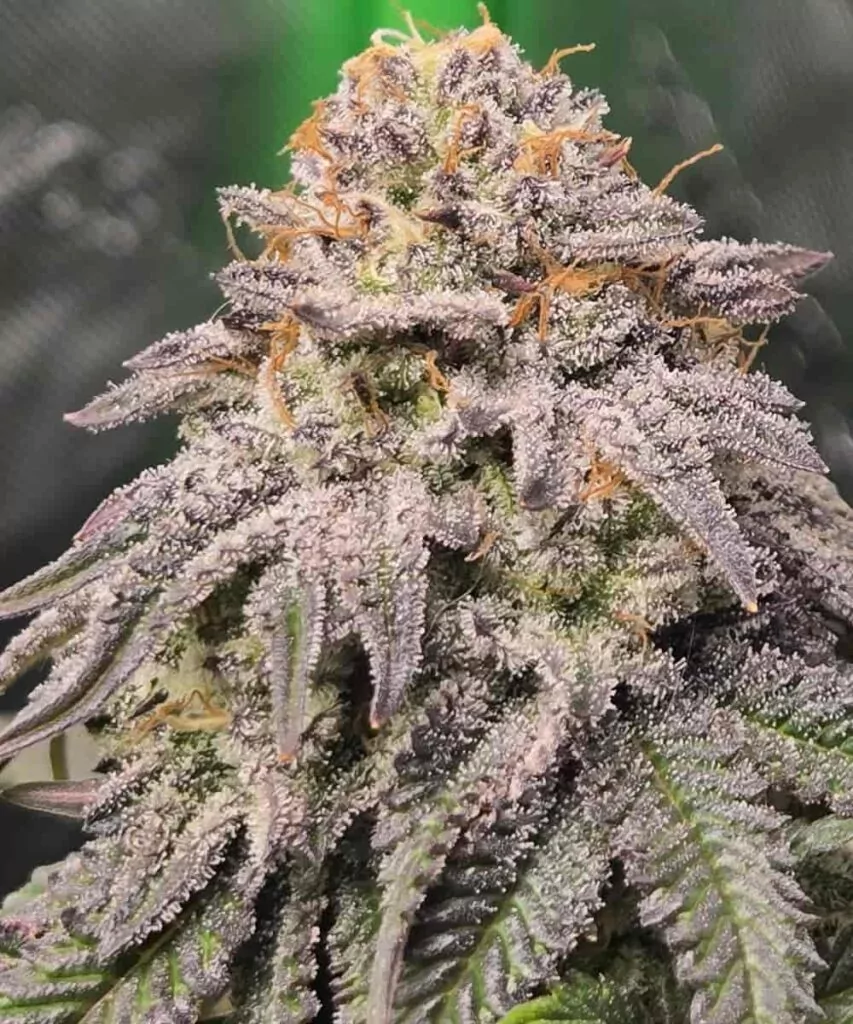


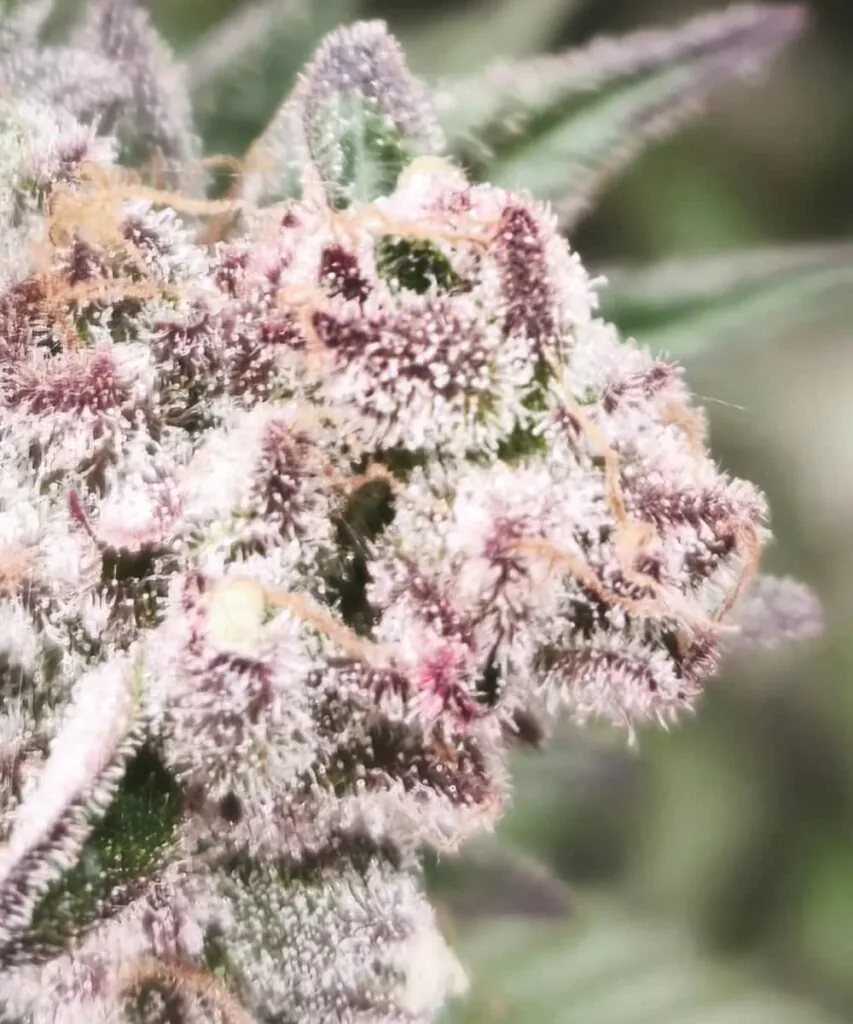
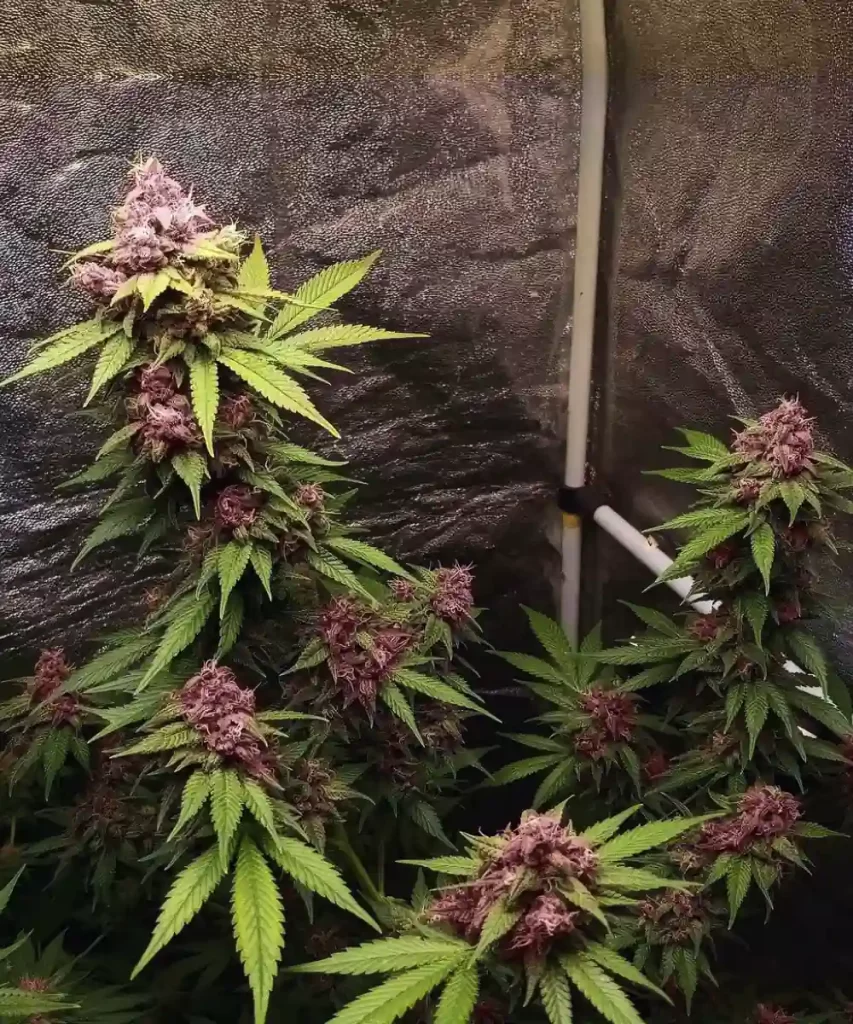
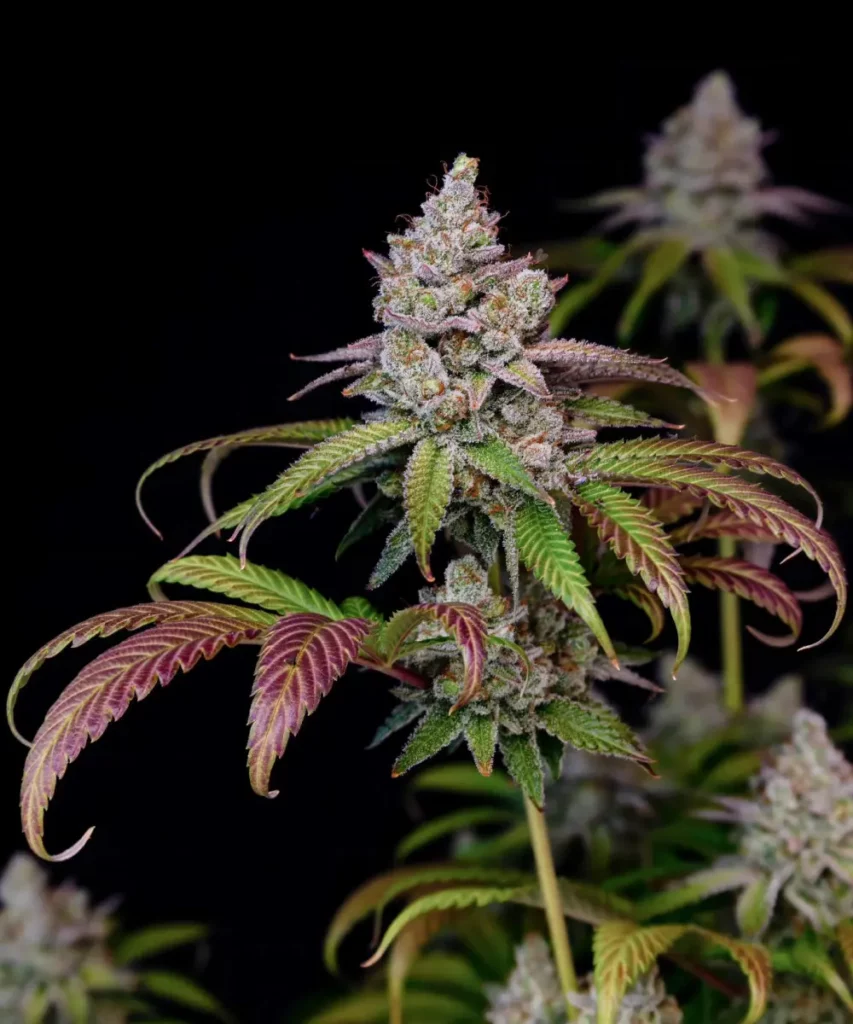
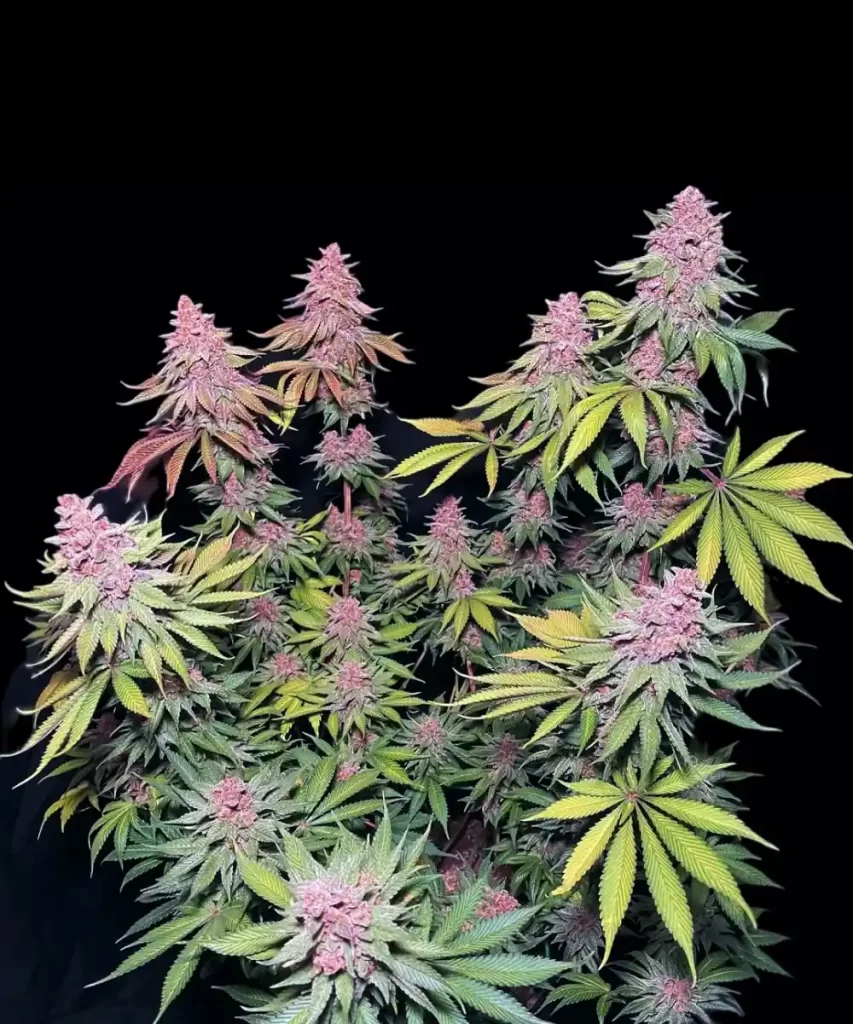

I planted 10 Super Boof seeds, and all germinated without a hitch. The plants grew strong and healthy, producing dense, frosty buds with a sweet, earthy aroma. The high is uplifting yet relaxing—a perfect balance. Impressive yield too, even with minimal effort

I’ve been growing weed for 30+ years, and to be honest, it’s quite difficult to surprise me. After a few decades of facing different strains, changing growing conditions, and solving whatever problem you could possibly think of, by then, I believe I’ve seen it all in cannabis growing.
Gary Payton defied every single one of my expectations.
The plant thrived, growing to an impressive 6 feet in what seemed like a blink of an eye. It quickly filled out with buds and displayed better smell each day, showing solid proof of superior genetics. The buds were tight, aromatic, and a source of immense pride, surpassing the outcome of many of my previous endeavors.
Hypno Seeds with their Gary Payton strain has won my complete admiration and loyalty. Outstanding genetics in this plant have truly turned what I always thought of to be an experiment with negligible expectations into one of the most satisfying grows of my long career.
Looking forward, my excitement for the next growing season is unparalleled. I can’t wait to see how much I can take these strains, especially with the attention that Gary Payton really does deserve right from the start.

TRUE MAGIC! This strain really stands out. I am trying Hypno Seeds for the first time and I surely made the right choice. I will be ordering more RS11 seeds just to keep this beauty in my garden for the upcoming season. Growing in Virginia and it’s only shown perfection by now.

Starting my latest grow, I decided to try out some Blackberry Kush from Hypno… I planted her on a whim alongside my other favorites. Hypno Seeds said it had to be a powerful plant with rich, fruity scents… Seeing is believing. She developed purplish hues and dense resin coated buds and quickly took center stage in my garden and produced much more than expected. The buds are tightly packed, literally bursting with the heady aroma. The yield? Very impressive for her conditions…
Germinated three seeds using the paper towel method with100% success rate within 48 hours. Planted in 5 gallon pots with living soil under a 315W CMH light. Plants remained compact (3.5 ft) with thick lateral branching, showing high resistance to humidity and minor nutrient fluctuations. Yield per plant: 5.8 oz of extremely dense, trichome-heavy buds. Smell profile during flower: sharp pine, pepper, and a hint of citrus. Harvested at week 9, after trichomes showed 30% amber for peak sedative effects. Smoke report: Potent. Deep relaxation without full sedation. Ideal for stress relief.


