


Gelonade is a refreshing, citrus-forward sativa-leaning strain that blends zesty lemon and diesel with a touch of honey sweetness. Its profile is bright, aromatic, and instantly recognizable during flower. With genetics from Lemon Tree and Gelato 41, Gelonade grows vigorous, stretches nicely, and produces frosty buds with excellent terpene expression. If you want to grow Gelonade strain, expect an energetic, happy, and sociable plant that responds well to training and rewards attention with quality yields and memorable aroma.


Gelonade is great for growers who want a punchy sativa experience without huge height or long flower time. It finishes quickly, produces strong terpene aromas, and forms dense, resinous buds. The plant reacts well to training, especially low stress training and light topping, which boosts yields and improves light penetration. If you want a strain that brings bright citrus flavor, social effects, and manageable indoor size, Gelonade delivers consistently.
Gelonade thrives in a 3×3 or 4×4 grow tent with a 300 to 480 W LED. Use 5–7 gallon pots with a well draining medium like coco or light soil.
Key indoor notes

Outdoors, Gelonade prefers warm, sunny climates with steady winds.
Key outdoor notes
| Stage | Temp | Humidity | Light Cycle |
|---|---|---|---|
| Germination | 72–78 F | 70 percent | 18/6 |
| Seedling | 72–77 F | 60–65 percent | 18/6 |
| Vegetative | 72–80 F | 55–60 percent | 18/6 |
| Pre-Flower | 72–80 F | 50–55 percent | 18/6 → 12/12 |
| Flower | 68–78 F | 45–50 percent | 12/12 |
| Ripening | 65–75 F | 40–45 percent | 12/12 |
Gelonade sprouts with compact vigor and forms broad sativa-leaning leaves early.
What to do
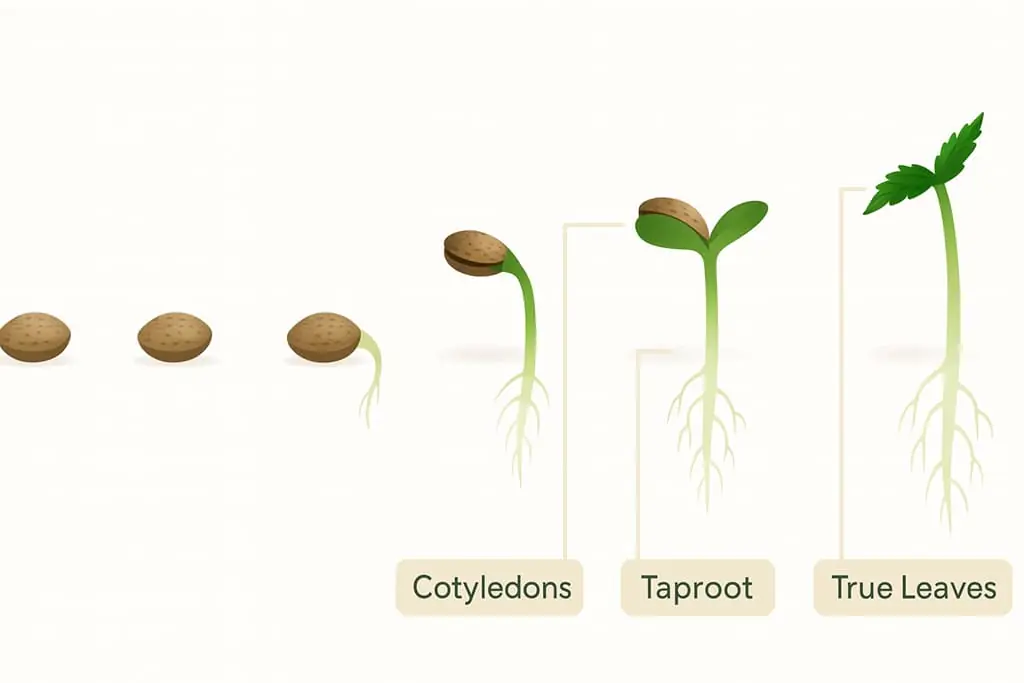
Growth ramps up and side branches start forming.
What to do
This is prime week to begin shaping Gelonade.
What to do
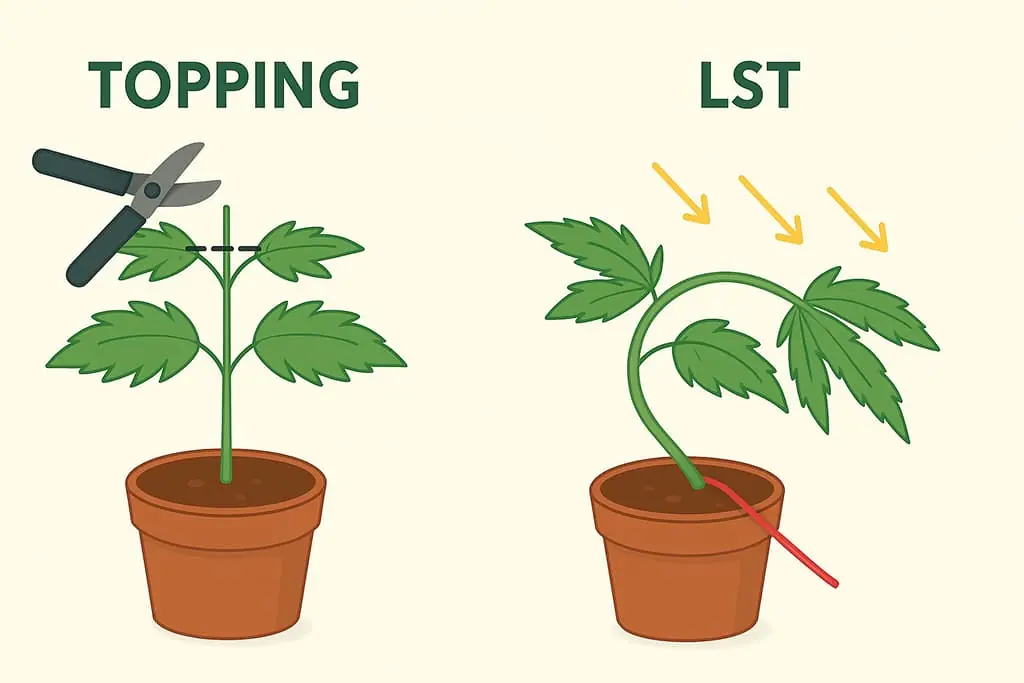
Once flipped to 12/12, expect a noticeable stretch.
What to do
Aromas of diesel, honey, and lemon start to fill the space.
What to do
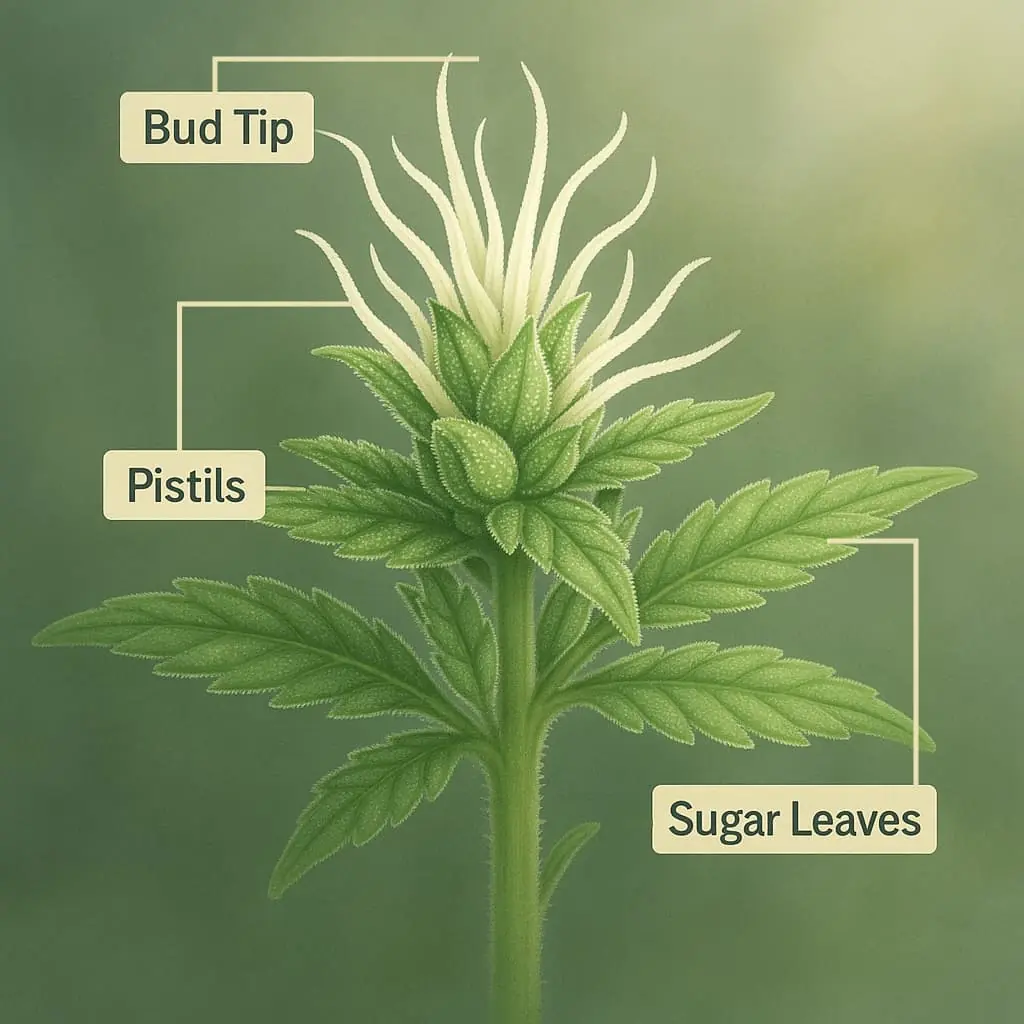
Buds finish forming and resin ramps up.
What to do
Harvest at end of September when trichomes hit your desired maturity.
What to do
Gelonade is an excellent sativa-leaning choice for growers who want citrusy, sweet, and diesel aromas with happy, sociable, and relaxed effects. If you want to grow Gelonade strain and learn how to grow Gelonade strain with confidence, this guide gives you all the tools from germination to cure.
👉 Browse more sativa-leaning genetics
How long does Gelonade take to flower?
About 8 to 9 weeks indoors.
Is Gelonade easy to grow?
Yes. Its stable genetics and moderate height make it approachable for many growers.
How tall does Gelonade get?
Expect around 50–60 inches depending on veg time and environment.
Indoor or outdoor?
Both perform well. Indoors gives best terpene control; outdoors can yield larger plants in sunny climates.


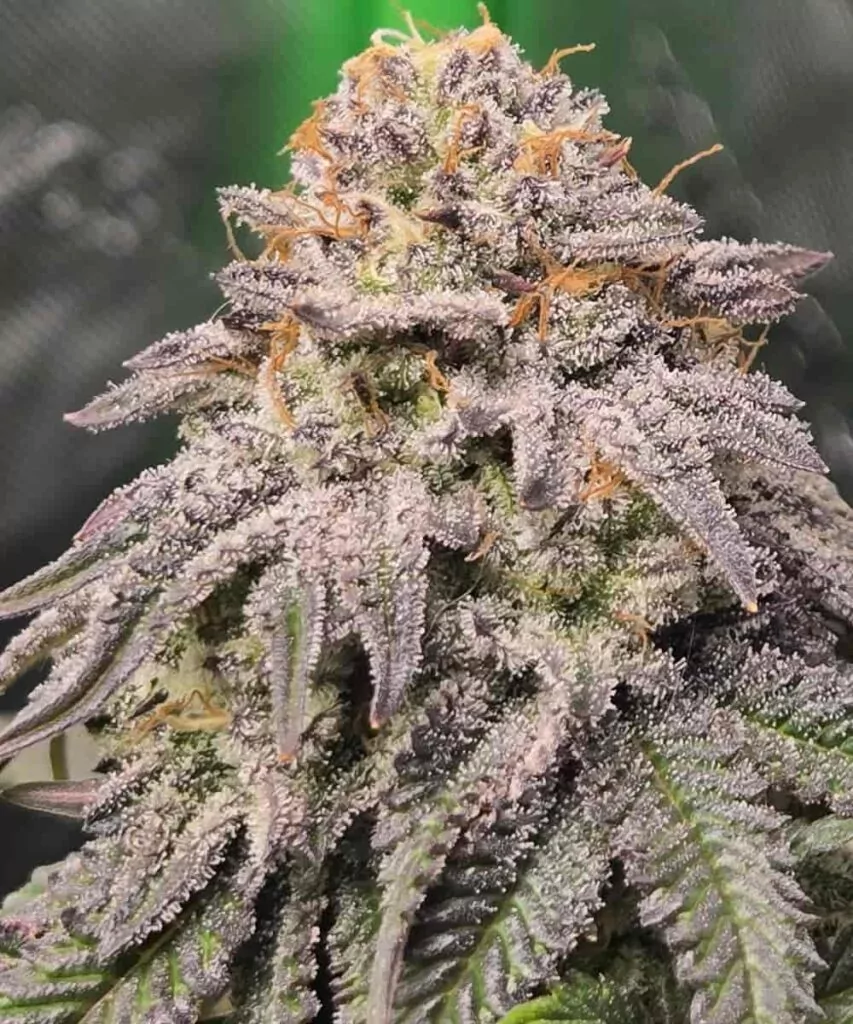


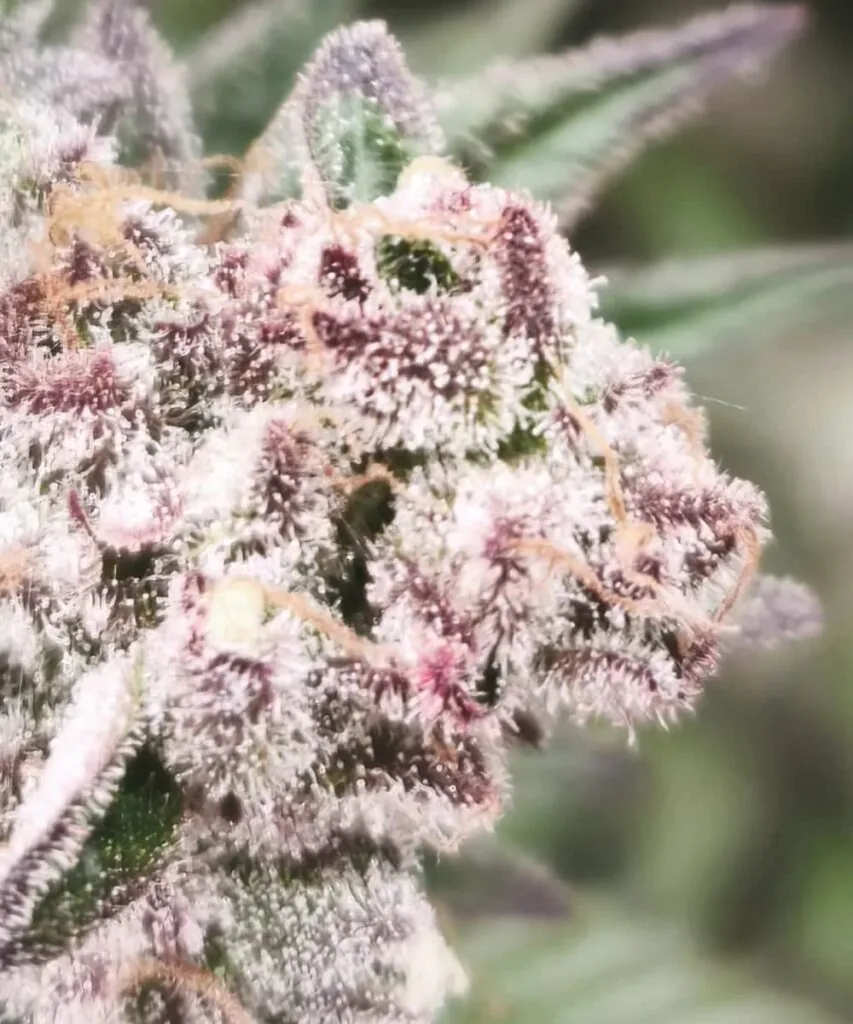
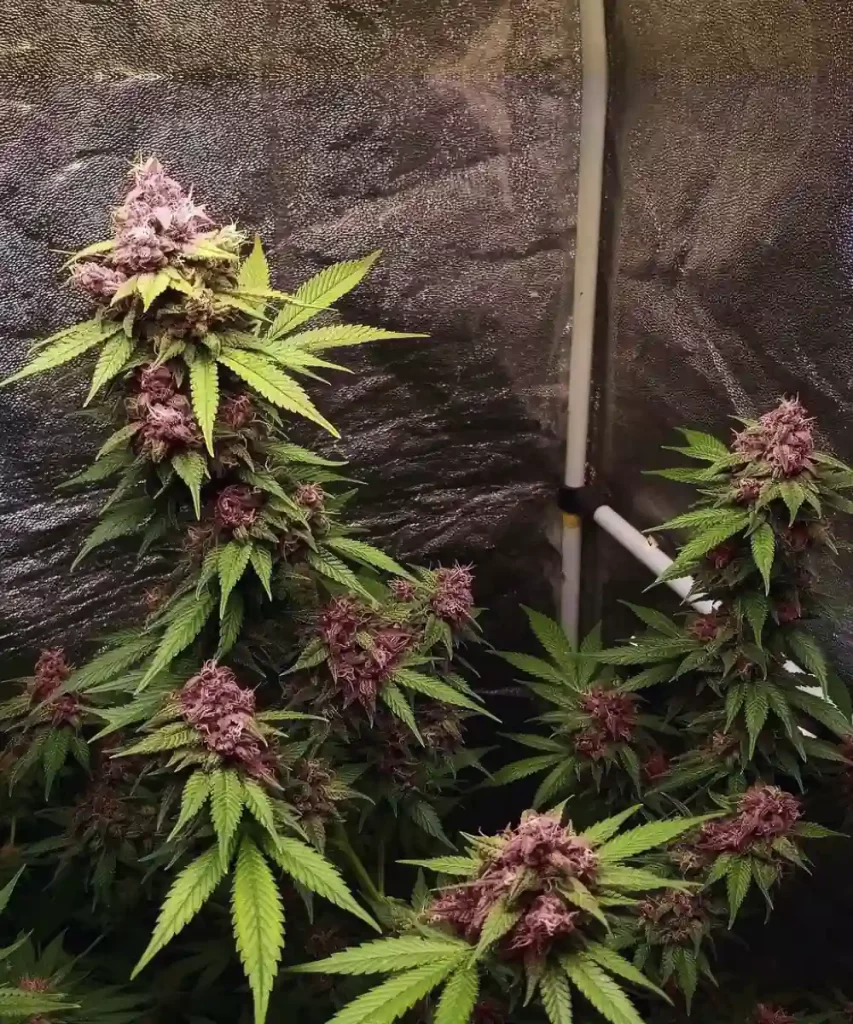
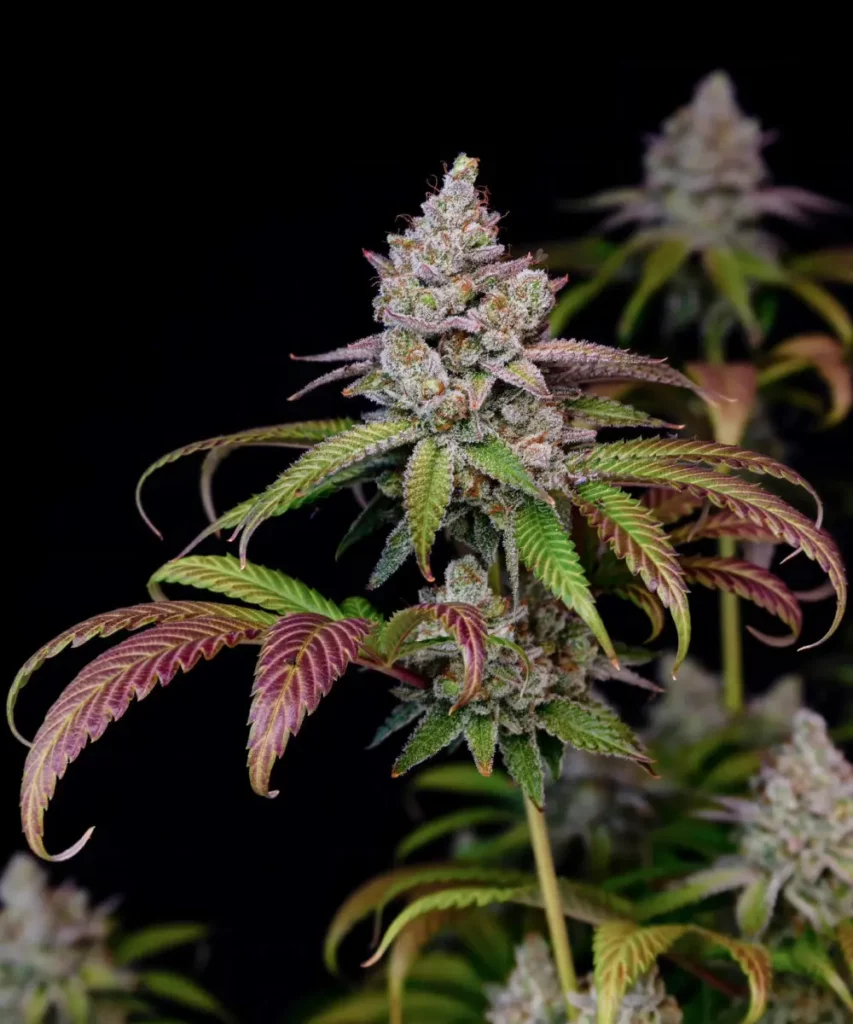
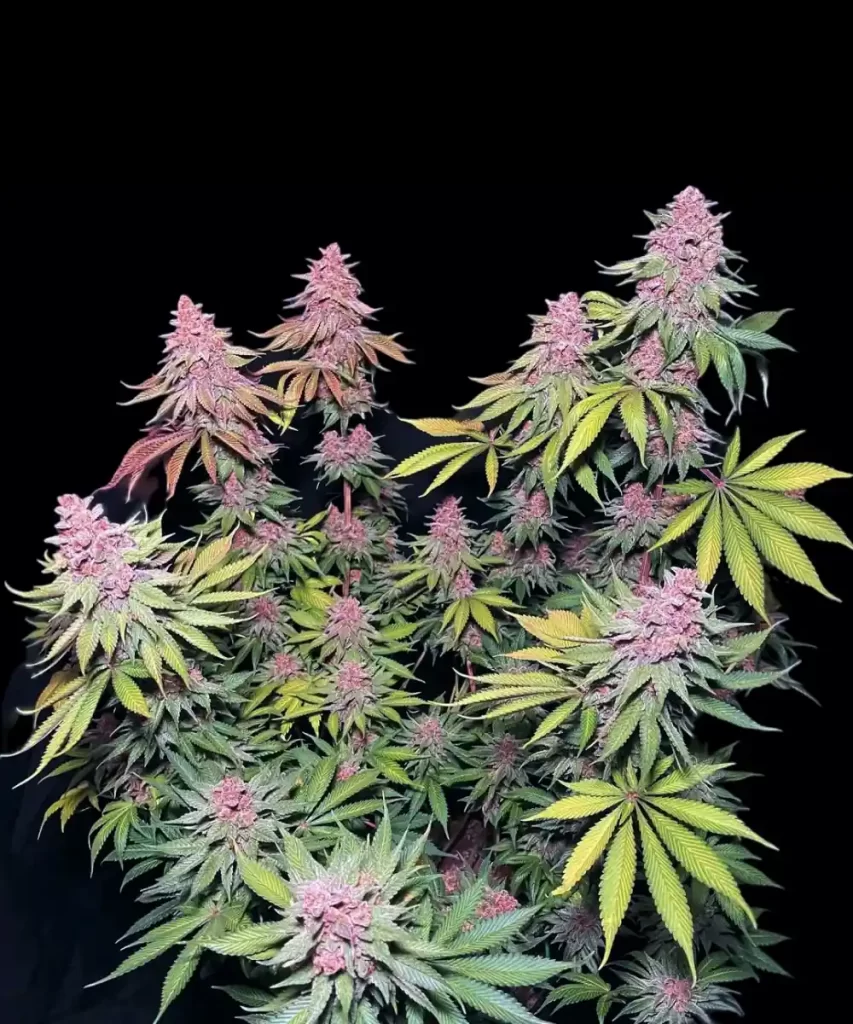

I planted 10 Super Boof seeds, and all germinated without a hitch. The plants grew strong and healthy, producing dense, frosty buds with a sweet, earthy aroma. The high is uplifting yet relaxing—a perfect balance. Impressive yield too, even with minimal effort

I’ve been growing weed for 30+ years, and to be honest, it’s quite difficult to surprise me. After a few decades of facing different strains, changing growing conditions, and solving whatever problem you could possibly think of, by then, I believe I’ve seen it all in cannabis growing.
Gary Payton defied every single one of my expectations.
The plant thrived, growing to an impressive 6 feet in what seemed like a blink of an eye. It quickly filled out with buds and displayed better smell each day, showing solid proof of superior genetics. The buds were tight, aromatic, and a source of immense pride, surpassing the outcome of many of my previous endeavors.
Hypno Seeds with their Gary Payton strain has won my complete admiration and loyalty. Outstanding genetics in this plant have truly turned what I always thought of to be an experiment with negligible expectations into one of the most satisfying grows of my long career.
Looking forward, my excitement for the next growing season is unparalleled. I can’t wait to see how much I can take these strains, especially with the attention that Gary Payton really does deserve right from the start.

TRUE MAGIC! This strain really stands out. I am trying Hypno Seeds for the first time and I surely made the right choice. I will be ordering more RS11 seeds just to keep this beauty in my garden for the upcoming season. Growing in Virginia and it’s only shown perfection by now.
Starting my latest grow, I decided to try out some Blackberry Kush from Hypno… I planted her on a whim alongside my other favorites. Hypno Seeds said it had to be a powerful plant with rich, fruity scents… Seeing is believing. She developed purplish hues and dense resin coated buds and quickly took center stage in my garden and produced much more than expected. The buds are tightly packed, literally bursting with the heady aroma. The yield? Very impressive for her conditions…
Germinated three seeds using the paper towel method with100% success rate within 48 hours. Planted in 5 gallon pots with living soil under a 315W CMH light. Plants remained compact (3.5 ft) with thick lateral branching, showing high resistance to humidity and minor nutrient fluctuations. Yield per plant: 5.8 oz of extremely dense, trichome-heavy buds. Smell profile during flower: sharp pine, pepper, and a hint of citrus. Harvested at week 9, after trichomes showed 30% amber for peak sedative effects. Smoke report: Potent. Deep relaxation without full sedation. Ideal for stress relief.

TL;DR Looking for cannabis strains that fuel your productivity instead […]


