




What Are Gelonade Seeds?
Gelonade seeds grow into a feminized photoperiod Sativa strain created by crossing Lemon Tree with Gelato #41. It combines the bright citrus terpene profile of Lemon Tree with the creamy dessert influence of Gelato. Dense, trichome-covered buds and strong THC potential helped this lineage gain recognition among modern West Coast cultivars.
 EffectCalming, Energetic, Happy, Sociable, relax
 Indoor Yield / Outdoor Yield1.5-1.8 oz/ft² / 10-15 oz/plant
 THC / CBDUp to 30% / Up to 0.50%
 Genetics / GenderLemon Tree x Gelato 41 / FeminizedHarvest / FloweringEnd of September / 8-9 weeksHeight50-60 inch
 FlavorDiesel, Honey, Lemon Tree
 Type30% Indica / 70% Sativa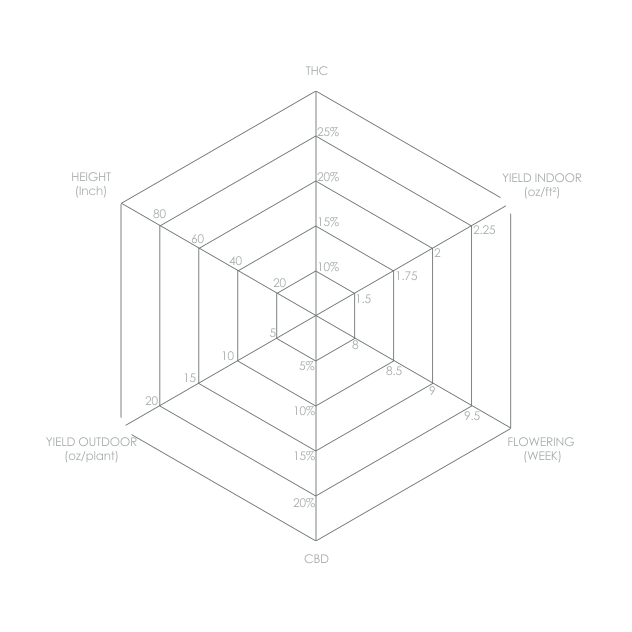

FLAVORS & EFFECTS
Sharp lemon and sweet citrus dominate the flavor, followed by soft vanilla-cookie undertones. Terpenes such as limonene, caryophyllene, and linalool shape an uplifting effect that often feels energetic and social while maintaining a light physical calm.

VANILLA CREAM
Soft creamy scent with delicate vanilla sweetness and a smooth, comforting finish.

SHARP PEPPER
Crisp peppery scent with dry spice and a slightly pungent aromatic bite.

EARTHY FOREST
Deep earthy scent reminiscent of damp soil, moss, and fresh woodland air.

DIESEL
DIESEL Bold pungent aroma with strong fuel-like intensity and sharp resinous notes.

CREATIVE FLOW
CREATIVE FLOW A smooth stream of thoughts and imagination that supports artistic expression and problem-solving.

SOCIAL EASE
A relaxed and open mental state that supports conversation and comfortable social interaction.

ELEVATED MOOD
A positive shift in mood that brings lightness, optimism, and a sense of well-being.

PRODUCTIVE FOCUS
A clear and concentrated mental state that helps maintain attention and complete tasks efficiently.
Gelonade Grown by our customers

You may also like…


Ice Cream Cake


Jealousy




Biscotti
Usefull information and FAQ
- Are Gelonade seeds easy to grow?
Gelonade seeds are moderately easy, but not “set and forget.” The plant grows vigorously and adapts well, yet its dense buds and fast development require stable humidity and airflow. Growers who maintain consistency will get strong results, while fluctuations can quickly affect quality.
- How do you train Gelonade plants?
Topping combined with low-stress training or SCROG works best. Gelonade develops strong lateral branching, so opening the canopy early improves light distribution and airflow. If left untrained, the plant stretches and shades lower bud sites, reducing overall efficiency.
- Does Gelonade stretch a lot?
Yes, Gelonade can stretch noticeably during early flowering. Managing structure before the flip is essential to maintain an even canopy. Without early control, vertical growth dominates and reduces light penetration to lower branches.
- Does Gelonade need strong airflow?
Absolutely. Despite being considered easy to grow, Gelonade is prone to mold and mildew if airflow is poor. Keeping consistent ventilation and controlling humidity helps prevent issues and supports healthy bud development.
- What’s the ideal feeding strategy?
Gelonade responds well to balanced feeding. Higher nitrogen in veg and a gradual shift to phosphorus and potassium in flowering works best. Overfeeding can cause nutrient burn and reduce terpene clarity, especially during late flower when the plant focuses on resin production.
- What’s the biggest mistake growing Gelonade?
Poor canopy management is a common mistake. Letting the plant grow too dense without pruning reduces airflow and creates humidity pockets. This increases mold risk and weakens inner bud development, especially in late flowering stages.
- Who should grow Gelonade seeds?
Gelonade seeds are ideal for growers looking for a balanced, high-quality hybrid with strong terpene expression. It suits indoor setups or warm outdoor climates where environment can be controlled. Growers who enjoy training and optimizing canopy structure will get the best results.


