

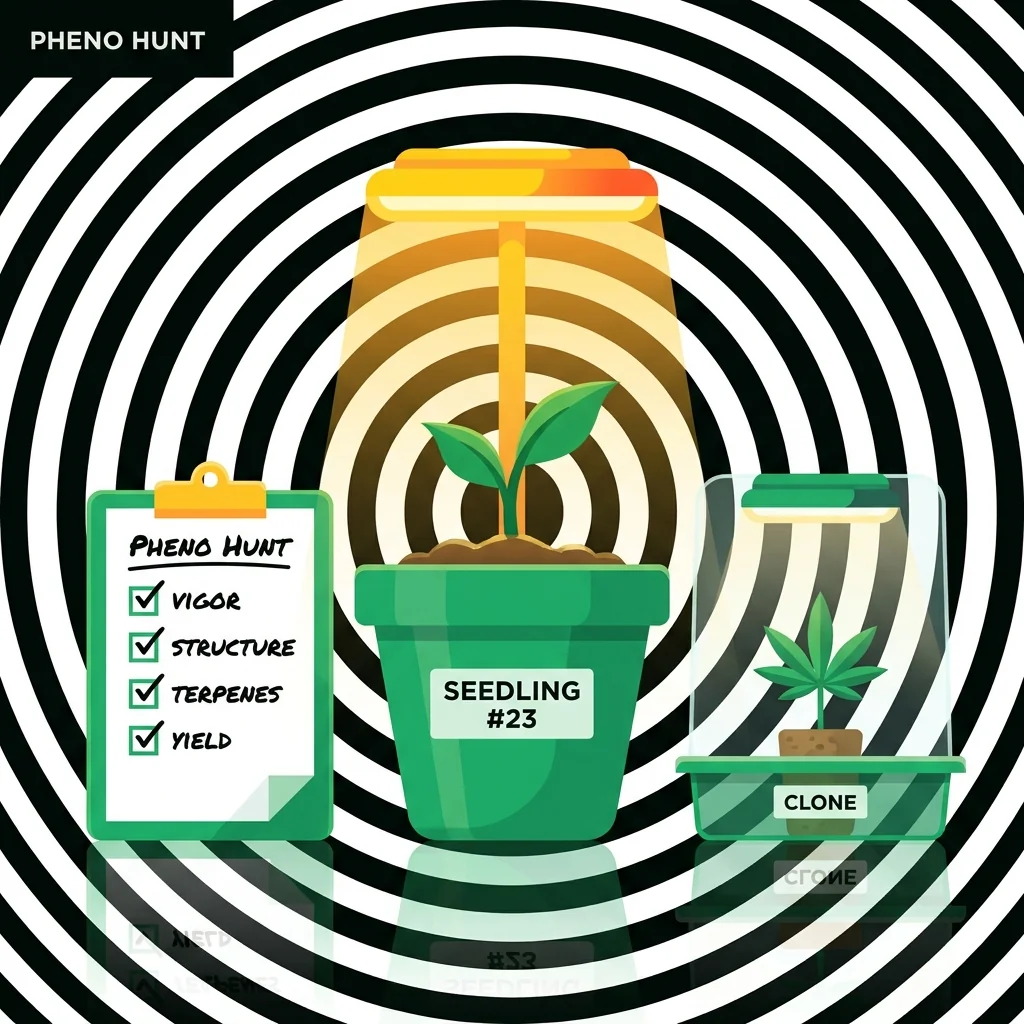
Starting a pheno hunt from a stable breeding line is different from hunting an unstable cross. You’ll need fewer seeds, sharper scoring, and tighter environmental control. Siblings from a stable line share more genetics, so variation is narrower. Stabilization happens before the seeds reach you, which lets your hunt focus on refinement instead of rescue.
TL;DR
About the Author: Written by the Hypno Seeds breeding team. We develop and stabilize our own genetics in-house, germination-test every batch every 30 days, and release exclusives such as Red Chile Truffle and Sticky Kitty Trippy Punch from that same program.
The plan starts with a clear definition, because a stable line changes what you’re hunting for. Phenotype hunting is the systematic process of germinating seeds from one lineage and selecting the best expression of those genetics based on plant structure, terpene profile, yield potential and pest resistance. The keeper is then preserved as a mother plant that supplies genetically identical clones.
Think of genetics as a deck of cards. An unstable cross is a fully shuffled deck, so any hand can come up. A breeder who selects over several generations removes the cards they don’t want, so every hand you deal looks more alike. You’re still hunting for the best hand. You’re just far less likely to draw a bad one.
That shifts three parts of your plan:
In short: a hunt from an unstable cross is a search. A hunt from a stable line is a selection.
Because a stable line narrows variation, seed count is the first decision it changes. Home growers working a stable line rarely need that scale.
| Seed Source | Typical Hunt Size | Main Goal |
|---|---|---|
| Stable feminized line | One to two packs | Refine: pick the best of consistent siblings |
| Unstable cross or polyhybrid | 50+ seeds | Search: find a rare outlier |
| Regular seeds | Extra seeds to cover culled males | Selection, sometimes future breeding |
| Autoflower line | As many as space allows | Judge the line, not a mother |
Germination odds help too. We germination-test every batch every 30 days and pull any batch that tests below 95%, so you can plan your hunt around tested stock.
Once seed count is set, the next decision is what you’ll judge those plants on. A scorecard is a written list of traits, weighted by your goal, that you fill in at fixed checkpoints.
| Trait | When to Score | What to Look For |
|---|---|---|
| Vigor | Seedling to early veg | Fast emergence, even growth |
| Structure | Late veg | Node spacing, branching, canopy fill |
| Pest and mold resistance | Whole grow | Which plants stay clean under the same pressure |
| Stretch and finish time | Flower | Predictable stretch, on-time finish |
| Terpene expression | Stem rub in veg, then after cure | Intensity and fidelity to the line |
| Yield | After drying | Dry weight per plant |
Set your weighting before seeds crack. Otherwise you’ll fall for the loudest-smelling plant and forgive weak structure.
With the scorecard written, the hunt itself follows a repeatable sequence. Growers must check and follow cannabis cultivation laws that differ by state and locality.
Building on that sequence, a hunt is only as fair as the room it runs in. Every candidate needs the same pot size, medium, feed, light distance and airflow, so differences come from genetics rather than position.
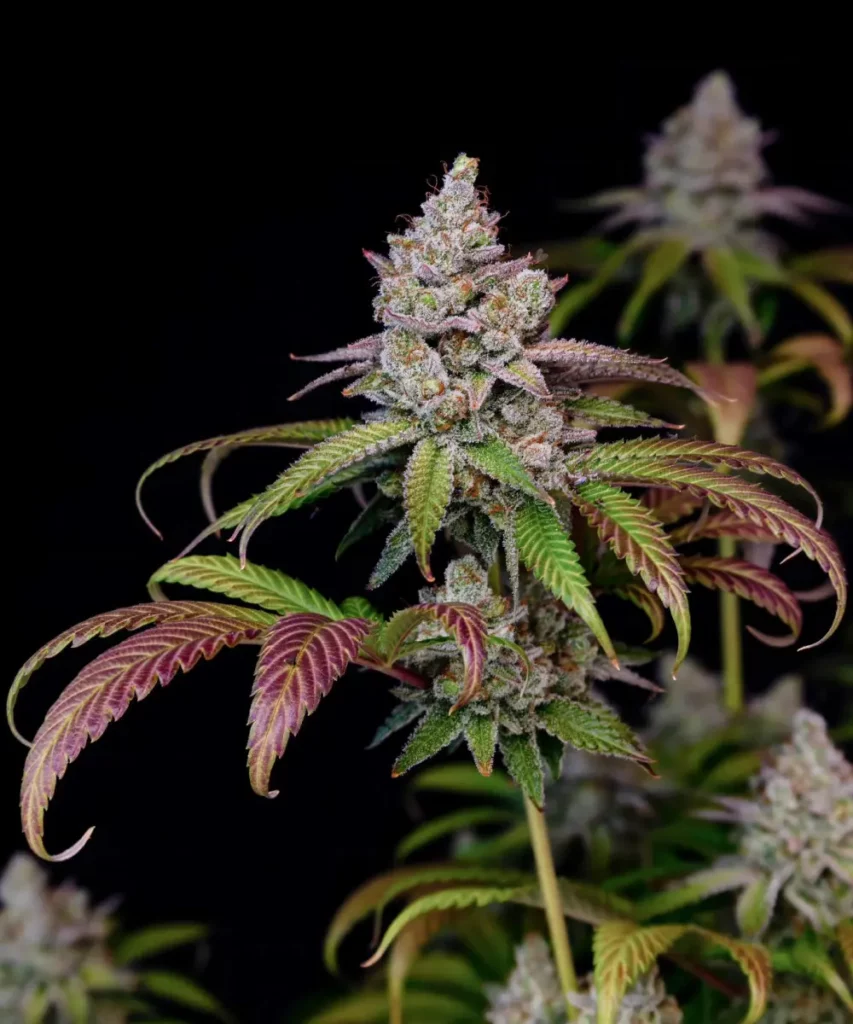
Color is the classic trap. A 2025 study published in the Journal of Cannabis Research found that anthocyanin, the pigment behind purple hues, peaked in plants held at constant cool temperatures of 8°C and 15°C. In a purple strain hunt, a plant parked near a cold intake may color up from temperature alone while a sibling with equal color genetics stays green.
A related but distinct question is which line to start with. The best candidate is one bred for consistency, so your hunt refines rather than rescues. We’ve selected three from our own breeding program.
Red Chile Truffle – The In-House Exclusive
Stabilized in-house, so siblings start from a consistent baseline and subtle differences in structure and terpene intensity are easier to score. Shop Red Chile Truffle
Sticky Kitty Trippy Punch – The Full Scorecard Run
A breeder-developed exclusive suited to a complete hunt with clones and re-runs. Shop Sticky Kitty Trippy Punch
Red Pistachio Auto – The Line-Level Hunt
An autoflowering exclusive. Run several seeds to judge how uniformly the line performs in your space. Shop Red Pistachio Auto
If terpene expression tops your scorecard, the Flavor Collection is a sensible place to shortlist lines.
The plant from a hunt that best matches your scorecard, kept as a mother so its traits can be reproduced through clones.
Yes, at the line level. Autoflower clones follow the parent’s age clock and flower quickly, so keeping a mother isn’t practical. You select the best-performing seed line instead.
Yes. They remove the male culling that regular-seed growers must plan around, so every slot holds a potential keeper.
During veg, before flipping. You can’t judge a phenotype until it flowers, and you can’t easily keep one once it has.
No. Potency in a high-THC strain depends on genetics and grow conditions. The line sets the ceiling. Your environment decides how close each plant gets.
At least one full grow cycle plus a confirming clone re-run. Duration depends on flowering time and how many rounds you need.
Hypno Seeds is a US-based cannabis seed breeder that develops and stabilizes its own genetics in-house rather than reselling third-party stock. That multi-generation stabilization work is what makes a home pheno hunt smaller and sharper. Every batch is germination-tested every 30 days, batches below 95% are pulled, and every seed is hand-inspected before dispatch within 24 hours from our climate-controlled Las Vegas, NV warehouse. Orders typically arrive in 2-5 business days with tracking, backed by a germination guarantee.
The best keeper is the one that wins on the scorecard you wrote before you fell for it.


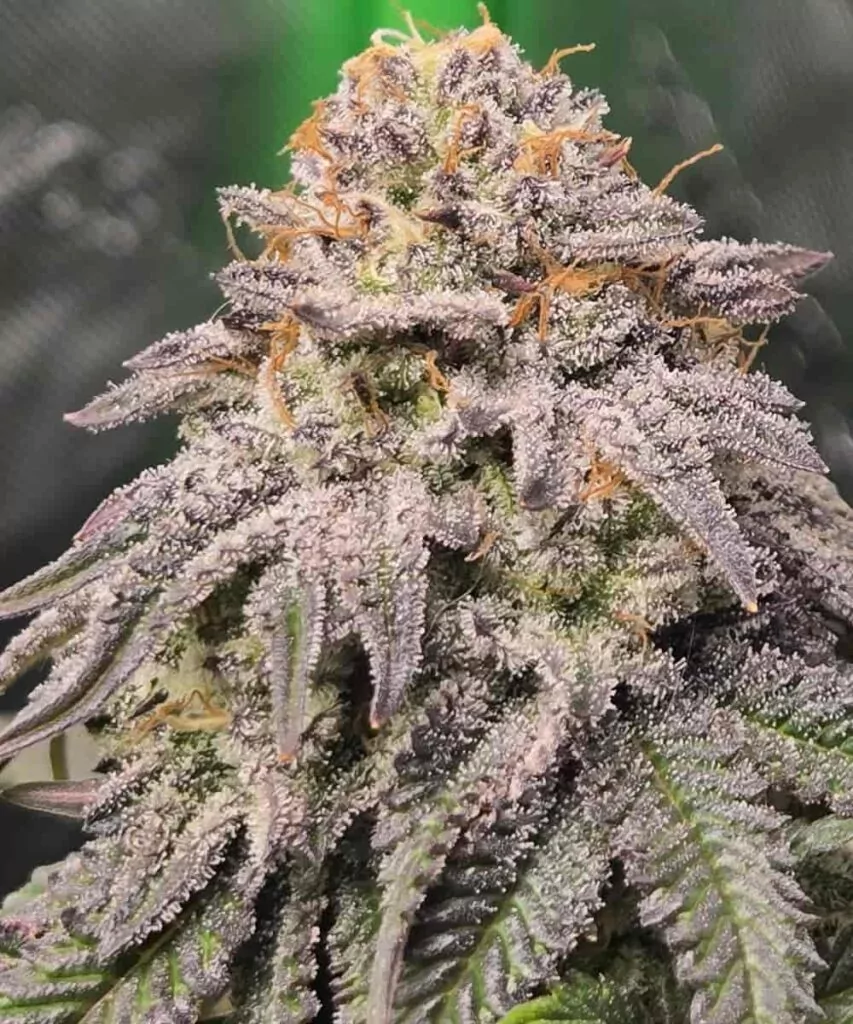


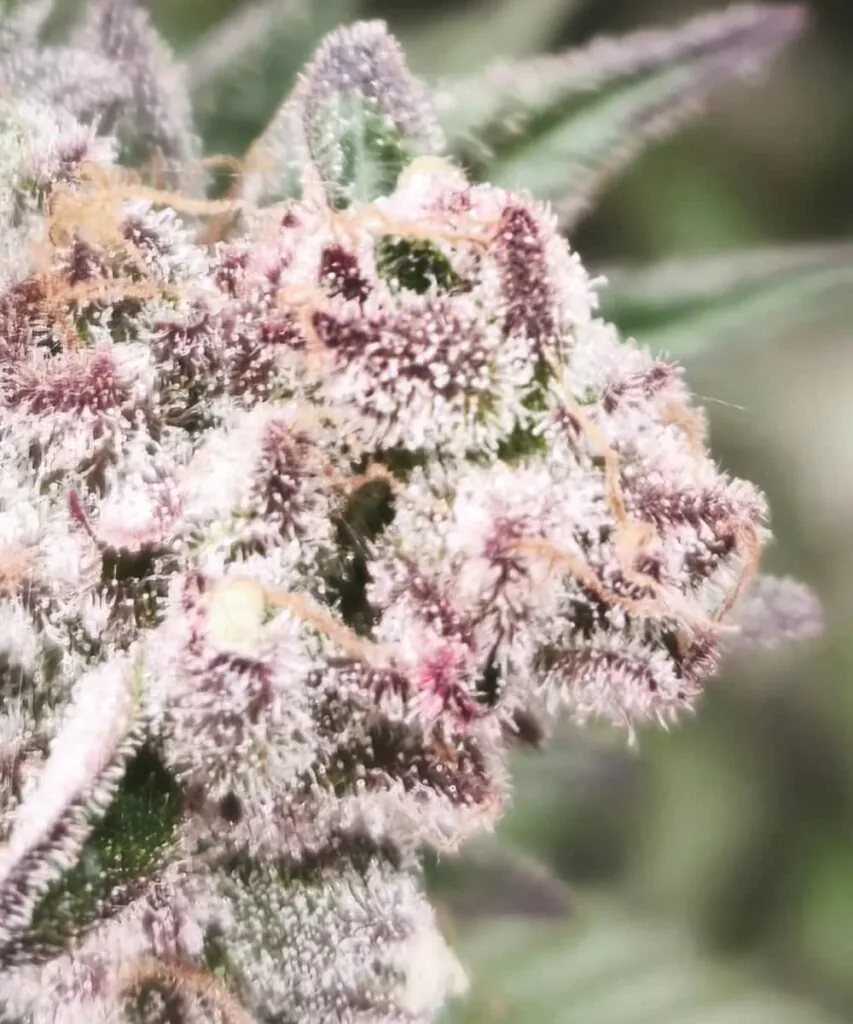
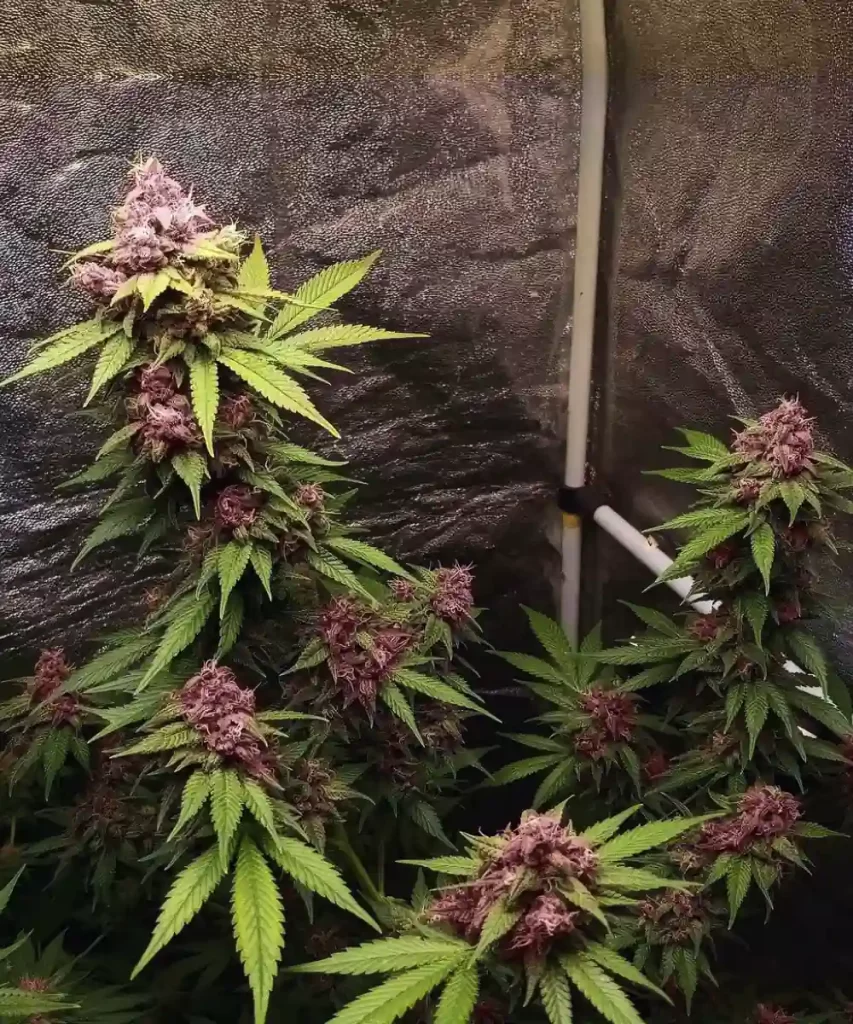
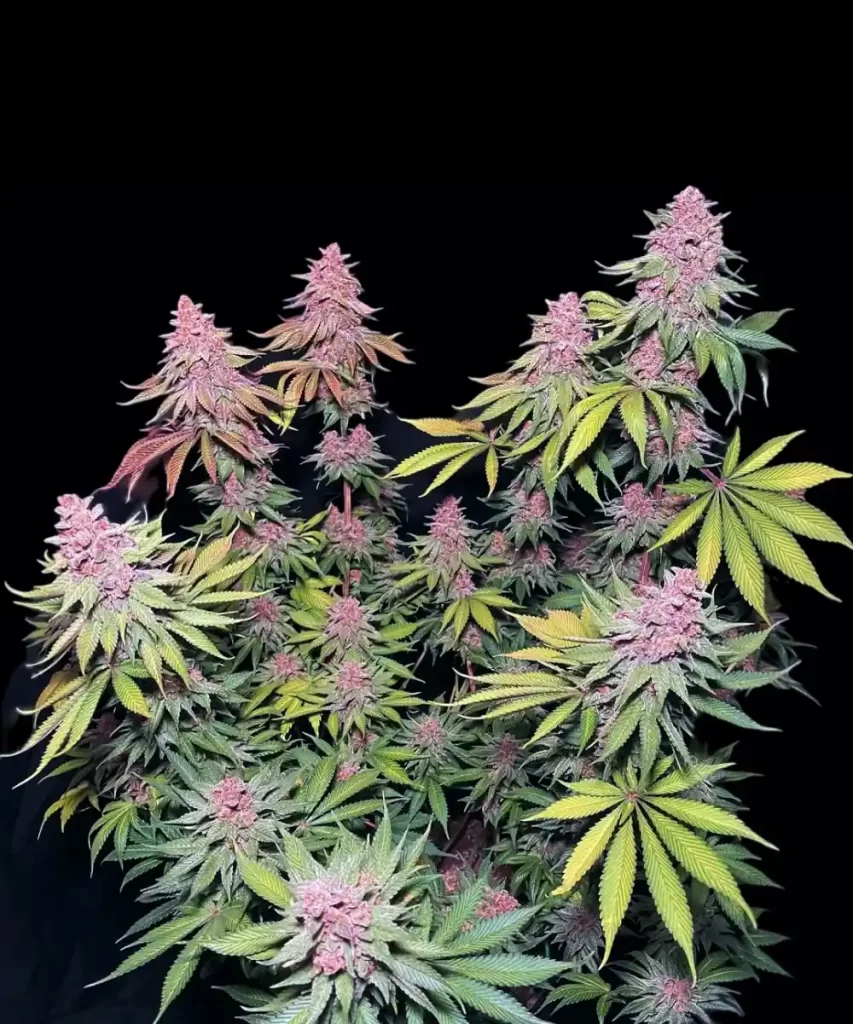

I planted 10 Super Boof seeds, and all germinated without a hitch. The plants grew strong and healthy, producing dense, frosty buds with a sweet, earthy aroma. The high is uplifting yet relaxing—a perfect balance. Impressive yield too, even with minimal effort

I’ve been growing weed for 30+ years, and to be honest, it’s quite difficult to surprise me. After a few decades of facing different strains, changing growing conditions, and solving whatever problem you could possibly think of, by then, I believe I’ve seen it all in cannabis growing.
Gary Payton defied every single one of my expectations.
The plant thrived, growing to an impressive 6 feet in what seemed like a blink of an eye. It quickly filled out with buds and displayed better smell each day, showing solid proof of superior genetics. The buds were tight, aromatic, and a source of immense pride, surpassing the outcome of many of my previous endeavors.
Hypno Seeds with their Gary Payton strain has won my complete admiration and loyalty. Outstanding genetics in this plant have truly turned what I always thought of to be an experiment with negligible expectations into one of the most satisfying grows of my long career.
Looking forward, my excitement for the next growing season is unparalleled. I can’t wait to see how much I can take these strains, especially with the attention that Gary Payton really does deserve right from the start.

TRUE MAGIC! This strain really stands out. I am trying Hypno Seeds for the first time and I surely made the right choice. I will be ordering more RS11 seeds just to keep this beauty in my garden for the upcoming season. Growing in Virginia and it’s only shown perfection by now.

Starting my latest grow, I decided to try out some Blackberry Kush from Hypno… I planted her on a whim alongside my other favorites. Hypno Seeds said it had to be a powerful plant with rich, fruity scents… Seeing is believing. She developed purplish hues and dense resin coated buds and quickly took center stage in my garden and produced much more than expected. The buds are tightly packed, literally bursting with the heady aroma. The yield? Very impressive for her conditions…
Germinated three seeds using the paper towel method with100% success rate within 48 hours. Planted in 5 gallon pots with living soil under a 315W CMH light. Plants remained compact (3.5 ft) with thick lateral branching, showing high resistance to humidity and minor nutrient fluctuations. Yield per plant: 5.8 oz of extremely dense, trichome-heavy buds. Smell profile during flower: sharp pine, pepper, and a hint of citrus. Harvested at week 9, after trichomes showed 30% amber for peak sedative effects. Smoke report: Potent. Deep relaxation without full sedation. Ideal for stress relief.


