

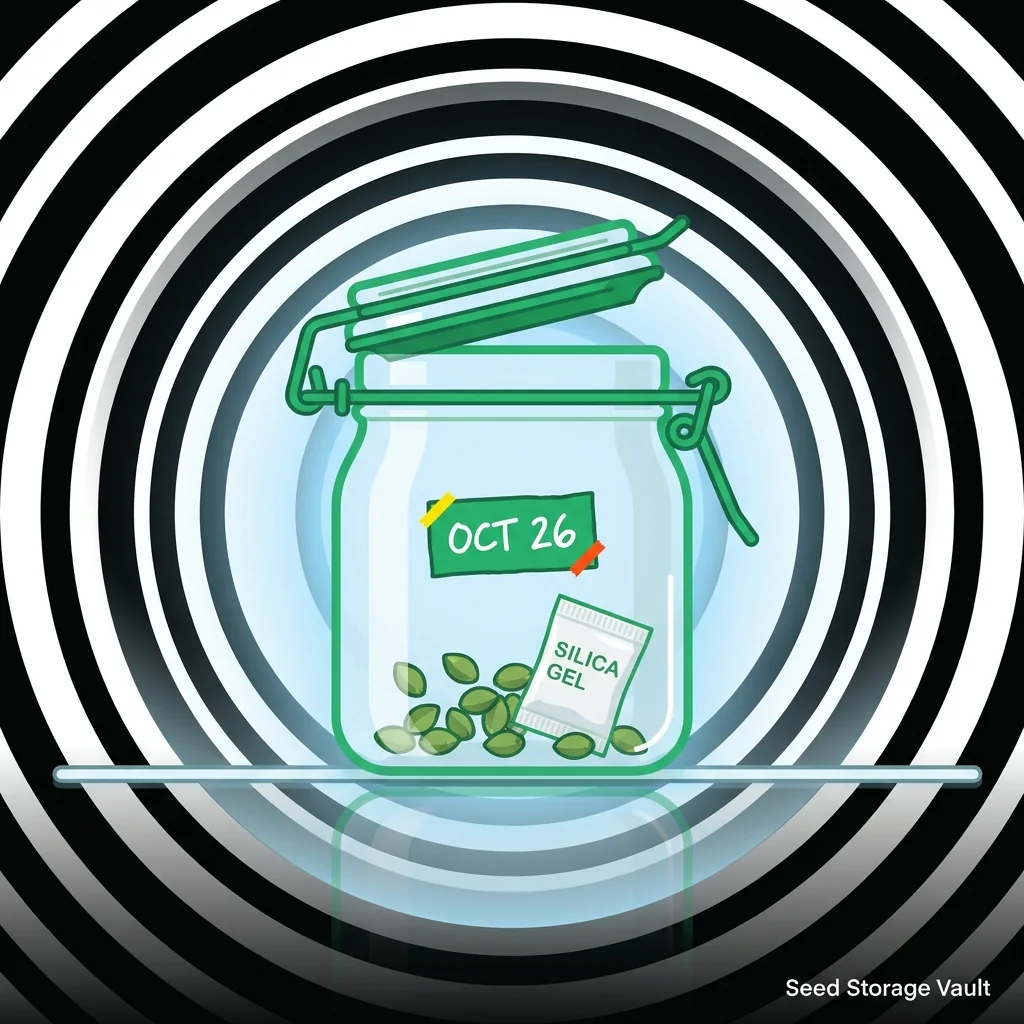
How do you keep a seed collection alive long enough to actually grow it? Store seeds in an airtight, opaque container with a desiccant pack. Keep that container somewhere cold and steady, and open it as rarely as possible. For most growers that means the fridge. The freezer is only for thoroughly dried seeds you won’t touch for years. Seed viability fades through moisture, heat, light and temperature swings, and at home, swings and moisture do the most damage. A good breeder holds stock in climate-controlled storage and germination-tests every batch regularly. Any batch below a high success rate should be pulled from inventory.
- A cannabis seed is a living embryo burning through stored energy. Cool, dry, dark storage slows the burn.
- A steady fridge beats a freezer you open every week.
- The best seed storage containers block light and air, hold a desiccant, and leave little trapped air.
- The float test measures buoyancy rather than life. A small paper-towel sample is the real check.
- Properly sealed and stored, cannabis seeds have been documented keeping germination capacity for 3 years.
About the Author: Written by the Hypno Seeds team, a US-based breeder that develops and stabilizes its own cannabis genetics over multiple generations and germination-tests every batch it ships from Las Vegas, NV.
Seed viability is the share of seeds in a batch that can still germinate. It drops because a seed is alive the whole time it sits in storage. Inside the shell, the embryo slowly respires on stored fats and proteins. Think of it as a packed lunch on a timer: warmth and moisture make the embryo eat faster, and once the lunch is gone, there’s no sprout. Storage can’t stop that timer. It can only slow it.
| Threat | What It Does | Fix |
|---|---|---|
| Moisture | Speeds metabolism, invites mold | Airtight container plus desiccant |
| Heat | Accelerates aging | Cool spot away from appliances |
| Light (especially UV) | Degrades internal compounds, triggers enzymes linked to premature germination | Fully opaque container |
| Temperature swings | Condensation; freeze-thaw cycles damage cell walls | One stable location, minimal opening |
Building on that timer, the practical question is how long seeds last before it runs out. A 2014 study by researchers at the Indian Agricultural Research Institute, published in the Indian Journal of Agricultural Sciences, found that hemp seeds held at the right moisture content kept their initial germination for up to 36 months in storage. Every batch still ages at its own pace, depending on maturity at harvest and handling before it reached you.
The clock starts at harvest, not at delivery. When you choose a breeder, ask how fresh the stock is and how often it’s germination-tested. A careful breeder hand-inspects every seed for maturity and shell integrity before shipping.
Seed type doesn’t change the biology. Feminized seeds and autoflower seeds age the same way, as do in-house lines like Red Chile Truffle, Sticky Kitty Trippy Punch and Red Pistachio Auto.
Once you know what ages seeds, picking seed storage containers is simple: the container’s job is to block moisture, light and air exchange.
| Container | Strength | Weak Spot |
|---|---|---|
| Gasket-sealed glass jar | Airtight, reusable | Clear glass needs a dark box |
| Opaque airtight tin or vial | Blocks light | Check seal quality |
| Vacuum-sealed bag | Removes air, compact | Each opening means a new bag |
| Zip-top plastic bag | Convenient | Weak barrier, short-term only |
Vacuum sealed seeds make sense for long-term holds, with one catch: a vacuum removes air, not the moisture already inside the seed. Seal a damp seed and you’ve locked the problem in. Dry first, then seal.
💡 Pro Tip: Give each strain its own small labeled container with the purchase date and a fresh silica gel pack. Every opening lets in warm, moist air, so splitting the collection means grabbing one strain never exposes the rest.
With containers sorted, the bigger call is temperature, and this is where many home collections go wrong. That figure assumes the seeds were dried first. The FAO’s 2014 Genebank Standards recommend drying seeds to equilibrium at 5-20°C and 10-25% relative humidity before long-term storage. Skip that step and leftover water forms ice crystals that expand and rupture cells, much like a water pipe bursting in a hard frost. Every freeze-thaw cycle adds more damage.
Let’s be real: most growers open their stash more often than planned. That’s why the fridge is the better default.
| Tier | Where | Best For |
|---|---|---|
| Active | Cool, dark cupboard, sealed | This season’s seeds |
| Reserve | Back of the fridge, with desiccant | Most home collections |
| Archive | Freezer, dried and vacuum sealed | Genetics you won’t open for years |
Let any cold container warm to room temperature before opening it, or condensation forms on the seeds instantly. And no, the drawer next to the oven is not a seed vault.
Storage only matters if it’s working, and a seed viability test is how you check. Skip the advice to float test seeds: seeds float or sink based on density and water uptake, so viable seeds often float for hours while dead ones can sink.
Cannabis cultivation laws differ by state and locality, so check and follow your own before germinating. Then:
- Pull a small sample from the batch.
- Place seeds between damp paper towels in a covered dish, somewhere warm and dark.
- Keep the towel damp, not soaked, and check daily.
- After several days, count seeds with a visible taproot.
- Divide sprouted by tested to get your rate.
It’s the same logic behind a breeder’s batch testing, scaled down to a kitchen counter.
A weak test result doesn’t always mean a batch is finished. Older seeds often just need help breaking dormancy.
- Single cold stratification: one controlled cold cycle can sometimes stimulate dormant enzymes. Once, not repeatedly.
- Pre-soak: a water soak before the paper towel softens a hardened shell.
- Light scarification: gently scuffing the shell with fine sandpaper helps water penetrate.
- Start extras: expect lower rates and germinate more than you need.
Seeds dried to the right moisture content have been documented holding their initial germination for up to 36 months in cool storage. Stability matters as much as temperature.
They limit air exposure, which helps, but only if the seeds were dried before sealing.
Only for thoroughly dried seeds you won’t open for years. Repeated freeze-thaw cycles damage seed cell walls.
No. A paper-towel germination sample is far more reliable.
No. Moisture, heat, light and stability matter; seed type doesn’t.
Hypno Seeds is a US-based cannabis breeder that develops and stabilizes its own genetics in-house over multiple generations. Because it controls the chain from breeding to shipping, stock sits in a climate-controlled Las Vegas, NV warehouse, is hand-inspected for maturity and shell integrity, and is germination-tested every 30 days, with batches under 95% pulled before it reaches the shop. Orders are dispatched within 24 hours and typically arrive in 2-5 business days, backed by a germination guarantee and replacement policy.
Sometimes the best seed storage is the simplest one: sealed, cool, and left alone.


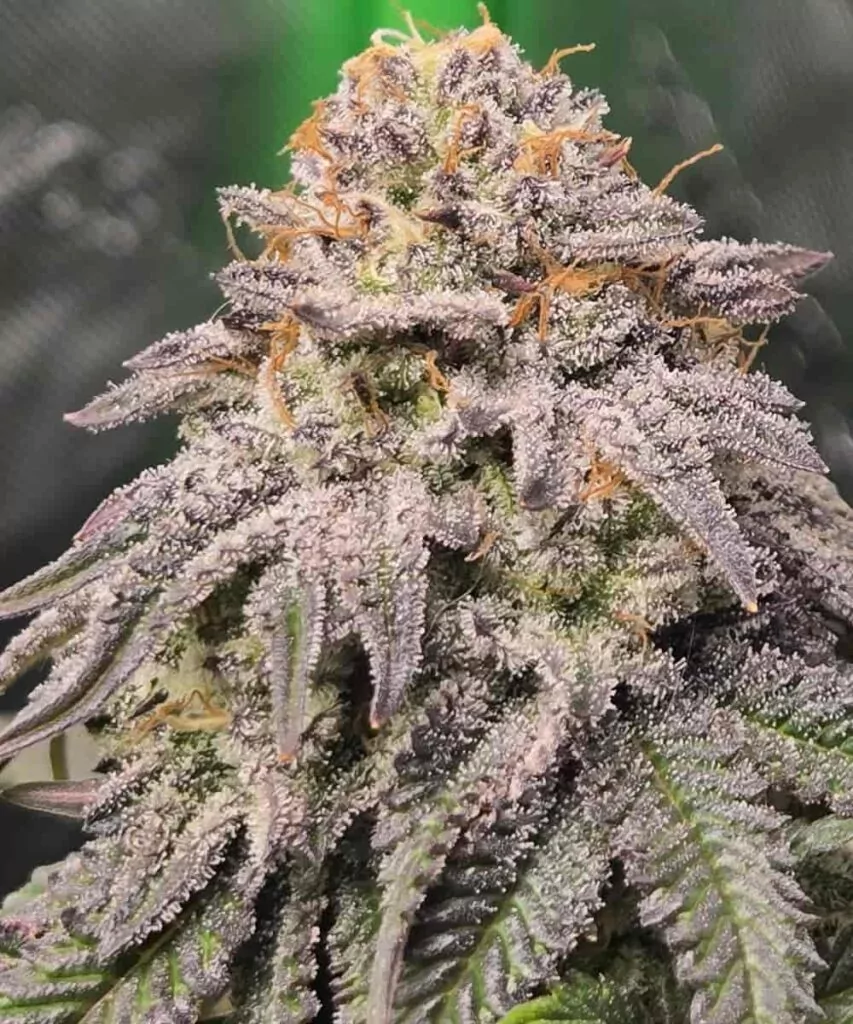


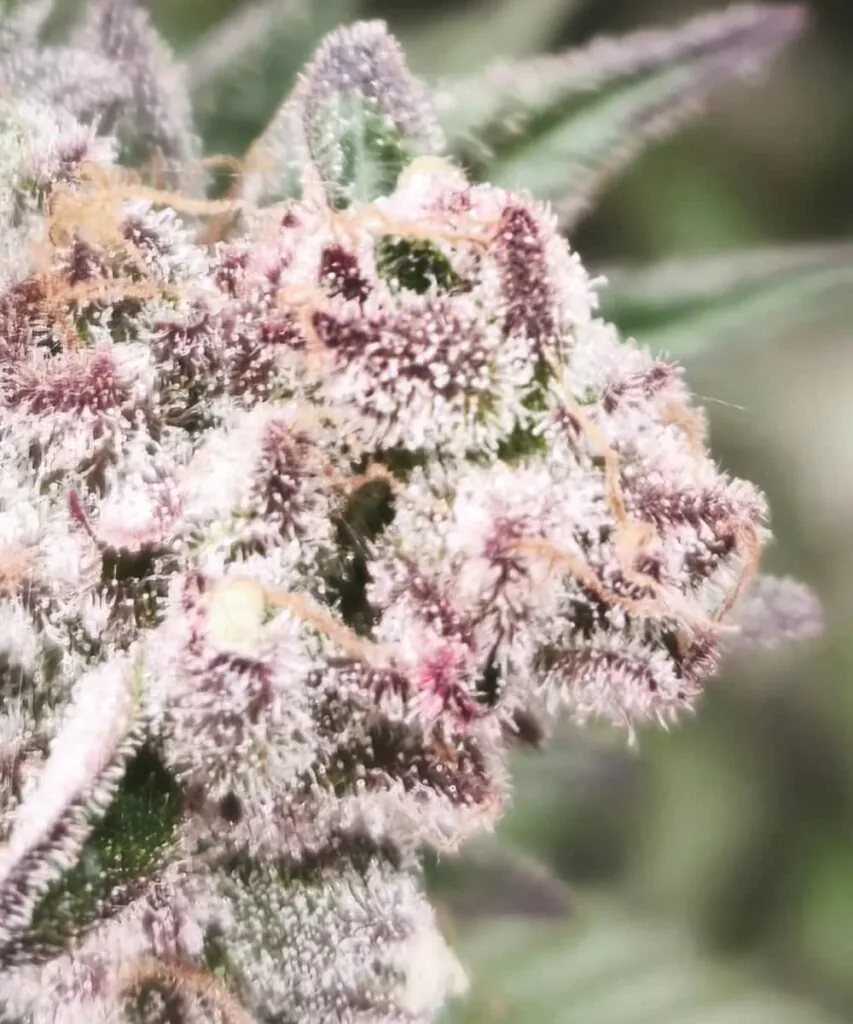
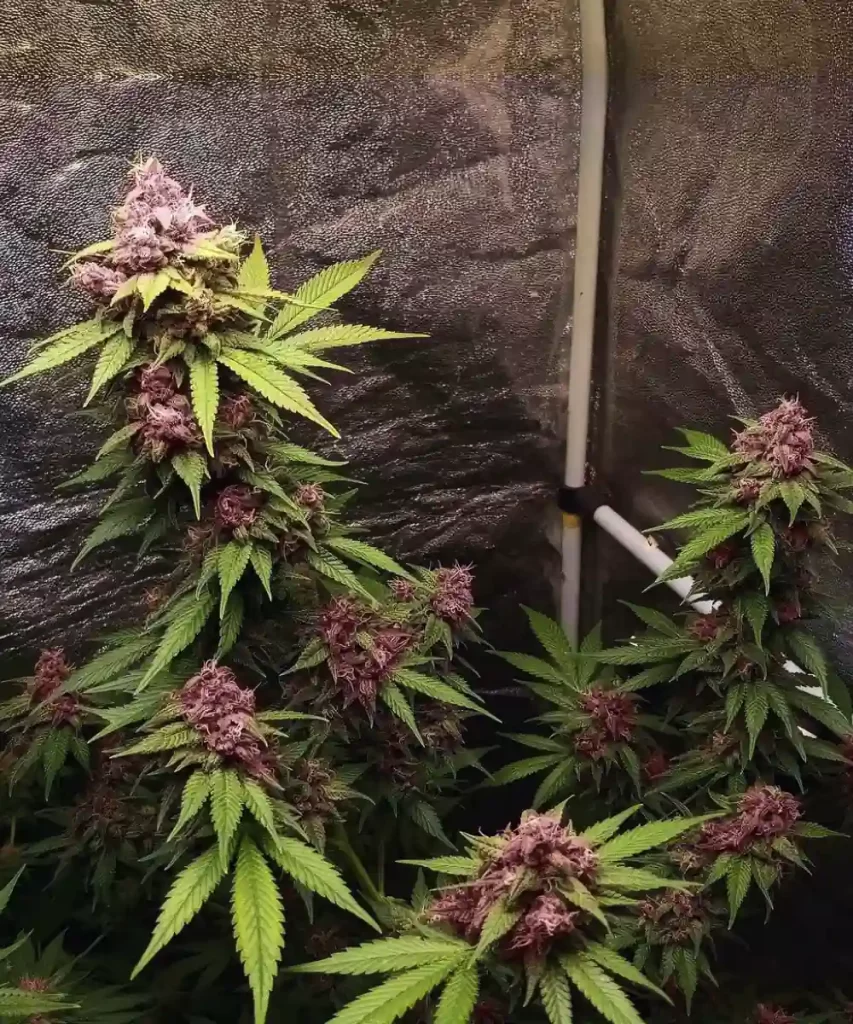
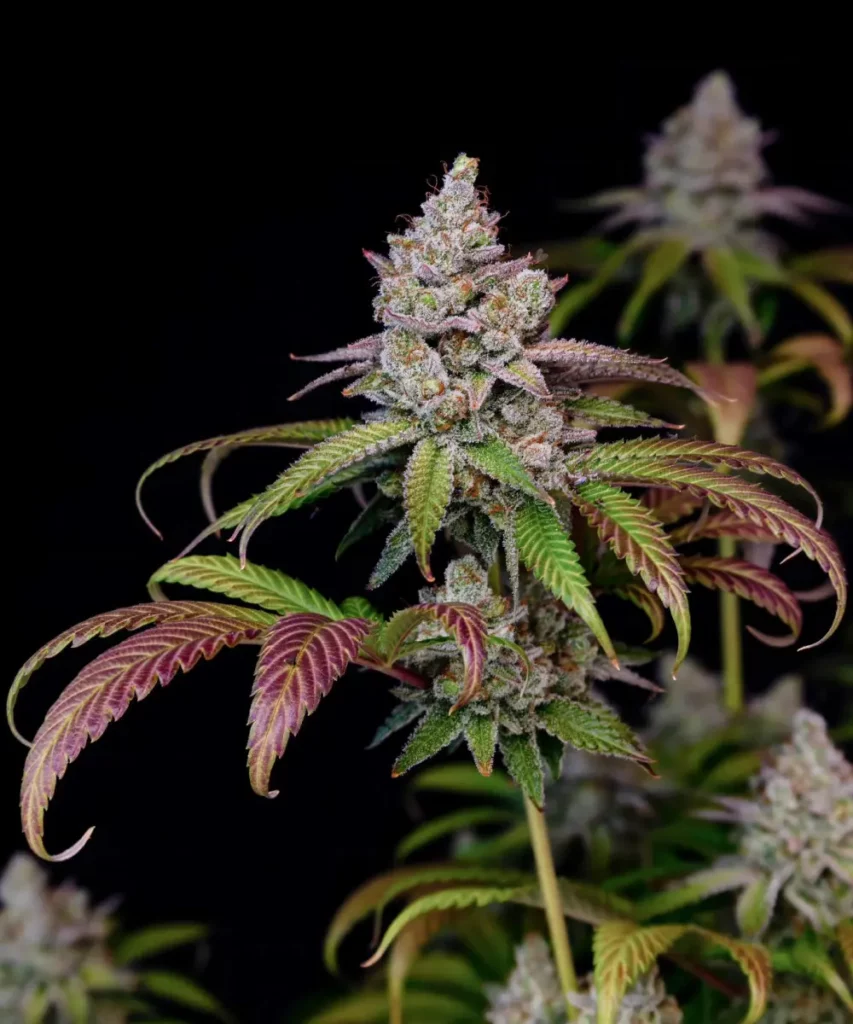
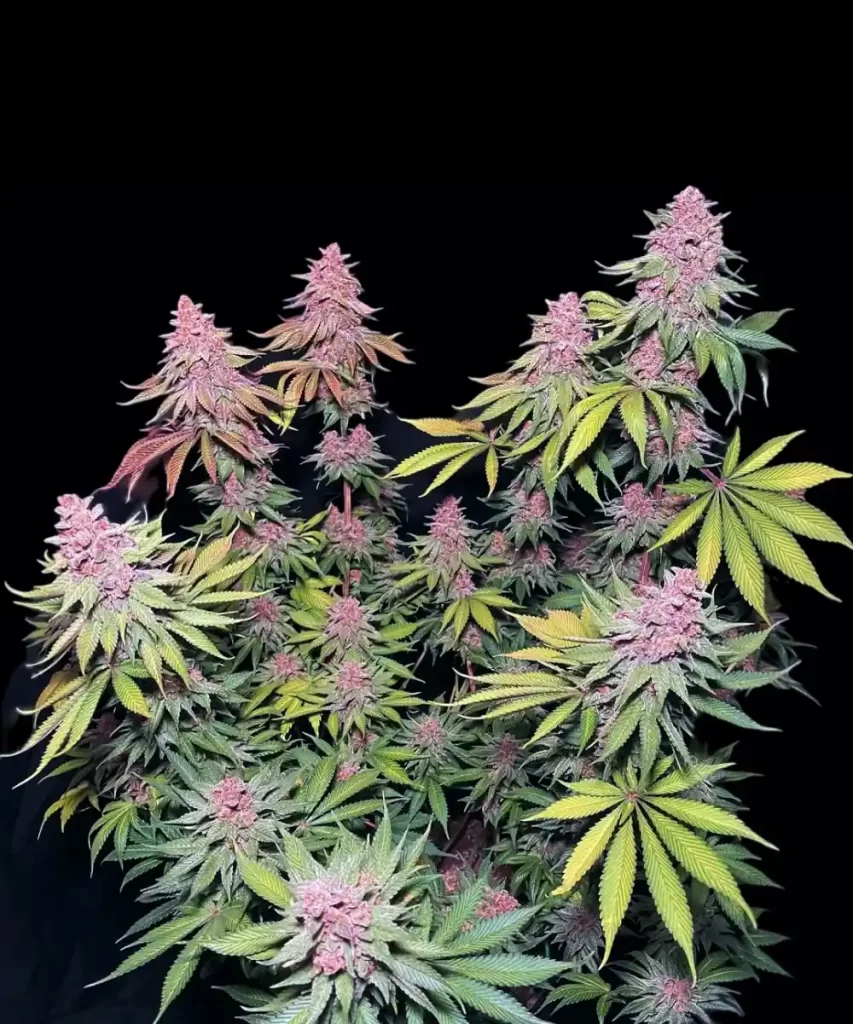

I planted 10 Super Boof seeds, and all germinated without a hitch. The plants grew strong and healthy, producing dense, frosty buds with a sweet, earthy aroma. The high is uplifting yet relaxing—a perfect balance. Impressive yield too, even with minimal effort

I’ve been growing weed for 30+ years, and to be honest, it’s quite difficult to surprise me. After a few decades of facing different strains, changing growing conditions, and solving whatever problem you could possibly think of, by then, I believe I’ve seen it all in cannabis growing.
Gary Payton defied every single one of my expectations.
The plant thrived, growing to an impressive 6 feet in what seemed like a blink of an eye. It quickly filled out with buds and displayed better smell each day, showing solid proof of superior genetics. The buds were tight, aromatic, and a source of immense pride, surpassing the outcome of many of my previous endeavors.
Hypno Seeds with their Gary Payton strain has won my complete admiration and loyalty. Outstanding genetics in this plant have truly turned what I always thought of to be an experiment with negligible expectations into one of the most satisfying grows of my long career.
Looking forward, my excitement for the next growing season is unparalleled. I can’t wait to see how much I can take these strains, especially with the attention that Gary Payton really does deserve right from the start.

TRUE MAGIC! This strain really stands out. I am trying Hypno Seeds for the first time and I surely made the right choice. I will be ordering more RS11 seeds just to keep this beauty in my garden for the upcoming season. Growing in Virginia and it’s only shown perfection by now.

Starting my latest grow, I decided to try out some Blackberry Kush from Hypno… I planted her on a whim alongside my other favorites. Hypno Seeds said it had to be a powerful plant with rich, fruity scents… Seeing is believing. She developed purplish hues and dense resin coated buds and quickly took center stage in my garden and produced much more than expected. The buds are tightly packed, literally bursting with the heady aroma. The yield? Very impressive for her conditions…
Germinated three seeds using the paper towel method with100% success rate within 48 hours. Planted in 5 gallon pots with living soil under a 315W CMH light. Plants remained compact (3.5 ft) with thick lateral branching, showing high resistance to humidity and minor nutrient fluctuations. Yield per plant: 5.8 oz of extremely dense, trichome-heavy buds. Smell profile during flower: sharp pine, pepper, and a hint of citrus. Harvested at week 9, after trichomes showed 30% amber for peak sedative effects. Smoke report: Potent. Deep relaxation without full sedation. Ideal for stress relief.


