


How do you know the famous strain in your cart is the real deal? A legit seed bank can show you where its genetics come from, how each batch was tested and who answers when something goes wrong. A copycat site can show you a strain name and a photo, and not much else. Hypno Seeds develops and stabilizes its own genetics, so it sees this problem from the breeder’s side: a strain name takes seconds to copy, but the generations of selection behind it cannot be copied at all. Your job as a buyer is to check for that gap before you order.
TL;DR
- A strain name is a label, not a genetic guarantee. Copycat sites use famous names because names are hard to protect.
- The biggest red flags: no real contact details, prices far below the market, payment by untraceable methods only, and no lineage information.
- Verify before you buy: check the web address and padlock [google.com], trading history, independent forum reviews and who actually bred the seeds.
- Genuine breeders publish lineage, test germination on a schedule and put their guarantee in writing.
About the Author: This guide comes from the breeding team at Hypno Seeds, a US breeder that develops its genetics in-house, germination-tests every batch every 30 days and ships from its own warehouse in Las Vegas, NV.
Copycat sites borrow famous strain names because the name is the part of a cultivar that sells, and also the part that is hardest to protect.
Think of a strain name like the title on a bootleg concert recording. Anyone can print the title on the sleeve. What you hear depends on who actually made the recording. With seeds, the “recording” is the genetics: parent selection, backcrossing and several generations of stabilization that make plants grow true to type. A copycat can print the title. It cannot fake the recording.
The catch? You only hear the recording weeks later. Problems with seed genetics often show up mid-grow, long after a refund window has closed. Nobody wants to discover a genetics problem in week seven of flower.
The most useful defense is spotting a fake seed bank before you pay. A fake seed bank is a site that sells seeds under borrowed names with no verifiable source, testing or accountability. These are the warning signs that show up most often:
| Red flag | What it looks like | Why it matters |
|---|---|---|
| Missing contact details | No business address, phone number or responsive support email | No one to hold accountable if seeds fail |
| Prices that look too good to be true | Hyped strains far below typical market prices | Real breeding and testing cost money; rock-bottom pricing on everything suggests neither happened |
| Untraceable payment only | Cryptocurrency or gift cards as the sole options | Leaves you with no route to dispute a charge |
| Suspicious web address | No “https” or padlock, misspelled domain [google.com] | A classic sign of an unofficial or copycat site [google.com] |
| No lineage or breeder info | Strain pages with a name, a photo and generic hype | A seller who can’t name the parents probably doesn’t know them |
💡 Pro Tip: One red flag can be a coincidence. Two or more together is a pattern. Close the tab.
Red flags tell you what to avoid. Verification is the positive check that confirms a seed bank is who it says it is. You don’t need to be an investigator to run it:
- Check the address bar. Look for “https” and the padlock, and read the domain letter by letter [google.com].
- Look at trading history. How long has the shop operated? Does it have a consistent brand presence over time?
- Read independent reviews. Grower forums and detailed grow reports carry more weight than testimonials on the seller’s own site.
- Confirm the breeder. The seller should state whether it breeds in-house or which breeder it works with.
- Read the guarantee. A real germination policy is written down, with clear replacement terms.
- Start small. A first order shows you packaging, tracking and how support responds.
For serious disputes, DNA fingerprinting can authenticate genetics by comparing a plant’s genetic profile against a known reference. Most home growers won’t need it. Commercial buyers sometimes do.
A related but distinct question is whether the seller actually stands behind the genetics. A genuine breeder develops and stabilizes its own lines over multiple generations, selecting plants that express the target traits until offspring grow consistently. Each generation narrows the variation, which is why stabilized seeds produce plants that look, grow and smell alike.
Famous names are also shared across the industry, and many breeders offer their own versions of classics. That isn’t fraud. What matters is whether the seller can describe its version. Signs of a real breeder:
- Exclusive strains you can’t find elsewhere, such as Red Chile Truffle, Sticky Kitty Trippy Punch and Red Pistachio Auto
- Stated lineage for every strain, not just marketing adjectives
- Grow specs such as flowering time, height and yield expectations
- Honest potency language: THC is a trait of the mature plant that depends on genetics and grow conditions, so no breeder can guarantee a number
💡 Pro Tip: Email the seller one question: “What are the parents of this strain, and how was it stabilized?” Breeders answer quickly. Copycats go quiet.
Stepping back from individual warning signs, the best seed banks in 2026 share a set of verifiable standards. A seller’s own quality protocols are what you’re really evaluating.
| Standard | What good looks like |
|---|---|
| Genetics source | In-house breeding or clearly named breeder partners |
| Viability testing | Scheduled, batch-specific germination tests with a stated pass threshold |
| Seed inspection | Seeds checked for maturity and shell integrity before shipping |
| Guarantee | Written germination guarantee and replacement policy |
| Fulfillment | Stated dispatch time, delivery window and tracking |
| Checkout | Encrypted checkout and secure payment options |
As one example of what these standards look like in practice among US seed banks, Hypno Seeds pulls any batch that tests below a 95% germination rate, hand-inspects seeds and dispatches orders within 24 hours from Las Vegas, NV, with 95% of orders arriving within the stated 2-5 business day window. Use the table above as a scorecard for any of the top seed banks USA growers are considering. Cannabis cultivation laws differ by state and locality, and growers must check and follow their own.
Check for “https,” a padlock and a correctly spelled domain [google.com]. Then look for real contact details, independent reviews and stated strain lineage.
Often, yes. Prices that look too good to be true across the whole catalog suggest the breeding and testing steps were skipped.
Yes. Many classic names are offered by several breeders, each with its own selection. The question is whether the seller can explain its version’s lineage and stability.
Not automatically. The red flag is a shop that accepts only untraceable payment methods.
It compares a plant’s genetic profile to a known reference to confirm authenticity. It’s mainly used by commercial buyers and breeders.
A written policy, a stated testing process and clear replacement terms if seeds don’t germinate.
Hypno Seeds is a US-based cannabis breeder that develops and stabilizes its own genetics in-house over multiple generations, rather than reselling third-party stock. Its catalog spans feminized seeds, autoflowering seeds, high-THC strains and purple strains, including exclusive lines bred by its own team. Every batch is germination-tested every 30 days, and batches below a 95% success rate are pulled from inventory. That traceable path from breeding to shipping is exactly what this guide teaches you to look for.
Sometimes the safest seed is simply the one with a story you can check. Explore genetics with a lineage you can trace at Hypno Seeds, or visit hypnoseeds.com to browse germination guides and grower FAQs.
- How to spot and avoid copycat sites | Ocean Finance® (google.com)


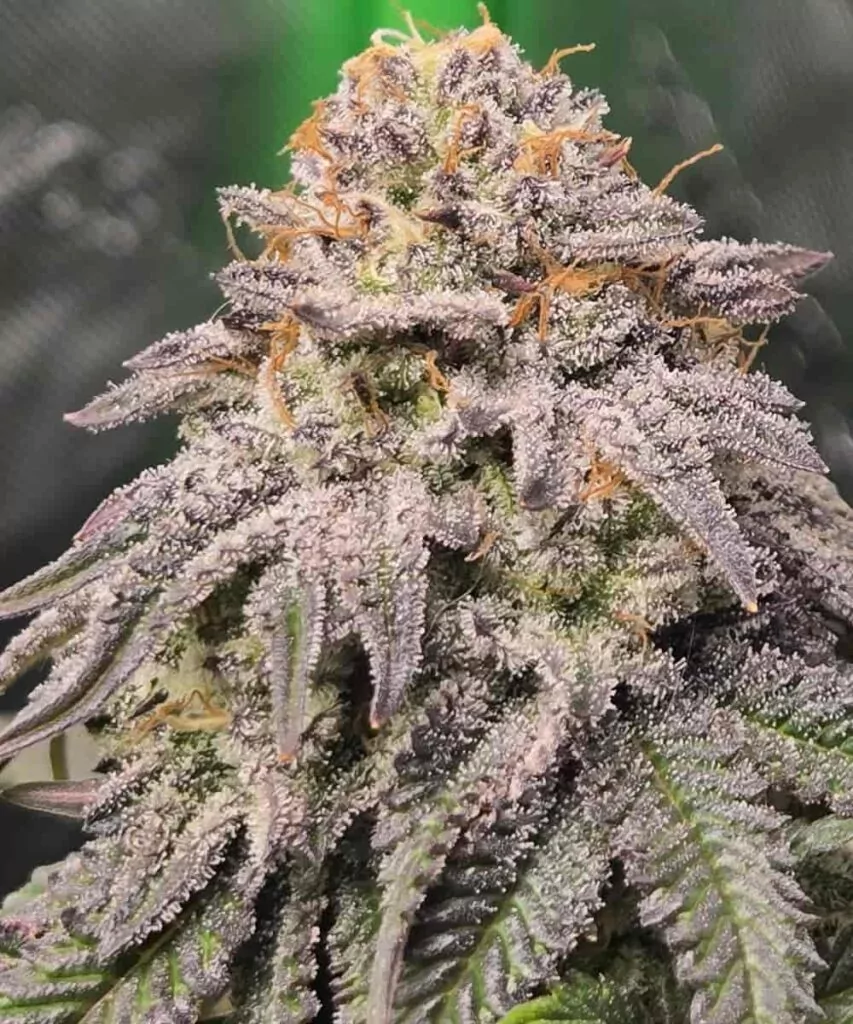


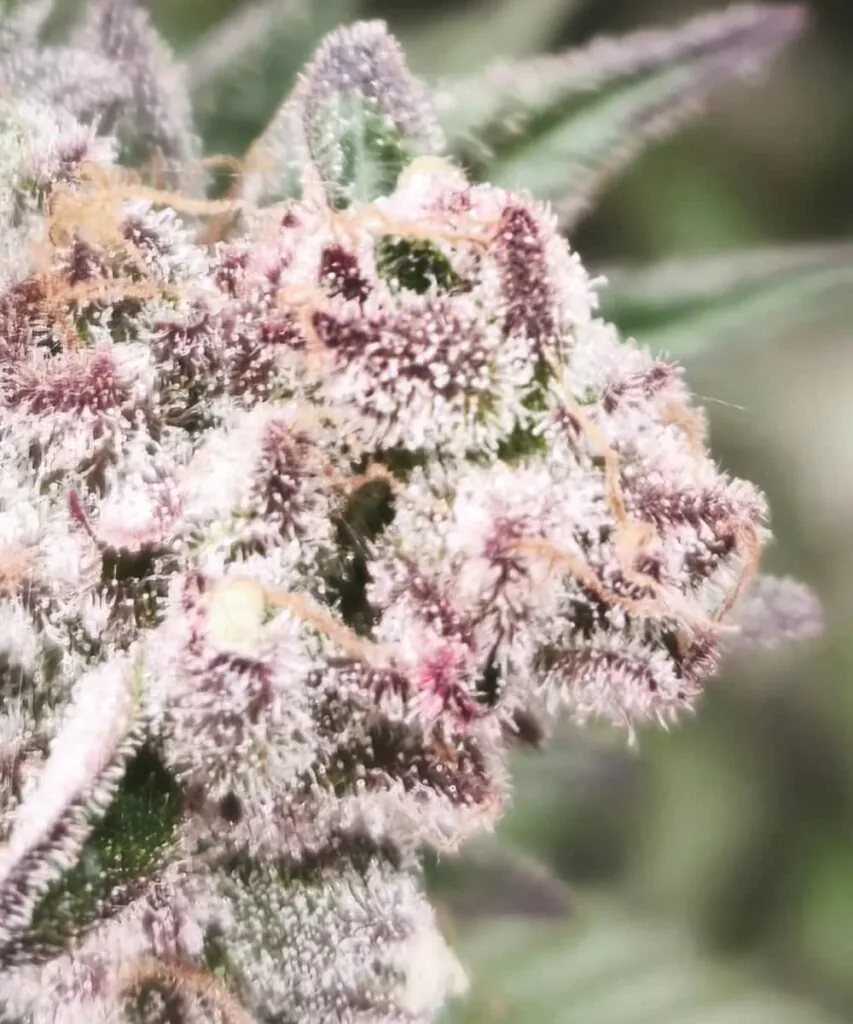
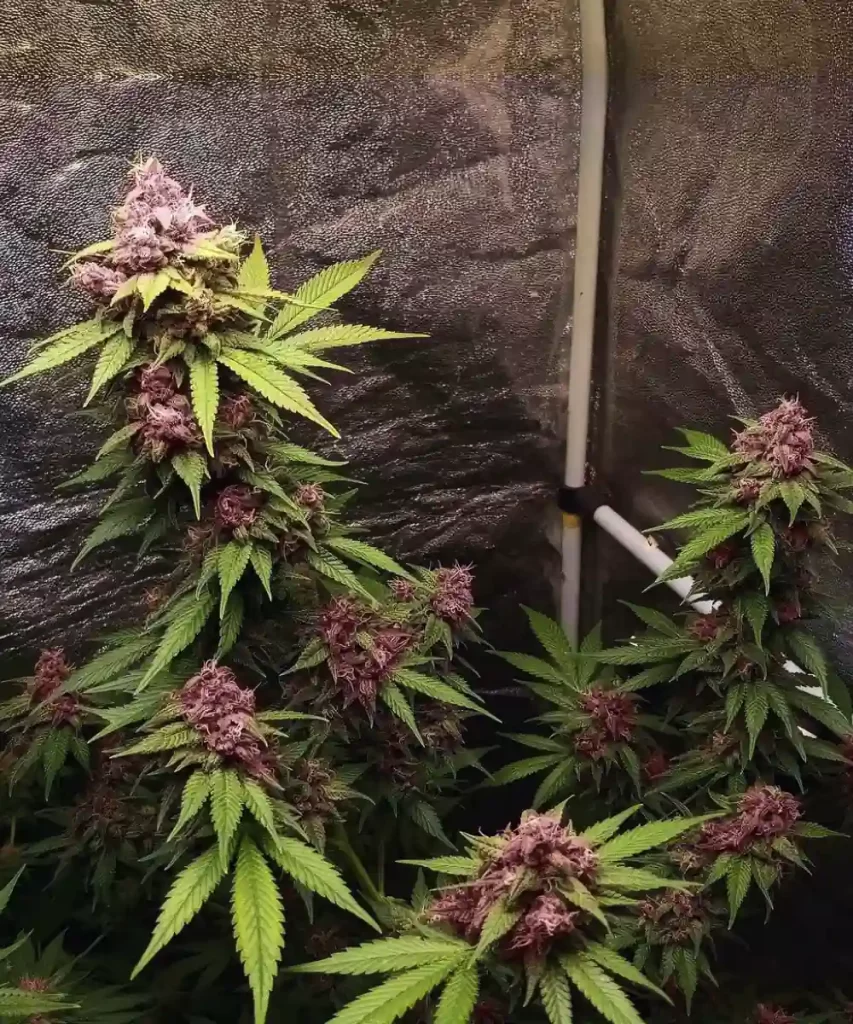
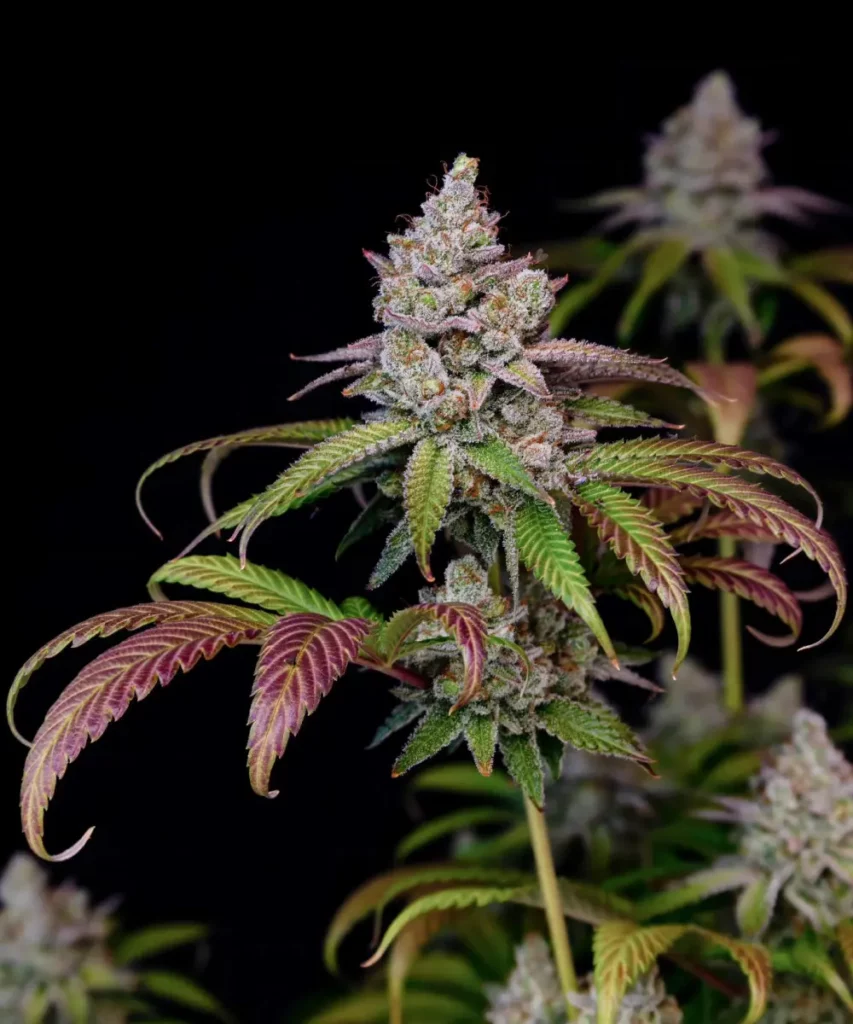
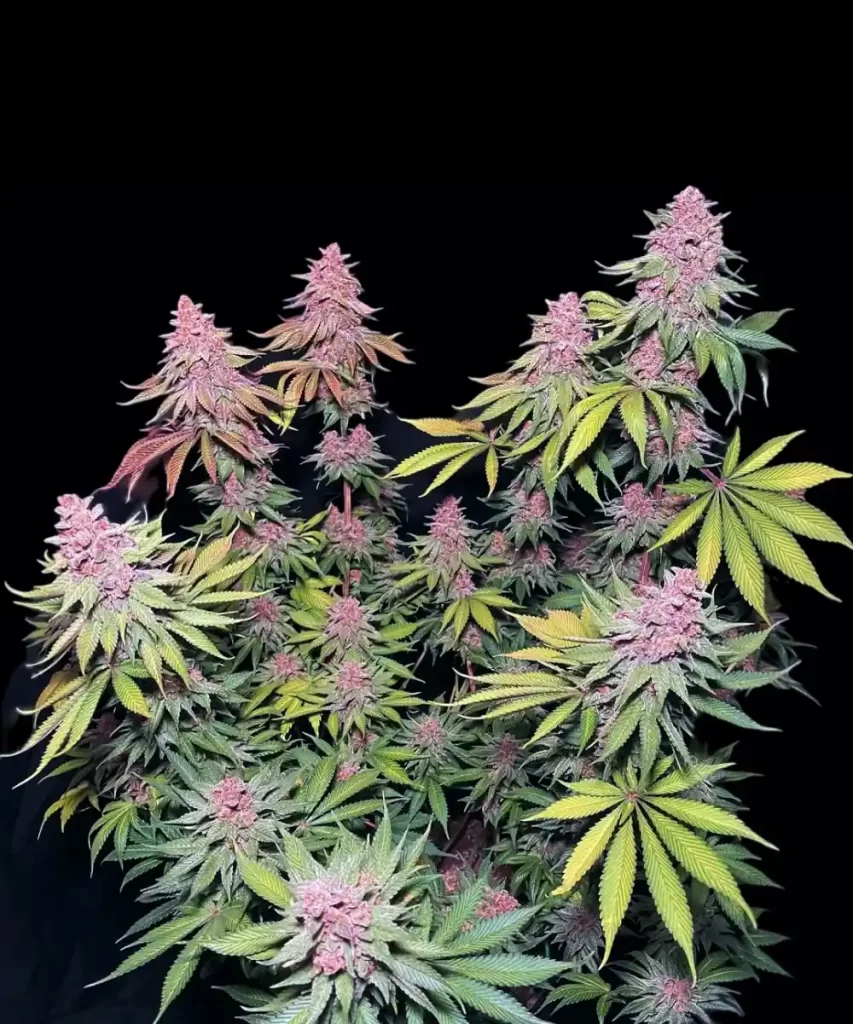

I planted 10 Super Boof seeds, and all germinated without a hitch. The plants grew strong and healthy, producing dense, frosty buds with a sweet, earthy aroma. The high is uplifting yet relaxing—a perfect balance. Impressive yield too, even with minimal effort

I’ve been growing weed for 30+ years, and to be honest, it’s quite difficult to surprise me. After a few decades of facing different strains, changing growing conditions, and solving whatever problem you could possibly think of, by then, I believe I’ve seen it all in cannabis growing.
Gary Payton defied every single one of my expectations.
The plant thrived, growing to an impressive 6 feet in what seemed like a blink of an eye. It quickly filled out with buds and displayed better smell each day, showing solid proof of superior genetics. The buds were tight, aromatic, and a source of immense pride, surpassing the outcome of many of my previous endeavors.
Hypno Seeds with their Gary Payton strain has won my complete admiration and loyalty. Outstanding genetics in this plant have truly turned what I always thought of to be an experiment with negligible expectations into one of the most satisfying grows of my long career.
Looking forward, my excitement for the next growing season is unparalleled. I can’t wait to see how much I can take these strains, especially with the attention that Gary Payton really does deserve right from the start.

TRUE MAGIC! This strain really stands out. I am trying Hypno Seeds for the first time and I surely made the right choice. I will be ordering more RS11 seeds just to keep this beauty in my garden for the upcoming season. Growing in Virginia and it’s only shown perfection by now.

Starting my latest grow, I decided to try out some Blackberry Kush from Hypno… I planted her on a whim alongside my other favorites. Hypno Seeds said it had to be a powerful plant with rich, fruity scents… Seeing is believing. She developed purplish hues and dense resin coated buds and quickly took center stage in my garden and produced much more than expected. The buds are tightly packed, literally bursting with the heady aroma. The yield? Very impressive for her conditions…
Germinated three seeds using the paper towel method with100% success rate within 48 hours. Planted in 5 gallon pots with living soil under a 315W CMH light. Plants remained compact (3.5 ft) with thick lateral branching, showing high resistance to humidity and minor nutrient fluctuations. Yield per plant: 5.8 oz of extremely dense, trichome-heavy buds. Smell profile during flower: sharp pine, pepper, and a hint of citrus. Harvested at week 9, after trichomes showed 30% amber for peak sedative effects. Smoke report: Potent. Deep relaxation without full sedation. Ideal for stress relief.


