


So… what actually makes a seed bank’s exclusive strains authentically bred in-house? The answer lies in the evidence that real breeding leaves behind: a named lineage with both parents, generation notation (F1, F4, S1), a selection timeline, and consistent results across batches controlled from pollination to packaging. No industry-wide certification exists to confirm this, so you have to read that evidence yourself. Hypno Seeds develops and stabilizes its own genetics over multiple generations, including exclusives like Red Chile Truffle, Sticky Kitty Trippy Punch and Red Pistachio Auto. This guide describes what that process produces, and how to check for it in any shop.
Any authenticity check starts with a definition, because “exclusive” and “in-house” are two different claims. A strain is bred in-house when the seed bank made the original cross and ran the selection generations that stabilized it.
| Model | Who made the cross | What “exclusive” means |
|---|---|---|
| In-house breeder | The seed bank | Developed and stabilized here |
| Licensed exclusive | Another breeder | Sold only here, by agreement |
| Reseller | Another breeder | Usually not exclusive |
Reselling is a legitimate business model. The confusion only starts when a resold or licensed strain is presented as the store’s own creation.
That distinction matters because a seed’s behavior in your grow is only as predictable as the breeding behind it. Think of a hybrid’s genes as a deck of cards that gets reshuffled every time it reproduces. Stabilization means the breeder keeps only the plants that deal the target hand and breeds those, generation after generation. Eventually the deck is stacked so the same hand comes up almost every time.
The person who did that stacking knows the line’s quirks. A trait like dense flowers is only an advantage if the grower has the airflow, spacing and environment to support it. The team that ran the selection rounds has seen those needs firsthand.
Cannabis cultivation laws differ by state and locality, so check and follow your own before germinating.
Since a breeder’s knowledge is invisible from outside, the practical test is the paper trail that real breeding leaves behind. Established breeders typically publish lineage histories, generation notations and sometimes phylogenetic trees, and many list their work in open databases like Seedfinder.
| Signal | What to look for | Why it matters |
|---|---|---|
| Full parentage | Both parents named, ideally the specific cut | Breeders know exactly what they crossed |
| Generation notation | F1, F3, BX, S1 on the listing | Shows how far stabilization has gone |
| Breeding timeline | Pheno hunt notes, test grow dates | Stabilization takes multiple generations |
| Honest variation notes | “Expect two phenotypes” style detail | Only someone who grew the line can say this |
| Grower reports over time | Similar results across separate batches | Confirms the line holds true |
Building on the paper trail above, the strongest single piece of evidence is genetic, though it has limits. Cannabis parentage can be authenticated with DNA fingerprinting methods such as Simple Sequence Repeat (SSR) microsatellite analysis and PCR testing, which read specific DNA markers to build a unique profile for each cultivar.
A published profile is a strong plus.
A related but distinct question is what the absence of evidence looks like. None of these signs proves repackaging alone, but several together deserve a closer look:
A “secret family recipe” is charming on a barbecue sauce label. On a seed listing, it’s a missing receipt.
Stepping back from individual strains, the same evidence test works as a filter for an entire shop. Start by choosing the plant type you want, since the main characteristic in strain selection is whether it’s indica, sativa, Kush, hybrid or autoflower. Then compare seed banks on transparency, not catalog size.
For reference, we germination-test every batch every 30 days, pull any batch below a 95% success rate, hand-inspect seeds for maturity and shell integrity, and dispatch orders within 24 hours. When browsing new cannabis strains, including our fresh arrivals, ask the same three questions above.
No. There is currently no industry-wide certification. Lineage documentation and third-party DNA fingerprinting are the closest substitutes.
F1 is the first cross between two parents. Higher F numbers mean more generations of selection toward stability. S1 is a selfed generation, common in feminized breeding.
Not necessarily. A good reseller credits the original breeder clearly. The issue is mislabeling, not reselling.
Yes. Strain names aren’t standardized, so the same name can describe different cuts or crosses. Parentage and generation tell you more than the name.
The breeder selected and re-bred the line over multiple generations, which narrows genetic variation and makes plants from one pack more alike.
It shows identity and relationships. Proving who made the cross first usually requires an early, time-stamped profile.
Hypno Seeds is a US cannabis seed breeder that develops and stabilizes its own genetics in-house rather than reselling third-party stock. Its breeding program produces exclusive lines such as Red Chile Truffle, Sticky Kitty Trippy Punch and Red Pistachio Auto. Every batch is germination-tested every 30 days, and batches below a 95% success rate are pulled from inventory. Orders ship from a climate-controlled Las Vegas, NV warehouse, typically arriving within 2-5 business days with tracking.
The breeder worth trusting is the one willing to show how its genetics were developed. To explore genetics developed and stabilized in-house, browse the shop or get in touch at hypnoseeds.com.


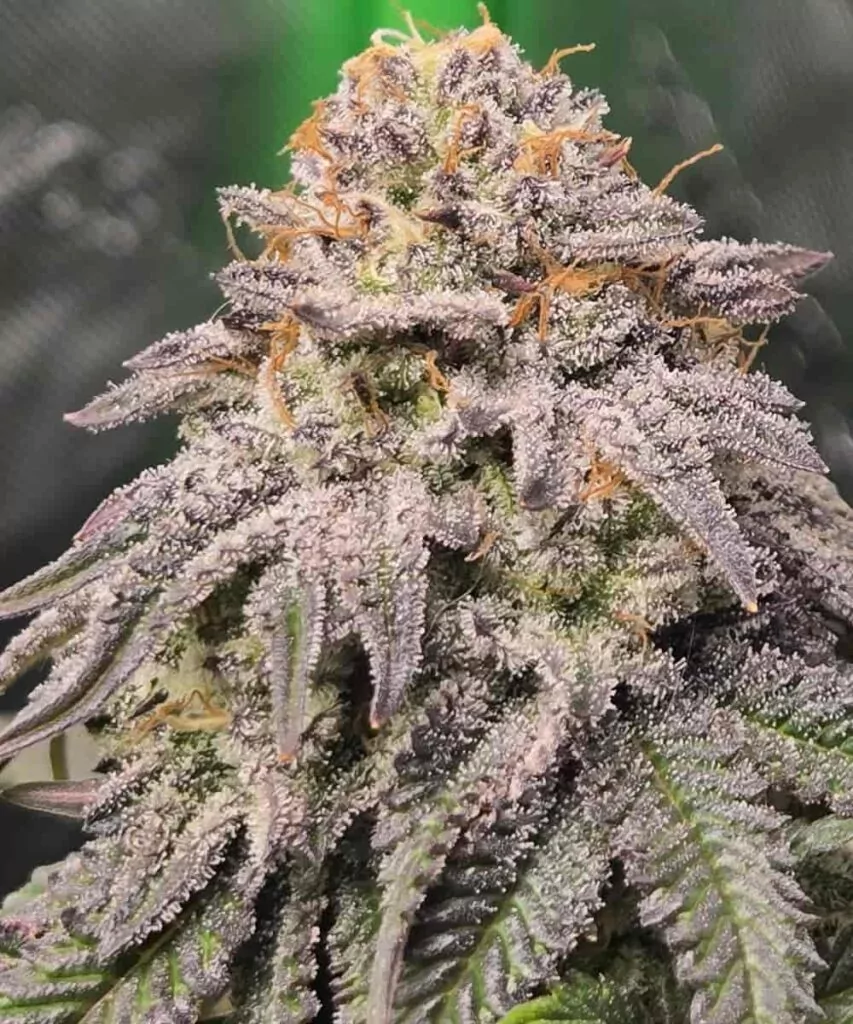


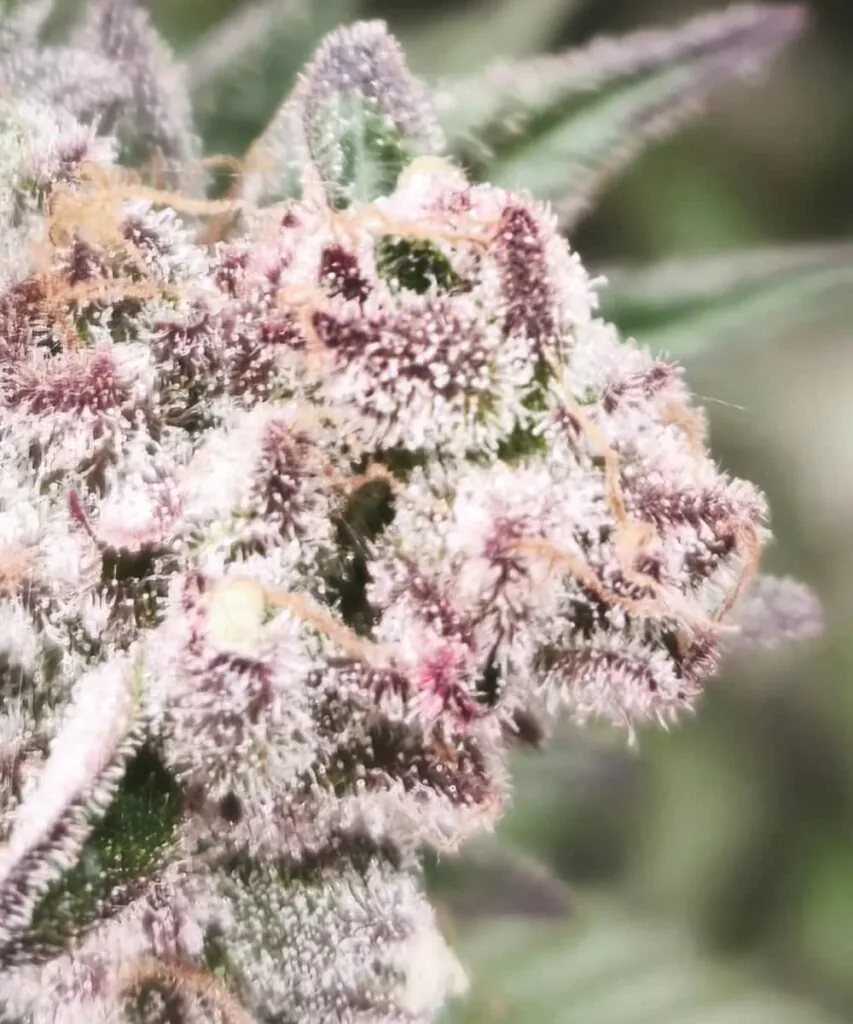
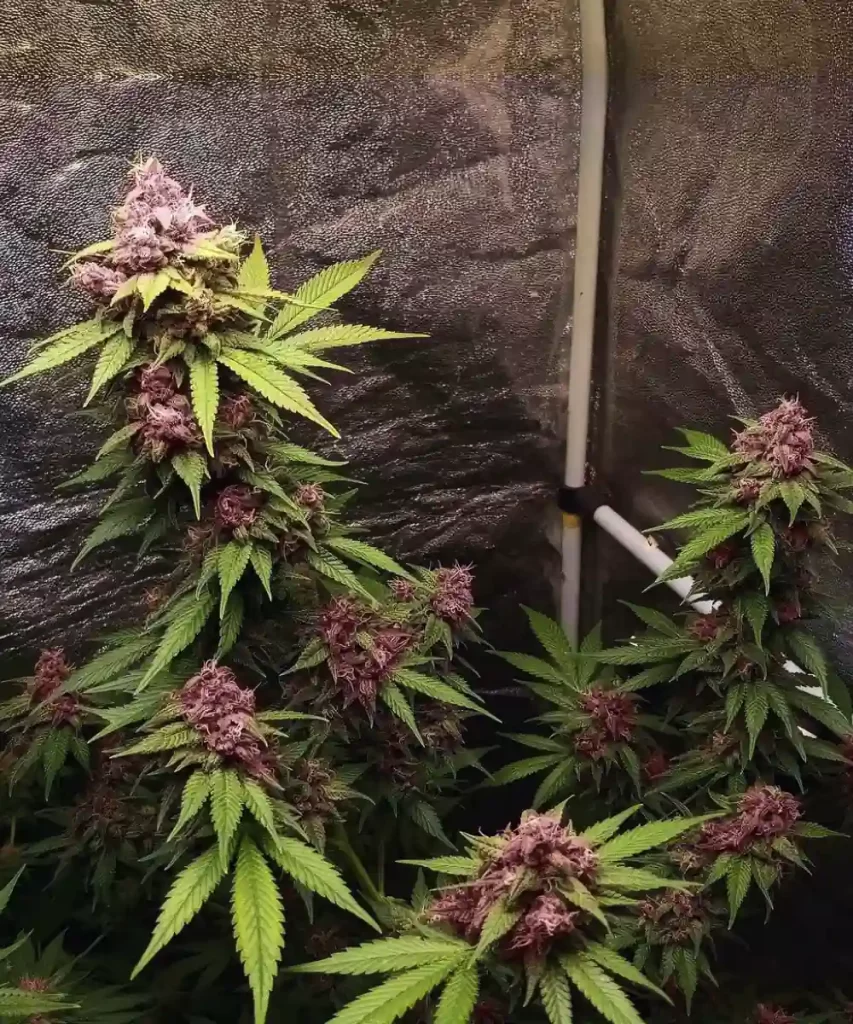
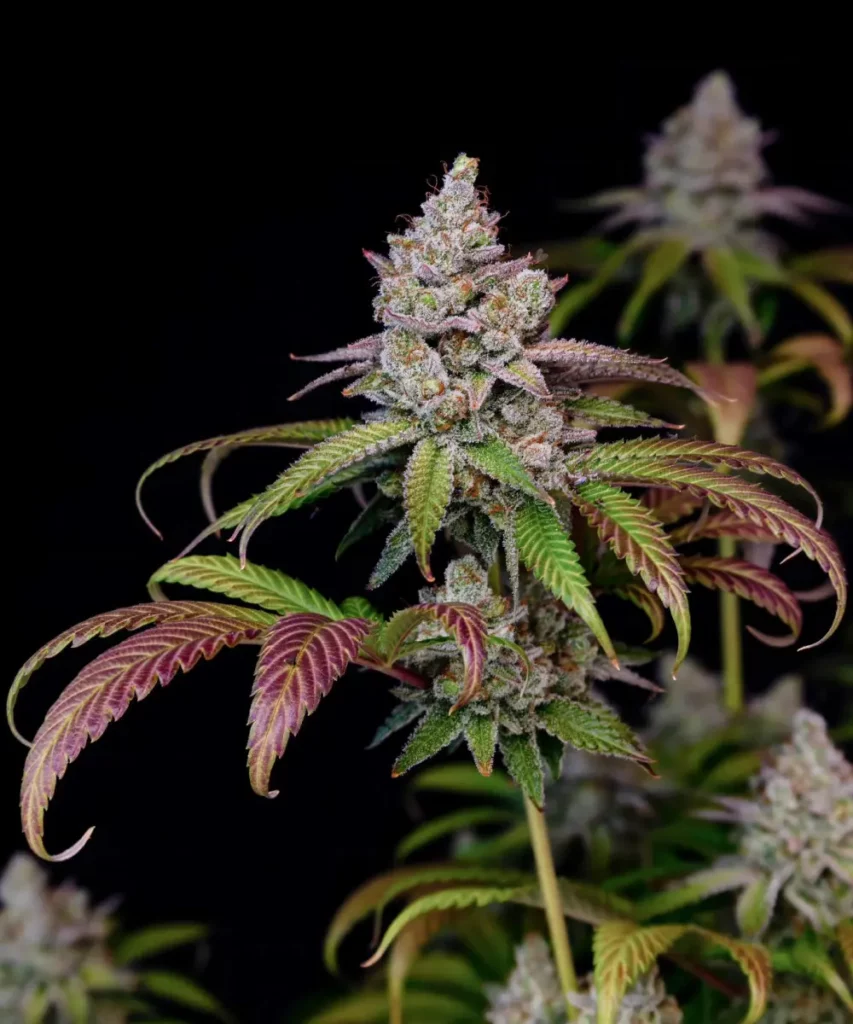
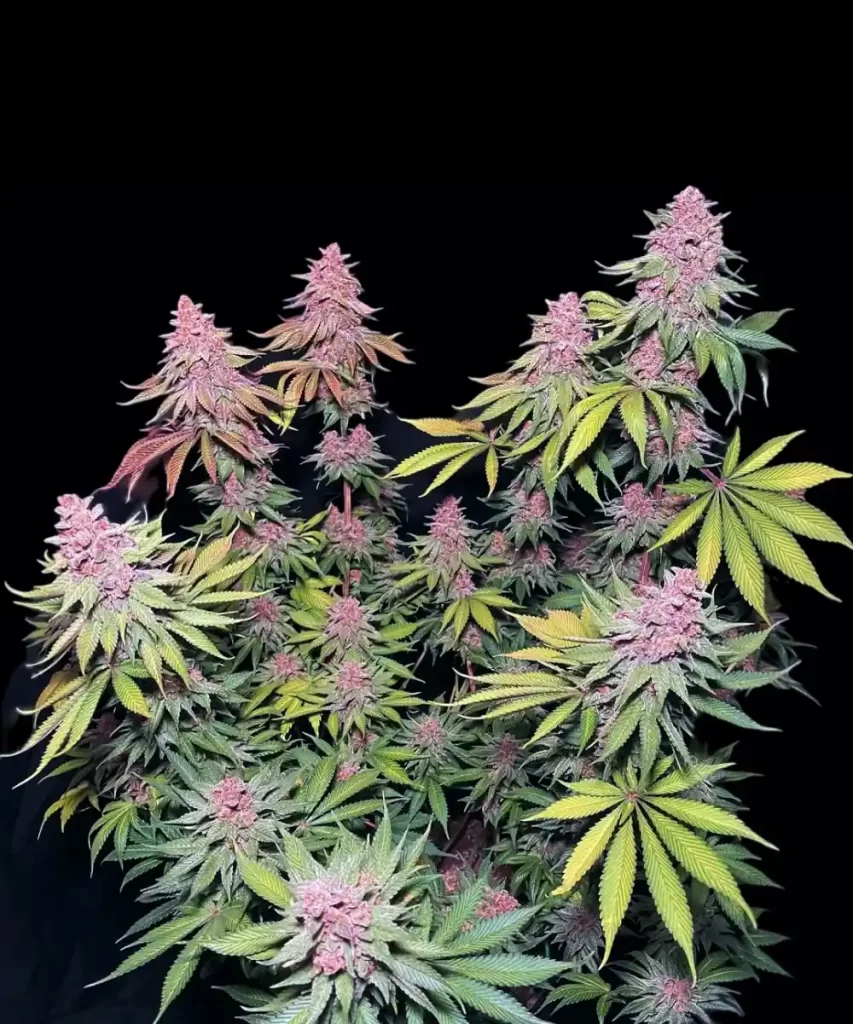

I planted 10 Super Boof seeds, and all germinated without a hitch. The plants grew strong and healthy, producing dense, frosty buds with a sweet, earthy aroma. The high is uplifting yet relaxing—a perfect balance. Impressive yield too, even with minimal effort

I’ve been growing weed for 30+ years, and to be honest, it’s quite difficult to surprise me. After a few decades of facing different strains, changing growing conditions, and solving whatever problem you could possibly think of, by then, I believe I’ve seen it all in cannabis growing.
Gary Payton defied every single one of my expectations.
The plant thrived, growing to an impressive 6 feet in what seemed like a blink of an eye. It quickly filled out with buds and displayed better smell each day, showing solid proof of superior genetics. The buds were tight, aromatic, and a source of immense pride, surpassing the outcome of many of my previous endeavors.
Hypno Seeds with their Gary Payton strain has won my complete admiration and loyalty. Outstanding genetics in this plant have truly turned what I always thought of to be an experiment with negligible expectations into one of the most satisfying grows of my long career.
Looking forward, my excitement for the next growing season is unparalleled. I can’t wait to see how much I can take these strains, especially with the attention that Gary Payton really does deserve right from the start.

TRUE MAGIC! This strain really stands out. I am trying Hypno Seeds for the first time and I surely made the right choice. I will be ordering more RS11 seeds just to keep this beauty in my garden for the upcoming season. Growing in Virginia and it’s only shown perfection by now.

Starting my latest grow, I decided to try out some Blackberry Kush from Hypno… I planted her on a whim alongside my other favorites. Hypno Seeds said it had to be a powerful plant with rich, fruity scents… Seeing is believing. She developed purplish hues and dense resin coated buds and quickly took center stage in my garden and produced much more than expected. The buds are tightly packed, literally bursting with the heady aroma. The yield? Very impressive for her conditions…
Germinated three seeds using the paper towel method with100% success rate within 48 hours. Planted in 5 gallon pots with living soil under a 315W CMH light. Plants remained compact (3.5 ft) with thick lateral branching, showing high resistance to humidity and minor nutrient fluctuations. Yield per plant: 5.8 oz of extremely dense, trichome-heavy buds. Smell profile during flower: sharp pine, pepper, and a hint of citrus. Harvested at week 9, after trichomes showed 30% amber for peak sedative effects. Smoke report: Potent. Deep relaxation without full sedation. Ideal for stress relief.


