


So what makes a germination resource actually trustworthy? It explains why each step works, gives conditions as ranges, separates seed quality from grower technique, and comes from someone who germinates seeds at volume and says how they test. As a breeder, we develop and stabilize our own genetics in-house over multiple generations, and we germination-test every batch every 30 days. Any batch that falls below a 95% success rate is pulled.
- Conditions matter more than method.
- Trust guides that give time ranges and explain what shifts them. Be wary of exact countdowns.
- A germination rate comes from large samples. One grower’s five-seed pack is an anecdote.
- Good troubleshooting separates seed problems from setup problems.
- Check authorship. Breeders who publish testing protocols and well-sourced books beat anonymous rankings.
About the Author: This guide comes from the Hypno Seeds team, a US breeder that develops its own genetics over multiple generations. We run a documented germination-testing program on every seed batch we ship.
A trustworthy resource teaches the mechanism, so you can adapt when your conditions differ from the author’s. A seed wakes up when it gets three things: moisture, warmth and oxygen. A guide that shows how each step supplies those three is teaching you something. A guide that only lists steps hands you a recipe, and that recipe breaks the moment your room runs colder than theirs.
| Signal | Worth learning from | Red flag |
|---|---|---|
| Explanation | Ties each step to moisture, warmth or air | “Just do it this way” |
| Conditions | Ranges, plus what shifts them | One exact number or countdown |
| Evidence | Studies or large test batches | One grow, one pack, one video |
| Troubleshooting | Splits seed issues from setup issues | Blames one side every time |
| Authorship | Named breeder, educator or tester | Anonymous, no stated criteria |
Strong resources also start before the seed gets wet.
The method is the detail guides overstate most. Building on the mechanism test above, the evidence backs this up. Direct sowing into a growth substrate produced the numerically highest rate. Any resource calling one technique “the only way” is selling more certainty than the research supports.
Think of methods like pans for frying an egg. Cast iron, nonstick or steel all work, because heat is what cooks the egg. The pan changes how easily you can see and control the process. It doesn’t change the chemistry.
| Method | Why growers use it | Main trade-off |
|---|---|---|
| Paper towel germination method | You can watch the taproot emerge | Extra transplant step that can damage a fragile root |
| Water soak | Speeds water uptake through the shell | Leaving the seed submerged too long can starve it of oxygen |
| Direct sowing | No transplant, and the root is never handled | You can’t see progress until the seedling surfaces |
💡 Pro Tip: Choose the method whose weak spot you’re least likely to hit. If you like checking progress, use a paper towel and keep it from drying out. If you’d rather not handle roots, sow direct. No moon phase required.
Cannabis cultivation laws differ by state and locality. Check and follow your own before you start.
A related signal is how a resource handles timing. How long seeds germinate depends on seed age, storage, warmth and moisture, so an honest guide gives a window and explains what stretches it. Fresh, well-stored seeds usually crack within a few days. Older seeds or seeds kept in cooler conditions can take noticeably longer.
A guide that promises a sprout by a fixed hour sets you up to panic. Worse, it can lead you to dig up a seed that was about to pop.
Timing confusion leads straight into troubleshooting, because a slow seed often gets mistaken for a dead one. The best content on seeds not germinating sorts the causes into two buckets.
Setup causes:
- Too wet: waterlogged medium cuts off oxygen.
- Too dry: the towel or soil surface dries out partway through.
- Too cold: the seed’s metabolism slows and timing stretches.
- Too deep: the seedling runs out of stored energy before it reaches light.
Seed causes:
- An immature seed with a pale, soft shell.
- A cracked or damaged shell.
- Old or poorly stored stock.
Sample size matters here too. A seed germination rate is a statistic about a whole batch. A post reporting two failures out of five says as much about one grower’s setup as about the seeds.
💡 Pro Tip: If seeds from different sources fail in the same setup, fix the setup before you blame the genetics.
With the technical detail covered, the remaining question is who is giving you the advice. Each source type has a real strength and a predictable blind spot.
| Source | Strength | Watch out for |
|---|---|---|
| Breeder guides | Know how their own lines were produced and stored | Whether they publish their testing protocol |
| The best cannabis grow books | Edited, deep fundamentals | Older editions may predate newer research |
| Forums and grow diaries | Real results across many setups | Single anecdotes; successes get posted more than failures |
| “Best seed banks 2026” lists | Quick overview | Rankings without stated criteria give you nothing to verify |
| Course-trained educators | Structured training | A certificate shows training, not field history |
Formal cannabis breeding courses and certificates do exist. Treat a certificate as a solid foundation, and look for evidence of hands-on selection work alongside it.
We hold our own guidance to the same tests. Hypno Seeds develops and stabilizes its genetics in-house over multiple generations rather than reselling third-party stock, so we know how every line was produced and stored. Our quality controls are:
- Every batch is germination-tested every 30 days.
- Batches below 95% are pulled from inventory.
- Every seed is hand-inspected for maturity and shell integrity.
- Our seeds come with a germination guarantee and replacement policy.
If you’re comparing feminized seeds or autoflower lines, these exclusives came through that program:
- Red Chile Truffle – The House-Bred Original. Shop Red Chile Truffle
- Sticky Kitty Trippy Punch – Bred In-House, Start to Finish. Shop Sticky Kitty Trippy Punch
- Red Pistachio Auto – The Autoflower Exclusive. Shop Red Pistachio Auto
No single method is proven best.
Yes, if you want to see the taproot emerge. Keep the towel damp but not soaked, and handle the root gently when you transplant.
Fresh, well-stored seeds usually crack within a few days. Older seeds or cooler conditions can stretch that window.
Check moisture, warmth and planting depth first. Then inspect the seeds for pale color, soft shells or cracks.
It is measured across a large sample. A single pack can’t establish one.
Yes, for fundamentals. Check the publication date and pair older editions with newer research.
Hypno Seeds is a US cannabis seed breeder that develops and stabilizes its own genetics in-house over multiple generations. Every batch is germination-tested every 30 days, and any batch below a 95% success rate is pulled. That testing program gives our germination guidance real data behind it rather than guesswork. Orders are dispatched within 24 hours from our climate-controlled Las Vegas, NV warehouse and typically arrive in 2-5 business days with tracking.
Want to start with seeds that have already passed the test? Explore our tested genetics at http://hypnoseeds.com, or browse the full range in the Hypno Seeds shop.
The best germination advice doesn’t ask you to follow it blindly. It teaches you enough that you eventually need it less.
- Forgiving Cannabis Strains for Beginners Explained (google.com)


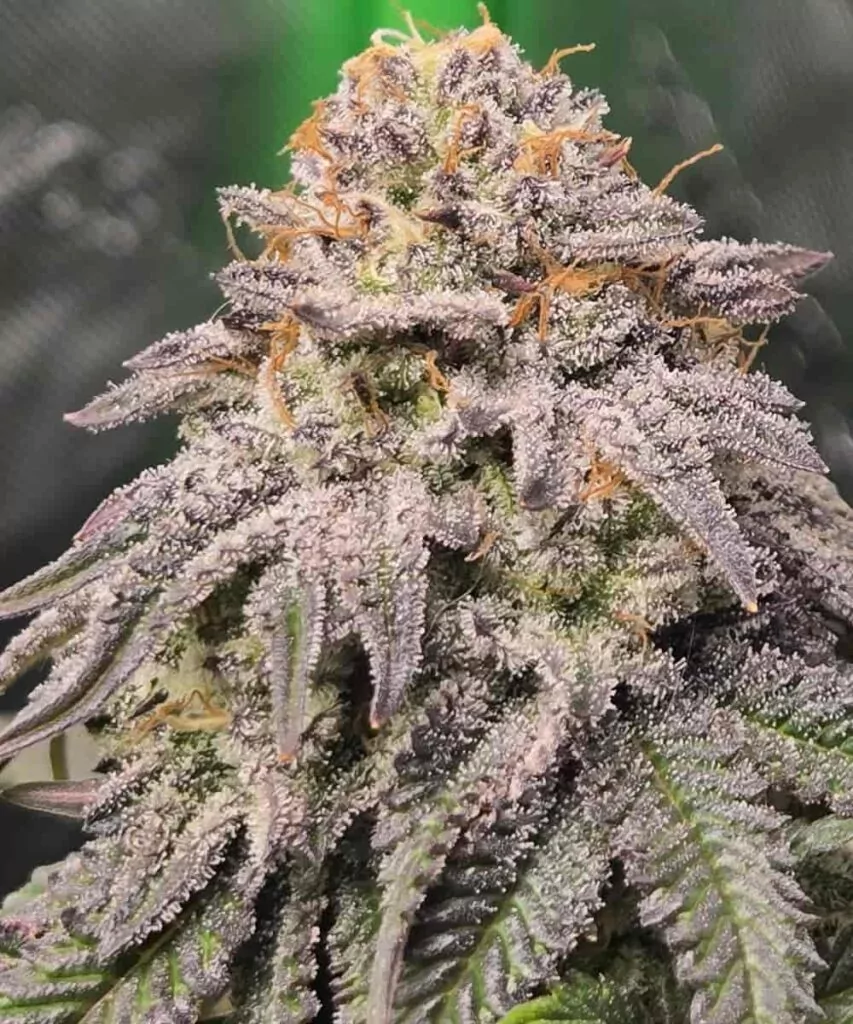


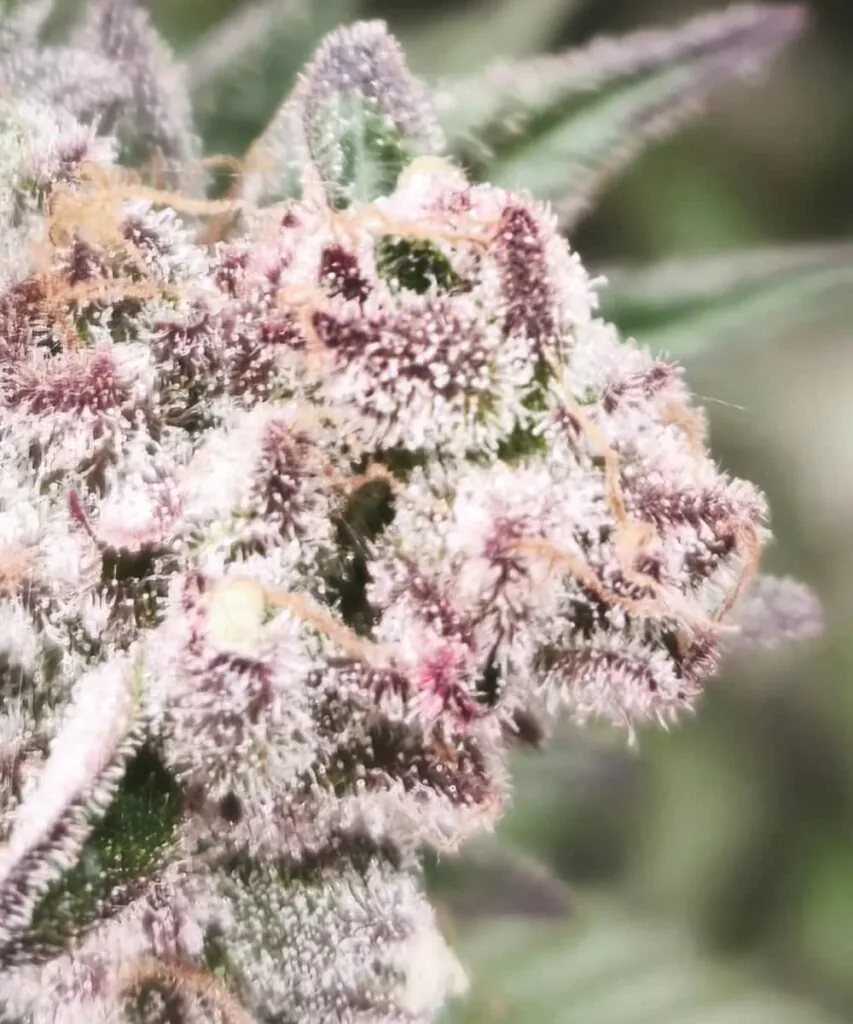
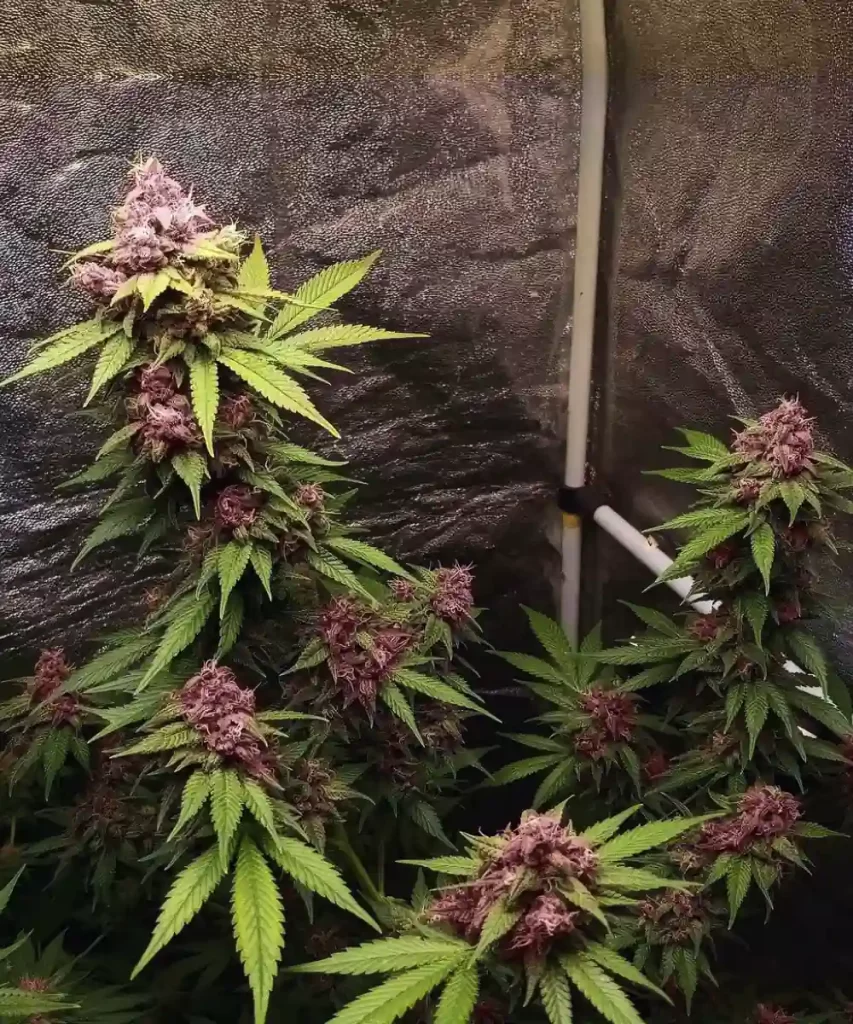
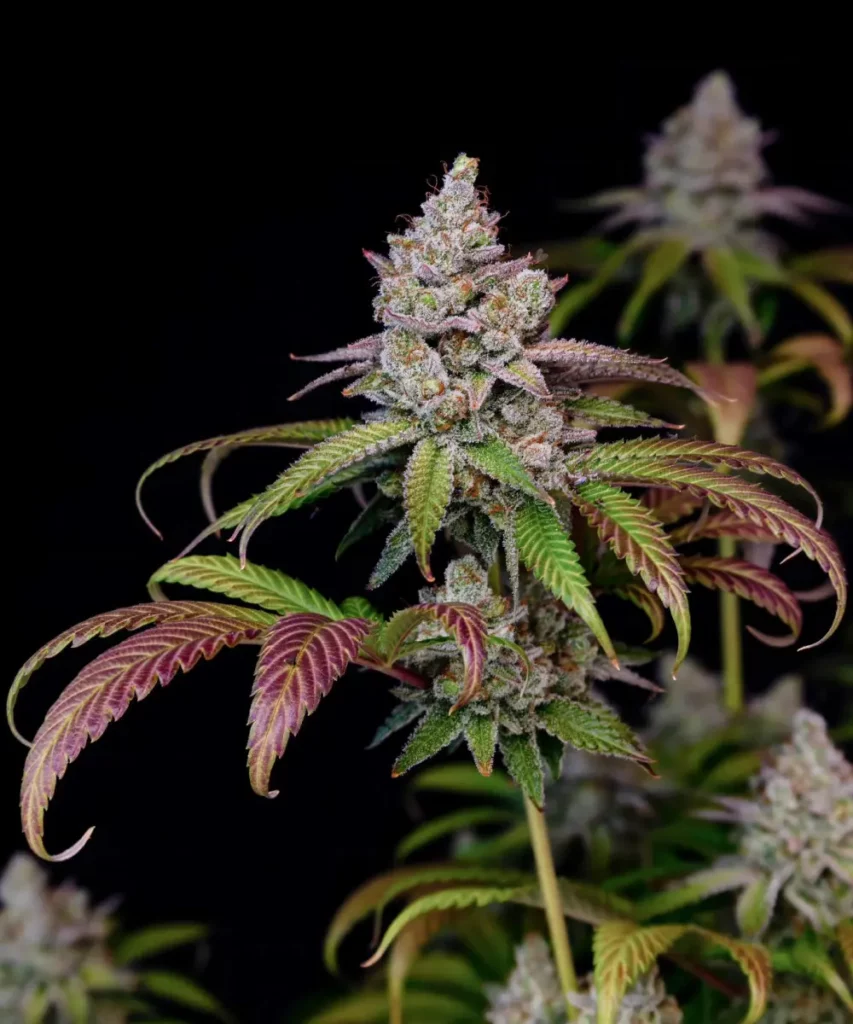
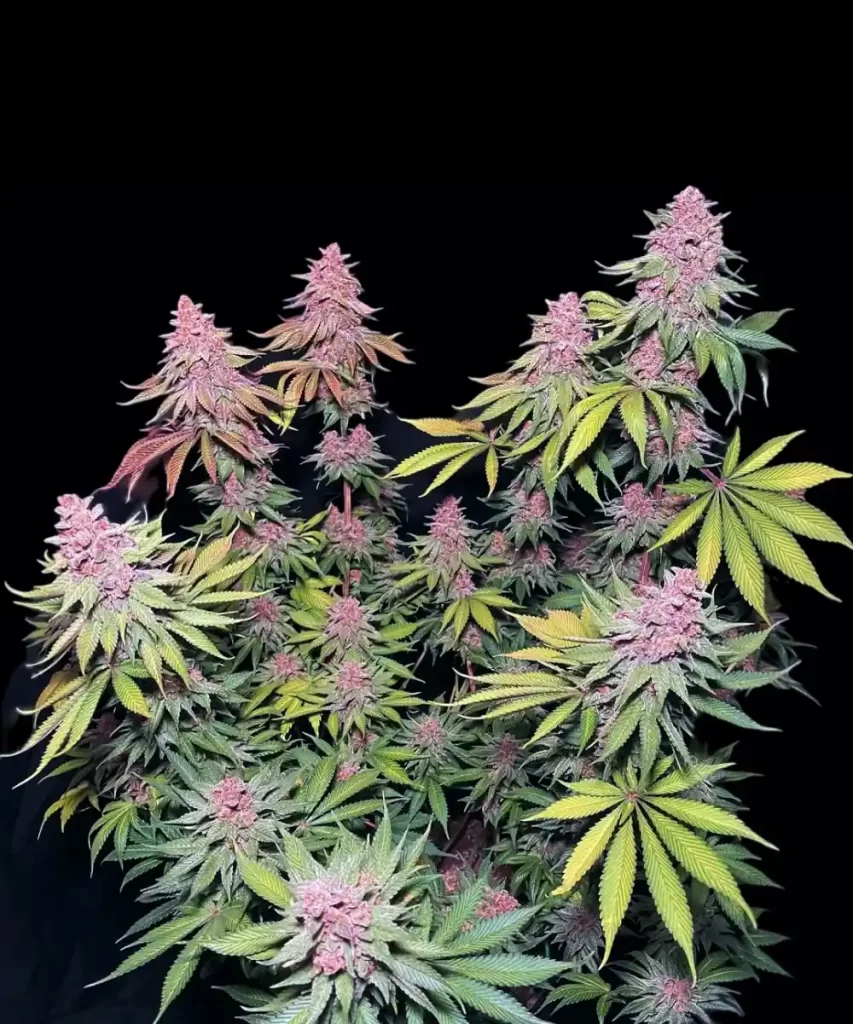

I planted 10 Super Boof seeds, and all germinated without a hitch. The plants grew strong and healthy, producing dense, frosty buds with a sweet, earthy aroma. The high is uplifting yet relaxing—a perfect balance. Impressive yield too, even with minimal effort

I’ve been growing weed for 30+ years, and to be honest, it’s quite difficult to surprise me. After a few decades of facing different strains, changing growing conditions, and solving whatever problem you could possibly think of, by then, I believe I’ve seen it all in cannabis growing.
Gary Payton defied every single one of my expectations.
The plant thrived, growing to an impressive 6 feet in what seemed like a blink of an eye. It quickly filled out with buds and displayed better smell each day, showing solid proof of superior genetics. The buds were tight, aromatic, and a source of immense pride, surpassing the outcome of many of my previous endeavors.
Hypno Seeds with their Gary Payton strain has won my complete admiration and loyalty. Outstanding genetics in this plant have truly turned what I always thought of to be an experiment with negligible expectations into one of the most satisfying grows of my long career.
Looking forward, my excitement for the next growing season is unparalleled. I can’t wait to see how much I can take these strains, especially with the attention that Gary Payton really does deserve right from the start.

TRUE MAGIC! This strain really stands out. I am trying Hypno Seeds for the first time and I surely made the right choice. I will be ordering more RS11 seeds just to keep this beauty in my garden for the upcoming season. Growing in Virginia and it’s only shown perfection by now.

Starting my latest grow, I decided to try out some Blackberry Kush from Hypno… I planted her on a whim alongside my other favorites. Hypno Seeds said it had to be a powerful plant with rich, fruity scents… Seeing is believing. She developed purplish hues and dense resin coated buds and quickly took center stage in my garden and produced much more than expected. The buds are tightly packed, literally bursting with the heady aroma. The yield? Very impressive for her conditions…
Germinated three seeds using the paper towel method with100% success rate within 48 hours. Planted in 5 gallon pots with living soil under a 315W CMH light. Plants remained compact (3.5 ft) with thick lateral branching, showing high resistance to humidity and minor nutrient fluctuations. Yield per plant: 5.8 oz of extremely dense, trichome-heavy buds. Smell profile during flower: sharp pine, pepper, and a hint of citrus. Harvested at week 9, after trichomes showed 30% amber for peak sedative effects. Smoke report: Potent. Deep relaxation without full sedation. Ideal for stress relief.


