

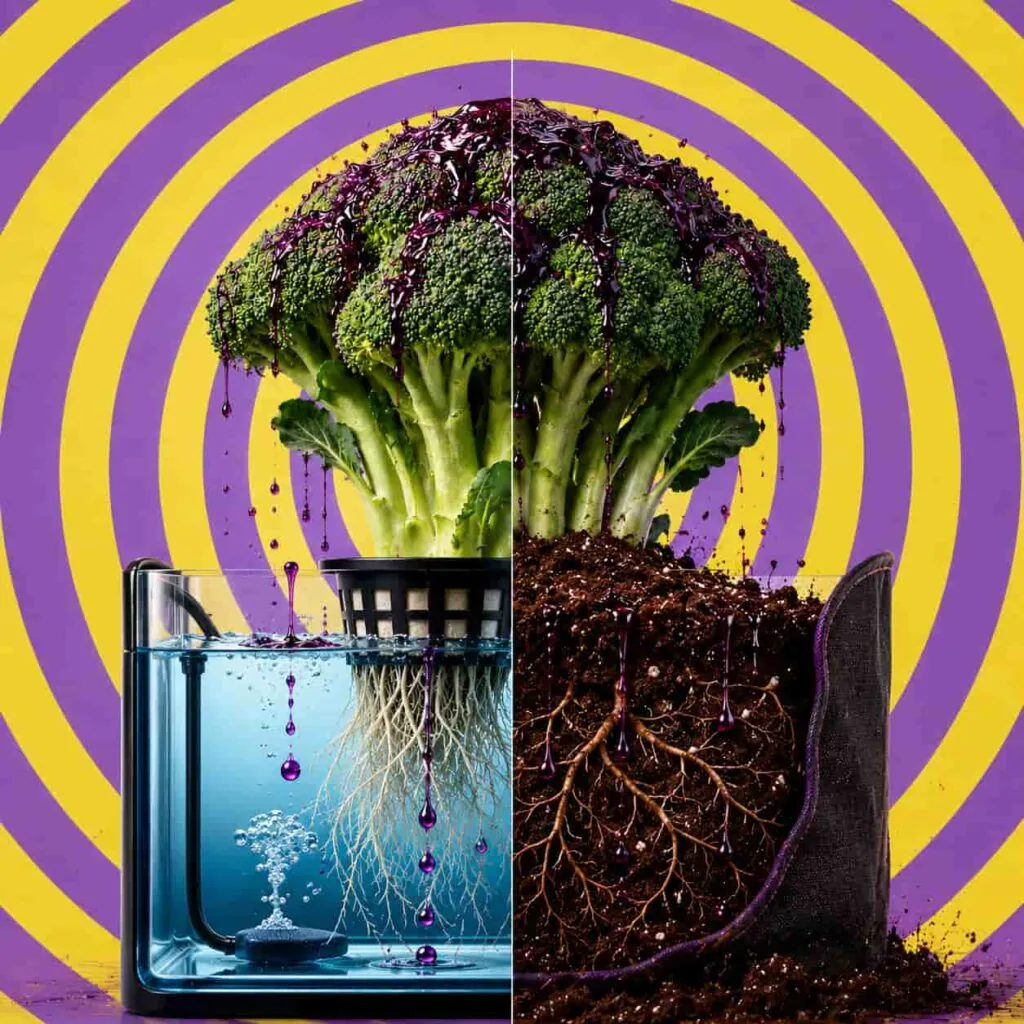
There is no “best” growing medium. There is only the best medium for you. A clean soil grow beats a failed hydro grow every single time. Here is the 30-second summary before we go deep.
| Medium | Best For | Daily Time | Yield Ceiling | Startup Cost | Forgiveness |
| Soil | Beginners, busy growers, flavor chasers | 5–10 min | Moderate | $50–$150 | Very High |
| Coco Coir | Intermediate growers wanting hydro speed without hydro complexity | 15–20 min | High | $100–$250 | Moderate |
| Hydroponics (DWC) | Experienced growers chasing maximum yield | 20–30 min | Very High | $300–$800+ | Low |
The rest of this guide explains exactly why, with real cost breakdowns, yield data at different skill levels, and specific strain recommendations for each medium.
Most “hydro vs soil” articles on the internet were written in 2015, before coco coir became the dominant force in home growing. Today, coco occupies the middle ground between soil and hydroponics. It grows in pots like soil, but you feed liquid nutrients like hydro. Ignoring coco in a 2026 comparison would be like comparing sedans to trucks while pretending SUVs do not exist.
Coco coir is made from the ground-up husk of coconuts. It holds no nutrients of its own, so every watering is a feeding. You get hydro-like growth speed without reservoirs, pumps, or chillers. For many modern home growers, coco has become the default choice, and for good reason. But it is not perfect for everyone, and that is what this guide will help you decide.
Soil is a bagged organic potting mix (like Fox Farm Ocean Forest or Roots Organics) that already contains nutrients and beneficial microbes. You water every 2 to 4 days, and the soil feeds the plant slowly through microbial activity. Think of it as a tiny self-contained ecosystem in a pot.
Coco Coir is the fibrous husk of coconuts, processed into a soil-like medium. It looks like dirt but contains zero nutrients. You mix liquid nutrients into your water and feed the plant every single day. It is essentially “hydroponics in a pot” without the reservoir.
Hydroponics (DWC) suspends the plant’s roots directly in an oxygenated nutrient solution. There is no growing medium at all. The roots hang in a bucket of water with an airstone providing oxygen. The plant feeds continuously, 24 hours a day.
Nobody else publishes this data. Here is what each method actually costs for a standard 4×4 tent grow (4 plants).
| Cost Category | Soil | Coco Coir | Hydro (DWC) |
| Growing medium | $30–$50 (bags of soil) | $20–$40 (coco bricks + perlite) | $0 (water only) |
| Pots/Containers | $20–$40 (fabric pots) | $20–$40 (fabric pots) | $80–$150 (DWC buckets + net pots) |
| Nutrients (per cycle) | $30–$60 (light feeding) | $50–$80 (full liquid feed + CalMag) | $50–$80 (full liquid feed) |
| Air pump + stones | $0 | $0 | $40–$80 |
| Water chiller | $0 | $0 | $150–$400 (essential in warm rooms) |
| pH/EC meters | $30 (pH pen only) | $50 (pH + EC pen) | $80–$150 (quality pH + EC + thermometer) |
| Total Startup | $110–$200 | $140–$260 | $400–$860 |
| Monthly Running Cost | $15–$30 | $25–$45 | $40–$70 (electricity for pumps + chiller) |
These numbers do not include the tent, lights, and ventilation, which are the same regardless of medium. The key takeaway: hydroponics costs 3 to 4 times more to set up than soil, and the monthly electricity bill is significantly higher due to air pumps running 24/7 and the chiller cycling on and off.
This is the data that every other guide gets wrong. They quote “hydro yields 30 to 50 percent more than soil” without mentioning that this only applies at the expert level. Here is the honest breakdown.
| Skill Level | Soil Yield (g/m²) | Coco Yield (g/m²) | Hydro Yield (g/m²) |
| First Grow (Beginner) | 200–350 | 250–400 | 100–300 (high failure rate) |
| Intermediate (3–5 grows) | 350–450 | 400–550 | 400–550 |
| Expert (10+ grows) | 400–550 | 500–650 | 600–750 |
Notice something critical: at the beginner level, hydro actually yields LESS on average because the failure rate is so high. A reservoir pH crash at week 5 of flower can destroy an entire crop overnight. Soil forgives mistakes for days before showing symptoms. Coco gives you about 24 to 48 hours to correct an issue before it becomes serious.
The yield gap between mediums narrows dramatically once you factor in skill. An expert soil grower pulling 550 g/m² is not far behind an expert hydro grower at 700 g/m², and the soil grower spent a fraction of the money and time getting there.
This is the factor that actually determines which medium you should choose. Not yield ceilings. Not internet forum opinions. Your daily schedule.
| Task | Soil | Coco Coir | Hydro (DWC) |
| Watering/Feeding | Every 2–4 days (5 min) | Every day, sometimes 2x in flower (10 min) | Check reservoir daily (5 min) |
| pH/EC Monitoring | Weekly (2 min) | Every feeding (3 min) | Daily (5 min) |
| Reservoir Maintenance | N/A | N/A | Weekly full change (30 min) |
| Temperature Monitoring | Room temp only | Room temp only | Room + reservoir temp (critical) |
| Total Daily Average | 5–10 minutes | 15–20 minutes | 20–30 minutes |
| Can You Skip a Day? | Yes (2–3 days safely) | Risky (plants wilt within 24h) | Dangerous (pump failure = dead roots in hours) |
Soil is the best choice for growers who travel for work, keep unpredictable hours, or simply do not want to think about their plants every day. Those who are home regularly and enjoy the ritual of feeding will likely find coco to be the sweet spot. Hydro, meanwhile, rewards obsessive, detail-oriented growers who treat cultivation like a science experiment.
This is information you will not find anywhere else. Different genetics respond differently to growing mediums based on their evolutionary background and feeding requirements.
| Strain Type | Best Medium | Why |
| Heavy-feeding indicas | Coco or Hydro | These strains demand precise CalMag and high EC in flower. Soil cannot deliver nutrients fast enough. |
| Light-feeding sativas | Soil or Coco | These strains burn easily. Soil’s natural buffering prevents overfeeding. Hydro’s precision can overwhelm them. |
| Autoflowers | Coco | Short lifecycle (70–80 days) means you need fast nutrient delivery from day one. Soil’s slow release wastes precious time. |
| Terpene-focused strains | Living Soil | Organic microbial activity produces the most complex terpene profiles. Many growers and consumers agree that soil-grown flower smells and tastes better. |
| Commercial/High-yield strains | Hydro or Coco | When the goal is maximum grams per square meter, these genetics respond to aggressive feeding schedules. |
Soil is the oldest and most forgiving way to grow cannabis. The microbial ecosystem inside a quality organic soil mix acts as a natural buffer. If you overfeed slightly, the microbes slow down nutrient delivery. If you underwater for a day, the soil retains enough moisture to keep roots alive. This built-in safety net is why soil remains the best choice for first-time growers.
The biggest advantage of soil that nobody talks about is flavor. Living soil, where beneficial fungi and bacteria break down organic matter into plant-available nutrients, consistently produces flower with a richer, more complex terpene profile. This is subjective and debated, but the perception is widespread among experienced smokers and judges at cannabis cups.
The biggest disadvantage is speed. Plants in soil grow 20 to 30 percent slower than in coco or hydro because nutrients are released at the soil’s pace, not on demand. You cannot push a soil plant to grow faster by feeding more. The medium dictates the timeline.
Best soil mixes for cannabis: Fox Farm Ocean Forest, Roots Organics Original, BuildASoil 3.0 (living soil), or any organic potting mix with 20 to 30 percent perlite for drainage. For a deeper breakdown of soil options, amendments, and recipes, check out our dedicated guide to the best soil for cannabis (coming soon).
Coco coir has become the most popular growing medium for serious home growers in the last five years, and for good reason. It combines the best of both worlds: you grow in pots like soil (no reservoirs, no pumps, no chillers), but you feed liquid nutrients like hydro (full control over what the plant receives).
The growth speed in coco is nearly identical to hydroponics. Because you are delivering fresh nutrients directly to the roots with every watering, the plant never has to “search” for food. It simply grows as fast as its genetics allow.
The one critical requirement is daily watering. Coco does not store nutrients between feedings. If you skip a day in flower, the plant will show stress within 24 hours. This is the single biggest commitment, and it is the reason coco is not ideal for casual or traveling growers.
The other universal issue is Calcium and Magnesium deficiency. Coco coir naturally binds calcium and magnesium from your nutrient solution, making them unavailable to the plant. You must supplement CalMag from week one. Every single coco grower learns this lesson, either proactively or the hard way.
Best coco products: CANNA Coco Professional Plus (pre-buffered), Mother Earth Coco + Perlite Mix (70/30), or any reputable brand that comes pre-rinsed and buffered.
Deep Water Culture is the Formula 1 of cannabis growing. When everything is dialed perfectly, nothing grows faster or yields more. The roots have unlimited access to water, oxygen, and nutrients simultaneously. There is no medium slowing anything down. The plant simply explodes.
But the failure mode is equally extreme. A reservoir that rises above 72°F becomes a breeding ground for Pythium (root rot). A pH meter that drifts without you noticing can lock out nutrients within hours. A power outage that stops your air pump starts suffocating roots immediately. There is no buffer, no forgiveness, no time to figure things out.
The growers who succeed with hydro share a common trait: they enjoy the monitoring. They check pH and EC daily, keep a thermometer in the reservoir, and have backup air pumps. They treat it like a science experiment, not a hobby. If that sounds exhausting rather than exciting, hydro is not for you.
Essential hydro equipment: 5-gallon DWC buckets with net pots, commercial air pump (not aquarium grade), large air stones, quality pH and EC meters (Bluelab or Apera), water chiller (if room temperature exceeds 72°F), and hydroton clay pebbles.
Answer these four questions honestly:
1. How much time can you spend on your plants daily?
2. What is your budget for the grow setup (excluding tent and lights)?
3. How many grows have you completed?
4. What matters most to you?
Soil Mistakes:
Coco Mistakes:
Hydro Mistakes:
The “best” growing medium does not exist. What exists is the best medium for your schedule, your budget, your experience level, and your goals. A grower who waters their soil plants twice a week and pulls 400 grams of beautiful, terpy flower is not doing it “wrong” compared to a hydro grower pulling 700 grams. They are doing it differently, and both are valid.
If you are starting your first grow, choose soil. Learn how the plant communicates. Understand what healthy roots look like. Make your mistakes in a forgiving environment. Then, if you want more speed and control, graduate to coco on your second or third run. And if you eventually crave the absolute ceiling of what cannabis can produce, hydro will be waiting for you.
Whatever medium you choose, the fundamentals remain the same: good genetics, proper light, correct pH, appropriate nutrients, and patience. Whether you are searching for the best growing medium for weed or simply trying to decide between your first soil pot and a DWC bucket, the answer is always the same: match the medium to your life, not to a YouTube highlight reel. Start with quality seeds, dial in your environment using our VPD chart, and let the plant do what it was bred to do.


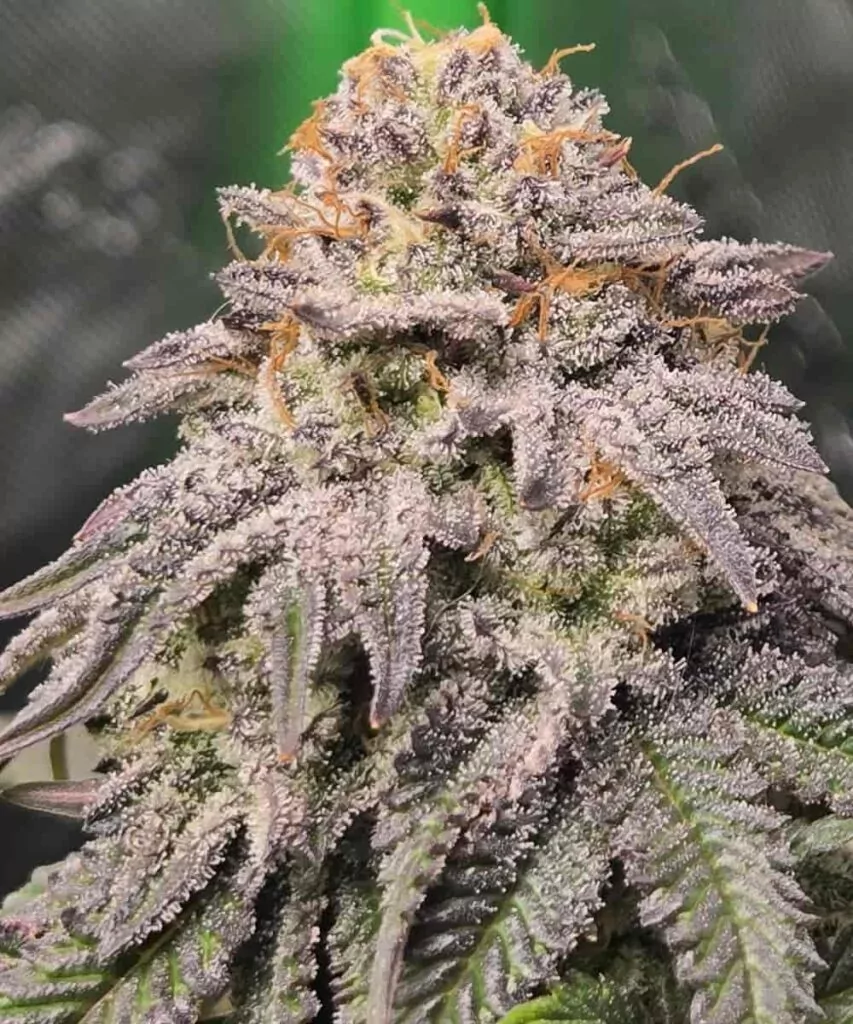


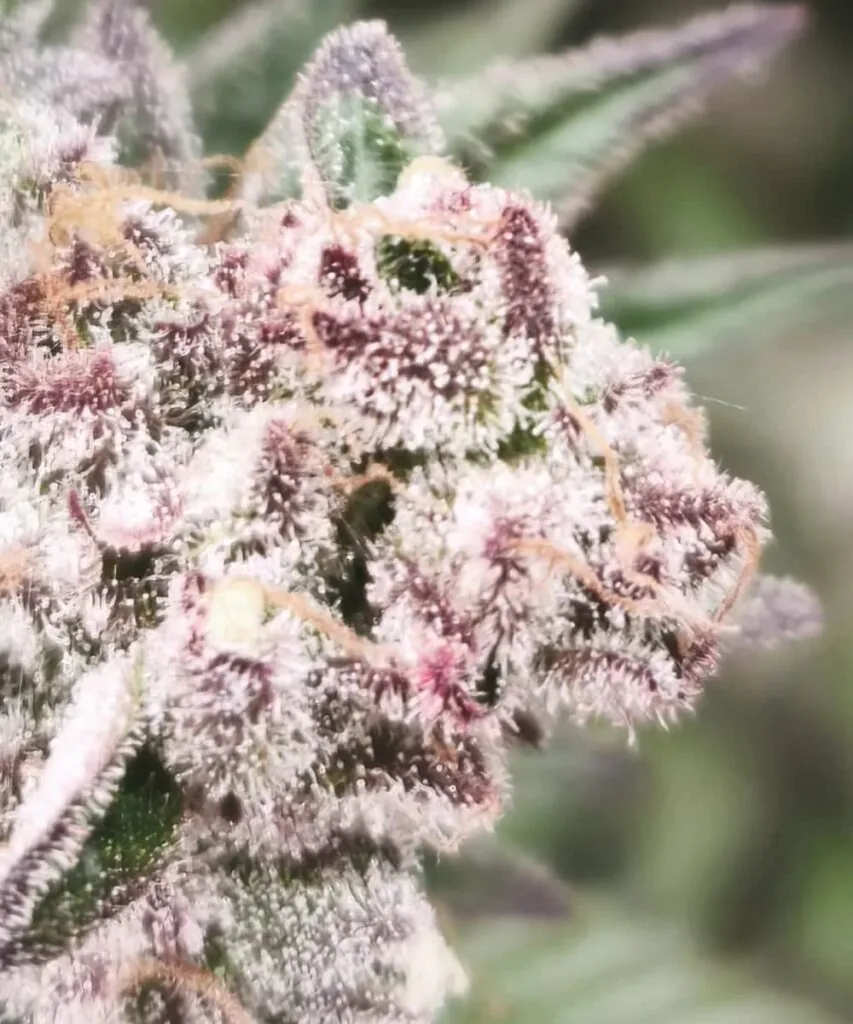
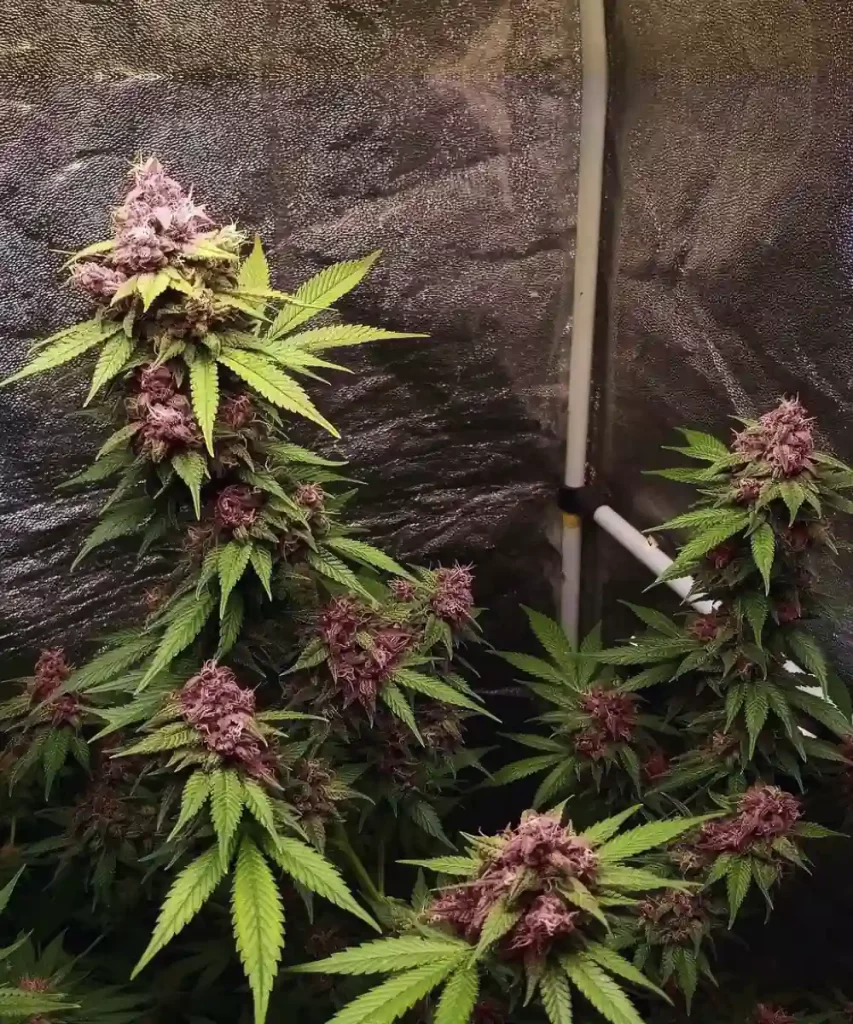
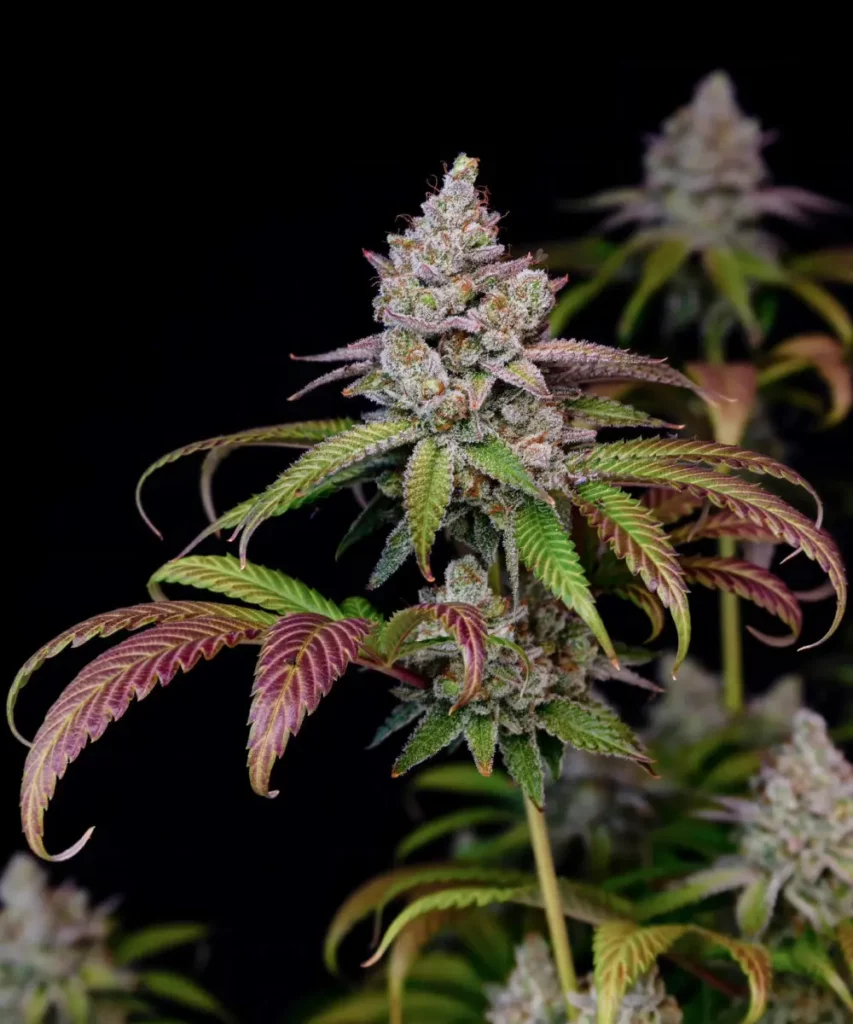
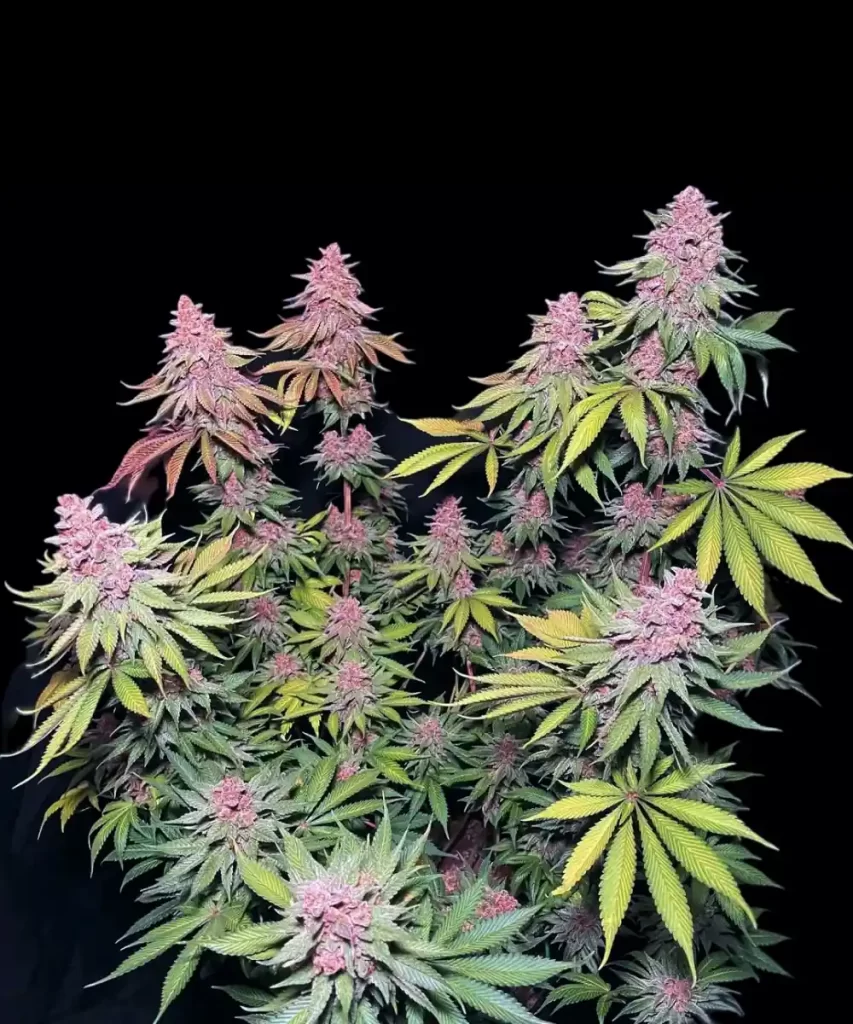

I planted 10 Super Boof seeds, and all germinated without a hitch. The plants grew strong and healthy, producing dense, frosty buds with a sweet, earthy aroma. The high is uplifting yet relaxing—a perfect balance. Impressive yield too, even with minimal effort

I’ve been growing weed for 30+ years, and to be honest, it’s quite difficult to surprise me. After a few decades of facing different strains, changing growing conditions, and solving whatever problem you could possibly think of, by then, I believe I’ve seen it all in cannabis growing.
Gary Payton defied every single one of my expectations.
The plant thrived, growing to an impressive 6 feet in what seemed like a blink of an eye. It quickly filled out with buds and displayed better smell each day, showing solid proof of superior genetics. The buds were tight, aromatic, and a source of immense pride, surpassing the outcome of many of my previous endeavors.
Hypno Seeds with their Gary Payton strain has won my complete admiration and loyalty. Outstanding genetics in this plant have truly turned what I always thought of to be an experiment with negligible expectations into one of the most satisfying grows of my long career.
Looking forward, my excitement for the next growing season is unparalleled. I can’t wait to see how much I can take these strains, especially with the attention that Gary Payton really does deserve right from the start.

TRUE MAGIC! This strain really stands out. I am trying Hypno Seeds for the first time and I surely made the right choice. I will be ordering more RS11 seeds just to keep this beauty in my garden for the upcoming season. Growing in Virginia and it’s only shown perfection by now.

Starting my latest grow, I decided to try out some Blackberry Kush from Hypno… I planted her on a whim alongside my other favorites. Hypno Seeds said it had to be a powerful plant with rich, fruity scents… Seeing is believing. She developed purplish hues and dense resin coated buds and quickly took center stage in my garden and produced much more than expected. The buds are tightly packed, literally bursting with the heady aroma. The yield? Very impressive for her conditions…
Germinated three seeds using the paper towel method with100% success rate within 48 hours. Planted in 5 gallon pots with living soil under a 315W CMH light. Plants remained compact (3.5 ft) with thick lateral branching, showing high resistance to humidity and minor nutrient fluctuations. Yield per plant: 5.8 oz of extremely dense, trichome-heavy buds. Smell profile during flower: sharp pine, pepper, and a hint of citrus. Harvested at week 9, after trichomes showed 30% amber for peak sedative effects. Smoke report: Potent. Deep relaxation without full sedation. Ideal for stress relief.


