


Dense, frosty indica buds don’t happen by accident. They come from deliberate trait selection across multiple breeding generations: tight internodal spacing, high trichome density genes, and root structures built for heavy bud-site support. At Hypno Seeds, every indica line goes through repeated selection cycles where we isolate plants showing the densest calyx formation and the thickest resin coverage, then breed forward only from those phenotypes. That’s the difference between a strain that just looks indica on a seed packet and one that actually produces the compact, trichome-caked colas growers are chasing.
About the Author: This article is written by the Hypno Seeds breeding team, an in-house genetics program based in the USA that develops and stabilizes its own strains over multiple generations rather than reselling existing seed stock, with direct experience selecting indica phenotypes for density and resin output across hundreds of breeding runs.
Bud density is a structural trait controlled by how tightly a plant packs calyxes around its central stem. Indica genetics, originating from short-season mountain climates, evolved compact growth patterns to protect developing flowers from wind and cold. In breeding terms, this shows up as short internodal spacing (the distance between leaf nodes) and thick, fused calyx tissue rather than the airier, elongated structure typical of sativa lines.
Think of it like the difference between a tightly wound ball of yarn and a loosely draped scarf. Both use the same material, but one is compact and heavy for its size, the other is light and spread out. When we select indica parent plants, we’re looking for the “ball of yarn” growth pattern: short stems, overlapping bud sites, and minimal space between flower clusters. That density isn’t cosmetic. It directly correlates with final bud weight per plant and how much trichome surface area develops per gram of flower.
Trichomes are the resin glands that produce cannabinoids and terpenes, and their density is a genetic trait just as heritable as bud structure. A frosty-looking bud isn’t just more photogenic for a grow report. It typically carries higher concentrations of the compounds responsible for potency and aroma, since trichomes are where those compounds are synthesized and stored.
Building on the density traits above, the harder breeding question is how to increase trichome count without sacrificing bud structure. Some high-resin phenotypes develop loose, airy flowers because the plant channels energy into resin production at the expense of calyx formation. Our breeding cycles screen for plants that do both well, selecting for parents that show heavy trichome coverage on a tight, dense bud rather than treating the two traits as mutually exclusive.
Pro Tip: When evaluating a seed packet’s trichome potential before germination, don’t rely on THC percentage alone. Two strains with identical lab-tested THC can have very different trichome density and bag appeal, since potency numbers measure concentration within the resin, not how much resin the plant actually produces.
Stabilization means a trait shows up reliably in the majority of offspring, not just in a lucky one-off phenotype. This takes repeated backcrossing: breeding a standout plant back to its parent line, then selecting the best offspring from that cross and repeating the process over several generations.
In practice, this looks like:
This is also why genuine in-house breeding differs meaningfully from simply distributing someone else’s seed stock. A breeder who grows out, selects, and stabilizes a line over years has direct knowledge of its tendencies, its weak phenotypes, and how it performs across different grow setups. That knowledge shapes every future cross.
Indica hybrid seeds often outperform pure indica lines for trichome production, a phenomenon tied to hybrid vigor, where crossing two distinct genetic lines produces offspring that outperform either parent in specific traits. This isn’t universal, but it shows up often enough in breeding programs that most modern “indica” strains on the market are actually indica-dominant hybrids rather than landrace indicas.
Pure indica landraces tend to have slower metabolisms and denser, but sometimes smaller, flower structures. Hybridizing with a sativa line can introduce faster resin production or longer flower development time, giving trichomes more days to accumulate before harvest. The trade-off is that hybrids require more careful selection to avoid losing the tight bud structure that makes indica genetics desirable in the first place.
| Trait | Pure Indica | Indica-Dominant Hybrid |
|---|---|---|
| Bud density | Very high, compact | High, slightly more variable |
| Trichome output | Moderate to high | Often higher due to hybrid vigor |
| Flowering time | Shorter | Can run slightly longer |
| Growth pattern | Short, bushy | Short to medium, more node spacing variance |
A separate but related question for home growers is which specific genetics actually deliver on these breeding goals this season. Among the top indica strains in 2026, the strongest performers share a few traits: consistent calyx density, trichome coverage visible to the naked eye by week 5-6 of flower, and manageable plant height for indoor tents. Growers don’t need advanced equipment to spot a well-bred indica line. Short internodal spacing and tight, rounded bud shape are visible early, often by the third or fourth week of flowering.
For growers specifically hunting dense, resin-heavy genetics, lines like Blackberry Kush and Godfather OG are regularly cited in grower feedback for their tight structure and heavy trichome coverage. Shop Blackberry Kush if you want a strain with documented grow reports backing up its density claims.
Indica strains for sleep are typically sought out for their reported calming, body-heavy effects, which many users associate with the terpene profiles common in dense indica genetics, particularly myrcene-dominant strains. This connects directly back to the breeding priorities covered above: terpene retention depends heavily on trichome density, since trichomes are where terpenes are produced and stored alongside cannabinoids.
A denser bud with more trichome surface area generally retains more of its terpene profile through curing, which matters for strains marketed around relaxation and nighttime use. This isn’t a guarantee of any specific effect, since individual response to cannabis varies, but the genetic logic is consistent: breeding for density and resin coverage tends to produce strains with stronger, more complex terpene profiles overall.
What causes some cannabis buds to look frostier than others?
Frosty appearance comes from trichome density, a genetically controlled trait. Strains bred specifically for resin production show visibly more trichome coverage than strains selected mainly for yield or flowering speed.
Do indica seeds always produce denser buds than sativa seeds?
Generally yes, due to indica’s shorter internodal spacing and compact calyx structure, though breeding selection within a strain matters more than the indica/sativa label alone.
How many generations does it take to stabilize a dense, frosty indica strain?
It varies by breeding program and starting genetics, but reliable stabilization typically requires several generations of selection and backcrossing rather than a single cross.
Are indica hybrid seeds harder to grow than pure indicas?
Not necessarily. Many indica hybrid seeds are bred specifically to keep indica’s beginner-friendly growth pattern while adding traits like increased trichome output or extended flowering.
Does higher THC percentage always mean denser, frostier buds?
No. THC percentage measures concentration within the resin, not total trichome coverage. A strain can test high in THC with moderate trichome density, or vice versa.
What’s the best way to judge a strain’s density potential before buying seeds?
Look at grower-submitted photos and feedback from the breeder rather than relying on strain name alone. Established breeders with documented grow reports give a more honest picture than marketing images.
Hypno Seeds is a USA-based cannabis seed breeder operating out of a climate-controlled warehouse in Las Vegas, NV, developing and stabilizing its own genetics in-house rather than reselling existing seed stock. Every batch goes through germination testing on a recurring schedule, with any batch falling below a 95% success threshold pulled from inventory, and every seed is hand-inspected for maturity and shell integrity before it ships. The company’s breeding program has produced exclusive proprietary lines alongside grower-favorite strains, giving home cultivators access to genetics with a documented track record rather than unverified claims. For growers who want dense, resin-heavy indica genetics backed by real breeding data, that in-house control from seed to shipment is the core of what Hypno Seeds does differently.
Looking to start your next grow with genetics bred specifically for density and resin production? Visit Hypno Seeds to browse current indica and hybrid seed selections.


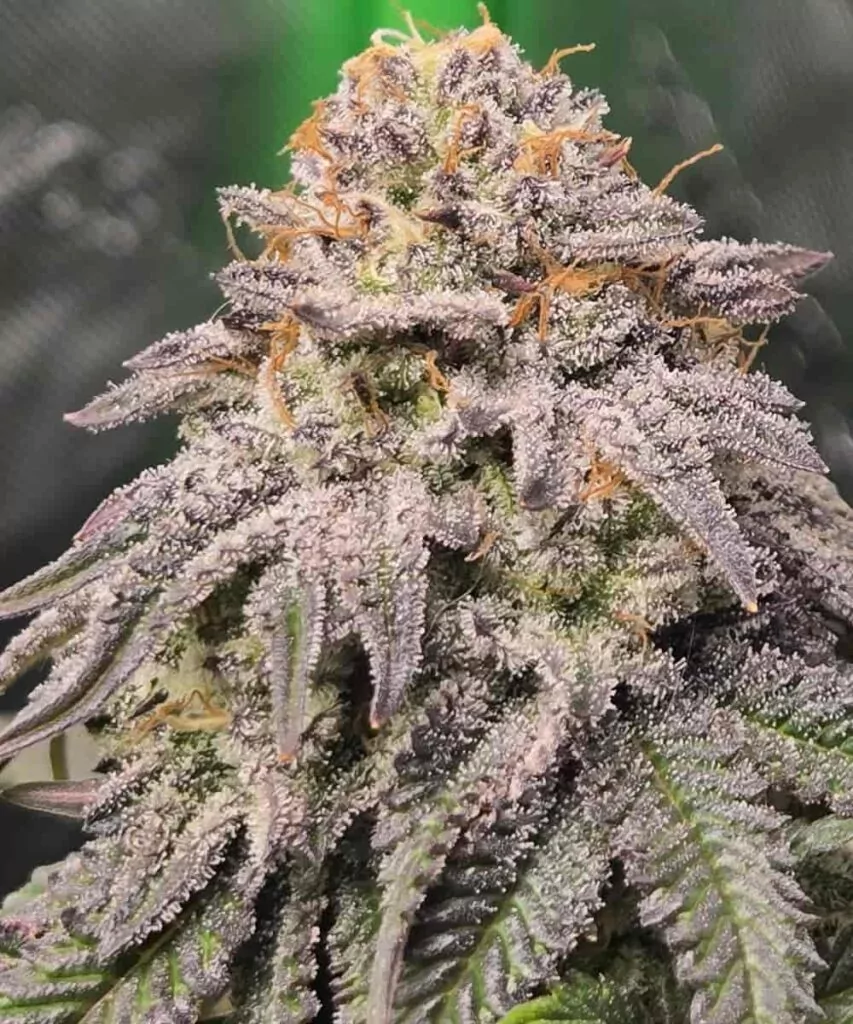


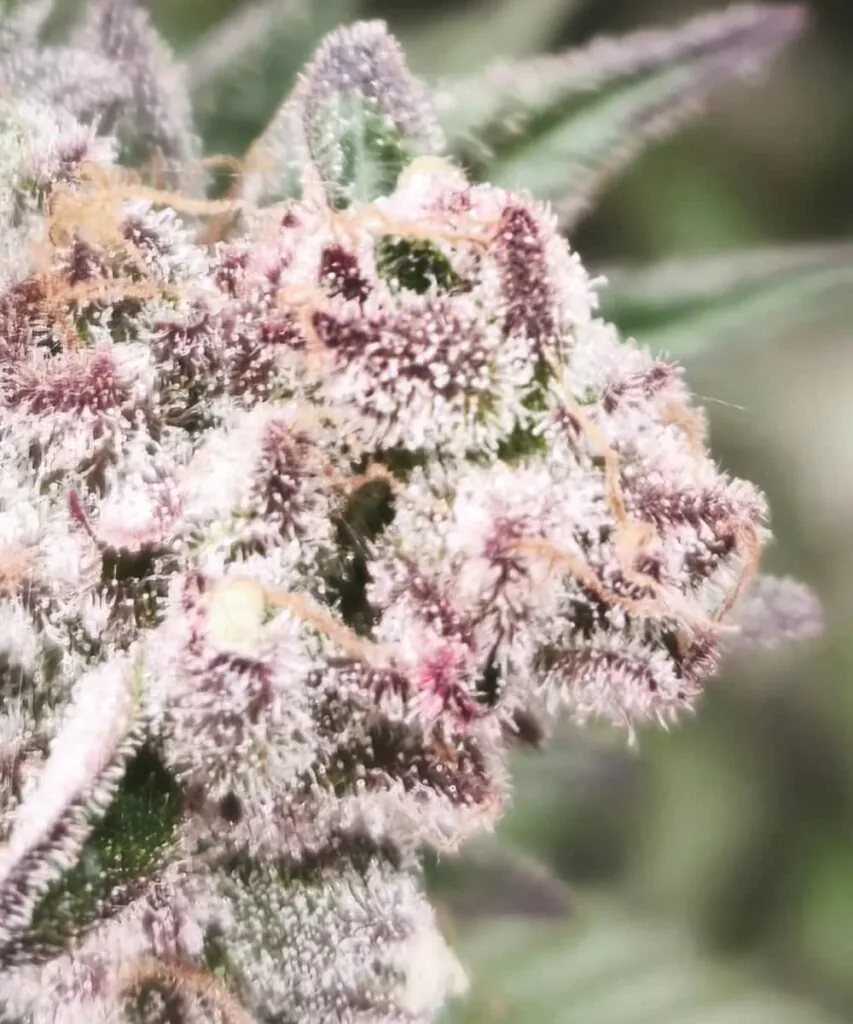
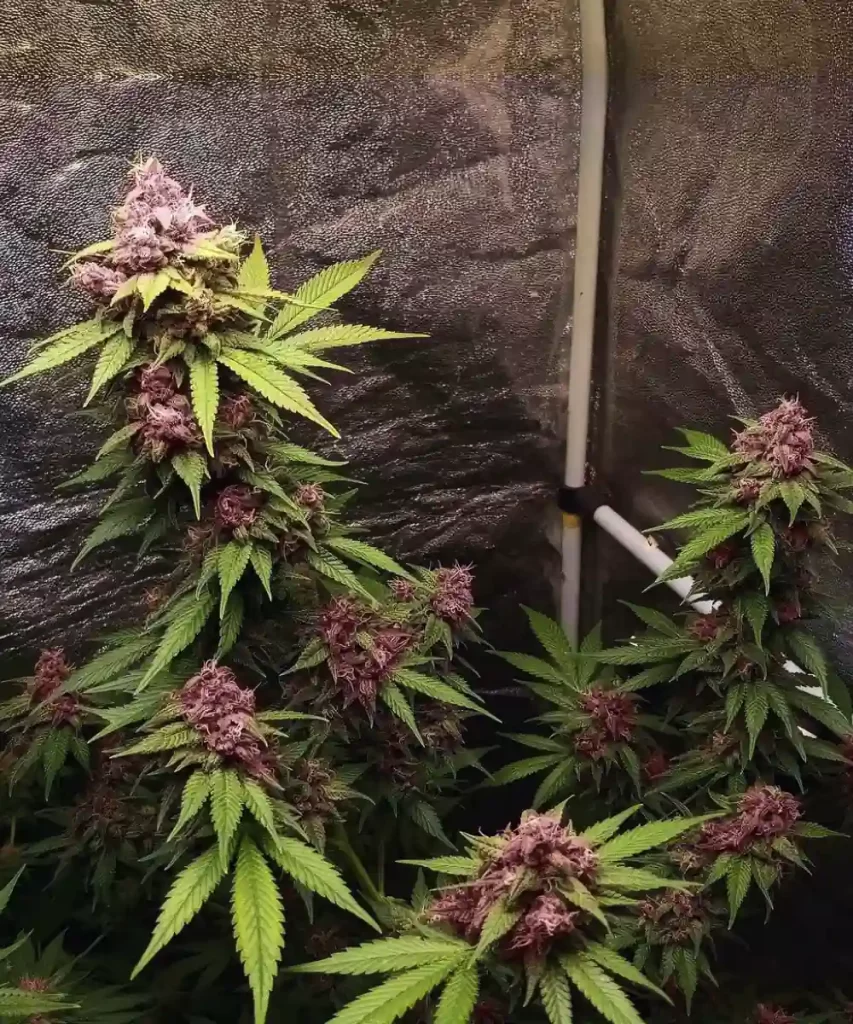
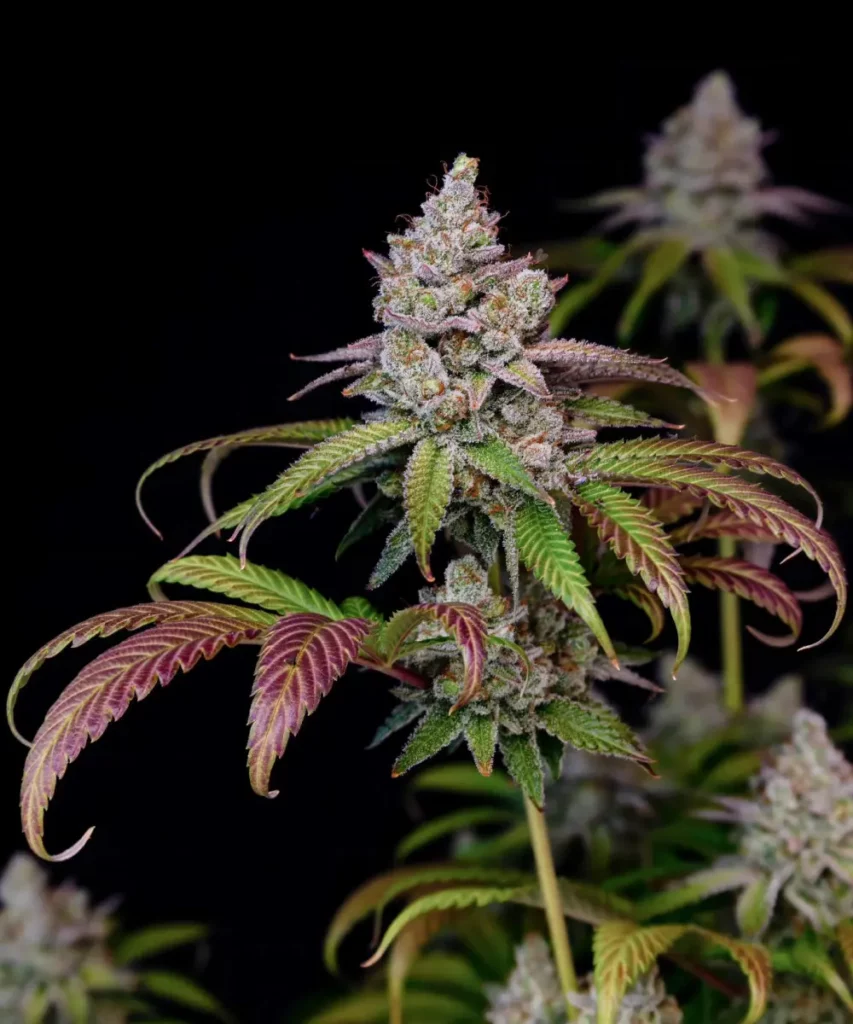
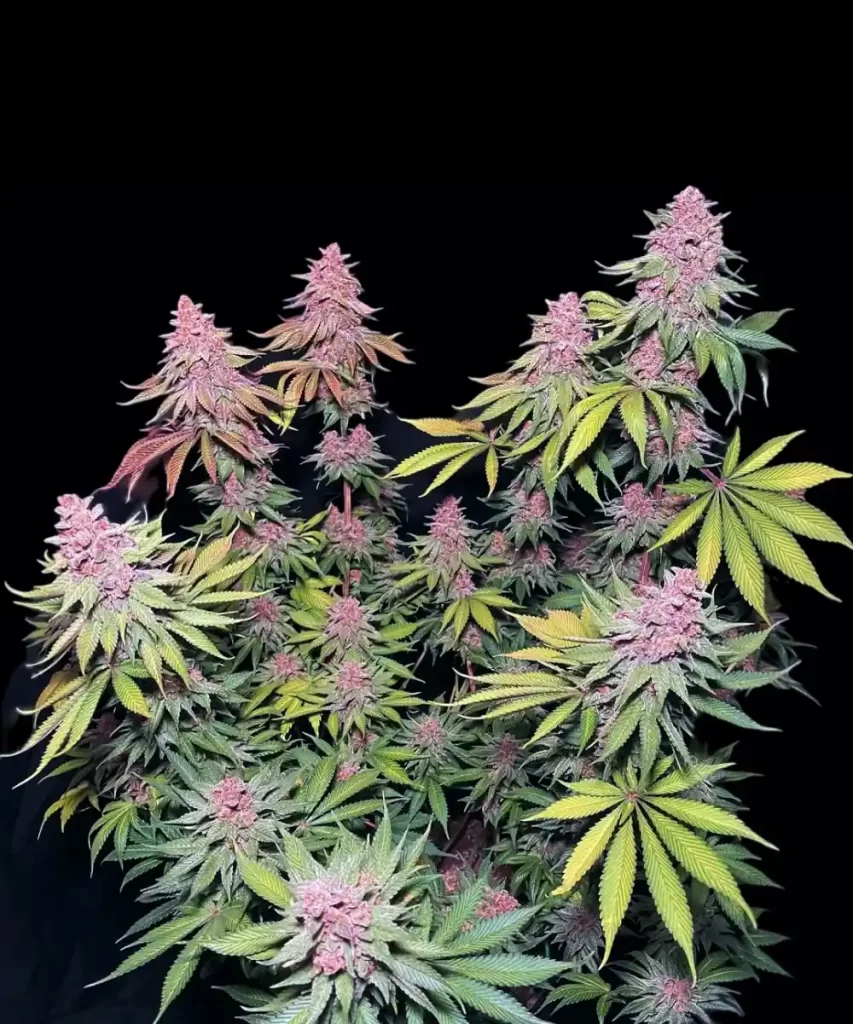

I planted 10 Super Boof seeds, and all germinated without a hitch. The plants grew strong and healthy, producing dense, frosty buds with a sweet, earthy aroma. The high is uplifting yet relaxing—a perfect balance. Impressive yield too, even with minimal effort

I’ve been growing weed for 30+ years, and to be honest, it’s quite difficult to surprise me. After a few decades of facing different strains, changing growing conditions, and solving whatever problem you could possibly think of, by then, I believe I’ve seen it all in cannabis growing.
Gary Payton defied every single one of my expectations.
The plant thrived, growing to an impressive 6 feet in what seemed like a blink of an eye. It quickly filled out with buds and displayed better smell each day, showing solid proof of superior genetics. The buds were tight, aromatic, and a source of immense pride, surpassing the outcome of many of my previous endeavors.
Hypno Seeds with their Gary Payton strain has won my complete admiration and loyalty. Outstanding genetics in this plant have truly turned what I always thought of to be an experiment with negligible expectations into one of the most satisfying grows of my long career.
Looking forward, my excitement for the next growing season is unparalleled. I can’t wait to see how much I can take these strains, especially with the attention that Gary Payton really does deserve right from the start.

TRUE MAGIC! This strain really stands out. I am trying Hypno Seeds for the first time and I surely made the right choice. I will be ordering more RS11 seeds just to keep this beauty in my garden for the upcoming season. Growing in Virginia and it’s only shown perfection by now.

Starting my latest grow, I decided to try out some Blackberry Kush from Hypno… I planted her on a whim alongside my other favorites. Hypno Seeds said it had to be a powerful plant with rich, fruity scents… Seeing is believing. She developed purplish hues and dense resin coated buds and quickly took center stage in my garden and produced much more than expected. The buds are tightly packed, literally bursting with the heady aroma. The yield? Very impressive for her conditions…
Germinated three seeds using the paper towel method with100% success rate within 48 hours. Planted in 5 gallon pots with living soil under a 315W CMH light. Plants remained compact (3.5 ft) with thick lateral branching, showing high resistance to humidity and minor nutrient fluctuations. Yield per plant: 5.8 oz of extremely dense, trichome-heavy buds. Smell profile during flower: sharp pine, pepper, and a hint of citrus. Harvested at week 9, after trichomes showed 30% amber for peak sedative effects. Smoke report: Potent. Deep relaxation without full sedation. Ideal for stress relief.


