

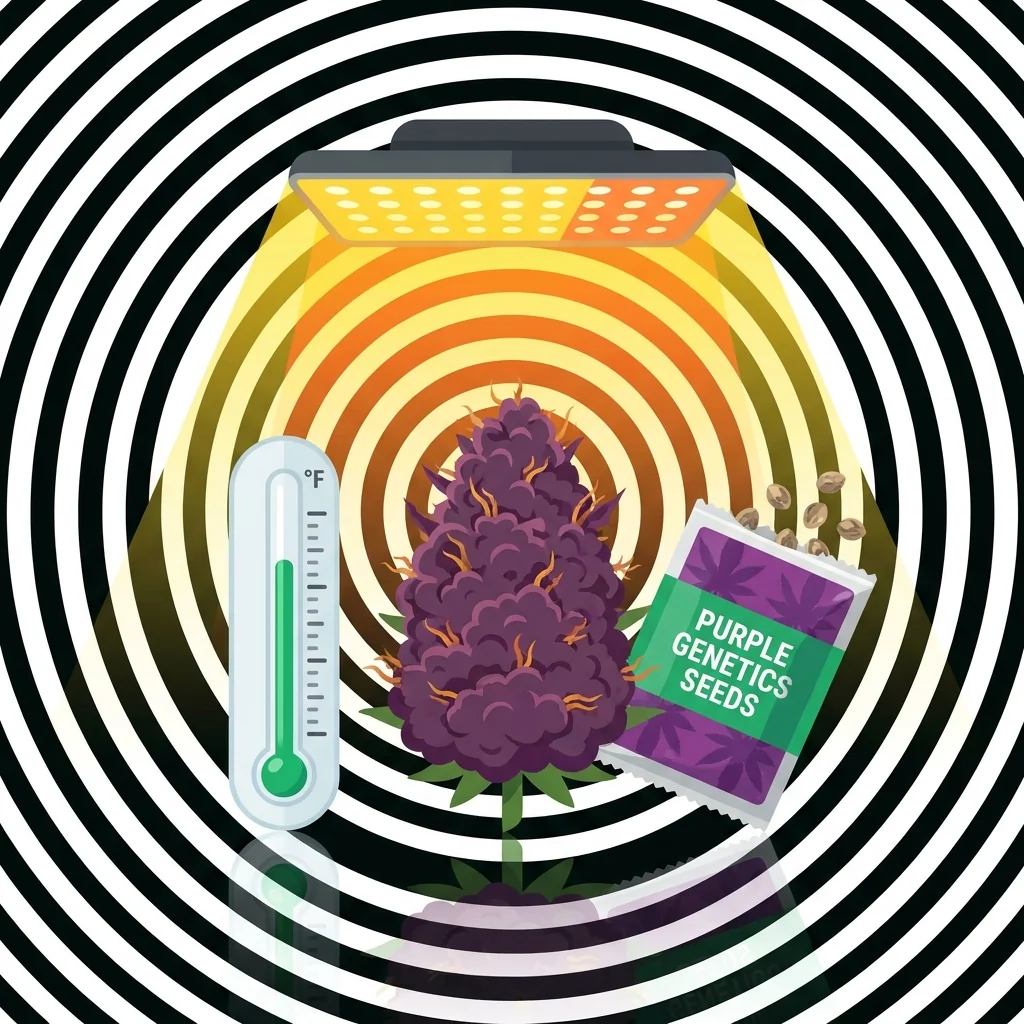
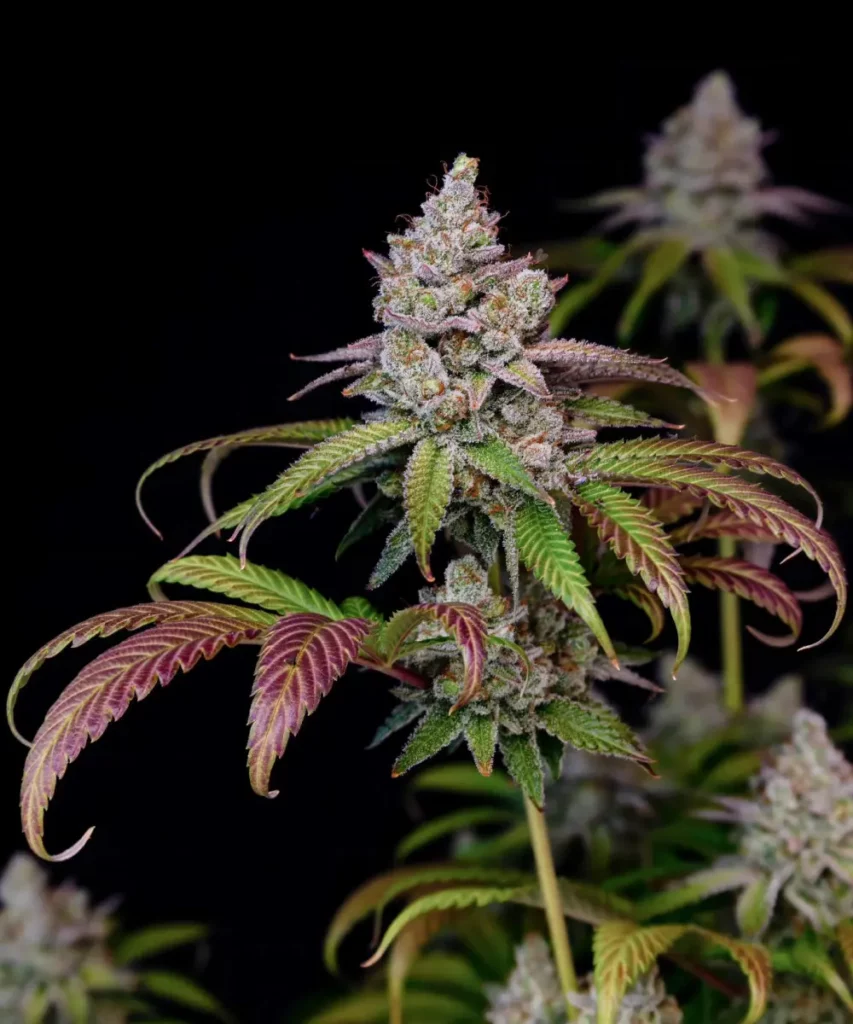
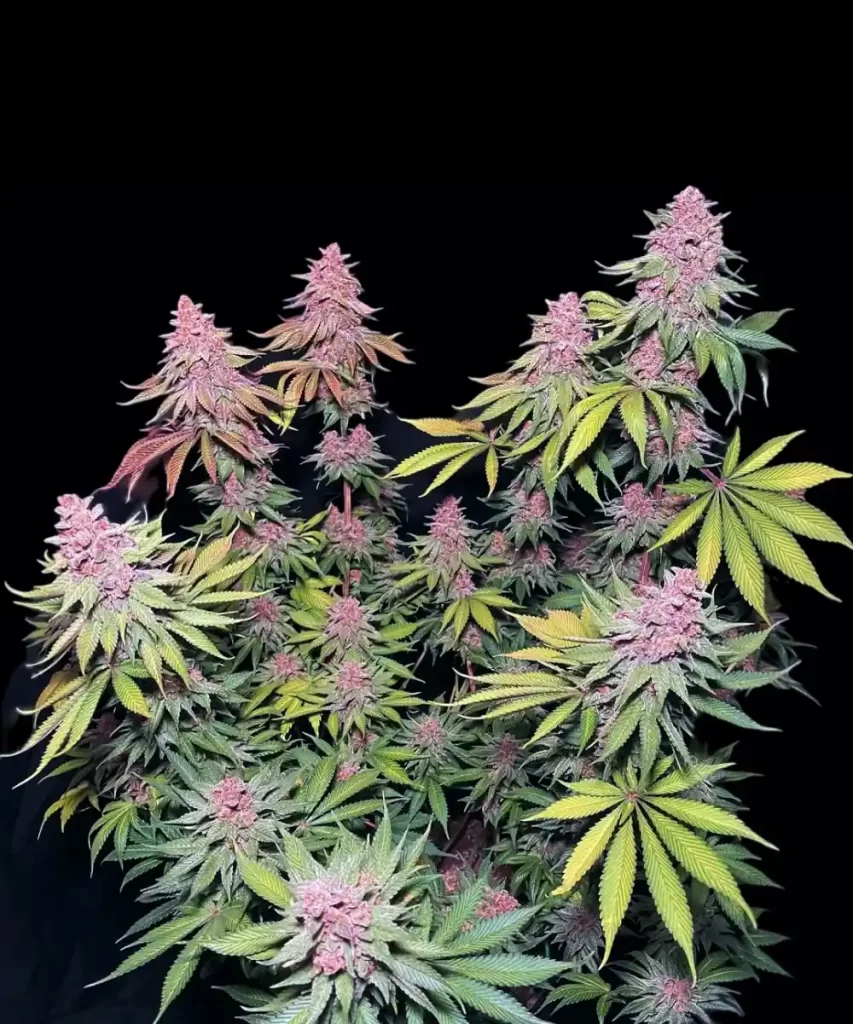
You don’t need a cold grow room to get purple buds indoors. What you need are genetics with strong anthocyanin expression, which is the pigment that turns cannabis purple. That pigment shows at normal indoor temperatures once chlorophyll fades in late flower. Lines like Purple Punch, Blackberry Kush and Granddaddy Purple descendants are known for coloring up this way. We breed and stabilize our purple strains in-house over multiple generations. Color consistency is mostly settled there, when the parents are selected, long before your thermostat has any say.
- Purple color comes from genetics first. Cold nights only reveal pigment a plant already makes. They cannot create it.
- Strains with strong pigment genetics color up at normal indoor temperatures, usually in the final weeks of flower.
- Forcing big night drops in a tent raises humidity at lights-off, and that risk often outweighs the color gain.
- To protect color, taper nitrogen late, keep light strong and avoid the deficiencies that cause “stress purple.”
- Stabilized genetics narrow phenotype variation, so more of your plants actually turn purple.
About the Author: This guide comes from the Hypno Seeds breeding team. We are a US-based breeder that develops and stabilizes its own genetics, including purple strain varieties, and we germination-test every seed batch every 30 days.
Cannabis turns purple because of anthocyanins. These are water-soluble pigments stored in plant cells, and they become visible as chlorophyll breaks down. Everything else in this guide follows from that fact. Green is not the plant’s only color. It’s just the loudest one.
Picture chlorophyll as a coat of green paint over a purple primer. During flowering the plant gradually stops renewing the paint, so it wears thin. A strain with strong anthocyanin genetics has a thick primer, and purple shows through on its own. A strain with a thin primer stays mostly green, however much the paint fades.
- Shade depends on cell chemistry: Anthocyanin color shifts with pH inside plant cells. That’s why one strain reads pink while another goes near-black.
- Location depends on genetics: Some lines color calyxes and sugar leaves. Others mainly color fan leaves.
Using the paint analogy, cold nights strip the green paint faster. They don’t add any primer. A common grower tip is to drop night temperatures well below daytime levels in late flower to push maximum color. That advice mostly helps borderline strains with modest pigment genetics.
Indoors, chasing that drop comes with real trade-offs:
- Humidity spikes: Cooler air holds less moisture, so relative humidity climbs at lights-off. Dense indica buds, which make up a lot of purple genetics, are the most likely to trap it.
- Equipment limits: Many home tents sit in rooms where nighttime temps won’t fall that far without added cooling.
- Extra stress: Large swings stress the plant just as you want it to finish steadily.
Our view is simple. If a strain only purples under a forced cold snap, it’s the wrong strain for a warm indoor room. Choose genetics that color up on their own.
The best purple strains for warm indoor rooms share one trait: their anthocyanin expression is strong enough to show without a forced cold drop. We’ve selected the picks below for that reason. Phenotypes vary and conditions still matter, but these lines give color the best head start.
| Strain | Type | Color Tendency | Indoor Note |
|---|---|---|---|
| Purple Punch | Indica-dominant | Grape to violet | Compact, tent-friendly |
| Blackberry Kush | Indica-dominant | Dark purple to near-black | Dense buds, prioritize airflow |
| Purple Runtz | Hybrid | Purple hues through the bud | Balanced structure |
| Grape Ape | Indica-dominant | Deep grape purple | Keep humidity in check |
Purple Punch crosses Larry OG with Granddaddy Purple. That second parent is the line many growers have in mind when they search for granddaddy purple seeds, and it brings dependable color. This is why purple punch seeds are a go-to for growers who can’t lower night temps. Shop Purple Punch
Blackberry Kush seeds are known for some of the darkest coloring among indicas, and it often deepens in the final weeks. The buds are dense, so keep air moving through the canopy. Shop Blackberry Kush
This one suits growers who want purple color on a more balanced hybrid frame instead of a squat indica. Shop Purple Runtz
Grape Ape is a long-standing purple indica named for its grape aroma. It’s a reliable choice if you want color that has a track record. Shop Grape Ape
With the right genetics in place, your job changes from creating color to not hiding it. Cannabis cultivation laws differ by state and locality, and growers must check and follow their own. Then work through these steps:
- Keep light strong through late flower. Light intensity affects pigment production in many plants, so dimming early can mute color.
- Taper nitrogen in the final weeks. Nitrogen keeps chlorophyll production going. Easing off lets the green fade on schedule.
- Don’t starve the plant. A phosphorus deficiency can turn stems and leaves purple, but that’s damage, not genetics.
- Let the natural lights-off dip happen. A modest drop when the lights switch off is normal. You don’t need to engineer a bigger one.
- Judge harvest by trichomes, not color. Color often keeps deepening late, so don’t cut early because the buds look purple enough.
💡 Pro Tip: If a stabilized purple line stays green at normal temps, look at your late-flower nitrogen before you blame the room. Excess nitrogen keeps refreshing the green paint.
A related but distinct question is whether the purple you see is a feature or a warning sign. Genetic purple builds gradually on healthy buds. Stress purple shows up alongside other symptoms.
| Sign | Genetic Purple | Stress Purple |
|---|---|---|
| Where | Calyxes, sugar leaves | Stems, petioles, older fan leaves |
| When | Mid-to-late flower, gradual | Any stage, often sudden |
| Plant health | Vigorous | Curling, spotting, slowed growth |
| Cause | Anthocyanin genetics | Deficiency, root issues, cold shock |
Yes, if the genetics carry strong color. Autoflower options like Blackberry Kush Auto bring purple genetics into a faster grow cycle.
No. Color and potency are separate traits. Potency depends on genetics and grow conditions. Purple adds Instagram bragging rights, not strength.
Not always, because phenotypes vary. Stabilizing a line over multiple generations narrows that spread.
Not directly. Root-zone pH controls nutrient uptake. Keep it in range for plant health and let genetics decide the shade.
Not because of the color. Aroma comes from terpenes, and grape notes come from a strain’s terpene profile, not its pigment.
Hypno Seeds is a US cannabis seed breeder that develops and stabilizes its own genetics in-house rather than reselling third-party stock, which gives it direct control over traits like color expression. Every batch is germination-tested every 30 days, batches that fall below a 95% success rate are pulled, and every seed is hand-inspected before shipping. Orders dispatch within 24 hours from a climate-controlled warehouse in Las Vegas, NV, and typically arrive in 2-5 business days. The catalog covers feminized, autoflower and purple genetics alongside exclusive in-house strains like Red Chile Truffle and Sticky Kitty Trippy Punch.
Your thermostat can only reveal what your genetics already built. To find purple lines bred to color up in real indoor rooms, browse the shop or visit hypnoseeds.com.


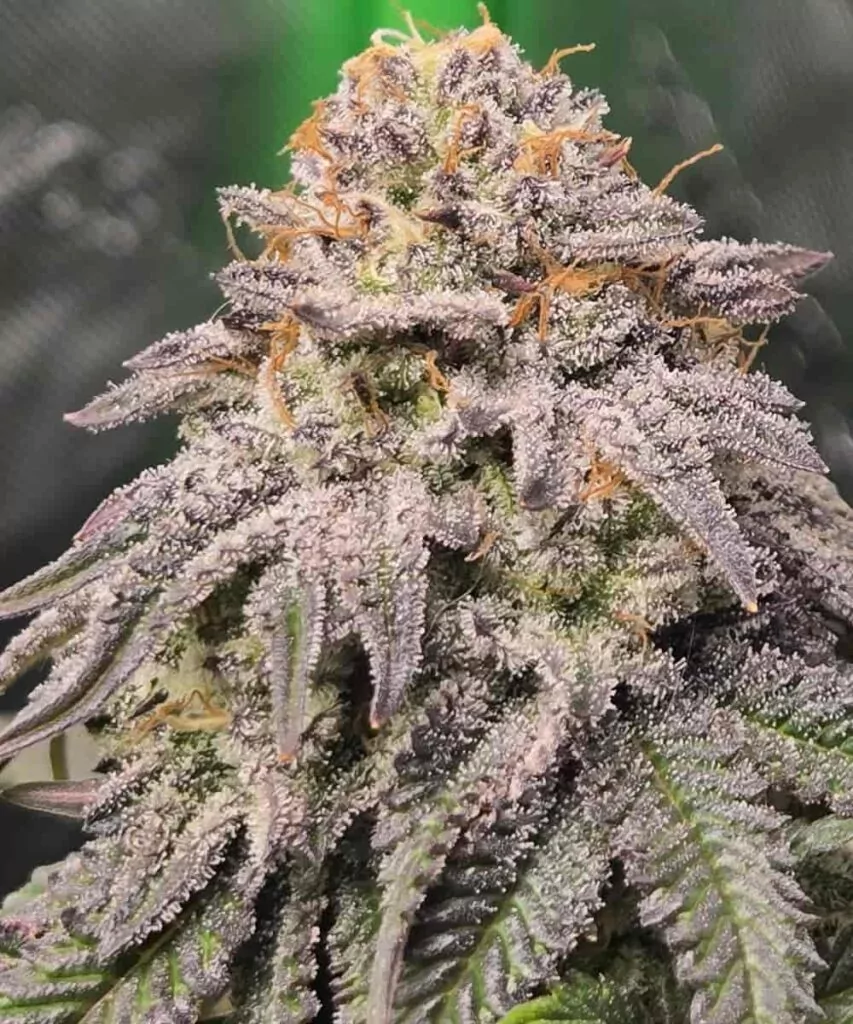


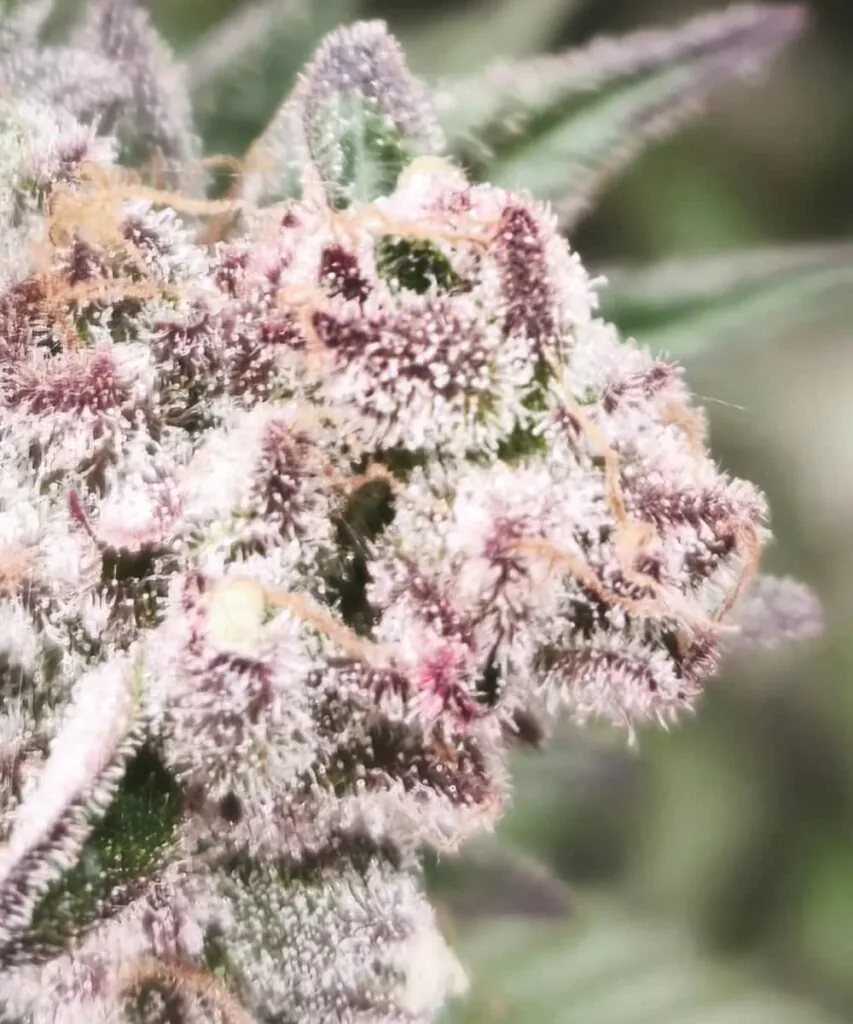
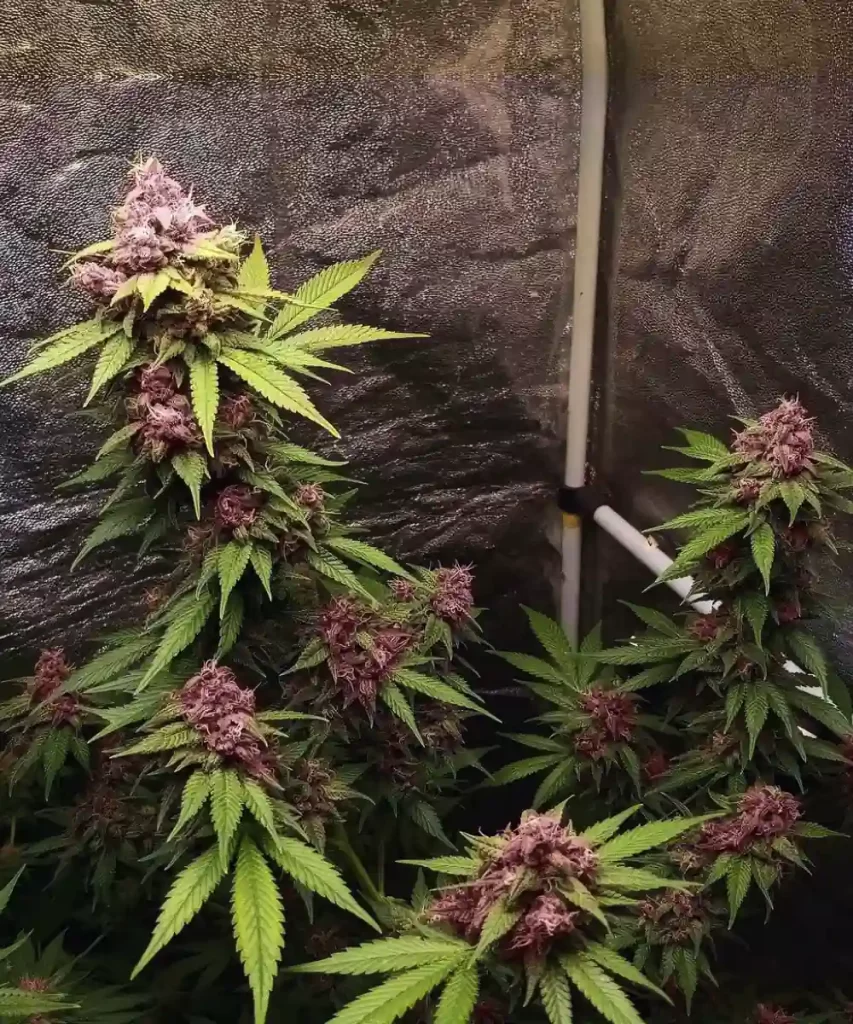

I planted 10 Super Boof seeds, and all germinated without a hitch. The plants grew strong and healthy, producing dense, frosty buds with a sweet, earthy aroma. The high is uplifting yet relaxing—a perfect balance. Impressive yield too, even with minimal effort

I’ve been growing weed for 30+ years, and to be honest, it’s quite difficult to surprise me. After a few decades of facing different strains, changing growing conditions, and solving whatever problem you could possibly think of, by then, I believe I’ve seen it all in cannabis growing.
Gary Payton defied every single one of my expectations.
The plant thrived, growing to an impressive 6 feet in what seemed like a blink of an eye. It quickly filled out with buds and displayed better smell each day, showing solid proof of superior genetics. The buds were tight, aromatic, and a source of immense pride, surpassing the outcome of many of my previous endeavors.
Hypno Seeds with their Gary Payton strain has won my complete admiration and loyalty. Outstanding genetics in this plant have truly turned what I always thought of to be an experiment with negligible expectations into one of the most satisfying grows of my long career.
Looking forward, my excitement for the next growing season is unparalleled. I can’t wait to see how much I can take these strains, especially with the attention that Gary Payton really does deserve right from the start.

TRUE MAGIC! This strain really stands out. I am trying Hypno Seeds for the first time and I surely made the right choice. I will be ordering more RS11 seeds just to keep this beauty in my garden for the upcoming season. Growing in Virginia and it’s only shown perfection by now.

Starting my latest grow, I decided to try out some Blackberry Kush from Hypno… I planted her on a whim alongside my other favorites. Hypno Seeds said it had to be a powerful plant with rich, fruity scents… Seeing is believing. She developed purplish hues and dense resin coated buds and quickly took center stage in my garden and produced much more than expected. The buds are tightly packed, literally bursting with the heady aroma. The yield? Very impressive for her conditions…
Germinated three seeds using the paper towel method with100% success rate within 48 hours. Planted in 5 gallon pots with living soil under a 315W CMH light. Plants remained compact (3.5 ft) with thick lateral branching, showing high resistance to humidity and minor nutrient fluctuations. Yield per plant: 5.8 oz of extremely dense, trichome-heavy buds. Smell profile during flower: sharp pine, pepper, and a hint of citrus. Harvested at week 9, after trichomes showed 30% amber for peak sedative effects. Smoke report: Potent. Deep relaxation without full sedation. Ideal for stress relief.


