


Ever wonder why one pack of seeds grows out like a matched set while another throws a different plant from every seed? It has five stages: parent selection, crossing, stabilization over several generations, seed production, and testing before packing. Hypno Seeds runs all five in-house. It develops and stabilizes its own genetics and germination-tests every batch every 30 days, so this walkthrough comes from a breeder’s bench, not a reseller’s catalog. The short version is simple. Making the cross is easy. Stabilization and testing are where a seed line earns a grower’s trust.
About the Author: This guide comes from Hypno Seeds, a US cannabis breeder that selects, crosses, stabilizes, tests and ships its own genetics from a climate-controlled warehouse in Las Vegas, NV.
Every packed seed sits at the end of a chain of decisions, and each stage sets the limits for the next one. A breeding program is the structured process of choosing parents, crossing them and refining their offspring until the seeds reliably reproduce the target traits.
| Stage | What happens | What it decides |
|---|---|---|
| 1. Parent selection | Score candidate plants for target traits | The ceiling of the line |
| 2. Crossing | Pollinate the chosen parents | The starting gene pool |
| 3. Stabilization | Grow out, select, breed again | How alike the seeds are |
| 4. Seed production | Final pollination, harvest, cleaning | Seed maturity and volume |
| 5. Testing and packing | Germination tests, hand inspection | What reaches the grower |
The first stage sets the ceiling for everything after it, because a seed line never outperforms the plants it came from. Parent selection is the process of scoring candidate plants against target traits before any pollen moves.
The overlooked parent is the male. Cannabis plants are typically either male or female, and since males don’t produce flower, breeders judge them on vigor, structure and the quality of their offspring. Yet a male supplies half the genetics in every seed. Advanced programs also screen candidates with Single Nucleotide Polymorphism (SNP) markers, a DNA-level check of what a plant actually carries.
Great parents only matter if their traits pass on reliably, and that is the job of stabilization. Stabilization is the multi-generation process of growing out offspring, keeping the plants that express the target traits, and breeding them again until the seeds stop showing significant variation.
Think of each parent as a deck of cards. A mixed deck deals a different hand into every seed, so every plant comes out different. Each generation of selection removes unwanted cards until every deal looks like the last. That’s why it takes many rounds, not one.
The payoff is uniformity. Commercial F1 hybrid seeds made from stable parent lines can be highly uniform for target traits.
Let’s be real about the label, though. “F1” just means first generation. Cross two unstable cuts and the result is still F1. It just isn’t uniform.
With a stable line in hand, the breeder still has to decide what kind of seed it becomes. Most home growers buy feminized seeds or autoflowering seeds, and each type adds its own breeding step.
Cannabis cultivation laws differ by state and locality, and growers must check and follow their own.
Years of breeding can be lost in the last mile if seed quality goes unchecked before packing. Germination testing means sprouting a representative sample from a batch to measure how many of its seeds will actually grow.
| Benchmark | Germination threshold | Below the threshold |
|---|---|---|
| Hemp seed certification standards (Association of Official Seed Certifying Agencies) | 80% minimum | Does not meet the standard |
| Hypno Seeds internal standard, retested every 30 days | 95% | Batch pulled from inventory |
Why retest at all? Seeds are alive, and viability drops with age, heat and humidity. A batch that passed in spring can slip by autumn. Each seed is also hand-inspected for maturity and shell integrity, and stock stays in a climate-controlled warehouse until dispatch.
Everything above points to one buying question: who bred and tested the seed in your hand? A breeder develops and stabilizes its own lines, while a reseller stocks lines developed elsewhere. Resellers can carry good genetics, but the selection and testing records sit with another company.
When judging the best US seed bank for your grow, look for:
Here are three exclusives we’ve developed through the in-house program:
Newer lines show up in fresh arrivals as they’re released. A seed is the smallest thing a grower buys, and the slowest thing a breeder makes.
The same questions come up once growers see how much happens before a seed is packed.
A fully stabilized cultivar takes years, because every generation must be grown, evaluated and bred again.
F1 means a first-generation cross of two parents. It is highly uniform only when both parents come from stable lines.
Hemp seed certification standards set 80% as the minimum. Hypno Seeds pulls any batch that tests below 95%.
The seed carries the genetics. THC is a trait of the mature plant, and potency depends on genetics and grow conditions together, so no result is guaranteed.
Commercial feminized seed protocols grow out a sample from the batch to confirm the percentage of female plants.
Orders dispatch within 24 hours from Las Vegas, NV, and arrive in 2-5 business days with tracking.
The company is a US cannabis seed breeder that develops and stabilizes its own genetics over multiple generations instead of reselling third-party stock. Because it controls every step from breeding to shipping, it can germination-test every batch every 30 days, pull anything below 95%, and hand-inspect each seed before it leaves the Las Vegas warehouse. Its catalog covers feminized, autoflowering and high-THC lines plus the Flavor Collection, all backed by a germination guarantee and replacement policy.
Want to see what a breeder-run program produces? Browse the full catalog in the Hypno Seeds shop, or visit hypnoseeds.com to get in touch with the team.


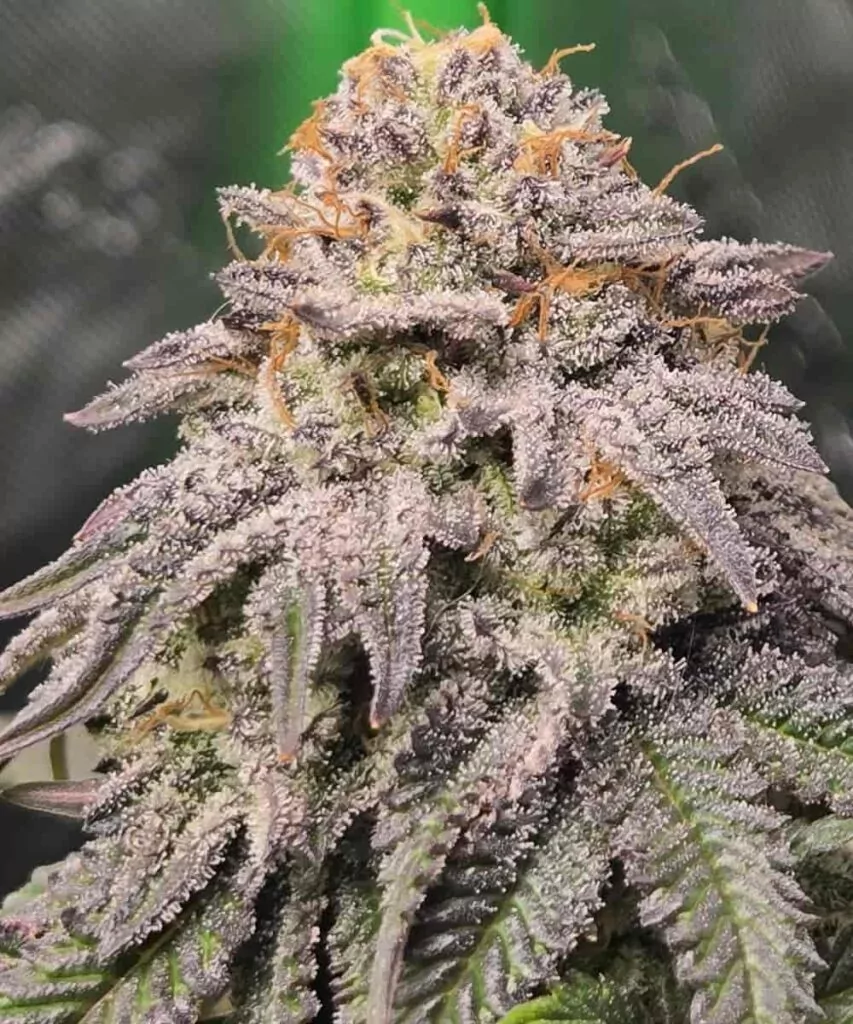


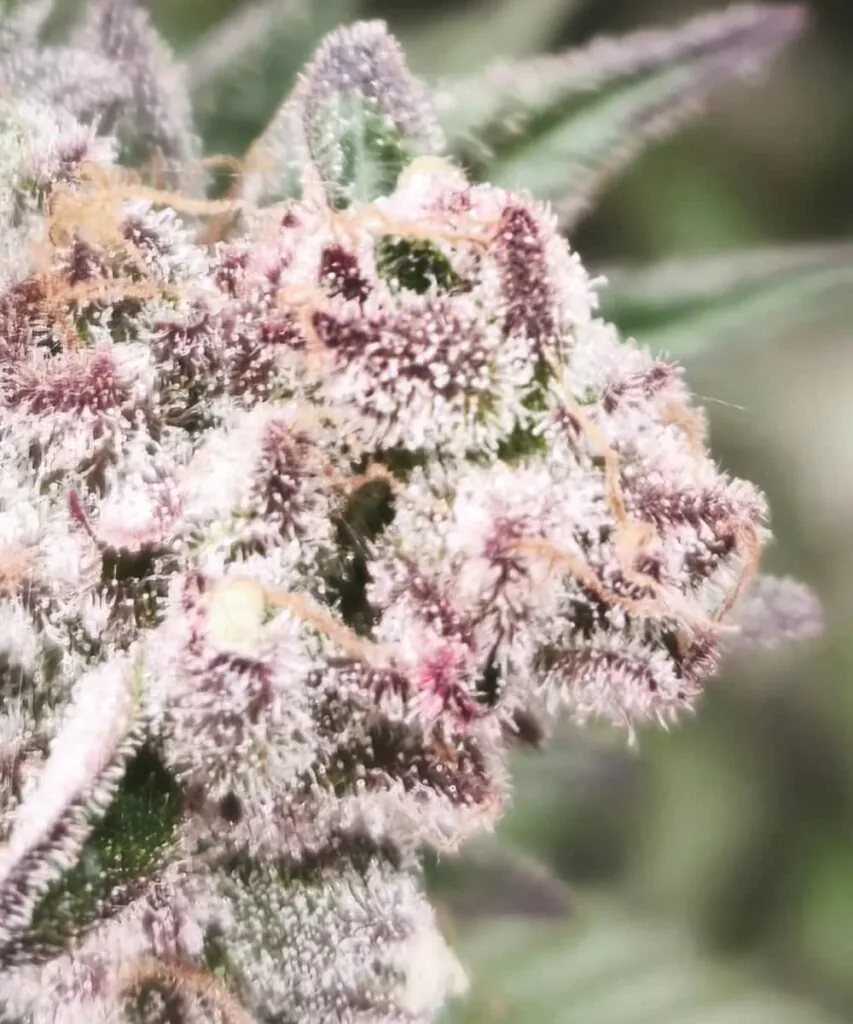
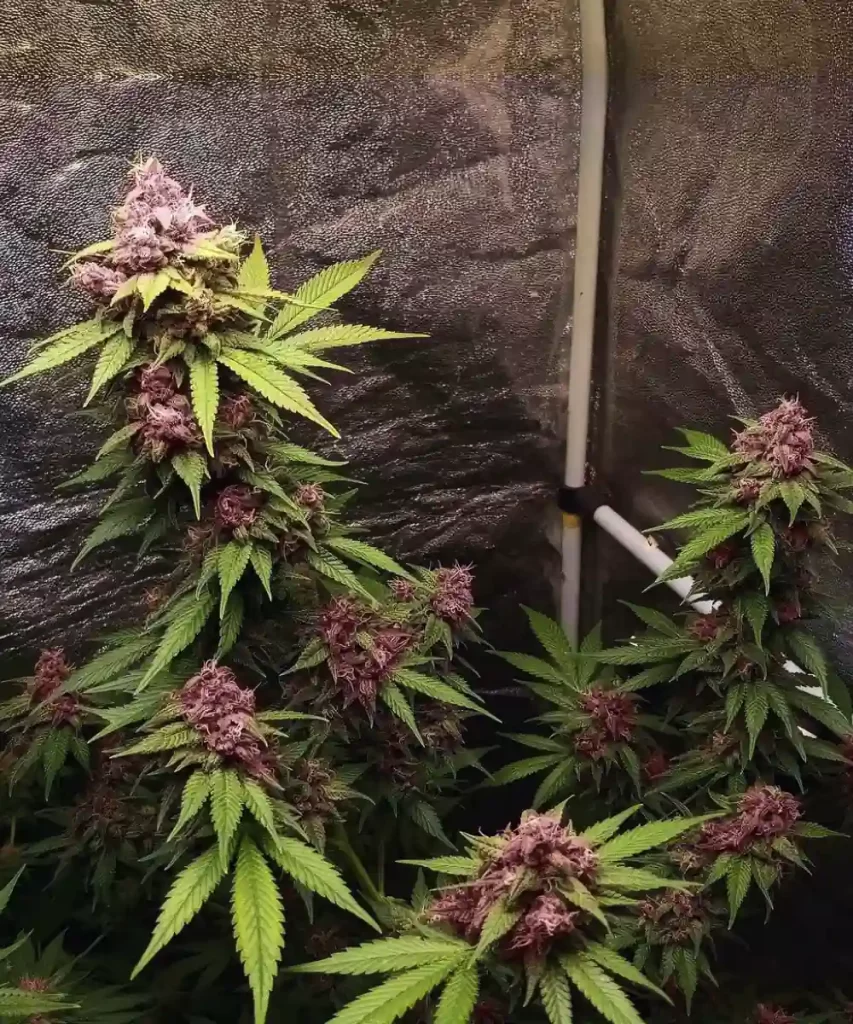
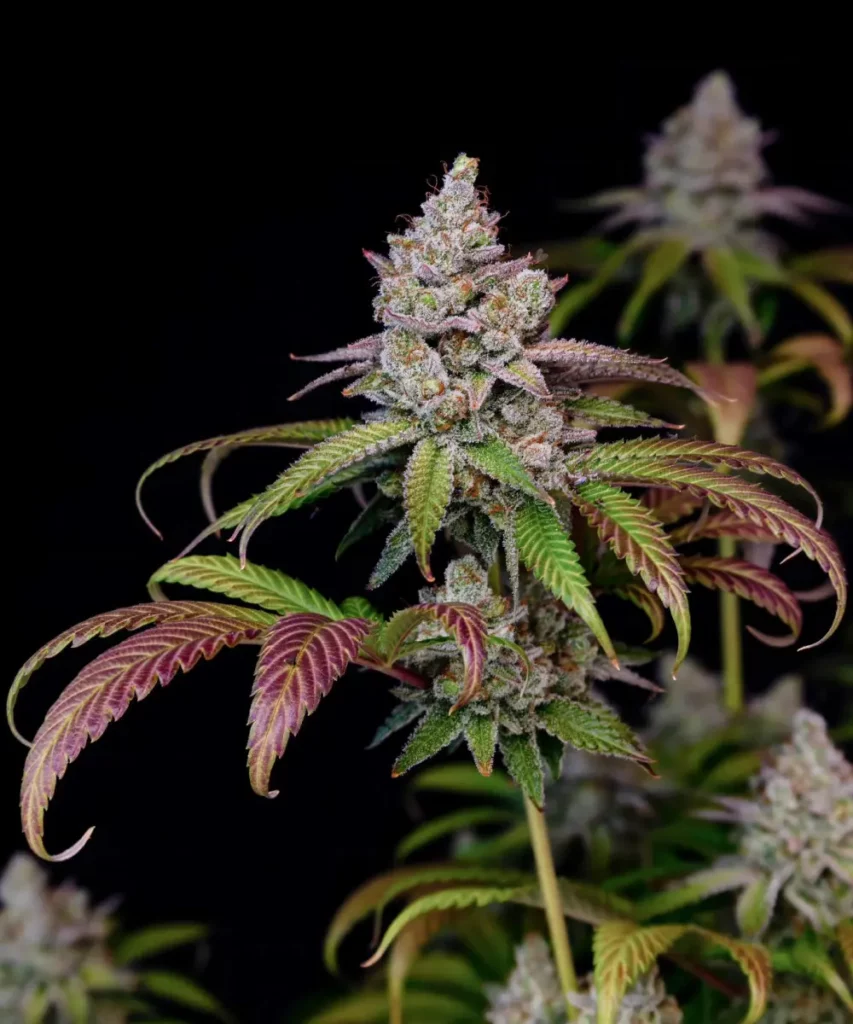
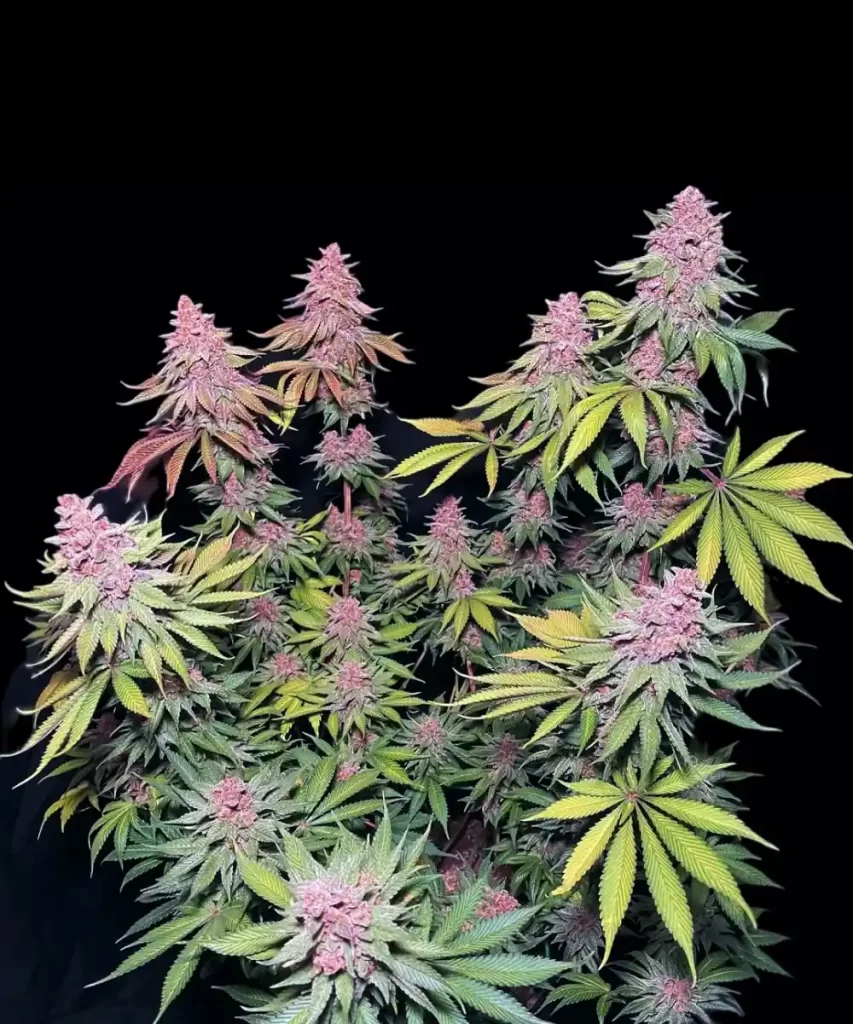

I planted 10 Super Boof seeds, and all germinated without a hitch. The plants grew strong and healthy, producing dense, frosty buds with a sweet, earthy aroma. The high is uplifting yet relaxing—a perfect balance. Impressive yield too, even with minimal effort

I’ve been growing weed for 30+ years, and to be honest, it’s quite difficult to surprise me. After a few decades of facing different strains, changing growing conditions, and solving whatever problem you could possibly think of, by then, I believe I’ve seen it all in cannabis growing.
Gary Payton defied every single one of my expectations.
The plant thrived, growing to an impressive 6 feet in what seemed like a blink of an eye. It quickly filled out with buds and displayed better smell each day, showing solid proof of superior genetics. The buds were tight, aromatic, and a source of immense pride, surpassing the outcome of many of my previous endeavors.
Hypno Seeds with their Gary Payton strain has won my complete admiration and loyalty. Outstanding genetics in this plant have truly turned what I always thought of to be an experiment with negligible expectations into one of the most satisfying grows of my long career.
Looking forward, my excitement for the next growing season is unparalleled. I can’t wait to see how much I can take these strains, especially with the attention that Gary Payton really does deserve right from the start.

TRUE MAGIC! This strain really stands out. I am trying Hypno Seeds for the first time and I surely made the right choice. I will be ordering more RS11 seeds just to keep this beauty in my garden for the upcoming season. Growing in Virginia and it’s only shown perfection by now.

Starting my latest grow, I decided to try out some Blackberry Kush from Hypno… I planted her on a whim alongside my other favorites. Hypno Seeds said it had to be a powerful plant with rich, fruity scents… Seeing is believing. She developed purplish hues and dense resin coated buds and quickly took center stage in my garden and produced much more than expected. The buds are tightly packed, literally bursting with the heady aroma. The yield? Very impressive for her conditions…
Germinated three seeds using the paper towel method with100% success rate within 48 hours. Planted in 5 gallon pots with living soil under a 315W CMH light. Plants remained compact (3.5 ft) with thick lateral branching, showing high resistance to humidity and minor nutrient fluctuations. Yield per plant: 5.8 oz of extremely dense, trichome-heavy buds. Smell profile during flower: sharp pine, pepper, and a hint of citrus. Harvested at week 9, after trichomes showed 30% amber for peak sedative effects. Smoke report: Potent. Deep relaxation without full sedation. Ideal for stress relief.


