

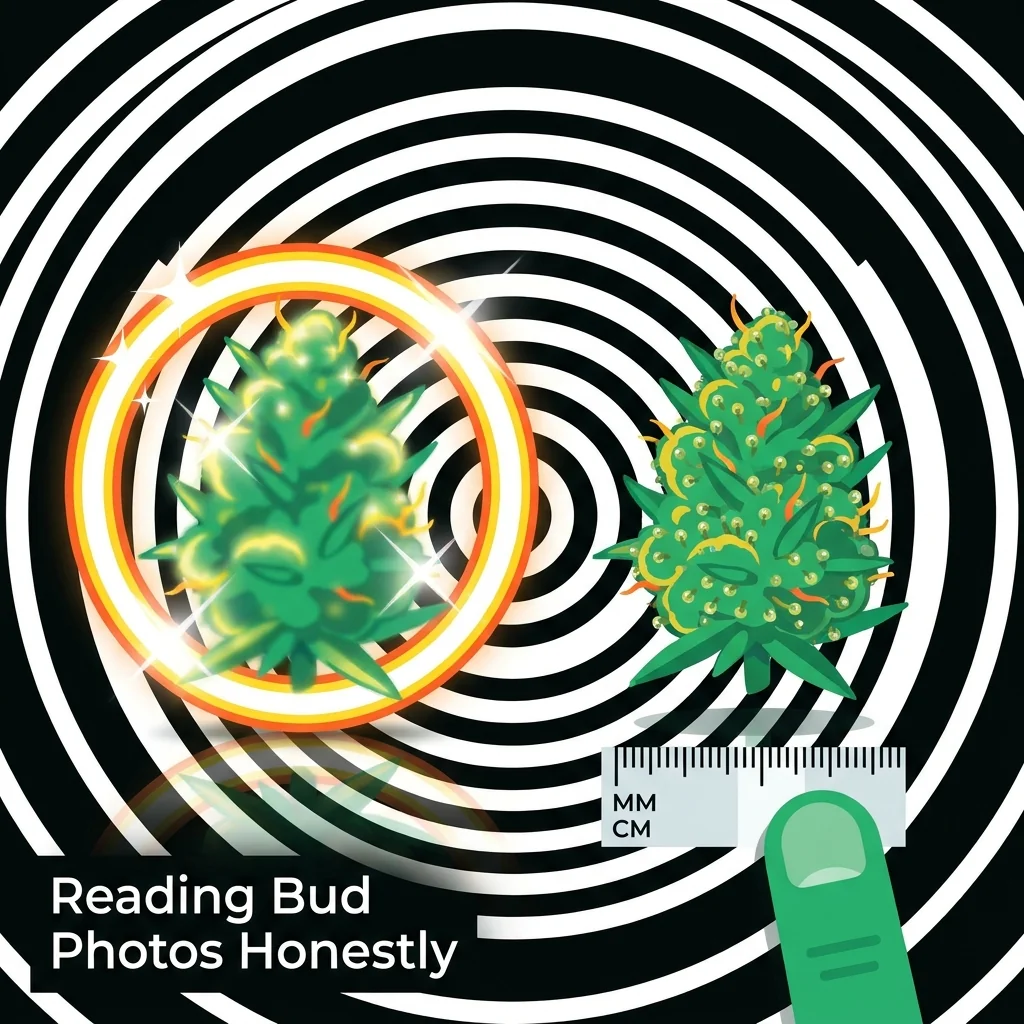
To judge frostiness and bud density from a grower photo, ignore the sparkle. Look for evidence that survives a change of light: distinct trichome heads in a sharp close-up, frost that holds on the shadowed side, tight calyx stacking in a side profile, and a size reference such as a hand. Color casts, hard flash and heavy sharpening can make an average bud look like a trophy.
- Hard light from right behind the camera makes glands look brighter and more numerous. Red-heavy or blurple spectrums distort trichome color.
- Real frost shows as round gland heads on visible stalks, even in shadow.
- Bud density comes down to calyx stacking and gaps. A side profile with a size reference shows both.
- Consistency across many growers’ photos beats one perfect hero shot.
About the Author: This guide comes from the team at Hypno Seeds, a US breeder that develops and stabilizes its own genetics over multiple generations and hand-inspects every seed before shipping. Customer grow reports show the team how its lines look under very different lights.
Most misleading bud photos are not faked. They are shot under light designed to grow plants rather than show them honestly. Even the best indoor grow lights are tuned for photosynthesis, not color accuracy. Cool color temperatures push blue and purple tones. That flatters purple strains and makes a Blue Zushi strain photo lean bluer than it looks in daylight.
Light direction matters just as much. A trichome head is a tiny resin bulb, and it behaves like the glass beads on a road sign. When light comes from right behind the camera, each bead bounces it straight back into the lens, so a moderate coat reads as a white sheet. Light from the side shows only the coverage that is really there.
| Lighting or edit | What it does | What to check |
|---|---|---|
| Red-heavy or blurple LED | Distorts clear, milky and amber gland color | Same bud under white light |
| Warm light | Boosts orange pistils and golden hues | Pistil and gland color in daylight |
| Flash or ring light | Bright highlights make trichomes look more prominent | Frost on the shadowed side |
| Heavy sharpening | Amplifies noise that mimics trichome detail | Distinct round heads, not grain |
💡 Pro Tip: Switch the grow light off and shoot under indirect daylight or a neutral white lamp placed to the side. If the frost survives, it’s real. If it vanishes, the ring light was doing disco-ball duty.
Once the lighting is accounted for, real frost becomes something you can inspect instead of a glow you have to trust. Mature capitate-stalked gland heads are tiny, so individual heads only show up clearly in a close-up.
- Shape: round heads on visible stalks, like tiny mushrooms, not flat white patches.
- Placement: frost across the sugar leaves, not only on ridges facing the light.
- Shadow test: coverage that holds on the darker side of the bud.
- Texture: crisp detail at the focus point. Uniform crunchy grain everywhere usually means the photo was sharpened.
A line grown for frost, like the Glitter Bomb strain, should pass these checks in a plain daylight photo. If the only evidence is a flash-lit close-up, ask for another angle.
Frost describes the surface. That makes bud density the harder call, because the surface is all a camera records. Bud density is how tightly calyxes pack together, with little air between them. A brioche loaf and a pound cake can share a silhouette but hold very different amounts of air inside, and you only see the difference once they are sliced. In a photo, slicing means a side profile or a broken-open bud.
| Dense signals | Airy signals |
|---|---|
| Calyxes stacked tight, with no stem visible between them | Gaps that show stems or inner branches |
| Compact, firm outline in side profile | Wispy tips and see-through edges |
| Even stacking from base to tip | Calyx spires (foxtailing) over a loose base |
Foxtailing buds deserve their own look. Foxtailing is when calyxes stack upward into spires instead of filling out the bud. It can be genetic, and it shows up more often in some sativa-leaning lines. It can also be a stress response to excess heat or light intensity at the top of the canopy. Foxtails catch light and photograph as frosty and dramatic, even when the base stays loose. Indica-leaning lines generally stack tighter, so judge density against the strain’s type.
💡 Pro Tip: Ask for one photo with a hand or ruler beside the bud, plus a side profile. Top-down shots flatten depth and hide gaps.
Only partly, because the lighting that inflates frost also distorts color. A trichome color chart sorts glands into clear, cloudy (milky) and amber stages, and growers use it to help time harvest. Purple or red-heavy spectrums distort those hues, and warm light can make clear glands read amber. Trust color only in a sharp macro shot under neutral white light. Check the glands on the calyxes too, since sugar leaf trichomes can change at a different pace.
Every check above comes together when you read a grower’s report before choosing seeds. A useful Gary Payton strain review or Gush Mints strain review should include:
- The light type and grow week
- Photos of both live and dried bud
- At least one white-light photo
- More than one plant
| Strain | Trait to verify | Best photo evidence |
|---|---|---|
| Gary Payton | Bud density | Side profile next to a hand |
| Gush Mints | Resin coverage | Daylight macro showing gland heads |
| Blue Zushi | Color expression | Neutral white light, grow light off |
| Glitter Bomb | Frost | Coverage on the shadowed side |
One photo describes one plant. The same traits showing up across many independent growers describe the genetics. Lines stabilized in-house over multiple generations for consistent growth, yield and terpene profiles are what make cross-grower comparison meaningful. When you compare the best seed banks USA growers recommend, that consistency test tells you more than any listing photo. Cannabis cultivation laws differ by state and locality, so check and follow your own.
Do LED grow lights make buds look frostier?
Often. Bright directional light creates highlights on gland heads, and red-heavy spectrums distort their color. Compare against a white-light photo.
What light is best for photographing buds?
Indirect daylight or a neutral white lamp placed to the side. Side light adds shadows that reveal structure.
Does foxtailing mean a bud is low quality?
Not necessarily. Some genetics foxtail naturally. In other cases it signals heat or light stress, so judge it against the strain.
Can you tell THC from how frosty a bud looks?
No. THC is a trait of the mature plant and is confirmed by lab testing. Results from high-THC strains still vary with genetics and grow conditions.
Is there an official bud grading scale?
No universally regulated system exists. The A-AAAA scale is an informal framework that retailers and producers use to describe density, trichome coverage and overall quality.
Hypno Seeds is a US cannabis seed breeder that develops and stabilizes its own genetics in-house, including exclusive lines such as Sticky Kitty Trippy Punch and Red Pistachio Auto. Every batch is germination-tested every 30 days, batches below a 95% success rate are pulled, and every seed is hand-inspected for maturity and shell integrity. Orders are dispatched within 24 hours from a climate-controlled warehouse in Las Vegas, NV. That control over breeding is why its feminized and autoflower lines are developed for the kind of consistency that makes grower photos worth comparing.
The frostiest photo is rarely the most honest one. To explore genetics bred for consistency, visit http://hypnoseeds.com or browse the shop.


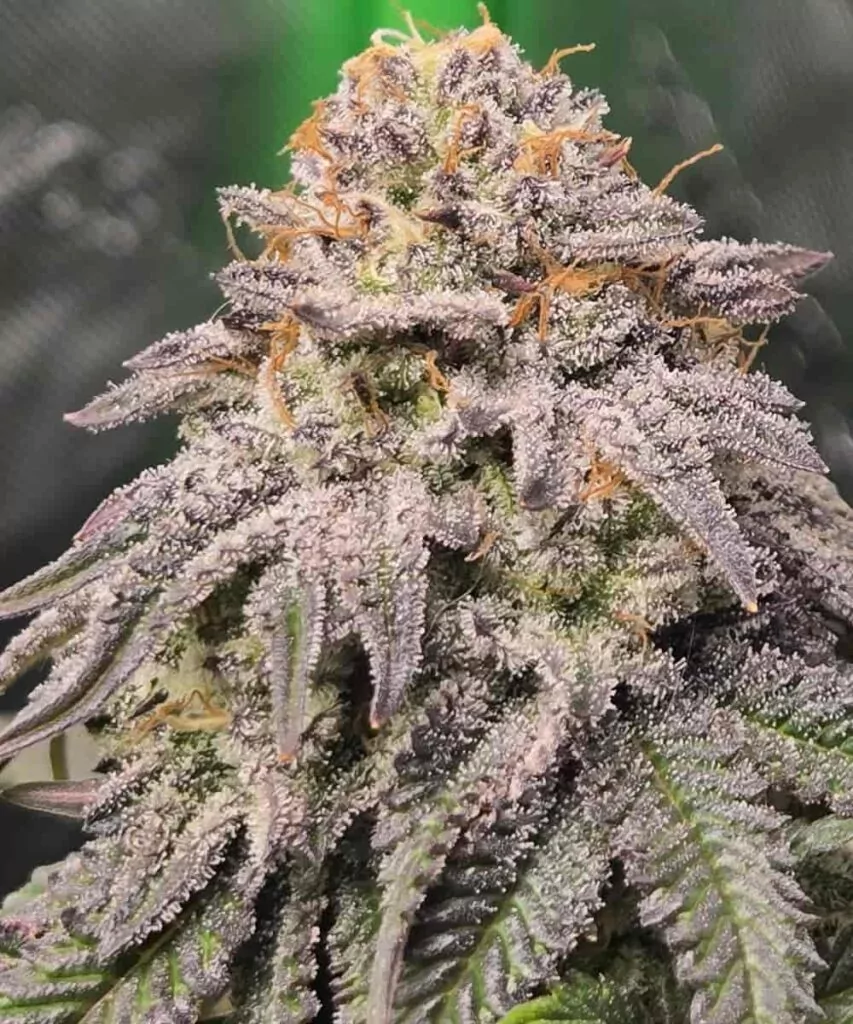


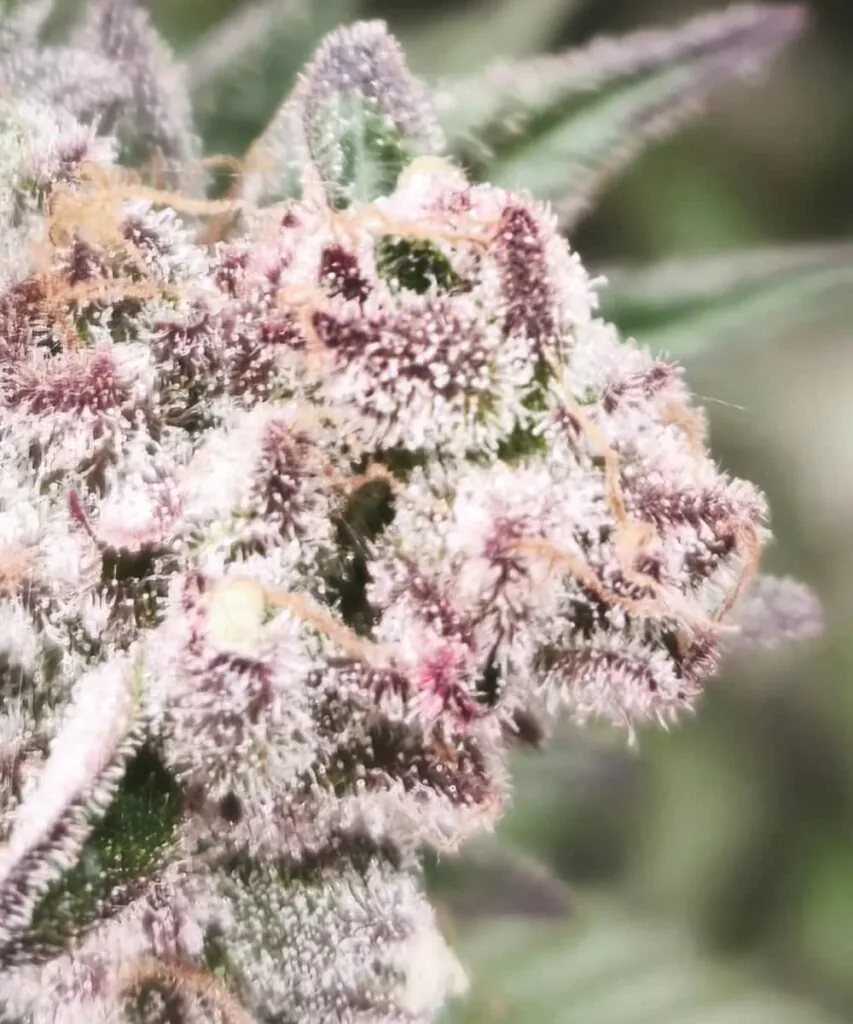
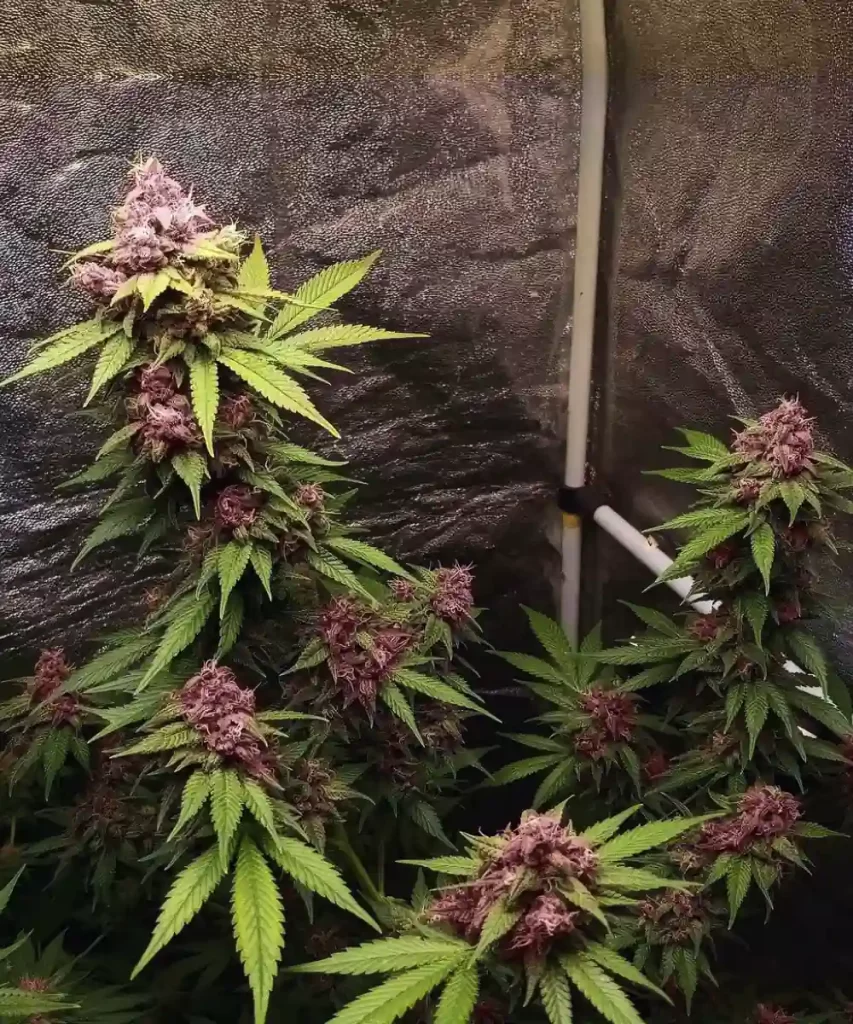
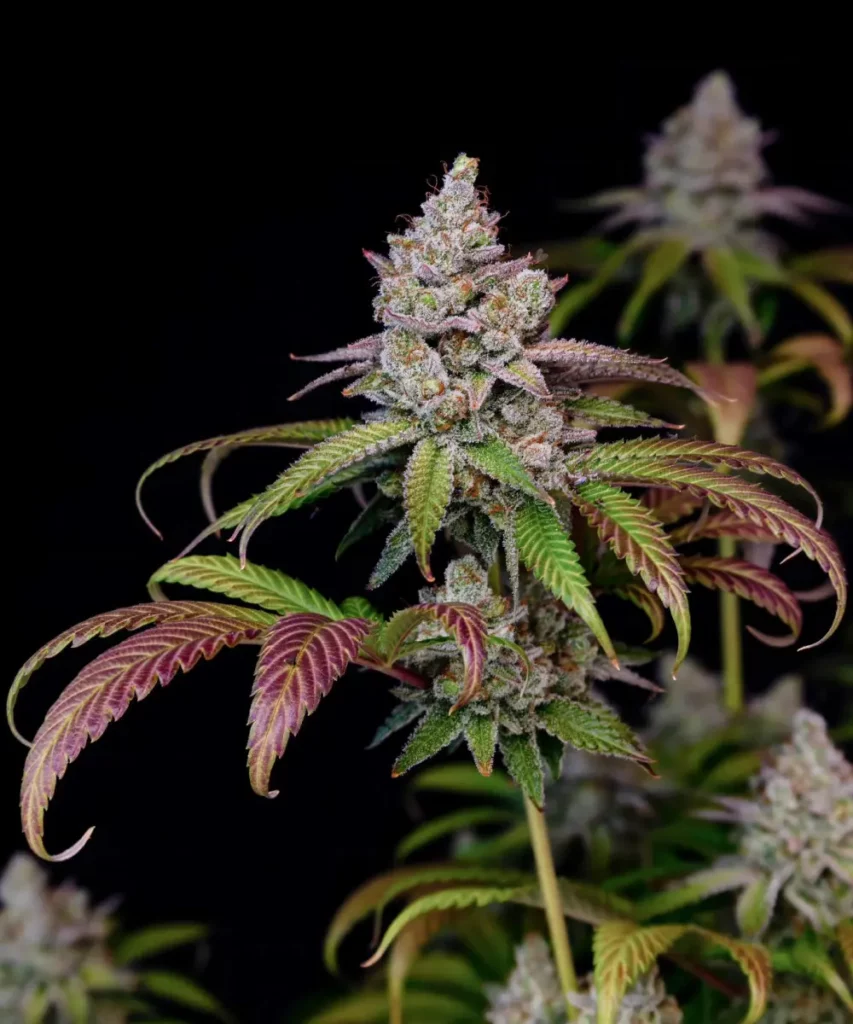
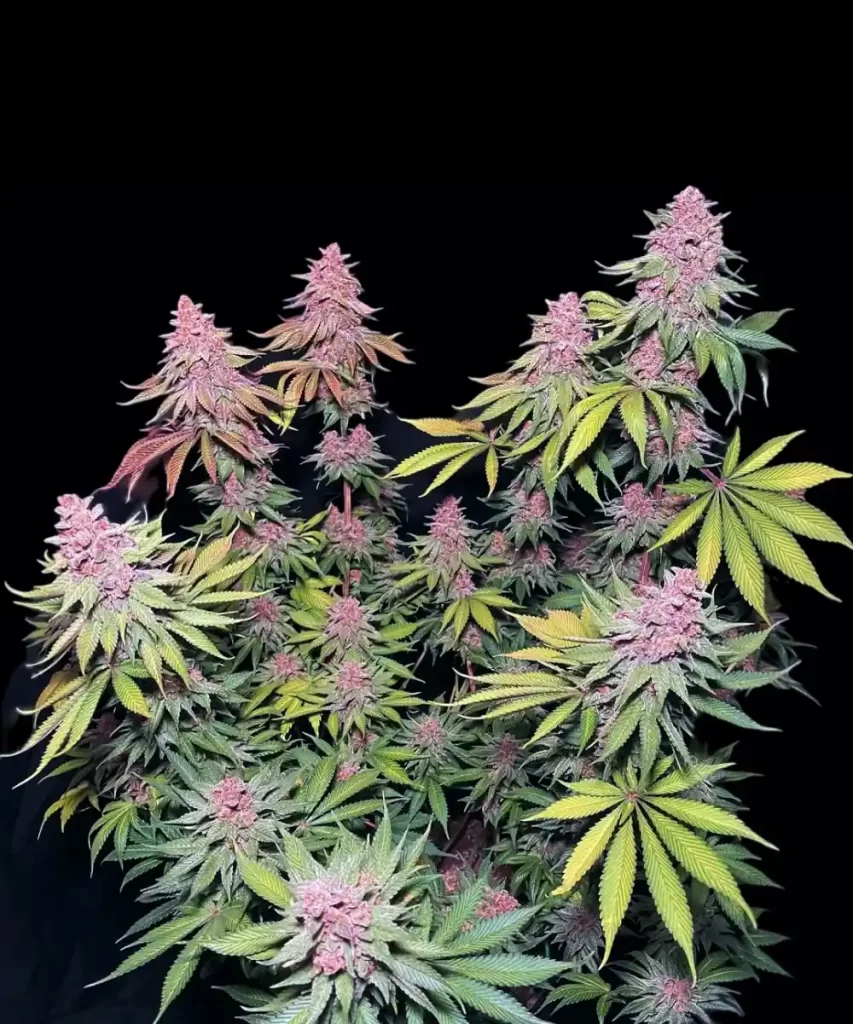

I planted 10 Super Boof seeds, and all germinated without a hitch. The plants grew strong and healthy, producing dense, frosty buds with a sweet, earthy aroma. The high is uplifting yet relaxing—a perfect balance. Impressive yield too, even with minimal effort

I’ve been growing weed for 30+ years, and to be honest, it’s quite difficult to surprise me. After a few decades of facing different strains, changing growing conditions, and solving whatever problem you could possibly think of, by then, I believe I’ve seen it all in cannabis growing.
Gary Payton defied every single one of my expectations.
The plant thrived, growing to an impressive 6 feet in what seemed like a blink of an eye. It quickly filled out with buds and displayed better smell each day, showing solid proof of superior genetics. The buds were tight, aromatic, and a source of immense pride, surpassing the outcome of many of my previous endeavors.
Hypno Seeds with their Gary Payton strain has won my complete admiration and loyalty. Outstanding genetics in this plant have truly turned what I always thought of to be an experiment with negligible expectations into one of the most satisfying grows of my long career.
Looking forward, my excitement for the next growing season is unparalleled. I can’t wait to see how much I can take these strains, especially with the attention that Gary Payton really does deserve right from the start.

TRUE MAGIC! This strain really stands out. I am trying Hypno Seeds for the first time and I surely made the right choice. I will be ordering more RS11 seeds just to keep this beauty in my garden for the upcoming season. Growing in Virginia and it’s only shown perfection by now.

Starting my latest grow, I decided to try out some Blackberry Kush from Hypno… I planted her on a whim alongside my other favorites. Hypno Seeds said it had to be a powerful plant with rich, fruity scents… Seeing is believing. She developed purplish hues and dense resin coated buds and quickly took center stage in my garden and produced much more than expected. The buds are tightly packed, literally bursting with the heady aroma. The yield? Very impressive for her conditions…
Germinated three seeds using the paper towel method with100% success rate within 48 hours. Planted in 5 gallon pots with living soil under a 315W CMH light. Plants remained compact (3.5 ft) with thick lateral branching, showing high resistance to humidity and minor nutrient fluctuations. Yield per plant: 5.8 oz of extremely dense, trichome-heavy buds. Smell profile during flower: sharp pine, pepper, and a hint of citrus. Harvested at week 9, after trichomes showed 30% amber for peak sedative effects. Smoke report: Potent. Deep relaxation without full sedation. Ideal for stress relief.


