


| Strain Feature | Details |
| Genetics | Skunk #1 (Las Vegas Pheno) × Skunk #1 (Dutch Pheno) |
| Type | Sativa-Dominant Hybrid (60% Sativa / 40% Indica) |
| THC Content | 15% – 22% |
| Flowering Time | 8 – 10 Weeks |
| Indoor Yield | 450 – 650 g/m² |
| Outdoor Yield | Up to 1,500g (3.5 lbs) per plant |
| Aroma & Flavor | Pungent citrus, earthy skunk, sweet lemon |
| Grow Difficulty | Beginner-Friendly (Highly Resilient) |
While many modern strains have convoluted family trees involving five different breeders and a dozen crosses, Lemon Skunk has a beautifully elegant origin story. It is the result of crossing two exceptional phenotypes of the same legendary parent: Skunk #1.
The breeders at DNA Genetics acquired a Skunk #1 phenotype from Las Vegas that was famous in underground circles for its vibrant, sharp lemon aroma. However, it lacked the structural vigor needed for commercial cultivation. They crossed this Nevada cut with a robust, high-yielding Skunk #1 phenotype from the Netherlands. The result was a perfect marriage of American flavor and European stability.
This genetic stabilization is why Lemon Skunk is universally recommended for beginners. By crossing two expressions of the same stabilized lineage, the breeders locked in the traits. When you pop a Lemon Skunk seed, you know exactly what you are going to get: aggressive vegetative growth, massive colas, and a stench that requires a heavy-duty carbon filter.
The aroma of Lemon Skunk is not subtle. It announces itself the moment you open the jar, delivering a sharp, acidic citrus punch followed by the deep, earthy funk that made Skunk genetics famous. This complex profile is driven by a specific combination of terpenes that also shape the strain’s uplifting effects.
| Terpene | Percentage | Aroma & Flavor | Primary Effect |
| Limonene | 0.8% – 1.2% | Sharp citrus, lemon peel, sweet tang | Mood elevation, stress relief, euphoria |
| Beta-Caryophyllene | 0.4% – 0.7% | Cracked pepper, spicy earth, musk | Physical relaxation, anti-inflammatory |
| Pinene | 0.1% – 0.3% | Pine needles, fresh forest air | Mental clarity, counteracts THC anxiety |
| Myrcene | 0.1% – 0.2% | Ripe fruit, damp earth, cloves | Muscle relaxation, sedative baseline |
This specific ratio—where high limonene provides an energizing cerebral lift while caryophyllene and myrcene anchor the body—is what makes Lemon Skunk a perfect daytime smoke. It provides the creative, euphoric buzz of a sativa without the racing heart or paranoia that often accompanies pure sativa landraces.
One of the most common points of confusion for growers is understanding the difference between Lemon Skunk and the famous “Lemon Haze” varieties. They are often mistaken for one another, but they grow very differently.
| Feature | Lemon Skunk | Super Lemon Haze | Lemon Haze |
| Genetics | Skunk #1 × Skunk #1 | Lemon Skunk × Super Silver Haze | Lemon Skunk × Silver Haze |
| Sativa Ratio | 60% Sativa | 80% Sativa | 70% Sativa |
| Flowering Time | 8 – 10 Weeks | 10 – 12 Weeks | 9 – 11 Weeks |
| Stretch | Moderate (1.5x) | Aggressive (2x – 3x) | High (2x) |
| Best For | Beginners, limited height | Advanced growers, SCROG | Intermediate growers |
As the table shows, Lemon Skunk is actually the parent strain of the entire Lemon Haze family. If you want the lemon flavor but do not have the patience for a 12-week flowering cycle or the ceiling height for a massive sativa stretch, Lemon Skunk is the superior choice.
Lemon Skunk is famous for its vigorous growth and resilience. It can handle minor nutrient fluctuations and temperature swings that would stunt more sensitive dessert strains. Here is exactly what to expect from seed to harvest.
Lemon Skunk establishes its root system rapidly. Keep your EC low (around 0.6 to 0.8) during the first two weeks. By week three, you will notice aggressive lateral branching. This strain naturally wants to bush out, making it an excellent candidate for early training.
This is the time to apply Low Stress Training (LST) or topping. Because Lemon Skunk has strong lateral branches, topping it once above the fourth node will encourage multiple dominant colas. Push your EC up to 1.2 to 1.4 during this phase, ensuring you provide adequate nitrogen to support the rapid foliage development.
When you flip to a 12/12 light cycle, Lemon Skunk will stretch, but it is manageable. Expect the plant to increase its height by about 50% to 75%. Transition to your bloom nutrients, dropping nitrogen slightly while increasing phosphorus and potassium. Keep your EC around 1.6.
By week eight, the lemon and skunk aromas will become overpowering. If your carbon filter is old, this is the strain that will expose it. The buds will start stacking heavily, filling in the internodal gaps. Push your EC to its peak of 1.8 to 2.0. Ensure your canopy has excellent airflow, as the dense Skunk genetics can be susceptible to bud rot if humidity spikes.
During the final two weeks, the pistils will turn a vibrant orange, and the trichomes will swell. Begin your flush by dropping the EC to 0.0. Harvest timing is critical here: if you harvest when trichomes are mostly milky with 5% amber, you will preserve the uplifting sativa effects. If you wait for 20% amber, the skunk genetics take over, resulting in a heavier, more sedative body stone.
Lemon Skunk is a moderate-to-heavy feeder that thrives in standard environmental conditions. Use this chart to dial in your room parameters.
| Stage | Temp (°F) | Humidity (%) | VPD (kPa) | Target EC | pH Range |
| Seedling | 74 – 78 | 70 – 75 | 0.6 – 0.8 | 0.4 – 0.6 | 6.0 – 6.3 |
| Early Veg | 76 – 80 | 60 – 65 | 0.9 – 1.1 | 1.0 – 1.2 | 6.0 – 6.3 |
| Late Veg | 78 – 82 | 55 – 60 | 1.0 – 1.2 | 1.4 – 1.6 | 6.0 – 6.3 |
| Early Flower | 76 – 80 | 50 – 55 | 1.2 – 1.4 | 1.6 – 1.8 | 6.2 – 6.5 |
| Mid Flower | 75 – 80 | 45 – 50 | 1.3 – 1.5 | 1.8 – 2.0 | 6.2 – 6.5 |
| Late Flower | 70 – 75 | 40 – 45 | 1.4 – 1.6 | Flush (0.0) | 6.2 – 6.5 |
While Lemon Skunk performs beautifully indoors, placing it under the natural sun unlocks its true genetic potential. Because of its Skunk #1 heritage, this strain possesses incredible hybrid vigor. When planted in large 50-gallon fabric pots or directly into amended earth in early spring, Lemon Skunk can easily reach heights of over six feet.
Outdoor growers frequently report yields exceeding 3 pounds per plant. To achieve this, you must focus on structural support. The branches will become heavy with dense colas by late September. Use a double-layer trellis net or heavy-duty bamboo stakes to prevent the branches from snapping under their own weight during late summer rainstorms. The strain’s natural resistance to pests and mold makes it an ideal candidate for outdoor cultivation, even in slightly humid climates.
Even though Lemon Skunk is forgiving, growers still make a few critical errors that compromise yield and flavor.
1. Underestimating the Odor.
Do not assume a standard inline fan will handle this strain. The skunk genetics produce highly volatile sulfur compounds that will penetrate walls. You must run a high-quality, freshly activated carbon filter from week three of flower until the day you jar the harvest.
2. Drying Too Hot.
Limonene is one of the most volatile terpenes in cannabis. It begins to evaporate at just 68°F. If you dry your Lemon Skunk in a room that is 75°F, your harvest will smell like generic weed instead of sharp citrus. You must dry this strain at 60°F and 60% humidity for 12 to 14 days to preserve the lemon profile.
3. Skipping the Support Structure.
The Dutch Skunk #1 phenotype gave this strain massive, dense buds, but the Las Vegas phenotype gave it slightly thinner, sativa-leaning branches. If you do not use a trellis net (SCROG) or bamboo stakes, the branches will bend and snap in late flower.
4. Harvesting Too Late.
Many growers wait too long, looking for heavy amber trichomes. Because this is a 60% sativa hybrid, letting it over-ripen degrades the THC into CBN, destroying the energetic, creative high that Lemon Skunk is famous for. Harvest when trichomes are mostly cloudy.
Lemon Skunk is a testament to the fact that you do not need a complicated, multi-generational poly-hybrid to grow incredible cannabis. By perfectly blending two distinct phenotypes of the legendary Skunk #1, breeders created a strain that offers commercial yields, top-shelf flavor, and bulletproof resilience.
Whether you are a first-time grower looking for a forgiving plant that will not punish your mistakes, or a commercial cultivator seeking a reliable, high-yielding citrus strain, Lemon Skunk delivers on all fronts. Just remember to invest in a good carbon filter, support those heavy branches, and dry it cool to lock in that signature lemon zest.


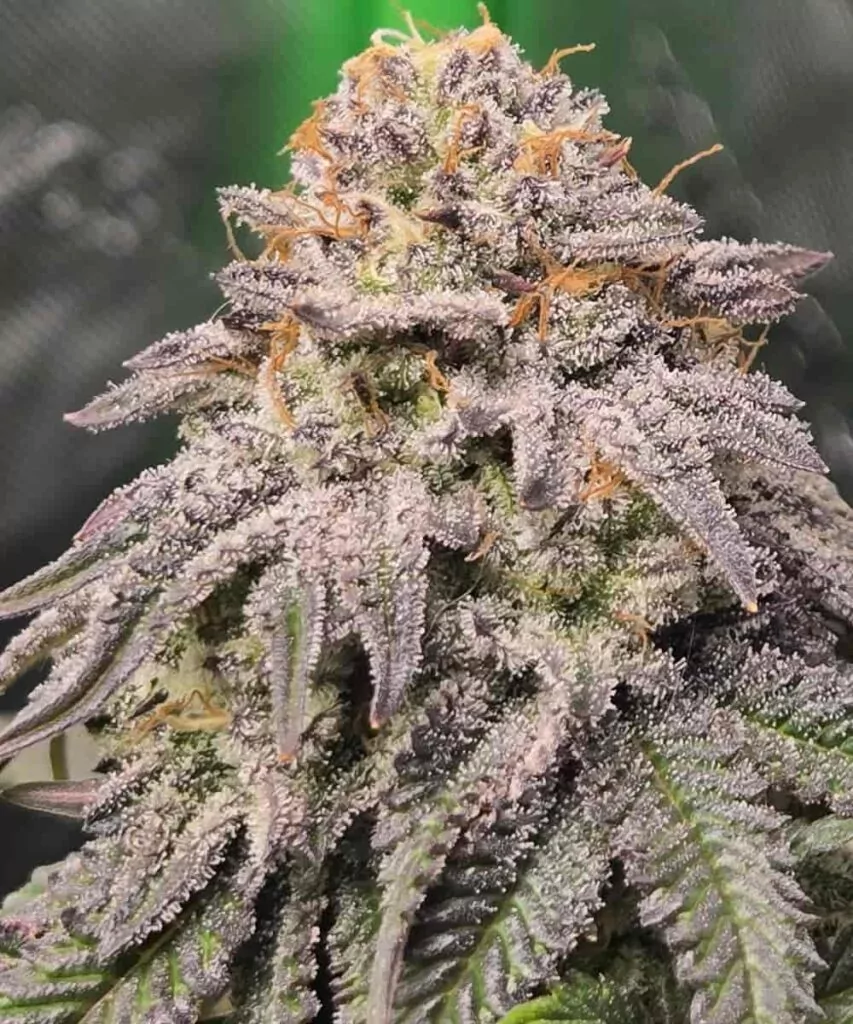


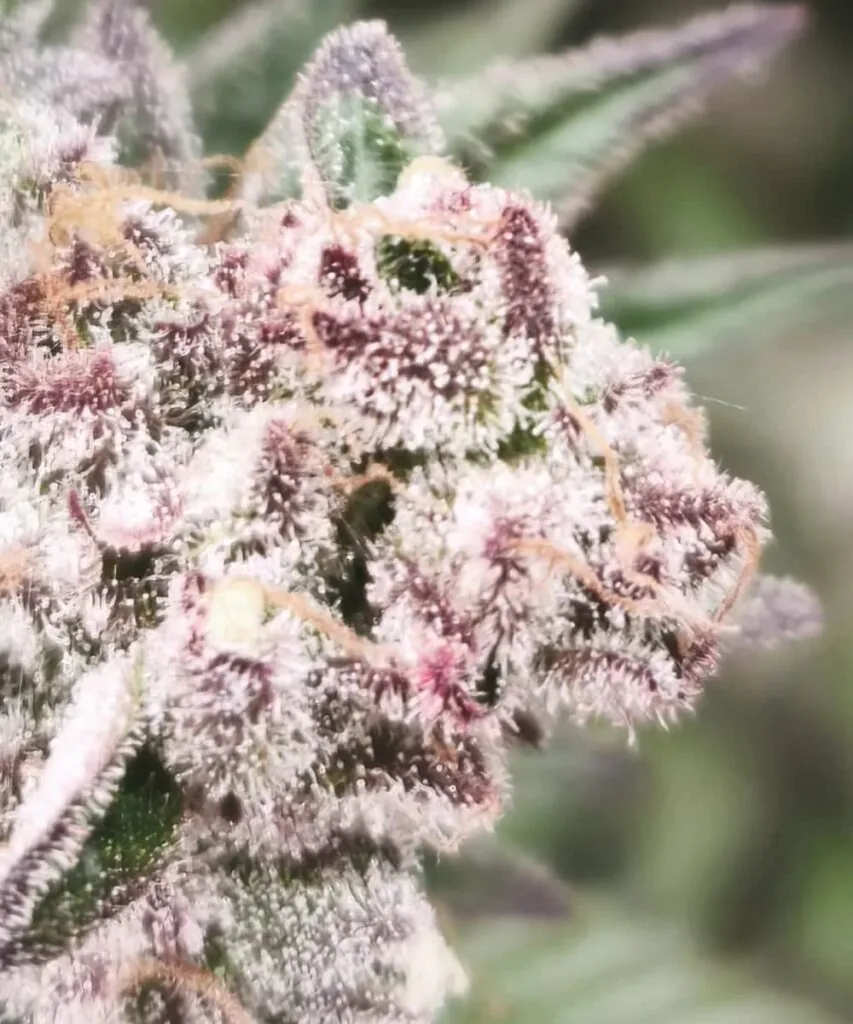
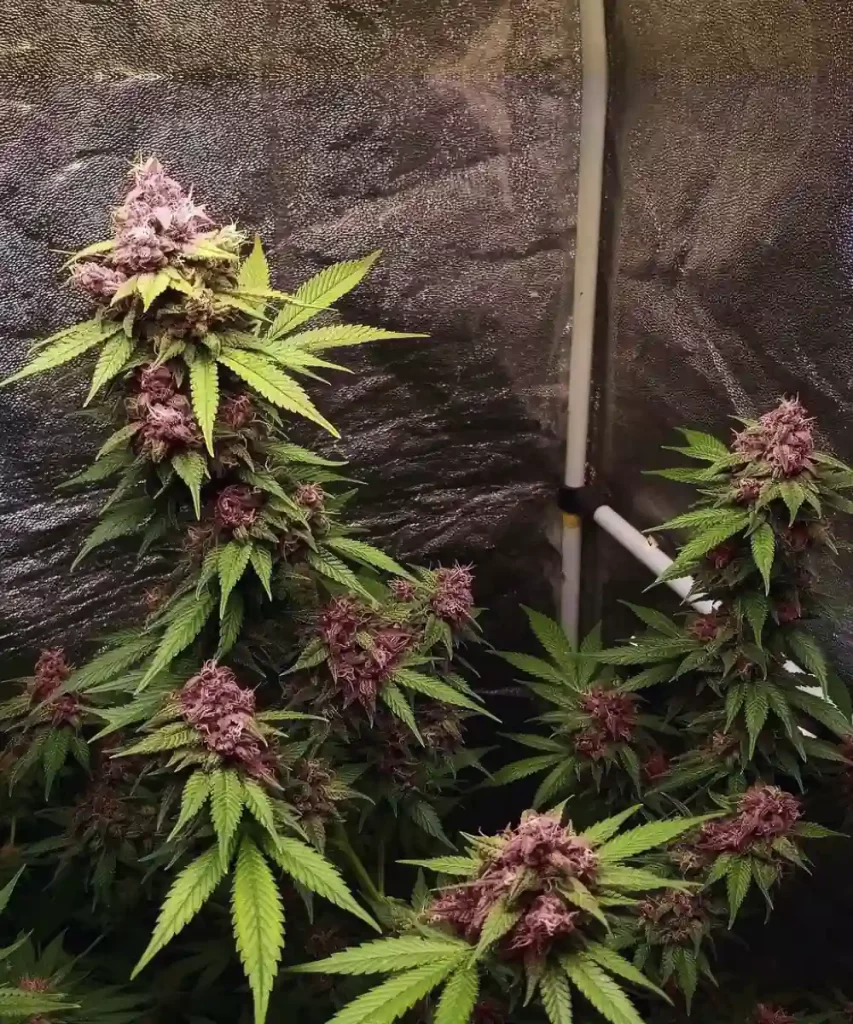
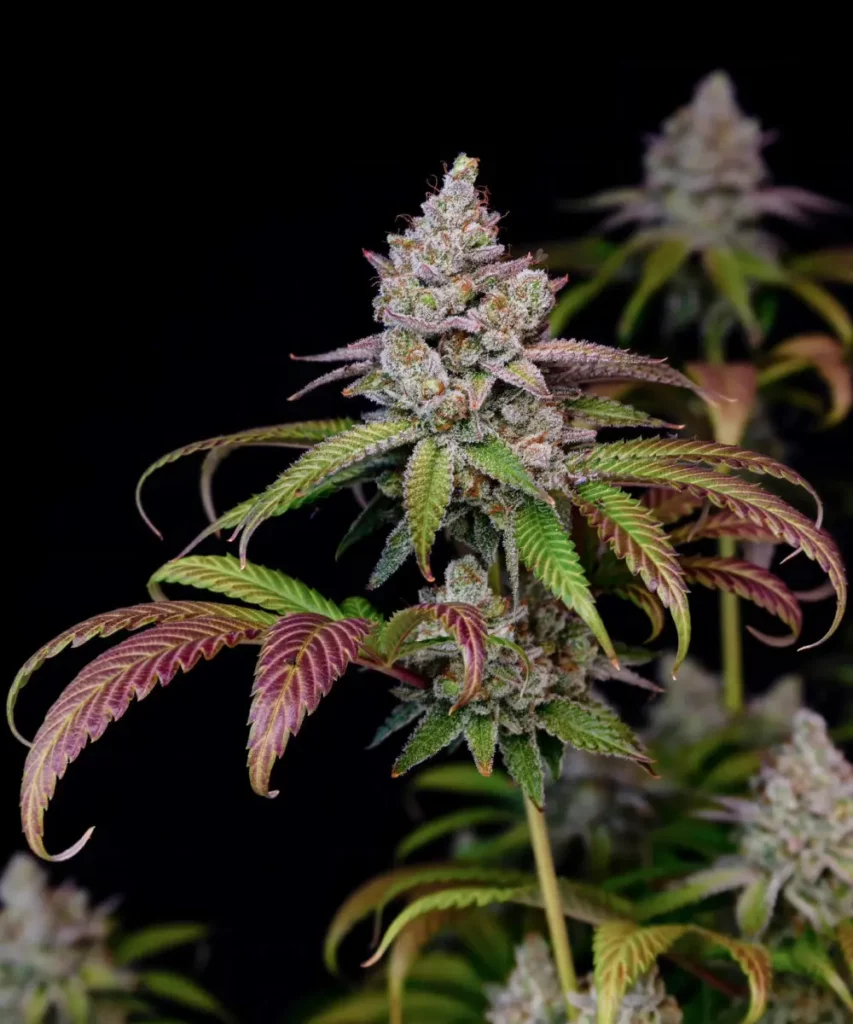

I planted 10 Super Boof seeds, and all germinated without a hitch. The plants grew strong and healthy, producing dense, frosty buds with a sweet, earthy aroma. The high is uplifting yet relaxing—a perfect balance. Impressive yield too, even with minimal effort

I’ve been growing weed for 30+ years, and to be honest, it’s quite difficult to surprise me. After a few decades of facing different strains, changing growing conditions, and solving whatever problem you could possibly think of, by then, I believe I’ve seen it all in cannabis growing.
Gary Payton defied every single one of my expectations.
The plant thrived, growing to an impressive 6 feet in what seemed like a blink of an eye. It quickly filled out with buds and displayed better smell each day, showing solid proof of superior genetics. The buds were tight, aromatic, and a source of immense pride, surpassing the outcome of many of my previous endeavors.
Hypno Seeds with their Gary Payton strain has won my complete admiration and loyalty. Outstanding genetics in this plant have truly turned what I always thought of to be an experiment with negligible expectations into one of the most satisfying grows of my long career.
Looking forward, my excitement for the next growing season is unparalleled. I can’t wait to see how much I can take these strains, especially with the attention that Gary Payton really does deserve right from the start.

TRUE MAGIC! This strain really stands out. I am trying Hypno Seeds for the first time and I surely made the right choice. I will be ordering more RS11 seeds just to keep this beauty in my garden for the upcoming season. Growing in Virginia and it’s only shown perfection by now.

Starting my latest grow, I decided to try out some Blackberry Kush from Hypno… I planted her on a whim alongside my other favorites. Hypno Seeds said it had to be a powerful plant with rich, fruity scents… Seeing is believing. She developed purplish hues and dense resin coated buds and quickly took center stage in my garden and produced much more than expected. The buds are tightly packed, literally bursting with the heady aroma. The yield? Very impressive for her conditions…
Germinated three seeds using the paper towel method with100% success rate within 48 hours. Planted in 5 gallon pots with living soil under a 315W CMH light. Plants remained compact (3.5 ft) with thick lateral branching, showing high resistance to humidity and minor nutrient fluctuations. Yield per plant: 5.8 oz of extremely dense, trichome-heavy buds. Smell profile during flower: sharp pine, pepper, and a hint of citrus. Harvested at week 9, after trichomes showed 30% amber for peak sedative effects. Smoke report: Potent. Deep relaxation without full sedation. Ideal for stress relief.


