

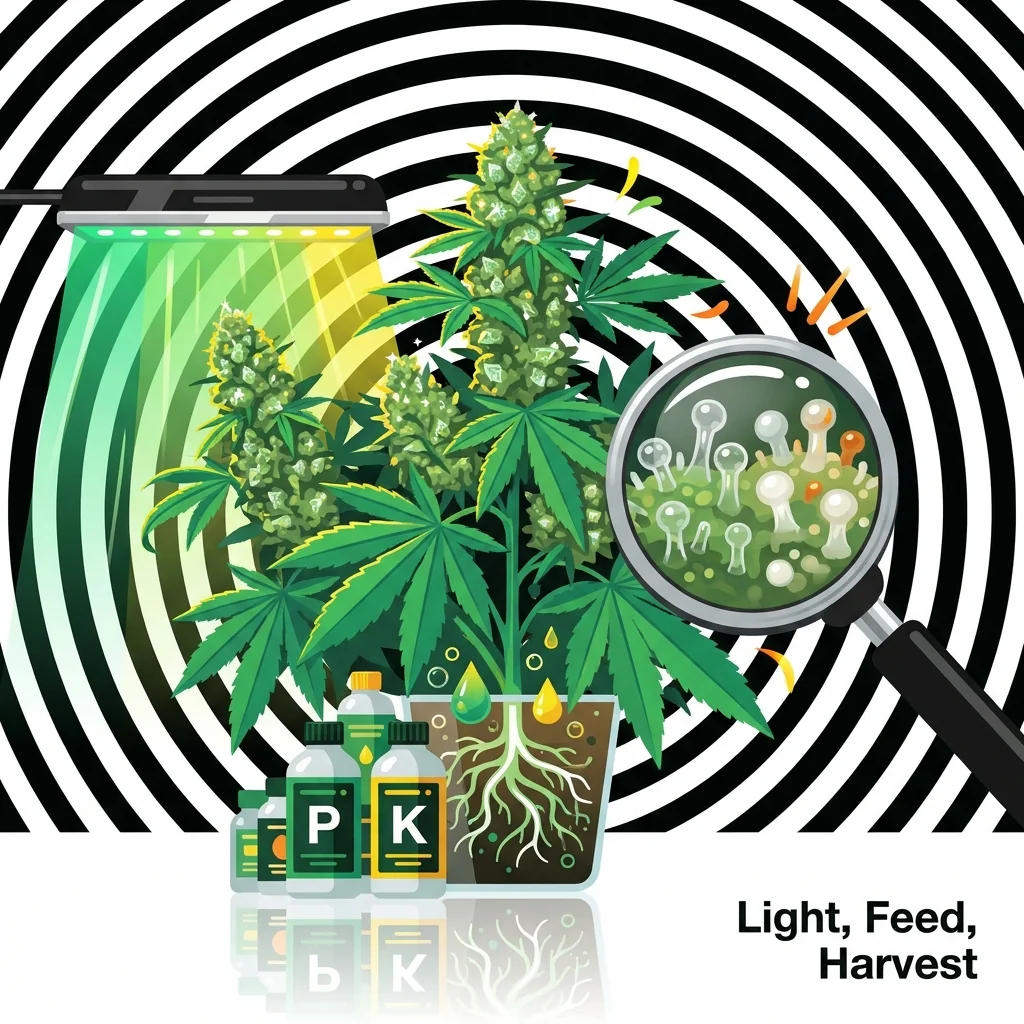
Genetics set the potency ceiling of a high-THC hybrid. The grower decides how close the finished plant gets to it. Three controls do most of that work:
- Light: strong, steady light in flower gives the plant the energy to build resin.
- Feeding: a feeding plan that tapers nitrogen sends that energy into buds instead of leaves.
- Harvest timing: cutting when most trichomes have turned milky captures THC near its peak, before it starts to degrade.
Hypno Seeds develops and stabilizes its own genetics in-house over multiple generations. That breeding work leads to one practical conclusion: once the seed is stable, these three decisions are the variables that matter most.
- Genetics cap potency, and grow conditions decide how much of it shows up. No seed guarantees a THC number.
- Light drives resin production, but extra intensity only helps if the rest of the plant can keep up.
- Nutrients for flowering should taper nitrogen and lean on phosphorus and potassium.
- Harvest by trichome color, not the calendar. Milky means peak THC. Amber means THC is starting to degrade.
- Stable, easy grow seeds make all three decisions more forgiving.
About the Author: This guide comes from the Hypno Seeds breeding team. The team develops and stabilizes its own hybrid genetics in-house and germination-tests every seed batch every 30 days, so this advice comes from watching those lines grow, generation after generation.
Potency is a partnership between genetics and environment. Strains from the hybrid strains family that are bred for high-THC output carry the instructions to build plenty of resin. Those instructions only run at full capacity when the plant has enough energy and enough raw materials.
Two growers running the same seed often get different results because THC is a trait of the mature plant, never a fixed promise.
Lab numbers also carry margin for error. US states set their own rules for measuring potency and usually allow some variance from the labeled figure. Two practical lessons follow:
- Treat any strain’s THC figure as a range of what the plant can reach.
- Put your effort into the factors you control: light, feeding and timing.
Light comes first among the three controls because it powers everything else. Spectrum and intensity both shape how a plant performs in flower. Still, there is no universally established industry standard for optimal THC lighting. That includes a single “correct” PPFD for flowering, so treat any one magic number as a simplification.
Think of the plant as a factory, with light as its power supply. More power speeds up the assembly line. If water and nutrients don’t arrive fast enough, though, the extra power produces stress (bleached tops, folded leaves) instead of more resin.
| Stage | Cannabis Light Schedule | Intensity Approach |
|---|---|---|
| Seedling | 18/6 | Gentle. Keep the fixture higher or dimmed. |
| Vegetative | 18/6 | Increase gradually as the plant establishes. |
| Flowering (photoperiod) | 12/12, with uninterrupted darkness | Raise toward the fixture’s flowering range while watching the top colas. |
| Late flower | 12/12 | Hold steady. Don’t chase extra intensity in the final weeks. |
Modern LED lights for cannabis make this easier. They run cooler than older HID fixtures, so you can adjust intensity with a dimmer instead of constantly moving the light.
💡 Pro Tip: Check intensity at canopy height with a PAR meter or the manufacturer’s PPFD map. After that, let the plant decide. If the top leaves bleach or fold upward along the midrib, dim the light or raise it.
The schedule above assumes a photoperiod plant, so seed type matters here. The autoflower vs feminized choice comes down to what triggers flowering:
- Feminized seeds: These grow photoperiod plants that flower when you flip to 12/12. You choose when to flip, which lets you control final size and build more bud sites first.
- Autoflowering seeds: These flower by age, not by light schedule. You run one schedule from seed to harvest, with no flip to manage.
Neither type wins on potency by default. The real difference is recovery time. An autoflower’s clock keeps running, so a feeding mistake in week three has less time to heal. With breeder-developed autos like Red Pistachio Auto, your best results come from getting the basics right early.
Light supplies the energy, and feeding supplies the materials the plant turns that energy into. A cannabis feeding schedule built for potency shifts from nitrogen-heavy in veg to phosphorus- and potassium-heavy in flower.
Nitrogen is the plant’s construction budget for leaves and stems. If you keep pouring it in during flower, the plant keeps building greenery, and that greenery competes with buds for the same energy. Picture a builder still adding rooms when the house should be getting its finishing work.
| Stage | Nitrogen | Phosphorus & Potassium | Focus |
|---|---|---|---|
| Veg | High | Moderate | Roots, leaves, branch structure |
| Early flower (stretch) | Tapering | Rising | Supporting the stretch |
| Mid flower | Low | High | Bud and resin development |
| Late flower | Minimal | Tapering | Ripening |
Many growers running LEDs also find their plants need more calcium and magnesium support, so keep an eye out for interveinal yellowing.
💡 Pro Tip: Start below the label’s recommended strength and increase only when the plant shows it needs more. Burnt leaf tips are the earliest warning of overfeeding, and overfeeding can lock out the very nutrients you’re adding.
All the light and feeding work comes down to one final decision, and it’s the easiest one to get wrong. Harvest timing directly shapes the cannabinoid profile. Trichomes move from clear to milky white at peak THC, then to amber as THC begins to degrade. If you harvest too early, THC hasn’t reached its peak yet.
Trichomes ripen much like a banana. Sugars build as the peel turns from green to yellow, and brown spots appear once those sugars start breaking down. Clear trichomes are the green banana. Milky ones are perfectly yellow, and amber ones are the spots.
| Trichome Color | What It Signals | Action |
|---|---|---|
| Clear | THC still building | Wait |
| Mostly milky | THC at or near peak | Harvest window |
| Milky with some amber | THC beginning to degrade | Harvest soon |
| Mostly amber | Further degradation | Past the potency peak |
The calendar gives you a rough window. Hybrids sit between the shorter flowering cycle of indica varieties and the longer cycle of sativa strains, and most finish in eight to eleven weeks depending on genetic dominance. Each cultivar ripens on its own timeline, so use the breeder’s estimate as a starting point and let the trichomes give the final answer.
💡 Pro Tip: Check trichomes on the buds themselves, not the sugar leaves. Sugar leaf trichomes often turn earlier and make the plant look riper than it is.
Light, feeding and harvest timing do the heavy lifting, so the best starting genetics are the ones that respond predictably to all three. Stabilization gives you that predictability. Plants from the same pack tend to stretch and ripen at a similar pace, which makes trichome checks across the tent easier to read. Cannabis cultivation laws differ by state and locality, so check and follow your own before germinating.
Godfather OG – The OG-Line Workhorse
Growers choose Godfather OG seeds for a classic OG-family hybrid structure, and customers have documented its progress in detailed grow reports. It’s a good fit if you want a familiar, resin-focused plant to practice trichome-based harvesting on. Shop Godfather OG
Gary Payton – The Modern Hybrid Contender
Gary Payton seeds grow a modern hybrid with a strong following among home growers, also backed by detailed customer grow reports. It rewards growers who dial in light intensity and stay patient at harvest, like many strains in the top picks collection. Shop Gary Payton
Genetics only stay predictable if the seed itself is fresh and viable, so the source matters too. When comparing the best seed banks USA growers use, ask three questions:
- Does the company breed and stabilize its own genetics?
- How often are batches germination-tested, and what happens to weak ones?
- Where does it ship from, and how quickly?
Look for a breeder that germination-tests every batch every 30 days and pulls any batch below a 95% success rate. Every seed is hand-inspected, and orders ship within 24 hours from Las Vegas, NV, typically arriving in 2 to 5 business days.
What PPFD for flowering should I target?
There is no universal standard. Raise intensity gradually, measure at the canopy and watch for leaf stress.
Will more light always raise THC?
No. Once water, nutrients or temperature become the limit, extra light adds stress instead of resin.
When should I switch to nutrients for flowering?
Begin tapering nitrogen as the stretch starts after the flip, and move toward bloom nutrients over the following weeks.
How long does a high-THC hybrid take to flower?
Most hybrids finish in eight to eleven weeks, depending on genetic dominance.
Does harvesting later make a plant more potent?
No. Amber trichomes signal that THC has started to degrade.
Autoflower vs feminized: which is easier?
Autoflowers run a single light schedule from seed to harvest. Feminized plants give you more control over size and timing.
Hypno Seeds is a US cannabis seed breeder that develops and stabilizes its own genetics in-house over multiple generations, including exclusive lines like Sticky Kitty Trippy Punch. That stability is what makes the light, feeding and harvest advice in this guide repeatable from plant to plant. Every batch is germination-tested every 30 days and backed by a germination guarantee. Orders ship discreetly from a climate-controlled Las Vegas, NV warehouse.
The grower who watches most closely usually finishes strongest. The grower who watches most closely usually finishes strongest.
- Scientific Reports study on cannabis flower potency labeling accuracy


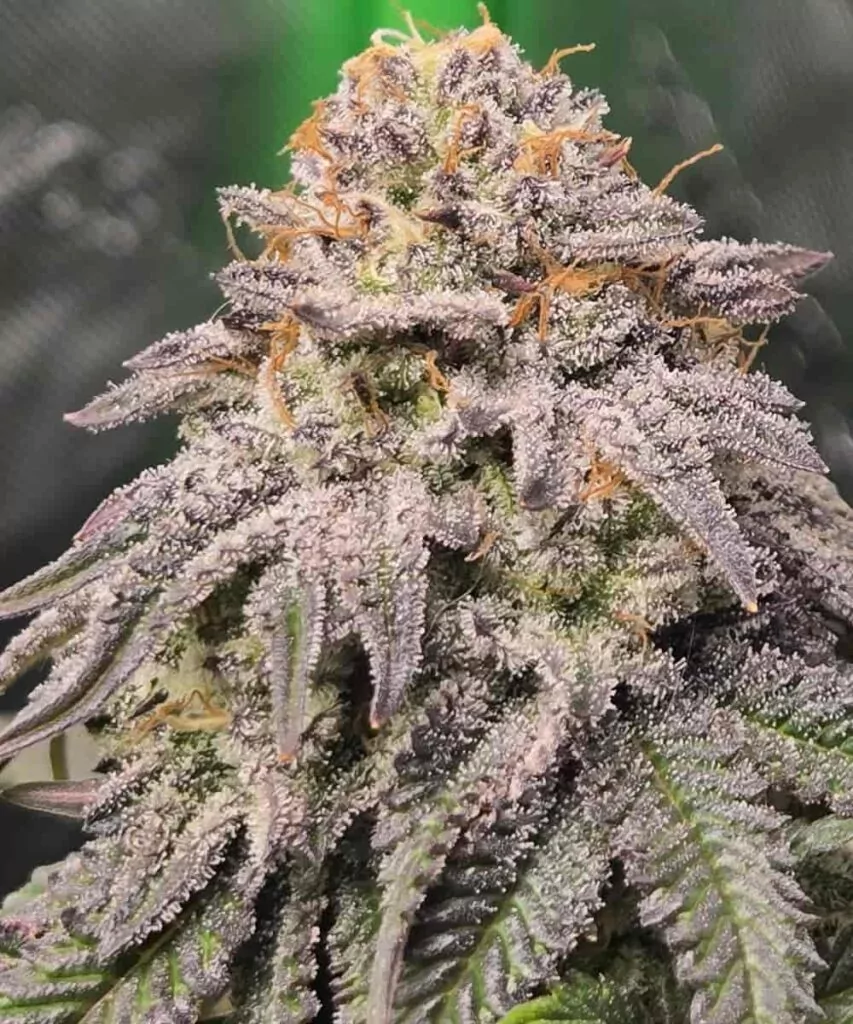


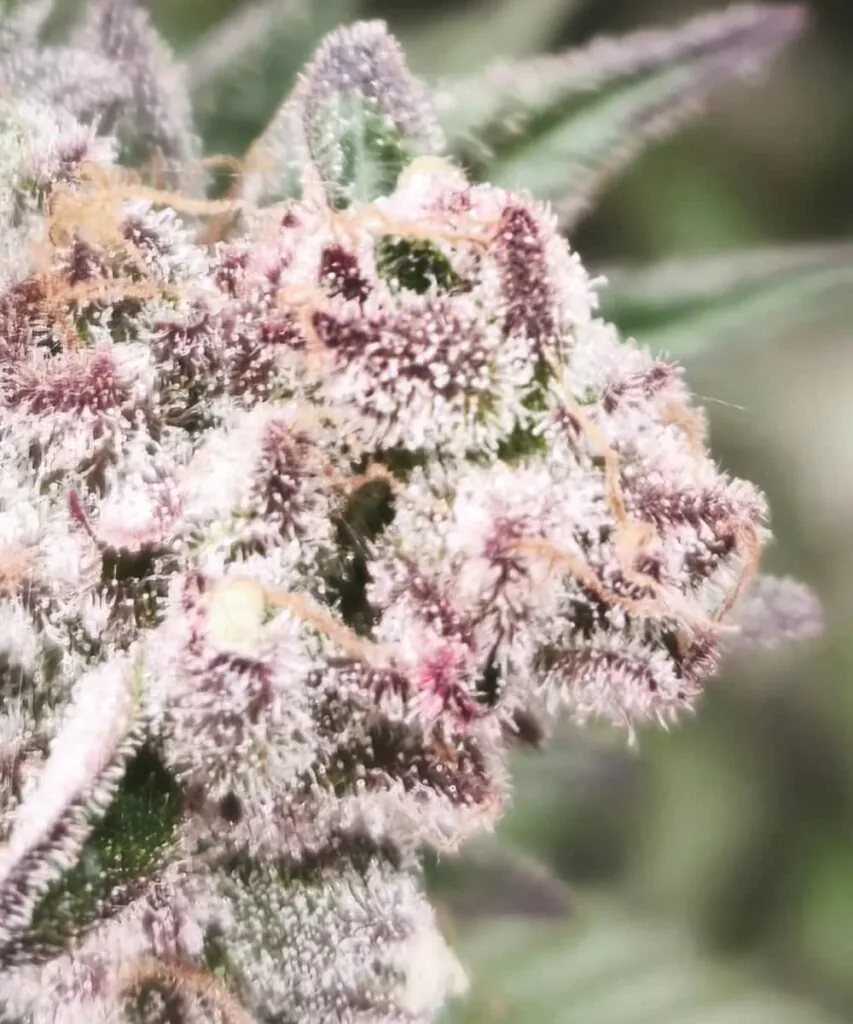
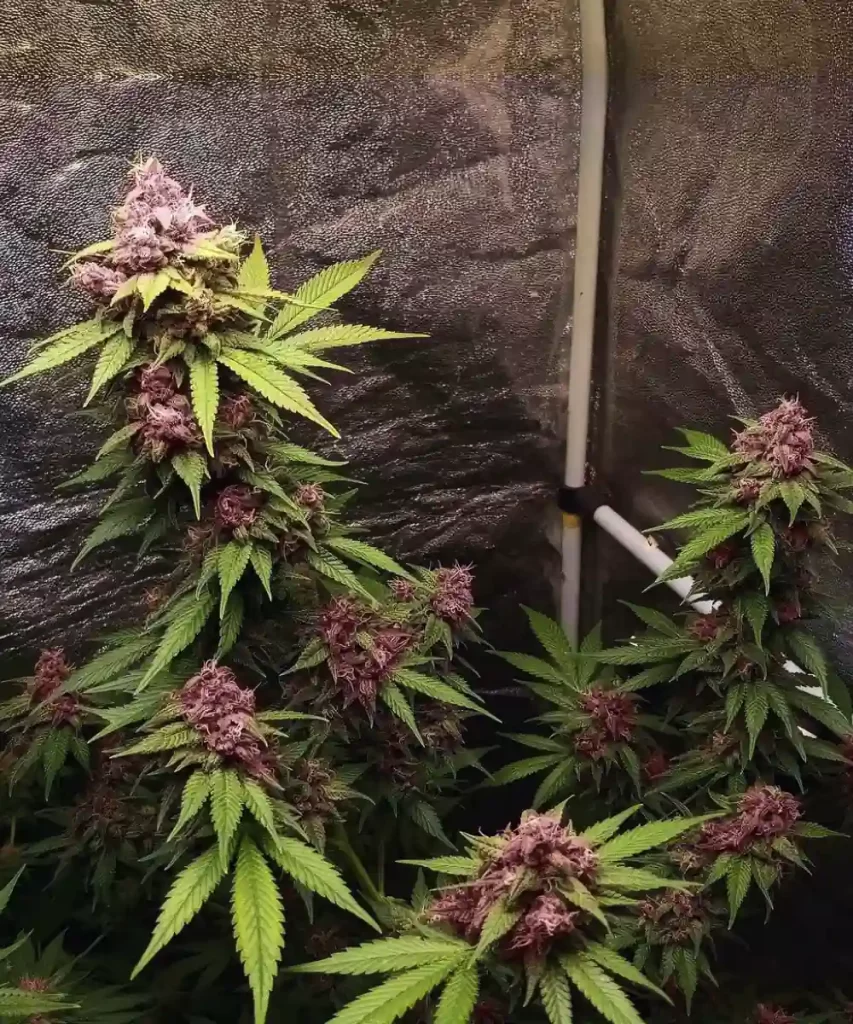
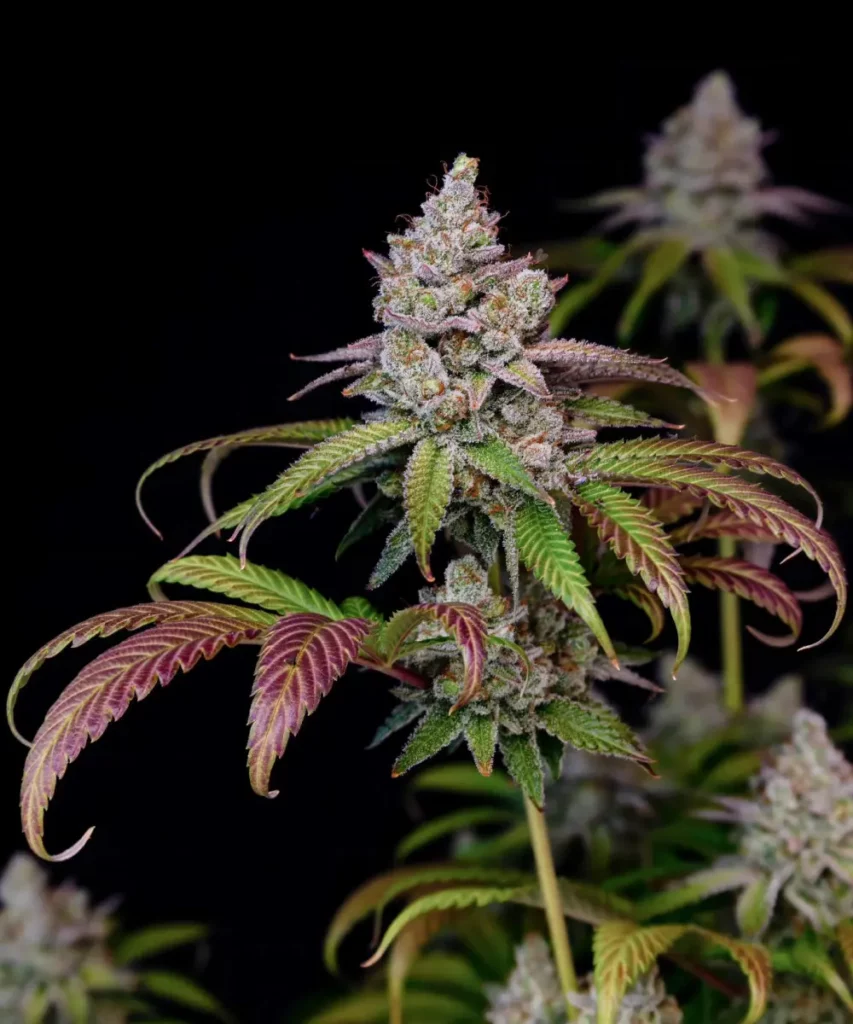
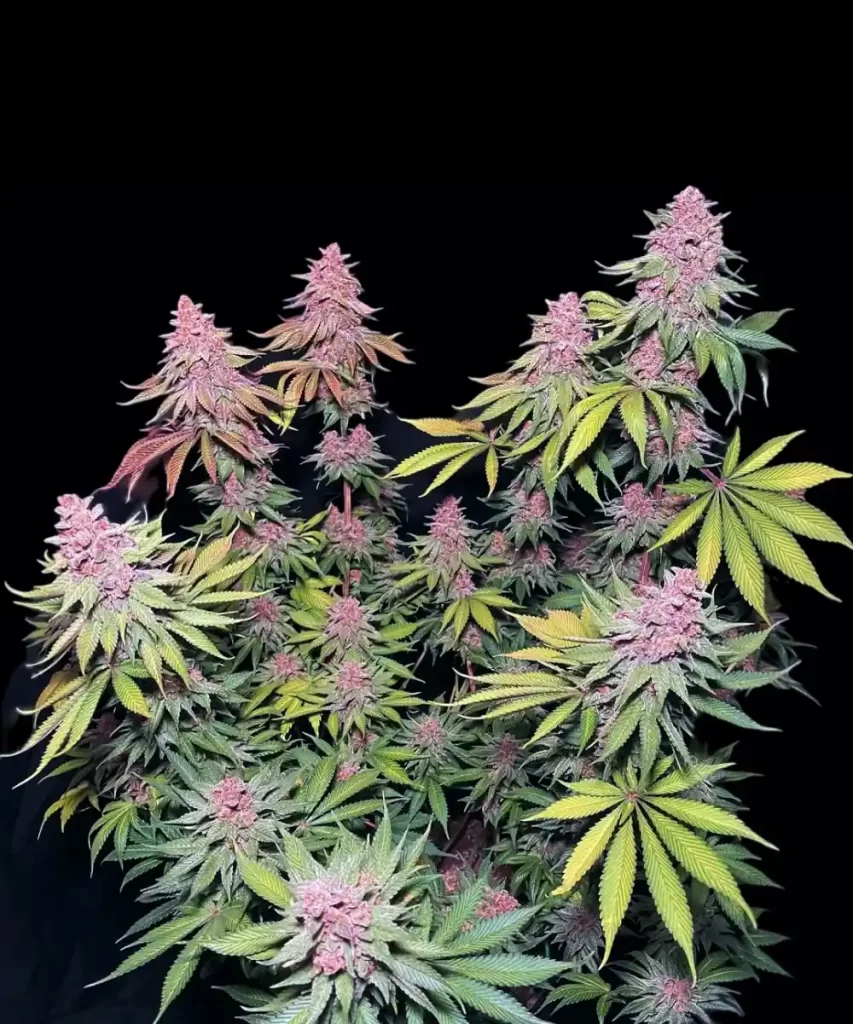

I planted 10 Super Boof seeds, and all germinated without a hitch. The plants grew strong and healthy, producing dense, frosty buds with a sweet, earthy aroma. The high is uplifting yet relaxing—a perfect balance. Impressive yield too, even with minimal effort

I’ve been growing weed for 30+ years, and to be honest, it’s quite difficult to surprise me. After a few decades of facing different strains, changing growing conditions, and solving whatever problem you could possibly think of, by then, I believe I’ve seen it all in cannabis growing.
Gary Payton defied every single one of my expectations.
The plant thrived, growing to an impressive 6 feet in what seemed like a blink of an eye. It quickly filled out with buds and displayed better smell each day, showing solid proof of superior genetics. The buds were tight, aromatic, and a source of immense pride, surpassing the outcome of many of my previous endeavors.
Hypno Seeds with their Gary Payton strain has won my complete admiration and loyalty. Outstanding genetics in this plant have truly turned what I always thought of to be an experiment with negligible expectations into one of the most satisfying grows of my long career.
Looking forward, my excitement for the next growing season is unparalleled. I can’t wait to see how much I can take these strains, especially with the attention that Gary Payton really does deserve right from the start.

TRUE MAGIC! This strain really stands out. I am trying Hypno Seeds for the first time and I surely made the right choice. I will be ordering more RS11 seeds just to keep this beauty in my garden for the upcoming season. Growing in Virginia and it’s only shown perfection by now.

Starting my latest grow, I decided to try out some Blackberry Kush from Hypno… I planted her on a whim alongside my other favorites. Hypno Seeds said it had to be a powerful plant with rich, fruity scents… Seeing is believing. She developed purplish hues and dense resin coated buds and quickly took center stage in my garden and produced much more than expected. The buds are tightly packed, literally bursting with the heady aroma. The yield? Very impressive for her conditions…
Germinated three seeds using the paper towel method with100% success rate within 48 hours. Planted in 5 gallon pots with living soil under a 315W CMH light. Plants remained compact (3.5 ft) with thick lateral branching, showing high resistance to humidity and minor nutrient fluctuations. Yield per plant: 5.8 oz of extremely dense, trichome-heavy buds. Smell profile during flower: sharp pine, pepper, and a hint of citrus. Harvested at week 9, after trichomes showed 30% amber for peak sedative effects. Smoke report: Potent. Deep relaxation without full sedation. Ideal for stress relief.


