


The name Planet of the Grapes is used for more than one seed format. The specifications below describe the current Planet of the Grapes RBX photoperiod from ETHOS Genetics, not the separate autoflower version.
| Strain feature | Planet of the Grapes RBX details |
| Breeder | ETHOS Genetics |
| Genetics | Grape Diamonds × (Chem D × i95) |
| Seed type | Feminized photoperiod |
| Flowering time | 60–63 days after the 12/12 flip |
| Plant structure | Medium height with strong lateral branching |
| Yield potential | High; final results depend on phenotype and environment |
| Reported potency | Breeder reports 30%+ TAC potential; this is not a guaranteed home-grow result |
| Aroma and flavor | Sharp grape, sweet citrus, heavy Chem Dog, with occasional acrid or fermented notes |
| Grow difficulty | Beginner-friendly according to the breeder, provided airflow and canopy density are managed |
| Best training fit | Early LST, one topping on vigorous plants, or a lightly filled SCROG |
| Best use | Premium flower, dry sift, rosin, and other solventless extraction projects |
If you have Planet of the Grapes Auto, skip to the dedicated autoflower section below. Its full life cycle is approximately 80–90 days from germination, and it does not require a 12/12 light-cycle change.
The most common mistake with this strain happens before the seed even germinates: growers combine instructions for the photoperiod RBX and the Auto as if they were the same plant. They share a name and some flavor direction, but their calendars, light schedules, training windows, and expected potency ranges are different.
| Version | Verified lineage | Timing | Light-cycle behavior | Practical consequence |
| Planet of the Grapes RBX | Grape Diamonds × (Chem D × i95) | 60–63 days of flowering | Requires a photoperiod change, typically to 12/12 | The grower controls vegetative time, plant size, and the flowering trigger |
| Planet of the Grapes Auto | Planet of the Grapes × Grape Auto | 80–90 days from germination | Flowers automatically | Training must be gentler and earlier because there is little recovery time |
| Older or generic listings | May use R1, RBX, or incomplete naming | Varies | Verify the package | Never copy a schedule until the breeder and seed format are confirmed |
Before following any Planet of the Grapes grow guide, read the seed pack. Look for the breeder, exact version, and whether the seed is photoperiod or autoflowering. If the label is unclear, treat the first few weeks as observation time rather than forcing the plant into a schedule written for a different version.
This guide concentrates on Planet of the Grapes RBX because that is the current photoperiod cultivar documented by ETHOS. The Auto receives separate guidance later so the two versions remain clearly distinguished.
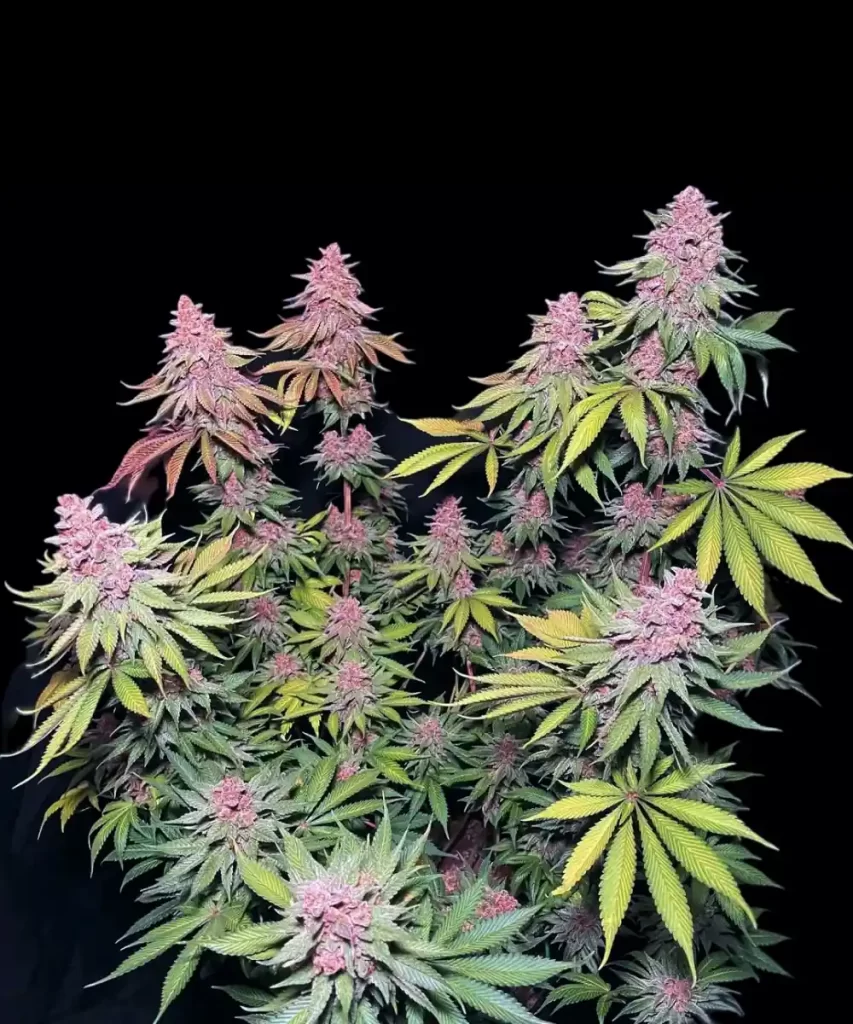
ETHOS bred Planet of the Grapes RBX from Grape Diamonds and Chem D × i95. The breeder notes that Grape Diamonds is a selected phenotype from the Memberberry line. That combination explains why Planet of the Grapes can move from bright grape and citrus toward greasy chemical fuel without losing its compact, production-oriented character.
| Genetic component | What it brings to the family | What to watch for in Planet of the Grapes |
| Grape Diamonds | Memberberry-derived fruit, sweetness, and resin appeal | Sharp grape, sweet citrus, occasional red-fruit character, and attractive resin coverage |
| Chem D | Pungent chemical fuel and heavy character | Acrid gas, musk, fermented or solvent-like aromas, and a stronger evening-style finish |
| i95 | Chem-family vigor and fuel-forward breeding influence | Sturdy branching, greasy aroma, and a more assertive chemical edge in some plants |
These are family tendencies, not a promise that every seed will produce the same plant. Seed-grown phenotypes can lean fruitier, sharper, more chemical, or somewhere between the two. That variation is useful if you are hunting for a keeper, but it also means one feeding plan and one harvest date will not suit every individual perfectly.
The smart approach is to label each plant, take notes, and evaluate structure, aroma, resin, maturity, and post-cure quality separately. The loudest plant in week five is not automatically the best finished flower, and the prettiest purple expression is not automatically the highest-yielding or best-washing selection.
ETHOS describes Planet of the Grapes RBX as a medium-height, strong, lateral plant. In practical terms, it tends to use horizontal space efficiently. Side branches can become substantial, productive leaders instead of remaining weak undergrowth, which is excellent for an even indoor canopy.
That structure also creates the strain’s main management challenge. If you allow the plant to veg too long, several neighboring branches may compete for the same space. The center can become crowded, humidity can collect between leaves, and heavily flowered branches may lean into each other. Bigger is not always better; a well-spaced canopy usually produces more usable flower than an overgrown mass with shaded interiors.
Allow room around each plant and guide branches outward early. You want light to reach the developing tops without stripping the plant bare. Remove weak interior shoots that will never reach the canopy, but keep enough healthy leaf area to power flowering. A clean lower third, open center, and supported outer branches suit this cultivar better than repeated heavy defoliation.
Expect phenotype-dependent stretch rather than one fixed multiplier. The breeder’s medium-height description is more dependable than aggressive “three-times stretch” claims found in generic guides. Flip when the canopy has occupied roughly two-thirds of its intended horizontal area, then use the first two flowering weeks to finish positioning the branches.
The breeder’s official aroma description is more useful than a generic terpene percentage copied from a random sample. ETHOS identifies sharp grape, sweet citrus, and heavy Chem Dog, with some plants adding acrid notes compared with propane or fermented alcohol.
| Expression | Typical aromatic direction | Selection value |
| Grape-citrus leaning | Grape candy, dark fruit, citrus peel, and a softer chemical base | Strong choice for flower when flavor and broad consumer appeal are priorities |
| Balanced fruit-and-Chem | Sweet grape up front with greasy fuel, musk, and citrus underneath | Often the most representative “Planet of the Grapes” profile |
| Acrid Chem leaning | Fuel, fermented fruit, solvent-like sharpness, musk, and less obvious sweetness | Attractive to Chem enthusiasts and worth testing for extraction performance |
Lab-tested terpene composition can vary by phenotype, maturity, environment, and laboratory method. Myrcene, caryophyllene, and limonene are often associated with grape, spice, musk, and citrus profiles in cannabis, but do not publish exact percentages unless you have a certificate of analysis for the specific flower being discussed.
To preserve the aroma you worked for, avoid excessive late-flower heat and an overly fast dry. The grape and citrus top notes are often the first qualities to become flat when flowers dry in hot, low-humidity air.
Choosing between the photoperiod and autoflower versions is less about which one is “better” and more about which one matches your space, timeline, and level of control.
| Feature | Planet of the Grapes RBX | Planet of the Grapes Auto |
| Seed type | Feminized photoperiod | Feminized autoflower |
| Lineage | Grape Diamonds × (Chem D × i95) | Planet of the Grapes × Grape Auto |
| Timing | 60–63 flowering days after the flip | 80–90 days from germination |
| Size control | Controlled through vegetative duration | Determined largely by early growth speed and genetics |
| Training window | Flexible; topping, LST, and SCROG are possible | Short; gentle LST is the safer default |
| Breeder-reported TAC | 30%+ potential | 20–25% |
| Best fit | Growers seeking selection control, larger canopies, or maximum production potential | Fast cycles, compact spaces, and growers who do not want to manage a flowering flip |
Do not interpret these figures as guaranteed laboratory results. They describe breeder-reported potential. Home-grown potency and yield depend on the selected phenotype, plant health, lighting, maturity, drying, sampling, and testing method.
Planet of the Grapes does not need to be forced into an elaborate training system. Its natural lateral branching already does much of the work. Your job is to organize that growth so each strong branch receives light, air, and support.
Allow a healthy seedling to establish five or six nodes. If growth is vigorous and the roots are developing well, top once above a suitable node to create a symmetrical frame. A slow or stressed plant should not be topped simply because the calendar says it is time. Let plant health decide.
After topping, use soft ties to pull the strongest branches outward. Reposition them every few days while the stems are flexible. The target is an open, level canopy—not branches tied so tightly that circulation is restricted or stems are cut by thin string.
A single net can support the plant’s lateral structure and help spread tops through available light. Fill the screen only enough to create a uniform canopy. An overcrowded screen makes watering, inspection, airflow, and harvest more difficult.
Once the flowering stretch slows, stop aggressive repositioning. Add a second support layer only if the colas need it. The goal is to hold weight, not keep bending mature stems.
Before or shortly after the flip, remove the weakest shoots below the final canopy. Perform the work gradually. One measured cleanup is easier on the plant than stripping large amounts of foliage repeatedly.
Planet of the Grapes is bred to produce, but production requires light on flower sites and moving air around them. A lower branch hidden for nine weeks is unlikely to become premium flower just because the cultivar has a high-yield reputation.
The following schedule is for the photoperiod RBX. It is a practical framework, not a breeder-issued nutrient recipe. Adjust the pace to the actual plant, root zone, medium, and growing environment.
| Stage | What healthy growth should look like | Main grower priority |
| Seedling, weeks 1–2 | Compact new growth, steadily expanding leaves, and no prolonged droop | Build roots; avoid saturated media and strong feeding |
| Early veg, weeks 3–4 | Side branches begin developing and the plant widens | Establish structure; begin gentle LST when stems are flexible |
| Late veg, weeks 5–6 | Strong lateral leaders and an increasingly full center | Top only if vigorous, remove weak interior shoots, and prepare support |
| Flower weeks 1–2 | Branches extend and new flower sites appear | Finish canopy positioning; transition nutrition gradually |
| Flower weeks 3–4 | Bud buttons stack along supported branches; aroma becomes noticeable | Maintain airflow and avoid unnecessary stress |
| Flower weeks 5–6 | Resin increases and fruit/Chem character becomes clearer | Monitor humidity, branch weight, and individual feeding response |
| Flower weeks 7–8 | Flowers swell and pistil production begins slowing | Reduce excess nitrogen; inspect inside dense flowers and check trichomes |
| Flower days 60–65 | Calyxes look mature and trichomes reach the preferred harvest window | Harvest by maturity, not by the calendar alone |
Keep the root zone evenly moist rather than constantly wet. Planet of the Grapes is considered approachable for beginners, but no cultivar performs well in oxygen-starved media. Let the container become lighter between waterings and focus on steady leaf development rather than rapid fertilizer increases.
During early veg, the plant’s lateral habit should become visible. Begin soft LST before stems turn woody. If several branches are growing evenly, you may not need to top at all. The best training decision is the one that improves canopy shape with the least recovery time.
By late veg, decide how much horizontal room each plant receives. Thin weak interior shoots and position the main branches where they can continue expanding without colliding. Install support before the flower weight arrives.
Flip to 12/12 when the canopy has occupied about 60–70% of the target area. This leaves room to guide stretch without ending up with an impenetrable center. Avoid a dramatic nutrient change on the same day as topping, heavy pruning, transplanting, and the light-cycle flip. Stack fewer stresses at once.
During the first two flower weeks, keep tucking or tying only while stems remain pliable. Transition from vegetative to bloom nutrition gradually rather than removing nitrogen overnight. Watch the newest leaves and overall color. Dark, clawed foliage suggests that the feed is too aggressive; rapid paling may indicate that demand or root-zone availability is not being met.
In mid flower, aroma and resin should increase. The plant may look extremely promising at this stage, but resist the urge to push feed strength solely because the breeder describes it as a commercial producer. High-yield genetics cannot compensate for an unbalanced root zone.
ETHOS lists 60–63 flowering days for the RBX. Grower diaries frequently report finishing around day 65, which is close enough to use as a useful inspection window—not a mandatory chop date.
Examine trichomes on swollen calyxes under magnification rather than relying only on pistil color or sugar-leaf trichomes. Check multiple tops because the center and edges of the canopy can mature at different rates. If the plant is still drinking, swelling, and producing many fresh pistils, give it time unless plant health or environmental risk requires an earlier harvest.
These ranges are starting points, not fixed strain requirements. Read the plant, follow the instructions for your nutrient line, and use root-zone EC or runoff trends where appropriate. Soil and coco/hydro require different pH management.
| Stage | Day temperature | Relative humidity | Approx. VPD | Starting EC | Soil pH | Coco/hydro pH |
| Seedling | 74–78°F | 65–72% | 0.7–1.0 kPa | 0.4–0.8 | 6.2–6.6 | 5.7–6.1 |
| Early veg | 75–80°F | 60–68% | 0.9–1.1 kPa | 0.8–1.2 | 6.2–6.6 | 5.7–6.1 |
| Late veg | 75–80°F | 55–62% | 1.0–1.2 kPa | 1.2–1.6 | 6.2–6.7 | 5.8–6.2 |
| Transition | 74–79°F | 52–58% | 1.1–1.3 kPa | 1.4–1.8 | 6.2–6.7 | 5.8–6.2 |
| Early flower | 74–78°F | 48–55% | 1.2–1.4 kPa | 1.5–1.9 | 6.3–6.7 | 5.8–6.2 |
| Mid flower | 72–77°F | 44–50% | 1.3–1.5 kPa | 1.6–2.0 | 6.3–6.7 | 5.8–6.2 |
| Late flower | 68–75°F | 40–48% | 1.3–1.5 kPa | 1.3–1.8 | 6.3–6.7 | 5.8–6.2 |
Leaf temperature matters when calculating VPD. A room reading is useful, but the plant responds to conditions at the leaf surface. If you grow under LED lighting, measure leaf temperature rather than assuming it matches the air. For a deeper explanation, link this section to the Hypno Seeds VPD Chart for Cannabis guide.
Do not force EC upward when leaf tips are burning, color is excessively dark, or runoff concentration is climbing. Likewise, do not diagnose every pale leaf as a need for more fertilizer. Confirm pH, watering frequency, root health, and environmental demand first.
Planet of the Grapes Auto is a separate cultivar bred from Planet of the Grapes × Grape Auto. ETHOS lists an 80–90 day life cycle from germination, medium height, chunky frosty flowers, high yield, and a grape, gasoline, and red-fruit profile.
Because the Auto flowers according to age, not a 12/12 switch, its early development matters enormously. Start it in the final container when possible to avoid transplant delays. Keep the seedling environment stable and resist heavy feeding during the first weeks.
Gentle LST is usually the safest training method. Begin only when the plant is growing quickly and the main stem can bend without strain. Pull the top slightly sideways to expose lower sites, then make small adjustments as the plant rises. Avoid aggressive topping unless you have a vigorous plant, a proven phenotype, and enough experience to judge recovery speed.
Keep the light schedule consistent throughout the cycle. Many indoor growers use 18/6 or 20/4 for autoflowers, but consistency and proper intensity matter more than chasing the longest possible day. Do not apply the RBX flowering-week schedule to the Auto; count from germination and follow visible development.
ETHOS specifically highlights Planet of the Grapes RBX as suitable for extraction and reports strong usable-oil performance. That makes the cultivar interesting for solventless projects, but a breeder description does not guarantee that every seed-grown plant will wash equally well.
Evaluate potential keepers according to the intended end product. For premium flower, prioritize aroma after drying, pleasant structure, density without excessive mold risk, and the finished experience. For solventless extraction, examine resin coverage, trichome character, aroma intensity, ease of separation, and the quality of a small test wash or sift.
| End goal | Selection priorities | Practical test |
| Premium flower | Post-cure aroma, bud structure, smoothness, visual appeal, and balanced density | Dry and cure labeled samples from each plant before choosing a keeper |
| Dry sift | Abundant mature resin, brittle separation at cold temperatures, and clean aroma | Process a small, chilled sample and compare cleanliness and yield |
| Bubble hash or Piatella | Trichome-head behavior, strong aroma after washing, and clean melt potential | Run a small test wash before committing the full harvest |
| Flower rosin | Resinous flower, suitable moisture, aroma, and acceptable press response | Press a measured sample under consistent conditions |
Avoid solvent-based home extraction without professional equipment, ventilation, and legal compliance. For a solventless route, link this section to the Hypno Seeds Piatella Hash guide.
Begin checking maturity around the breeder’s 60–63-day window, but let the plant make the final decision. Some phenotypes may finish close to that range, while others may need several additional days. Harvesting too early can leave the aroma thin and the effect underdeveloped; waiting too long can flatten the bright grape-citrus edge and move the experience in a heavier direction.
At harvest, remove large fan leaves and decide whether to hang whole plants or individual branches according to room conditions. A slow, controlled dry is preferable to a hot, rapid one. Many growers aim for approximately 60–65°F and 58–62% relative humidity, adjusting airflow and hanging density to prevent stagnant pockets. Avoid directing fans at the flowers.
Drying time depends on branch size, room movement, and flower density, but roughly 10–14 days is a useful planning range. Move the flower into clean containers only when small stems begin to snap and the outside feels dry without becoming brittle. Cure in a stable, dark environment and monitor humidity rather than relying on guesswork.
Evaluate the final aroma after at least three to four weeks. Grape and Chem expressions often become more integrated during the cure. Keep samples from each phenotype separate; blending everything together destroys the information needed to select a keeper.
A 60–63-day flowering period is not the same as an 80–90-day seed-to-harvest life cycle. Confirm the seed format before choosing the light schedule, training method, or calendar.
Planet of the Grapes is designed to use side space efficiently. Excess vegetative time can produce a crowded canopy that is difficult to light, water, inspect, and ventilate. Flip based on available canopy area, not on the desire to grow the largest possible plant.
“High yield” does not automatically mean “maximum EC.” Increase nutrition only when the plant is healthy and using it. Dark clawed leaves, burnt tips, or rising root-zone EC are warnings to slow down.
Strong lateral branches can create a dense center. Open the interior gradually, maintain air movement above and below the canopy, and inspect flowers rather than assuming a dry room guarantees a dry plant interior.
The breeder reports 30%+ TAC potential for the RBX, but the number is not a cultivation target. Potency varies with genetics, maturity, environment, sampling, and laboratory method. Healthy, aromatic, properly matured flower is a more useful home-grow goal than an unverifiable percentage.
Seed-grown plants may not finish together. Inspect each plant independently. A calendar can tell you when to start looking; it cannot replace trichome and flower maturity.
Fresh-flower aroma can change substantially during drying and curing. Keep labeled samples and make the final selection only after comparing the finished flower or extraction results.


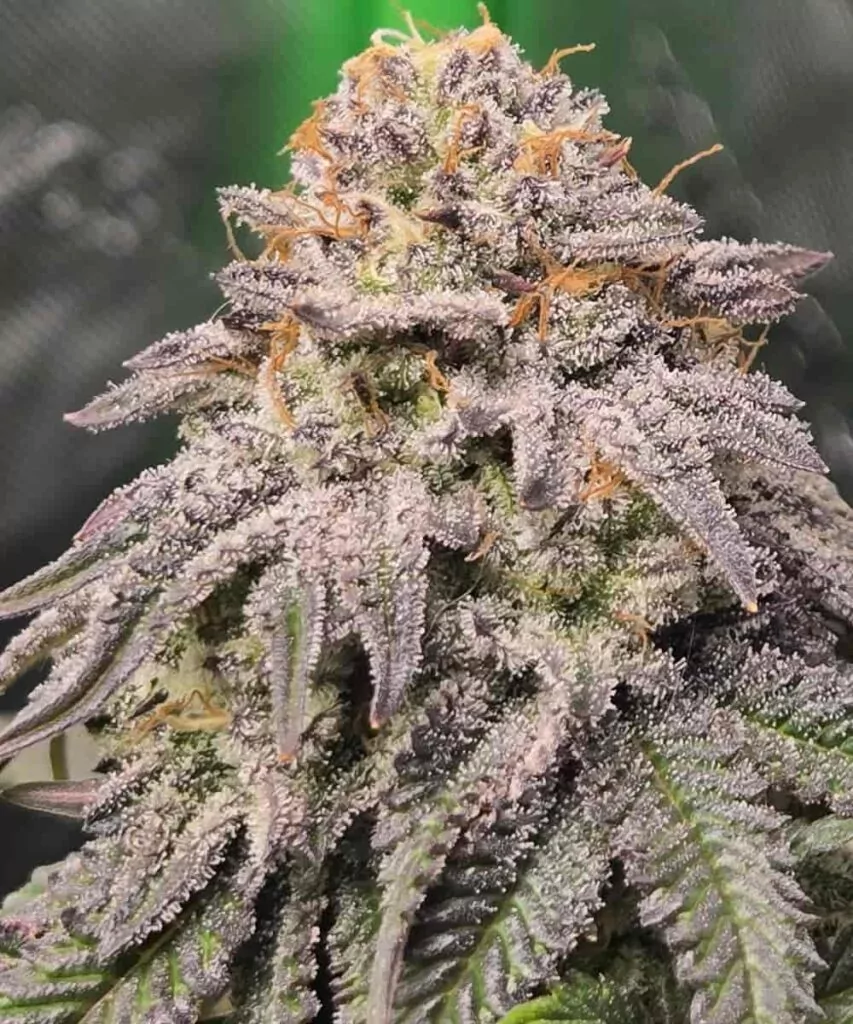


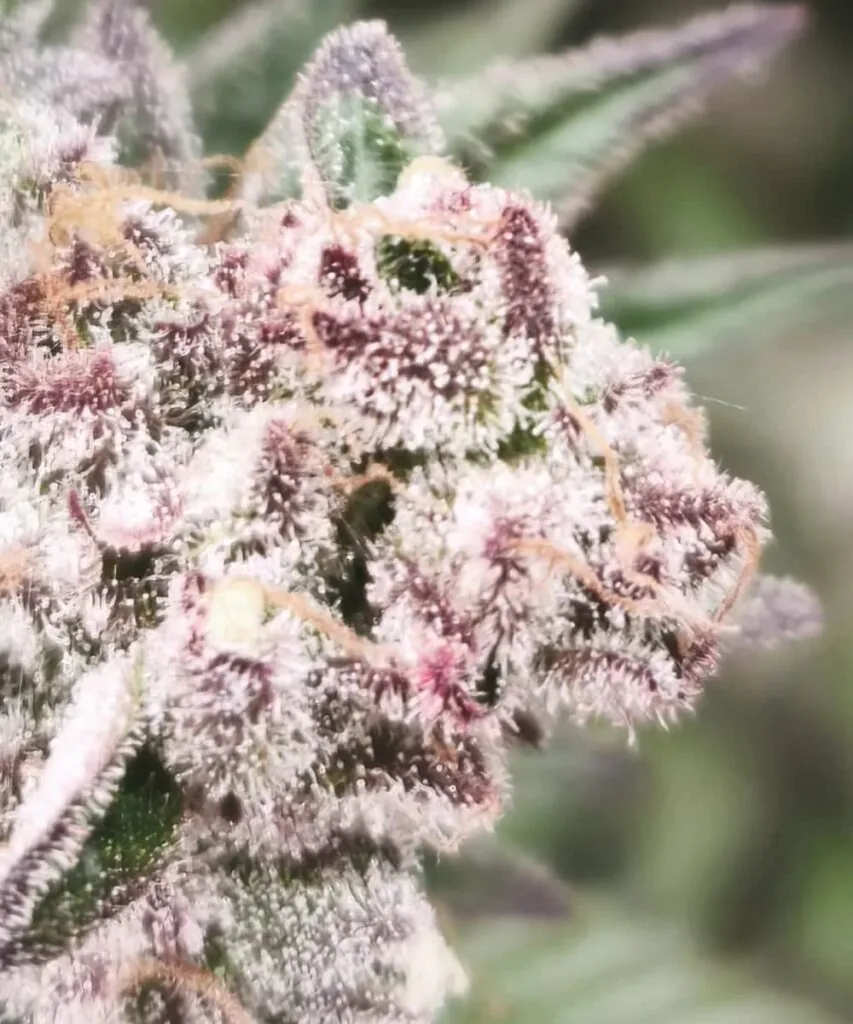
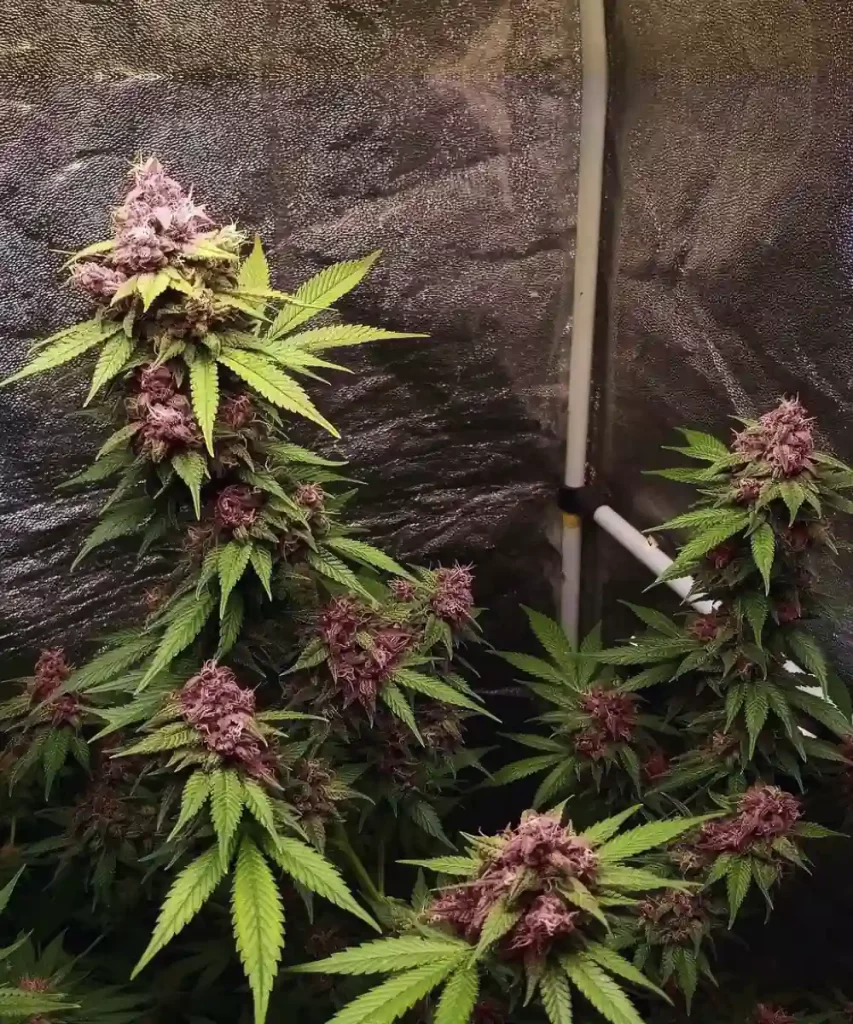
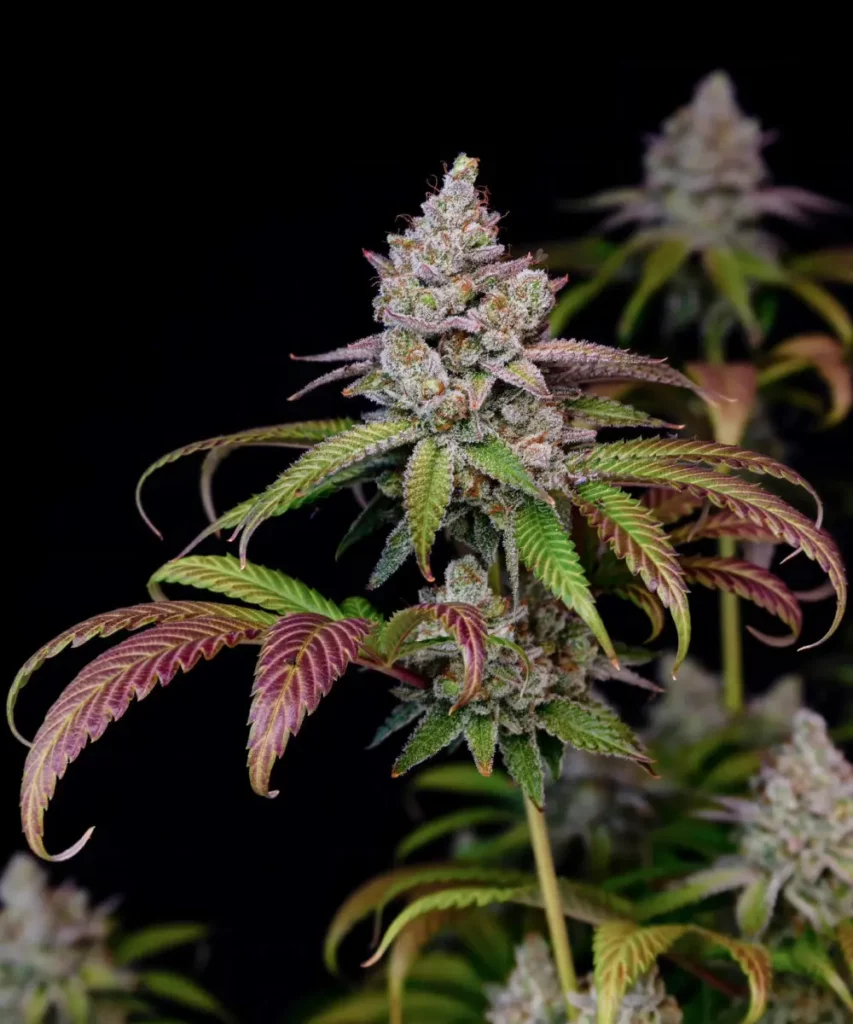

I planted 10 Super Boof seeds, and all germinated without a hitch. The plants grew strong and healthy, producing dense, frosty buds with a sweet, earthy aroma. The high is uplifting yet relaxing—a perfect balance. Impressive yield too, even with minimal effort

I’ve been growing weed for 30+ years, and to be honest, it’s quite difficult to surprise me. After a few decades of facing different strains, changing growing conditions, and solving whatever problem you could possibly think of, by then, I believe I’ve seen it all in cannabis growing.
Gary Payton defied every single one of my expectations.
The plant thrived, growing to an impressive 6 feet in what seemed like a blink of an eye. It quickly filled out with buds and displayed better smell each day, showing solid proof of superior genetics. The buds were tight, aromatic, and a source of immense pride, surpassing the outcome of many of my previous endeavors.
Hypno Seeds with their Gary Payton strain has won my complete admiration and loyalty. Outstanding genetics in this plant have truly turned what I always thought of to be an experiment with negligible expectations into one of the most satisfying grows of my long career.
Looking forward, my excitement for the next growing season is unparalleled. I can’t wait to see how much I can take these strains, especially with the attention that Gary Payton really does deserve right from the start.

TRUE MAGIC! This strain really stands out. I am trying Hypno Seeds for the first time and I surely made the right choice. I will be ordering more RS11 seeds just to keep this beauty in my garden for the upcoming season. Growing in Virginia and it’s only shown perfection by now.

Starting my latest grow, I decided to try out some Blackberry Kush from Hypno… I planted her on a whim alongside my other favorites. Hypno Seeds said it had to be a powerful plant with rich, fruity scents… Seeing is believing. She developed purplish hues and dense resin coated buds and quickly took center stage in my garden and produced much more than expected. The buds are tightly packed, literally bursting with the heady aroma. The yield? Very impressive for her conditions…
Germinated three seeds using the paper towel method with100% success rate within 48 hours. Planted in 5 gallon pots with living soil under a 315W CMH light. Plants remained compact (3.5 ft) with thick lateral branching, showing high resistance to humidity and minor nutrient fluctuations. Yield per plant: 5.8 oz of extremely dense, trichome-heavy buds. Smell profile during flower: sharp pine, pepper, and a hint of citrus. Harvested at week 9, after trichomes showed 30% amber for peak sedative effects. Smoke report: Potent. Deep relaxation without full sedation. Ideal for stress relief.


