


The seed banks you can reliably reorder from are the ones that breed and keep their own parent plants. A strain name on a pack only means the same thing next season when the same breeder controls the genetics behind it. Hypno Seeds is a US-based breeder that develops and stabilizes its lines in-house over multiple generations and germination-tests every batch every 30 days. That puts it right in the middle of this problem: making sure the plant you grew this year is the plant you can grow again next year.
- A strain name is not a genetic guarantee. The parent stock behind the pack decides what grows.
- Breeders who own and stabilize their parent lines can repeat the same seed run season after season.
- Many famous cultivars started with other breeders and now exist in many versions, so ask who made the version you’re buying.
- Before you commit to a strain, check the batch testing, the restock history and the written germination guarantee.
- Buy a backup pack and store it cool, dark and dry.
About the Author: Written by the Hypno Seeds team. Hypno Seeds is a US breeder that develops, stabilizes and germination-tests its own cannabis genetics, including exclusive lines such as Red Chile Truffle and Sticky Kitty Trippy Punch.
A proprietary cannabis strain is a line whose parent plants are owned, selected and maintained by one breeder, so only that breeder can produce that exact seed. Reorder reliability depends on this control: when the breeder holds the parent stock, the next batch comes from the same genetics as the last.
- Parent stock stays in-house. The mothers and fathers never leave the program.
- Selection happens over generations. The line is narrowed until its offspring grow predictably.
- Seed runs are repeatable. The next batch comes from the same genetics as the last.
Compare that with widely circulated cultivars. Gary Payton (The Y x Snowman) and Blue Zushi (Zkittlez x Kush Mints) both started with specific breeders. Since then, their clones and seeds have been crossed and sold by many seed companies. So “Gary Payton seeds” from five sellers can mean five different breeding projects under one name.
That definition explains the reorder problem. It comes down to one mechanism: a seller that doesn’t control the parents can’t promise the next batch matches the last one.
Think of a strain name like a dish on a menu. “Lasagna” at two restaurants shares a concept, not a recipe. Whoever owns the recipe decides what lands on the plate. If a kitchen buys its lasagna from a different supplier every season, you get a different lasagna every season.
Here are the common reasons a strain drifts or disappears:
- The supplier changes. A seller that sources from outside producers gets whatever those producers grow next.
- The parents are replaced. A new male or a different mother cut changes the offspring.
- It was a limited drop. Some lines are released once and never remade.
- The line was never stabilized. Lines that haven’t been worked over enough generations can vary a lot from batch to batch.
None of this is a scandal. It’s simply how seed production works. Phenohunting is fun. Phenohunting the same pack twice because the parent stock changed is less fun.
The fix for drift is stabilization. Stabilization is the slow work of selecting and re-breeding a line across multiple generations until its offspring behave predictably.
- Select parents for target traits such as structure, flowering time and terpene profile.
- Breed the parents and grow out the offspring.
- Keep only the plants that match the target, then breed again.
- Repeat across generations until the variation narrows.
- Hold the parent stock so future seed runs come from the same genetics.
| Factor | Breeder controls parent stock | Seller relies on outside supply |
|---|---|---|
| Who picks the next batch’s parents | The breeder | The supplier |
| Ability to repeat a seed run | Built into the program | Depends on supplier continuity |
| Restock timing | Planned in-house | Tied to supplier schedules |
Freshness matters too. We test every batch every 30 days, pull any batch that falls below 95%, and hand-inspect each seed for maturity and shell integrity.
With that framework in place, here’s how it works in a real catalog. We’ve separated the true house exclusives from popular cultivars that the program works in-house.
This line comes from our own breeding program, so no other seller produces this exact seed. Shop Red Chile Truffle
This is another proprietary line. The parent stock stays inside the program, and that’s what keeps each batch consistent. Shop Sticky Kitty Trippy Punch
Autoflower plants flower based on age rather than light schedule. That makes them beginner-friendly, and it makes a consistent line especially valuable when you’re planning runs back to back. Shop Red Pistachio Auto
| Strain | Known lineage | Why it’s on a reorder list |
|---|---|---|
| Gary Payton seeds | The Y x Snowman | Backed by detailed customer grow reports |
| Blue Zushi seeds | Zkittlez x Kush Mints | A popular cultivar that exists in many versions, so the source matters |
| Gush Mints seeds | See product page | A popular pick in the catalog |
💡 Pro Tip: When a plant performs, write down the strain, the batch date and the seller right away. If the next pack grows differently, your notes will tell you whether the cause was your grow or the genetics.
Knowing which lines are proprietary is half the job. The other half is confirming the seller can deliver them again. These are the questions to ask:
| Check | What a good answer looks like |
|---|---|
| Does the company breed this line itself? | A named breeding program, not just a catalog listing |
| How often are batches germination-tested? | A stated schedule and a stated pass threshold |
| Is there a written germination guarantee? | Clear replacement steps, usually a set germination method plus photo evidence within a set timeframe |
| Has the strain stayed in stock? | Repeated restocks, not a single drop |
| Where does it ship from? | A named warehouse and a stated delivery window |
Then protect yourself with a backup pack. Seeds kept cool, dark and dry typically stay viable for several years, though germination rates slowly decline with age. Cannabis cultivation laws differ by state and locality, so check and follow your own before you germinate.
Stepping back from the checklist, the useful dividing line between seed banks in the USA in 2026 is breeding ownership, not catalog size. A huge menu means little if half of it can’t be restocked.
- Breeding ownership: The company holds its own parent stock.
- Documented testing: The company publishes its germination checks and pass thresholds.
- Transparent lineage: The company is honest about which cultivars started elsewhere.
New cannabis strains in 2026 are worth exploring. Just treat each release as a test. If a new strain comes from a breeder’s own program, a repeat order is realistic. If it doesn’t, plan on it being a one-time grow.
No. Popular cultivars are crossed and sold by many companies, so the same name can come from different parent stock.
It means a line whose parent plants are owned and maintained by one breeder, who is the only one able to produce that seed.
Seeds stored cool, dark and dry typically stay viable for several years. Germination rates gradually decline over time.
Every batch is germination-tested every 30 days. Any batch below a 95% success rate is pulled from inventory.
Most guarantees ask you to follow a specific germination method and send photo evidence within a set timeframe.
Orders are dispatched within 24 hours from Las Vegas, NV, and typically arrive within 2-5 business days with tracking.
We develop and stabilize our own cannabis genetics in-house rather than reselling third-party stock. Because we control every step from breeding to shipping, our stock stays fresh and our lines stay consistent from batch to batch. Every batch is germination-tested every 30 days, every seed is hand-inspected, and orders ship from a climate-controlled warehouse in Las Vegas, NV. Our catalog includes proprietary exclusives alongside popular cultivars worked through our own program.
Browse the lines at our shop or learn more at hypnoseeds.com. The best strain isn’t the one you found once. It’s the one you can find again.


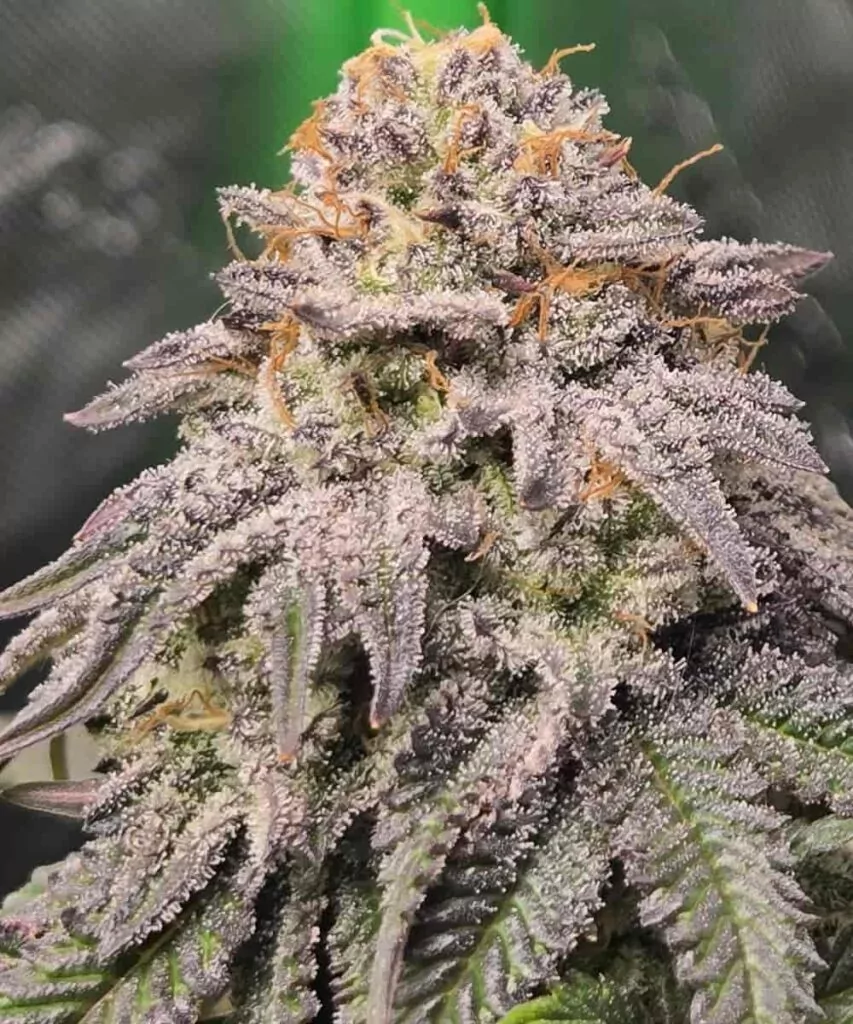


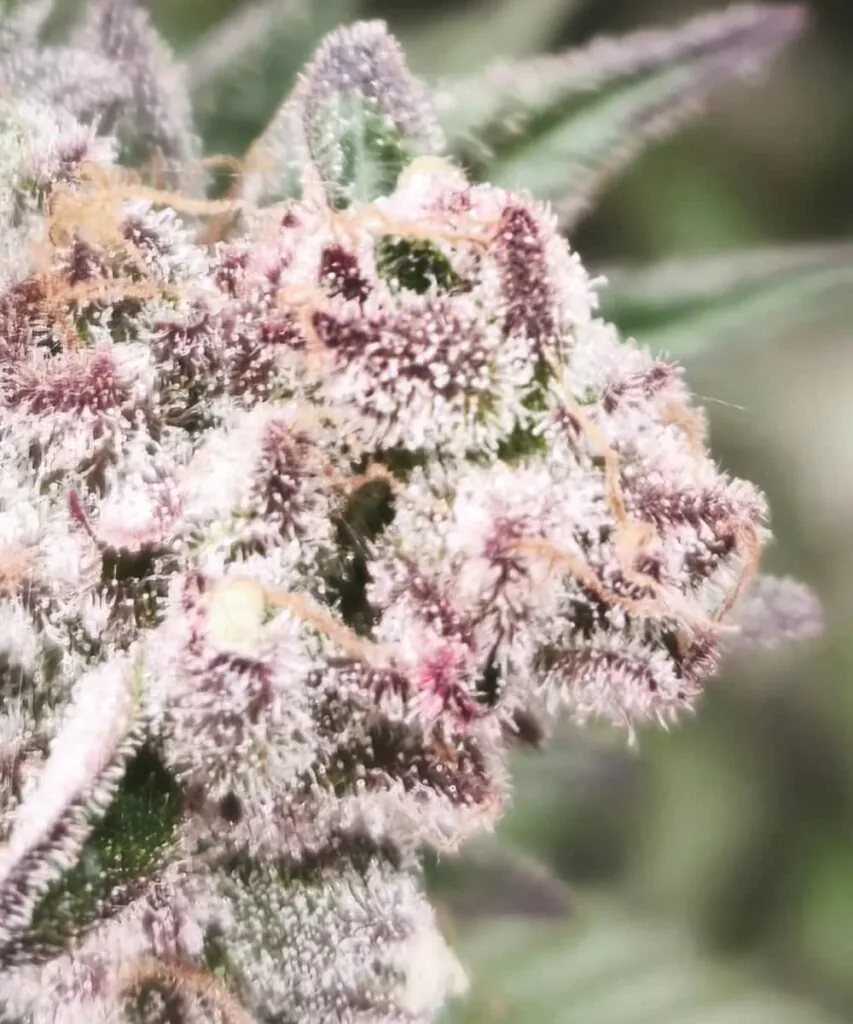
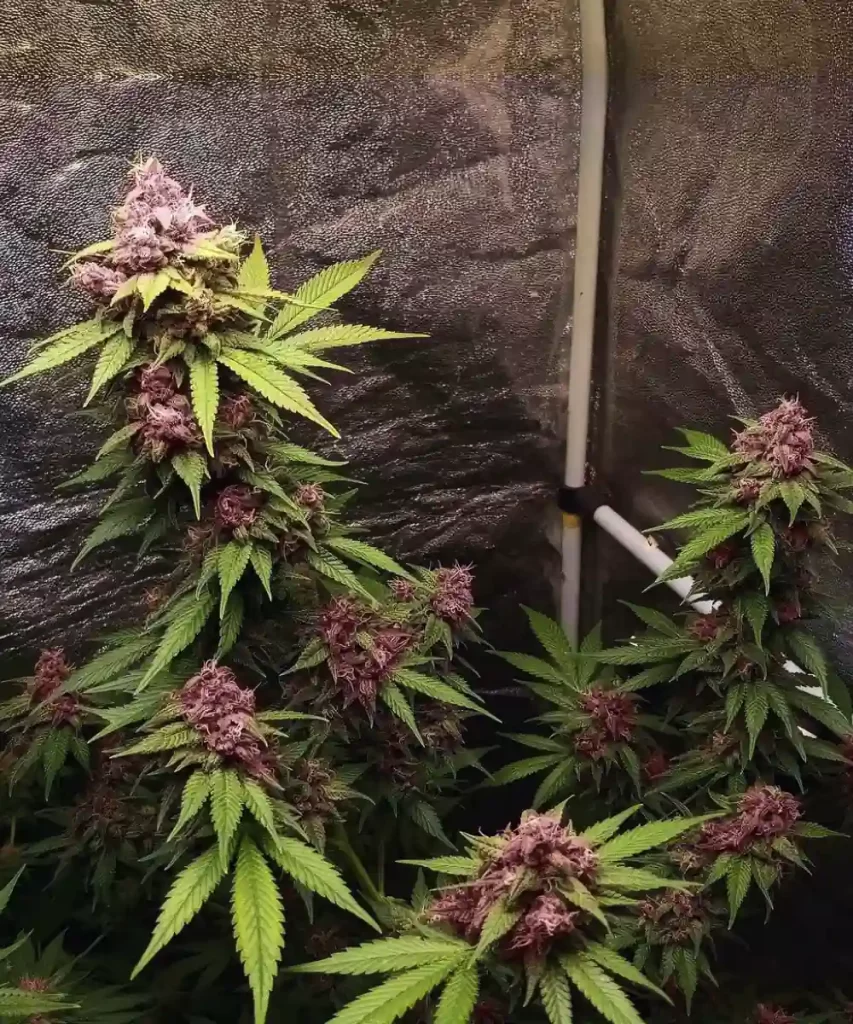
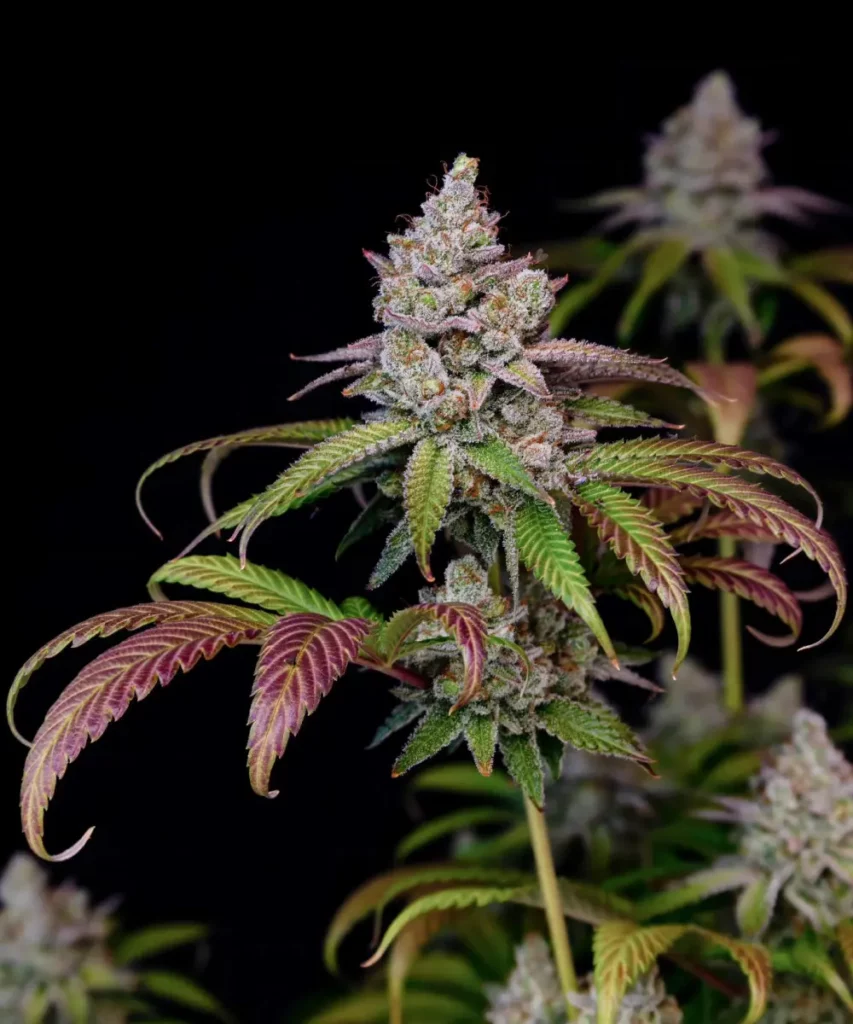
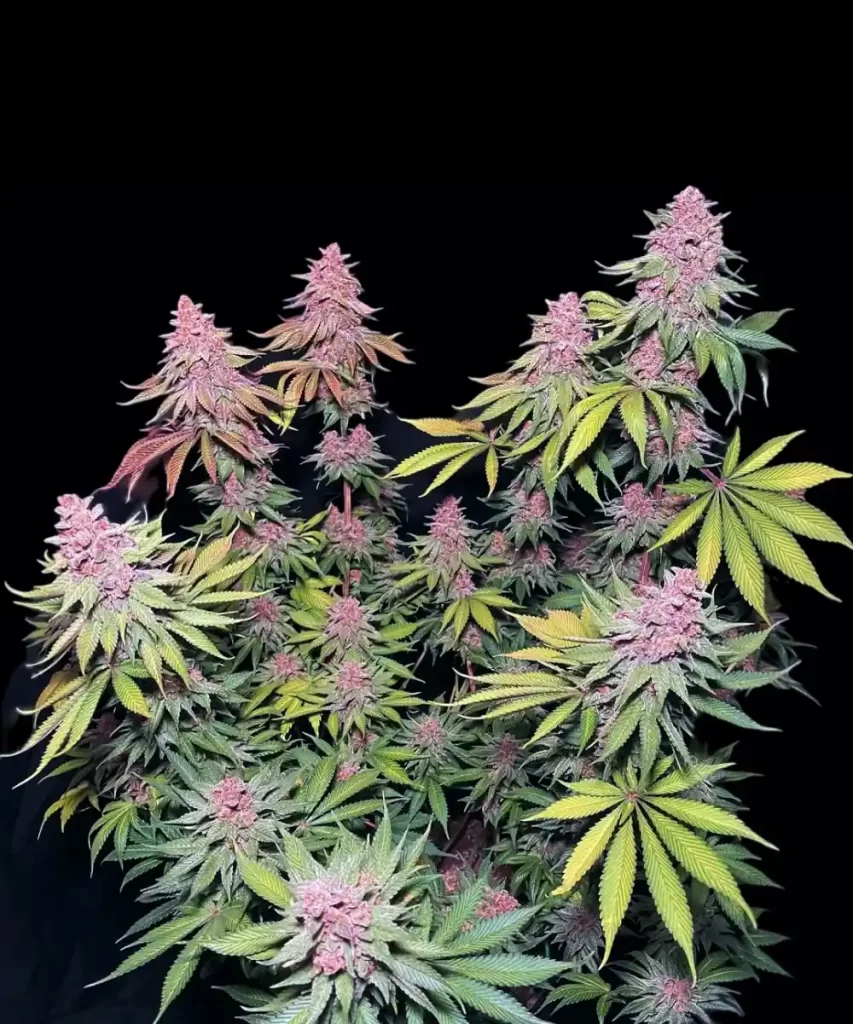

I planted 10 Super Boof seeds, and all germinated without a hitch. The plants grew strong and healthy, producing dense, frosty buds with a sweet, earthy aroma. The high is uplifting yet relaxing—a perfect balance. Impressive yield too, even with minimal effort

I’ve been growing weed for 30+ years, and to be honest, it’s quite difficult to surprise me. After a few decades of facing different strains, changing growing conditions, and solving whatever problem you could possibly think of, by then, I believe I’ve seen it all in cannabis growing.
Gary Payton defied every single one of my expectations.
The plant thrived, growing to an impressive 6 feet in what seemed like a blink of an eye. It quickly filled out with buds and displayed better smell each day, showing solid proof of superior genetics. The buds were tight, aromatic, and a source of immense pride, surpassing the outcome of many of my previous endeavors.
Hypno Seeds with their Gary Payton strain has won my complete admiration and loyalty. Outstanding genetics in this plant have truly turned what I always thought of to be an experiment with negligible expectations into one of the most satisfying grows of my long career.
Looking forward, my excitement for the next growing season is unparalleled. I can’t wait to see how much I can take these strains, especially with the attention that Gary Payton really does deserve right from the start.

TRUE MAGIC! This strain really stands out. I am trying Hypno Seeds for the first time and I surely made the right choice. I will be ordering more RS11 seeds just to keep this beauty in my garden for the upcoming season. Growing in Virginia and it’s only shown perfection by now.

Starting my latest grow, I decided to try out some Blackberry Kush from Hypno… I planted her on a whim alongside my other favorites. Hypno Seeds said it had to be a powerful plant with rich, fruity scents… Seeing is believing. She developed purplish hues and dense resin coated buds and quickly took center stage in my garden and produced much more than expected. The buds are tightly packed, literally bursting with the heady aroma. The yield? Very impressive for her conditions…
Germinated three seeds using the paper towel method with100% success rate within 48 hours. Planted in 5 gallon pots with living soil under a 315W CMH light. Plants remained compact (3.5 ft) with thick lateral branching, showing high resistance to humidity and minor nutrient fluctuations. Yield per plant: 5.8 oz of extremely dense, trichome-heavy buds. Smell profile during flower: sharp pine, pepper, and a hint of citrus. Harvested at week 9, after trichomes showed 30% amber for peak sedative effects. Smoke report: Potent. Deep relaxation without full sedation. Ideal for stress relief.


