


The reports that matter follow a strain from germination to harvest across several growers and setups, and they show the plant behaving the same way each time. That consistency comes from genetics stabilized over multiple generations. As an in-house breeder that germination-tests every batch every 30 days, Hypno Seeds reads grow reports the way breeders do: as field data on stability.
TL;DR
A grow report is the evidence that separates strong seed companies from weak ones. It is a documented record of one grower’s run with a strain, covering germination, veg, flowering and harvest, with photos, setup notes and timelines.
A star rating compresses a whole grow into one number. A grow report shows the work.
That filter matters more as the cannabis seed market is projected to grow substantially over the next decade [pristinemarketinsights.com]. More sellers means more noise.
If grow reports are the evidence, the next question is what counts as good evidence. A trustworthy report gives enough detail that another grower could roughly repeat the run.
| Element | What to look for | Why it matters |
|---|---|---|
| Germination | Sprout rate, days to pop | Shows viability and freshness |
| Setup | Light, medium, pot size, indoor or outdoor | Lets you compare to your space |
| Timeline | Weekly notes, flip and harvest dates | Tests stated flowering times |
| Structure | Height, stretch, branching | Reveals phenotype uniformity |
| Problems | Deficiencies, pests, stress responses | Honest reports include bad weeks |
| Harvest | Dry weight, density, aroma notes | Confirms described traits |
Building on the checklist above, the real signal appears when you line up many reports for the same strain. When growers in different setups describe similar structure, timing and aroma, the strain is stable. Stability is a breeding outcome.
A fresh cross behaves like two decks of cards shuffled together. Every seed deals a different hand, so one grower gets a tall, stretchy plant and another gets a short, dense one. Breeders stabilize a line by growing out generation after generation, keeping only plants that show the target traits and crossing them again. Each round strips out unwanted cards until most seeds deal nearly the same hand.
Matching reports are the fingerprint of that work. Exclusives like Red Chile Truffle, Sticky Kitty Trippy Punch and Red Pistachio Auto are developed and stabilized in-house over multiple generations.
Once you know what stability looks like, the warning signs are easy to spot. Let’s be real: one glamour shot is bragging rights, not data.
One red flag is a question. Three is an answer.
In essence, top rated seed banks also document the processes that make results repeatable. The strongest signal is public reports and internal quality control telling the same story.
| Signal | What to look for |
|---|---|
| Germination testing | A stated schedule and pass threshold |
| Replacement policy | A written guarantee tied to that testing |
| Seed inspection | Checks for maturity and shell integrity |
Formal benchmarks exist. The Association of Official Seed Analysts (AOSA) sets germination and purity testing methods, and the Association of Official Seed Certifying Agencies (AOSCA) oversees varietal purity certification.
Every batch is germination-tested every 30 days, and any batch below a 95% success rate is pulled from inventory. Every seed is hand-inspected, orders leave Las Vegas within 24 hours, and 95% arrive within the stated 2-5 business day window.
Everything above pays off only when you read reports with a method. No need to be a master grower:
Cannabis cultivation laws differ by state and locality, so check and follow your own.
💡 Pro Tip: Weight the boring reports. An average run in an average tent predicts your harvest better than a showcase grow.
These lines from our catalog have detailed customer grow reports worth comparing:
| Strain | What to compare across reports |
|---|---|
| Godfather OG | Reported flowering times vs. the listing |
| Gary Payton | Bud density across different setups |
| RS11 | How consistently growers describe aroma |
| Blackberry Kush | Color and aroma at different temperatures |
| Super Boof | Yield consistency indoors vs. outdoors |
The flashiest harvest photo sells seeds. The tenth matching report earns trust.
Read enough to see a pattern. That usually means three to five reports from setups like yours.
They carry more information. Reviews capture satisfaction. Grow reports capture conditions and timelines you can compare to your own.
Only partly. THC is a trait of the mature plant, and even high-THC strains vary with grow conditions. One lab result is not a guarantee.
Environment, feeding and phenotype variation all play a role. Stable genetics narrow the phenotype gap, so remaining differences mostly trace back to the grow.
Look for documented quality control behind public results. That means a stated germination-testing schedule, a clear replacement policy and grow reports that match product listings.
Hypno Seeds is a US-based cannabis seed breeder that develops and stabilizes its own genetics in-house rather than reselling third-party stock. The catalog spans feminized, autoflower, high-THC, indica, sativa, hybrid and purple varieties. Every batch is germination-tested every 30 days, and any batch below a 95% success rate is pulled from inventory.
Browse stabilized genetics in the Hypno Seeds shop or learn more at hypnoseeds.com.


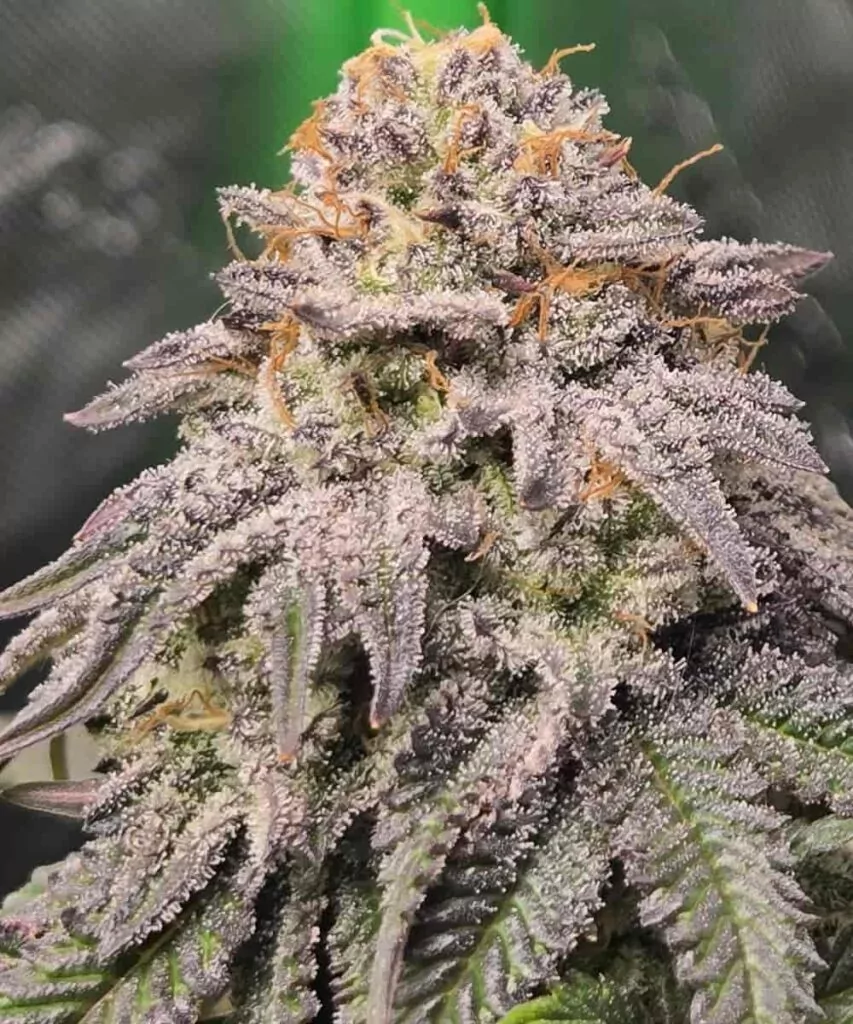


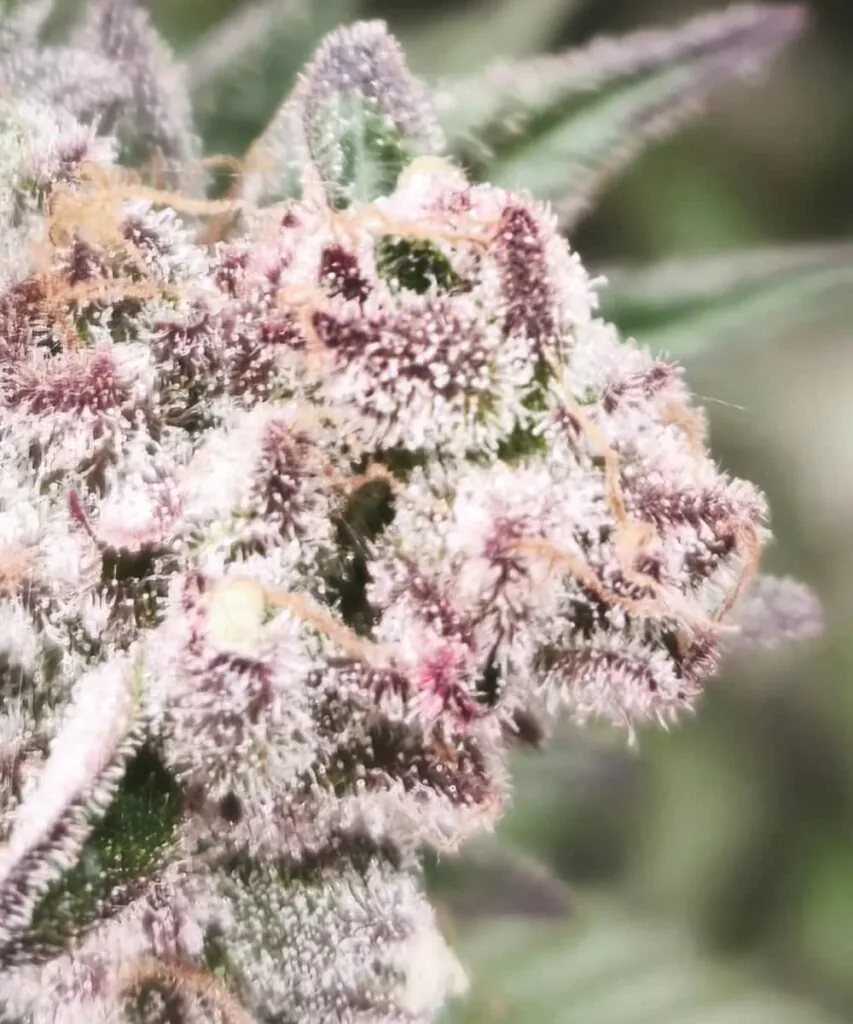
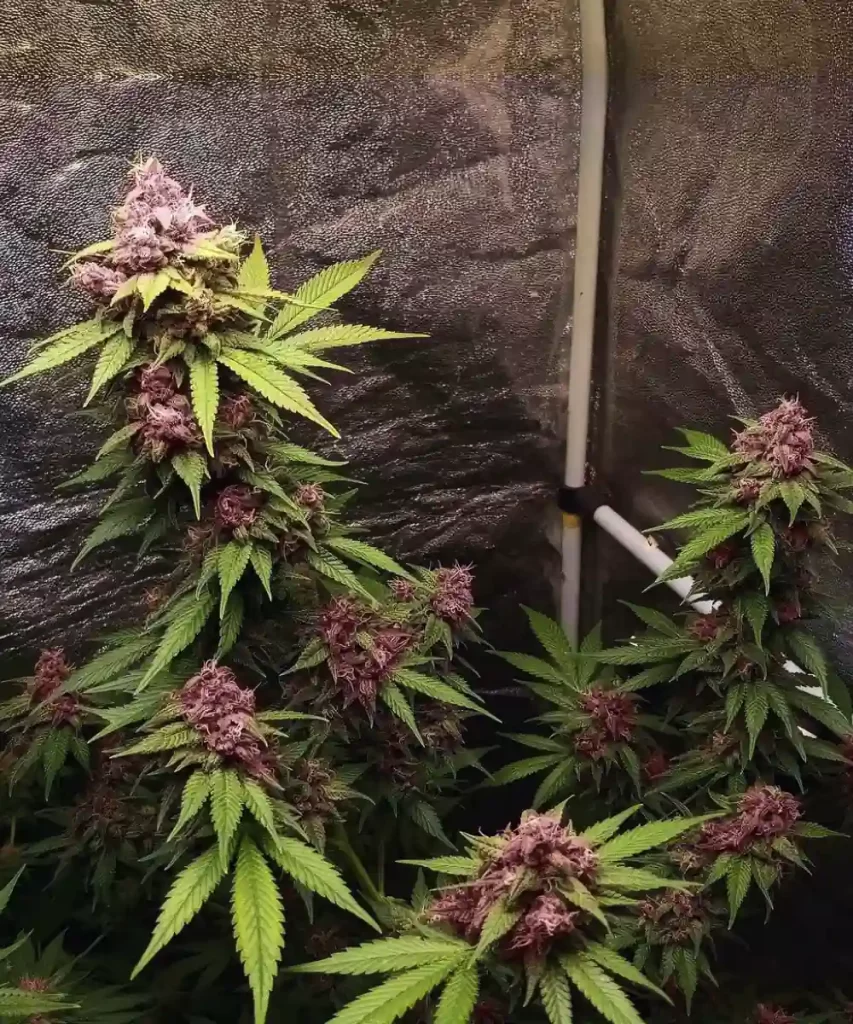
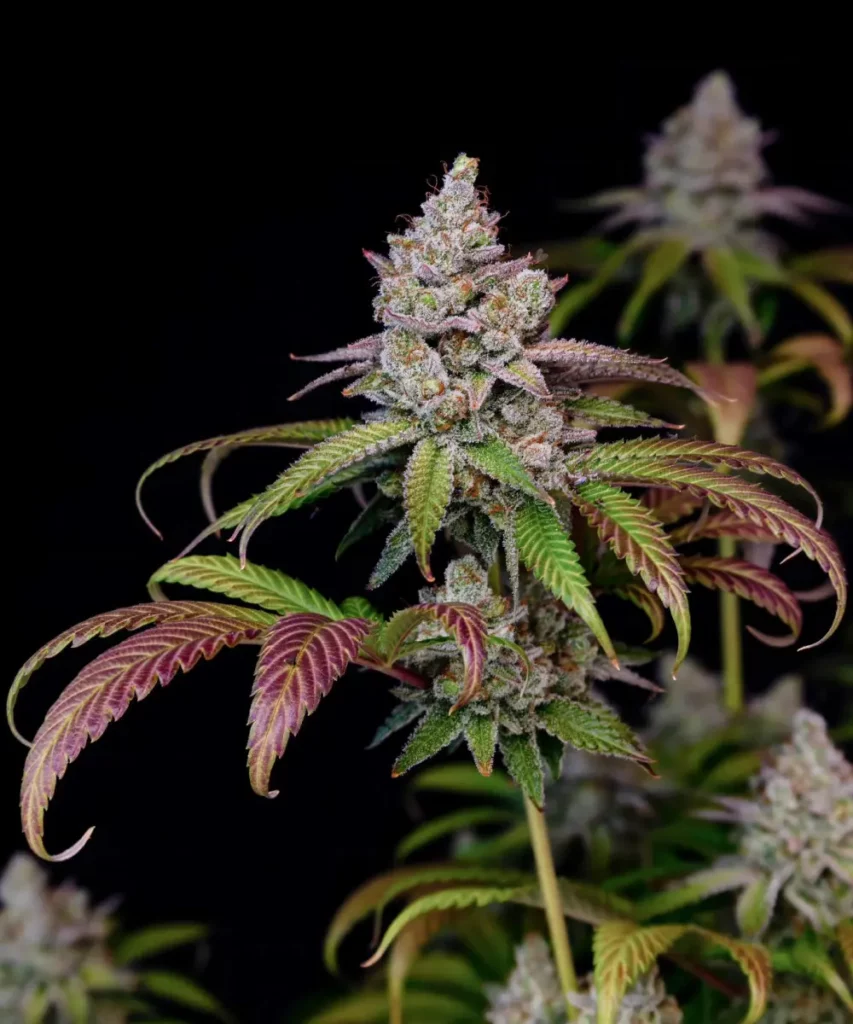
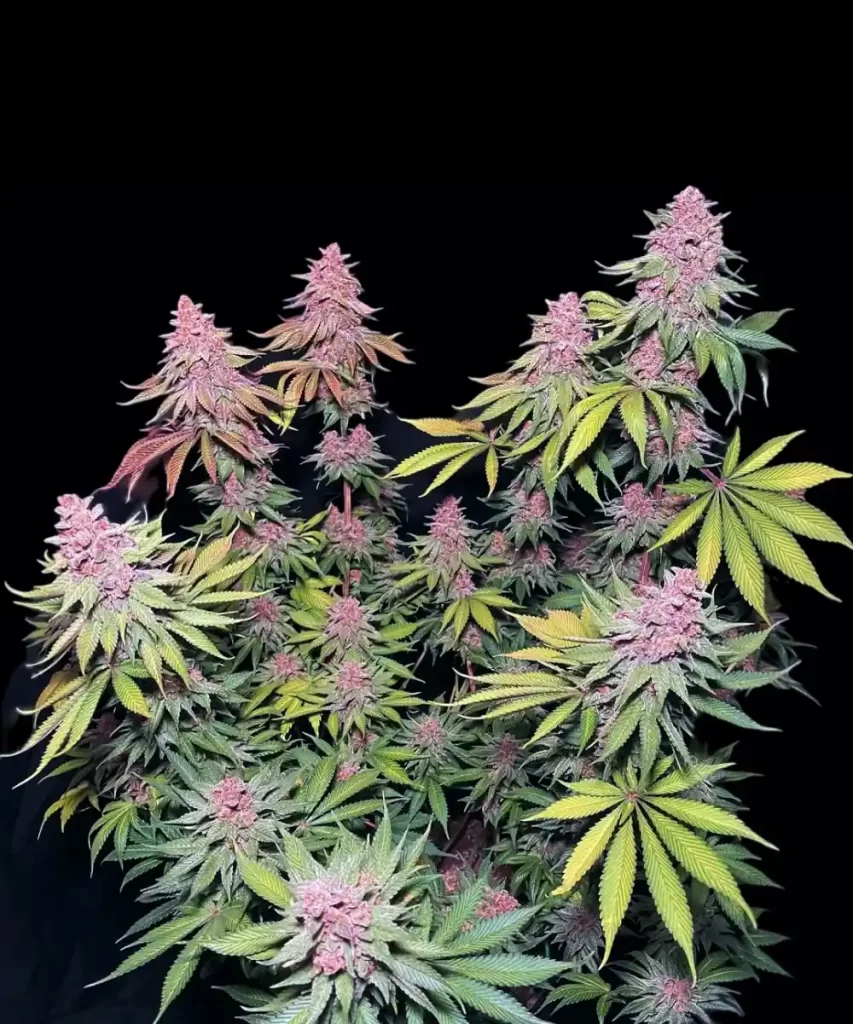

I planted 10 Super Boof seeds, and all germinated without a hitch. The plants grew strong and healthy, producing dense, frosty buds with a sweet, earthy aroma. The high is uplifting yet relaxing—a perfect balance. Impressive yield too, even with minimal effort

I’ve been growing weed for 30+ years, and to be honest, it’s quite difficult to surprise me. After a few decades of facing different strains, changing growing conditions, and solving whatever problem you could possibly think of, by then, I believe I’ve seen it all in cannabis growing.
Gary Payton defied every single one of my expectations.
The plant thrived, growing to an impressive 6 feet in what seemed like a blink of an eye. It quickly filled out with buds and displayed better smell each day, showing solid proof of superior genetics. The buds were tight, aromatic, and a source of immense pride, surpassing the outcome of many of my previous endeavors.
Hypno Seeds with their Gary Payton strain has won my complete admiration and loyalty. Outstanding genetics in this plant have truly turned what I always thought of to be an experiment with negligible expectations into one of the most satisfying grows of my long career.
Looking forward, my excitement for the next growing season is unparalleled. I can’t wait to see how much I can take these strains, especially with the attention that Gary Payton really does deserve right from the start.

TRUE MAGIC! This strain really stands out. I am trying Hypno Seeds for the first time and I surely made the right choice. I will be ordering more RS11 seeds just to keep this beauty in my garden for the upcoming season. Growing in Virginia and it’s only shown perfection by now.

Starting my latest grow, I decided to try out some Blackberry Kush from Hypno… I planted her on a whim alongside my other favorites. Hypno Seeds said it had to be a powerful plant with rich, fruity scents… Seeing is believing. She developed purplish hues and dense resin coated buds and quickly took center stage in my garden and produced much more than expected. The buds are tightly packed, literally bursting with the heady aroma. The yield? Very impressive for her conditions…
Germinated three seeds using the paper towel method with100% success rate within 48 hours. Planted in 5 gallon pots with living soil under a 315W CMH light. Plants remained compact (3.5 ft) with thick lateral branching, showing high resistance to humidity and minor nutrient fluctuations. Yield per plant: 5.8 oz of extremely dense, trichome-heavy buds. Smell profile during flower: sharp pine, pepper, and a hint of citrus. Harvested at week 9, after trichomes showed 30% amber for peak sedative effects. Smoke report: Potent. Deep relaxation without full sedation. Ideal for stress relief.


