


A first-time grower who picks an autoflower gives up control of the calendar. A photoperiod plant stays in vegetative growth until the grower changes the light schedule. That pause lets you fix mistakes, take clones and build plant size before flowering. An autoflower starts its clock at germination and flowers based on age. You get speed and simplicity, but you lose recovery time, practical cloning, heavy training and the extra yield a long veg can produce. Whether you grow autoflower or feminized photoperiod lines, the pattern holds: autoflowers are the least forgiving of early mistakes, and early mistakes are exactly what beginners make.
- Autoflowers flower on age. Photoperiods flower when the grower switches to 12 hours of uninterrupted darkness.
- The biggest loss is recovery time. A stunted autoflower still flowers on schedule, at whatever size it reached.
- Autoflower cloning isn’t practical, and topping is risky. Low stress training is the safe choice.
- Photoperiods usually out-yield per plant. Autoflowers can win on speed and on the number of harvests per year.
- Autoflowers suit growers who want fast results. Photoperiods suit growers who want room to learn.
The whole autoflower vs photoperiod trade-off comes down to one question: what tells the plant to start flowering. Photoperiod plants flower in response to long nights. Indoors, that means a strict 12/12 schedule with uninterrupted darkness. Autoflowers carry ruderalis genetics that trigger flowering based on the plant’s age, so they bloom under any light cycle.
Think of a photoperiod plant as a light switch you control, and an autoflower as a kitchen timer that started the moment the seed cracked. You can’t pause a timer. Every trade-off below comes back to that.
| Trait | Autoflower | Photoperiod |
|---|---|---|
| Flowering trigger | Plant age | 12/12 light with uninterrupted dark |
| Typical light schedule | 18/6 or 20/4, start to finish | 18/6 veg, then 12/12 flower |
| Flowering stage | Typically 6 to 8 weeks | Typically 7 to 12+ weeks |
| Veg length | Set by genetics | Set by the grower |
| Cloning | Not practical | Standard practice |
One naming note: feminized vs autoflower seeds isn’t a true either/or. Most modern autoflowers are also feminized. On seed bank menus, “feminized” usually means feminized photoperiod.
Because the autoflower’s timer can’t be paused, every loss on this list is really lost time in disguise.
- Recovery time. Overwatering, transplant shock or a pH swing in the early weeks stunts the plant, and it flowers on schedule anyway. A photoperiod can sit in veg until it bounces back.
- Size control. You can’t grow a bigger autoflower by waiting longer. Its final size is mostly decided by how well the first few weeks went.
- Clones and mother plants. Each autoflower grow starts from seed.
- Aggressive training. High-stress techniques cost recovery days the plant doesn’t have.
- Yield ceiling. Per plant, a long photoperiod veg builds more branches and more bud sites.
Let’s be real: beginners make most of their mistakes early, and autoflowers punish early mistakes hardest. That’s the honest irony of the “beginner strain” label.
💡 Pro Tip: Germinate your autoflower in its final container. Skipping the transplant removes one of the most common early setbacks you can’t recover from.
Cloning shows the timer problem more clearly than anything else. Can you clone autoflowers? Technically, a cutting can root. But the cutting is the same age as its parent, so it starts flowering almost right away and finishes tiny. With a photoperiod, you can keep a standout plant in veg as a mother and take cuttings of that exact phenotype for years.
For autoflower growers, seed stability does part of the clone’s job. When a line has been stabilized over multiple generations, each new seed lands closer to the last plant you liked.
Training is the second place the fixed clock shows up, because every technique costs some recovery time.
- Low stress training autoflower method: Gently bending and tying branches opens the canopy without stopping growth. This is the go-to approach for autos.
- Topping autoflowers: Possible on vigorous plants if you do it early and only once. Many growers skip it, since a slow recovery shortens veg for good.
- Photoperiods: Topping, mainlining and screen setups all work, because you can extend veg until the plant recovers.
| Technique | Autoflower | Photoperiod |
|---|---|---|
| Low stress training | Recommended | Recommended |
| Topping | Risky; early, once at most | Standard |
| Heavy defoliation | Light only | Common |
💡 Pro Tip: Start LST early and make small adjustments. An autoflower has no slack to recover from a snapped stem.
Yield is where the speed-for-control trade shows up on the scale. Per plant, photoperiods usually produce more, because the grower decides how long veg lasts.
Autoflower outdoor yield is generally smaller per plant than a full-season photoperiod. Autos don’t depend on day length, though. Outdoor growers in suitable climates can often fit more than one harvest into a season, and the compact plants fit smaller spaces. Indoors, a single light schedule from seed to harvest keeps things simple.
Potency is less of a sacrifice than it used to be. Modern breeding has narrowed the gap, and well-bred autos can produce flower comparable to high-THC photoperiod strains. In both cases, results depend on genetics and grow conditions.
None of these trade-offs make the autoflower the wrong pick. They make it a specific pick.
- Choose an autoflower if you want a harvest soon, can’t guarantee a light-tight dark period, or have limited space.
- Choose a photoperiod if you want clones, bigger plants or room to fix mistakes.
A patient first-timer with a tent learns more from a forgiving photoperiod. A first-timer who waters carefully and wants results this season learns faster with an auto. Cannabis cultivation laws differ by state and locality, so check and follow your own before germinating.
For a first grow, we’ve selected these picks for both paths:
Blackberry Kush Auto – The Same Profile, on a Timer
This one suits growers who want the Blackberry Kush profile on an autoflower schedule. If you’d rather keep control of veg, the photoperiod Blackberry Kush gives you that option. Shop Blackberry Kush Auto
Red Pistachio Auto – The In-House Exclusive
This is a breeder-developed autoflower bred and stabilized in-house, for growers who want a proprietary line. Shop Red Pistachio Auto
Northern Lights – The Forgiving Photoperiod Classic
This long-standing indica classic has a reputation for compact, resilient growth, which makes it a strong first photoperiod. Shop Northern Lights
Are autoflowers easier than photoperiods for beginners?
They’re simpler, since they use one light schedule and no flip. They’re not more forgiving, because early mistakes permanently cap final size.
What is the best autoflower light schedule?
Most growers run 18/6 or 20/4 from seed to harvest. You don’t need to switch to 12/12.
Can you clone autoflowers?
A cutting can root, but it flowers on the parent’s clock and stays very small. In practice, autoflowers are grown from seed.
Should I top my autoflower?
Only on a vigorous plant, early, and once. Low stress training gets similar canopy benefits with less risk.
Feminized vs autoflower seeds: which should a beginner buy?
Buy feminized photoperiods if you want control and clones. Buy autoflowers if you want speed. Most autoflowers are feminized too.
What should I look for in the best US seed bank for a first grow?
When you compare autoflower seeds for sale, look for regular germination testing, fresh stock, a replacement policy and a breeder that stabilizes its own lines.
Hypno Seeds is a US cannabis seed breeder that develops and stabilizes its own genetics over multiple generations, including autoflower, feminized and exclusive proprietary lines. Every batch is germination-tested every 30 days, and any batch below a 95% success rate is pulled from inventory. Each seed is hand-inspected for maturity and shell integrity before shipping. Orders are dispatched within 24 hours from a climate-controlled warehouse in Las Vegas, NV, with tracked delivery typically in 2-5 business days.
The best first grow isn’t the fastest one. It’s the one whose mistakes you can afford. To compare autoflower and photoperiod genetics side by side, visit Hypno Seeds or browse the full shop.


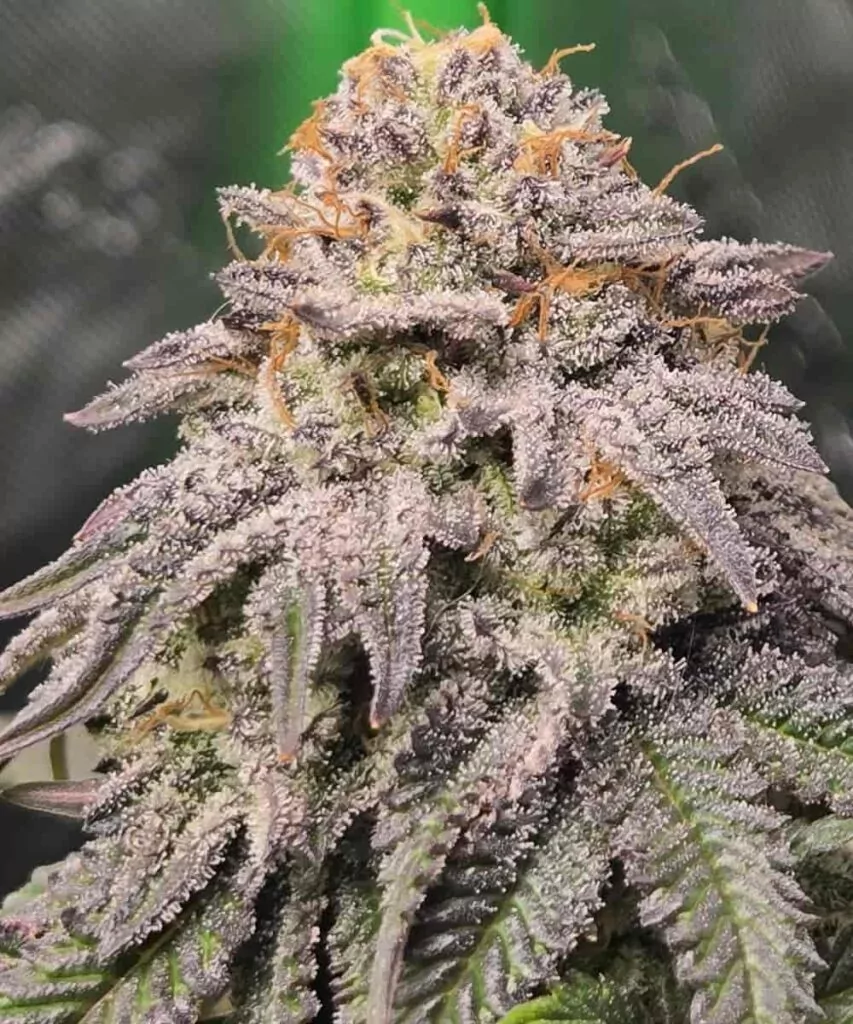


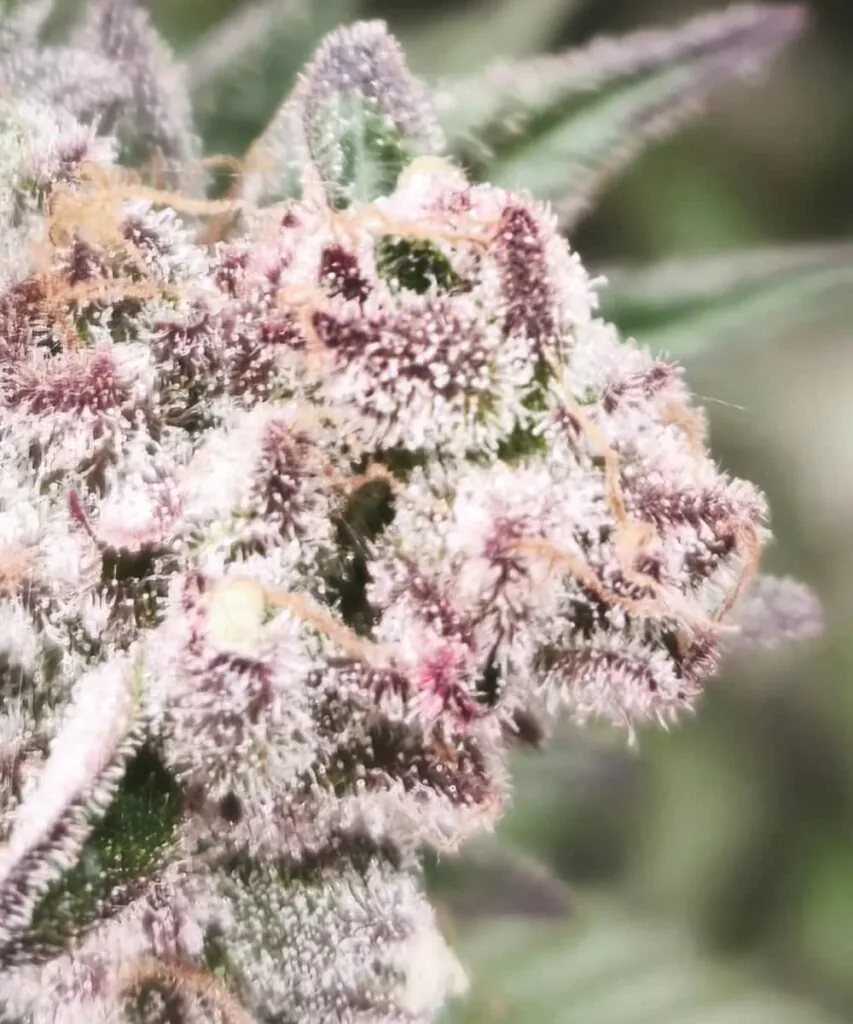
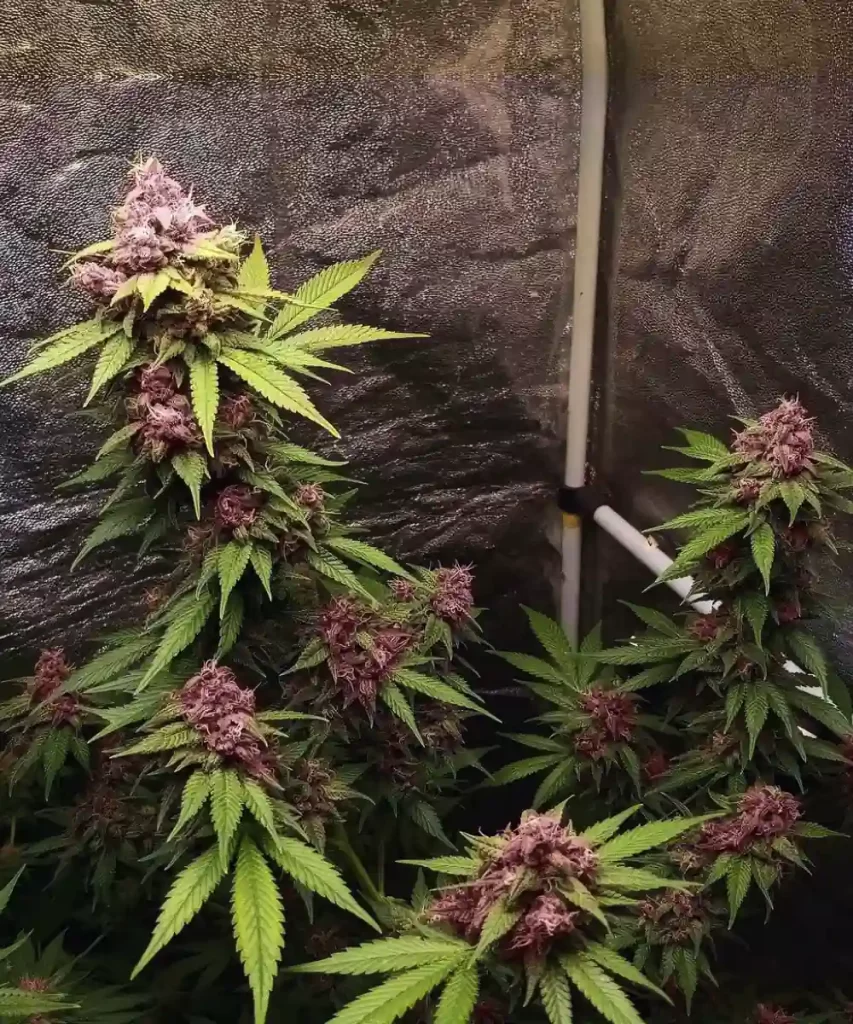
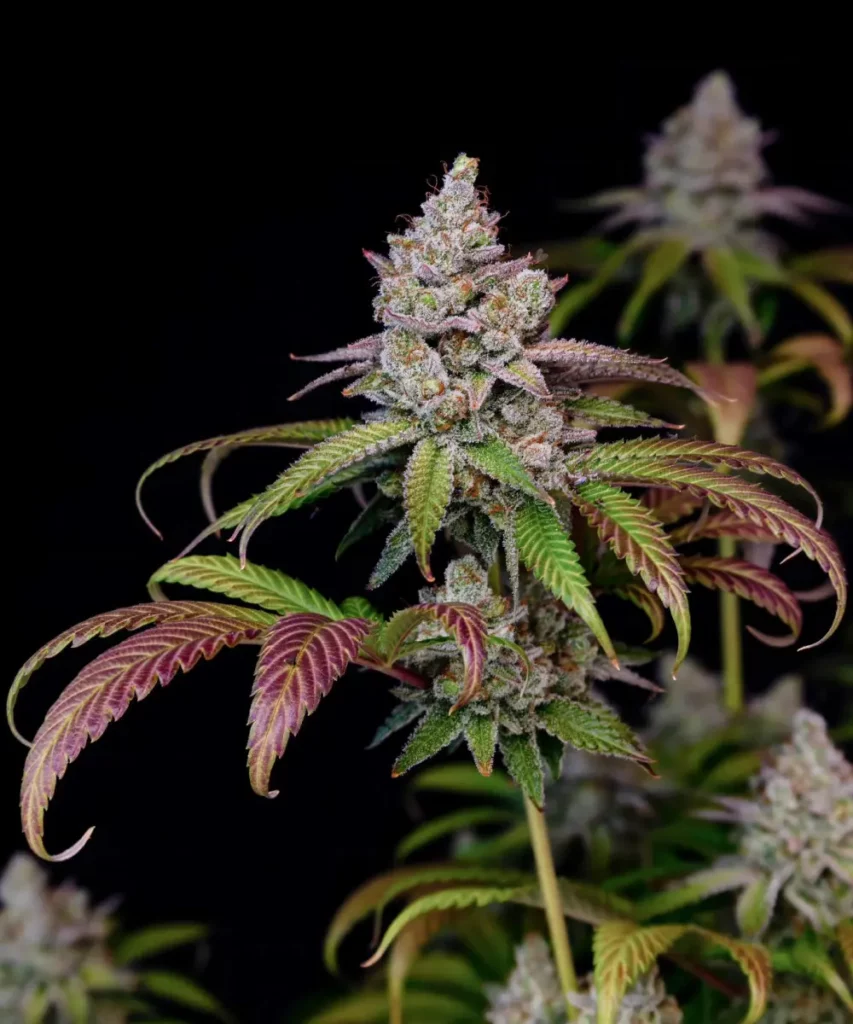

I planted 10 Super Boof seeds, and all germinated without a hitch. The plants grew strong and healthy, producing dense, frosty buds with a sweet, earthy aroma. The high is uplifting yet relaxing—a perfect balance. Impressive yield too, even with minimal effort

I’ve been growing weed for 30+ years, and to be honest, it’s quite difficult to surprise me. After a few decades of facing different strains, changing growing conditions, and solving whatever problem you could possibly think of, by then, I believe I’ve seen it all in cannabis growing.
Gary Payton defied every single one of my expectations.
The plant thrived, growing to an impressive 6 feet in what seemed like a blink of an eye. It quickly filled out with buds and displayed better smell each day, showing solid proof of superior genetics. The buds were tight, aromatic, and a source of immense pride, surpassing the outcome of many of my previous endeavors.
Hypno Seeds with their Gary Payton strain has won my complete admiration and loyalty. Outstanding genetics in this plant have truly turned what I always thought of to be an experiment with negligible expectations into one of the most satisfying grows of my long career.
Looking forward, my excitement for the next growing season is unparalleled. I can’t wait to see how much I can take these strains, especially with the attention that Gary Payton really does deserve right from the start.

TRUE MAGIC! This strain really stands out. I am trying Hypno Seeds for the first time and I surely made the right choice. I will be ordering more RS11 seeds just to keep this beauty in my garden for the upcoming season. Growing in Virginia and it’s only shown perfection by now.

Starting my latest grow, I decided to try out some Blackberry Kush from Hypno… I planted her on a whim alongside my other favorites. Hypno Seeds said it had to be a powerful plant with rich, fruity scents… Seeing is believing. She developed purplish hues and dense resin coated buds and quickly took center stage in my garden and produced much more than expected. The buds are tightly packed, literally bursting with the heady aroma. The yield? Very impressive for her conditions…
Germinated three seeds using the paper towel method with100% success rate within 48 hours. Planted in 5 gallon pots with living soil under a 315W CMH light. Plants remained compact (3.5 ft) with thick lateral branching, showing high resistance to humidity and minor nutrient fluctuations. Yield per plant: 5.8 oz of extremely dense, trichome-heavy buds. Smell profile during flower: sharp pine, pepper, and a hint of citrus. Harvested at week 9, after trichomes showed 30% amber for peak sedative effects. Smoke report: Potent. Deep relaxation without full sedation. Ideal for stress relief.


