


A germination guarantee on feminized seeds should spell out five things before you pay: what counts as a successful germination (usually a visible, healthy taproot), which germination methods are accepted, how long you have to file a claim, what proof you need, and what you get back if seeds fail. The strongest guarantees also rest on something you can check, such as regular batch testing with a stated pass threshold. We breed and stabilize our own feminized genetics, and every batch is germination-tested every 30 days. Any batch that falls below 95% is pulled from inventory, so we see firsthand the difference between a guarantee backed by testing data and one that is only a promise.
About the Author: Hypno Seeds is a US-based cannabis breeder that develops and stabilizes its own genetics in-house and runs a recurring germination testing program on every seed batch it ships from its Las Vegas, NV warehouse.
A germination guarantee is a seller’s written promise to replace or compensate for seeds that fail to sprout under defined conditions, and with feminized stock the stakes are higher than with regular seeds. Producing feminized seeds means inducing a female plant to make pollen, and research on the process shows that seed viability depends heavily on the breeder’s technique [pubmed.ncbi.nlm.nih.gov]. Each seed takes more work to make and is expected to become a flowering female. A dud costs you more.
Here’s what good terms look like next to the warning signs.
| Clause | What good looks like | Red flag |
|---|---|---|
| Definition of germination | Healthy taproot within a stated number of days | No definition at all |
| Accepted methods | Common methods named (paper towel, direct to medium) | Methods never specified |
| Claim window | Clear deadline counted from delivery | Vague or unstated timeline |
| Proof required | Photos of failed seeds plus order number | Unclear what evidence counts |
| Remedy | Replacement seeds, with the process explained | Remedy left undefined |
| Storage guidance | Plain instructions for storing seeds before planting | “Improper storage” exclusion with no definition |
Across the industry, claims usually require photographic proof of the failed seeds, and some policies require you to file within 30 days of delivery using an approved germination method. A trustworthy seed bank should make things right quickly, which is why verifying the guarantee belongs on your pre-purchase checklist.
💡 Pro Tip: Save a dated screenshot of the guarantee page when you order. Policies get updated, and a copy of the terms you bought under removes any guesswork later.
The terms above tell you what happens when seeds fail. The testing program tells you how often that’s likely to happen in the first place. Testing frequency is the evidence.
Think of a guarantee like an insurance policy. An insurer with years of claims data can write simple, generous terms because it knows its real risk. One without data protects itself with exclusions. A seller who retests every batch knows its actual failure rate, so it can offer plain terms and honor them without a fight.
Freshness is why recurring tests matter. A seed is a living embryo running on stored reserves, and heat and humidity in storage slowly spend those reserves. A batch that tested well months ago may not test the same today.
For reference, the Association of Official Seed Analysts and the International Seed Testing Association publish the standardized rules accredited labs use to test seed germination. You don’t need a lab certificate, but you should get straight answers to these:
Our own answers: every batch is retested every 30 days, anything under 95% comes off the shelf, and each seed is hand-inspected for maturity and shell integrity before it leaves our climate-controlled warehouse.
Even a strong testing program has limits, and knowing a guarantee’s boundaries prevents most disappointing claims. Typical exclusions include:
Here’s the counterintuitive part. Narrow, specific terms are often more reliable than broad promises, because specific terms tell you exactly what to do to qualify.
The flip side of reading the fine print is following it: a guarantee only protects you if your process matches what the policy expects. Growers must check their own state and local regulations before starting seeds.
The paper towel method is beginner-friendly and easy to document:
| Condition | Target |
|---|---|
| Light | Dark (cover with a plate or container) |
| Moisture | Damp, never soaking |
| Temperature | Warm; a 2022 study calculated about 29.6°C (85°F) as optimal for hemp seed |
| Time | Several days until a healthy taproot emerges |
💡 Pro Tip: Photograph every seed on day one with your order packaging in frame. If one fails, your proof is already done. (Ideally you’ll never need it.)
Reputable seed banks commonly guarantee 80 to 95 percent. Ask how often batches are tested to back that figure.
Usually not. It covers sprouting. Read the policy to see whether sex is addressed separately.
It varies by seller. Some policies set 30 days from delivery, so confirm the deadline before you order.
Typically clear photos of the failed seeds and your order details.
If the claim window is time-limited, yes. Until then, store seeds somewhere cool, dark and dry.
Terms can differ by seed type, so check whether the policy names autoflower seeds specifically.
Hypno Seeds is a US cannabis breeder that develops and stabilizes its own genetics in-house over multiple generations, including exclusive lines like Red Chile Truffle and Sticky Kitty Trippy Punch. Because breeding, storage and shipping stay under one roof, every batch is germination-tested every 30 days, batches below 95% are pulled, and each seed is hand-inspected before it ships. Orders leave our climate-controlled Las Vegas, NV warehouse within 24 hours in discreet packaging, with tracked delivery in 2 to 5 business days. Our germination guarantee and replacement policy are built on that testing program.
A guarantee is a promise. A testing schedule is the proof. Buy from the seller who can show you both.


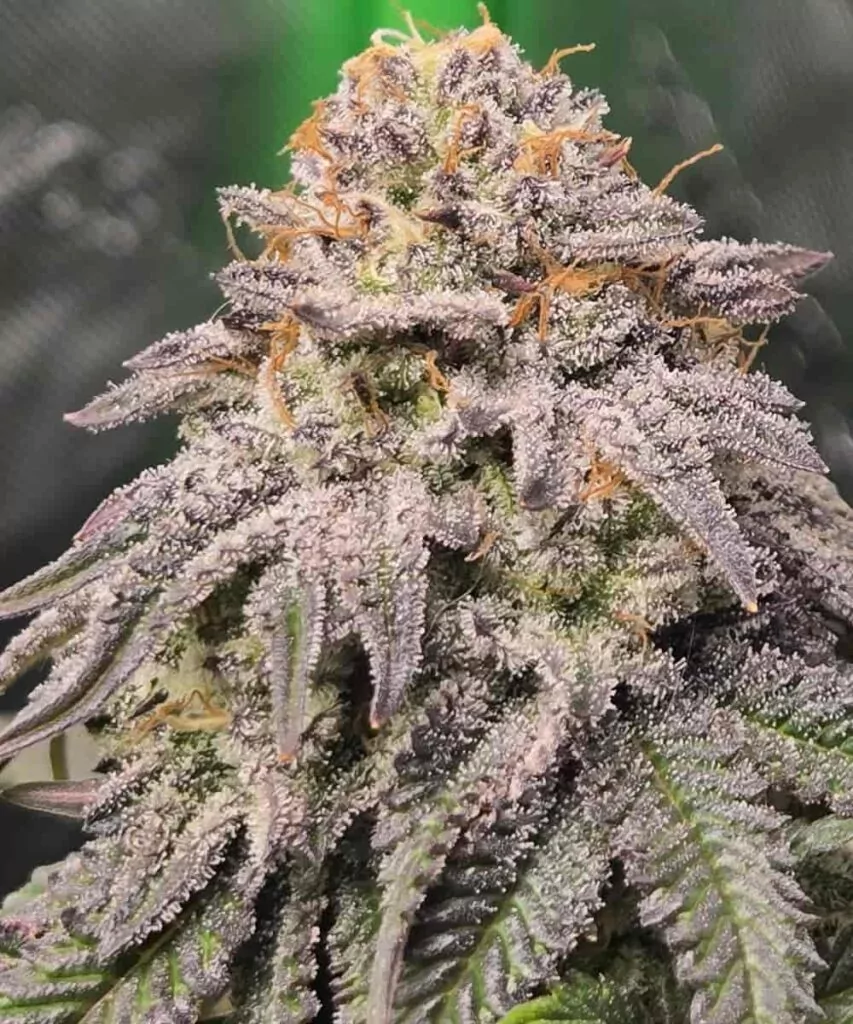


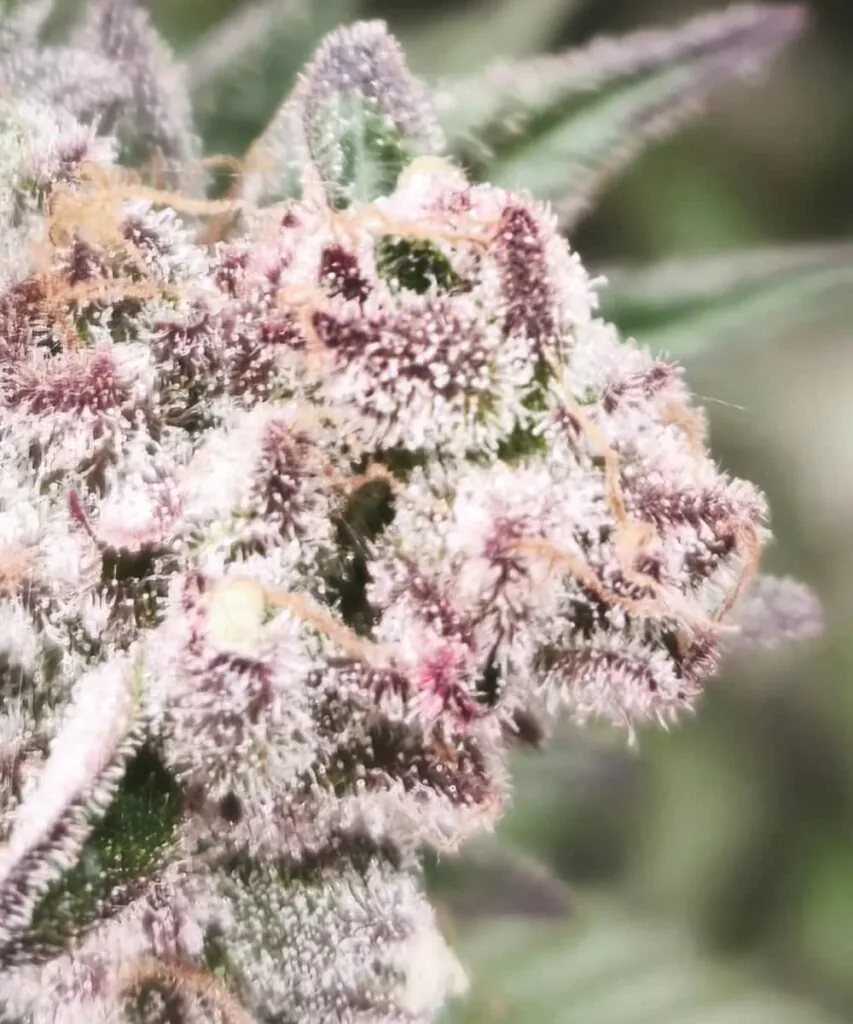
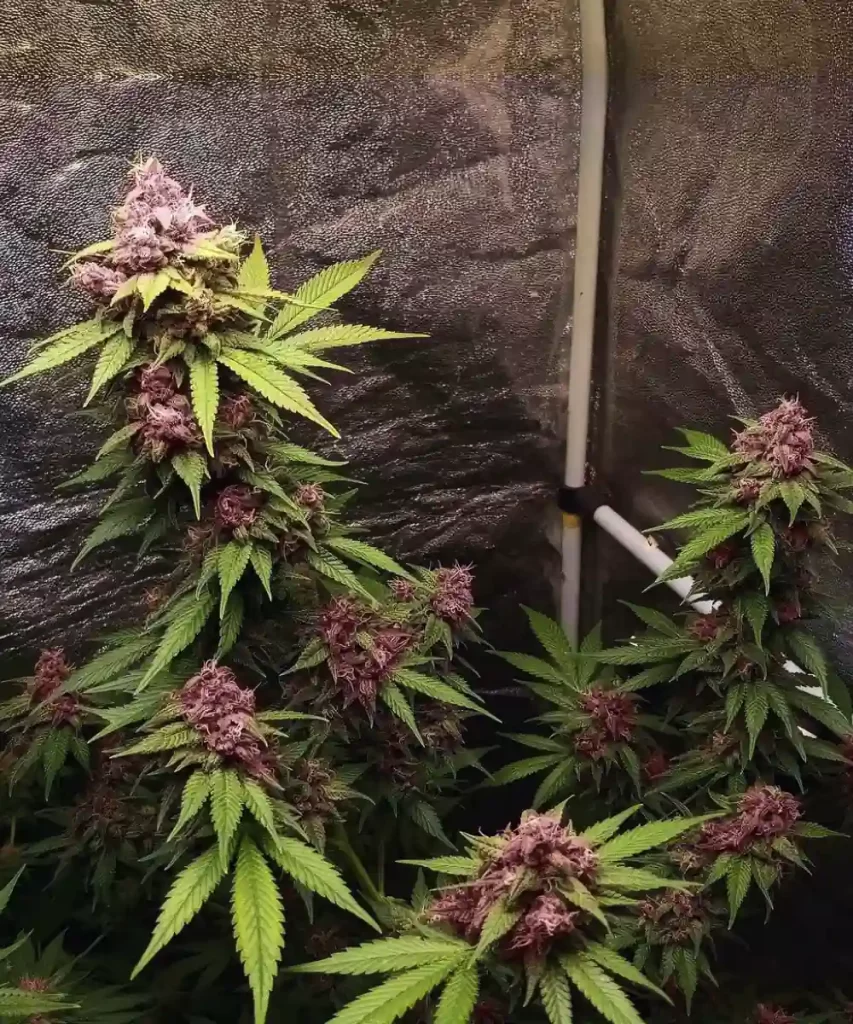
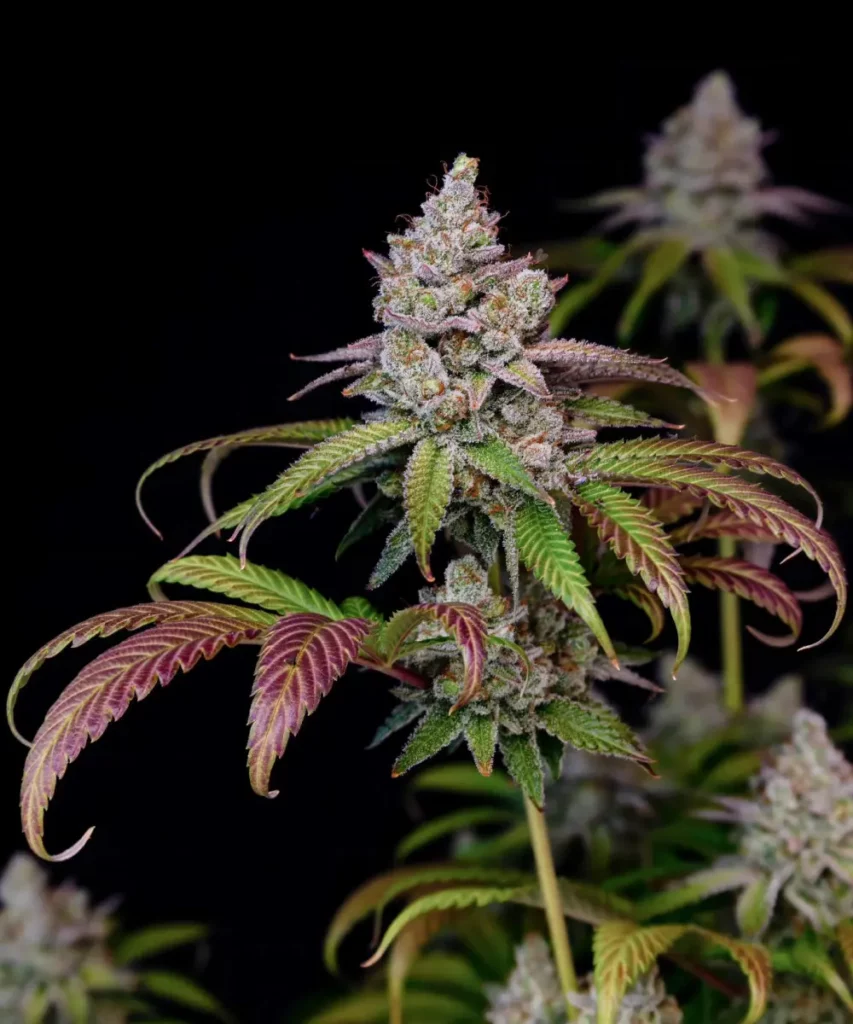
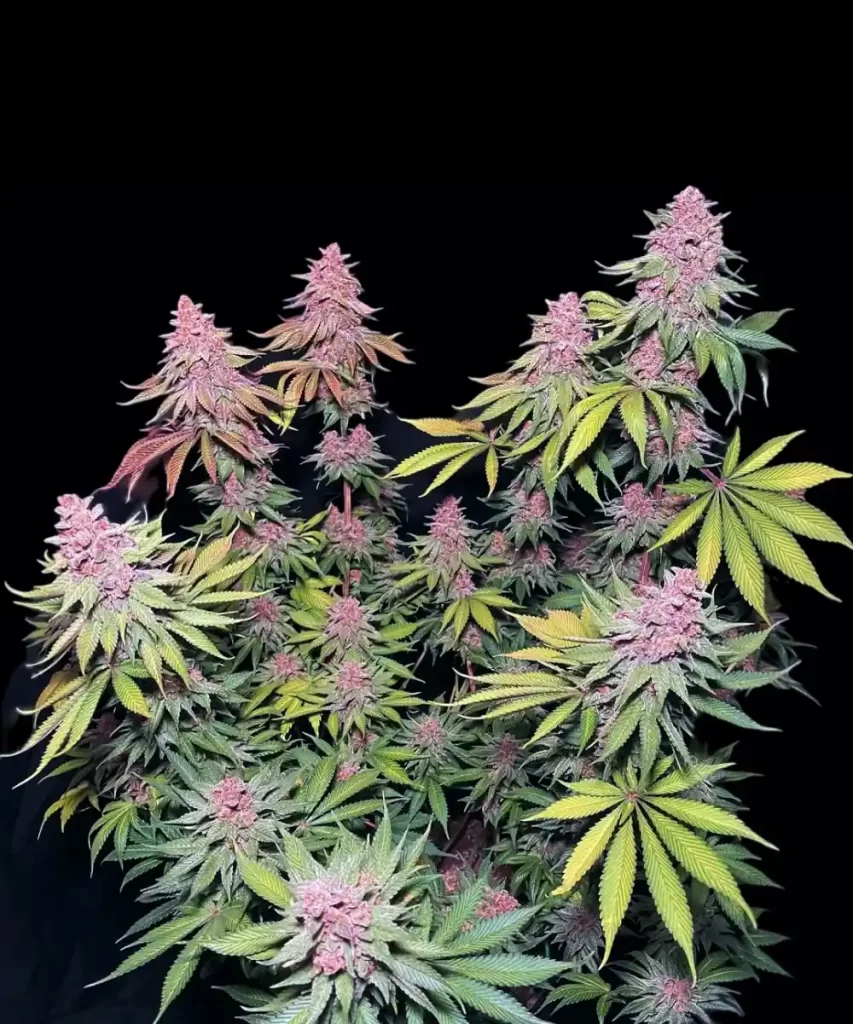

I planted 10 Super Boof seeds, and all germinated without a hitch. The plants grew strong and healthy, producing dense, frosty buds with a sweet, earthy aroma. The high is uplifting yet relaxing—a perfect balance. Impressive yield too, even with minimal effort

I’ve been growing weed for 30+ years, and to be honest, it’s quite difficult to surprise me. After a few decades of facing different strains, changing growing conditions, and solving whatever problem you could possibly think of, by then, I believe I’ve seen it all in cannabis growing.
Gary Payton defied every single one of my expectations.
The plant thrived, growing to an impressive 6 feet in what seemed like a blink of an eye. It quickly filled out with buds and displayed better smell each day, showing solid proof of superior genetics. The buds were tight, aromatic, and a source of immense pride, surpassing the outcome of many of my previous endeavors.
Hypno Seeds with their Gary Payton strain has won my complete admiration and loyalty. Outstanding genetics in this plant have truly turned what I always thought of to be an experiment with negligible expectations into one of the most satisfying grows of my long career.
Looking forward, my excitement for the next growing season is unparalleled. I can’t wait to see how much I can take these strains, especially with the attention that Gary Payton really does deserve right from the start.

TRUE MAGIC! This strain really stands out. I am trying Hypno Seeds for the first time and I surely made the right choice. I will be ordering more RS11 seeds just to keep this beauty in my garden for the upcoming season. Growing in Virginia and it’s only shown perfection by now.

Starting my latest grow, I decided to try out some Blackberry Kush from Hypno… I planted her on a whim alongside my other favorites. Hypno Seeds said it had to be a powerful plant with rich, fruity scents… Seeing is believing. She developed purplish hues and dense resin coated buds and quickly took center stage in my garden and produced much more than expected. The buds are tightly packed, literally bursting with the heady aroma. The yield? Very impressive for her conditions…
Germinated three seeds using the paper towel method with100% success rate within 48 hours. Planted in 5 gallon pots with living soil under a 315W CMH light. Plants remained compact (3.5 ft) with thick lateral branching, showing high resistance to humidity and minor nutrient fluctuations. Yield per plant: 5.8 oz of extremely dense, trichome-heavy buds. Smell profile during flower: sharp pine, pepper, and a hint of citrus. Harvested at week 9, after trichomes showed 30% amber for peak sedative effects. Smoke report: Potent. Deep relaxation without full sedation. Ideal for stress relief.


