


In the 24 hours before an order leaves Las Vegas, it passes through five checkpoints:
Hypno Seeds breeds and stabilizes its own genetics, so it controls the whole chain, from parent plant to sealed envelope. That means this is the view of the people who made the seed, not just the people who mail it. The short version: dispatch speed only matters if the seed being dispatched is still in prime condition.
About the Author: This article is written by the Hypno Seeds team, an in-house cannabis breeder that develops and stabilizes its own genetics over multiple generations. The team ships every order from its own climate-controlled warehouse in Las Vegas, NV.
A seed order follows a short, fixed sequence. Each step exists to protect genetics that took generations to stabilize.
| Stage | What Happens | Why It Matters |
|---|---|---|
| 1. Order confirmed | Payment clears through an encrypted checkout and order details are verified | Mistakes caught here don’t become the wrong strain in your mailbox |
| 2. Stock pulled | Seeds come from climate-controlled storage, drawn from batches tested within the last 30 days | Freshness is decided by test results, not by a label |
| 3. Hand inspection | Each seed is checked for maturity and shell integrity | Weak seeds are removed before they cost a grower weeks |
| 4. Packing | Seeds are sealed in discreet packaging | The outside of the parcel doesn’t advertise what’s inside |
| 5. Handoff | A tracking label is added and the order is dispatched within 24 hours | You can follow the order to your door |
None of it is glamorous. That’s the point.
Storage matters because a cannabis seed is a living embryo. The condition it’s in on the day it’s picked sets the ceiling for how it performs on the day it’s planted.
Think of a seed’s stored food reserves like a phone battery left on a hot dashboard. The seed is technically “off,” but heat and moisture keep its metabolism ticking over. That slowly drains the energy it needs to crack its shell and push out a taproot.
Hypno Seeds germination-tests every batch every 30 days and pulls any batch that falls below a 95% success rate. In practice, a batch has to keep earning its place on the shelf month by month. It can’t coast on how it performed at harvest.
In wider agriculture, seed labs test purity and germination under the Association of Official Seed Analysts’ AOSA Rules for Testing Seeds (2025 edition). That’s a useful reminder that a germination rate is a measured number, not a promise.
A batch can pass its test and still contain a single weak seed. That’s why each seed gets checked individually as well.
Every seed is inspected for maturity and shell integrity. Size is not on the list: seeds naturally vary in size and shape. Here’s what growers can look for themselves:
| What You See | What It Usually Means |
|---|---|
| Dark, firm shell, often mottled or striped | Generally mature |
| Pale green or white, soft to the touch | Likely immature |
| Hairline crack or dent | Shell compromised, so moisture can get in |
| Small or oddly shaped, but firm | Normal variation |
Packing decides whether the protection built up in storage reaches the grower or gets lost on the road.
💡 Pro Tip: When your order arrives, don’t leave it in a hot mailbox or car. Move the seeds to a cool, dark, dry spot and keep them in their original packaging until you’re ready to germinate. Every hour at high heat drains a battery you can’t recharge.
Once the parcel is handed off, the seed’s condition is mostly locked in. Time becomes the main variable.
Before you germinate, keep one thing in mind: cannabis cultivation laws differ by state and locality, and growers must check and follow their own.
Let’s be real: the real difference among top US seed banks isn’t who ships fastest. It’s who knows the most about the seed they’re shipping.
A 24-hour dispatch promise only means something when it comes with recent testing and individual inspection. A seller that sources finished seed from other producers depends on how that stock was handled before it arrived. A breeder that produces its own seed knows the parent plants, the harvest and the storage history. Buying from a reputable seed bank remains the best way to get healthy, viable seeds.
Before you buy, ask these questions:
The breeder question also explains why exclusive lines like Red Chile Truffle, Sticky Kitty Trippy Punch and Red Pistachio Auto come from one source: the breeder that stabilized them.
The most important part of a seed’s life in storage and handling is the part nobody sees.
Orders are dispatched within 24 hours from Las Vegas, NV. Delivery typically takes 2-5 business days, with tracking.
No. Orders ship in discreet packaging.
Hypno Seeds offers a germination guarantee with a replacement policy. Check the current terms on the website.
Keep them cool, dark and dry. Damp conditions raise the risk of mold and premature germination.
Not necessarily. Seeds vary in size and shape. Maturity and an intact shell matter more.
An in-house breeder controls the seed’s full history, from parent plants to storage to shipping. A reseller inherits whatever happened to the stock before it arrived.
Hypno Seeds is a US-based cannabis breeding company that develops and stabilizes its own genetics over multiple generations rather than reselling third-party stock. Because it controls the supply chain from breeding to shipping, it can germination-test every batch every 30 days, pull any batch below a 95% success rate, and hand-inspect every seed before dispatch. Orders leave its climate-controlled Las Vegas warehouse within 24 hours in discreet, tracked packaging. Growers can explore everything from exclusive in-house lines to best-selling strains.
Want to see the full range of genetics this process protects? Browse the catalog at hypnoseeds.com, or head straight to the shop to start your next order.


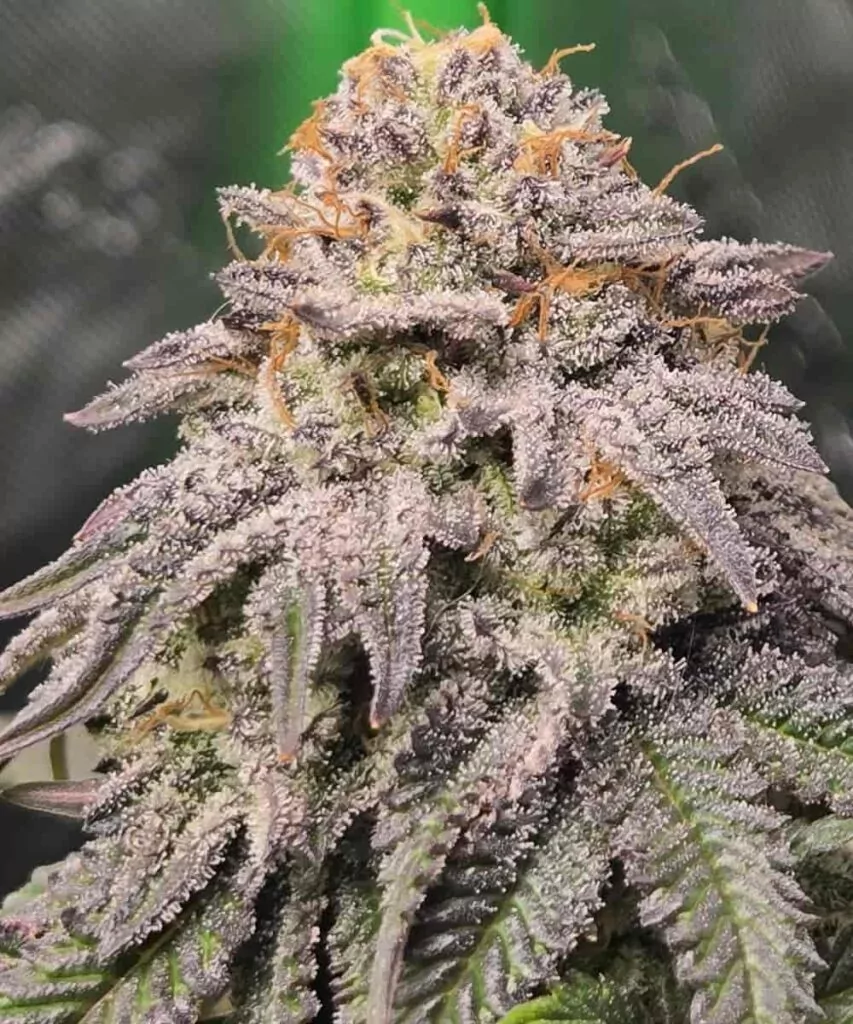


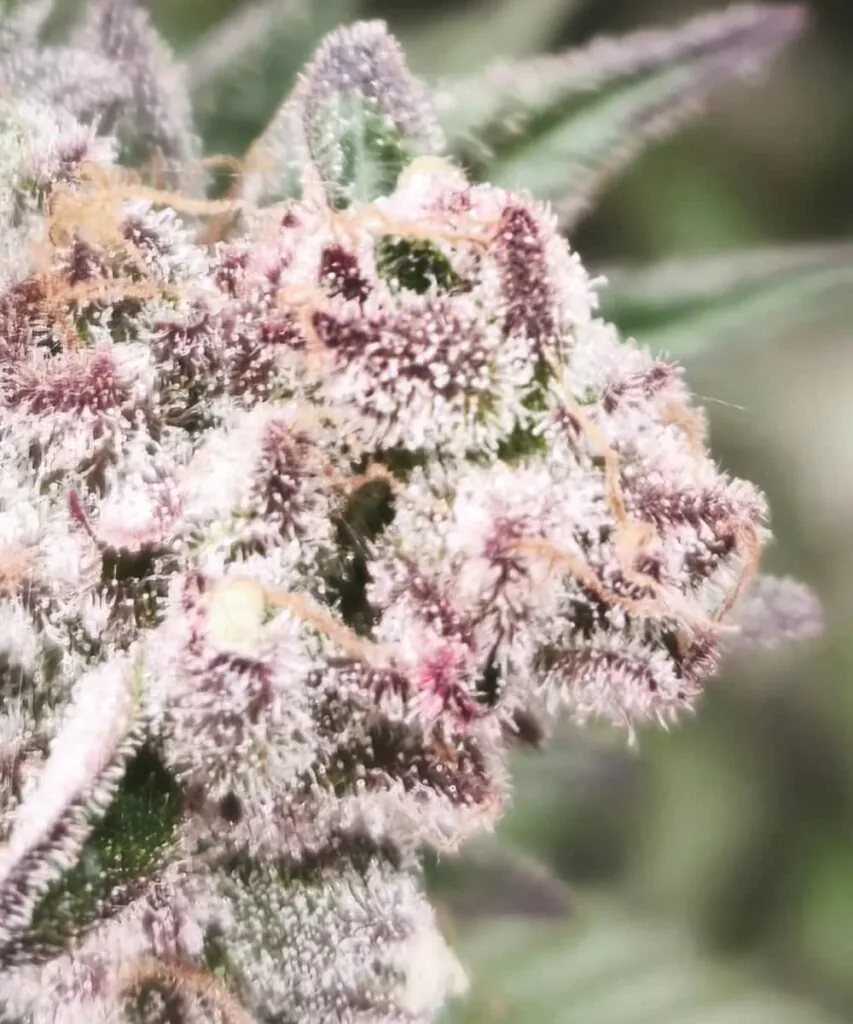
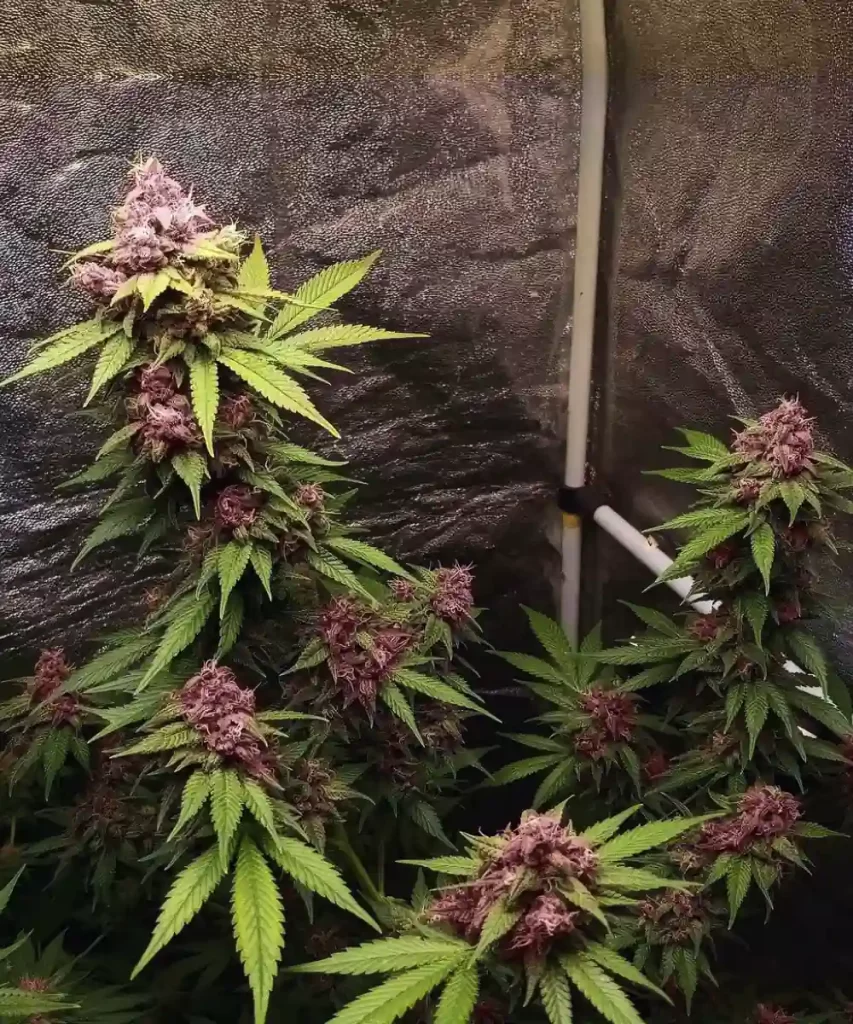
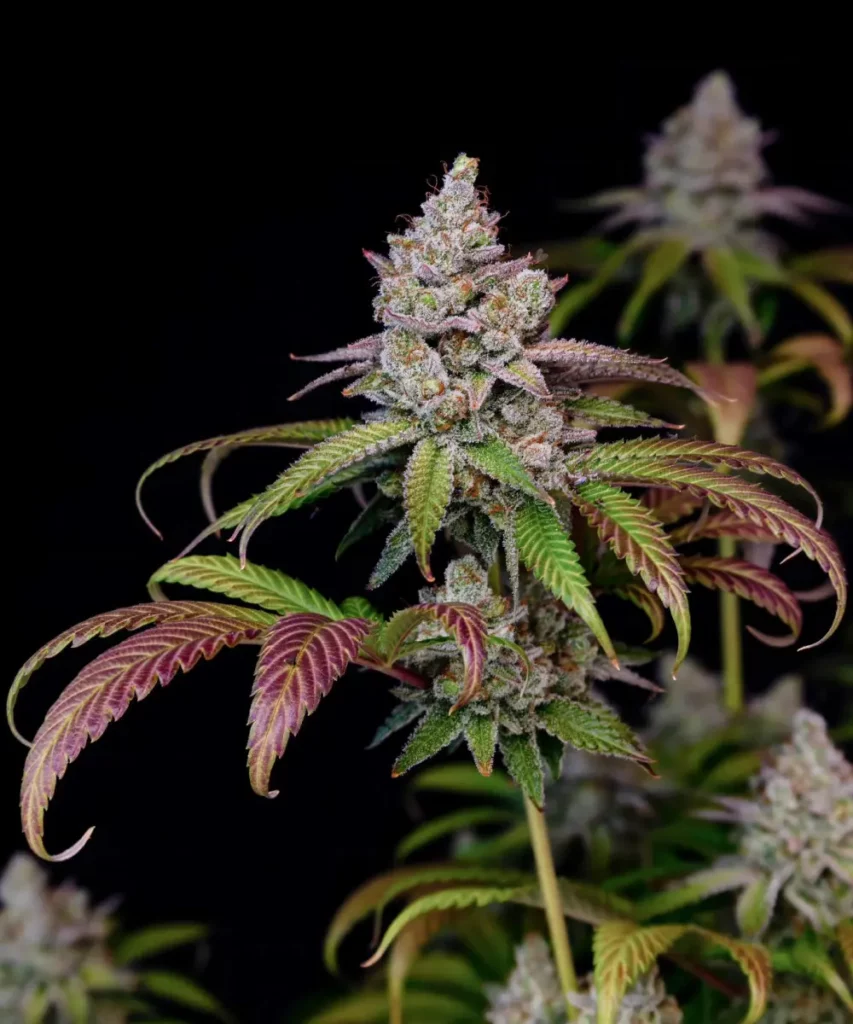
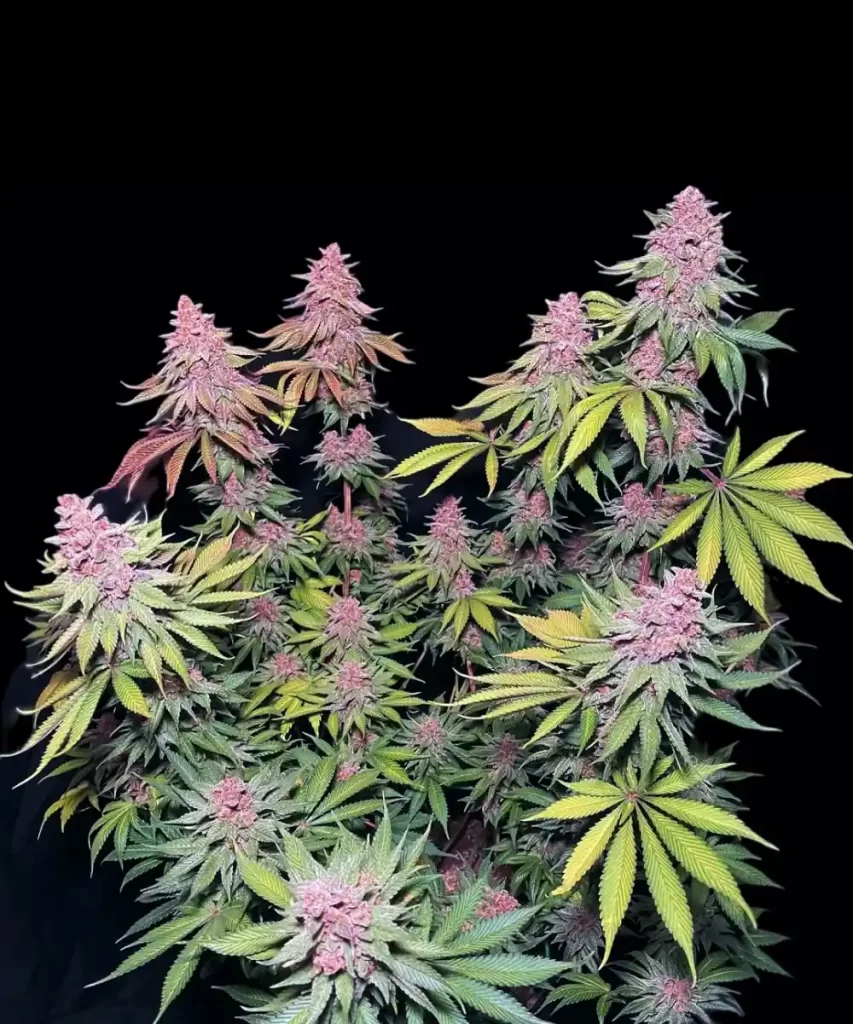

I planted 10 Super Boof seeds, and all germinated without a hitch. The plants grew strong and healthy, producing dense, frosty buds with a sweet, earthy aroma. The high is uplifting yet relaxing—a perfect balance. Impressive yield too, even with minimal effort

I’ve been growing weed for 30+ years, and to be honest, it’s quite difficult to surprise me. After a few decades of facing different strains, changing growing conditions, and solving whatever problem you could possibly think of, by then, I believe I’ve seen it all in cannabis growing.
Gary Payton defied every single one of my expectations.
The plant thrived, growing to an impressive 6 feet in what seemed like a blink of an eye. It quickly filled out with buds and displayed better smell each day, showing solid proof of superior genetics. The buds were tight, aromatic, and a source of immense pride, surpassing the outcome of many of my previous endeavors.
Hypno Seeds with their Gary Payton strain has won my complete admiration and loyalty. Outstanding genetics in this plant have truly turned what I always thought of to be an experiment with negligible expectations into one of the most satisfying grows of my long career.
Looking forward, my excitement for the next growing season is unparalleled. I can’t wait to see how much I can take these strains, especially with the attention that Gary Payton really does deserve right from the start.

TRUE MAGIC! This strain really stands out. I am trying Hypno Seeds for the first time and I surely made the right choice. I will be ordering more RS11 seeds just to keep this beauty in my garden for the upcoming season. Growing in Virginia and it’s only shown perfection by now.

Starting my latest grow, I decided to try out some Blackberry Kush from Hypno… I planted her on a whim alongside my other favorites. Hypno Seeds said it had to be a powerful plant with rich, fruity scents… Seeing is believing. She developed purplish hues and dense resin coated buds and quickly took center stage in my garden and produced much more than expected. The buds are tightly packed, literally bursting with the heady aroma. The yield? Very impressive for her conditions…
Germinated three seeds using the paper towel method with100% success rate within 48 hours. Planted in 5 gallon pots with living soil under a 315W CMH light. Plants remained compact (3.5 ft) with thick lateral branching, showing high resistance to humidity and minor nutrient fluctuations. Yield per plant: 5.8 oz of extremely dense, trichome-heavy buds. Smell profile during flower: sharp pine, pepper, and a hint of citrus. Harvested at week 9, after trichomes showed 30% amber for peak sedative effects. Smoke report: Potent. Deep relaxation without full sedation. Ideal for stress relief.


