

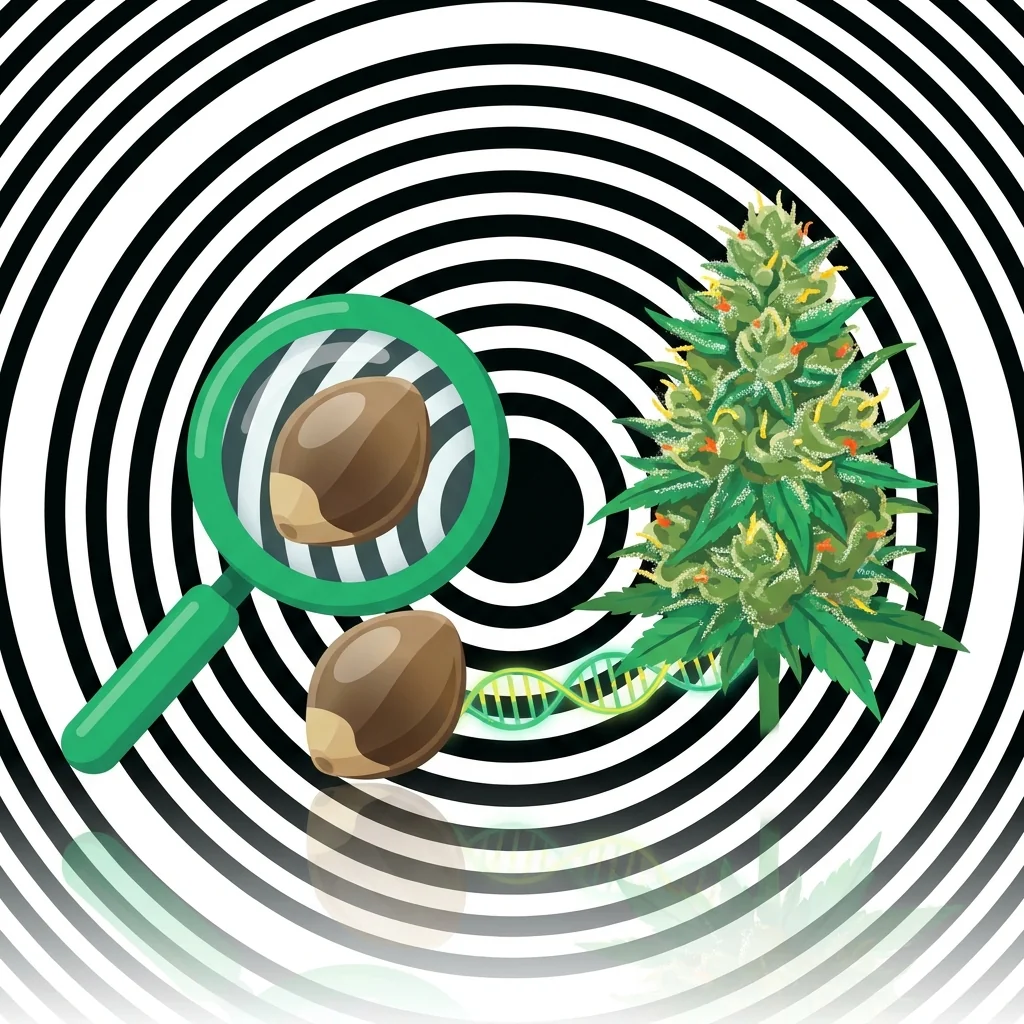
So what actually determines the THC percentage on a seed listing? It describes flower from a strain’s mature female plants. It does not describe anything inside the seed. Seeds have no trichomes, the resin glands where THC is made, so what you buy is a genetic blueprint. That blueprint sets how much THC a plant can produce under good conditions. In short: a THC figure belongs to a genetic line plus a grow.
- THC is made in trichomes during flowering. Seeds have no trichomes and no meaningful THC.
- A listed figure describes the line’s mature flower, typically its ceiling under strong conditions.
- Light, feeding, environment and harvest timing decide how close your plant gets to that ceiling.
- Stabilized genetics make sibling plants more alike. The same rules apply to feminized and autoflower seeds.
The number measures flower, and flower only exists on a mature plant. A seed carries the genetic code that shapes the plant it becomes. The THC figure is a test result from buds that line has already grown. That holds for every listing, including high THC seeds.
- What it measures: THC in dried flower from mature plants of the line.
- What it describes: the line’s demonstrated potential, usually its upper range.
- What it doesn’t describe: the seed itself, or a guaranteed result in your grow.
Think of the seed as a recipe card and the THC figure as a photo of the finished dish. The card decides which dish is possible. Your oven, ingredients and timing decide whether yours matches the photo.
Building on that definition, biology explains why the number doesn’t reside in the seed. THC is synthesized in glandular trichomes, tiny resin glands concentrated on flowers. Seeds don’t have them.
- Seeds and early seedlings contain negligible cannabinoids.
- Once the plant enters flower, it rapidly builds THCA and CBDA in its developing trichomes.
- A 2000 study by Ross and colleagues in the Journal of Analytical Toxicology found the kernels of drug-type cannabis seeds held less than 2 micrograms of THC per gram, confirming seeds lack meaningful cannabinoid content.
| Trait | Seed | Mature flowering plant |
|---|---|---|
| Trichomes | None | Dense on buds and sugar leaves |
| Cannabinoids | Negligible | Build rapidly during flowering |
| What it holds | Genetic instructions | Expressed traits: resin, terpenes, potency |
If the seed holds none of it, the plant has to build it, and it does so late. Most THC production happens in the final flowering stage, after several months of growth.
- Flowering typically lasts 8 to 13 weeks, depending on genetics and conditions.
- A 2020 study in the Journal of Agricultural and Food Chemistry found total THC and CBD in industrial hemp rose as flowers matured, peaking 6 to 7 weeks postanthesis (after the flowers open).
Harvest early and the plant hasn’t finished building resin. Its genetics never got the chance to show up.
💡 Pro Tip: Treat the breeder’s flowering time as an estimate, not a deadline. A pocket loupe shows you when trichomes shift from clear to cloudy, which is a better harvest signal than the calendar.
Genetics set the ceiling, and the grow decides how much of it you reach. A car’s rated top speed works the same way: the engine sets the limit, but fuel, road and driver decide what the speedometer shows. Cannabis cultivation laws differ by state and locality, and growers must check and follow their own.
| Factor | Why it matters | What you can do |
|---|---|---|
| Light | Sets the energy budget for building resin | Match light to canopy size |
| Nutrition | Deficiencies divert energy to recovery | Feed to the stage, watch the leaves |
| Environment | Heat and humidity swings stress flowers | Keep late flower steady |
| Harvest timing | THC builds through flowering | Read trichomes |
| Phenotype | Siblings can express traits differently | Choose stabilized genetics |
Of the factors in that table, phenotype is the one settled before the seed reaches you. A phenotype is how a plant’s genes actually express. An unstable cross can throw siblings that look, smell and test very differently, so a figure from one standout plant may not represent the rest of the pack.
Stabilization addresses that. Breeders select and re-breed plants over several generations until offspring express traits consistently. We develop our lines in-house for consistent growth, yield and terpene profiles. Exclusives like Red Chile Truffle, Sticky Kitty Trippy Punch and Red Pistachio Auto come out of that program. Stabilization doesn’t make potency a guarantee. It makes sibling plants behave more alike, so a listed trait becomes something you can plan around.
After multiple rounds of selection and breeding, offspring stability improves, and the range of expression narrows.
Yes. Seed type changes how the plant grows, not where its THC comes from.
- Feminized: bred to produce female plants, which grow the resinous flower a THC figure describes. Genetics determine whether a plant expresses male traits and pollen production. When comparing feminized seeds for sale, every listed number refers to that female flower.
- Autoflowers: flower by age, not light schedule. High THC autoflower seeds carry a genetic ceiling like any other line, but their fixed timeline leaves less time to recover from early stress.
Putting it together, a THC figure works best as a way to compare lines, not as a promise.
- Read it as demonstrated potential under good conditions.
- Prefer ranges over single figures. They show spread between plants.
- Check home grow reports, such as those shared for Godfather OG and Gary Payton.
- Ask where the line came from and how it was stabilized.
Do cannabis seeds contain THC?
No meaningful amount. Seeds lack trichomes, and testing of seed kernels has found only trace levels.
Why do seed listings show THC percentages?
The figure describes mature flower from the line. It’s the most useful way to compare genetics before you grow.
Will my plant reach the listed THC?
Not guaranteed. Potency depends on genetics and grow conditions, including light, feeding, environment and harvest timing.
Can testing a seed reveal a strain’s potency?
No. Potency only appears in flower, so a seed test says almost nothing about the strain.
Are autoflowers always lower in THC than photoperiod plants?
It depends on the specific line, not the category. Compare each strain’s figures directly.
When does THC peak in a plant?
Late in flowering. Watch trichome maturity rather than the calendar.
We are a US-based cannabis seed breeder that develops and stabilizes our own genetics in-house over multiple generations. Every seed is hand-inspected for maturity and shell integrity, and every batch is germination-tested every 30 days, with batches under a 95% success rate pulled from inventory. Orders dispatch within 24 hours from a climate-controlled warehouse in Las Vegas, NV, with tracked delivery in 2-5 business days.
Want genetics chosen with the full picture in mind? Explore stabilized, germination-tested lines in the Hypno Seeds shop or learn more at http://hypnoseeds.com.
The seed carries the potential. The grow decides how much of it you keep.
- Ross, S. A., Mehmedic, Z., Murphy, T. P., and ElSohly, M. A. (2000). “GC-MS Analysis of the Total Δ9-THC Content of Both Drug- and Fiber-Type Cannabis Seeds.” Journal of Analytical Toxicology, 24(8), 715-717. https://academic.oup.com/jat/article/24/8/715/817709


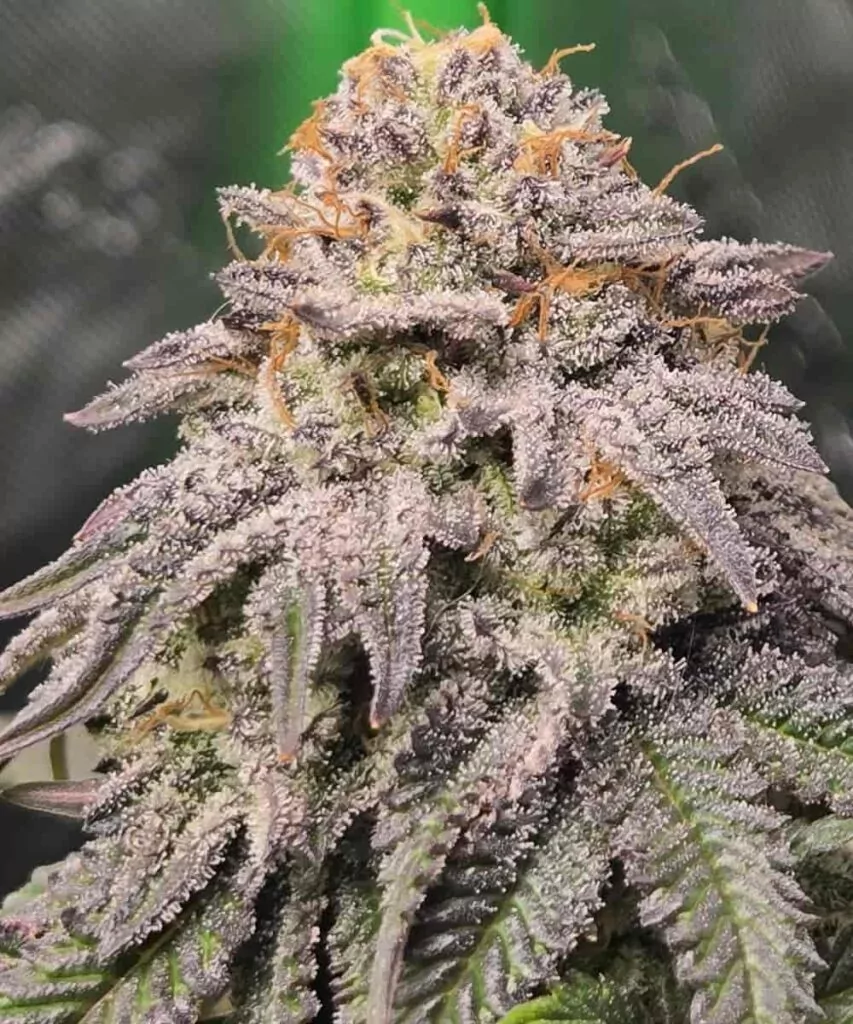


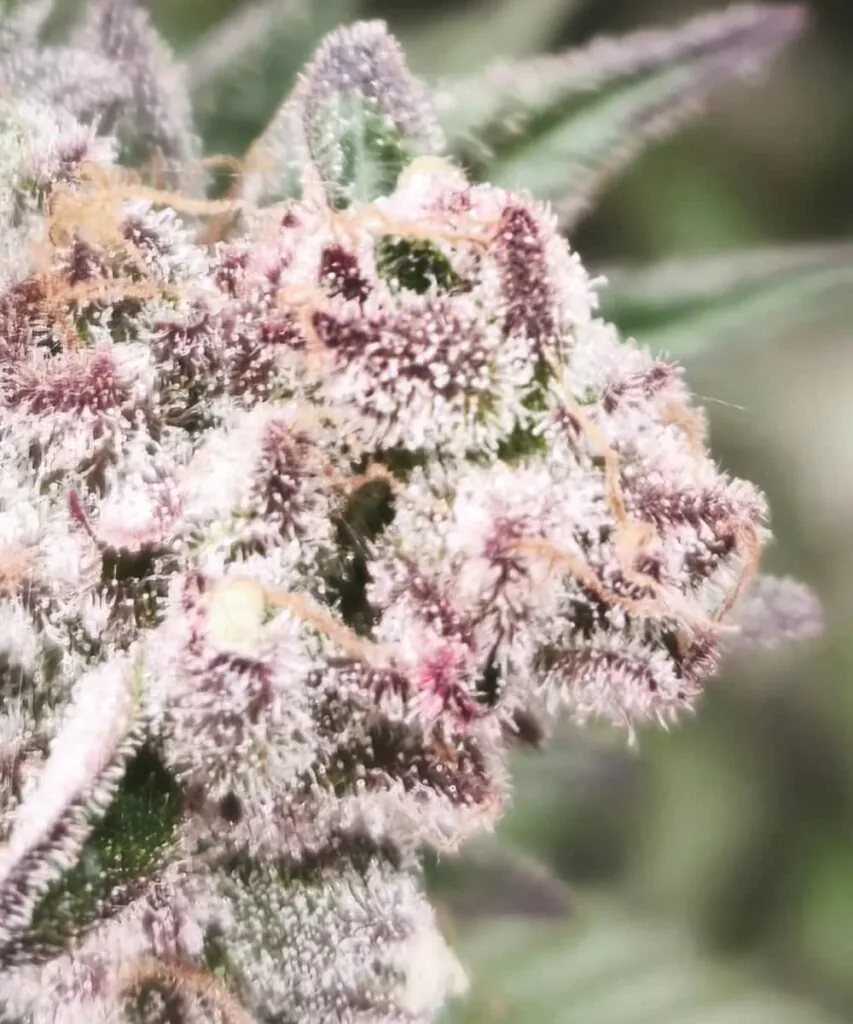
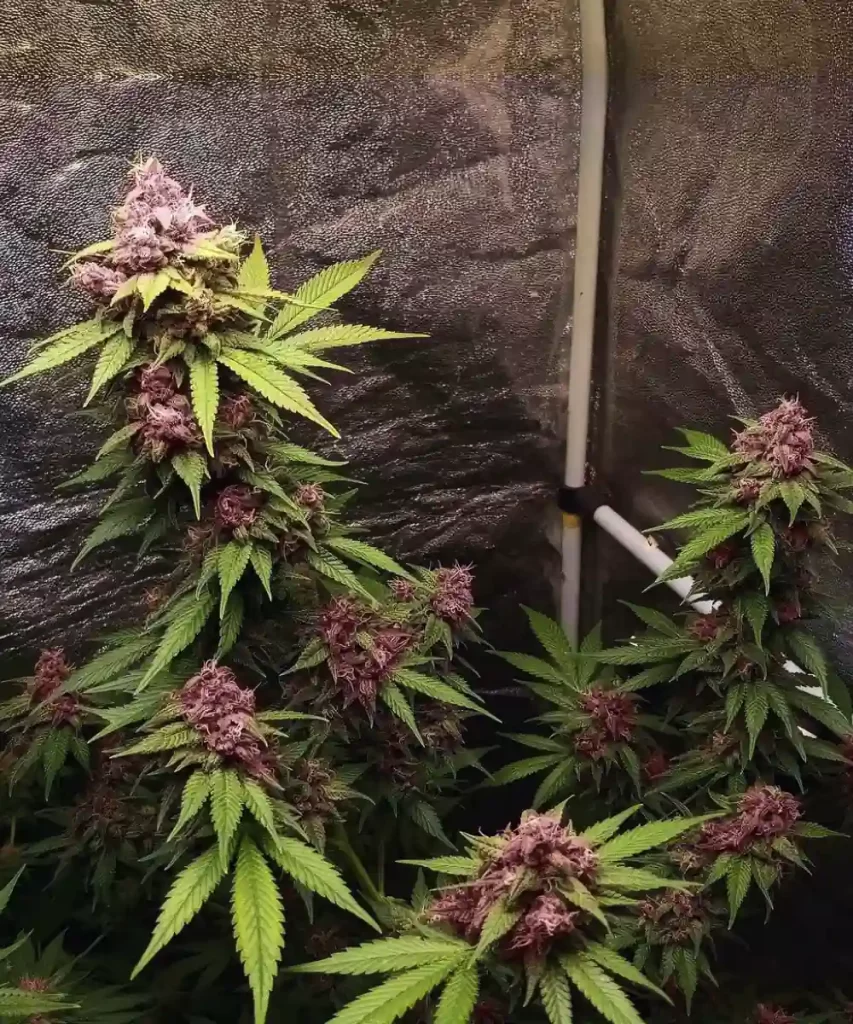
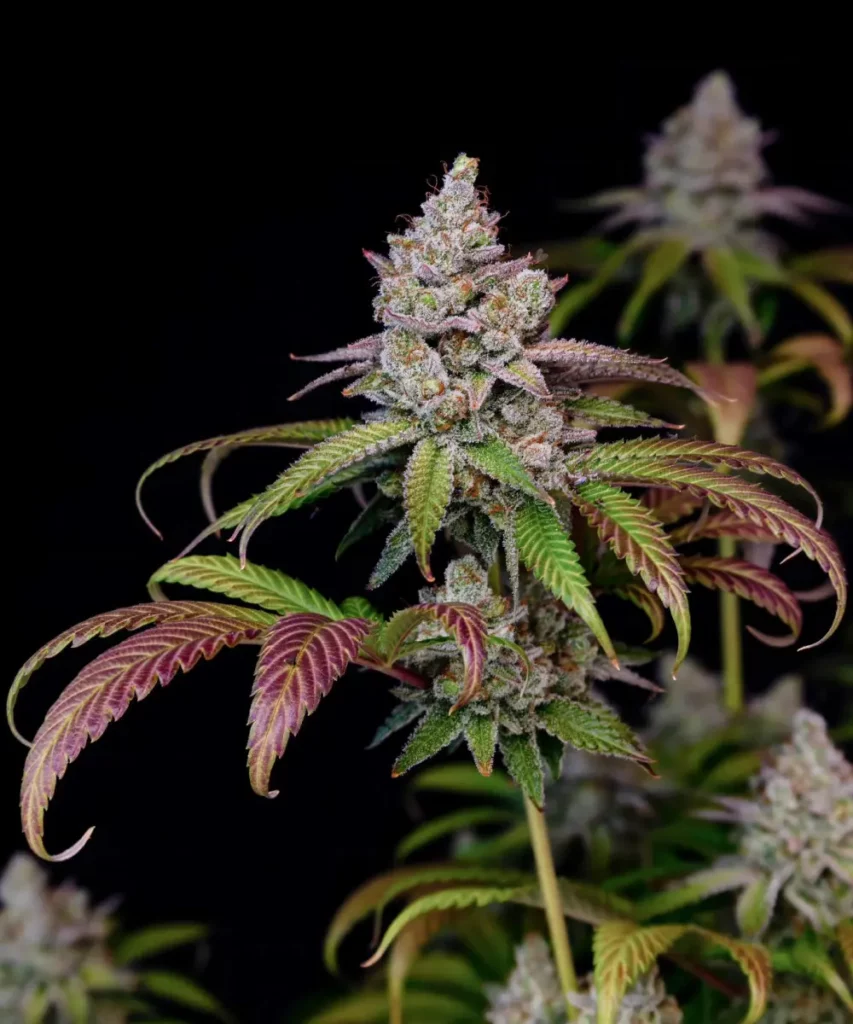
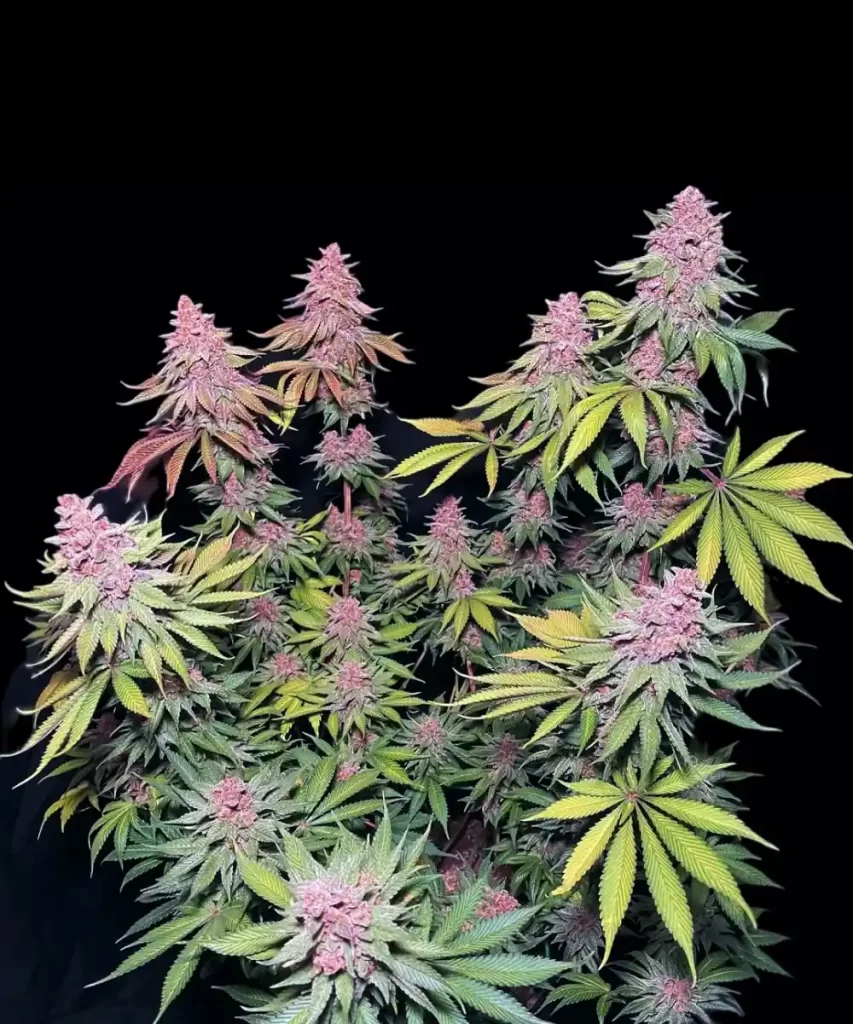

I planted 10 Super Boof seeds, and all germinated without a hitch. The plants grew strong and healthy, producing dense, frosty buds with a sweet, earthy aroma. The high is uplifting yet relaxing—a perfect balance. Impressive yield too, even with minimal effort

I’ve been growing weed for 30+ years, and to be honest, it’s quite difficult to surprise me. After a few decades of facing different strains, changing growing conditions, and solving whatever problem you could possibly think of, by then, I believe I’ve seen it all in cannabis growing.
Gary Payton defied every single one of my expectations.
The plant thrived, growing to an impressive 6 feet in what seemed like a blink of an eye. It quickly filled out with buds and displayed better smell each day, showing solid proof of superior genetics. The buds were tight, aromatic, and a source of immense pride, surpassing the outcome of many of my previous endeavors.
Hypno Seeds with their Gary Payton strain has won my complete admiration and loyalty. Outstanding genetics in this plant have truly turned what I always thought of to be an experiment with negligible expectations into one of the most satisfying grows of my long career.
Looking forward, my excitement for the next growing season is unparalleled. I can’t wait to see how much I can take these strains, especially with the attention that Gary Payton really does deserve right from the start.

TRUE MAGIC! This strain really stands out. I am trying Hypno Seeds for the first time and I surely made the right choice. I will be ordering more RS11 seeds just to keep this beauty in my garden for the upcoming season. Growing in Virginia and it’s only shown perfection by now.

Starting my latest grow, I decided to try out some Blackberry Kush from Hypno… I planted her on a whim alongside my other favorites. Hypno Seeds said it had to be a powerful plant with rich, fruity scents… Seeing is believing. She developed purplish hues and dense resin coated buds and quickly took center stage in my garden and produced much more than expected. The buds are tightly packed, literally bursting with the heady aroma. The yield? Very impressive for her conditions…
Germinated three seeds using the paper towel method with100% success rate within 48 hours. Planted in 5 gallon pots with living soil under a 315W CMH light. Plants remained compact (3.5 ft) with thick lateral branching, showing high resistance to humidity and minor nutrient fluctuations. Yield per plant: 5.8 oz of extremely dense, trichome-heavy buds. Smell profile during flower: sharp pine, pepper, and a hint of citrus. Harvested at week 9, after trichomes showed 30% amber for peak sedative effects. Smoke report: Potent. Deep relaxation without full sedation. Ideal for stress relief.


