


You grew the same strain in the same tent, so why does run two look like a cousin of run one? Cannabis seeds come from sexual reproduction. Every seed carries its own shuffle of its parents’ genes, and that shuffle meets a grow environment that never repeats exactly. Plant scientists sum it up as P = G + E + GxE: the plant you see is genetics, plus environment, plus the way the two interact. Breeders who stabilize genetics over multiple generations work to narrow this variation.
TL;DR
About the Author: This guide was written by the breeding team at Hypno Seeds. We develop, stabilize and germination-test our own genetics in-house, and our breeding program is built around keeping one pack consistent with the next.
The genetic half of that equation starts with one fact: a seed is a new individual, not a copy of the plant its strain is named after. Each seed inherits half its genes from each parent, and the mix is reshuffled every time.
Think of a pack as siblings. They share a family resemblance because they come from the same two parents, but each one was dealt a different hand from the same deck. That’s why one sister runs tall and another stays squat.
How wide that spread gets depends on:
- Parent uniformity: parents that carry matching versions of key genes pass on fewer surprises.
- Breeding history: hybrid strains built from many recent crosses tend to throw more distinct phenotypes.
- Seed lot: a new production run from different parent selections can shift the population slightly.
- Seed type: autoflower seeds add one more trait to fix. If autoflowering isn’t fully stable in a line, plants can start flowering at different times.
Genetics set the range, and the environment decides where in that range each plant lands. An engine sets a car’s top speed, but the road decides how fast you actually go.
| Grow factor | What it can change |
|---|---|
| Light intensity and distance | Stretch, node spacing, bud density |
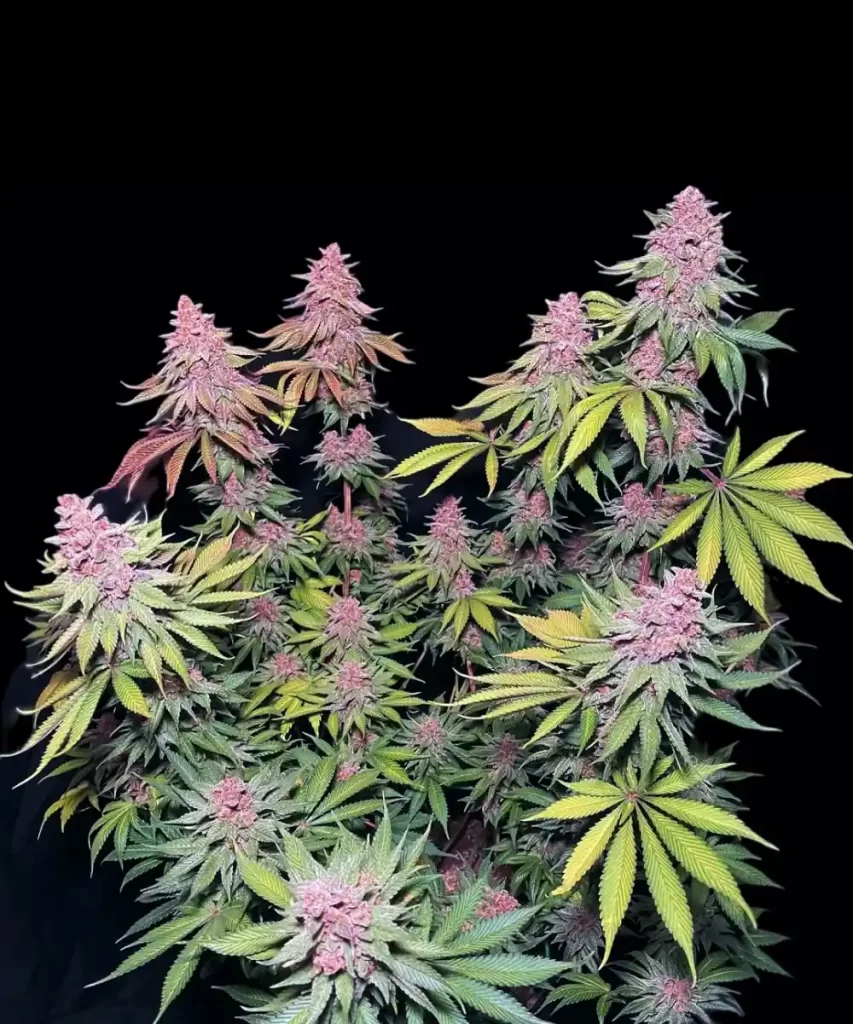
| Night temperature late in flower | Color. Some purple strains only color up when nights run cooler |
| Heat stress | Aroma and potency, because terpenes are volatile |
| Feeding, pH and water source | Vigor, leaf health, yield |
| Pot size and medium | Root mass and final plant size |
| Harvest timing and drying | Potency and aroma of the finished flower |
Growers tend to underestimate the GxE term. Two phenotypes can react differently to the same change. That’s why a high-THC strain can test lower in a hot, stressed run. Potency is a trait of the mature plant, shaped by genetics and grow conditions together. It is never a number printed on the pack.
Cannabis cultivation laws differ by state and locality, and growers must check and follow their own.
💡 Pro Tip: Keep a weekly grow journal with light height, temps, feed and water source. When run two surprises you, the answer is usually in the column you stopped recording.
Once you can see both sides of the equation, the quickest test is to compare variation inside a pack with variation between packs:
- Check spread within run two. Big differences between plants sharing one tent point to genetic spread.
- Check direction across runs. If every plant shifted the same way (all shorter, all greener), the grow changed.
- List what changed. Look at soil, nutrients, light, season, pot size and harvest date.
- Compare averages, not highlights. Memory is a generous grower, and last year’s keeper gets bigger every time you tell the story.
- Check the source. Ask whether the company breeds and stabilizes its own lines, and how many generations of selection sit behind them.
That diagnosis only works if you know how much consistency to expect. A stable strain repeatedly expresses recognizable traits, such as terpene profile, potency range and flower structure, across different grows.
- Recognizable, not identical: plants should clearly read as the same strain.
- Some lab variation is normal: potency results shift between runs and between labs, even on stable genetics.
- The growth pattern holds: stable indica-leaning lines stay compact, and sativa-leaning lines keep their stretch.
- Only clones are copies: to repeat an exact plant, take cuttings from your keeper.
Stability is a range you can predict, not a copy you can expect.
Outside the grow room, the last variable sits upstream: how the seed line was made.
In-house breeders typically stabilize lines through multi-generation selection and phenohunting, which narrows the sibling spread described above. Lines developed and stabilized by the breeder directly are built to repeat their key traits from one pack to the next.
Seed bank roundups tend to compare catalogs, prices and shipping. If consistency matters to you, ask three more questions:
- Does the company breed its own lines?
- How many generations of selection sit behind a strain?
- How often are batches germination-tested?
At Hypno Seeds, genetics are stabilized in-house over multiple generations. That includes exclusive lines like Red Chile Truffle, Sticky Kitty Trippy Punch and Red Pistachio Auto. Every batch is germination-tested every 30 days, and batches under a 95% success rate are pulled. Each seed is hand-inspected for maturity and shell integrity before it ships from a climate-controlled warehouse in Las Vegas, NV.
No. Each seed is a unique genetic individual. A stable line keeps the plants recognizably alike, but only clones are true copies.
Many purple phenotypes need cooler nights late in flower to show color. A warmer run, or a different phenotype from the pack, can keep the plant green.
Not automatically, because it depends on how stable the line is. Their fixed timeline does leave less time to recover from early stress, so grow mistakes show up faster.
Yes. Harvest timing, light and stress all move the number, even on the same genetics.
More than one. One plant shows you one phenotype in one environment. Several plants grown side by side show you the strain’s real range.
Hypno Seeds develops and stabilizes its own genetics in-house. The catalog covers feminized, autoflowering, high-THC, indica, sativa, hybrid and purple strains, including exclusive breeder-developed lines. Batches are germination-tested every 30 days and backed by a germination guarantee, and orders are dispatched within 24 hours from Las Vegas, NV. Controlling every step from breeding to shipping is how the company keeps each pack as close as possible to the last.
Planning your next run? Explore stabilized, in-house genetics at hypnoseeds.com or browse the full seed catalog.
Two packs will never grow two identical gardens. What you can control is knowing why they differ.


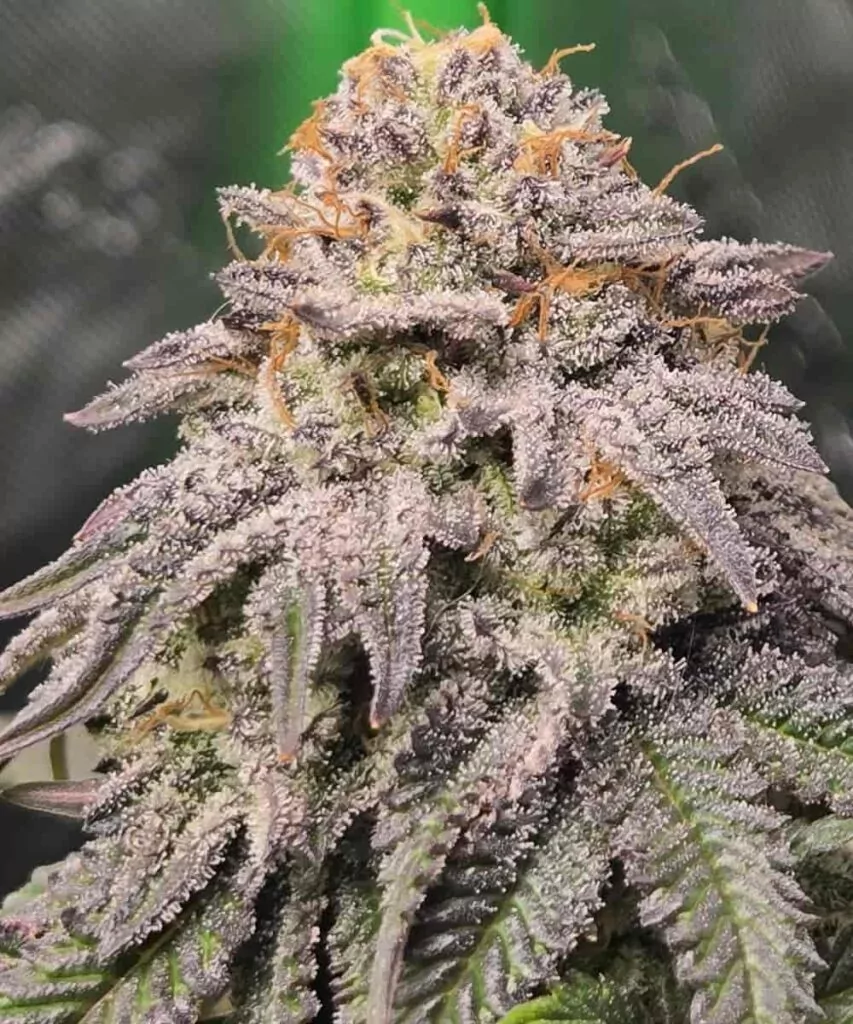


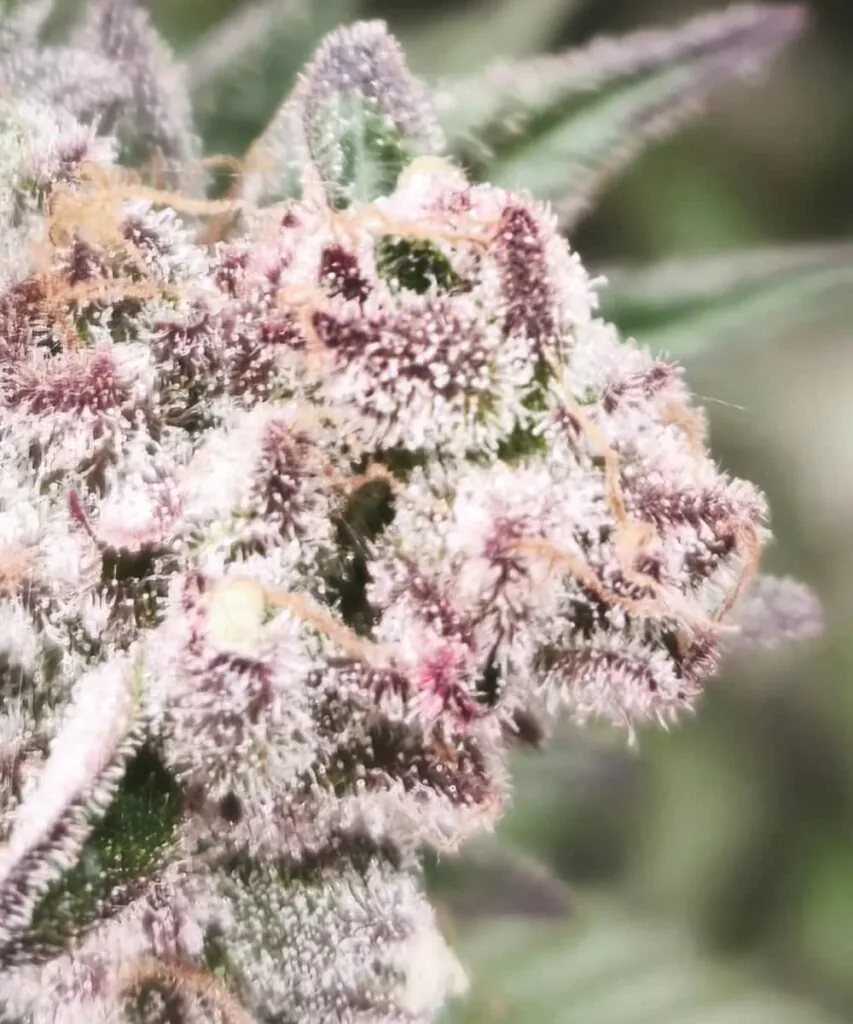
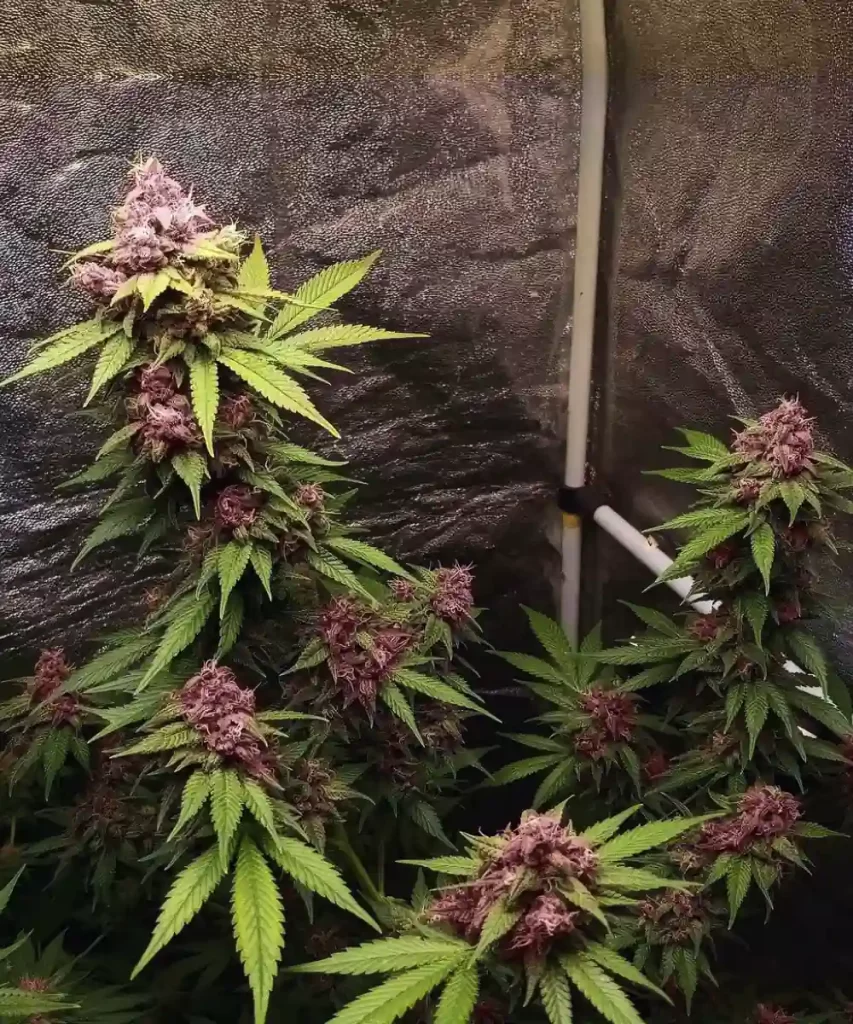
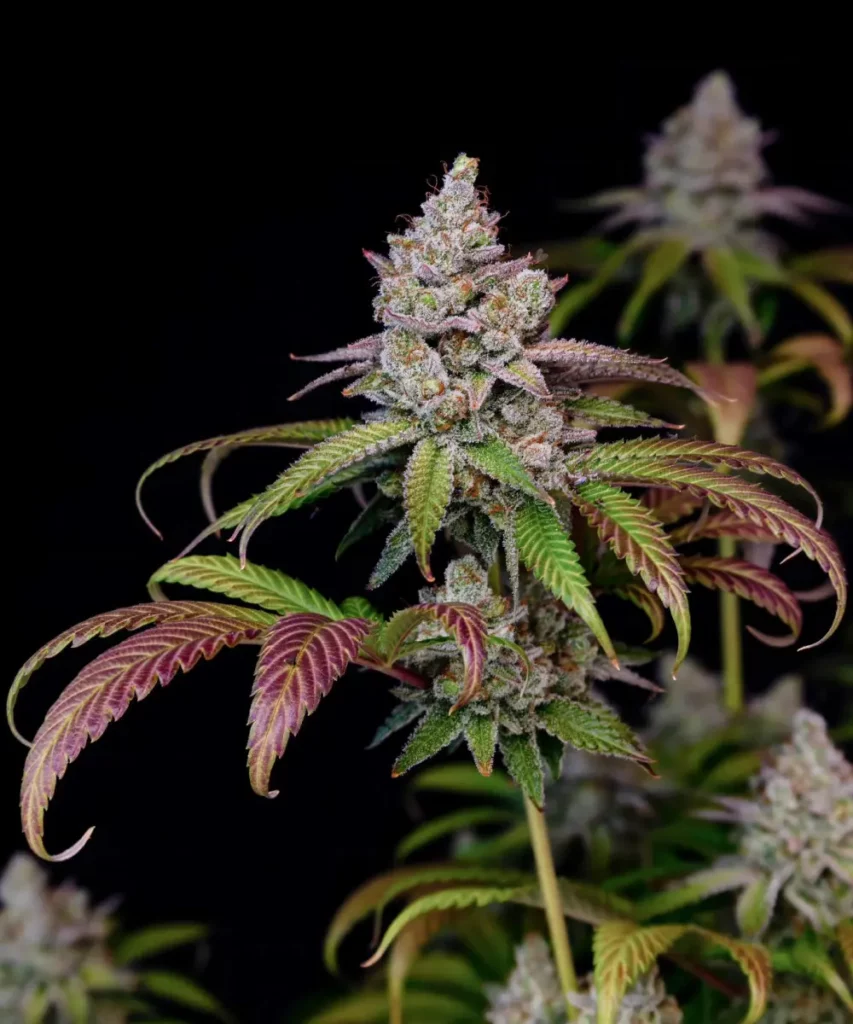

I planted 10 Super Boof seeds, and all germinated without a hitch. The plants grew strong and healthy, producing dense, frosty buds with a sweet, earthy aroma. The high is uplifting yet relaxing—a perfect balance. Impressive yield too, even with minimal effort

I’ve been growing weed for 30+ years, and to be honest, it’s quite difficult to surprise me. After a few decades of facing different strains, changing growing conditions, and solving whatever problem you could possibly think of, by then, I believe I’ve seen it all in cannabis growing.
Gary Payton defied every single one of my expectations.
The plant thrived, growing to an impressive 6 feet in what seemed like a blink of an eye. It quickly filled out with buds and displayed better smell each day, showing solid proof of superior genetics. The buds were tight, aromatic, and a source of immense pride, surpassing the outcome of many of my previous endeavors.
Hypno Seeds with their Gary Payton strain has won my complete admiration and loyalty. Outstanding genetics in this plant have truly turned what I always thought of to be an experiment with negligible expectations into one of the most satisfying grows of my long career.
Looking forward, my excitement for the next growing season is unparalleled. I can’t wait to see how much I can take these strains, especially with the attention that Gary Payton really does deserve right from the start.

TRUE MAGIC! This strain really stands out. I am trying Hypno Seeds for the first time and I surely made the right choice. I will be ordering more RS11 seeds just to keep this beauty in my garden for the upcoming season. Growing in Virginia and it’s only shown perfection by now.

Starting my latest grow, I decided to try out some Blackberry Kush from Hypno… I planted her on a whim alongside my other favorites. Hypno Seeds said it had to be a powerful plant with rich, fruity scents… Seeing is believing. She developed purplish hues and dense resin coated buds and quickly took center stage in my garden and produced much more than expected. The buds are tightly packed, literally bursting with the heady aroma. The yield? Very impressive for her conditions…
Germinated three seeds using the paper towel method with100% success rate within 48 hours. Planted in 5 gallon pots with living soil under a 315W CMH light. Plants remained compact (3.5 ft) with thick lateral branching, showing high resistance to humidity and minor nutrient fluctuations. Yield per plant: 5.8 oz of extremely dense, trichome-heavy buds. Smell profile during flower: sharp pine, pepper, and a hint of citrus. Harvested at week 9, after trichomes showed 30% amber for peak sedative effects. Smoke report: Potent. Deep relaxation without full sedation. Ideal for stress relief.


