


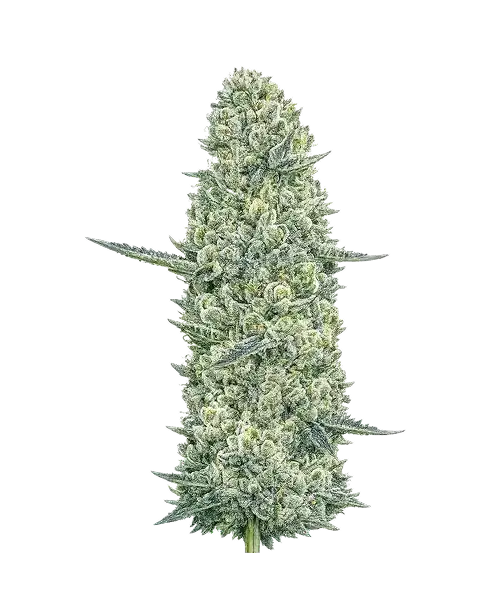

What Are Apple Fritter Seeds?
Apple Fritter comes from Sour Apple crossed with Animal Cookies, forming an indica-dominant hybrid released as feminized photoperiod seeds. The cultivar grows as a 65% indica / 35% sativa plant and is widely recognized for very high THC potential, along with dense, resin-rich buds that finish in about 9–10 weeks.
 EffectCalming, Creative, Energetic, Happy
 Indoor Yield / Outdoor Yield1.35-1.5 oz/ft² / 15-20 oz/plant
 THC / CBDUp to 31% / Up to 0.50%
 Genetics / GenderSour Apple x Animal Cookies / FeminizedHarvest / FloweringFirst half of October / 9-10 weeksHeight50-60 inch
 FlavorBerries, Earthy, Fresh Woods, Sweet
 Type65% Indica / 35% Sativa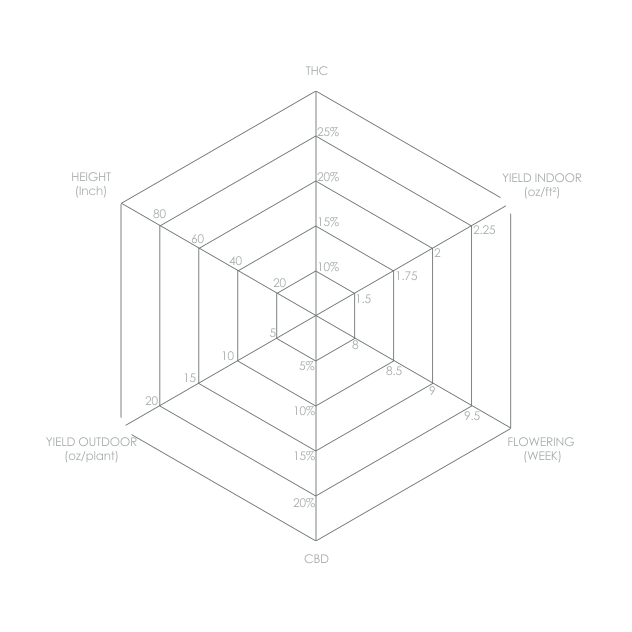

FLAVORS & EFFECTS
Sweet baked-apple notes blend with earthy caramel and light spice, a profile influenced largely by limonene, caryophyllene, and myrcene. The high usually combines an uplifting mental buzz with deep physical relaxation that settles in gradually.
STONE FRUIT
Smooth fruit aroma reminiscent of peach, apricot, and nectarine with gentle natural sweetness.
HONEY DRIZZLE
Golden honey aroma with smooth floral sweetness and a warm, natural richness.

VANILLA CREAM
Soft creamy scent with delicate vanilla sweetness and a smooth, comforting finish.

SHARP PEPPER
Crisp peppery scent with dry spice and a slightly pungent aromatic bite.

CREATIVE FLOW
A smooth stream of thoughts and imagination that supports artistic expression and problem-solving.

EUPHORIC MINDSET
A heightened sense of joy and mental uplift that creates a bright and pleasurable outlook.

PRODUCTIVE FOCUS
A clear and concentrated mental state that helps maintain attention and complete tasks efficiently.

MASTERY MODE
A confident and focused mental state that supports clarity, performance, and purposeful action.
Apple Fritter Grown by our customers
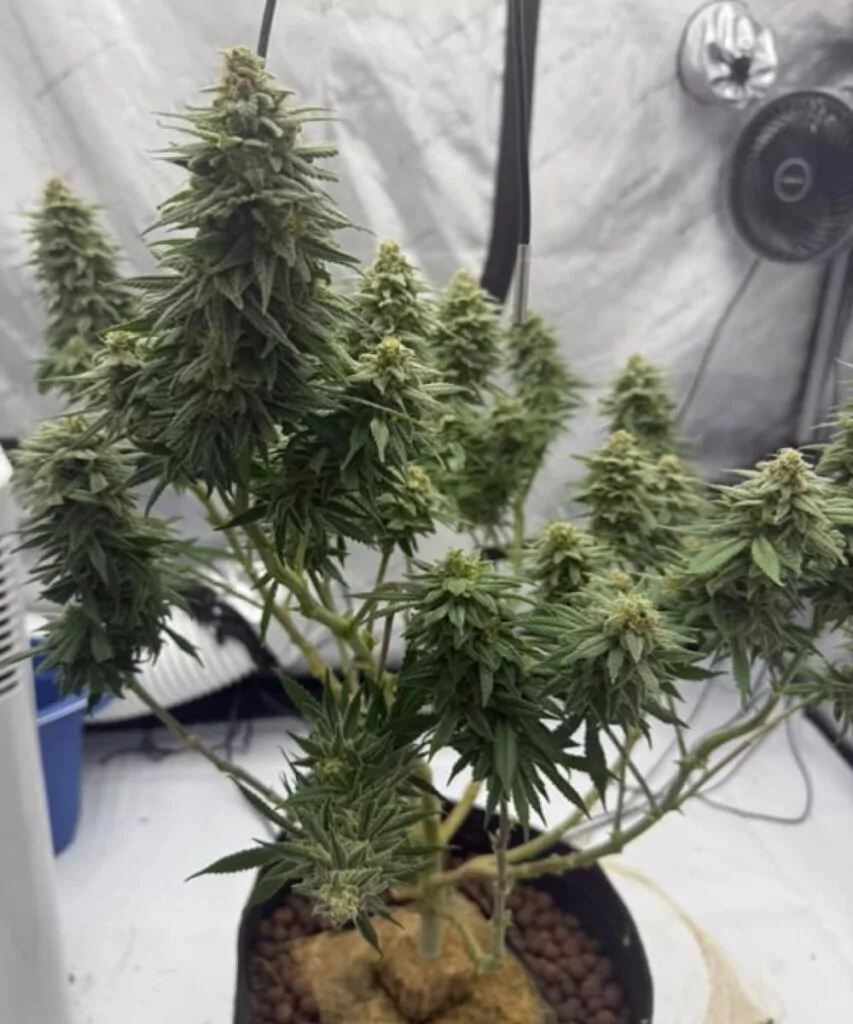
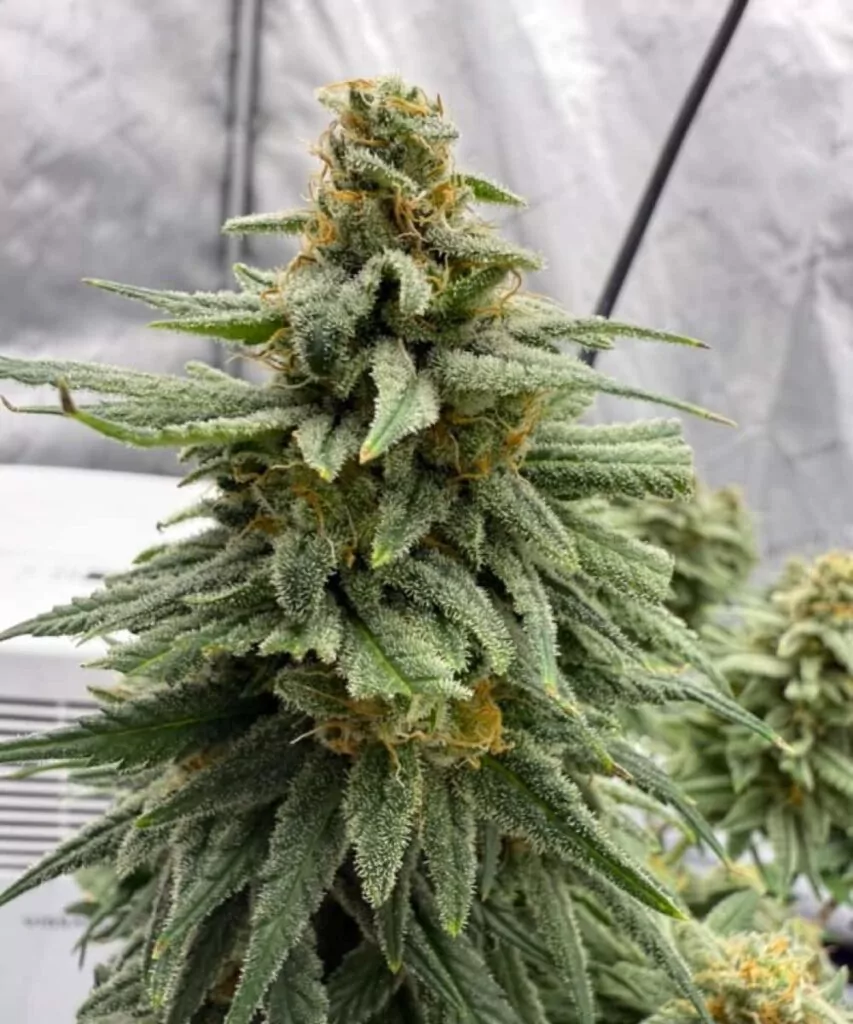
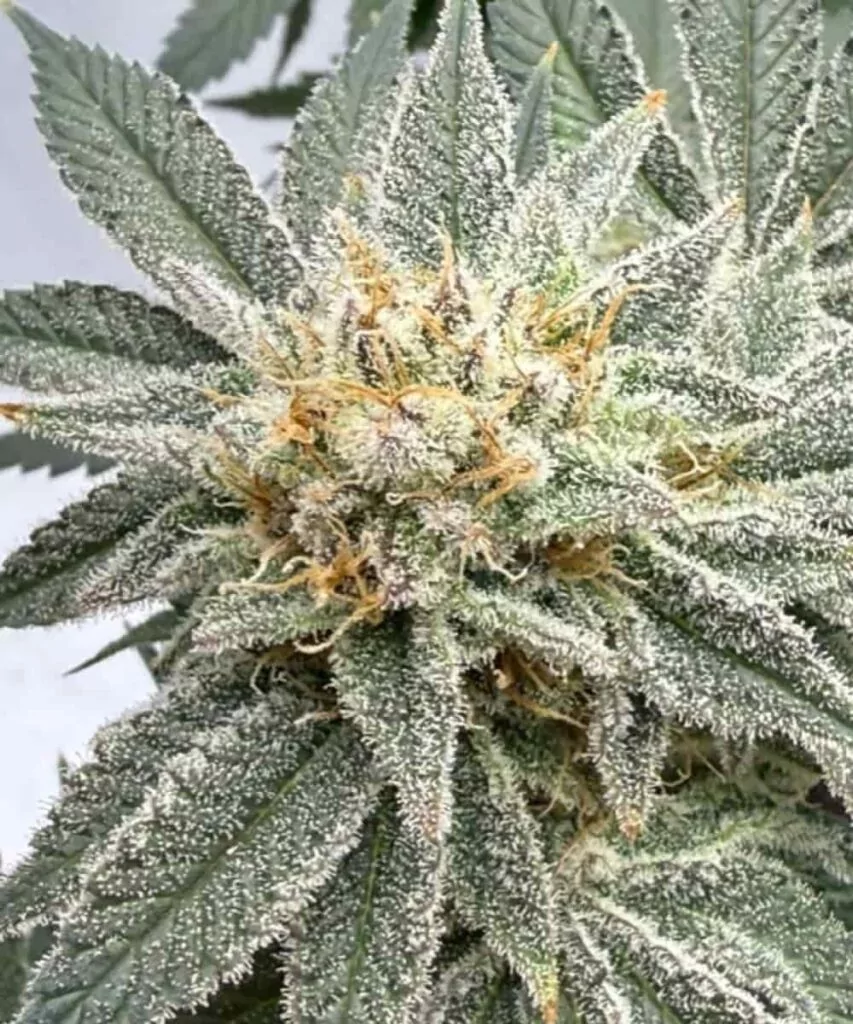
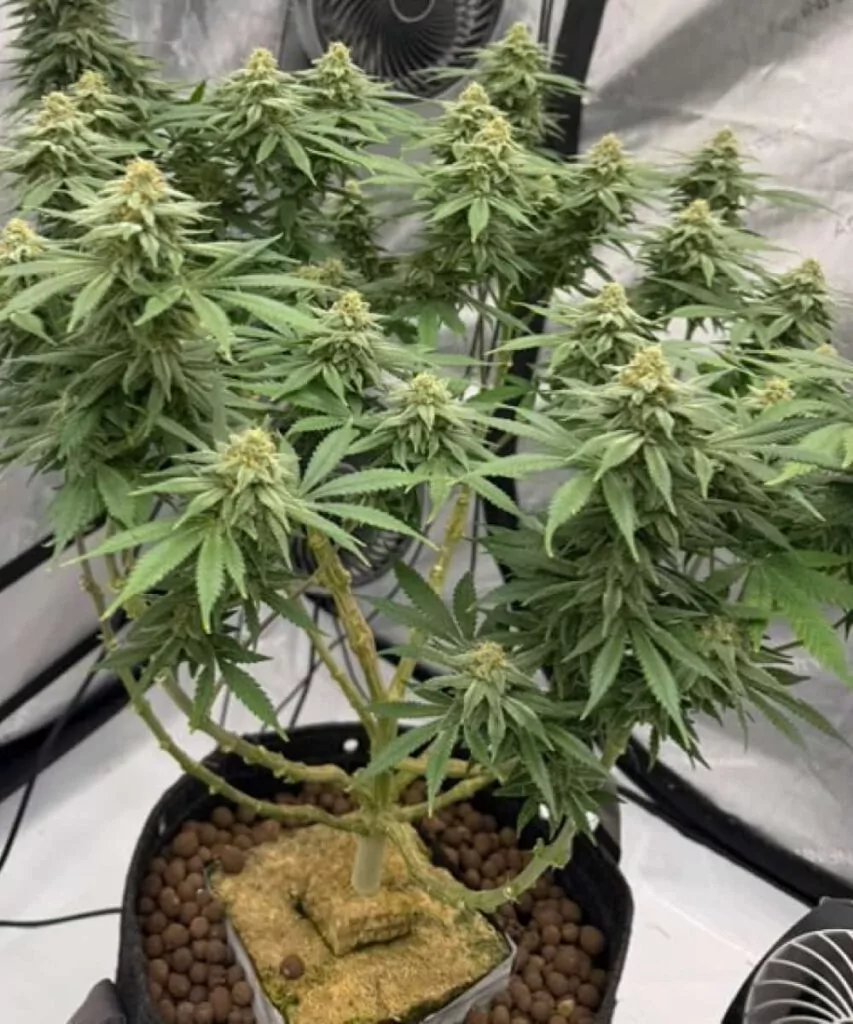
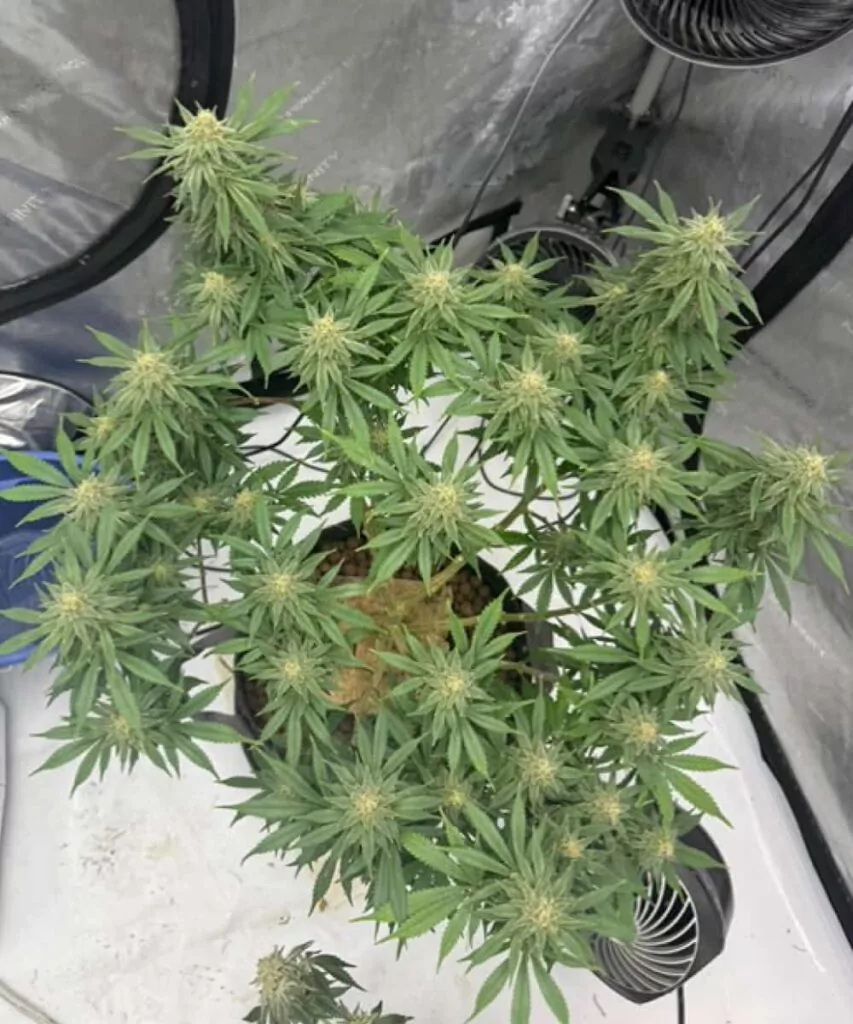

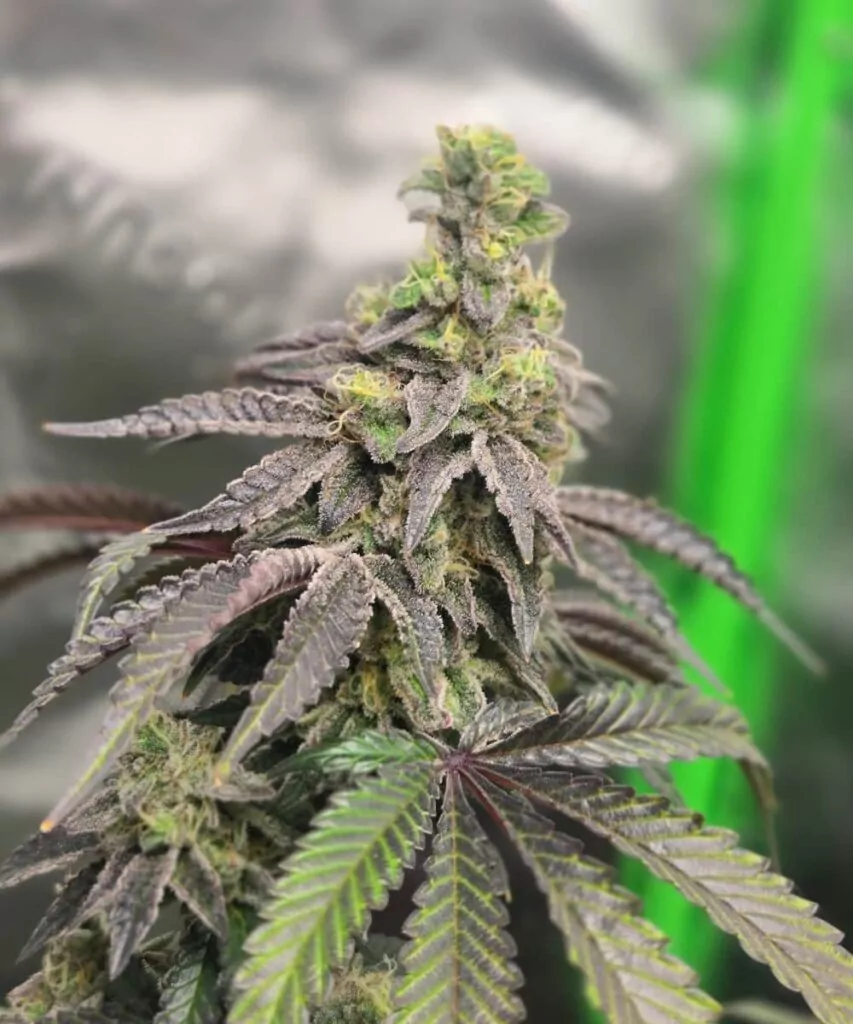


Apple Fritter
February 18, 2024I bought 10 Apple Fritter seeds and had a good experience as 9 out of 10 germinated. Also getting 5 as freebies was a nice touch. Satisfied with the purchase
Apple Fritter
February 18, 2024I’ve been a regular at Hypno Seeds and always look forward to their new releases. When they announced new feminized strains, I was particularly interested. I ordered the Apple Fritter, among others, and wasn’t disappointed. Consistency is key for me, and they’ve maintained quality across the board. Based on my experience, I’d rate them a solid 5/5
Apple Fritter
February 20, 2024The flavor is sweet, earthy, hints of citrus. Great for stress relief, but be wary of high THC if you’re a newbie.. Solid choice if you’re looking for flavor and potency, but might need extra care in growing.
Apple Fritter
February 27, 2024Just got a 10 pack, very excited. Keep up the good work, guys!
Apple Fritter
October 3, 2024Was a pleasure to grow this apple fritter photo strain from Hypno.
Germinated quick and took everything I done to it in it’s stride. Grew big indoors ( almost past the lights at full height ) and the aroma from her in flower was mouthwatering. Had a cracking yeild from her as well with some lovely dense buds.
She smoked amazing with an earthy/citrus taste 👌🏼🌱🔥
Hypno seeds nailed it with this one
Apple Fritter
November 10, 20249weeks today
Apple Fritter
November 10, 2024Great first time
You may also like…
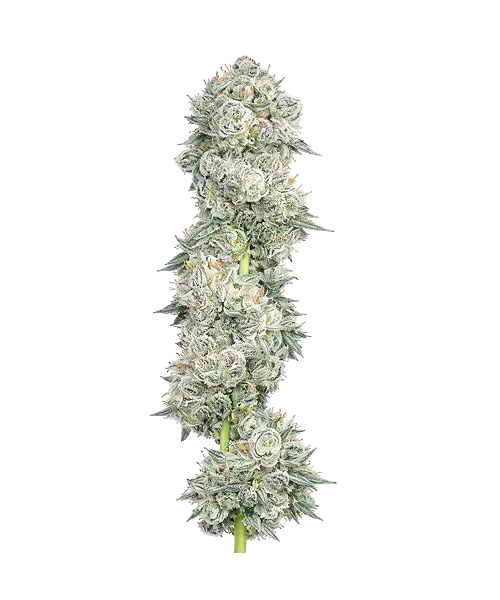

Animal Mints
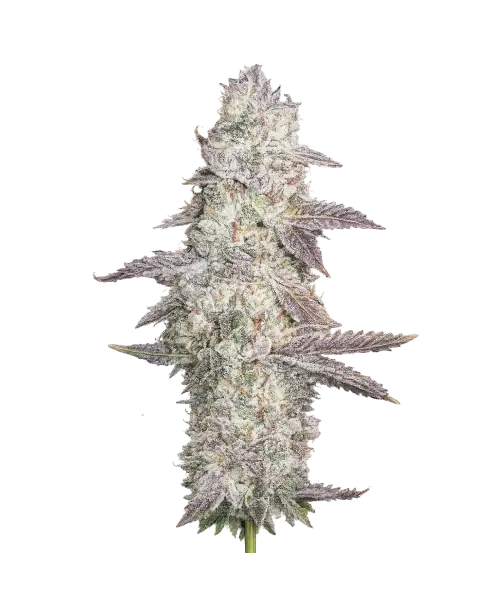
Kush Mints
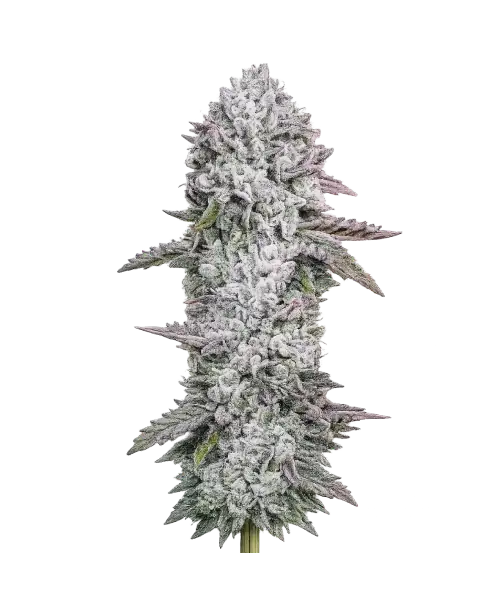

Gary Payton
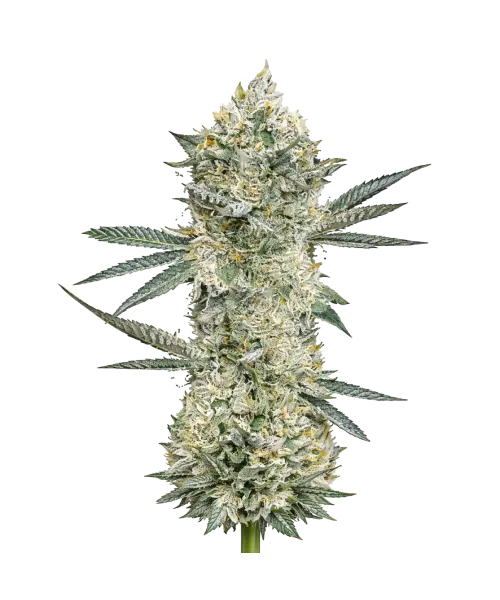

RS11
Usefull information and FAQ
- Are Apple Fritter seeds easy to grow?
Apple Fritter seeds are moderately easy but not fully beginner-proof. The plant is resilient, yet dense buds and higher nutrient demand require attention. Growers who monitor environment and feeding closely will get strong results, while neglecting airflow or nutrients can reduce quality quickly.
- How do Apple Fritter plants grow structurally?
Apple Fritter grows short and bushy with tight node spacing. This creates a compact canopy that can block light and airflow if unmanaged. Opening the plant early is key to avoid shaded bud sites and uneven development.
- What training works best for Apple Fritter plants?
Topping and low-stress training work extremely well. This strain responds strongly to canopy shaping, especially when done early in veg. SCROG setups are also effective, helping distribute light evenly across bud sites and improve overall yield.
- Does Apple Fritter need strong airflow?
Yes, airflow is critical. Dense foliage and buds can trap moisture, increasing the risk of powdery mildew and mold. Keeping air moving across and under the canopy helps maintain healthy development and prevents late-stage issues.
- How should you feed Apple Fritter plants?
Apple Fritter is a relatively hungry strain and responds well to steady feeding. However, pushing nutrients too aggressively can cause imbalances. Gradual increases and close observation work better than rigid schedules, especially during mid-to-late veg.
- What humidity levels work best for Apple Fritter?
Moderate humidity works in veg, but it should drop to around 40–50% during flowering. Lower humidity late in flower helps protect dense buds and improve resin quality. Stability matters more than aggressive environmental changes.
- Do Apple Fritter plants need support in flower?
Often yes. Buds become dense and heavy, especially under strong lighting. Using trellis nets or stakes helps maintain structure, prevents branch damage, and keeps the canopy evenly exposed to light.


