


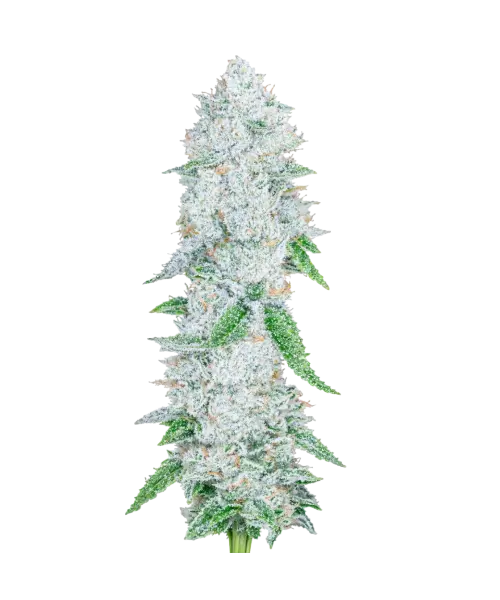

What Are Grape Ape Seeds?
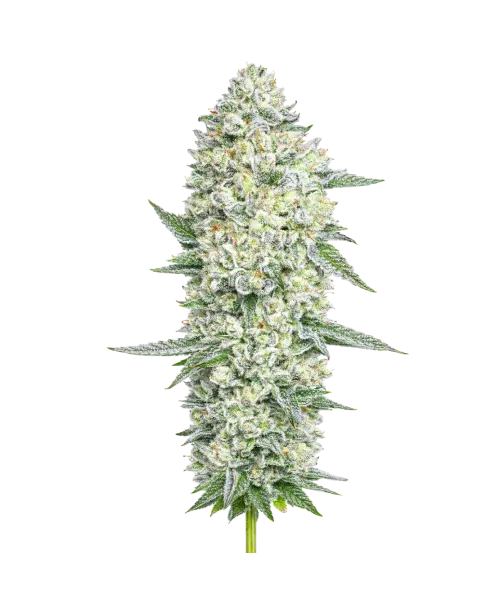
Grape Ape is a feminized seeds strain created from Afghani, Mendocino Purps, and Skunk genetics. The plant leans strongly indica and became popular for its compact growth, purple-tinged buds, and dependable THC levels that can reach roughly 25%. This lineage combines classic Afghan structure with the fruity terpene influence of its purple ancestors.
 EffectEuphoria, Happy, relax
 Indoor Yield / Outdoor Yield1.5-1.6 oz/ft² / 2-5 oz/plant
 THC / CBDUp to 25% / Up to 0.50%
 Genetics / GenderAfghani x Mendocino Purps x Skunk / FeminizedHarvest / FloweringFirst half of October / 9-10 weeksHeight30-40 inch
 FlavorFruity, Grapefruit, Piney, Spicy, Sweet
 Type90% Indica / 10% Sativa

FLAVORS & EFFECTS
A sweet grape aroma leads the profile, followed by berry and subtle earthy spice. Terpenes such as myrcene, caryophyllene, and pinene help shape a slow, body-centered effect that relaxes muscles while easing the mind into a calm, mellow state.

FRESH PINE
Clean pine needle aroma with bright green notes that evoke fresh mountain forests.

EARTHY FOREST
Deep earthy scent reminiscent of damp soil, moss, and fresh woodland air.

HERBAL SPICE
Green herbal fragrance layered with gentle spicy undertones and aromatic depth.

HONEY DRIZZLE
Golden honey aroma with smooth floral sweetness and a warm, natural richness.

RESTFUL SLEEP
A tranquil state that supports relaxation and prepares the body and mind for sleep.

COMFORTING CALM
A gentle, reassuring calm that brings emotional balance and inner ease.

EUPHORIC MINDSET
A heightened sense of joy and mental uplift that creates a bright and pleasurable outlook.

DEEP RELAXATION
A calming effect that helps release tension and promotes a deeply relaxed body and mind.
You may also like…
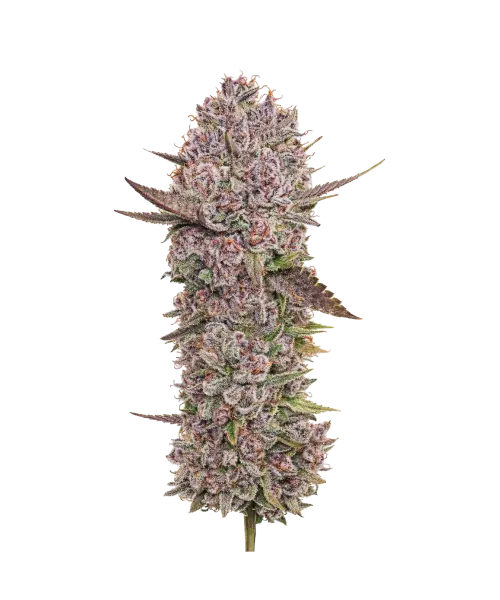
Blackberry Kush
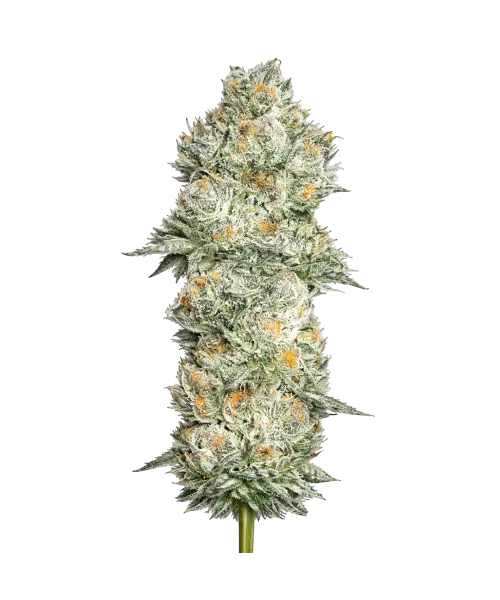


Biscotti
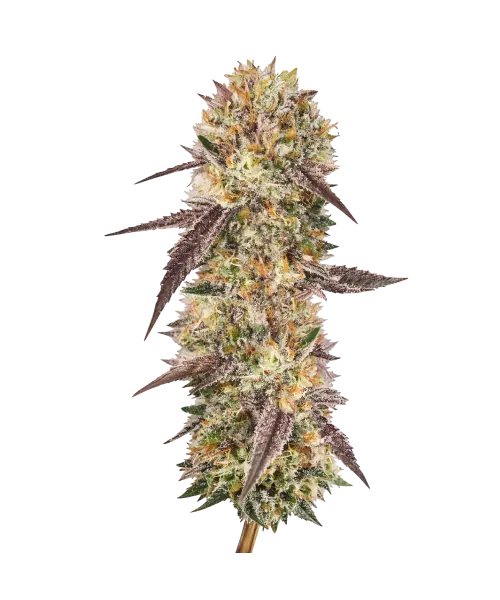
Purple Punch
Usefull information and FAQ
- Are Grape Ape seeds easy to grow?
Grape Ape seeds are considered easy to grow, especially compared to other dense indica strains. The plant is compact and resilient, but its thick buds require proper humidity and airflow control. Beginners can succeed, but attention to environment becomes important during flowering.
- How do you train Grape Ape plants?
Grape Ape responds very well to topping, low-stress training, and SCROG. Because it stays short and bushy, spreading the canopy horizontally improves light penetration and yield. Without training, inner bud sites remain shaded and airflow becomes restricted.
- Does Grape Ape need strong airflow?
Yes, strong airflow is essential. Grape Ape produces dense, compact buds that easily trap moisture, increasing mold risk. Consistent air circulation and proper ventilation are key to maintaining healthy plants and preserving bud quality.
- What’s the ideal humidity strategy?
Humidity should be reduced progressively throughout the grow. Around 60–70% in veg, then 40–50% in flowering, and closer to 30–40% near harvest works best. This helps prevent bud rot and improves resin production in dense colas.
- Do Grape Ape plants need support?
Yes, support is often necessary. The buds become heavy during late flowering and can bend or break branches. Using stakes or trellis nets helps maintain structure and ensures better light exposure across the canopy.
- What’s the biggest mistake growing Grape Ape?
Poor airflow and high humidity are the most common issues. Because of its dense bud structure, moisture buildup can quickly lead to mold. Another mistake is skipping pruning, which creates overcrowded canopies and reduces overall bud quality.
- Who should grow Grape Ape seeds?
Grape Ape seeds are ideal for growers looking for a compact, high-quality indica that performs well indoors. It suits beginners and experienced growers alike, especially those working with limited space but willing to manage airflow and humidity for dense, resin-rich results.


