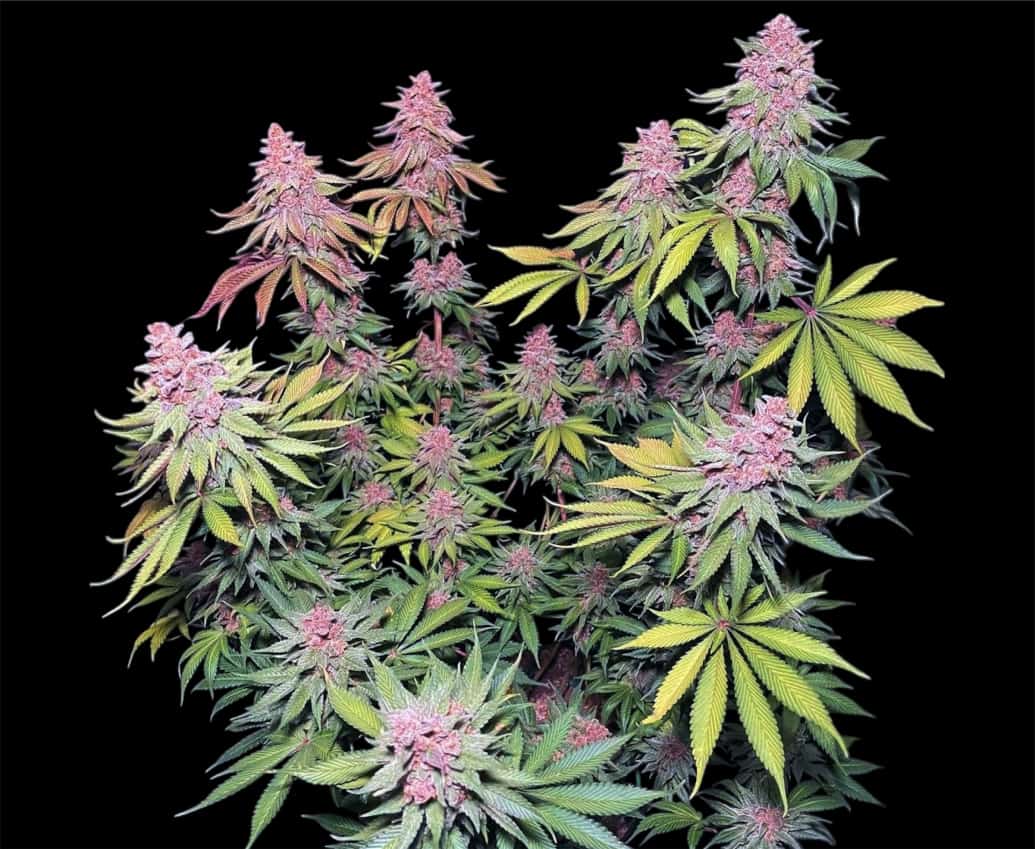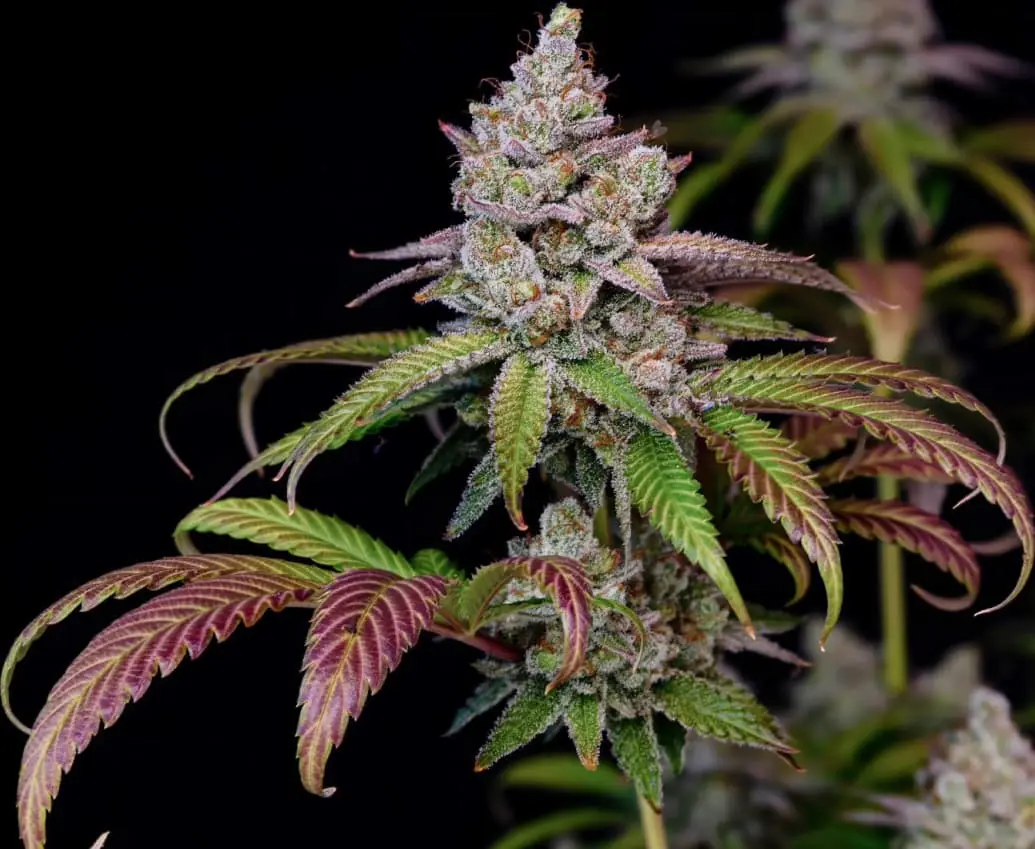
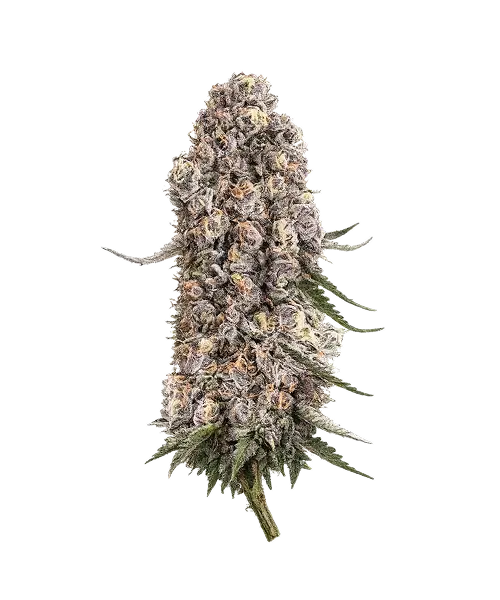

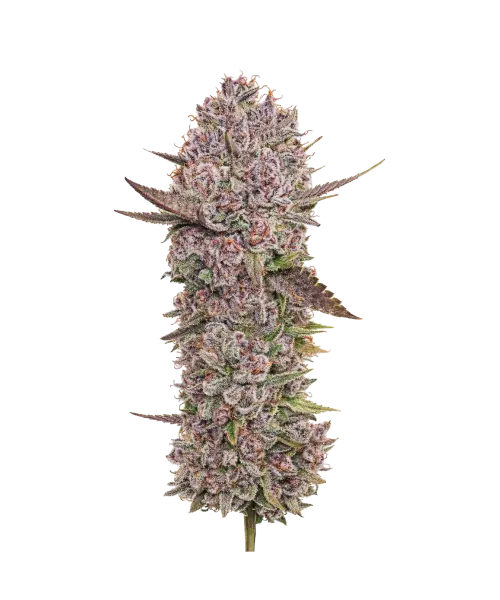
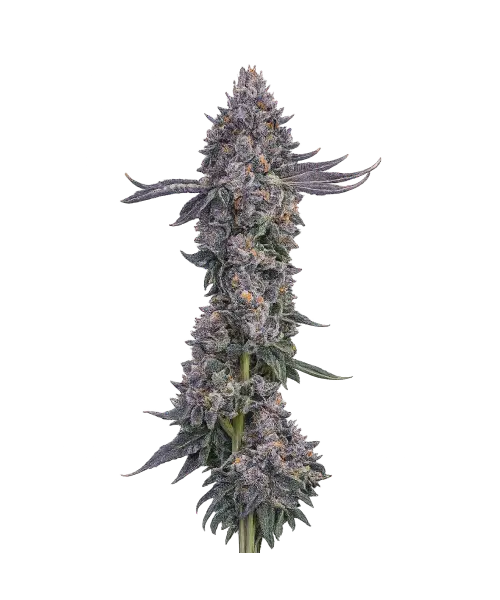
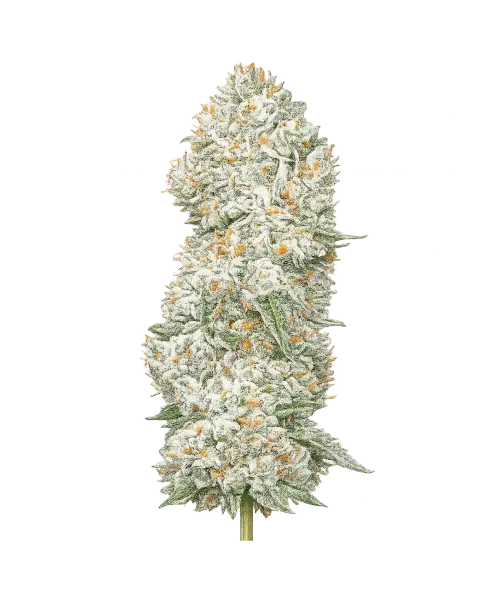

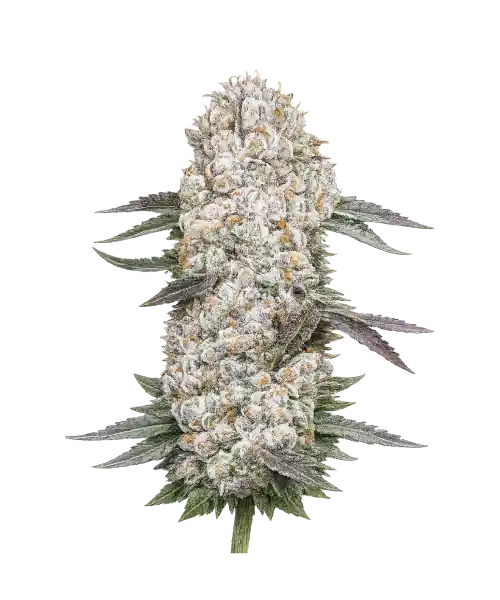
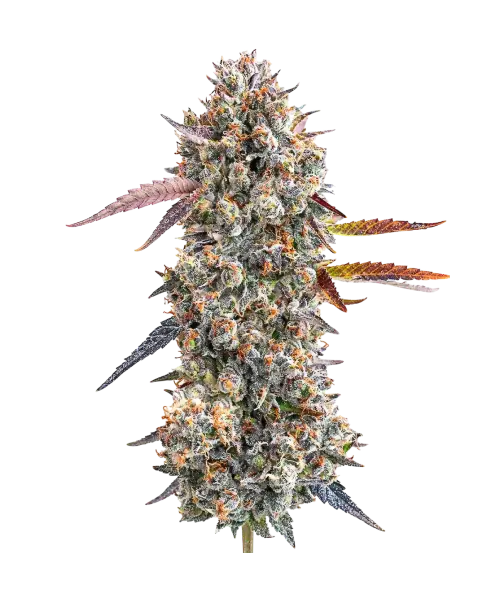

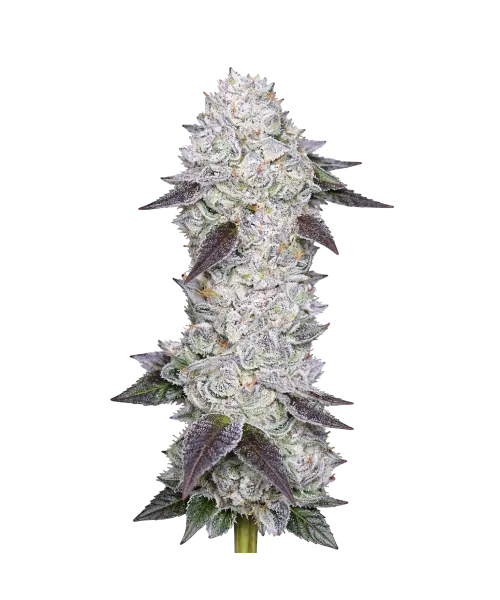

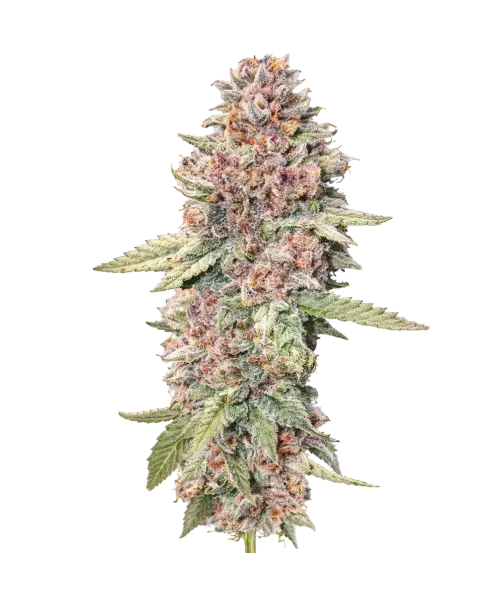

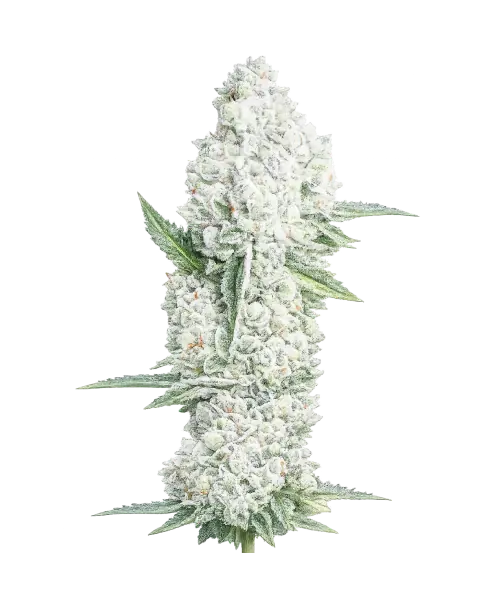
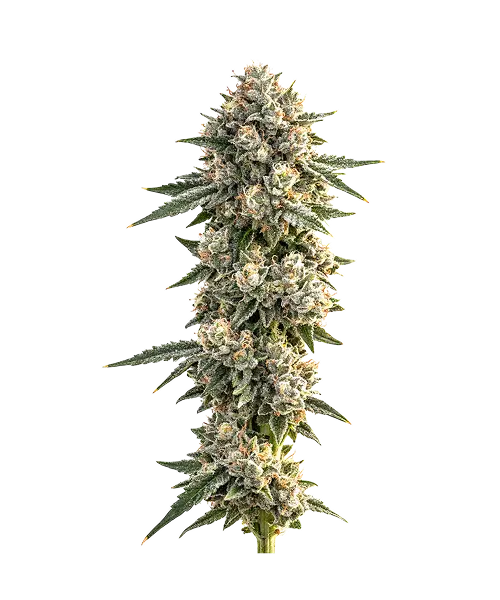

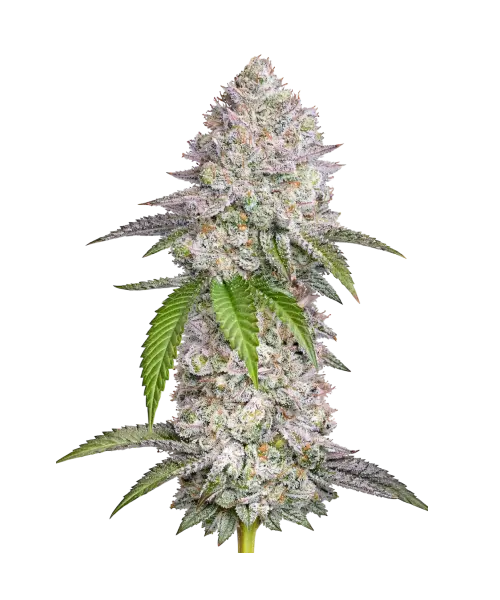

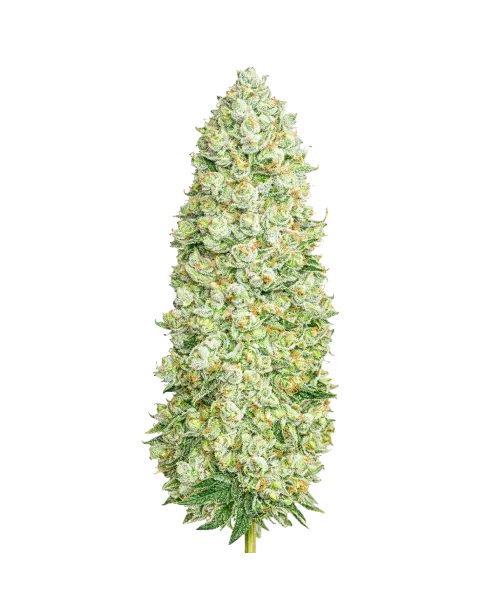
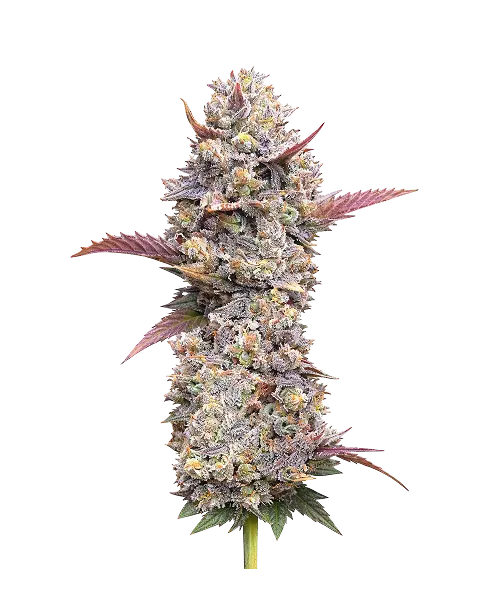

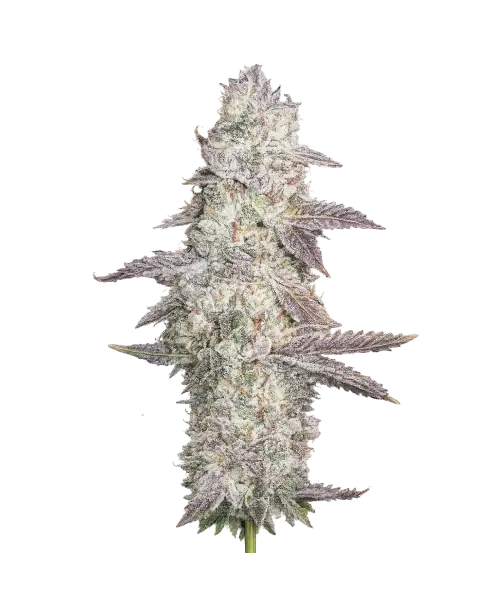
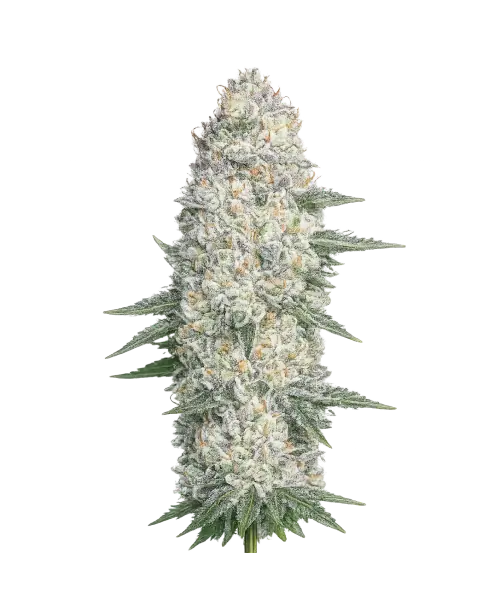
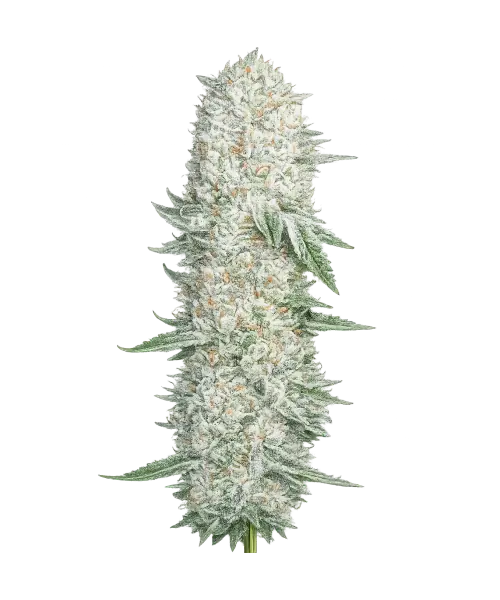
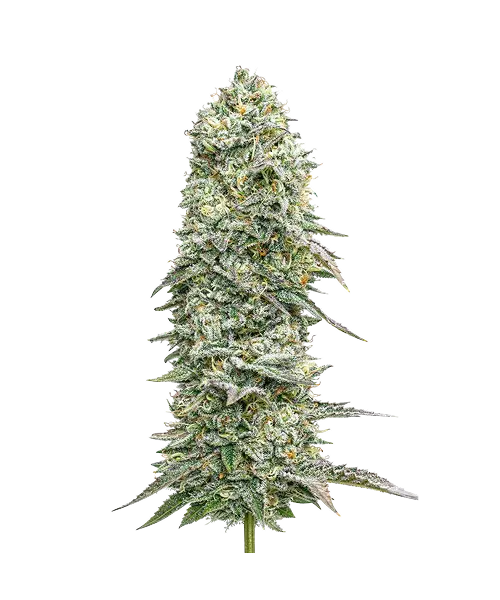
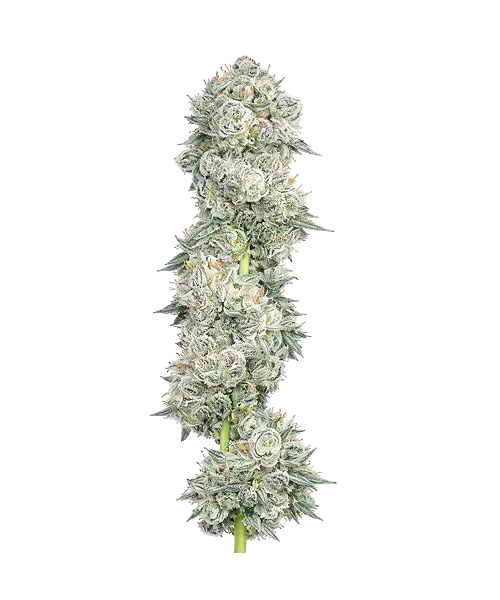
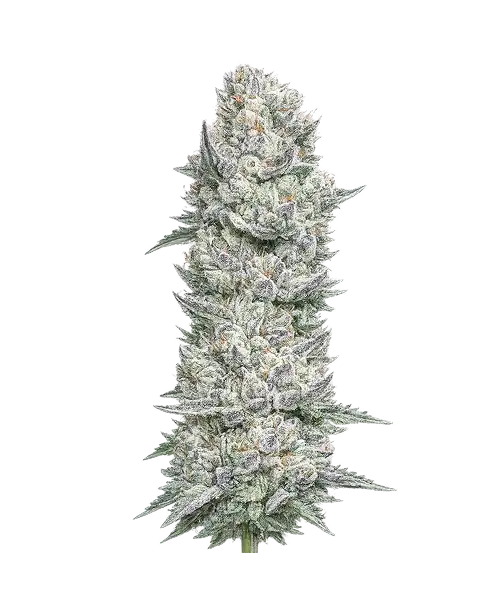
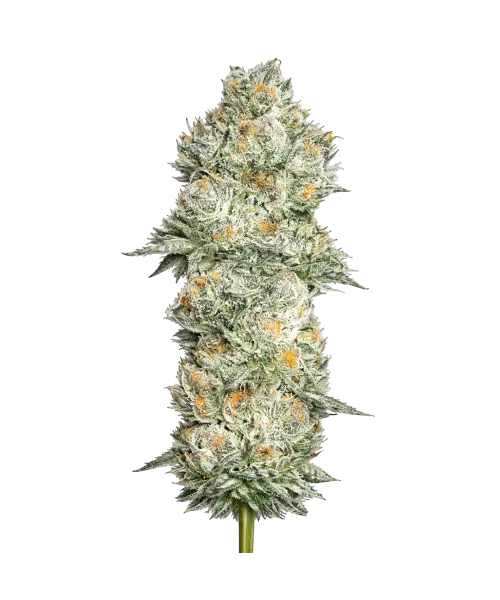

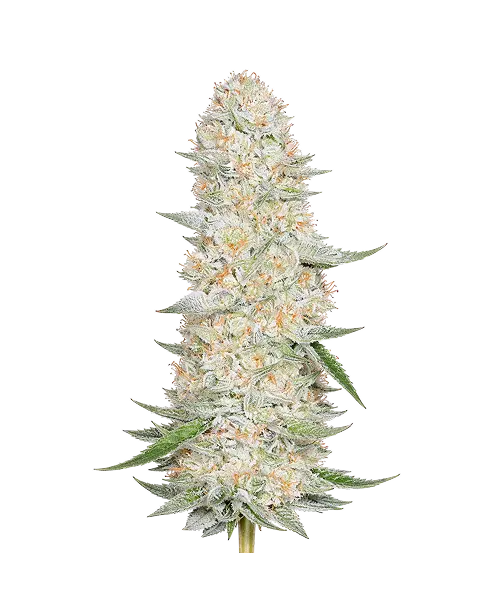

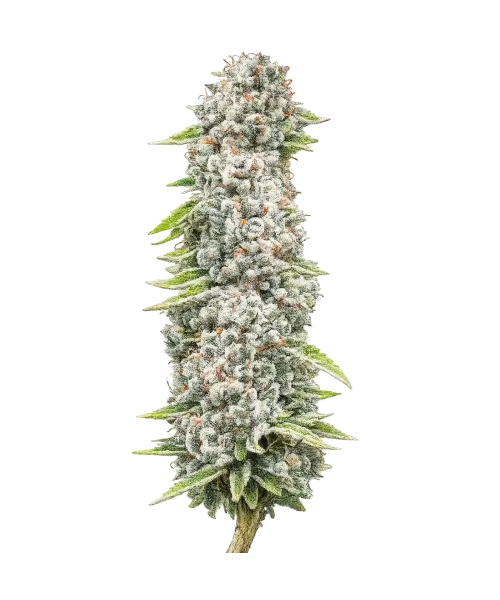
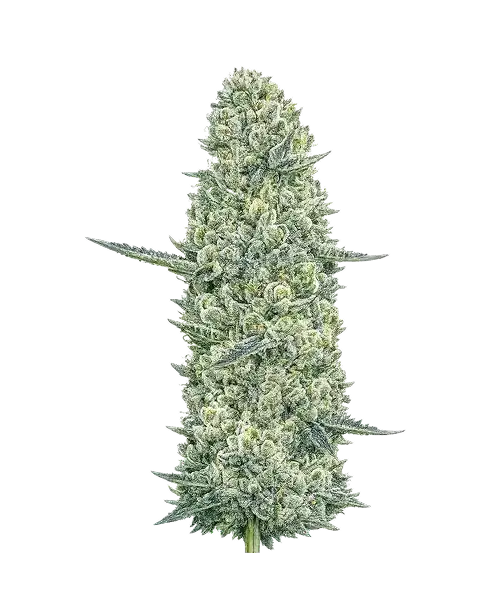
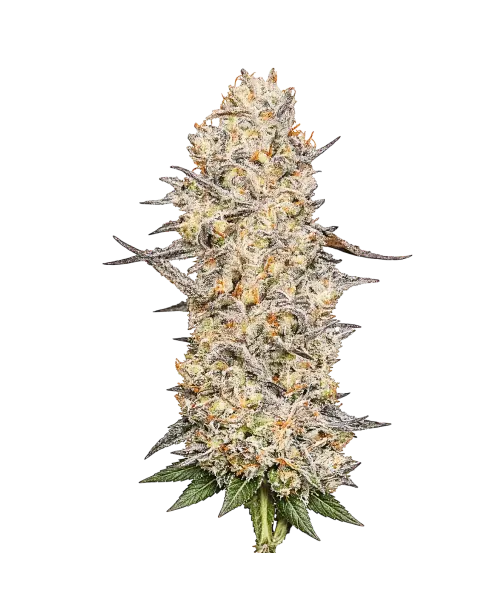
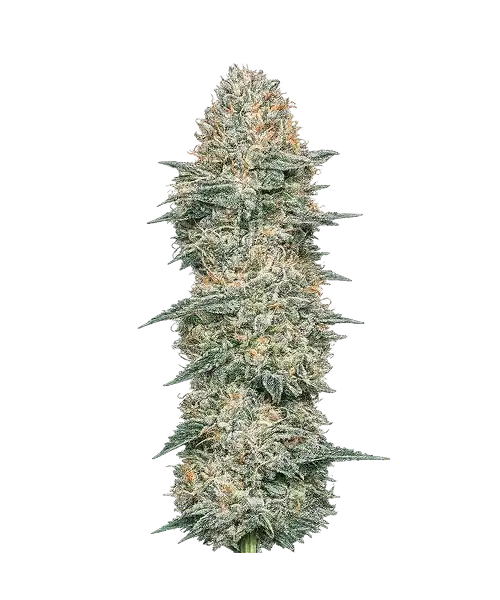
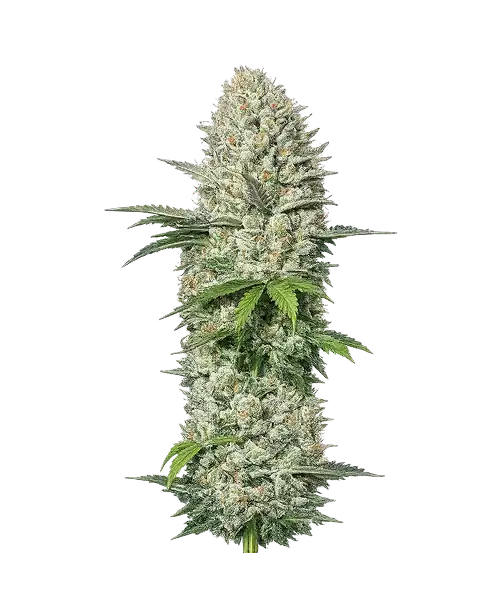
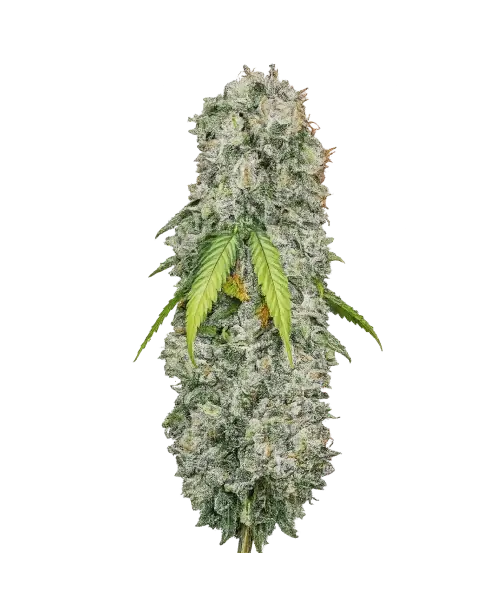
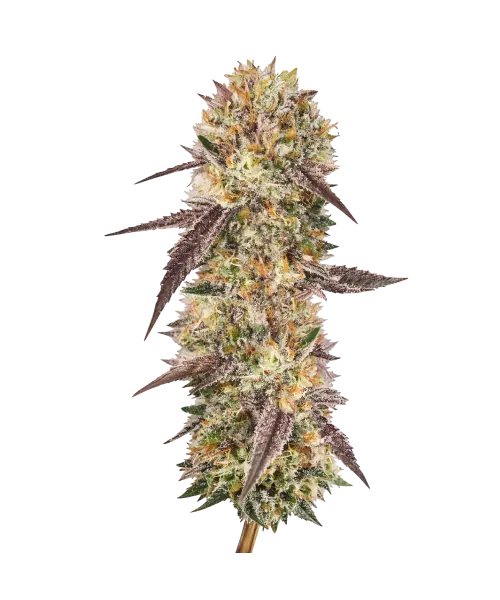
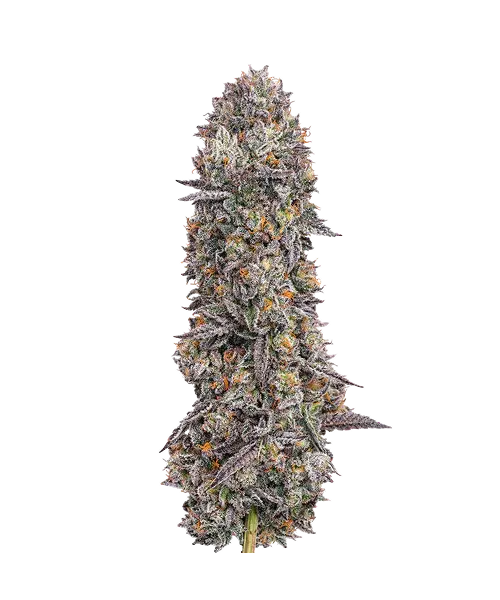
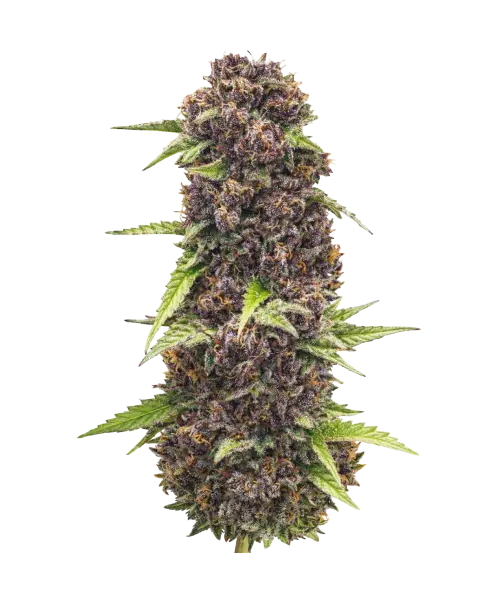
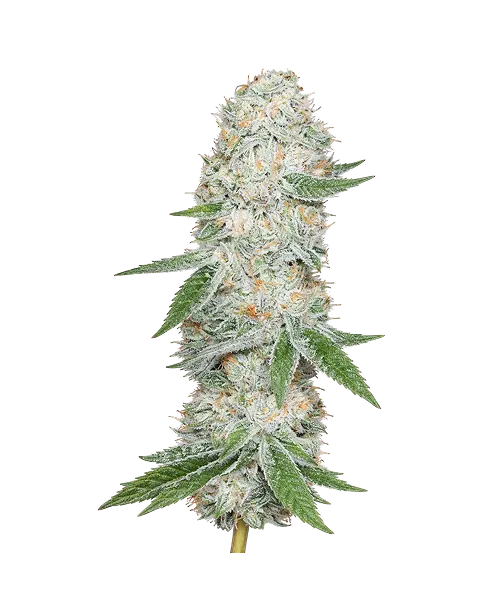
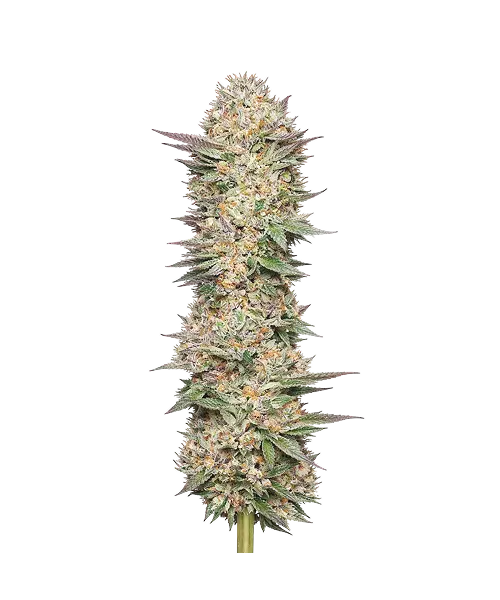
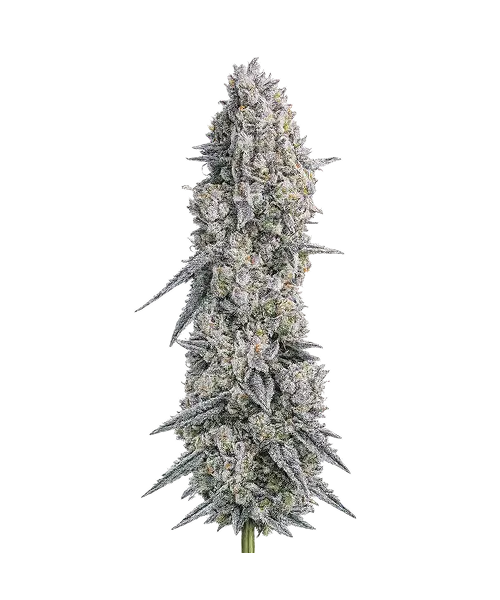
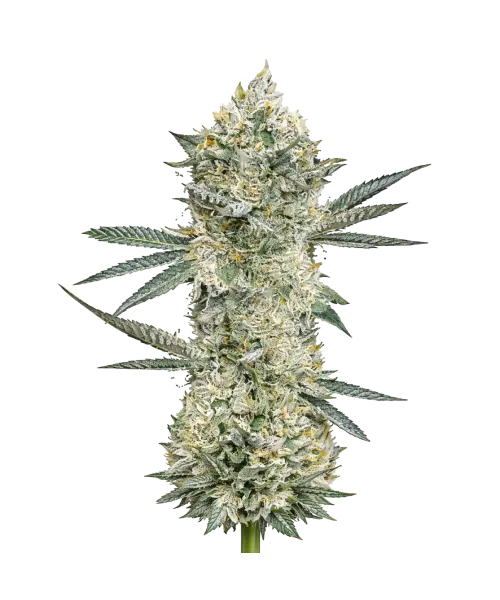
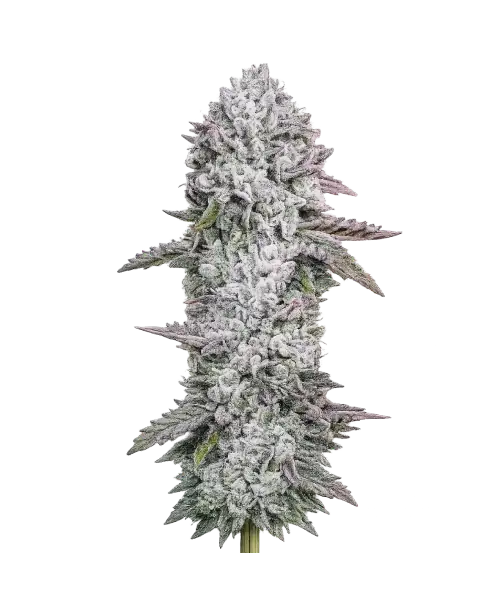
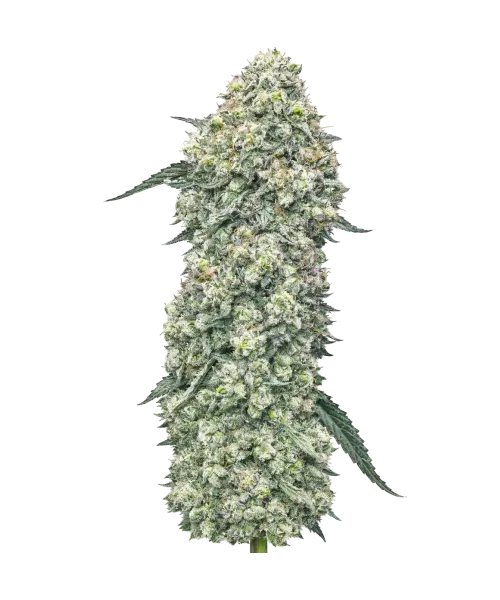
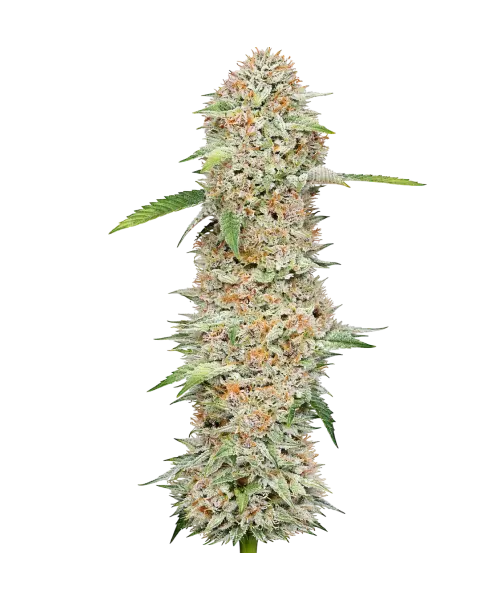
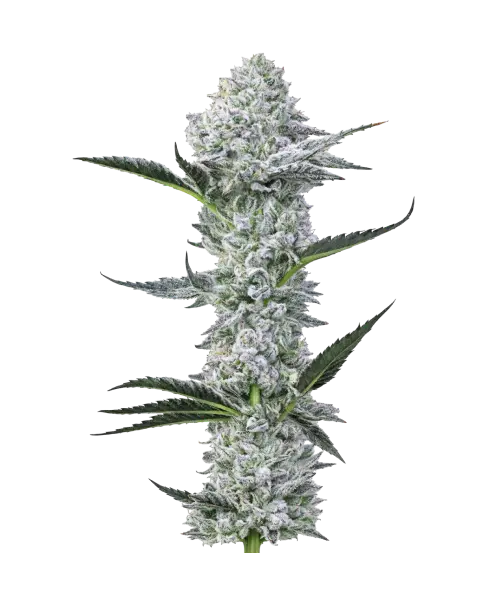
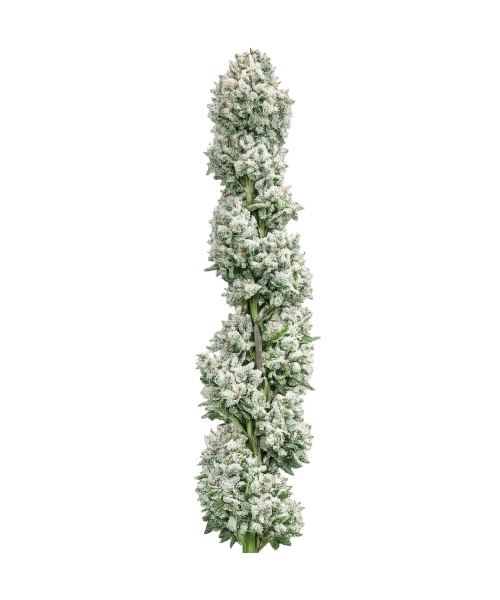
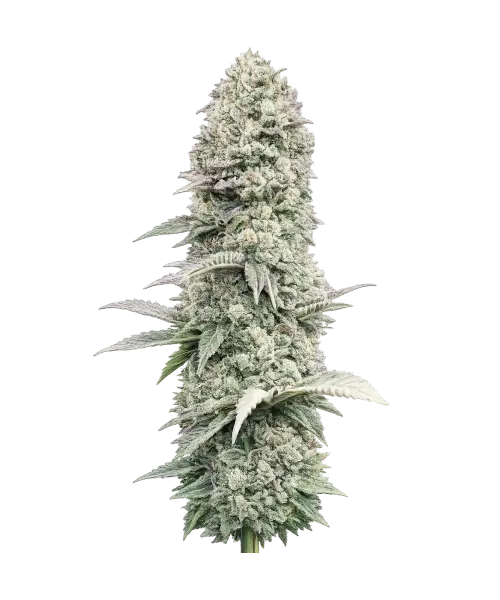
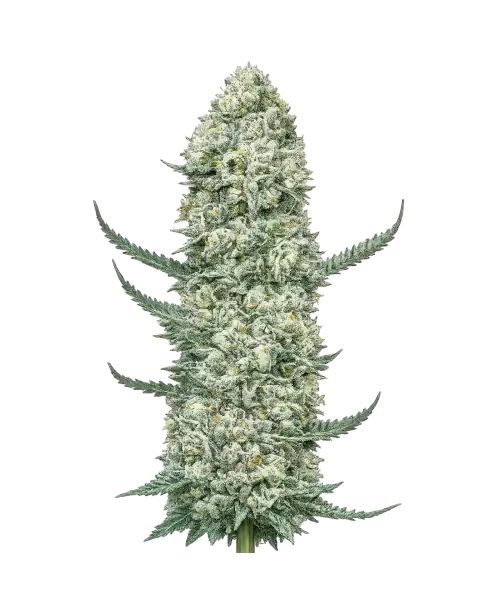
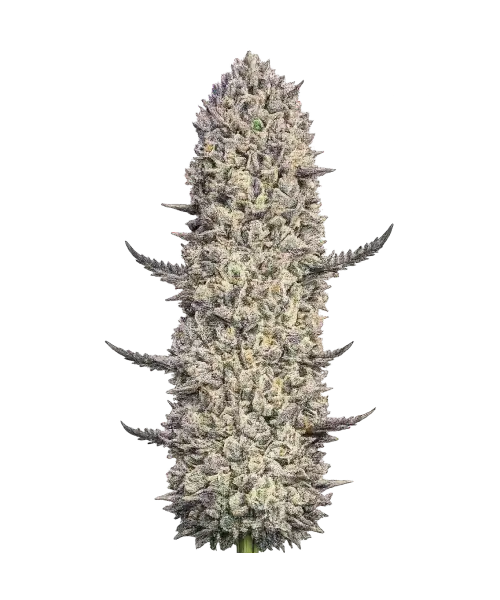
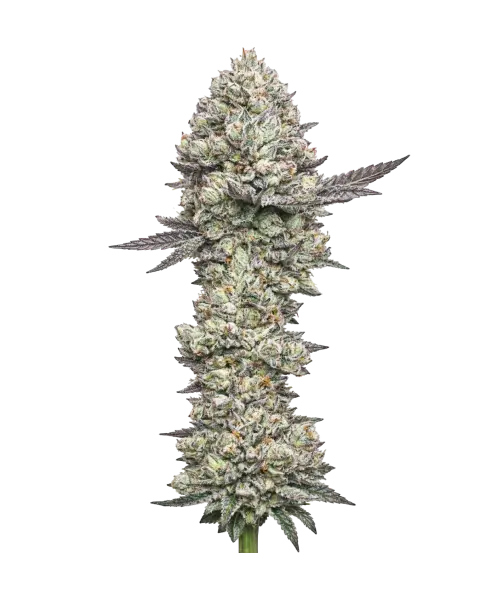

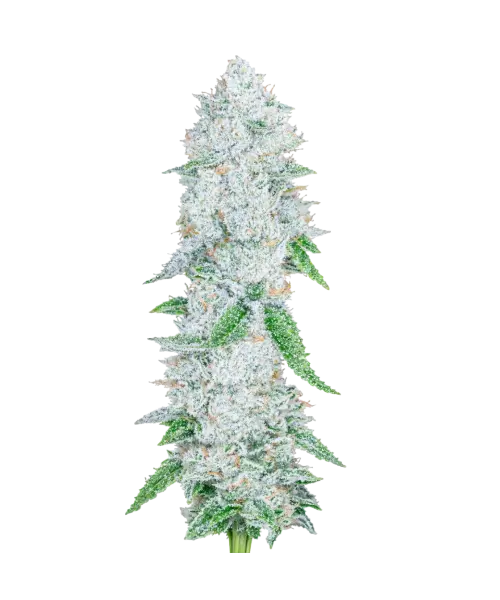
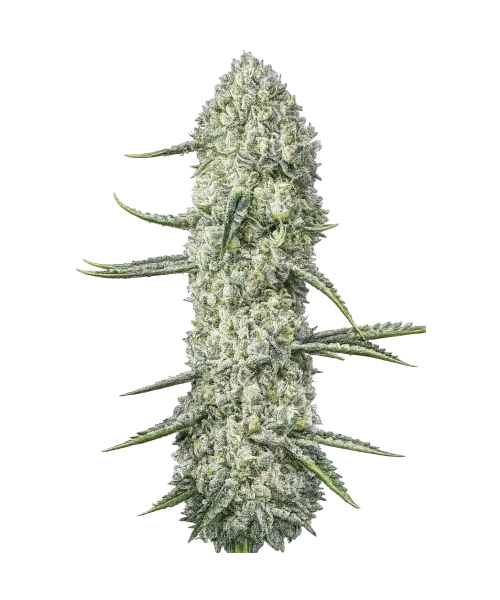
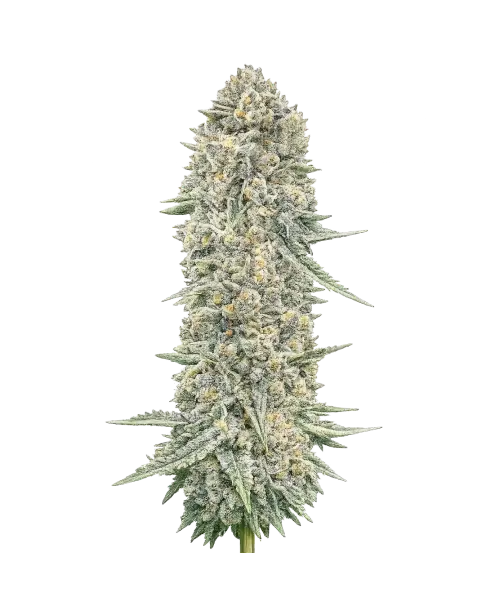
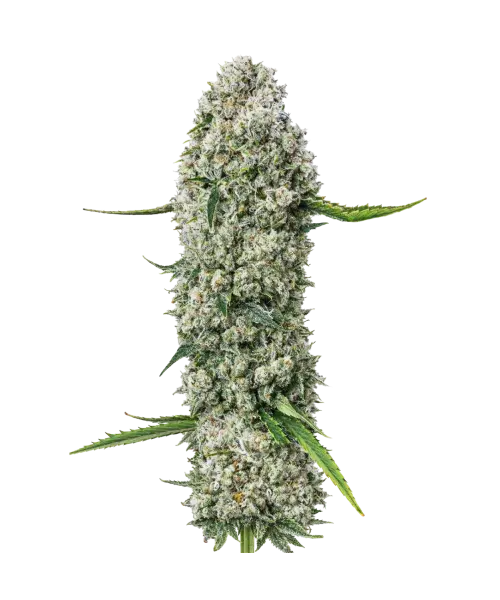
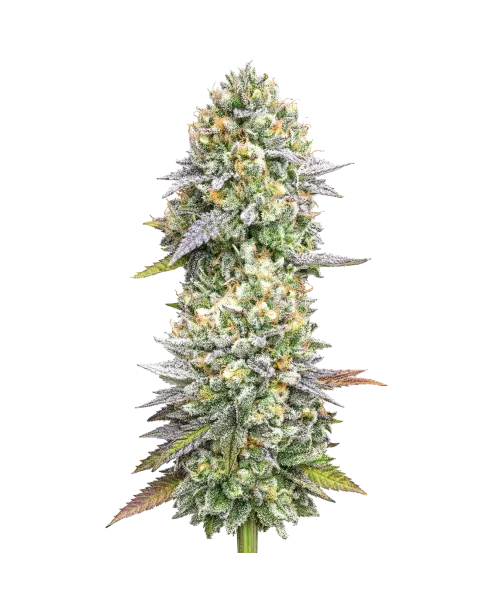
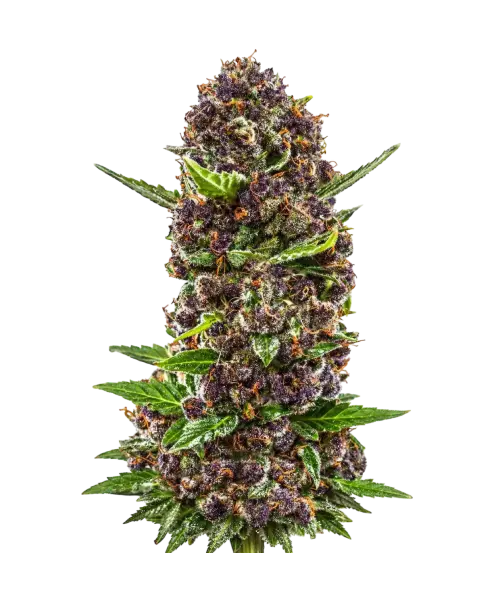
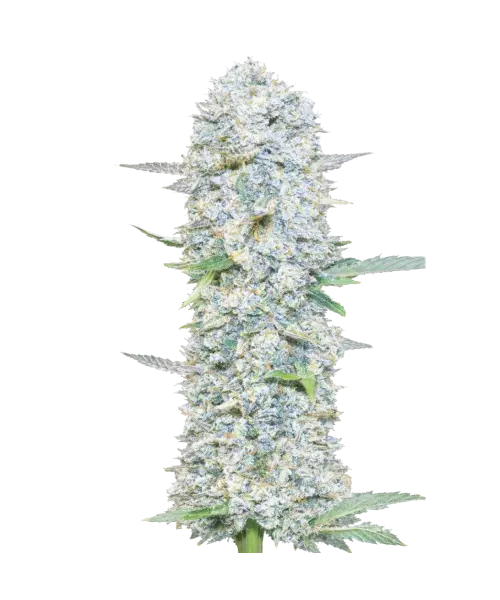
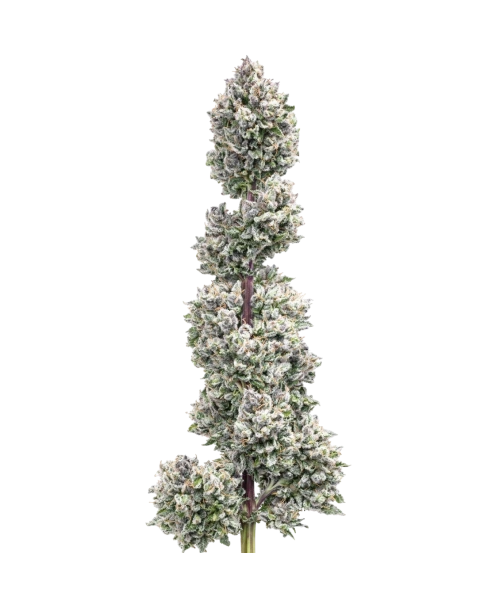
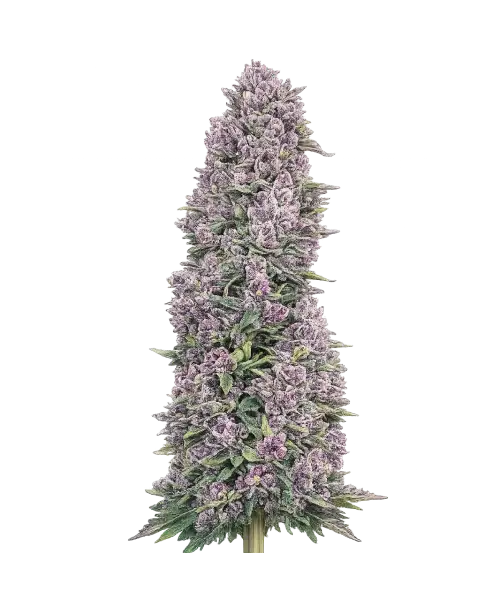
High THC seeds are bred to produce cannabis plants with exceptionally high levels of tetrahydrocannabinol (THC), the primary compound responsible for cannabis potency. Modern high THC seeds are the result of decades of selective breeding focused on increasing resin production, trichome density, and stable cannabinoid expression in elite cannabis genetics.
Many of today’s most potent cannabis strains come from a few influential breeding lines. Cookies, Gelato, OG Kush, and Runtz genetics have been repeatedly selected for dense trichome production and stable cannabinoid expression.
Modern breeders combine these lines to produce cultivars that consistently reach THC levels above 25–30% under optimal conditions.
THC levels vary between strains mainly because of genetics and selective breeding.
Cannabis plants produce cannabinoids inside glandular trichomes, the tiny resin glands that cover the flowers. Over decades, breeders have repeatedly selected plants that naturally produce more of these trichomes and higher concentrations of THC.
However, genetics only set the ceiling. Environmental conditions also influence how much THC a plant actually produces. High light intensity, stable temperatures, proper nutrient balance, and harvesting at peak ripeness all affect cannabinoid development. Even a strain with high THC genetics will produce lower potency if the plant is stressed or harvested too early.
THC is produced inside trichomes during the flowering stage, and their development depends heavily on the plant’s environment.
High light intensity drives photosynthesis and resin production, while stable temperatures (around 20–26°C) help enzymes involved in cannabinoid synthesis function properly. Good airflow reduces humidity around the buds, lowering the risk of mold and allowing trichomes to mature fully.
Harvest timing also plays a key role. THC reaches its peak when most trichomes turn milky white, before they begin to degrade into other cannabinoids. When these environmental factors are optimized, high-THC genetics can express their full cannabinoid potential.
Maximizing THC begins with strong genetics, but cultivation practices also play a major role.
During flowering, high light intensity helps drive photosynthesis and supports resin development. Maintaining stable temperatures (around 20–26°C) and moderate humidity allows trichomes to mature without stress or mold risk.
Nutrient balance is also important, especially adequate phosphorus and potassium during flowering.
Finally, harvesting at the right moment when most trichomes appear milky rather than clear. This helps capture peak THC levels before the compound begins to degrade.
Some growers supplement their lighting with UV-B wavelengths during the final weeks of flowering. UV-B light (around 280–315 nm) acts as a stress signal for cannabis plants, which can stimulate additional trichome production as a natural protective response.
When used carefully for short daily periods late in flowering, this technique can increase resin development on certain strains.
Lower night temperatures near the end of flowering can signal to the plant that the growing season is ending. This environmental cue often triggers increased resin production as the plant finishes its life cycle.
Many growers slightly reduce night temperatures during the final days of flowering to encourage stronger terpene and trichome expression.
To capture peak THC levels, most growers follow the 80/20 trichome rule. This means harvesting when roughly 80% of the trichomes appear milky or cloudy and about 20% have started turning amber.
Because lighting and environment can influence trichome development, experienced growers rely on a jeweler’s loupe or digital microscope rather than calendar timing. Checking resin glands directly is the most reliable way to determine when a high-potency strain is ready for harvest.
Yes, Hypno Seeds autoflower genetics can produce surprisingly high THC levels. Many autoflower strains now reach around 20–25% THC while still completing their full life cycle in about 9–11 weeks from seed.
Examples include Spicy Pupusa Auto, Z Auto, and Pink Wasabi Auto, which combine fast growth with strong cannabinoid potential.
Because they flower automatically after a few weeks of vegetative growth, autoflowers are especially popular for beginners, small grow spaces, and growers who want multiple harvests per year.
Some high THC strains are stable and forgiving, making them suitable for new growers. Beginner-friendly feminized strains include Gruntz, Zookies, and Do Si Dos, which combine strong potency with reliable growth and flowering times around 8–10 weeks.
For a simpler cultivation cycle, autoflower strains like Rainbow Runtz Auto, Juicy Pussy Auto, and Crystal Ball Auto are also good options. They begin flowering automatically and typically finish about 8–10 weeks after germination.
Not necessarily.
While THC plays a major role in potency, the overall experience also depends on the plant’s terpene profile and cannabinoid balance. Two strains with similar THC levels can produce very different effects depending on their terpene composition and genetic background.
Yes, under the 2018 Farm Bill, hemp products containing less than 0.3% delta-9 THC are federally legal.
Since cannabis seeds naturally contain only trace amounts of THC, they are generally treated as hemp products at the federal level.
However, it is important to understand that state laws regulate cannabis cultivation. While seeds themselves may be legal to possess, germinating and growing cannabis plants must comply with the laws of your state.
Recent federal legislation passed in 2025 may change how cannabis seeds are classified in the future. The new law narrows the federal definition of hemp and states that seeds derived from plants capable of producing more than 0.3% total THC may no longer qualify as hemp, with changes expected to take effect in November 2026.
Modern cannabis genetics can reach 25–35% THC under optimal growing conditions, although results vary depending on cultivation techniques and environmental control. While some laboratory tests report extremely high numbers, experienced growers focus on overall plant health and resin development rather than chasing THC percentages alone