


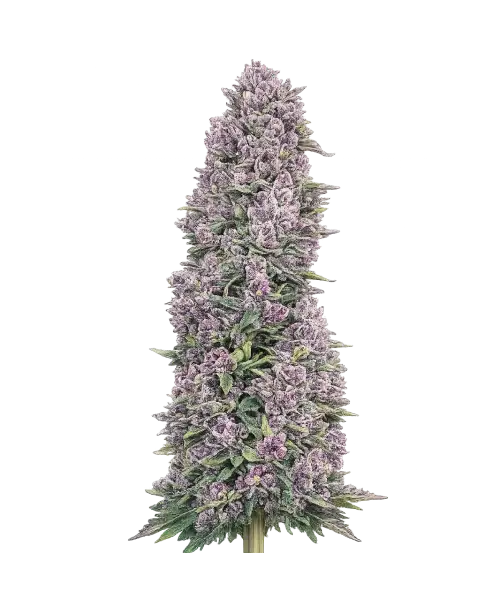

What Are Papaya Autoflower Seeds?
Papaya Autoflower combines Papaya with Strawberry Banana and ruderalis, creating a fast-finishing autoflower strain. The variety grows as a 70% indica / 30% sativa plant with THC levels around 25%, completing its life cycle in about nine weeks while producing compact, terpene-rich buds that are easy to cultivate.
 EffectCreative, Euphoria, Happy
 Indoor Yield / Outdoor Yield1.3-2 oz/ft² / 2.1-7.4 oz/plant
 THC / CBDUp to 25% / Up to 0.50%
 Genetics / GenderPapaya x Strawberry Banana x Ruderalis / FeminizedHarvest / FloweringEnd of September, Start of October / 9 weeks from germinationHeight27-55 inch
 FlavorCaramel, Earthy, Manila Mango, Sweet
 Type70% Indica / 30% Sativa

FLAVORS & EFFECTS
Sweet tropical papaya and mango notes mix with caramel and light earthiness, a flavor profile largely influenced by myrcene, limonene, and caryophyllene. The overall experience often brings a happy, creative uplift paired with smooth physical relaxation.

TROPICAL MANGO
Juicy tropical aroma with rich mango sweetness and smooth exotic fruit undertones.

EARTHY FOREST
Deep earthy scent reminiscent of damp soil, moss, and fresh woodland air.

TANGERINE
Sweet citrus fragrance with smooth, juicy undertones that feel warm and uplifting.

SWEET MELON
Light and refreshing melon fragrance with soft sweetness and a clean finish.

COMFORTING CALM
A gentle, reassuring calm that brings emotional balance and inner ease.

RESTFUL SLEEP
A tranquil state that supports relaxation and prepares the body and mind for sleep.

CREATIVE FLOW
A smooth stream of thoughts and imagination that supports artistic expression and problem-solving.

STRESS RELEASE
A soothing sensation that helps reduce mental pressure and encourages a calmer state.
Papaya Auto Grown by our customers


Papaya Auto
December 6, 2023အရသာကော အနံကော မျိုးကရှယ်ပါပဲခင်ဗျာ။ Awesome Genetics ☮
Papaya Auto
December 8, 2023👍👍
Papaya Auto
February 29, 2024My favorite auto, although I’m not usually a fan of autos. They recommended I try Hypnos auto, and honestly, I will definitely grow this strain again. Great taste and big, crystalline buds.
You may also like…

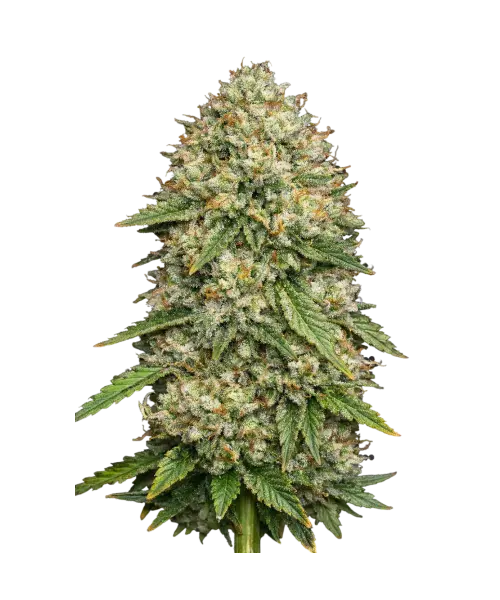

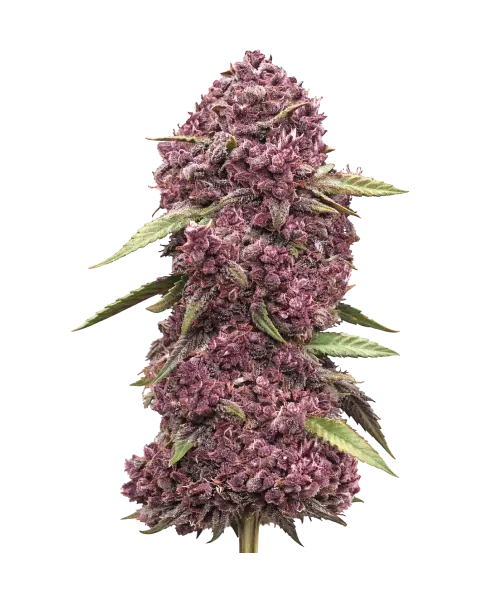

Red Pistachio Auto


Usefull information and FAQ
- Are Papaya Auto seeds beginner-friendly?
Papaya Auto seeds are beginner-friendly, but they reward precision. The plant grows fast and doesn’t have time to recover from mistakes. If you keep watering, light, and environment stable from day one, it performs very well. Early stress is the main reason yields drop with this strain.
- Should you transplant Papaya Auto plants?
It’s best to plant Papaya Auto seeds directly into the final pot. Autoflowers don’t tolerate root disturbance well, and transplant shock slows early growth. Because the lifecycle is short, any delay in root development directly reduces final plant size and yield.
- What training works best for Papaya Auto?
Low-stress training is the safest approach. Gently bending branches early improves light distribution and increases bud sites. Avoid topping unless timing is perfect, as autos don’t have enough recovery time. Simple canopy shaping consistently outperforms aggressive techniques.
- What humidity levels work best for Papaya Auto?
Start around 50–60% in early growth, then reduce to 40–50% during flowering. Lower humidity late in flower helps protect dense buds and improves resin quality. Stability matters more than aggressive environmental changes.
- Does Papaya Auto need strong airflow?
Yes, airflow is essential. Despite its compact size, Papaya Auto produces dense, resin-rich buds that can trap moisture. Constant air movement across the canopy helps prevent mold and keeps bud development clean, especially during the final weeks.
- How should you water Papaya Auto plants?
Water lightly but consistently. Overwatering early is one of the most common mistakes and can stunt growth permanently. Let the medium dry slightly between watering to encourage strong root development and faster overall growth.
- How do you maximize Papaya Auto terpene quality?
Focus on stability and finishing properly. Keep temperature and humidity consistent, avoid overfeeding, and dry slowly after harvest. Papaya genetics are very terpene-rich, but poor drying or rushed curing will noticeably reduce aroma and flavor quality.


