


So, which sativa seeds actually survive Arizona and Texas heat? The answer: landrace-rooted lines from sunny regions, such as Durban Poison and Acapulco Gold; faster-finishing sativa-dominant strains like Green Crack; and sativa autoflowers like Amnesia Haze Auto that can be timed around peak heat. Genetics are only half the answer, though. In Arizona and Texas, outdoor sativa harvests are usually won or lost in the root zone and the planting calendar. Plants from a stable, predictable pack matter when a heat wave leaves little room for error. That consistency is what separates a reliable grow from a gamble.
TL;DR
- Sativas handle dry heat better than most dense-budded plants, but they still show heat stress and lower yields during sustained extreme heat.
- Arizona’s main problem is dry heat and fast evaporation. Central and East Texas add humidity and bud rot risk. Pick traits for your microclimate, not the state name.
- Strong picks: Durban Poison, Acapulco Gold, Green Crack, Super Lemon Haze and Amnesia Haze Auto.
- A sativa’s long flowering time works in your favor in the South: buds finish in fall, after the worst heat breaks.
- Protect roots first. Use in-ground beds or light-colored fabric pots, mulch heavily and water early in the morning.
About the Author: This guide draws on in-house breeding over multiple generations, including germination trials run every 30 days on every batch. It reflects how sativa lines behave from seed onward.
A heat-suited sativa is one whose structure lets it shed heat and move air, which is why genetics are the first filter for Arizona and Texas growers. The key traits:
- Narrow leaves: Less leaf surface catches direct sun, and the gaps between leaflets let heat escape.
- Equatorial lineage: Many sativas descend from hot, sunny regions and show natural drought tolerance.
- Airy, elongated colas: Looser buds dry faster after rain or dew, which lowers bud rot risk in humid areas.
- Tall, open frame: Space between branches keeps air moving through the canopy.
Think of a sativa canopy as a slatted fence and a dense, bushy plant as a solid wall. Wind passes through the slats and carries heat and moisture away. Against a wall, it just stalls.
Sativas still experience heat stress and reduced yields in sustained extreme heat, and Arizona summers deliver that routinely. Heat-tolerant means heat-tolerant, not heatproof.
The sativa label describes plant structure and growth habit, not potency. Sativa and indica labels describe how a plant grows, not what its flower will test at. Choose a sativa or a sativa-leaning hybrid for how it grows in your climate.
Building on those traits, the next question is which ones matter most where you live, because Arizona and Texas are not one climate. Between them, the two states cover arid, semi-arid and humid subtropical conditions, spanning USDA hardiness zones four through ten.
| Region | Conditions | Main challenge | Trait to prioritize |
|---|---|---|---|
| Low-desert Arizona | Arid, intense sun, low humidity | Extreme heat, soil drying out fast | Drought tolerance, vigor |
| High-elevation Arizona | Semi-arid, cooler nights | Shorter season, early cold | Faster finish or autoflower |
| West Texas | Arid to semi-arid, windy | Dry heat, wind damage | Sturdy branching, drought tolerance |
| Central and East Texas | Humid subtropical | Heat plus humidity, pests | Airy bud structure, airflow |
💡 Pro Tip: Statewide averages hide the real problem. A statewide summer average blends cool nights and mild regions into one number. Put a simple min/max thermometer in your actual grow spot and plan around its afternoon highs.
With the regional picture in place, these five lines match the trait list above. Each one follows the same breakdown: why it fits, what to watch, and where it does best. Starting from feminized seeds also helps, since you won’t lose a hard-won hot-weather season to male plants.
- Why it fits: South African landrace sativa with a lean frame and a faster finish than most pure sativas.
- Watch out: It stretches hard in early flowering, so stake it before wind does the pruning for you.
- Best for: Low-desert Arizona and West Texas.
- Why it fits: Landrace roots in coastal Mexico, a classic open sativa structure.
- Watch out: Tall and patient. Give it room and a long season.
- Best for: Long-season growers anywhere in either state.
- Why it fits: Sativa-dominant and vigorous, with a quicker finish than haze lines. A shorter flowering window means fewer weeks exposed to fall storms.
- Watch out: Thin interior growth in humid areas so air reaches the inner colas.
- Best for: Central and East Texas.
- Why it fits: A Lemon Skunk and Super Silver Haze cross with the loose, spear-shaped colas that shrug off humidity better than dense buds.
- Watch out: Long flowering and serious height. Plan for both.
- Best for: Humid regions with a long, frost-free fall.
- Why it fits: It flowers by age, not day length, so you can run a spring crop that finishes before peak heat, or a second crop as summer fades.
- Watch out: Autos have a short vegetative phase and little time to recover, so avoid transplant shock and heavy stress.
- Best for: Beginners and high-elevation Arizona.
Choosing the right strain only pays off if it goes outside at the right moment, and in the South, timing depends on day length as much as heat. Daylight in Arizona and Texas peaks at roughly 14.5 hours around the summer solstice, which is shorter than in northern states. Photoperiod plants set out too early in spring can read those shorter days as a flowering signal, start budding, then stall.
- Start photoperiod sativas indoors and move them outside once days have lengthened in late spring.
- Let them grow vegetatively through summer, when heat does less damage than it would during bud development.
- Flowering starts as days shorten after the solstice. Sativas usually need 10 weeks or more, so buds finish in fall as temperatures ease.
- For autoflowers, plant early spring or late summer to sidestep the hottest stretch.
Cannabis cultivation laws differ by state and locality, so check and follow your own before germinating any seeds.
💡 Pro Tip: Count backward from when your fall rains or first cold snap usually arrive. If a 10-plus week flowering window doesn’t fit, go with a faster finisher or an auto.
Even a well-timed sativa will spend weeks in serious heat, and the root zone is where most hot-climate grows quietly fail. A black plastic pot in full sun works like a car parked in July: the dark surface absorbs sunlight and traps the heat inside, and roots can’t move to escape it.
| Practice | Why it works |
|---|---|
| Plant in-ground or use light-colored fabric pots | Soil mass buffers temperature swings; fabric breathes and cools through evaporation |
| Mulch heavily | Shades the soil surface and slows moisture loss |
| Shade cloth on the west side | Cuts the harshest afternoon sun during peak hours |
| Water early in the morning | Plants are hydrated before heat arrives, with less loss to evaporation |
| Feed lightly during heat waves | Stressed roots handle nutrients poorly, so burn becomes more likely |
| Thin inner foliage in humid areas | Better airflow lowers the risk of bud rot |
💡 Pro Tip: Touch the side of your container mid-afternoon. If you can’t comfortably keep your hand there, your roots are cooking.
Are sativas better than indicas for hot climates?
Usually, yes. Their open structure and narrow leaves handle heat and humidity better than dense, broad-leaf plants, which are more prone to bud rot in humid Texas.
Can sativa plants survive 110°F days?
Healthy plants with shade, cool roots and steady water can ride out short spells. Growth slows, though, and yields typically drop during long stretches of extreme heat.
Is an autoflower sativa a good choice in Arizona?
Yes, especially for beginners. Autos like Amnesia Haze Auto can be timed to finish before or after peak heat.
How tall do outdoor sativas get?
Taller than indicas and most hybrids. Final height depends on season length, container size and training, so plan for vertical space.
Does heat affect how potent the final plant is?
It can. A high-THC strain expresses its potential only when conditions allow. Potency depends on both genetics and grow conditions, and prolonged heat stress during flowering can hold a plant back.
How quickly do orders arrive?
Orders are dispatched within 24 hours from Las Vegas, NV, and typically arrive in 2 to 5 business days with tracking.
Hypno Seeds is a US cannabis breeder that develops and stabilizes its own genetics in-house over multiple generations instead of reselling third-party stock. Every batch is germination-tested every 30 days, any batch below a 95% success rate is pulled from inventory, and every seed is hand-inspected for maturity and shell integrity. Orders ship from a climate-controlled warehouse in Las Vegas, a city that knows a thing or two about dry heat. For hot-climate growers, that means stabilized sativa lines that grow predictably when the margins are thin.
When choosing sativa genetics for your next outdoor season, the full catalog lets you compare lines side by side. Sometimes the best outdoor grow works with your climate and calendar, not against it.


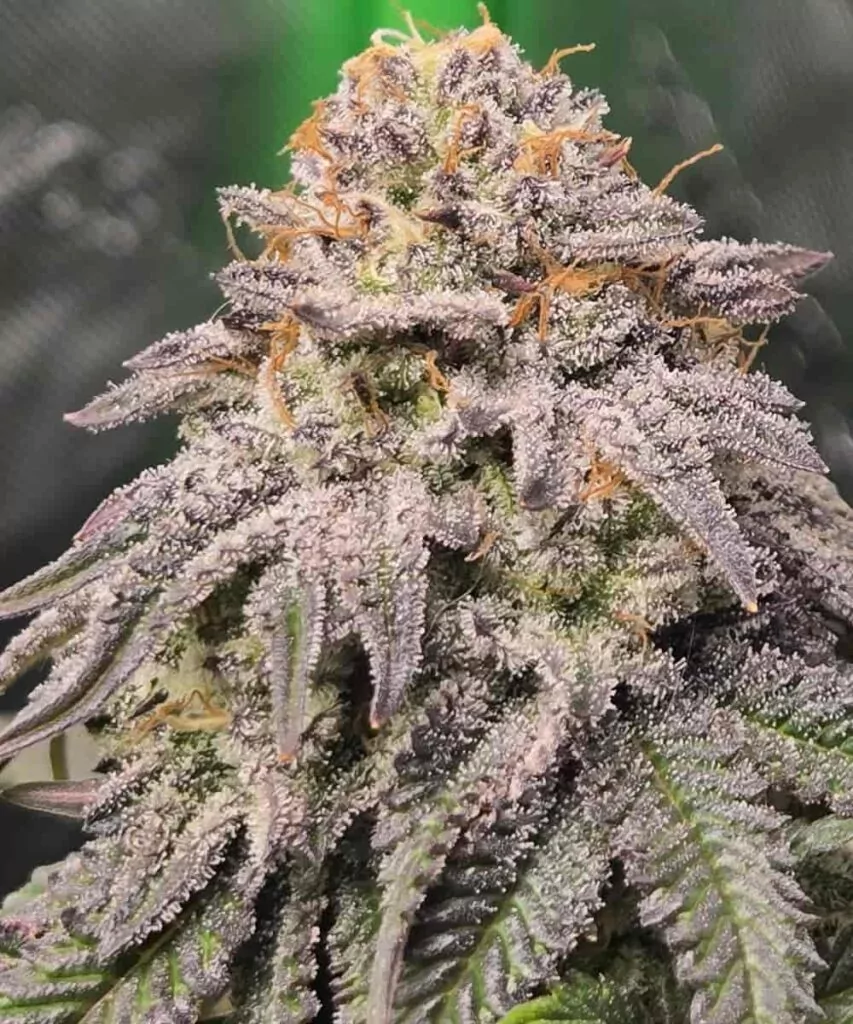


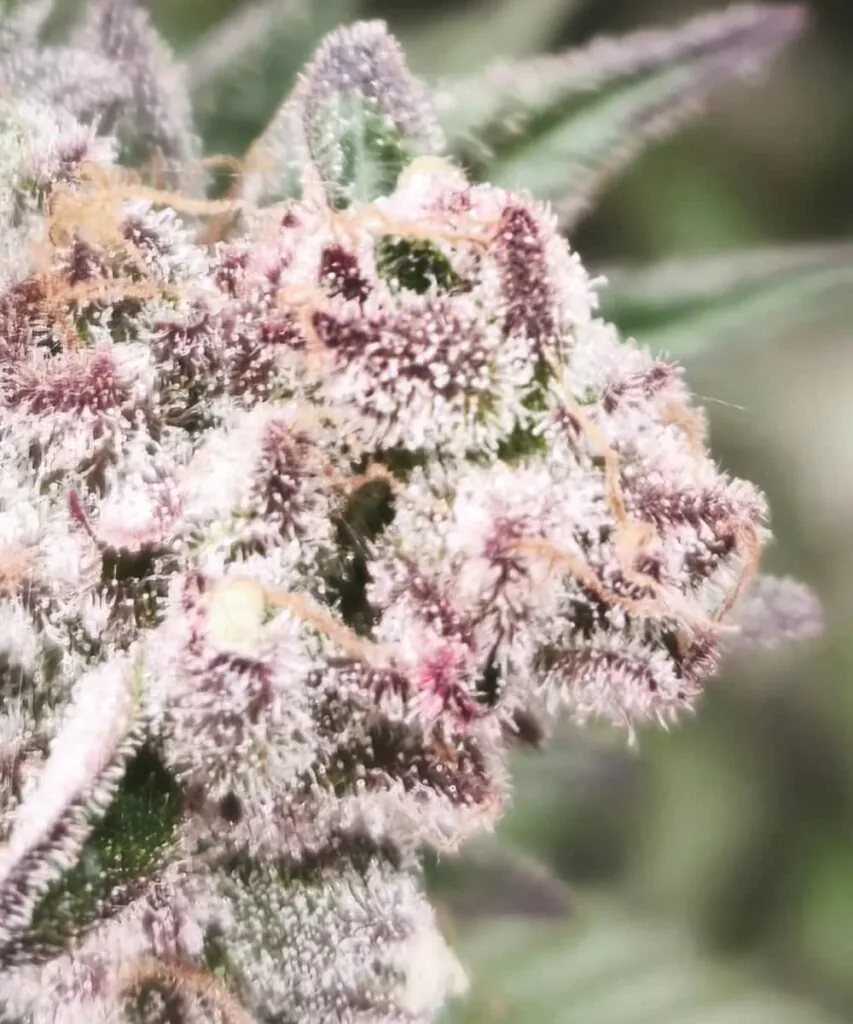
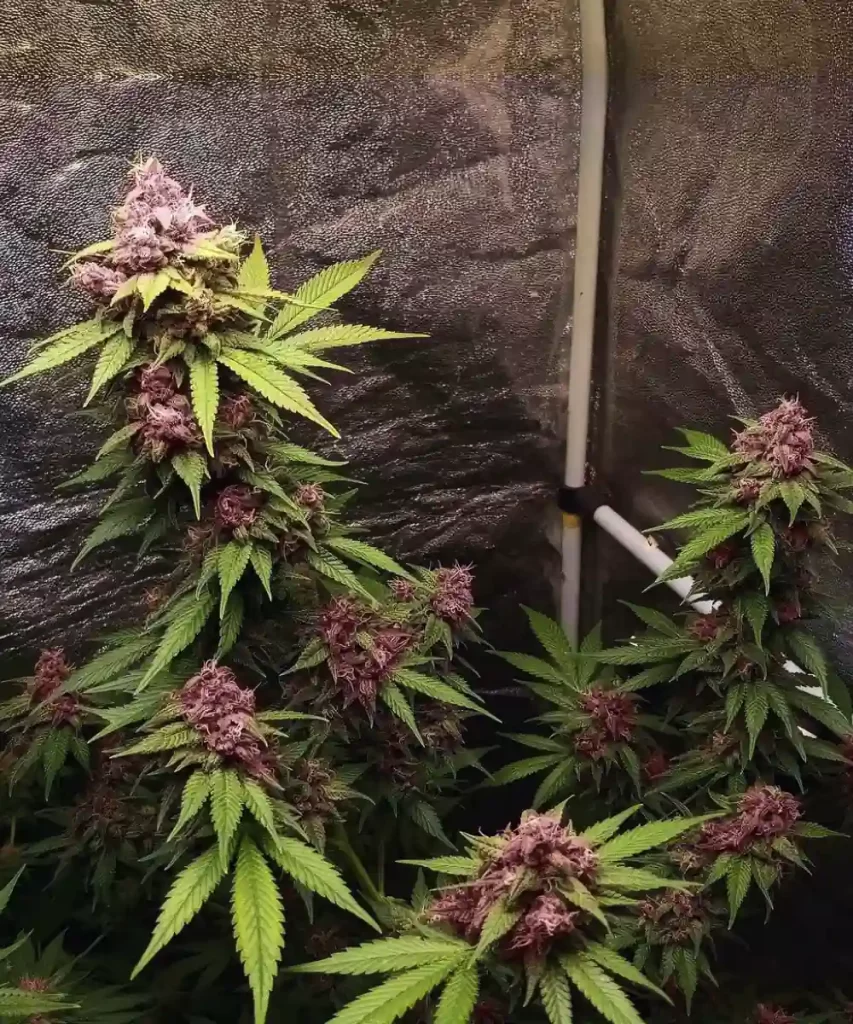
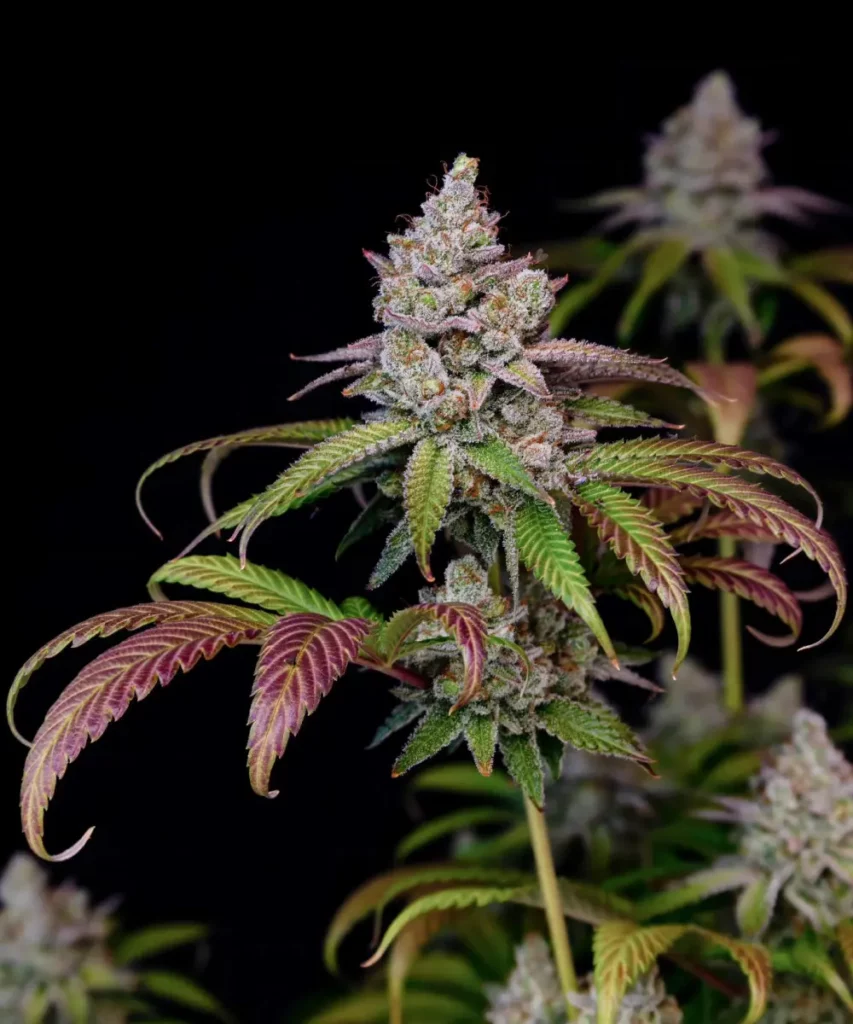
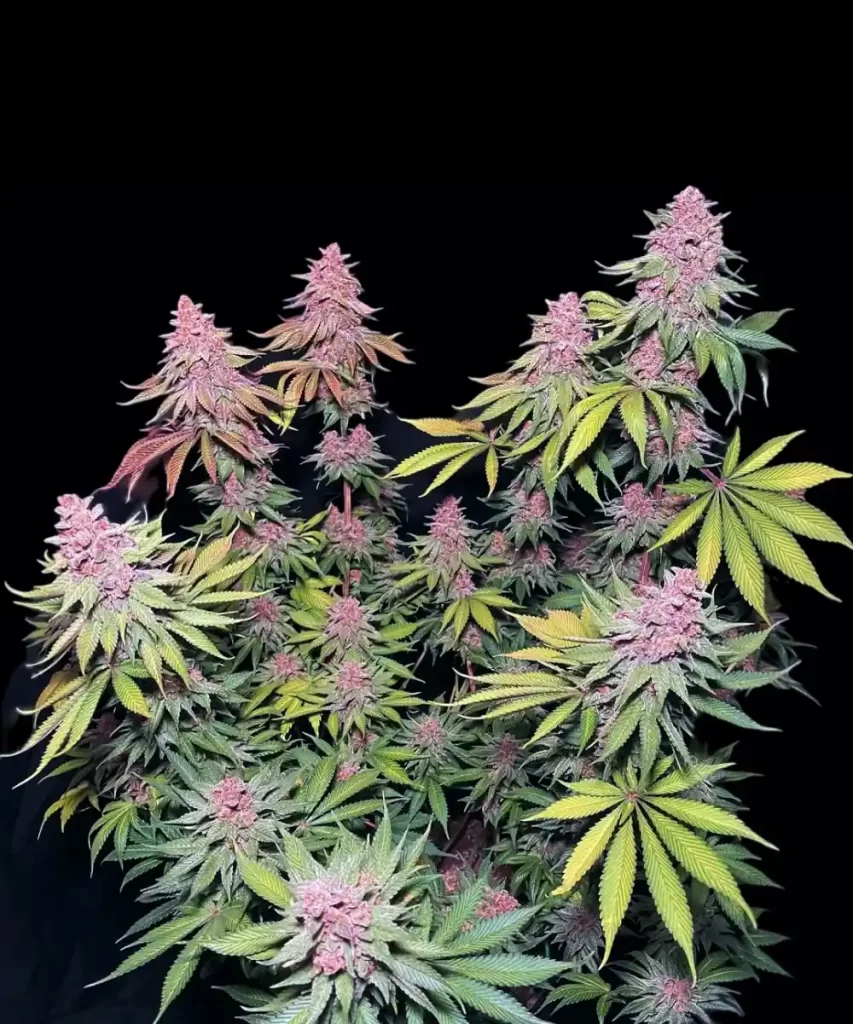

I planted 10 Super Boof seeds, and all germinated without a hitch. The plants grew strong and healthy, producing dense, frosty buds with a sweet, earthy aroma. The high is uplifting yet relaxing—a perfect balance. Impressive yield too, even with minimal effort

I’ve been growing weed for 30+ years, and to be honest, it’s quite difficult to surprise me. After a few decades of facing different strains, changing growing conditions, and solving whatever problem you could possibly think of, by then, I believe I’ve seen it all in cannabis growing.
Gary Payton defied every single one of my expectations.
The plant thrived, growing to an impressive 6 feet in what seemed like a blink of an eye. It quickly filled out with buds and displayed better smell each day, showing solid proof of superior genetics. The buds were tight, aromatic, and a source of immense pride, surpassing the outcome of many of my previous endeavors.
Hypno Seeds with their Gary Payton strain has won my complete admiration and loyalty. Outstanding genetics in this plant have truly turned what I always thought of to be an experiment with negligible expectations into one of the most satisfying grows of my long career.
Looking forward, my excitement for the next growing season is unparalleled. I can’t wait to see how much I can take these strains, especially with the attention that Gary Payton really does deserve right from the start.

TRUE MAGIC! This strain really stands out. I am trying Hypno Seeds for the first time and I surely made the right choice. I will be ordering more RS11 seeds just to keep this beauty in my garden for the upcoming season. Growing in Virginia and it’s only shown perfection by now.

Starting my latest grow, I decided to try out some Blackberry Kush from Hypno… I planted her on a whim alongside my other favorites. Hypno Seeds said it had to be a powerful plant with rich, fruity scents… Seeing is believing. She developed purplish hues and dense resin coated buds and quickly took center stage in my garden and produced much more than expected. The buds are tightly packed, literally bursting with the heady aroma. The yield? Very impressive for her conditions…
Germinated three seeds using the paper towel method with100% success rate within 48 hours. Planted in 5 gallon pots with living soil under a 315W CMH light. Plants remained compact (3.5 ft) with thick lateral branching, showing high resistance to humidity and minor nutrient fluctuations. Yield per plant: 5.8 oz of extremely dense, trichome-heavy buds. Smell profile during flower: sharp pine, pepper, and a hint of citrus. Harvested at week 9, after trichomes showed 30% amber for peak sedative effects. Smoke report: Potent. Deep relaxation without full sedation. Ideal for stress relief.


