


Search for the Laughing Gas strain and one problem appears immediately: several unrelated cultivars share the name. The dominant U.S. search identity is TKO Reserve’s Sour Diesel × Cherry Pie hybrid, but other projects use different genetics and lifecycles.
That conflict changes the lineage, lifecycle, structure, aroma, and useful cultivation approach. This guide focuses on the TKO Reserve Sour Diesel × Cherry Pie cut and shows how to verify the plant before choosing a schedule.
Grow only where cannabis cultivation is legal, and follow all applicable local rules.
| Feature | TKO Reserve Laughing Gas |
| Documented lineage | Sour Diesel × Cherry Pie |
| Lifecycle | Photoperiod |
| Common format | Frequently described as a clone-associated cultivar |
| General type | Hybrid commonly presented as sativa-leaning |
| Reported flowering window | Approximately 8–9 weeks indoors |
| Reported outdoor timing | Around early October in suitable climates |
| Reported aroma | Diesel, gasoline, pine, grass, skunk, citrus, pepper, and distant sweetness |
| Reported experience | Often described as talkative, giggly, energetic, creative, and happy |
| Cultivation evidence | Limited; no dependable public breeder feeding or yield specification was found |
| Main grower priority | Verify the cut, observe its structure, and adapt the room rather than following anonymous exact-number claims |
The flowering window above is a reported estimate, not a guaranteed harvest date. The plant’s actual maturity should decide when to cut it.
At least four documented breeding projects use the Laughing Gas name. They do not share one family tree, and one of them is an autoflower with a completely different lifecycle.
| Version on the label | Documented lineage | Lifecycle or format | Does this TKO-focused guide apply? |
| TKO Reserve Laughing Gas | Sour Diesel × Cherry Pie | Photoperiod; commonly associated with clone availability | Yes |
| Treeology Laughing Gas | Berserker × Iris | Photoperiod; approximately 63 days; originally not listed as feminized | Only the general cultivation principles apply |
| Cherry Pie × Jet Fuel Gelato version | Cherry Pie × Jet Fuel Gelato | Photoperiod collaboration/cut | No; verify its own source and behavior |
| Mephisto Illuminauto #63 | Creme de la Chem × Toof Decay | F1 feminized autoflower | No; it needs an autoflower-specific plan |
| Laughing Buddha × Gas listing | Laughing Buddha × Gas | Identity appears in some consumer databases | No; this is not the TKO lineage |
| Unverified local product | Unknown | Seed, clone, or flower may vary | Do not assume anything until the source is confirmed |
The name cannot tell you whether the plant needs a 12/12 light change or an autoflower schedule. Breeder attribution and lifecycle come first.
A useful strain guide begins with identification, not fertilizer. Before following any schedule, record five pieces of information from the original package, clone tag, nursery receipt, or trusted source.
| Check | Question to answer | Why it changes the grow |
| Breeder or origin | Who created or selected this version? | Separates unrelated cultivars carrying the same name |
| Full lineage | Are the parents Sour Diesel × Cherry Pie? | Confirms whether this article covers the intended genetics |
| Lifecycle | Photoperiod or autoflower? | Determines lighting, cloning, training window, and timeline |
| Plant format | Seed, rooted clone, or established mother? | Changes intake, sexing, preservation, and transplant planning |
| Source record | Can the identity be traced to a package, nursery, or verified cut? | Reduces the risk of building a grow around a mislabeled plant |
If the source cannot answer these questions, label the plant “Laughing Gas — identity unverified.” You can still grow it, but its performance should not be presented as proof of the TKO cultivar.
Many pages mix verified lineage, user reports, assumptions, and invented precision. Labeling each claim’s confidence produces a more useful guide.
| Evidence level | What belongs here | Laughing Gas example |
| Documented | Information supported by multiple established cultivar records | TKO Reserve’s version is Sour Diesel × Cherry Pie |
| Reported | Repeated descriptions that are useful but not universal | Fuel, pine, citrus, pepper, sweetness, and an 8–9 week flowering window |
| Parent-informed expectation | A reasonable trait to watch for, not a promised outcome | Sour Diesel influence may bring more stretch; Cherry Pie influence may bring denser flowers |
| General starting point | Standard cultivation practice used until the cut reveals its needs | Moderate feeding, gradual environmental changes, and maturity-based harvesting |
| Unknown | Claims without adequate public evidence | Exact yield, universal stretch ratio, fixed THC range, ideal EC ceiling, and a guaranteed terpene profile |
Direct TKO cultivation records are limited. The most defensible guidance is therefore a decision system that responds to the plant in front of you.
The TKO cultivar combines two recognizable genetic families. Sour Diesel is associated with sharp fuel, citrus, skunk, open growth, and the possibility of meaningful stretch. Cherry Pie contributes fruit, earth, sweetness, and the possibility of tighter flower formation.
| Parent direction | Traits to watch for | Cultivation implication |
| Sour Diesel-leaning | Longer internodes, stronger vertical push, narrower structure, sharper fuel and citrus | Control height early, spread leaders, and avoid flipping an oversized plant |
| Cherry Pie-leaning | Tighter spacing, denser flower clusters, sweeter fruit or earth under the gas | Prioritize interior airflow, branch support, and late-flower humidity control |
| Balanced expression | Moderate stretch, lateral branching, fuel layered with fruit, pepper, pine, or sweetness | Use a flexible canopy and adjust after observing the first two weeks of transition |
These are traits to monitor, not guaranteed expressions. A named clone may be more consistent than a seed population, but environment and plant health still influence growth. Measure the actual plant instead of treating “sativa-leaning” as proof of extreme stretch.
The dominant TKO description is fuel-forward. Gasoline and diesel usually lead, while pine, grass, skunk, tangerine, lemon, pepper, and a quieter sweetness may sit underneath.
| Sensory layer | Common description | What can change it |
| Top note | Gasoline, diesel, ammonia-like sharpness | Phenotype, harvest maturity, volatile sulfur compounds, and curing |
| Fresh layer | Pine, grass, herbs, or skunk | Plant health, drying speed, and green material retained after trim |
| Bright accent | Tangerine or lemon | Genetic expression, maturity, temperature, and post-harvest preservation |
| Dry finish | Pepper, earth, or spice | Phenotype and the balance of aromatic compounds |
| Background sweetness | Cherry-like fruit or distant sweetness | Cherry Pie influence, cure duration, and individual cut |
Do not convert these descriptors into universal terpene percentages. A laboratory result describes one tested sample, while cultivation, harvest, storage, and testing methods influence the profile. Consumer reports often describe the TKO version as talkative, giggly, energetic, and upbeat; individual experience varies.
Because cut-specific growth data is scarce, observe the clone through establishment before choosing SOG, SCROG, or a long vegetative period. Use the simplest method that solves its actual structure.
| What the plant shows | Best first response | Avoid |
| Fast vertical growth and wider internodes | Top or bend early, create several leaders, and flip with generous headroom | A long veg followed by late, aggressive supercropping |
| Strong lateral branching | Use LST or a light screen to spread productive branches | Allowing the center to become shaded and congested |
| Compact growth with tight spacing | Thin selectively, maintain access to the interior, and support dense tops | Packing several plants together before seeing their flower density |
| Weak or uneven clone growth | Stabilize roots and environment before training | Interpreting poor health as a genetic growth trait |
Build width before height. Top a healthy plant, guide the new leaders outward, and consider flowering when the canopy occupies roughly 55–65% of the available footprint. Keep a second support layer ready if branches continue rising after the first two transition weeks.
Do less. Selective branch spreading and limited interior thinning may be enough. Removing too much foliage from a compact plant can reduce its ability to fill the canopy and recover from stress.
Finalize the training plan after recording node spacing, recovery, branch strength, and the first ten to fourteen days of stretch.
A clone-associated cultivar begins before it enters the flower room. A healthy-looking cutting can carry pests, powdery mildew, root problems, or a false label. Quarantine protects both the new plant and the established collection.
| Intake stage | Action | Pass condition |
| Arrival | Photograph the label, source record, roots, leaf tops, and leaf undersides | Identity and initial condition are documented |
| Isolation | Keep the clone away from mothers and production plants | No shared runoff, tools, or direct plant contact |
| Inspection | Check nodes, petioles, media surface, and roots with magnification where useful | No visible pests, eggs, webbing, mildew, rot, or severe deficiency |
| Acclimation | Match light and humidity gradually rather than moving directly under full intensity | New growth appears without bleaching, wilt, or stalled roots |
| Observation | Monitor several days through fresh growth and repeat inspections | Plant remains clean and actively growing |
| Preservation | Take and label a backup only after the plant appears healthy | A verified living copy exists before the first production flower cycle |
Quarantine length depends on facility standards and testing capability, but unknown plant material should not enter a clean room immediately. Keep the source in the permanent plant code; “Laughing Gas-TKO-01” is more useful than “LG.”
This is not a fictional week-by-week diary. It is a stage-based framework for a verified, rooted TKO cut. Each stage ends with an observation that determines the next action.
| Stage | Main objective | Observe | Decision |
| Clone establishment | Build clean, active roots | New growth, leaf posture, pest status, and media dry-back | Transplant only after the root zone is functioning |
| Early vegetative growth | Learn the natural structure | Node spacing, lateral vigor, water use, and recovery | Choose minimal LST, topping, or no major training |
| Canopy preparation | Fill the intended footprint evenly | Branch strength and projected stretch | Set the flip date and install support |
| Transition, days 1–14 | Control stretch without interrupting flower initiation | Daily height gain, spacing, and stress response | Tuck, tie, or stop training according to plant response |
| Early flower | Protect productive sites and airflow | Flower spacing, interior humidity, and lower growth quality | Remove only unproductive or congested material |
| Mid flower | Maintain steady root and environmental conditions | Water uptake, leaf color, tip condition, and flower density | Hold, reduce, or cautiously adjust nutrition |
| Ripening window | Evaluate maturity and preserve aroma | Calyx swelling, trichomes, water use, and aroma development | Begin harvest checks around the reported 8-week point |
| Dry and cure | Preserve fuel, citrus, pine, pepper, and sweetness | Drying rate, stem moisture, container humidity, and aroma | Slow or increase exchange according to flower condition |
On the second run, replace general assumptions with measurements from the first cycle: stretch, irrigation interval, training response, maturity date, dry yield, and final aroma.
The following figures are general indoor starting ranges, not a breeder-issued TKO recipe. Adjust them using leaf temperature, actual flower density, plant response, and the cultivation medium.
| Stage | Day temperature | Relative humidity | Approx. VPD | Structural adjustment |
| Clone establishment | 74–78°F | 68–75% | 0.6–0.9 kPa | Favor root development and gentle airflow |
| Vegetative growth | 75–80°F | 58–68% | 0.9–1.2 kPa | Increase circulation as the canopy fills |
| Transition | 74–79°F | 52–60% | 1.1–1.3 kPa | Watch the interior as branches stretch and overlap |
| Early flower | 73–78°F | 48–55% | 1.2–1.4 kPa | Thin only where airflow or light is clearly restricted |
| Mid flower | 72–77°F | 44–51% | 1.3–1.5 kPa | Use the lower end of humidity for denser Cherry Pie-like flowers |
| Late flower | 68–75°F | 40–48% | 1.3–1.5 kPa | Prevent humid night spikes and stagnant cola microclimates |
Measure leaf temperature and use our VPD chart for cannabis instead of relying on air temperature alone. Aim for stability and air moving through—not directly blasting—the canopy.
We could not find any reliable public breeder feeding chart for the TKO cut. Claims that Laughing Gas is universally a heavy feeder or requires one exact EC are therefore difficult to defend.
Begin with the normal baseline for your medium. Change one variable at a time, then evaluate posture, color, tips, root-zone EC, pH trend, and water use.
| Observation | Likely interpretation to test | First response |
| Healthy color, steady uptake, stable runoff | Current feed is appropriate | Hold the program rather than increasing automatically |
| Burnt tips and very dark leaves | Feed may be excessive or root-zone salts may be rising | Check runoff/root-zone EC and reduce concentration if confirmed |
| Pale growth with stable pH and healthy roots | Plant demand may exceed supply | Increase gradually and reassess after fresh growth |
| Pale or damaged growth with drifting pH | Availability or root health may be the problem | Correct the root zone before adding more nutrients |
| Sudden drop in water use | Stress, saturation, temperature, or maturity may be involved | Diagnose environment and roots before feeding again |
Soil, coco, and recirculating hydroponics do not interpret the same EC or irrigation frequency in the same way. Our hydroponics vs soil guide explains how the root-zone strategy changes between systems.
The reported indoor flowering range for the TKO version is approximately eight to nine weeks. Use day 56 as the beginning of closer inspection, not an automatic harvest appointment.
Inspect trichomes on representative swollen calyxes, not sugar leaves alone. Compare upper, middle, and interior sites alongside calyx development, water use, and aroma maturity.
| Harvest signal | What it can tell you | What it cannot prove alone |
| Mostly cloudy calyx trichomes | Resin maturity is advancing | That every part of the plant is equally ready |
| Increasing amber | The harvest window is progressing | A universally “better” effect |
| Pistil color change | Flower development is moving forward | Final cannabinoid maturity |
| Reduced water use | Growth may be slowing | That root stress is absent |
| Fuller fuel/citrus aroma | Aromatic development may be nearing its peak | That delaying harvest cannot improve another trait |
If the top matures first, consider a staged harvest. Record the date and result so the next cycle begins with cut-specific evidence.
Laughing Gas is valued for sharp, volatile notes. A hot, fast dry can flatten the distinction between diesel, citrus, pine, pepper, and sweetness.
Many growers begin around 60–65°F and 58–62% relative humidity with indirect airflow and adequate spacing. Treat those figures as a controlled starting range, then adjust for branch size, room volume, and flower density.
| Aroma goal | Main risk | Better post-harvest decision |
| Preserve fuel and skunk | High heat and excessive air exchange stripping volatile compounds | Keep temperature controlled and avoid direct fan contact |
| Retain citrus brightness | Rapid surface drying before interior moisture equalizes | Slow the dry and monitor the room rather than judging by one branch |
| Avoid grassy dominance | Sealing flowers while internal moisture remains too high | Allow an even dry and monitor container humidity carefully |
| Reveal pepper, pine, and sweetness | Judging the flower immediately after drying | Cure separately and evaluate again after several weeks |
Keep the first TKO harvest separate from other cultivars throughout drying and curing. Cross-mixed jars make it impossible to evaluate the cut accurately.
Stop using the TKO-specific portions of this article if the label reveals another lineage or lifecycle.
| Label or source says | What to do instead |
| Creme de la Chem × Toof Decay | Use an autoflower plan; do not switch lighting to initiate flower |
| Berserker × Iris | Use the breeder/source information for the Treeology photoperiod version |
| Cherry Pie × Jet Fuel Gelato | Treat it as a separate photoperiod version and verify that cut’s behavior |
| Laughing Buddha × Gas | Do not call it Sour Diesel × Cherry Pie without provenance |
| Cheese Quake × Do-Si-Dos or another lineage | Treat it as a separate local cultivar |
| No lineage available | Grow and document it as identity-unverified rather than rewriting the history |
Different breeders can legitimately reuse a name. The goal is to prevent their cultivation data from being mixed.
An autoflower, a photoperiod clone, and an unrelated seed line do not share one calendar. Verify the five identity points first.
Isolation and inspection are part of cultivation. A valuable name does not make a clone clean.
Sour Diesel ancestry suggests traits to watch for; it does not prove a fixed stretch ratio. Cherry Pie ancestry does not guarantee compact purple flowers.
Exact yield, THC, EC, and terpene percentages repeated across generic pages may not trace back to the TKO cut. Use measured results from your own verified plant.
Let the clone establish and reveal its branching before committing to a crowded SOG or a long SCROG cycle.
Lights-off cooling can raise relative humidity inside dense flowers. Track the night period, not only the daytime controller reading.
Eight weeks begins the inspection window. The cut, environment, and canopy may require more time.
Strong fuel aroma requires filtration and environmental control, not a hot, aggressive dry that removes character.
For the TKO Reserve Sour Diesel × Cherry Pie cut, begin with quarantine and provenance. Observe whether the plant grows open and vertical or compact and dense, then choose the canopy and environment accordingly. Treat eight to nine weeks as a reported maturity window, not a mandatory harvest date, and preserve the fuel, citrus, pine, pepper, and sweetness with a controlled dry and patient cure.
For the next stage of the grow, explore our guides to low-stress training, VPD for cannabis, hydroponics vs soil, and Piatella hash. Together, they support the canopy, environment, root zone, and post-harvest decisions that turn a verified cut into repeatable results.


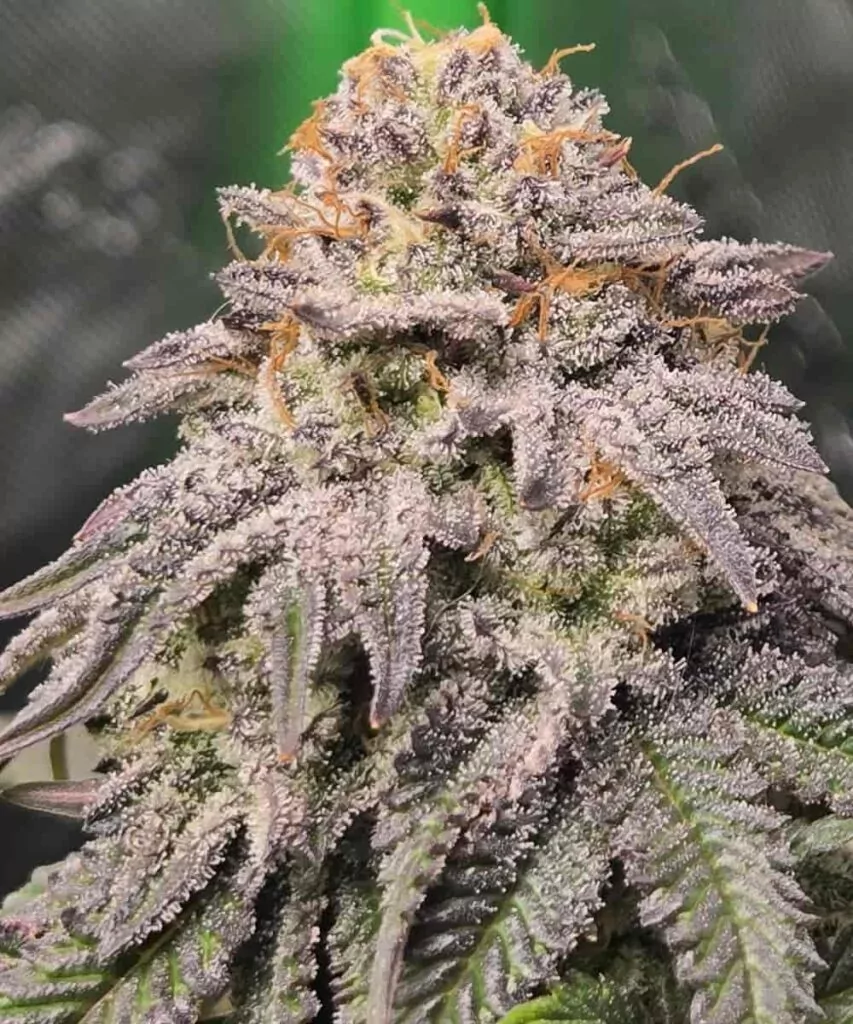


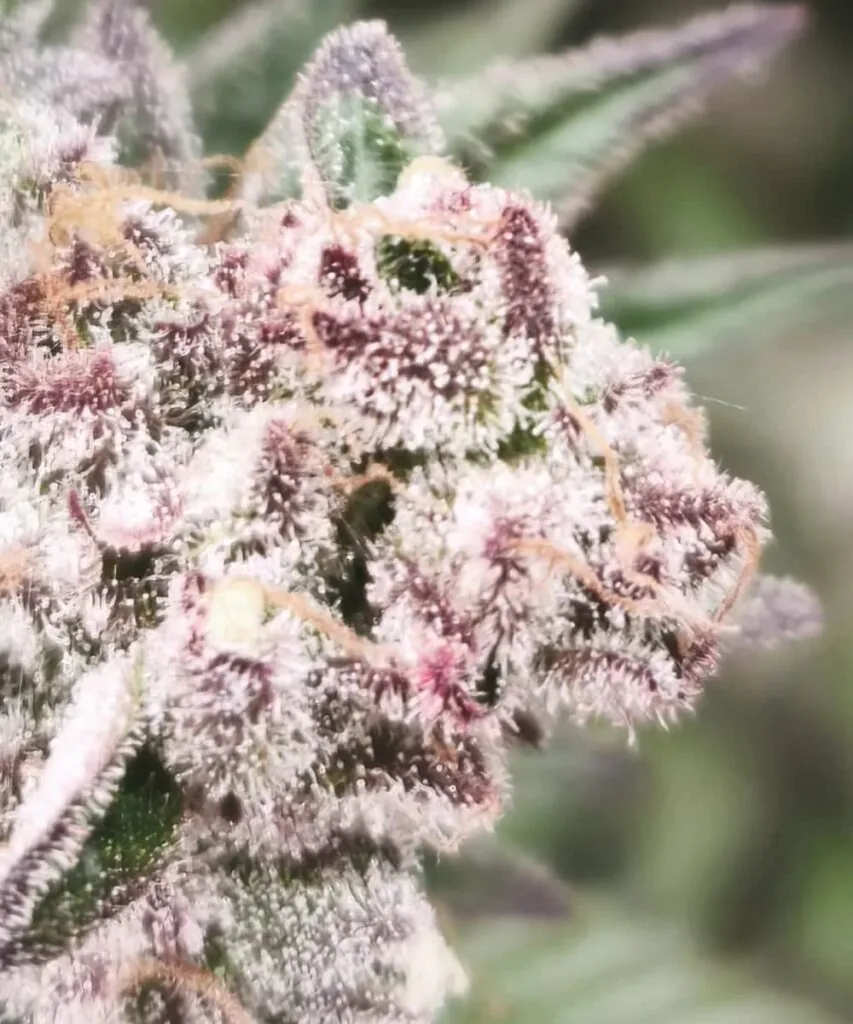
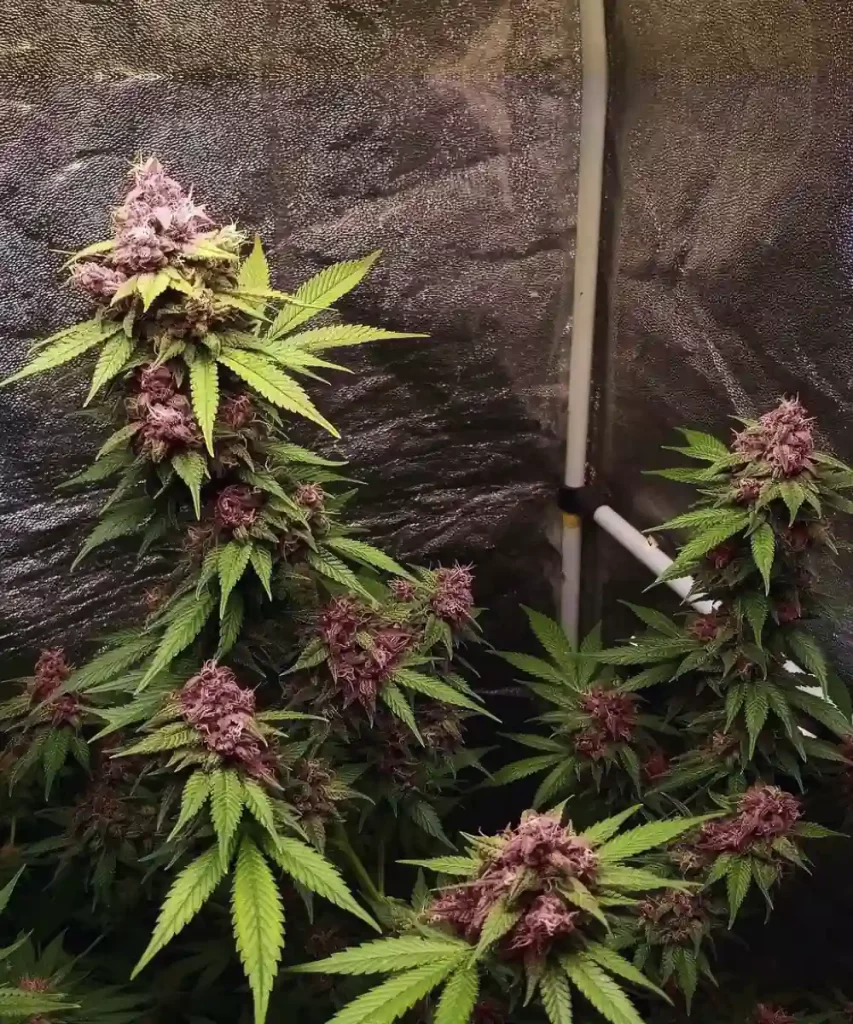
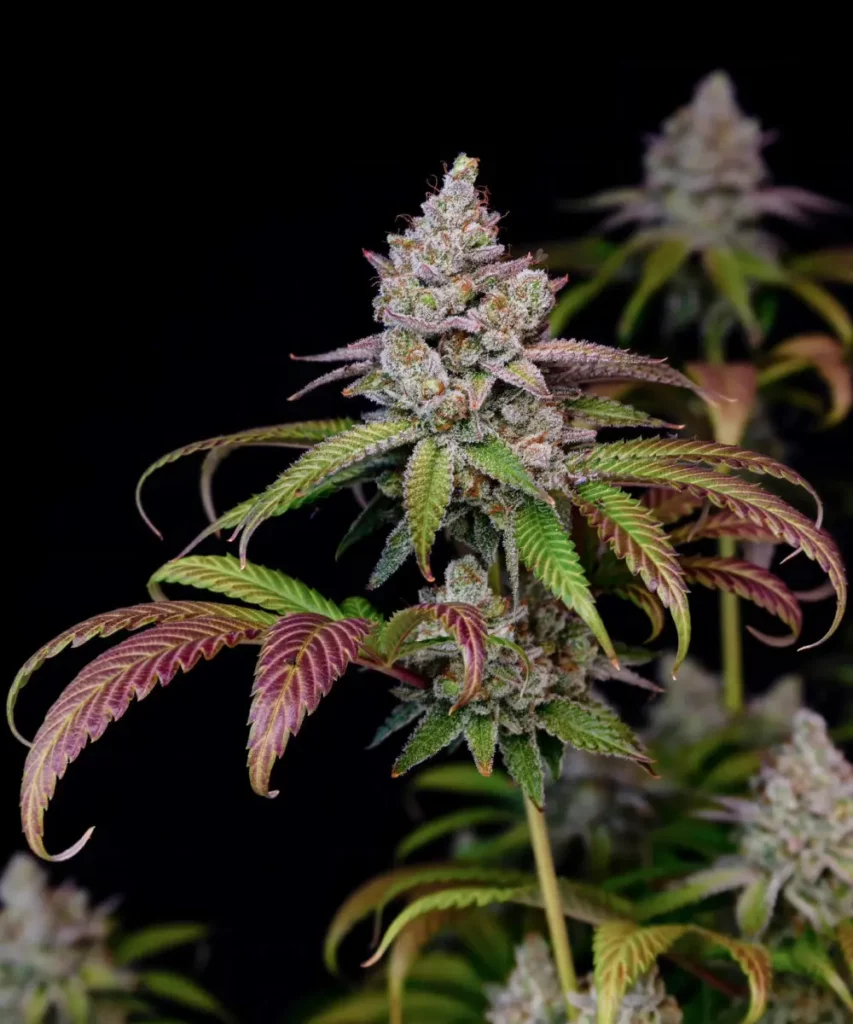
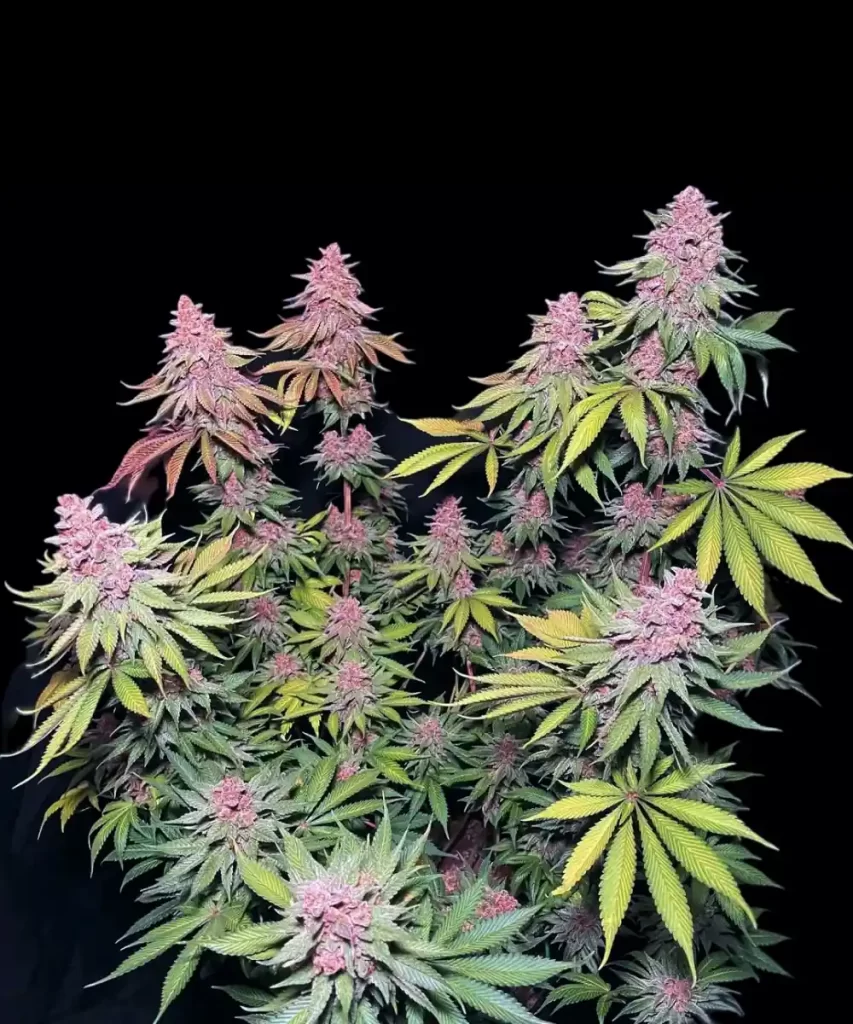

I planted 10 Super Boof seeds, and all germinated without a hitch. The plants grew strong and healthy, producing dense, frosty buds with a sweet, earthy aroma. The high is uplifting yet relaxing—a perfect balance. Impressive yield too, even with minimal effort

I’ve been growing weed for 30+ years, and to be honest, it’s quite difficult to surprise me. After a few decades of facing different strains, changing growing conditions, and solving whatever problem you could possibly think of, by then, I believe I’ve seen it all in cannabis growing.
Gary Payton defied every single one of my expectations.
The plant thrived, growing to an impressive 6 feet in what seemed like a blink of an eye. It quickly filled out with buds and displayed better smell each day, showing solid proof of superior genetics. The buds were tight, aromatic, and a source of immense pride, surpassing the outcome of many of my previous endeavors.
Hypno Seeds with their Gary Payton strain has won my complete admiration and loyalty. Outstanding genetics in this plant have truly turned what I always thought of to be an experiment with negligible expectations into one of the most satisfying grows of my long career.
Looking forward, my excitement for the next growing season is unparalleled. I can’t wait to see how much I can take these strains, especially with the attention that Gary Payton really does deserve right from the start.

TRUE MAGIC! This strain really stands out. I am trying Hypno Seeds for the first time and I surely made the right choice. I will be ordering more RS11 seeds just to keep this beauty in my garden for the upcoming season. Growing in Virginia and it’s only shown perfection by now.

Starting my latest grow, I decided to try out some Blackberry Kush from Hypno… I planted her on a whim alongside my other favorites. Hypno Seeds said it had to be a powerful plant with rich, fruity scents… Seeing is believing. She developed purplish hues and dense resin coated buds and quickly took center stage in my garden and produced much more than expected. The buds are tightly packed, literally bursting with the heady aroma. The yield? Very impressive for her conditions…
Germinated three seeds using the paper towel method with100% success rate within 48 hours. Planted in 5 gallon pots with living soil under a 315W CMH light. Plants remained compact (3.5 ft) with thick lateral branching, showing high resistance to humidity and minor nutrient fluctuations. Yield per plant: 5.8 oz of extremely dense, trichome-heavy buds. Smell profile during flower: sharp pine, pepper, and a hint of citrus. Harvested at week 9, after trichomes showed 30% amber for peak sedative effects. Smoke report: Potent. Deep relaxation without full sedation. Ideal for stress relief.


