

| Strain Feature | Details |
| Genetics | Mango × Hindu Kush |
| Type | Indica-Dominant Hybrid (65% Indica / 35% Sativa) |
| THC Content | 16% – 21% |
| Flowering Time | 9 – 11 Weeks |
| Indoor Yield | 400 – 550 g/m² |
| Height | 4 – 5 feet (120 – 150 cm) |
| Aroma & Flavor | Fresh mango, tropical fruit, earthy pine |
| Grow Difficulty | Easy to Moderate (Beginner-friendly) |
Mango Kush represents one of the most successful breeding projects in modern cannabis history. By crossing the tropical, uplifting Mango strain with the ancient, heavily sedating Hindu Kush landrace, breeders created a masterpiece of balance.
Hindu Kush is a pure indica from the harsh mountain ranges of Central Asia. It gave Mango Kush its dense, bushy structure, thick trichome production, and incredible resilience to cold nighttime temperatures. The Mango parent contributed the vibrant, sweet fruit aroma and a touch of sativa uplift that prevents the heavy “couch-lock” typically associated with pure Kush genetics.
The result is a forgiving, high-yielding plant that produces rock-hard, resin-drenched buds. It is the perfect evening strain: a gentle, creeping body relaxation accompanied by a giggly, happy cerebral buzz.
The aroma of Mango Kush is unmistakable. Upon opening a jar, you are hit with the scent of overripe mangoes and sweet bananas, followed by a sharp, earthy pine finish on the exhale. This unique profile is driven by a massive concentration of myrcene.
| Terpene | Percentage | Aroma & Flavor | Primary Effect |
| Myrcene | 1.0% – 1.5% | Sweet mango, tropical fruit, damp earth | Muscle relaxation, sedative baseline, stress relief |
| Caryophyllene | 0.4% – 0.8% | Cracked pepper, spicy earth | Anti-inflammatory, pain relief |
| Humulene | 0.2% – 0.4% | Hoppy, woody, earthy | Anti-inflammatory, subtle appetite modulation (overridden by myrcene’s munchie effect) |
| Pinene | 0.1% – 0.3% | Pine needles, fresh forest | Mental clarity, counteracts heavy sedation |
The Mango Science: There is an old cannabis myth that eating a fresh mango 45 minutes before smoking will intensify your high. With Mango Kush, this is actually rooted in science. Both the fruit and the strain contain massive amounts of myrcene. Myrcene alters the permeability of the blood-brain barrier, allowing THC to cross more rapidly and efficiently. Because Mango Kush is already loaded with myrcene, its effects come on as a warm, heavy wave of relaxation.
If you are looking to grow a sweet, fruity indica, you are likely deciding between Mango Kush and a few other heavy hitters. Here is how they compare.
| Feature | Mango Kush | Banana Kush | Papaya |
| Genetics | Mango × Hindu Kush | Ghost OG × Skunk Haze | Citral #13 × Ice #2 |
| Flavor | Tropical Mango & Pine | Sweet Banana & Skunk | Tropical Fruit & Pepper |
| Flowering Time | 9 – 11 Weeks | 8 – 9 Weeks | 8 – 9 Weeks |
| Effect | Giggly, relaxed, happy | Euphoric, creative, mellow | Heavy sedation, couch-lock |
| Growth Structure | Bushy, dense, cold-resistant | Tall, stretchy, needs support | Short, wide, heavy yielder |
While Banana Kush finishes slightly faster and Papaya hits a bit harder, Mango Kush offers the best balance. It is easier to grow than Banana Kush, handles cold temperatures better than Papaya, and provides a much more functional, social high than either of them.
Because of its Hindu Kush heritage, Mango Kush grows short, dense, and bushy. It does not stretch aggressively when flipped to flower. This makes it the absolute perfect candidate for the Sea of Green (SOG) method.
Instead of growing four large plants in a 4×4 tent and waiting six weeks for them to veg, you can pack 16 smaller Mango Kush clones (or seedlings) into 2-gallon pots. Veg them for only two weeks, then flip to a 12/12 light cycle. The plants will form a solid, even canopy of massive top colas. This method maximizes your yield per square meter (easily hitting the 550 g/m² target) and shaves weeks off your total grow time.
If you choose to grow fewer, larger plants, you must aggressively prune the lower third of the plant (lollipopping). The foliage is so dense that lower branches will receive zero light and produce only “larf” (airy, underdeveloped buds) while restricting critical airflow.
Mango Kush is highly resilient, but it has specific nutritional demands. Here is your roadmap from seed to harvest.
The seedlings will emerge with broad, dark green indica leaves. Keep your EC low (0.6 to 0.8) and your temperatures around 75°F. The plant will focus on root development and lateral branching rather than vertical height.
If you are not running a SOG setup, this is the time to top the plant. Mango Kush responds beautifully to topping, creating multiple dominant colas. Push your EC to 1.2. Crucial step: Begin heavily defoliating the center of the plant. The Hindu Kush genetics create a dense jungle of leaves that will trap moisture and cause powdery mildew if not thinned out.
When you switch to a 12/12 light cycle, expect a very modest stretch (perhaps 30% to 50% height increase). Transition to bloom nutrients and push your EC to 1.5. Warning: Mango Kush is a notorious heavy feeder of Calcium and Magnesium during early flower. As bud sites form, the plant demands CalMag to build cell walls for its dense flowers. Supplement heavily now to prevent rusty spots on your leaves.
The buds will become incredibly dense, rock-hard golf balls covered in orange pistils. The tropical mango aroma will fill the room. Keep your daytime temperatures around 75°F, but allow nighttime temperatures to drop to 65°F. Mango Kush loves a cool night—it mimics the mountain air of its Kush ancestors and boosts resin production. Keep your humidity strictly at 45% to prevent bud rot. Maximize EC at 1.8.
At week 9 of flower, check the trichomes. While some growers chop at week 9, letting it run to week 10 or 11 allows the myrcene levels to peak, maximizing the mango flavor. Begin your flush (0.0 EC) two weeks before harvest.
The Curing Secret: Do not rush the cure. To bring out the true, sweet mango flavor, this strain requires a minimum 3 to 4-week cure in glass jars at 60% humidity. If you smoke it after one week, it will taste like generic pine. Patience unlocks the fruit.
Mango Kush prefers standard temperatures but demands lower humidity during flower due to its dense bud structure.
| Stage | Temp (°F) | Humidity (%) | VPD (kPa) | Target EC | pH Range |
| Seedling | 75 – 78 | 65 – 70 | 0.8 – 1.0 | 0.4 – 0.6 | 6.0 – 6.3 |
| Early Veg | 76 – 80 | 60 – 65 | 0.9 – 1.1 | 0.8 – 1.0 | 6.0 – 6.3 |
| Late Veg | 76 – 80 | 55 – 60 | 1.0 – 1.2 | 1.2 – 1.4 | 6.0 – 6.3 |
| Early Flower | 75 – 78 | 50 – 55 | 1.2 – 1.4 | 1.4 – 1.6 | 6.2 – 6.5 |
| Mid Flower | 72 – 76 | 45 – 50 | 1.3 – 1.5 | 1.6 – 1.8 | 6.2 – 6.5 |
| Late Flower | 68 – 72 | 40 – 45 | 1.4 – 1.6 | Flush (0.0) | 6.2 – 6.5 |
While it is a beginner-friendly strain, its dense indica structure presents a few specific challenges.
1. Ignoring Airflow.
Because the buds are so dense and the foliage is so thick, Mango Kush is highly susceptible to bud rot (Botrytis) and powdery mildew. You must have oscillating fans blowing directly under the canopy and through the branches. Keep late-flower humidity strictly below 50%.
2. Skipping the CalMag.
As mentioned, this strain will strip your medium of Calcium and Magnesium during weeks 2 through 4 of flower. If you see brown, rusty spots appearing on the middle leaves, you are already behind. Supplement proactively.
3. Outdoor Rain Exposure.
While Mango Kush handles cold autumn nights beautifully (thanks to Hindu Kush), it cannot handle heavy rain. The dense buds will act like sponges, soaking up water and rotting from the inside out. If growing outdoors, you must cover the plants during late-season rainstorms or shake them dry immediately after.
4. Rushing the Dry and Cure.
The tropical terpenes are highly volatile. If you dry the plant in a hot room (above 70°F) or skip the 4-week jar cure, you will evaporate all the myrcene. You will be left with a jar of weed that looks great but smells like hay and pine. Dry at 60°F and 60% humidity for 14 days.
Mango Kush is the perfect example of why old-school genetics still dominate the market. By combining the bulletproof resilience of Hindu Kush with the mouth-watering tropical flavor of Mango, breeders created a strain that pleases both the grower and the smoker.
Whether you are a beginner looking for a forgiving plant that stays short in a grow tent, or a commercial cultivator running a high-yield Sea of Green setup, Mango Kush delivers consistent, rock-hard, resinous buds. The thick trichome coverage also makes it an excellent candidate for hash and concentrate production—if you are interested in solventless extraction, check out our complete guide to making Piatella hash. Just remember to feed it plenty of CalMag, keep your humidity low in late flower, and be patient with the cure. The tropical flavor is worth the wait.
If you are looking for premium Mango Kush seeds to start your grow, explore our feminized seed collection for genetics that deliver the true tropical flavor profile every time.


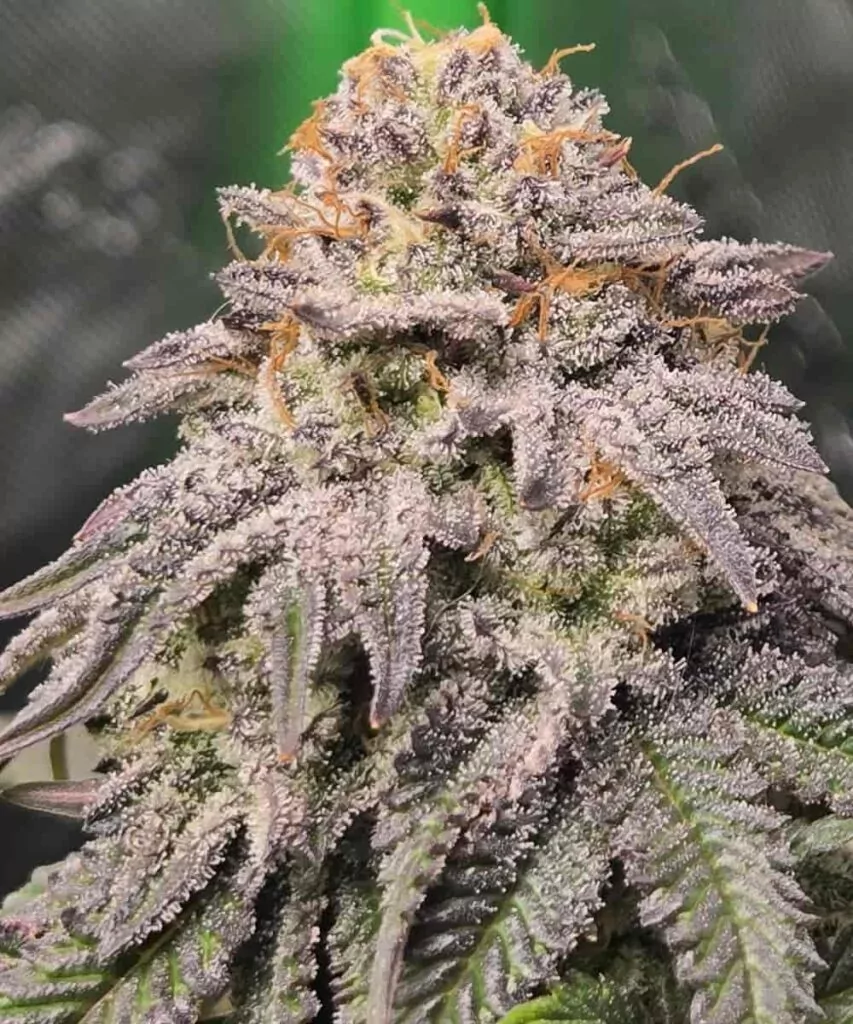


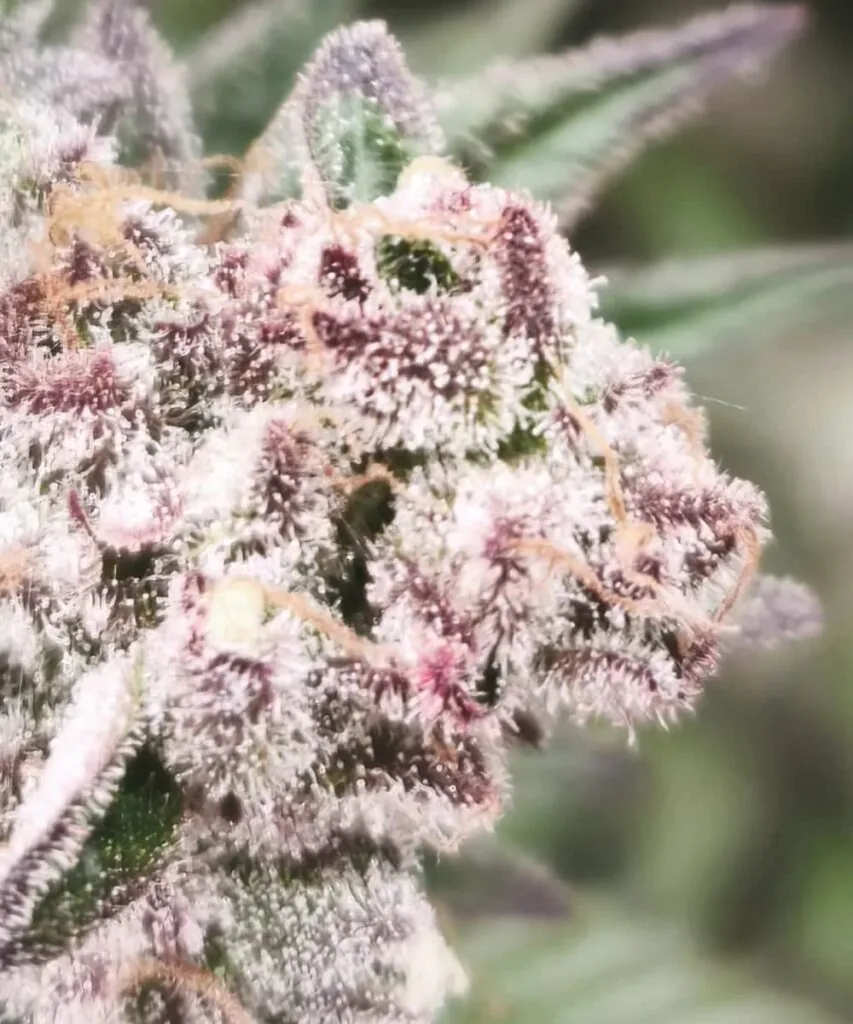
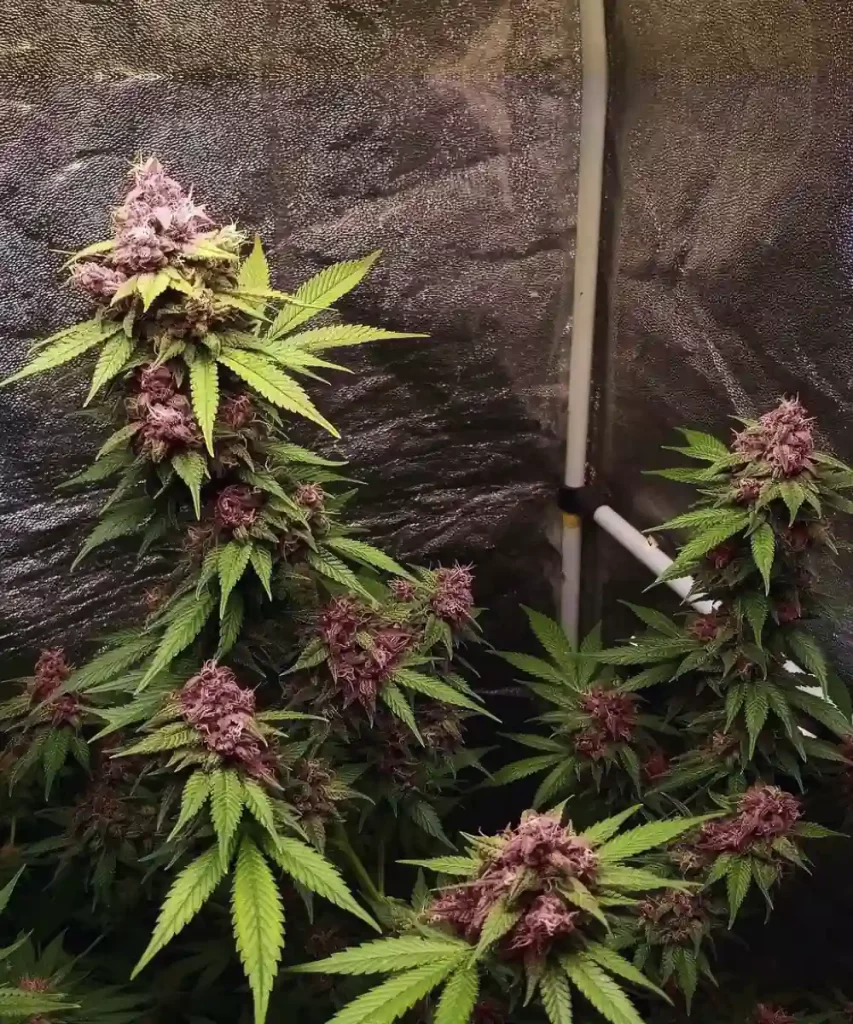
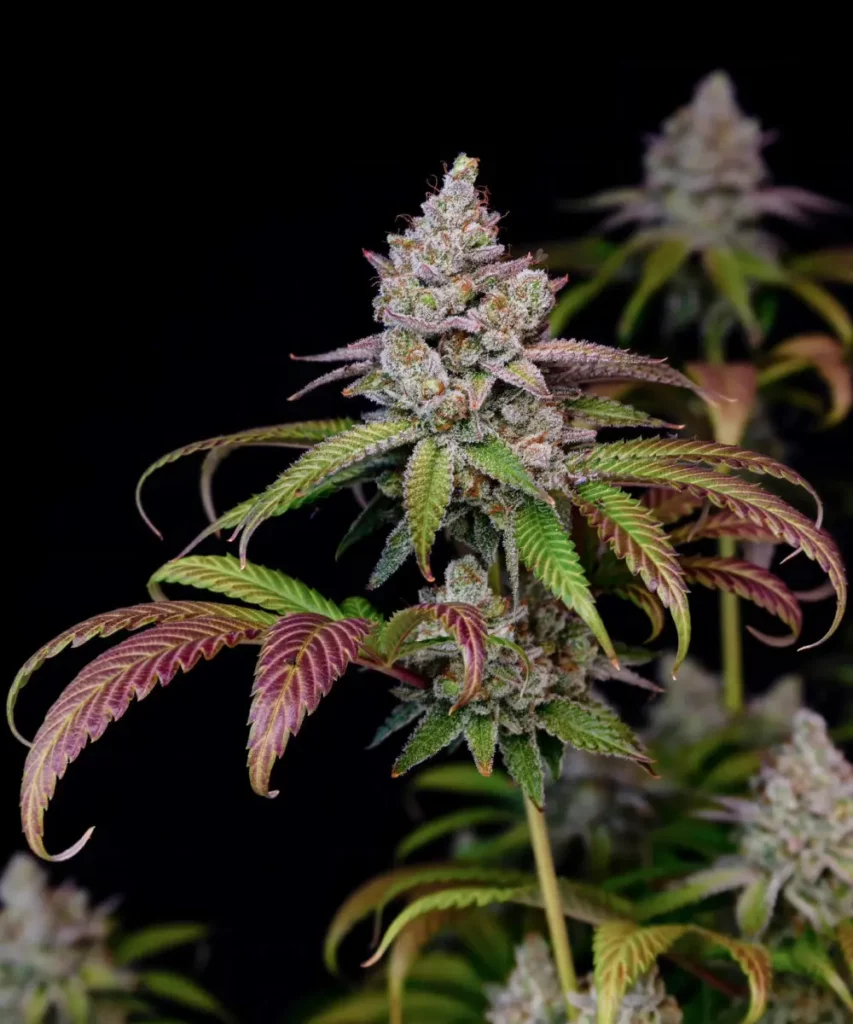
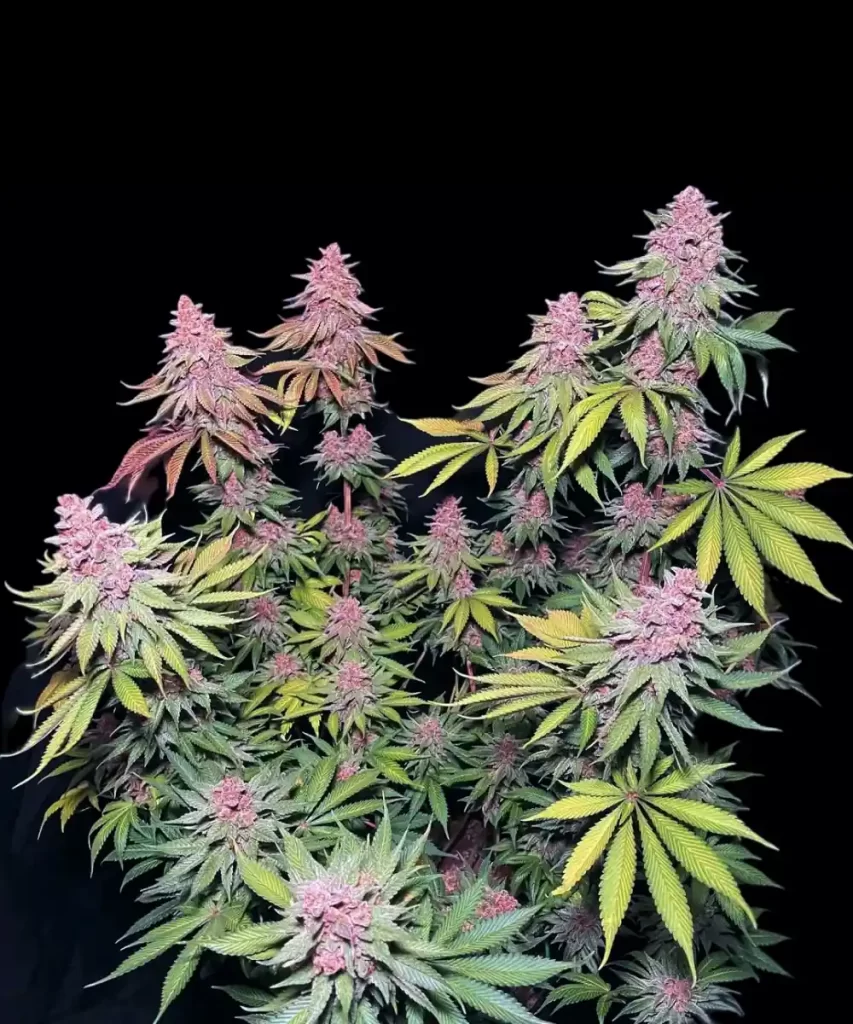

I planted 10 Super Boof seeds, and all germinated without a hitch. The plants grew strong and healthy, producing dense, frosty buds with a sweet, earthy aroma. The high is uplifting yet relaxing—a perfect balance. Impressive yield too, even with minimal effort

I’ve been growing weed for 30+ years, and to be honest, it’s quite difficult to surprise me. After a few decades of facing different strains, changing growing conditions, and solving whatever problem you could possibly think of, by then, I believe I’ve seen it all in cannabis growing.
Gary Payton defied every single one of my expectations.
The plant thrived, growing to an impressive 6 feet in what seemed like a blink of an eye. It quickly filled out with buds and displayed better smell each day, showing solid proof of superior genetics. The buds were tight, aromatic, and a source of immense pride, surpassing the outcome of many of my previous endeavors.
Hypno Seeds with their Gary Payton strain has won my complete admiration and loyalty. Outstanding genetics in this plant have truly turned what I always thought of to be an experiment with negligible expectations into one of the most satisfying grows of my long career.
Looking forward, my excitement for the next growing season is unparalleled. I can’t wait to see how much I can take these strains, especially with the attention that Gary Payton really does deserve right from the start.

TRUE MAGIC! This strain really stands out. I am trying Hypno Seeds for the first time and I surely made the right choice. I will be ordering more RS11 seeds just to keep this beauty in my garden for the upcoming season. Growing in Virginia and it’s only shown perfection by now.

Starting my latest grow, I decided to try out some Blackberry Kush from Hypno… I planted her on a whim alongside my other favorites. Hypno Seeds said it had to be a powerful plant with rich, fruity scents… Seeing is believing. She developed purplish hues and dense resin coated buds and quickly took center stage in my garden and produced much more than expected. The buds are tightly packed, literally bursting with the heady aroma. The yield? Very impressive for her conditions…
Germinated three seeds using the paper towel method with100% success rate within 48 hours. Planted in 5 gallon pots with living soil under a 315W CMH light. Plants remained compact (3.5 ft) with thick lateral branching, showing high resistance to humidity and minor nutrient fluctuations. Yield per plant: 5.8 oz of extremely dense, trichome-heavy buds. Smell profile during flower: sharp pine, pepper, and a hint of citrus. Harvested at week 9, after trichomes showed 30% amber for peak sedative effects. Smoke report: Potent. Deep relaxation without full sedation. Ideal for stress relief.


