


| Strain Feature | Details |
| Genetics | Hawaiian Landrace Sativa Selection |
| Type | Sativa-Dominant (80% Sativa / 20% Indica) |
| THC Content | 15% – 22% |
| Flowering Time | 9 – 11 Weeks |
| Indoor Yield | 450 – 550 g/m² |
| Outdoor Yield | High (Massive trees in tropical climates) |
| Aroma & Flavor | Sweet pineapple, tropical citrus, earthy pine |
| Grow Difficulty | Moderate (Height management required) |
Maui Wowie is not a modern poly-hybrid cooked up in a commercial facility. It is a living piece of cannabis history that emerged organically from the sun-drenched, high-elevation slopes of Maui in the 1960s. Local Hawaiian growers spent years selectively breeding a native landrace sativa, choosing only the plants that produced the most resin and the brightest, most uplifting effects.
The secret to its legendary status was the unique Hawaiian terroir. The rich, porous volcanic soil, combined with blazing tropical sun and consistent ocean breezes, created the perfect storm for cannabis cultivation. By the 1970s, when mainland surfers and smugglers brought the seeds back to the continental United States, the strain was dubbed “Maui Wowie” (or Maui Waui) for the sheer “wow” factor it delivered compared to the low-grade brick weed of the era. It even secured its place in pop culture with a starring role in the 1978 film Cheech & Chong’s Up in Smoke.
Today, true Maui Wowie genetics are a prized possession. Growing this strain is about preserving a legacy of pure, unadulterated sativa energy that modern hybrids often struggle to replicate.
The sensory experience of Maui Wowie is legendary. Taking a hit is often compared to sipping a fresh pineapple smoothie on a warm beach. This distinct tropical flavor profile is driven by a specific, myrcene-heavy terpene blend that perfectly balances the strain’s energetic effects.
| Terpene | Percentage | Aroma & Flavor | Primary Effect |
| Myrcene | 0.5% – 1.0% | Tropical fruit, sweet pineapple, damp earth | Mood enhancement, stress relief, baseline relaxation |
| Limonene | 0.3% – 0.7% | Zesty citrus, lemon peel, bright tang | Euphoria, motivation, anxiety reduction |
| Pinene | 0.1% – 0.3% | Fresh pine needles, sharp herbal | Alertness, focus, respiratory expansion |
| Caryophyllene | 0.1% – 0.2% | Peppery spice, warm wood | Anti-inflammatory, physical ease |
What makes Maui Wowie unique is how these terpenes interact with its 80% sativa genetics. While myrcene is typically associated with “couch-lock” in indicas, here it acts as a stabilizing force. It smooths out the sharp, racing edges of the sativa high, resulting in a crystal-clear, motivating energy that feels vibrant but never overwhelming. It is the ultimate daytime strain for creative projects or outdoor adventures.
When growers decide to run a classic sativa, they are usually choosing between a few legendary names. Here is how Maui Wowie stacks up against its most famous peers.
| Feature | Maui Wowie | Durban Poison | Jack Herer |
| Origin | Hawaii (Tropical) | South Africa (Sub-Tropical) | Netherlands (Bred) |
| Dominant Flavor | Sweet Pineapple & Citrus | Spicy Anise & Black Licorice | Pine & Haze Spice |
| Flowering Time | 9 – 11 Weeks | 8 – 9 Weeks | 9 – 10 Weeks |
| The “Stretch” | Extreme (2x – 3x) | High (2x) | Moderate (1.5x – 2x) |
| Best For | Creative energy, socializing | Pure focus, physical activity | Balanced cerebral uplift |
While Durban Poison finishes faster and Jack Herer offers a more balanced hybrid effect, Maui Wowie remains the undisputed king of tropical flavor and pure, joyful euphoria. If you have the vertical space to handle its stretch, it provides the most “vacation-like” experience of the classic sativas.
The biggest mistake growers make with Maui Wowie is treating it like a modern indoor hybrid. This plant evolved on the side of a volcano. To get the best results, you must replicate that environment.
First, address the soil. Hawaiian volcanic soil is incredibly rich in minerals but highly porous, meaning it drains instantly. To mimic this, you need a heavily aerated medium. If you are using standard potting soil, cut it with at least 30% to 40% perlite. This ensures rapid drainage and prevents the roots from sitting in stagnant water, which this strain despises.
Second, manage your nutrients carefully. Because it adapted to volcanic soil, Maui Wowie is actually a relatively light feeder. Heavy doses of synthetic nitrogen will quickly burn the delicate sativa leaves. Start your nutrient regimen at half-strength and let the plant tell you what it needs.
Finally, embrace the heat. While many modern strains prefer temperatures around 75°F, Maui Wowie thrives in warmer conditions. Keep your daytime temperatures between 80°F and 85°F, and ensure your light intensity is high to mimic the blazing tropical sun.
Growing a near-landrace sativa requires patience. From seed to harvest, a full Maui Wowie run can easily take 110 to 120 days. Here is your roadmap for success.
Maui Wowie seedlings establish themselves with classic sativa vigor. The leaves will be distinctly long, thin, and light green. Keep your EC low (0.6 to 0.8) and your temperatures warm (80°F). By week three, you should see rapid vertical growth.
This is the most critical phase of the grow. Left to its own devices, Maui Wowie will grow straight up like a Christmas tree. You must intervene. Top the plant above the fourth or fifth node to break apical dominance. One week later, begin aggressive Low Stress Training (LST), tying the branches down horizontally. Your goal is to create a wide, flat canopy before you flip to flower. Keep EC around 1.2.
When you switch to a 12/12 light cycle, brace yourself. Maui Wowie is famous for its explosive “sativa stretch.” The plant will easily double, and often triple, in height over the next three weeks. If your plant is 18 inches tall when you flip, expect it to reach 45 to 54 inches by week nine. Continue tucking branches under a SCROG net daily to manage this vertical explosion. Transition to bloom nutrients, capping your EC at 1.5.
The stretch will finally stop, and the plant will focus on bud production. The colas will begin to stack, filling the internodal gaps with sticky, elongated sativa buds. The tropical pineapple aroma will become highly pronounced. Keep your environment warm (80°F) but drop your humidity to 45% to prevent mold in the dense colas. Maintain EC at 1.6 to 1.8 maximum.
This is where many growers fail: they get impatient. At week 14, the buds may look done, but they are still swelling. Watch the trichomes closely. Because this is a sativa, harvest timing dictates the effect. If you harvest when trichomes are mostly cloudy with just 5% amber, you lock in the pure, energetic uplift. If you wait for 20% amber, the high becomes heavier and more sedative, defeating the purpose of growing a Maui Wowie. Begin your two-week flush with pure water (0.0 EC) when you see the first amber heads appear.
Maui Wowie prefers warmer temperatures and lighter feedings than typical hybrids. Use this chart to keep your Hawaiian sativa happy.
| Stage | Temp (°F) | Humidity (%) | VPD (kPa) | Target EC | pH Range |
| Seedling | 78 – 82 | 70 – 75 | 0.7 – 0.9 | 0.4 – 0.6 | 6.0 – 6.3 |
| Early Veg | 80 – 84 | 60 – 65 | 1.0 – 1.2 | 0.8 – 1.0 | 6.0 – 6.3 |
| Late Veg | 80 – 84 | 55 – 60 | 1.1 – 1.3 | 1.2 – 1.4 | 6.0 – 6.3 |
| Early Flower | 80 – 85 | 50 – 55 | 1.3 – 1.5 | 1.4 – 1.5 | 6.2 – 6.5 |
| Mid Flower | 78 – 82 | 45 – 50 | 1.4 – 1.6 | 1.6 – 1.8 | 6.2 – 6.5 |
| Late Flower | 75 – 80 | 40 – 45 | 1.5 – 1.7 | Flush (0.0) | 6.2 – 6.5 |
This legendary strain is highly rewarding, but its landrace roots mean it does not behave like modern commercial genetics. Avoid these specific pitfalls.
1. Underestimating the Stretch.
This is the number one reason indoor growers fail with Maui Wowie. If you veg this plant for six weeks in a standard 6-foot grow tent without topping or training, it will grow straight into your grow lights and burn. You must flip to flower earlier than you think, and you must use a SCROG net.
2. Overfeeding Nitrogen.
Because it is a fast-growing sativa, growers often assume it needs massive amounts of nitrogen. It does not. Maui Wowie is adapted to light feeding. Pushing the EC past 2.0 will result in severe nutrient burn, clawing leaves, and stunted flower production. Less is more with this strain.
3. Poor Soil Drainage.
Do not plant Maui Wowie in dense, water-retaining soil. If the roots sit in wet, heavy mud, the plant will suffer from root rot and droop. You must amend your medium with heavy amounts of perlite or pumice to mimic the rapid drainage of volcanic earth.
4. Harvesting Too Early.
Sativas test your patience. When your other strains are finishing at week 8, Maui Wowie will still be throwing white pistils. Do not chop it early. Let it run the full 10 to 11 weeks of flower to allow the trichomes to mature and the buds to reach their final density.
Growing Maui Wowie is a rite of passage for any serious cannabis cultivator. It requires a bit more patience and vertical planning than your average modern hybrid, but the reward is well worth the effort. By respecting its Hawaiian roots—providing warm temperatures, highly aerated soil, light feedings, and aggressive canopy management—you can successfully harvest one of the most legendary sativas in cannabis history.
When you finally cure those tropical, pineapple-scented buds and experience that crystal-clear, joyful energy, you will understand exactly why this strain has remained a global icon for over fifty years.
Looking for more cultivation tips? Check out our comprehensive guide on mastering Low Stress Training (LST) to help manage your sativa canopy, or explore our VPD Chart to dial in your tropical environment perfectly.


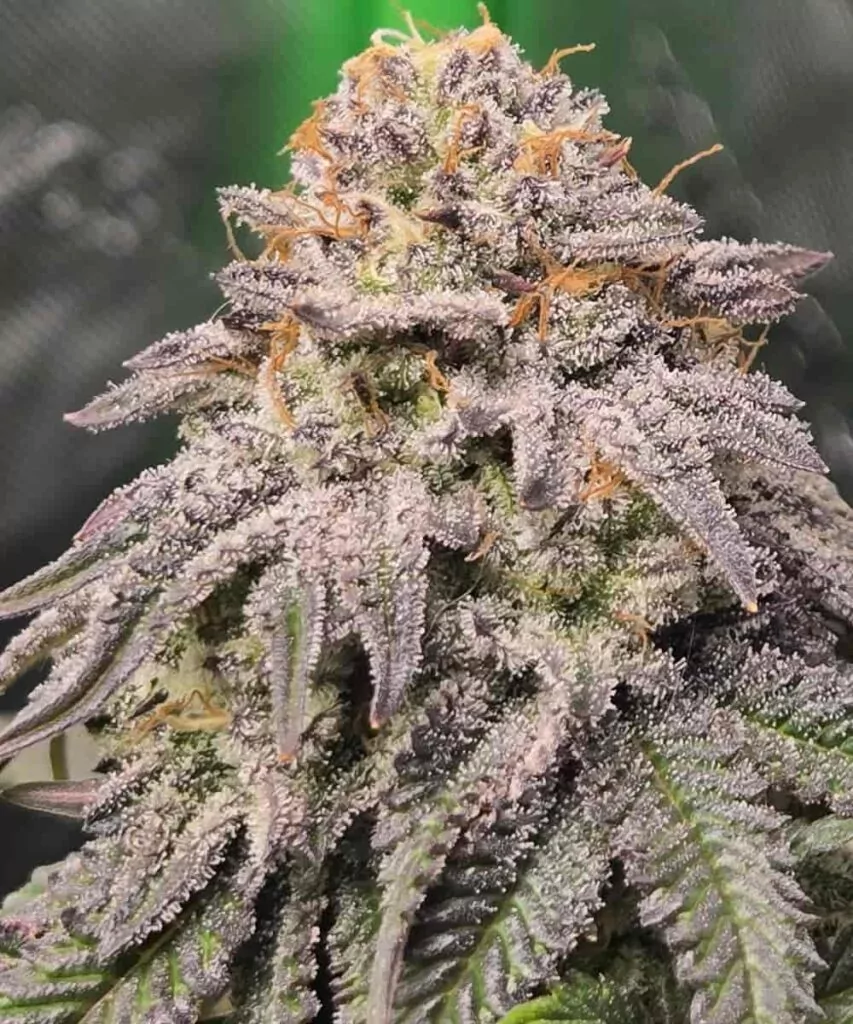


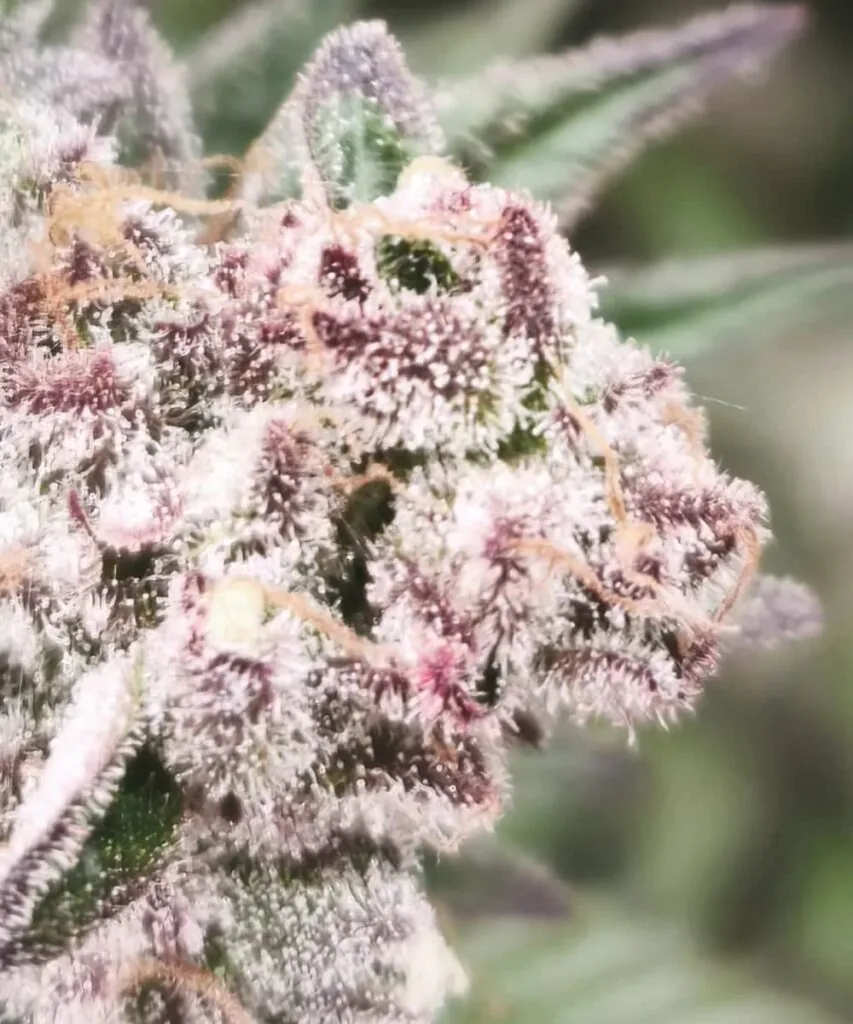
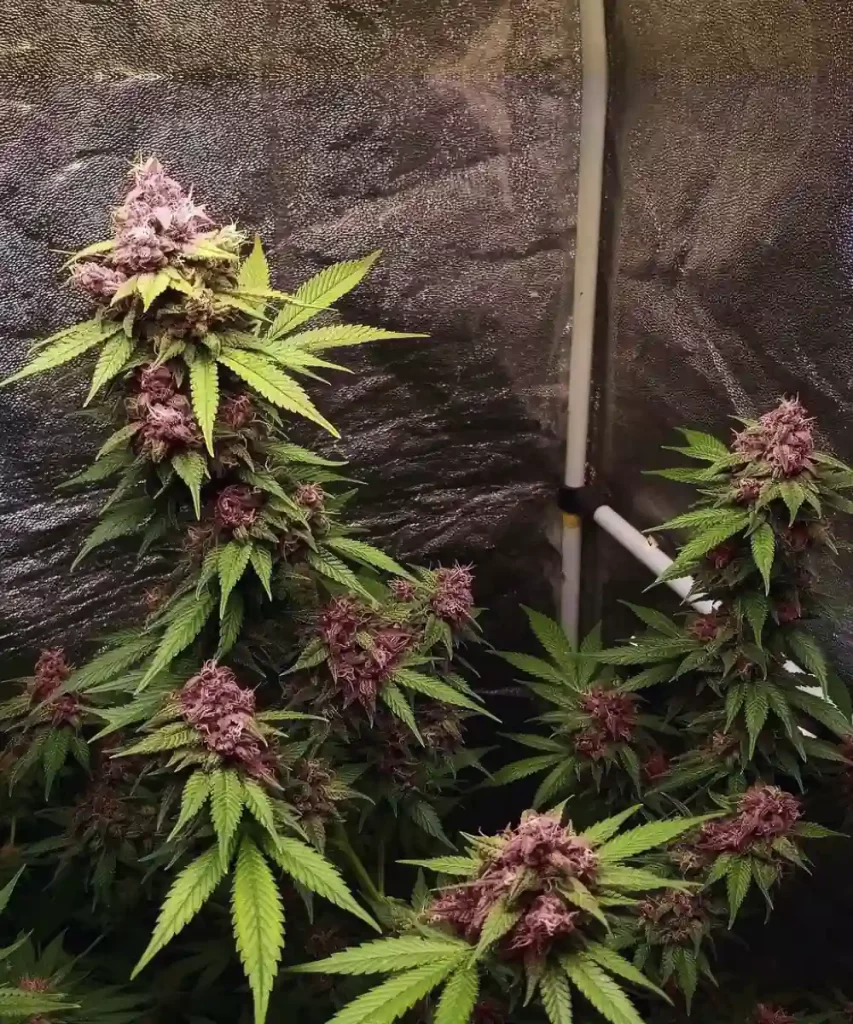
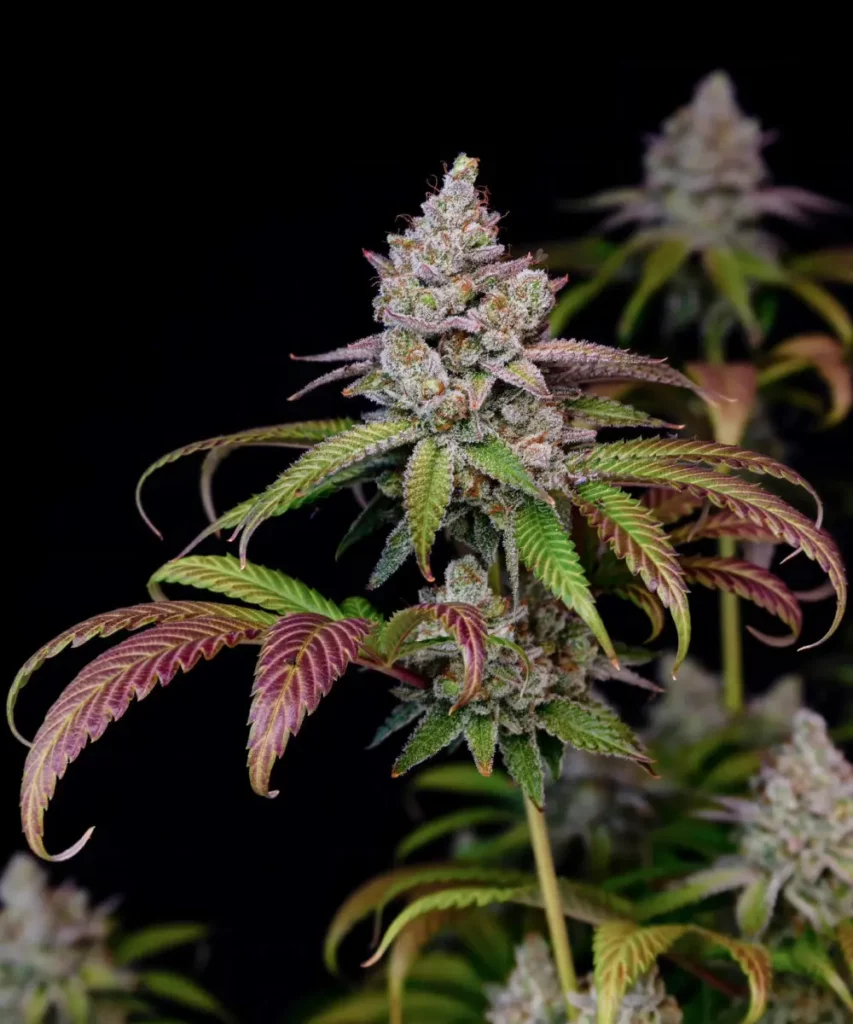
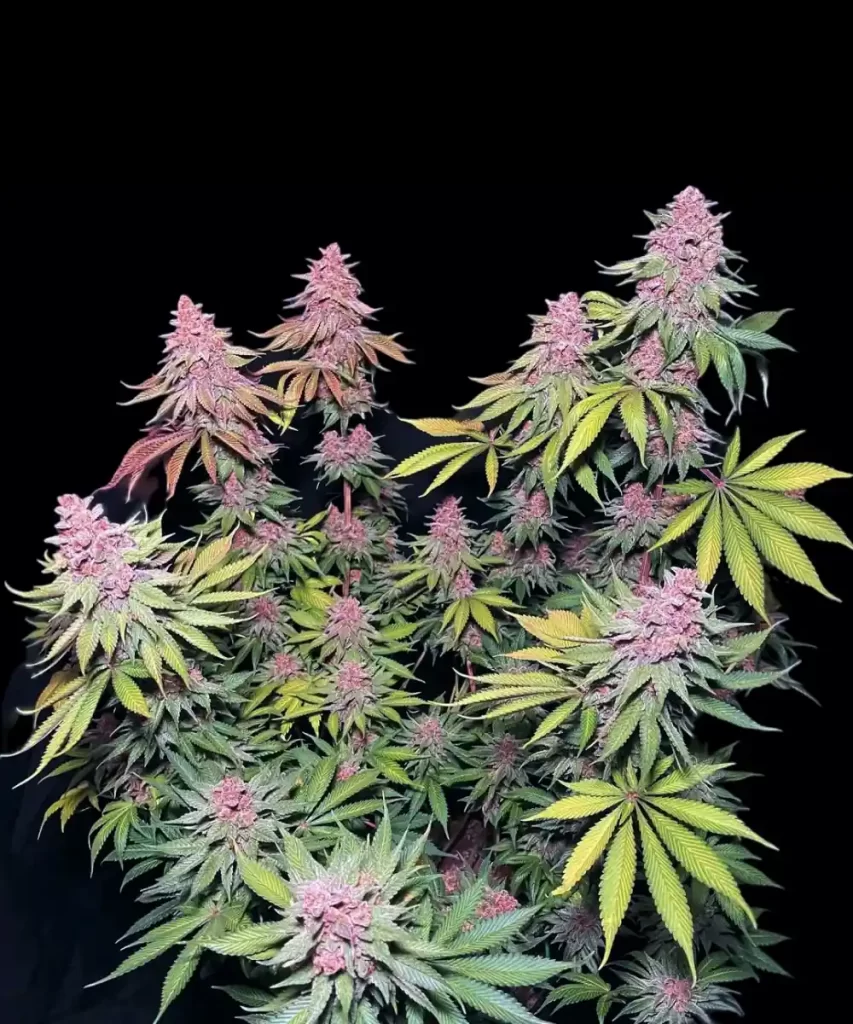

I planted 10 Super Boof seeds, and all germinated without a hitch. The plants grew strong and healthy, producing dense, frosty buds with a sweet, earthy aroma. The high is uplifting yet relaxing—a perfect balance. Impressive yield too, even with minimal effort

I’ve been growing weed for 30+ years, and to be honest, it’s quite difficult to surprise me. After a few decades of facing different strains, changing growing conditions, and solving whatever problem you could possibly think of, by then, I believe I’ve seen it all in cannabis growing.
Gary Payton defied every single one of my expectations.
The plant thrived, growing to an impressive 6 feet in what seemed like a blink of an eye. It quickly filled out with buds and displayed better smell each day, showing solid proof of superior genetics. The buds were tight, aromatic, and a source of immense pride, surpassing the outcome of many of my previous endeavors.
Hypno Seeds with their Gary Payton strain has won my complete admiration and loyalty. Outstanding genetics in this plant have truly turned what I always thought of to be an experiment with negligible expectations into one of the most satisfying grows of my long career.
Looking forward, my excitement for the next growing season is unparalleled. I can’t wait to see how much I can take these strains, especially with the attention that Gary Payton really does deserve right from the start.

TRUE MAGIC! This strain really stands out. I am trying Hypno Seeds for the first time and I surely made the right choice. I will be ordering more RS11 seeds just to keep this beauty in my garden for the upcoming season. Growing in Virginia and it’s only shown perfection by now.

Starting my latest grow, I decided to try out some Blackberry Kush from Hypno… I planted her on a whim alongside my other favorites. Hypno Seeds said it had to be a powerful plant with rich, fruity scents… Seeing is believing. She developed purplish hues and dense resin coated buds and quickly took center stage in my garden and produced much more than expected. The buds are tightly packed, literally bursting with the heady aroma. The yield? Very impressive for her conditions…
Germinated three seeds using the paper towel method with100% success rate within 48 hours. Planted in 5 gallon pots with living soil under a 315W CMH light. Plants remained compact (3.5 ft) with thick lateral branching, showing high resistance to humidity and minor nutrient fluctuations. Yield per plant: 5.8 oz of extremely dense, trichome-heavy buds. Smell profile during flower: sharp pine, pepper, and a hint of citrus. Harvested at week 9, after trichomes showed 30% amber for peak sedative effects. Smoke report: Potent. Deep relaxation without full sedation. Ideal for stress relief.


