


Watermelon OG is commonly another name for Watermelon or Watermelon Kush, an indica-leaning cannabis cultivar associated with sweet melon, grape-like fruit, and a hashy finish. Its original parent strains are not reliably established. Modern seed releases carrying the name can have their own breeding backgrounds and growing characteristics.
For a grower, the attraction is the fruit-forward flower. The challenge is knowing whether that character belongs to the plant you bought—and keeping it through harvest, drying, and storage. A watermelon-flavored cartridge is not evidence that a seed line will produce the same taste.
Below is a practical guide to flowering time, training, feeding, and flavor preservation, with the uncertain parts kept separate from the decisions you can actually control.
This article is educational. Cultivate cannabis only where permitted by applicable law.
| Trait | What to expect |
| Common names | Watermelon OG, Watermelon, and Watermelon Kush |
| Original genetics | Not reliably documented; named seed releases may have separate pedigrees |
| Type | Usually described as indica-leaning under the broad Watermelon name; individual releases differ |
| Aroma and flavor | Sweet melon or other fruit, grape-like notes, and earthy or hashy undertones |
| Reported effects | Relaxation, sleepiness, and increased appetite; individual experiences vary |
| Flowering reference | Around 55–60 days is frequently reported for the broad profile, not guaranteed for every release |
| Flower structure | Often described as large and dense, although individual plants can differ |
| Main grow priorities | Verify the material, manage its actual structure, and preserve aroma without trapping moisture |
There is no single trustworthy THC average or grams-per-plant figure for everything sold as Watermelon OG. A batch report describes the flower tested; a seed catalog describes a particular release’s advertised potential.
The broad Watermelon strain profile lists unknown parents. That is more defensible than assigning it a familiar Kush cross simply because the name ends in OG.
You will also encounter a Watermelon Zkittlez × OG Kush pedigree attached to some material sold as Watermelon OG. That can describe a named release without establishing the parentage of all Watermelon OG in circulation. Another documented seed selection uses Watermelon OG S1 as its background.
S1 means a first selfed generation: seed produced using one female plant’s genetics, typically by pollinating that plant or its clone with pollen from a reversed copy. It does not mean that every seed is genetically identical to the original plant. It also does not identify the original plant’s unknown ancestors.
Before planting, retain the breeder or clone-source name, the full release label, and any generation notation. If your supplier gives only “Watermelon OG,” ask whether it is a named seed project or a clone with a known grow history.
You do not need to reconstruct every ancestor to grow it successfully. You do need enough information to avoid using another release’s flowering clock or training expectations.
Watermelon Z, often called Watermelon Zkittlez, adds Z genetics to a Watermelon parent. It is a distinct cross, not just a longer spelling of Watermelon OG. Watermelon Mimosa is another separate cultivar.
If you are deciding between the original-style Watermelon profile and the candy-fruit cross, our Watermelon Z grow guide covers the latter. Their shared fruit vocabulary does not make their plants interchangeable.
Watermelon OG’s reputation centers on sweet fruit with an earthy or hash-like background. Some samples are recognizably melon-like; others lean more toward grape, berries, or general tropical fruit. A less literal watermelon expression is not automatically mislabeled or badly grown.
Myrcene, limonene, and caryophyllene are commonly named in secondary profiles. Their presence and proportions require batch-specific testing, and none should be treated as a single “watermelon terpene.”
Cannabis aroma includes compounds beyond the familiar terpene panel. Research on cannabis extracts has found substantial sensory differences between samples with similar major terpene profiles. Small amounts of other odor-active compounds can matter. That supports a broader view of aroma; it does not identify a proven Watermelon OG flavor molecule.
Reported experiences frequently lean toward physical relaxation and sleepiness. Increased appetite is also common in consumer accounts. These are reports, not a medical promise or a reliable timetable. Flower, concentrates, and edibles also differ in how they are consumed and experienced.
THC figures vary across named releases and finished batches. Do not choose a harvest date based on a hoped-for percentage, and do not assume that a stronger number guarantees better flavor. Cannabis can impair coordination and judgment, and unwanted effects can include dry mouth, dizziness, or anxiety.
For seed selection, look for descriptions of unflavored flower from a documented plant. A gummy’s watermelon taste may come from its ingredients. A cartridge may contain added terpenes or flavorings. Even a genuine extract can emphasize a different part of the starting flower’s aroma.
Check the product type and ingredient information before using a review as a flavor reference. “This tastes exactly like watermelon candy” is useful context only when you know what the person sampled.
A frequently repeated reference for the broad Watermelon profile is 55–60 days of flowering, roughly eight to nine weeks. Some named photoperiod selections advertise closer to seven to eight weeks. These figures should remain attached to their source material rather than being averaged into one supposedly exact answer.
The clock also matters. A photoperiod flowering estimate excludes the vegetative period. An autoflower’s advertised seed-to-harvest time may include nearly its whole growing life. Two listings that both say “eight weeks” can therefore describe very different schedules.
| Material or label | What the time estimate usually describes | What to check |
| Broad Watermelon/Watermelon OG profile | A reported flowering interval, often 55–60 days | Whether the estimate matches your source |
| Named photoperiod seed release | Flowering after a light-cycle change or defined flower onset | The breeder’s current window and counting method |
| Known clone | That clone’s previous flowering performance | Conditions and maturity criteria used by the grower |
| Watermelon Auto or Watermelon OG Auto | A separate autoflower release; listings may give total life cycle | Whether the number starts at germination or flower onset |
For an unfamiliar photoperiod plant, record the day you change the lights and the day flowers visibly establish. That small distinction makes your notes more useful when comparing them with someone else’s grow.
Allow scheduling flexibility at the finish. Booking a new crop around a fixed cut date can turn an estimate into an unnecessary early harvest.
The following approach applies to photoperiod Watermelon OG material. An explicitly labeled autoflower needs its own life-cycle and training plan.
Start with a healthy root zone and a growing system you can maintain consistently. A seedling does not need a strong flowering feed because the catalog describes potent flower. Give it moderate light and an appropriately moist, aerated substrate while roots establish.
With purchased clones, inspect the leaves and growing tips before bringing them into the main garden. Keep new material separate initially where possible. A strain name provides no assurance against pests or pathogens arriving with the plant.
The relevant limits include container height, light-fixture clearance, and access to the rear of the canopy. Catalog height figures are affected by vegetative time, lighting, containers, and training. Do not treat an indica label as a guarantee that the plant will remain short.
Leave enough space to work around each plant. You should be able to water it, adjust a tie, and inspect the less exposed flowers without repeatedly scraping through the canopy.
In the first run, note branch strength and internode length—the spacing between successive nodes. Those observations help decide whether a simple tie-down approach is enough or whether the plant needs more deliberate height control.
If your aim is to find a particular melon expression, label each seed plant separately. Take cuttings from healthy photoperiod plants before flowering if you want to preserve possible keepers.
Choose only after evaluating the finished flower. A promising smell during growth can change after drying, while another plant may retain its character more clearly. A labeled clone lets you repeat the individual instead of hoping a new seed produces the same result.
A vigorous, established photoperiod plant can be topped to encourage multiple leaders. The reason to do it is to organize the canopy, not to achieve a mandatory number of tops. Give the plant time to recover before the next significant intervention.
A naturally compact plant with closely spaced branches may benefit more from gentle spreading than repeated topping. A taller plant with wider node spacing may need earlier height management and support. Both patterns can occur within material sold under a broad strain name.
| What the plant is doing | Useful response | What to avoid |
| One leader rises well above the others | Redirect it gradually while flexible, or shape earlier in the next run | Forcing a stiff, flowering stem into a sharp bend |
| Short branches crowd the center | Open space between selected leaders | Repeated topping that creates more congestion |
| Lower growth stays weak and shaded | Remove selected sites unlikely to develop well | Stripping useful leaves merely to make the plant look tidy |
| Flower weight pulls a branch outward | Add support without squeezing buds together | Waiting until the branch tears |
A screen can distribute branches, but it is not compulsory. For a small first grow, movable ties and individual supports may make inspection and harvest easier. A screen that prevents you from reaching the back plants creates a new problem while solving height.
Finish major structural work before flowers become substantial. Later changes should be selective and gentle, especially where leaves or branches repeatedly rest against developing buds.
Use a complete nutrient program appropriate for the substrate and water supply. Watermelon OG does not have a verified universal electrical-conductivity target, and a high-yield description is not evidence that every plant needs stronger feeding.
When growth changes, check irrigation, root-zone conditions, and light exposure before adding another supplement. A heavy container with drooping leaves calls for a different investigation than a light container with a thirsty plant. A flowering top affected by excessive light may not resemble shaded lower growth.
Make one meaningful adjustment at a time and record it. Otherwise, a later improvement cannot tell you which change helped—or which extra product was unnecessary.
For climate decisions, consider temperature and humidity together. Vapor pressure deficit describes the moisture-pressure difference affecting transpiration; leaf temperature helps make that assessment relevant to the plant. Our cannabis VPD guide explains the relationship.
Watch the conditions during the dark period as well as under the lights. Flowering plants still release moisture, and a cooler room can have a higher relative humidity. Maintain gentle circulation and effective moisture removal rather than using a daytime reading as the whole picture.
Adding watermelon juice or fruit to irrigation is not a demonstrated way to create watermelon-flavored cannabis. Nearby fruit plants also do not establish a genetic flavor pedigree.
Carbohydrate products can have uses in particular growing systems, but “sugar makes the buds taste sugary” is not a sound explanation. Plants make their own sugars through photosynthesis. Genetics, healthy growth, and postharvest handling are more useful priorities than improvised flavor additives.
Do not spray developing flowers with scented products to strengthen the aroma. Odor control should manage the room’s exhaust, not coat the flower.
Watermelon OG is often described as producing substantial, dense flowers. Treat that as a reason to inspect carefully, not as proof that the cultivar is either mold-resistant or unusually susceptible. Reliable resistance evidence for the broad name is lacking.
There is no reason to raise flowering humidity simply to chase a juicier fruit aroma. Watch for persistent damp conditions, moisture trapped where flowers touch, and poor air exchange. Opening the canopy can help airflow, but it cannot dry a room that lacks adequate moisture removal.
Inspect the less exposed buds and look for isolated browning leaves within otherwise healthy flower. Discolored or decaying internal tissue and gray growth require attention. Separate suspect material, clean tools, and do not consume mold-contaminated flower. Smell and appearance alone cannot certify microbial safety.
Outdoors, choose a sunny position with air movement and secure the branches before they carry significant weight. Think about the weather during the likely final flowering period, not just the conditions when seedlings go outside.
An advertised late-September or October harvest belongs to a particular release and setting. Latitude, flower initiation, and seasonal weather can shift it. Rain shelter may reduce direct wetting, but an enclosed greenhouse still needs ventilation. If autumn is reliably damp, a shorter advertised window is helpful only when the actual plant can finish within it.
Use the expected finish window to start closer checks. Observe flower development alongside trichomes on flower bracts, rather than judging only the resin on protruding sugar leaves.
Compare upper and lower flower positions. One exposed top can look further along than the rest of the plant. If maturity differs substantially, a staged harvest may be more sensible than cutting everything to match that top.
Do not chase a universal amber-trichome percentage to guarantee a sleepy experience. Trichome appearance is not a laboratory potency measurement or a precise prediction of effects. Likewise, pistil color alone does not establish readiness.
Handle harvested branches by their stems where practical. Repeated squeezing and rubbing can damage resinous surfaces. Remove obviously compromised material before it shares a drying area with the clean harvest.
A controlled, moderately cool drying room helps limit unnecessary aroma loss. As general home-grow starting conditions, approximately 60–70°F and 50–60% relative humidity are commonly used. They are not Watermelon OG trial results or a guarantee of a safe endpoint.
Separate branches so flower clusters do not touch. Circulate air around the room instead of aiming a continuous blast at the buds. Adjust the setup when the outside dries quickly while dense interiors remain moist, or when drying stalls in humid conditions.
Judge the material, not an automatic number of days. Before sealing a full batch, check representative flowers from different positions and sizes. A stable sample-container humidity reading can help with moisture management, but a small hygrometer does not replace water-activity measurement or microbial testing.
Curing cannot repair mold contamination or reliably recreate aroma already lost. For a deeper setup reference, use the dry-tent temperature and humidity chart.
Start with when the expected smell was missing. That is more informative than immediately blaming nutrients or buying a stronger terpene booster.
| What you notice | Possible explanation | Useful next check |
| Flower never develops a clear melon note | Different individual expression, source material, or an overly literal expectation | Recheck the release label and compare other plants from that source |
| Fruit is clear near harvest but weak after drying | Drying conditions or handling may have changed the volatile profile | Review room trends, direct airflow, and handling rather than just elapsed days |
| Aroma fades during storage | Time, temperature, container exposure, or changing chemistry | Compare storage conditions and minimize unnecessary opening once moisture is stable |
| One sample smells stronger than another | Different maturity, moisture, temperature, or plant identity | Compare equally prepared samples before choosing a keeper |
| A cartridge tastes melon-like but flower does not | Added flavoring or a different extract profile | Check ingredients and whether both products trace to the same material |
Fruit aroma is not static. Drying and storage can change its balance even when the flower remains usable. A shift from bright melon toward grape or hash does not reveal the cause by itself.
Keep a short record at harvest, after drying, and after a consistent storage interval. Use the same simple descriptors each time: melon-like, grape-like, earthy, hashy, or another note you actually detect. Record moisture and storage conditions alongside the description.
This is also how to avoid discarding a good plant for the wrong reason. If every plant loses its brighter notes during the same drying run, investigate the process before concluding that all the genetics failed.
Watermelon OG suits growers interested in fruit-forward flower who are willing to verify their material and evaluate the finished result. A famous name or a candy-like product review is not enough to choose a seed line.
Give the plant a manageable structure, avoid unproven flavor tricks, and pay attention to the transition from fresh flower to stored buds. That is where a promising melon expression can either remain distinctive or become much less recognizable.
If you prefer a documented Watermelon cross, explore the Hypno Seeds Watermelon Z seeds. Watermelon Z is a separate Watermelon × Z pairing—not a substitute label for Watermelon OG—and has its own growing requirements.


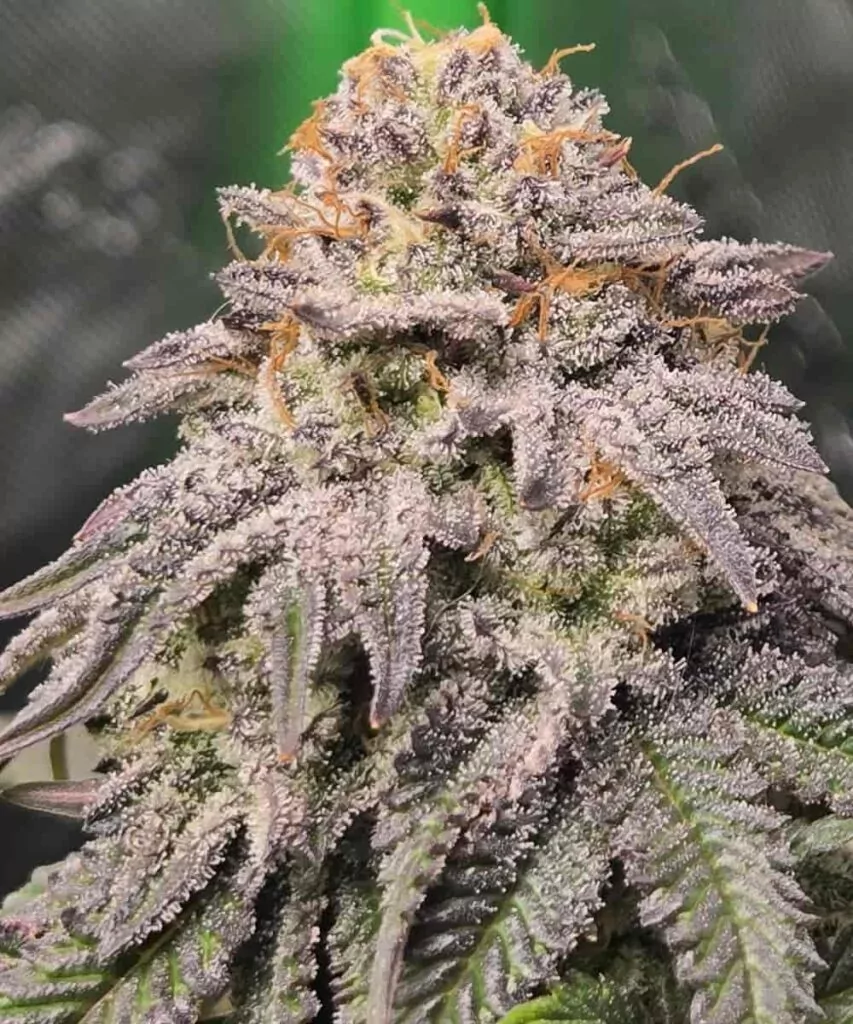


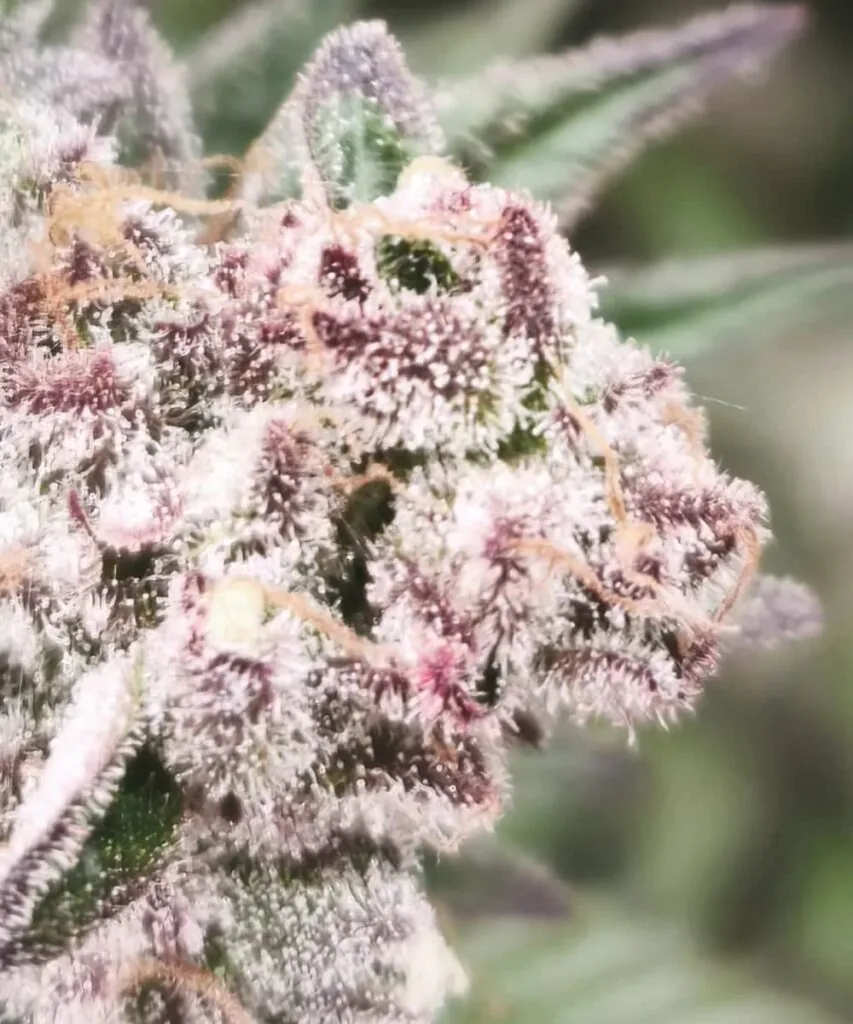
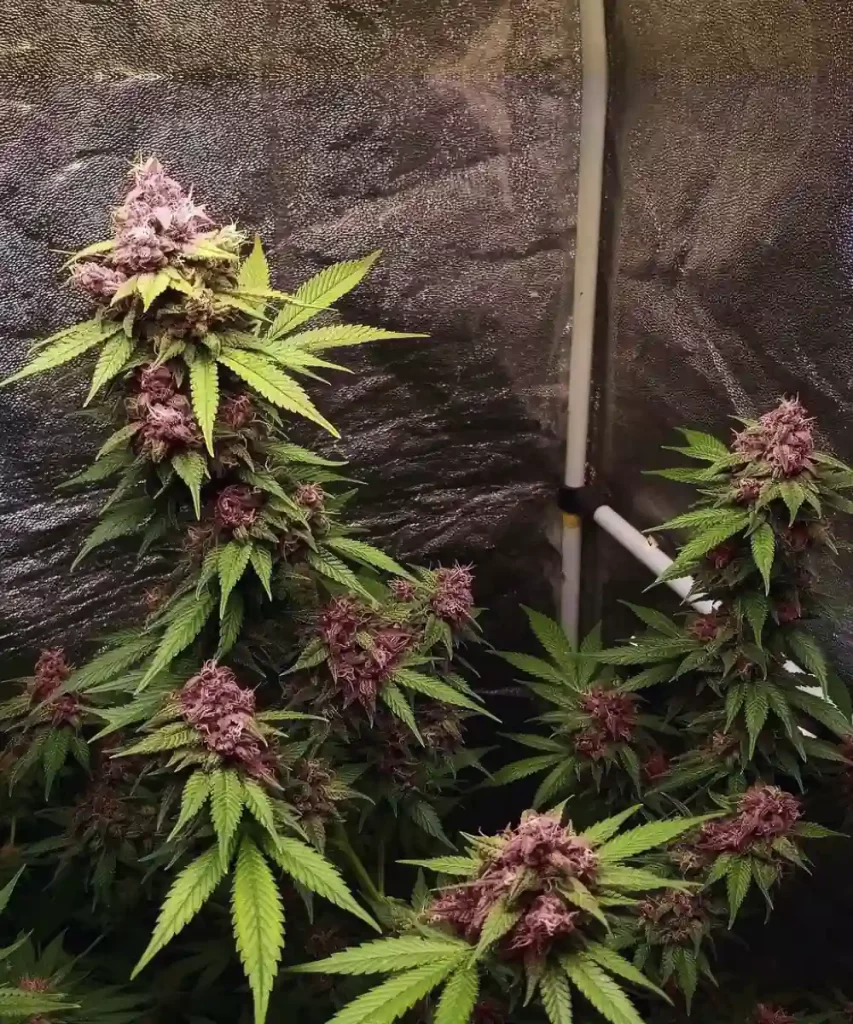
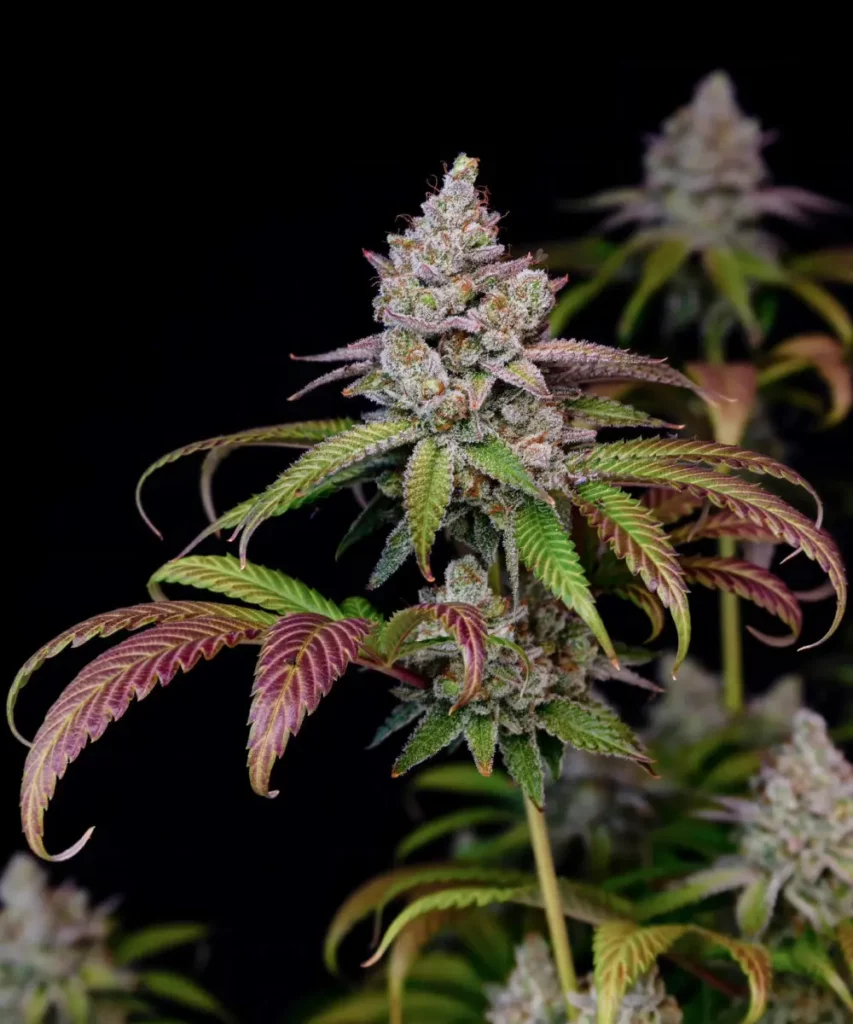
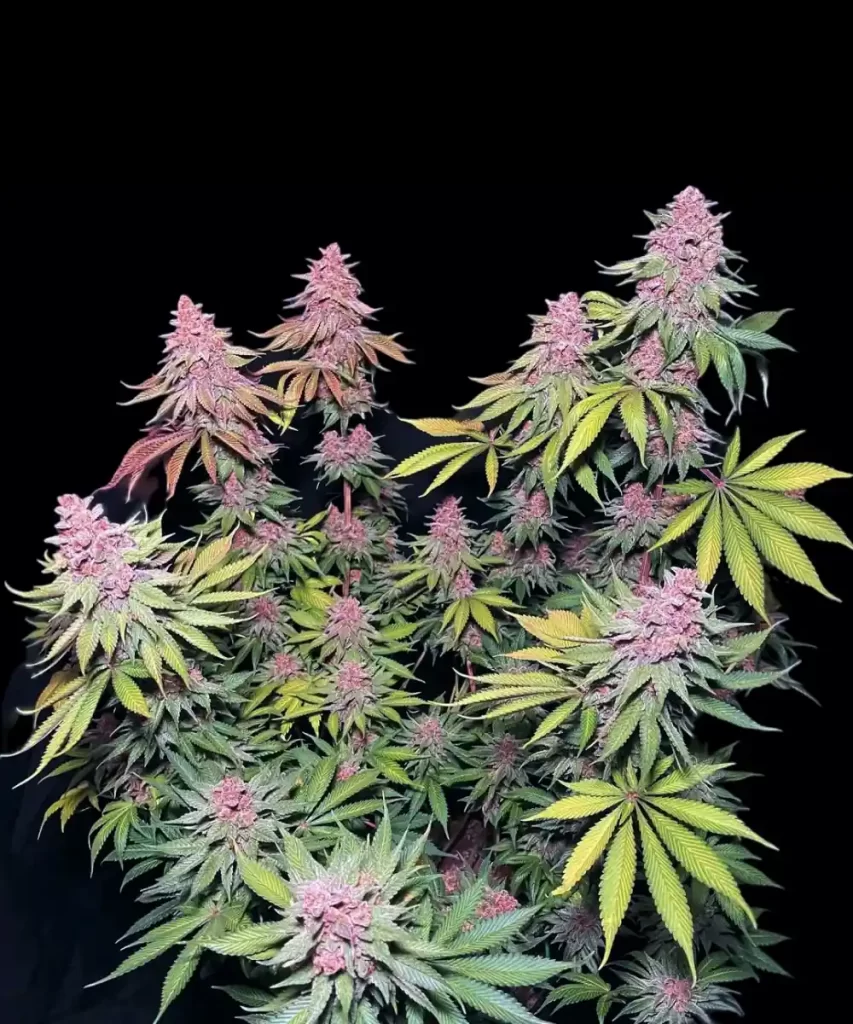

I planted 10 Super Boof seeds, and all germinated without a hitch. The plants grew strong and healthy, producing dense, frosty buds with a sweet, earthy aroma. The high is uplifting yet relaxing—a perfect balance. Impressive yield too, even with minimal effort

I’ve been growing weed for 30+ years, and to be honest, it’s quite difficult to surprise me. After a few decades of facing different strains, changing growing conditions, and solving whatever problem you could possibly think of, by then, I believe I’ve seen it all in cannabis growing.
Gary Payton defied every single one of my expectations.
The plant thrived, growing to an impressive 6 feet in what seemed like a blink of an eye. It quickly filled out with buds and displayed better smell each day, showing solid proof of superior genetics. The buds were tight, aromatic, and a source of immense pride, surpassing the outcome of many of my previous endeavors.
Hypno Seeds with their Gary Payton strain has won my complete admiration and loyalty. Outstanding genetics in this plant have truly turned what I always thought of to be an experiment with negligible expectations into one of the most satisfying grows of my long career.
Looking forward, my excitement for the next growing season is unparalleled. I can’t wait to see how much I can take these strains, especially with the attention that Gary Payton really does deserve right from the start.

TRUE MAGIC! This strain really stands out. I am trying Hypno Seeds for the first time and I surely made the right choice. I will be ordering more RS11 seeds just to keep this beauty in my garden for the upcoming season. Growing in Virginia and it’s only shown perfection by now.

Starting my latest grow, I decided to try out some Blackberry Kush from Hypno… I planted her on a whim alongside my other favorites. Hypno Seeds said it had to be a powerful plant with rich, fruity scents… Seeing is believing. She developed purplish hues and dense resin coated buds and quickly took center stage in my garden and produced much more than expected. The buds are tightly packed, literally bursting with the heady aroma. The yield? Very impressive for her conditions…
Germinated three seeds using the paper towel method with100% success rate within 48 hours. Planted in 5 gallon pots with living soil under a 315W CMH light. Plants remained compact (3.5 ft) with thick lateral branching, showing high resistance to humidity and minor nutrient fluctuations. Yield per plant: 5.8 oz of extremely dense, trichome-heavy buds. Smell profile during flower: sharp pine, pepper, and a hint of citrus. Harvested at week 9, after trichomes showed 30% amber for peak sedative effects. Smoke report: Potent. Deep relaxation without full sedation. Ideal for stress relief.


