

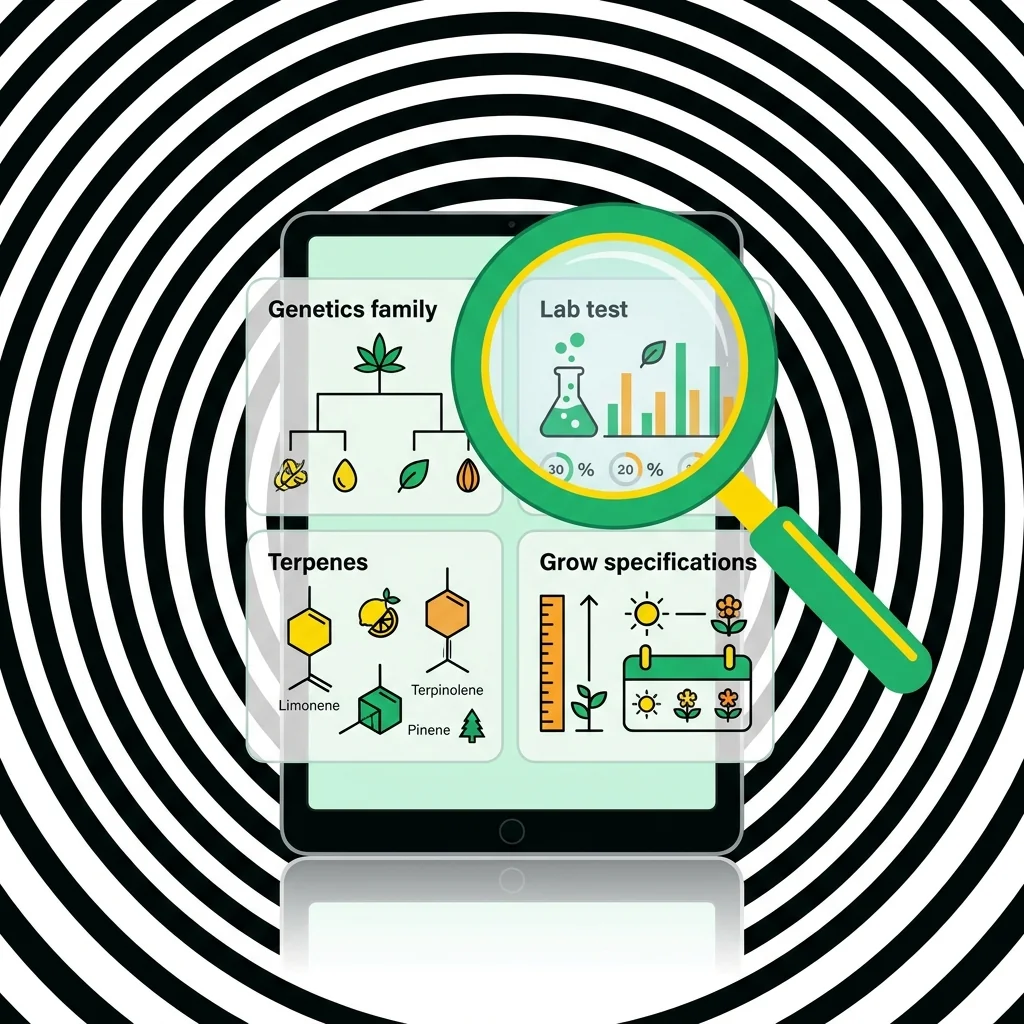
A trustworthy sativa seed listing shows four things. It gives the genetic background behind the strain name. It gives a realistic potency range for mature flower. It names the dominant terpenes behind the flavor. And it lists grow specs such as height and flowering time. If a listing leaves those four out, the strain name is doing all the work. Names don’t grow plants.
- THC belongs to mature flower, not the seed. Genetics and grow conditions decide where yours lands.
- Real flavor claims name terpenes. Terpinolene, limonene and alpha-pinene define most sativa profiles.
- Parentage and stabilization notes beat a famous name. Genetics sourced from other breeders can vary widely, so know the lineage.
- Height and flowering time matter for potency and flavor. A sativa that is rushed or cramped loses both.
- Freshness is a spec too. Ask how recently the batch was germination-tested.
Most growers check potency first, and the number only means something with context. THC is a trait of the plant a strain produces. The seed itself doesn’t contain it. A good listing therefore phrases it as “flower from this line has tested around X%.”
Read that figure like an engine’s rated horsepower. It tells you what the genetics can deliver. Light, feeding and harvest timing decide how much of it actually reaches the road.
Look for:
- A range rather than a single headline number
- Figures tied to tested flower from the line
- Lab backing: a Certificate of Analysis from an ISO-accredited third-party lab, with a full panel covering cannabinoid potency, terpene profiles and contaminant screens (pesticides, heavy metals, mycotoxins)
- A plain statement that grow conditions affect results
If potency tops your list, our high-THC strains make a sensible shortlist.
Flavor deserves the same scrutiny as potency because both come from the same place. Terpenes are aromatic compounds made in the trichomes, the same resin glands that produce cannabinoids. “Tropical explosion” is an adjective. “Limonene-dominant” is information.
Check listings against this short sativa terpenes list:
| Terpene | Aroma | Common in |
|---|---|---|
| Terpinolene | Fresh pine, floral, herbal | Haze and landrace-style sativas |
| Limonene | Citrus peel | Lemon and orange-leaning lines |
| Alpha-pinene | Pine, fresh-cut wood | Classic piney sativas |
Most sativa strains build their terpene profiles on these three, which is where the family gets its citrus and pine signature.
💡 Pro Tip: Make sure the aroma description matches the terpene the listing names. If a listing says “limonene-dominant” and then describes the aroma as “earthy and musky,” ask the seller about it.
Terpene and potency claims only hold up if the seeds reliably reproduce the plant that earned them. Well-documented parentage and stabilization notes tell you the genetics are consistent across batches.
Stabilization works like removing unwanted cards from a deck. Each generation of selection takes out traits the breeder doesn’t want, so every seed you pop draws from a smaller set of possible outcomes.
Science is making that selection more precise. A 2025 study in The Plant Genome identified 33 molecular markers associated with 11 cannabinoid traits. It also found a large genetic region on chromosome 7 in THC-dominant plants, and the authors say markers like these can help breeders select for potency at the DNA level.
- Named parent strains
- Stabilization or generation notes
- Phenotype descriptions, including stretch
- A clear breeder behind the cross
Our genetics are developed and stabilized in-house over multiple generations, so the details on our listings come from our own parent stock.
Even stable genetics need room and time to finish, so the grow specs matter as much as the THC line. Buyers should look for realistic height information and expected stretch, and with tall-growing sativas that advice matters even more.
| Spec | Why it matters |
|---|---|
| Flowering time | Trichomes and terpenes mature late. Cutting early costs you both. |
| Height and stretch | Sativas can stretch hard in early flower. A canopy jammed against the light loses resin and aroma. |
| Climate fit | Long-flowering lines need a season that runs long enough to finish before cold, wet weather. |
| Seed type | Feminized photoperiods let you control veg time. Autoflower lines run on their own clock. |
If you want a shorter run with Haze character, Shop Amnesia Haze Auto is one option. And a sativa that hits the grow light in week three of flower is not a flavor strategy.
Cannabis cultivation laws differ by state and locality. Check and follow your own before germinating.
The final check happens behind the listing, because no spec matters if the seed doesn’t sprout. Seeds lose viability as they age or sit in heat and humidity. Ask any seller how often batches are tested and how stock is stored.
At Hypno Seeds, every batch is germination-tested every 30 days, and any batch below a 95 percent success rate is pulled. Seeds are hand-inspected and stored in a climate-controlled warehouse.
The best sativa strains 2026 has to offer are the ones with traceable genetics and clear terpene notes. We’ve selected four with well-documented terpene profiles:
- Durban Poison – The Terpinolene Benchmark. A South African, landrace-descended sativa known for sweet, piney, slightly anise notes. Shop Durban Poison
- Super Lemon Haze – Limonene on Display. A Haze line with a loud lemon-zest profile. Shop Super Lemon Haze
- Jack Herer – Pine and Spice. A classic with Haze heritage and pinene and terpinolene notes. Shop Jack Herer
- Ghost Train Haze – The Potency Pick. A long-flowering Haze with a citrus-floral profile and a high-THC reputation. Give it the full flowering time it needs. Shop Ghost Train Haze
You’ll find more terpene-led picks in the Flavor Collection.
What THC level is typical for a high-potency sativa?
There is no single typical figure, so look for a tested range for flower from that specific line. Treat any figure as genetic potential, because your environment shapes the result.
Which terpenes define sativa flavor?
Terpinolene, limonene and alpha-pinene. Together they drive the citrus and pine profiles sativas are known for.
Why do plants from the same pack look different?
That’s phenotype variation. Well-stabilized genetics reduce it, which is why stabilization notes on a listing matter.
Do autoflower sativas have less flavor?
Not by default. Flavor follows genetics and grow conditions, so compare terpene notes the same way you would for photoperiods.
Does a famous strain name guarantee quality?
No. The same name can carry different genetics from different breeders. Check parentage and testing instead.
How fast do orders arrive?
Orders ship from Las Vegas, NV within 24 hours and typically arrive in 2 to 5 business days with tracking.
Hypno Seeds is a US cannabis seed breeder that develops and stabilizes its own genetics in-house over multiple generations for consistent growth, yield and terpene profiles. Its catalog includes sativa, feminized and autoflower lines, along with exclusive strains such as Red Chile Truffle and Sticky Kitty Trippy Punch. Every batch is germination-tested every 30 days and backed by a germination guarantee. Orders ship discreetly from a climate-controlled Las Vegas, NV warehouse.
Ready to put this checklist to work? Compare sativa listings, terpene notes and grow specs at http://hypnoseeds.com, or go straight to the shop.
What you’re really looking for in a listing is clarity: genetics you can trace, specs you can verify, and a breeder willing to stand behind them.
- The Plant Genome – Molecular markers associated with cannabinoid production and high-THC dominance in cannabis (peer-reviewed)


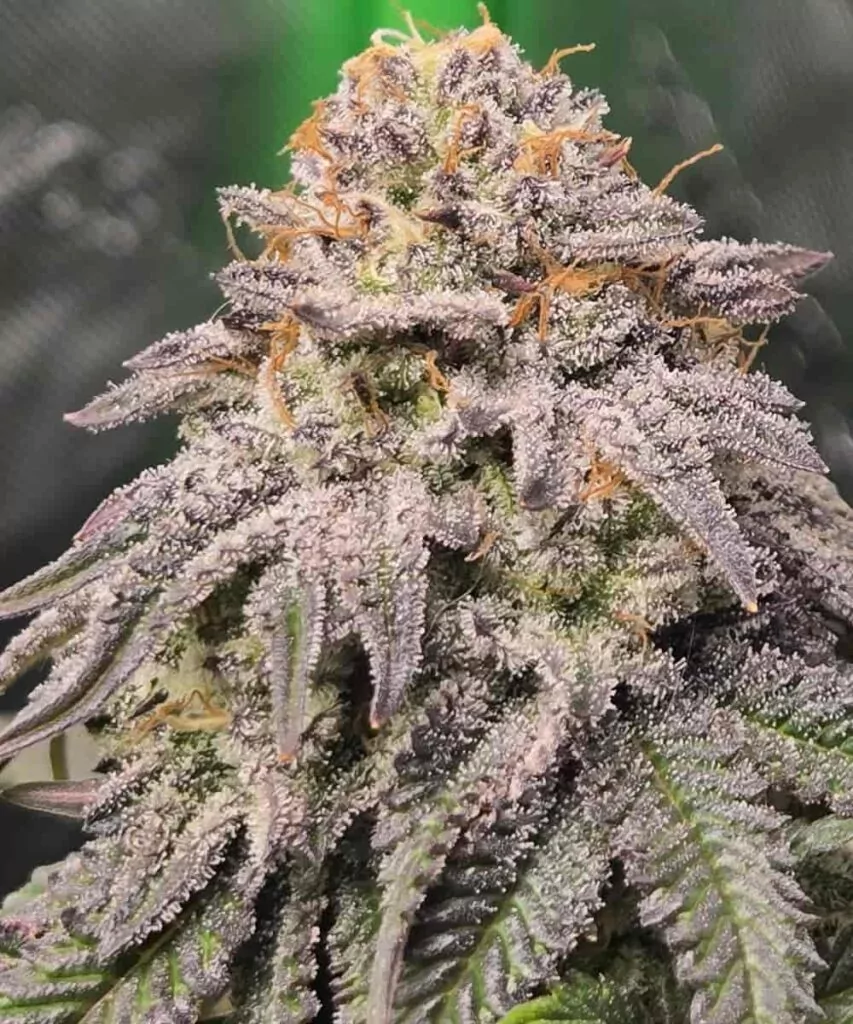


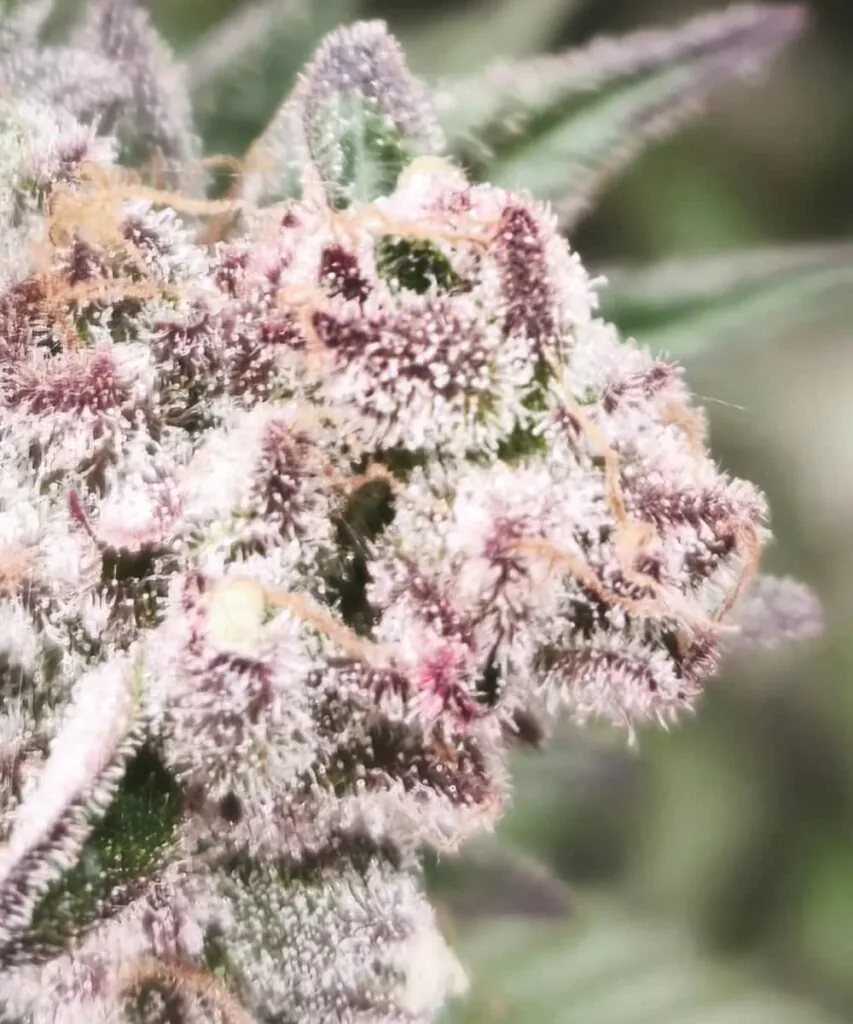
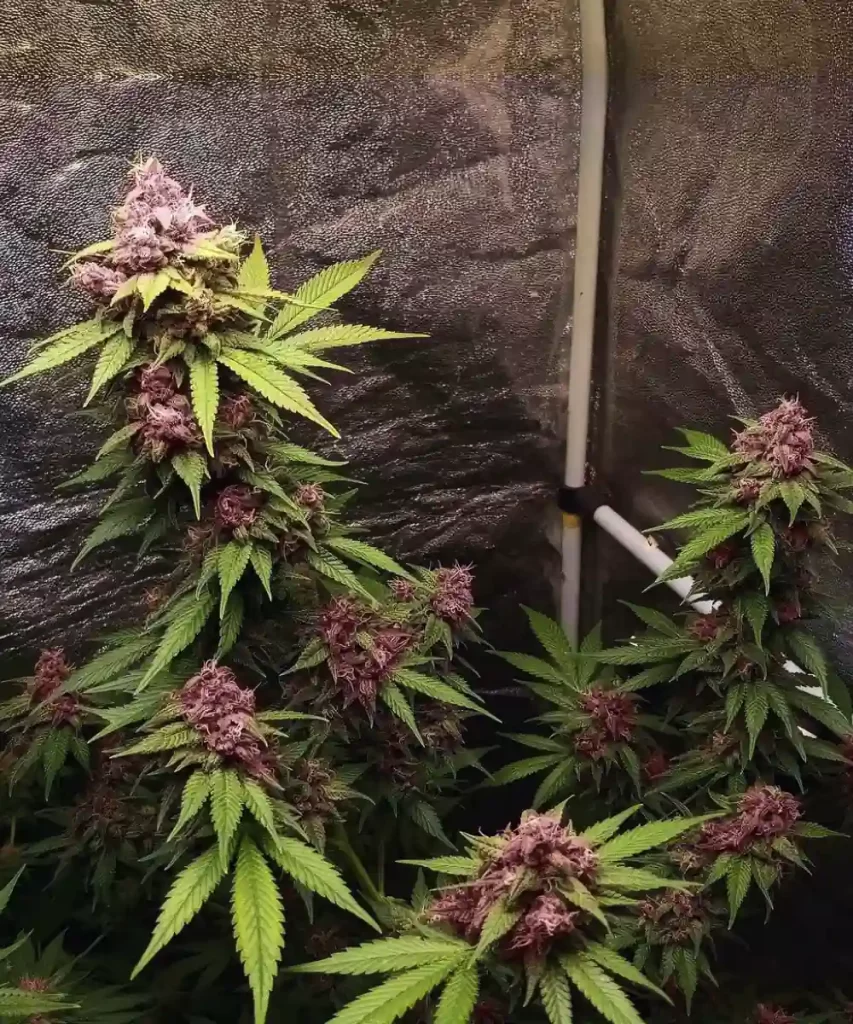
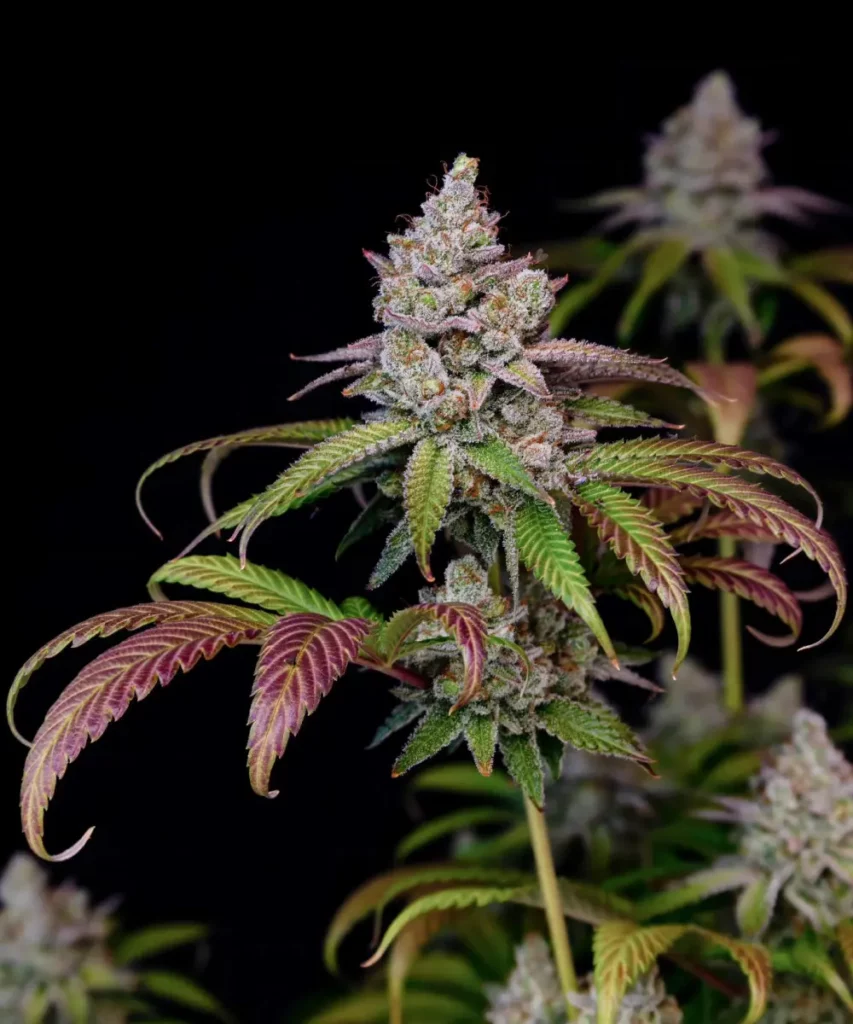
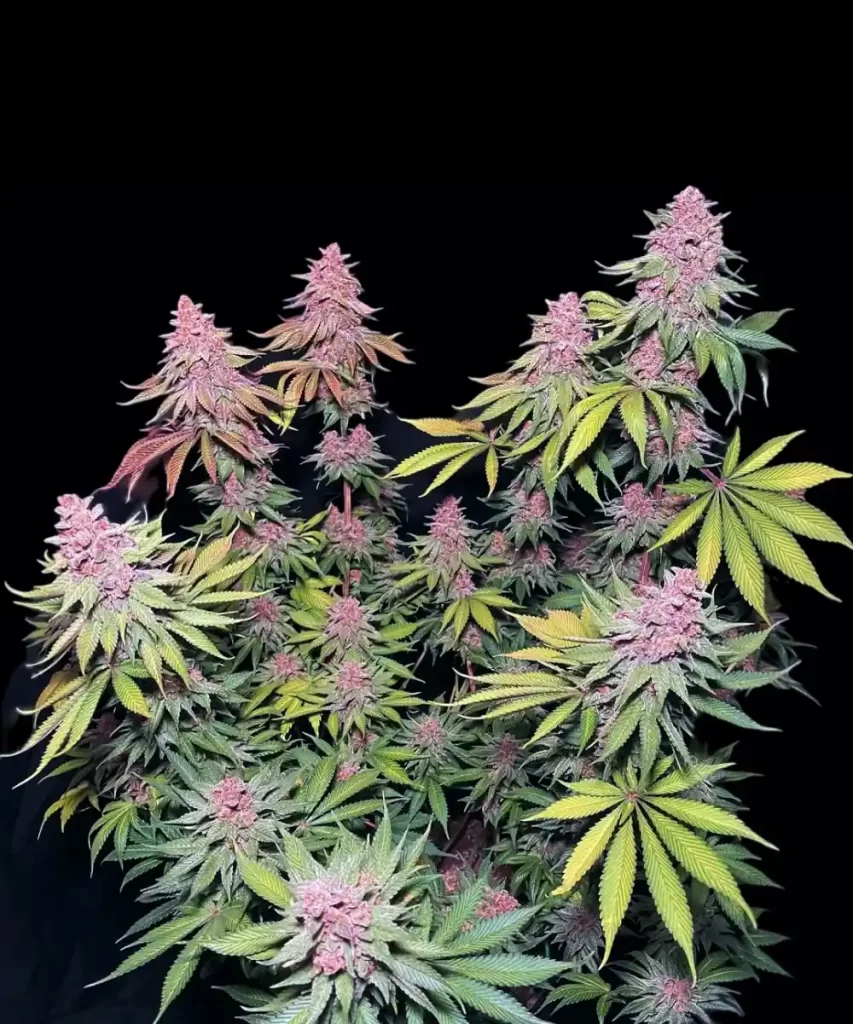

I planted 10 Super Boof seeds, and all germinated without a hitch. The plants grew strong and healthy, producing dense, frosty buds with a sweet, earthy aroma. The high is uplifting yet relaxing—a perfect balance. Impressive yield too, even with minimal effort

I’ve been growing weed for 30+ years, and to be honest, it’s quite difficult to surprise me. After a few decades of facing different strains, changing growing conditions, and solving whatever problem you could possibly think of, by then, I believe I’ve seen it all in cannabis growing.
Gary Payton defied every single one of my expectations.
The plant thrived, growing to an impressive 6 feet in what seemed like a blink of an eye. It quickly filled out with buds and displayed better smell each day, showing solid proof of superior genetics. The buds were tight, aromatic, and a source of immense pride, surpassing the outcome of many of my previous endeavors.
Hypno Seeds with their Gary Payton strain has won my complete admiration and loyalty. Outstanding genetics in this plant have truly turned what I always thought of to be an experiment with negligible expectations into one of the most satisfying grows of my long career.
Looking forward, my excitement for the next growing season is unparalleled. I can’t wait to see how much I can take these strains, especially with the attention that Gary Payton really does deserve right from the start.

TRUE MAGIC! This strain really stands out. I am trying Hypno Seeds for the first time and I surely made the right choice. I will be ordering more RS11 seeds just to keep this beauty in my garden for the upcoming season. Growing in Virginia and it’s only shown perfection by now.

Starting my latest grow, I decided to try out some Blackberry Kush from Hypno… I planted her on a whim alongside my other favorites. Hypno Seeds said it had to be a powerful plant with rich, fruity scents… Seeing is believing. She developed purplish hues and dense resin coated buds and quickly took center stage in my garden and produced much more than expected. The buds are tightly packed, literally bursting with the heady aroma. The yield? Very impressive for her conditions…
Germinated three seeds using the paper towel method with100% success rate within 48 hours. Planted in 5 gallon pots with living soil under a 315W CMH light. Plants remained compact (3.5 ft) with thick lateral branching, showing high resistance to humidity and minor nutrient fluctuations. Yield per plant: 5.8 oz of extremely dense, trichome-heavy buds. Smell profile during flower: sharp pine, pepper, and a hint of citrus. Harvested at week 9, after trichomes showed 30% amber for peak sedative effects. Smoke report: Potent. Deep relaxation without full sedation. Ideal for stress relief.


