


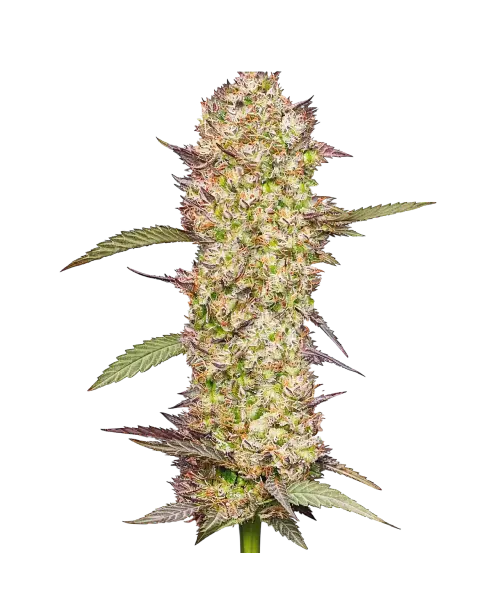

What Are Forbidden Fruit Seeds?
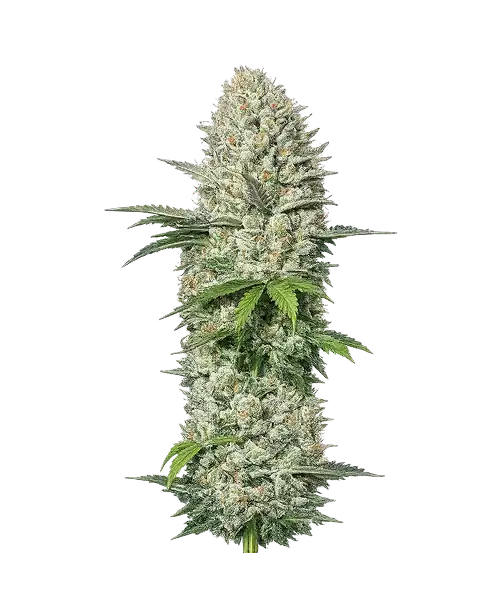
Forbidden Fruit seeds produce a feminized photoperiod Indica strain created from Cherry Pie and Tangie genetics. This variety leans indica is recognized for dense, resin-rich buds and THC levels that commonly reach about 23%. The pairing of Cherry Pie’s dessert lineage with Tangie’s citrus heritage helped shape one of the most recognizable fruit-forward terpene profiles in modern cannabis breeding.
 EffectSensual, Euphorie, relax
 Indoor Yield / Outdoor Yield1.4-1.5 oz/ft² / 25-30 oz/plant
 THC / CBDUp to 23% / Up to 0.50%
 Genetics / GenderCherry Pie x Tangie / FeminizedHarvest / FloweringEnd of September, Start of October / 8-9 weeksHeight40-50 inch
 FlavorEarthy, Fruity, Grapefruit, Lemon Tree, Piney, Sweet, Tropical
 Type70% Indica / 30% Sativa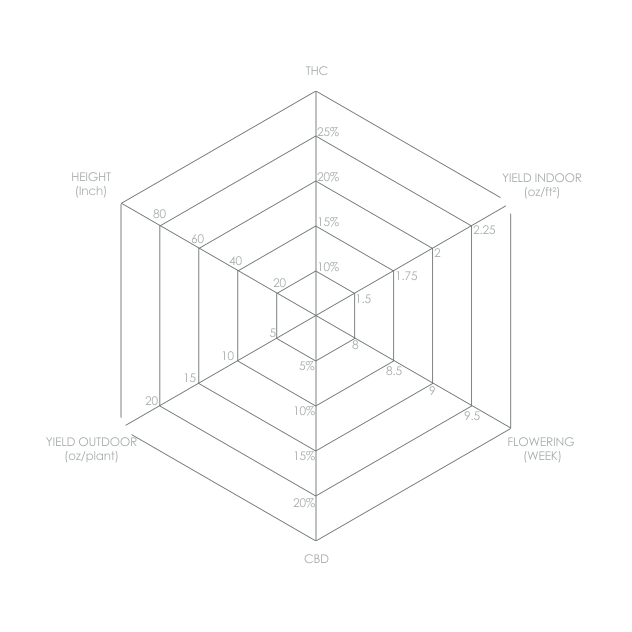

Forbidden Fruit Strain Effects, Aroma and Flavor Profile
Forbidden Fruit delivers a premium cannabis experience with its irresistible sweet flavor and complex aroma. This strain offers a rich blend of fruity and earthy notes, creating a delightful sensory journey. Each puff brings a tangy burst of citrus, balanced by sweet tropical undertones and a smooth pine finish.
The effects combine mental clarity with a calming body high, making it perfect for relaxation and unwinding after a long day. Its euphoric uplift leaves users feeling refreshed and content, making it ideal for enhancing both social and solo moments.
GRAPEFRUIT PEEL
Bittersweet citrus aroma with a crisp edge and slightly tart freshness.

TROPICAL MANGO
Juicy tropical aroma with rich mango sweetness and smooth exotic fruit undertones.

MIXED BERRIES
Ripe berry bouquet combining sweet and slightly tangy notes reminiscent of fresh forest fruit.

FRESH PINE
Clean pine needle aroma with bright green notes that evoke fresh mountain forests. Effects

RESTFUL SLEEP
A tranquil state that supports relaxation and prepares the body and mind for sleep.

PHYSICAL RELIEF
A soothing body effect that can help reduce discomfort and promote physical ease.

COMFORTING CALM
A gentle, reassuring calm that brings emotional balance and inner ease.

DEEP RELAXATION
A calming effect that helps release tension and promotes a deeply relaxed body and mind.
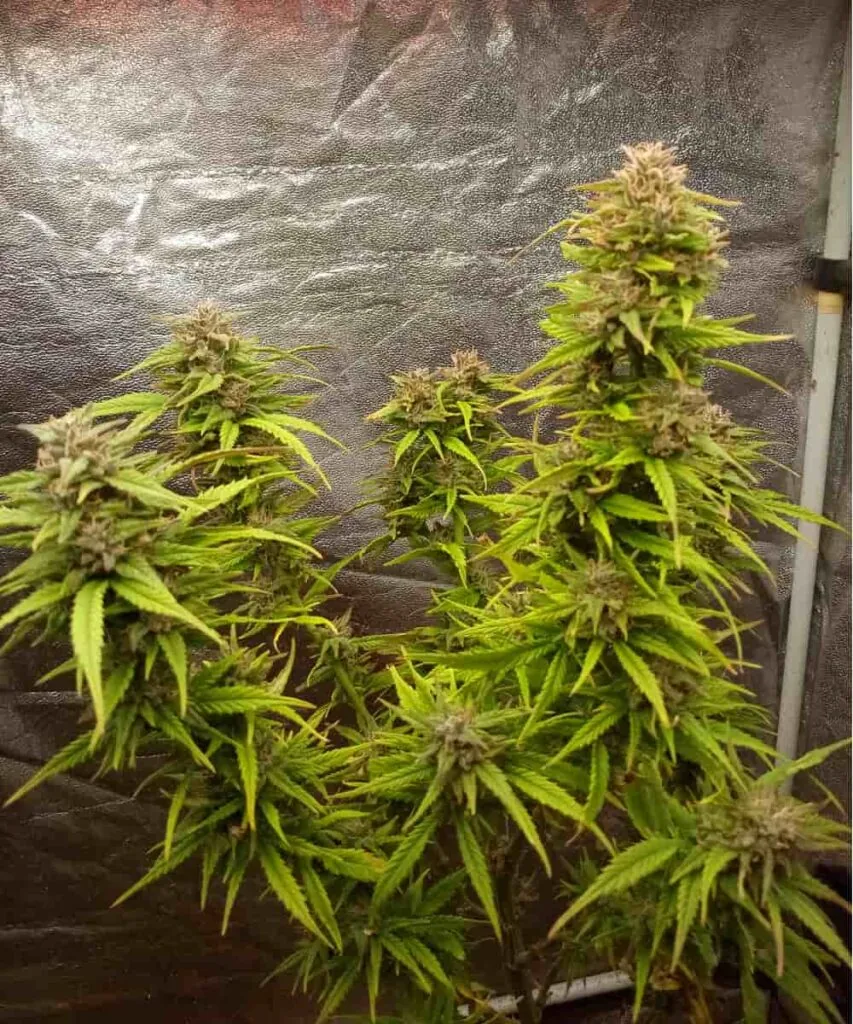
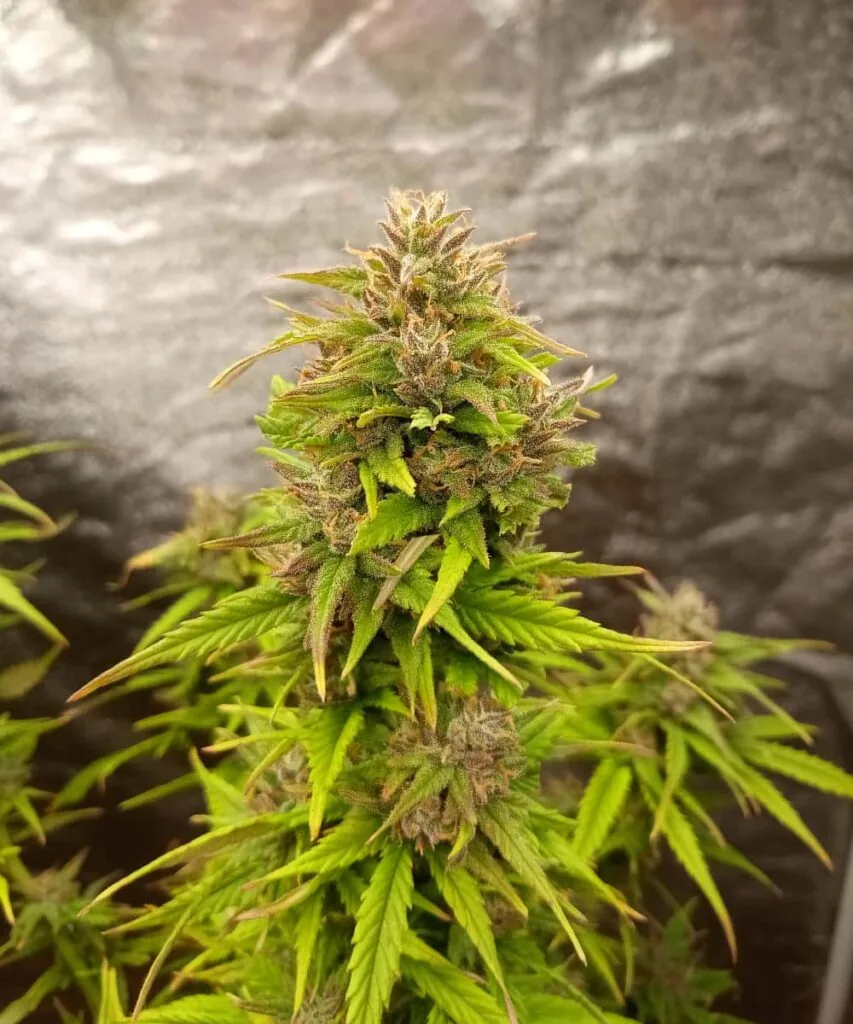
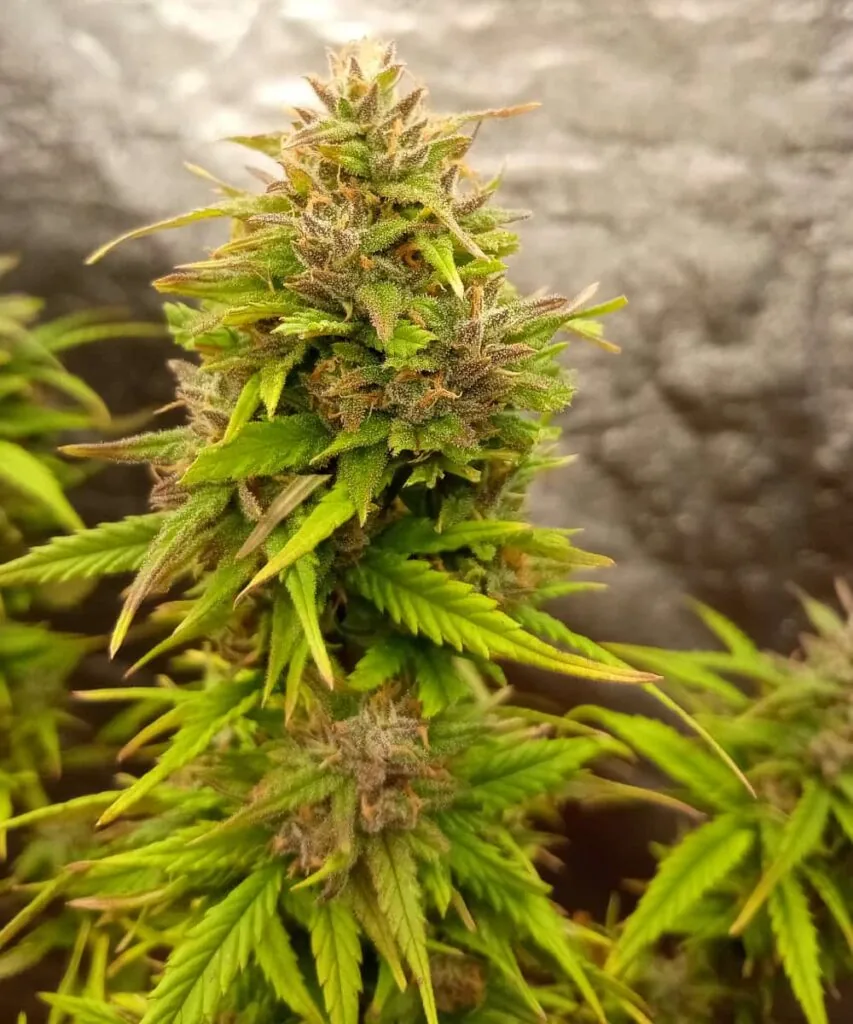
Forbidden Fruit Grown by our customers

You may also like…

Wedding Cake

Red Chile Truffles

Cereal Milk
Usefull information and FAQ
- Are Forbidden Fruit seeds easy to grow?
Forbidden Fruit seeds are relatively easy, but optimizing quality requires some experience. The plant is resilient and adaptable, yet its dense bud structure makes airflow and humidity control important during flowering. Growers who keep stable conditions will get consistent results, while fluctuations can reduce terpene quality.
- How do you train Forbidden Fruit plants?
Topping and low-stress training work very well. Forbidden Fruit naturally grows bushy, so opening the canopy early improves light penetration and airflow. Techniques like lollipopping and light defoliation help prevent overcrowding and direct energy toward the main bud sites.
- Does Forbidden Fruit need strong airflow?
Yes, strong airflow is essential. The buds become dense and resin-rich, which can trap moisture during flowering. Maintaining constant air movement and gradually lowering humidity helps prevent mold and keeps bud structure tight and healthy.
- What’s the ideal feeding strategy?
Forbidden Fruit performs best with moderate feeding. It does not respond well to excessive nutrients, especially during flowering. Reducing nitrogen after early flower and keeping a balanced PK ratio helps improve resin production and flavor, while overfeeding can reduce terpene clarity.
- What’s the biggest mistake growing Forbidden Fruit?
Overfeeding and poor airflow are the most common issues. This strain is sensitive to excess nutrients, and dense buds can trap moisture if the canopy is too thick. Without proper pruning and humidity control, bud quality can drop quickly in late flower.
- Do Forbidden Fruit plants need support?
Often, yes. As buds fatten, branches can struggle to hold the weight. Using stakes or a trellis helps maintain structure and ensures better light exposure across the canopy during the final weeks of flowering.
- How do you maximize terpene quality?
To bring out Forbidden Fruit’s tropical, citrus-heavy profile, focus on stable conditions and proper finishing. Slightly cooler temperatures in late flower can enhance color and aroma, while slow drying and curing are essential to preserve its full terpene complexity.


