


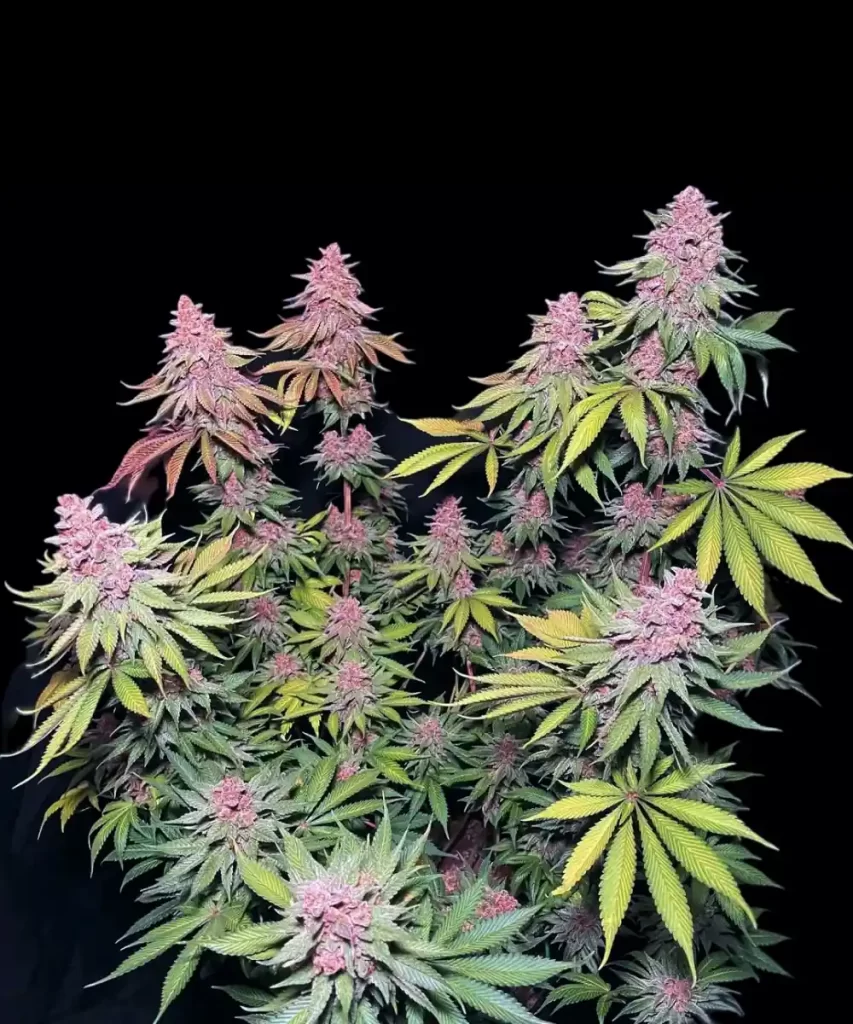
Member Berry is a Skunkberry × Mandarin Sunset hybrid known for tart fruit, sweet citrus, floral notes, and occasional old-school skunk. For growers, its appeal is just as practical: the documented RBX1 release combines a relatively low-growing plant with substantial flower development and a 56–70-day flowering window.
The catch is that a short plant is not necessarily a small plant. Member Berry can become crowded sideways before height becomes a problem. If you plan only around the top of the tent, the branch intersections and dense flowers can surprise you later.
The best first run gives each plant room to spread, preserves useful leaves, and allows the later-finishing plants to mature without a rushed harvest. This guide explains how to make those decisions—and how to keep the fruit character intact after cutting.
Cannabis cultivation is subject to local law. This guide is educational; grow only where legally permitted.
| Question | Practical answer |
| What are the genetics? | Skunkberry × Mandarin Sunset |
| Who developed it? | ETHOS Genetics |
| What is Member Berry RBX1? | A feminized photoperiod release in the Member Berry family |
| How long does it flower? | The current RBX1 breeder window is 56–70 days, approximately 8–10 weeks |
| How does it grow? | The breeder describes low plant morphology with substantial flower development; actual height and width depend on the individual plant and grow |
| What does it smell like? | Tart berry or other fruit, sweet citrus, florals, and sometimes skunk |
| Is it beginner-friendly? | The breeder describes it that way, but dense flowers still require humidity control and inspection |
| What matters most? | Canopy space, selective leaf management, maturity checks, and even drying |
If you have a clone, its supplier’s own finish history is more useful than an average for seed plants. If you have a different breeder’s version, use that release’s specifications rather than assuming the RBX1 description applies.
Member Berry’s direct parentage is consistently recorded as Skunkberry crossed with Mandarin Sunset. The important distinction is between that cultivar family and the particular seed release or clone in your garden.
Member Berries is a common alternate name. The plural does not establish a separate genetic line. A pack labeled Member Berry RBX1, however, supplies breeding information that a dispensary menu often omits.
In the original breeder’s terminology, RBX means a reverse backcross involving a female pollen donor. It does not mean autoflower. Nor does the label alone reveal the complete selection history or which parent was used at every step.
The documented RBX1 is a photoperiod plant. Indoors, flowering is normally induced with a consistent 12-hour light and 12-hour dark schedule. Its 56–70-day reference describes flowering, not the entire journey from germination. Vegetative growth and recovery from training come before that window.
Keep the release name and plant number on the pot and any cuttings. Two seeds from the same pack can share the expected family traits without producing identical flowers, finish times, or aromas.
The name suggests berries, but Member Berry is not limited to one blueberry-candy expression. Some flowers lean toward tart fruit and sweet citrus; others show more florals or a skunky finish. That variation is worth noticing rather than treating every non-berry plant as a disappointment.
Caryophyllene, myrcene, and humulene appear in published strain-profile data. Commercial examples can show a different balance, including linalool. A strain name is not a laboratory report, and one terpene should not be credited with producing the entire berry aroma.
The same caution applies to potency. The breeder lists 24–28% TAC, meaning total active cannabinoids. That is not a universal 24–28% THC claim. Extracts are concentrated products, so their terpene percentages do not describe the flower they came from. For a particular batch, a traceable certificate of analysis is the better reference.
Reported effects often include happiness, euphoria, and physical relaxation. Accounts differ on whether the experience feels functional or sleepy. Dose, individual sensitivity, and the actual flower matter more than an indica percentage or a daytime recommendation. Dry mouth, dry eyes, and anxiety are also reported; cannabis can impair attention and coordination.
Compare samples at similar temperatures and moisture levels. Describe the first aroma from an intact flower, then the notes released when a small piece is broken apart. You may notice bright citrus first, followed by softer fruit, florals, or skunk.
A sample that is wetter than another can seem different even when genetics are not the main cause. Consistent handling makes sensory notes more useful than elaborate flavor descriptions collected under different conditions.
The breeder’s compact-growth description makes Member Berry interesting for growers who do not want a tall, long-flowering plant. It is not permission to fill every available inch with another pot.
Before committing to a plant count, consider the finished canopy, not the seedling tray. Each retained branch needs space for leaves now and flowers later. There also needs to be room for air movement, irrigation, and your hands.
| Your setup or priority | Member Berry fit | Main condition |
| Limited vertical clearance | Worth considering | Allow for transition growth and the fixture’s required clearance |
| Small tent with access from one side | Manageable with restraint | Keep rear and central flowers reachable |
| Fruit-forward flower for personal selection | A strong reason to try it | Judge individual plants after consistent drying and storage |
| Humid room without effective moisture removal | A poor starting situation | Improve climate control before relying on compact stature |
| Outdoor site with wet late-season weather | Requires careful planning | Allow for the later end of the flowering range |
| Maximum output with minimal observation | Not a reliable match | Dense flowers need more attention as harvest approaches |
No single verified height or stretch multiplier describes every Member Berry plant. During the first run, record both height and canopy width. A branchy plant can fill the horizontal space even when the light remains comfortably above it.
Leave enough adjustment room to separate leaders as the plant transitions. If tops already overlap heavily before flowering, correct the layout rather than hoping the shorter structure will solve it.
Topping can help a vigorous photoperiod Member Berry plant form multiple leaders. It only helps if those leaders receive useful light and can develop without pressing against one another.
Wait until the plant has established roots and resumed healthy growth after transplanting. A plant that is already stalled does not need another stress event. After topping, allow recovery before adding more cuts or strong bends.
Spread the leaders gradually with soft ties. Aim for a canopy with distinct flower positions, not a dense circle of branches occupying the same center. Recheck the ties as stems thicken, and avoid bending a hardened stem simply to match a diagram.
A broad fan leaf shading a flower site does not automatically need to be cut. Try the least disruptive fix first:
This sequence prevents defoliation from becoming a substitute for spacing. Removing healthy leaves throughout the plant can make the canopy look cleaner without fixing branches that are physically too close together.
| What you find | Better first response | Why |
| One healthy leaf shades a useful site | Tuck or redirect it | Preserves leaf area while improving exposure |
| Two leaders occupy the same gap | Separate the branches | Solves the structural overlap |
| Weak shoots remain buried below the productive canopy | Remove selected unproductive growth before heavy flower development | Reduces sites unlikely to finish well |
| A leaf is damaged or trapped against a flower | Remove it cleanly | Improves inspection and eliminates compromised tissue |
| Healthy leaves only look untidy | Leave them unless they create a real problem | Appearance alone is not a pruning reason |
Support is a separate decision. A plant can have substantial stems and still need help carrying mature flowers. Add stakes or a trellis while access is easy; waiting until a branch leans under its own weight makes the job harder.
A rigid week-by-week recipe can encourage the wrong action when a plant develops more slowly or quickly than expected. Use these checkpoints to decide what comes next.
Confirm that the plant is growing actively and using water consistently. Complete the major shaping work while there is time to recover. Check that the side branches you intend to keep can reach light without filling every interior gap.
Take labeled cuttings if you want to retain a promising plant. A clone backup preserves the individual; buying the same seed pack later does not recreate that exact genotype.
After the light-cycle change, photograph the canopy from the same position every few days. Height measurements show vertical growth, while those photographs reveal where branches are closing the gaps you created.
Redirect flexible shoots early. When stems harden and flowers establish, move from shape-building to gentle support. Do not force every phenotype into the same outline if one is naturally wider or more upright.
As flower clusters thicken, check the sites where branches meet and where leaves rest against buds. Also examine flowers near tent walls and in the least ventilated part of the canopy.
One browning sugar leaf within an otherwise healthy cola deserves a closer look. Internal discoloration, decay, or gray growth can indicate a flower-health problem. Isolate suspect material, clean tools between plants, and never consume visibly moldy flower. A room humidity reading alone cannot establish that a bud is safe.
The current 56–70-day range leaves room for roughly two weeks of variation. Plan for that entire interval instead of booking the next crop around an automatic eight-week harvest.
| Flowering checkpoint | What to examine | Decision |
| Approaching day 56 | Flower development and representative trichomes | Establish whether the plant is entering its window |
| Around day 63 | Upper, middle, and less exposed flower sites | Compare maturity across the plant; do not judge only the largest top |
| Approaching day 70 | Remaining clear trichomes, continued development, and flower health | Harvest when the evidence supports it, or reassess a slower plant |
| Any time health or weather deteriorates | Damage, moisture exposure, and internal condition | Protect clean flower rather than waiting for a calendar target |
Inspect the swollen flower bracts—the small structures commonly called calyxes—not just resin on sugar leaves. Trichome appearance is useful alongside flower development, but it is not a precise test of THC percentage or a guarantee of a particular effect.
For uneven plants, harvesting mature branches separately can be reasonable. Keep those lots labeled so the comparison after drying remains meaningful.
Member Berry’s yield reputation does not establish a special high-strength nutrient requirement. Use a complete feeding program suited to your water and growing medium, then adjust from observed response.
A pale leaf can reflect inadequate nutrition, unsuitable root-zone pH, saturation, or another limitation. Dark leaves and burned tips can point toward excess concentration, but those signs also need context. Check the roots and irrigation before stacking supplements.
In soil, use container weight and moisture distribution to guide watering rather than transplanting a coco schedule unchanged. In coco, watch solution strength and drainage trends while keeping irrigation appropriate for the substrate. In water culture, oxygenation and solution stability are part of feeding management. Our soil, coco, and hydroponics comparison explains the different systems.
There is no validated Member Berry-only VPD target. VPD, or vapor pressure deficit, describes the moisture-pressure difference influencing transpiration. Use measured leaf temperature with the VPD chart for cannabis rather than assuming air temperature tells the whole story.
For dense flowering canopies, roughly 40–50% relative humidity is a common indoor starting band, not a cultivar specification or a mold-proof threshold. Temperature, airflow, flower density, and local conditions still matter. Avoid abrupt drying of the room if the plant is already struggling to keep up with water demand.
Check the humidity trend after lights-off as well as during the day. Cooler air can produce a higher relative humidity reading, and moisture removal may need to continue when the lights are off. Air should circulate through the growing area without a fan repeatedly blasting the same flower.
A photoperiod plant follows seasonal changes outdoors, but the start of flowering varies with location and the individual plant. The indoor window is a planning reference, not a guaranteed outdoor date.
A sunny site with moving air is preferable to a sheltered corner that stays damp each morning. Give branches enough spacing to avoid flowers pressing together, and install support before wind or rain tests their weight.
Use the longer end of the stated flowering range when deciding whether the cultivar fits your season. If the likely finish overlaps persistent rain, heavy dew, or early frost, you need a realistic shelter and harvest plan. A greenhouse roof excludes rain but does not automatically solve humidity; ventilation remains essential.
Inspect after wet weather, especially in the densest flowers. Do not extend a compromised crop solely to obtain more amber trichomes. Harvest preference is one consideration; clean, healthy flower is another.
The challenge after harvest is not simply slowing everything down. It is removing moisture evenly while limiting unnecessary aroma loss.
Widely used low-temperature drying approaches differ in their precise settings. For a first run, a controlled room around 60–70°F with approximately 50–60% relative humidity is a practical starting envelope, not a Member Berry-tested recipe. Choose conditions that produce steady drying, then observe the actual material. There is no fixed number of days that makes every branch ready.
Leave space between hanging branches. Keep air moving around the room rather than directly through the flowers. If a large branch contains touching clusters, dividing it into smaller sections can improve access and drying uniformity.
Check representative buds from the densest and least exposed positions. A crisp exterior does not prove that the center has reached the same condition. A small stem snapping is also an imperfect test for an entire harvest.
Once a small representative sample appears ready, place it in a clean container with a checked hygrometer and allow the reading to settle at a stable temperature. Watch the trend over several hours; an early low reading is not the final result.
| Container observation | What it suggests | Next step |
| Humidity continues climbing, especially toward or above 65% | The sample may retain too much internal moisture | Return it to controlled drying and reassess the remaining batch |
| The reading stabilizes in the high 50s to low 60s | Moisture may be approaching a workable storage condition | Recheck another representative sample; monitor the lot |
| The reading stays unusually low, and buds are brittle | The sample may be overdried | Avoid further unnecessary drying; lost aroma cannot simply be restored |
| Condensation, musty odor, or visible growth appears | A serious storage or contamination problem | Isolate the material; do not treat opening the lid as a safety fix |
A jar hygrometer is a rough moisture-management aid, not a microbial safety test. At equilibrium, relative humidity relates to water activity, but inexpensive meters and uneven samples introduce uncertainty. Commercial or higher-assurance production needs appropriate water-activity measurement and laboratory testing.
Curing does not make moldy material safe, and humidity packs are not a substitute for drying wet flower. For room setup and monitoring, see the dry-tent temperature and humidity guide.
Member Berry is described as high-yielding by its breeder, but that is a qualitative expectation—not a guaranteed grams-per-plant result. Plant size, light distribution, vegetative time, root health, and trimming standards change the outcome.
For your own comparisons, record dry trimmed flower alongside the canopy area allocated to that plant. A hypothetical plant producing 120 grams from 0.4 square meters gives 300 g/m² for that allocated footprint. That is a recordkeeping example, not a Member Berry yield prediction.
Only compare plants dried to a similar endpoint. Extra retained moisture can inflate weight, and a longer vegetative period can inflate plant-level yield without improving efficiency. Write down both the space and time used.
For keeper selection, weigh the finished result against the work required:
If extraction is your goal, test it separately. Resin coverage and a fragrant flower do not establish ice-water hash yield or pressing performance.
Member Berry offers a straightforward appeal: recognizable Skunkberry × Mandarin Sunset ancestry, varied fruit-forward aromas, and a documented flowering range that can suit many indoor gardens. Its compact reputation helps with planning, but the flowers still need space.
Separate branches before they become crowded, remove leaves for a specific reason, and let maturity—not an eight-week appointment—set the harvest. Then give the dense buds an even dry and compare the finished samples honestly.
For another fruit-forward option, explore the Hypno Seeds flavor collection and compare each cultivar’s documented structure and finishing requirements with your own grow space.


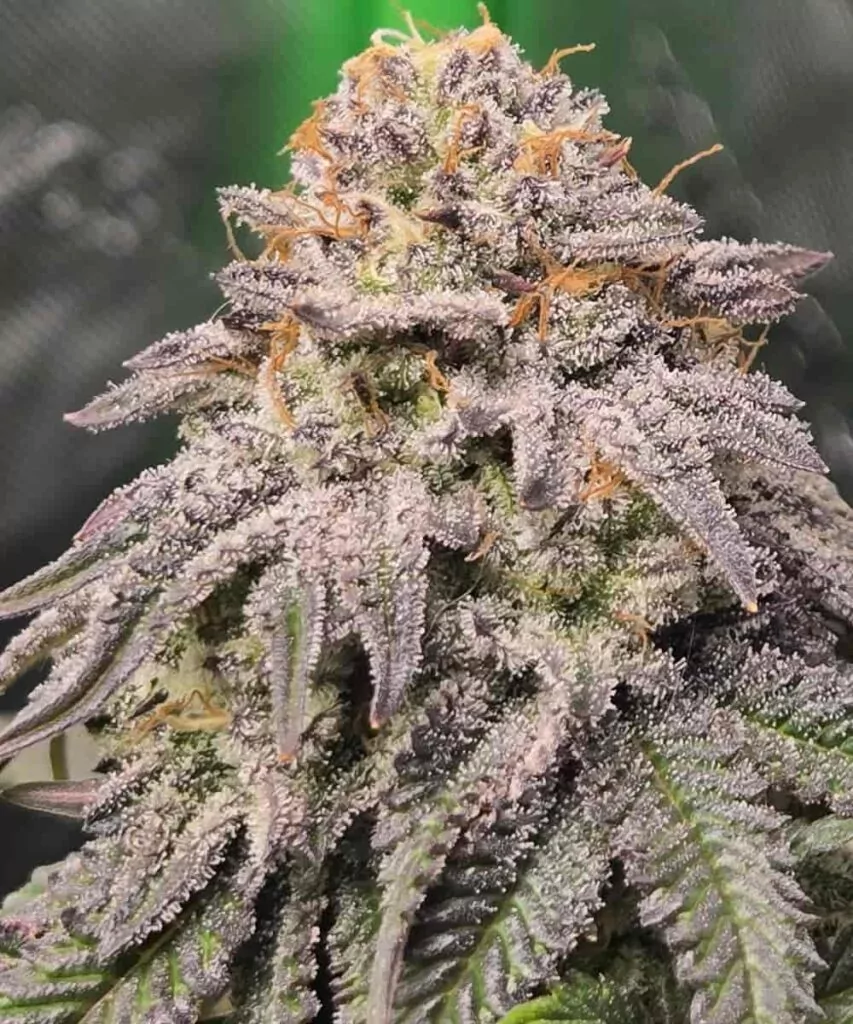


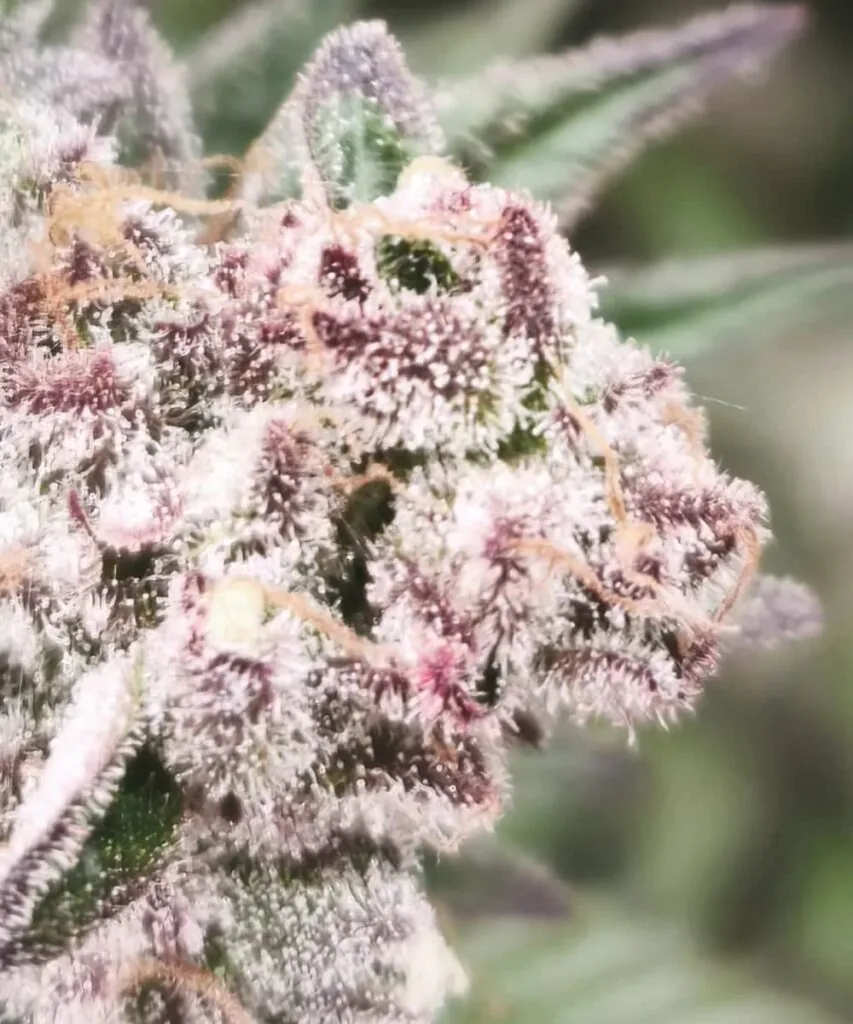
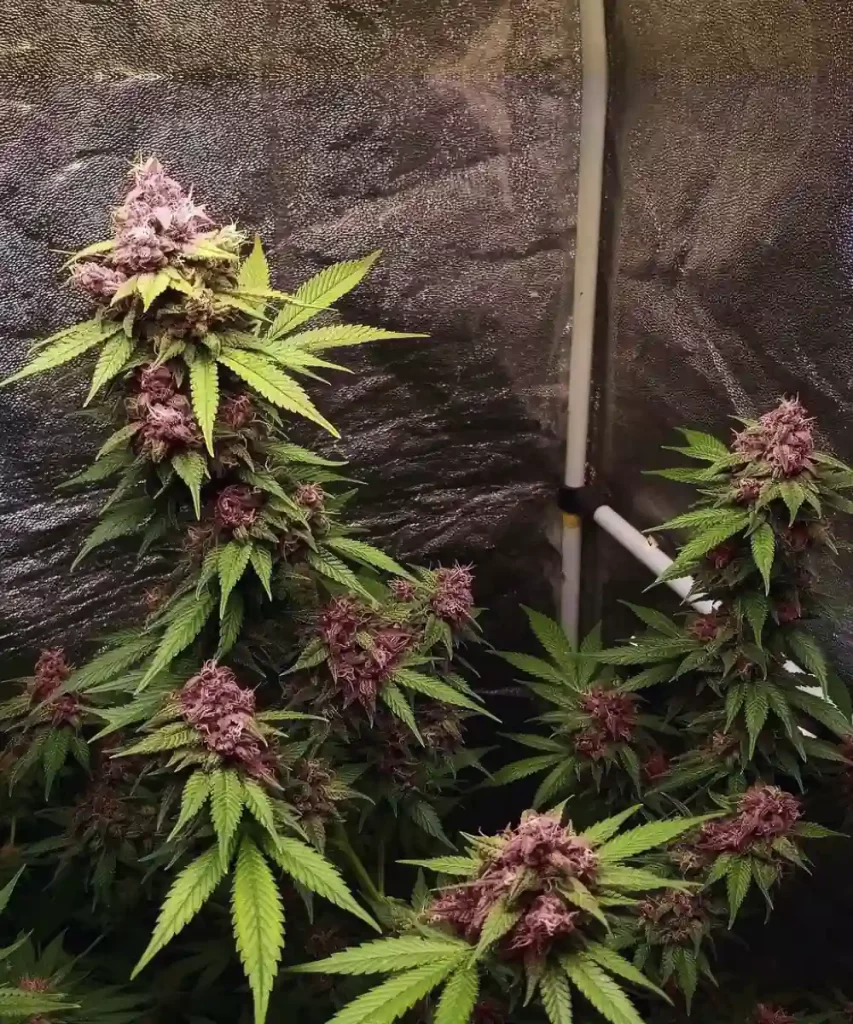
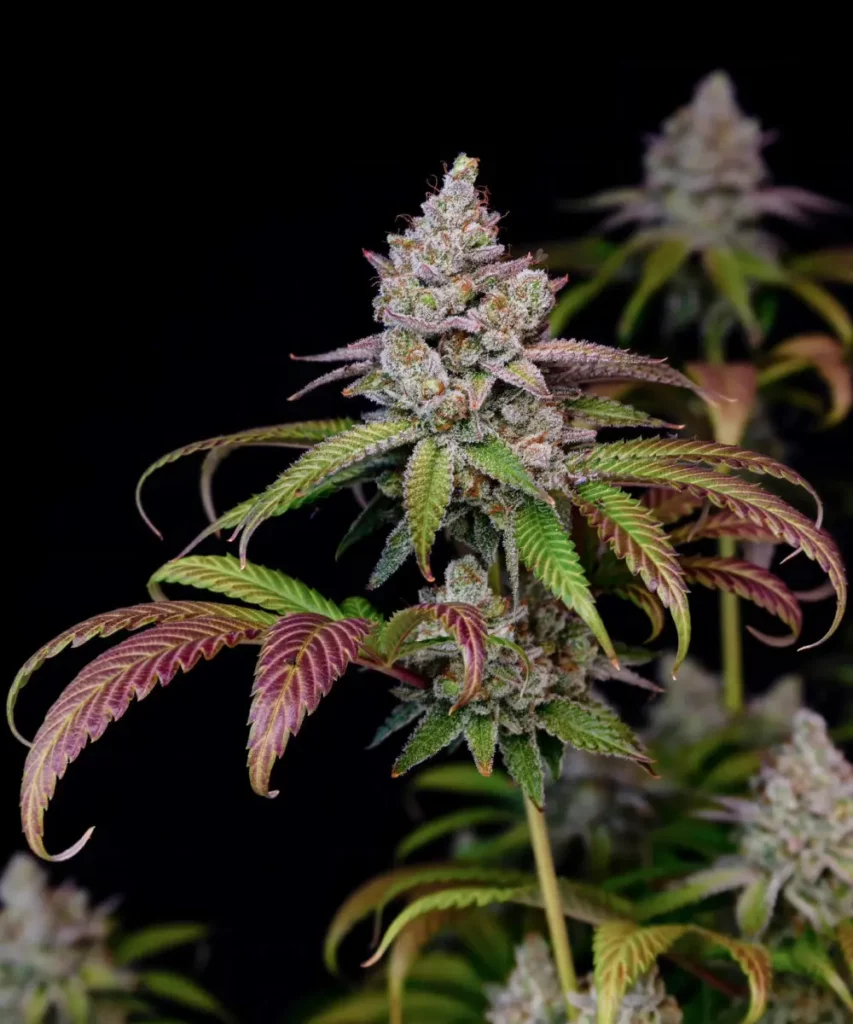

I planted 10 Super Boof seeds, and all germinated without a hitch. The plants grew strong and healthy, producing dense, frosty buds with a sweet, earthy aroma. The high is uplifting yet relaxing—a perfect balance. Impressive yield too, even with minimal effort

I’ve been growing weed for 30+ years, and to be honest, it’s quite difficult to surprise me. After a few decades of facing different strains, changing growing conditions, and solving whatever problem you could possibly think of, by then, I believe I’ve seen it all in cannabis growing.
Gary Payton defied every single one of my expectations.
The plant thrived, growing to an impressive 6 feet in what seemed like a blink of an eye. It quickly filled out with buds and displayed better smell each day, showing solid proof of superior genetics. The buds were tight, aromatic, and a source of immense pride, surpassing the outcome of many of my previous endeavors.
Hypno Seeds with their Gary Payton strain has won my complete admiration and loyalty. Outstanding genetics in this plant have truly turned what I always thought of to be an experiment with negligible expectations into one of the most satisfying grows of my long career.
Looking forward, my excitement for the next growing season is unparalleled. I can’t wait to see how much I can take these strains, especially with the attention that Gary Payton really does deserve right from the start.

TRUE MAGIC! This strain really stands out. I am trying Hypno Seeds for the first time and I surely made the right choice. I will be ordering more RS11 seeds just to keep this beauty in my garden for the upcoming season. Growing in Virginia and it’s only shown perfection by now.

Starting my latest grow, I decided to try out some Blackberry Kush from Hypno… I planted her on a whim alongside my other favorites. Hypno Seeds said it had to be a powerful plant with rich, fruity scents… Seeing is believing. She developed purplish hues and dense resin coated buds and quickly took center stage in my garden and produced much more than expected. The buds are tightly packed, literally bursting with the heady aroma. The yield? Very impressive for her conditions…
Germinated three seeds using the paper towel method with100% success rate within 48 hours. Planted in 5 gallon pots with living soil under a 315W CMH light. Plants remained compact (3.5 ft) with thick lateral branching, showing high resistance to humidity and minor nutrient fluctuations. Yield per plant: 5.8 oz of extremely dense, trichome-heavy buds. Smell profile during flower: sharp pine, pepper, and a hint of citrus. Harvested at week 9, after trichomes showed 30% amber for peak sedative effects. Smoke report: Potent. Deep relaxation without full sedation. Ideal for stress relief.


